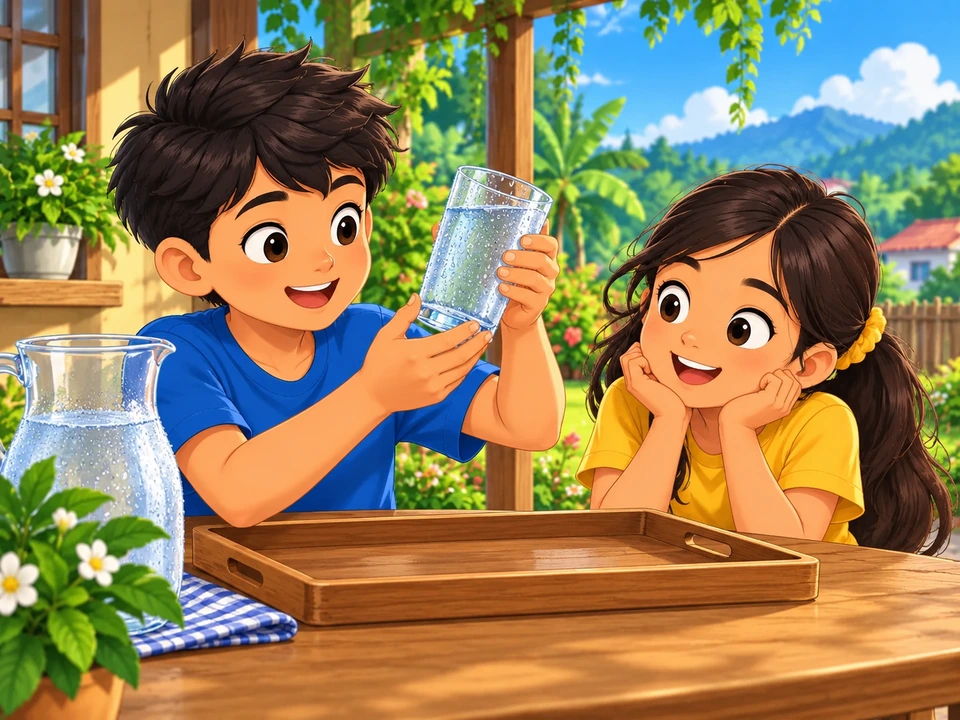
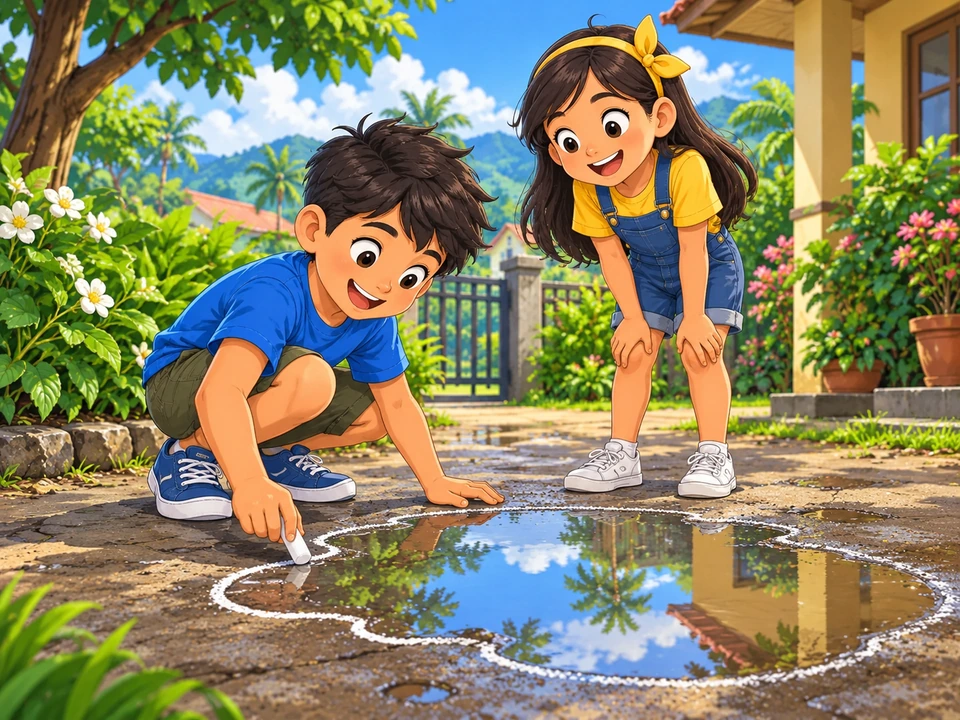
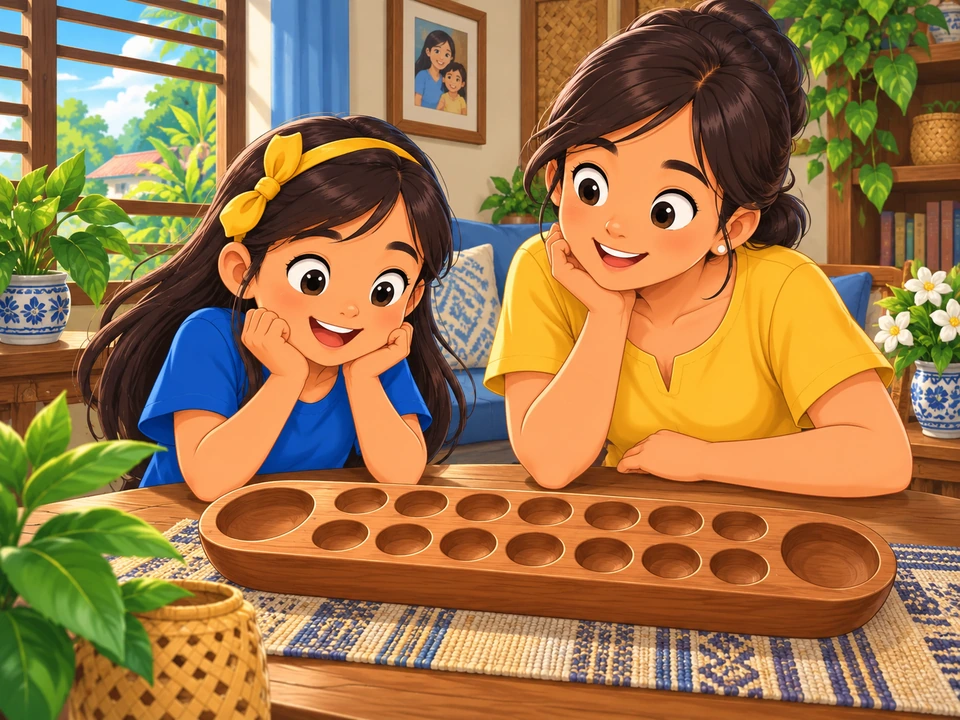
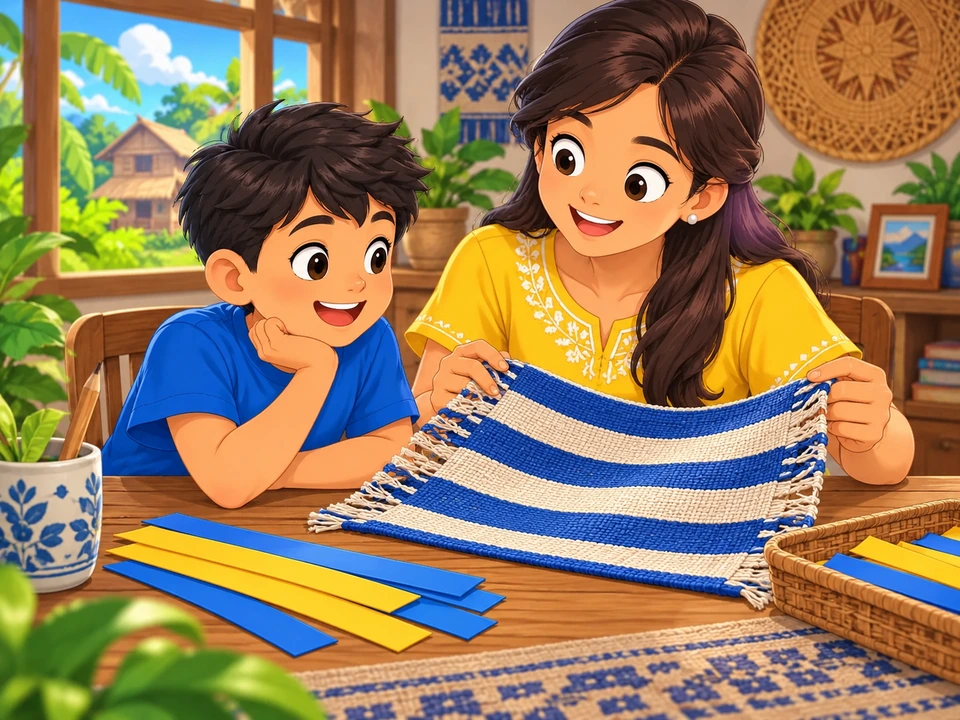
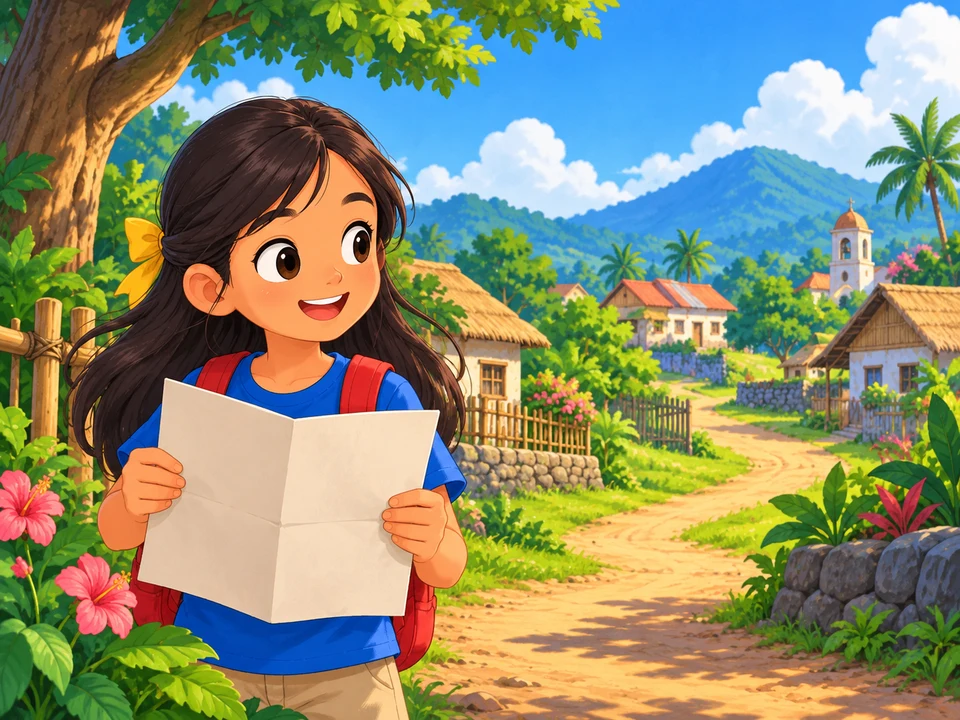
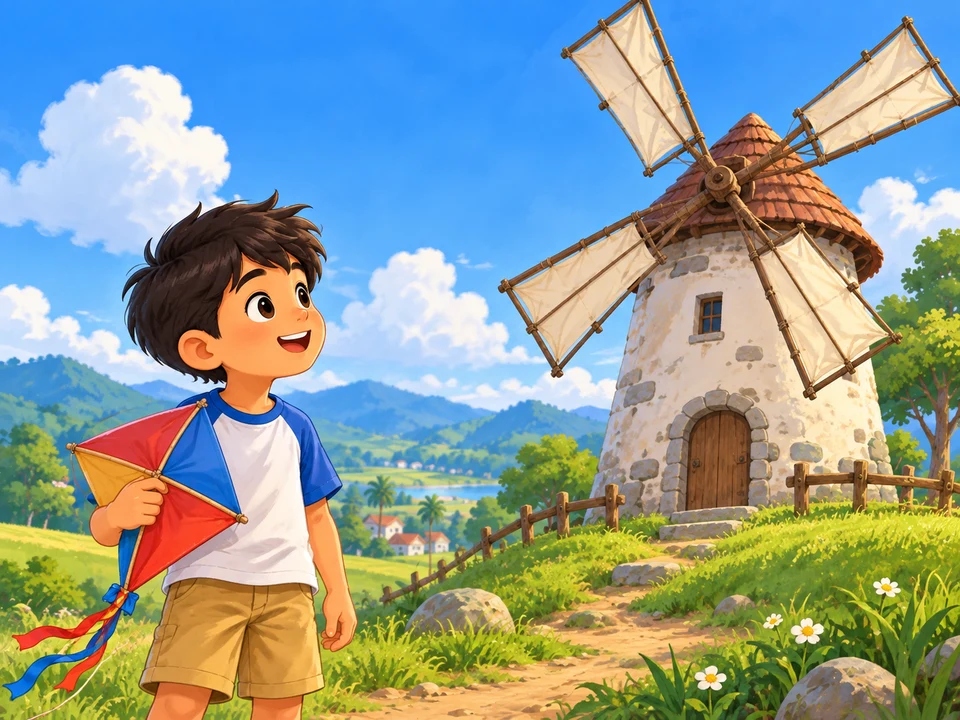
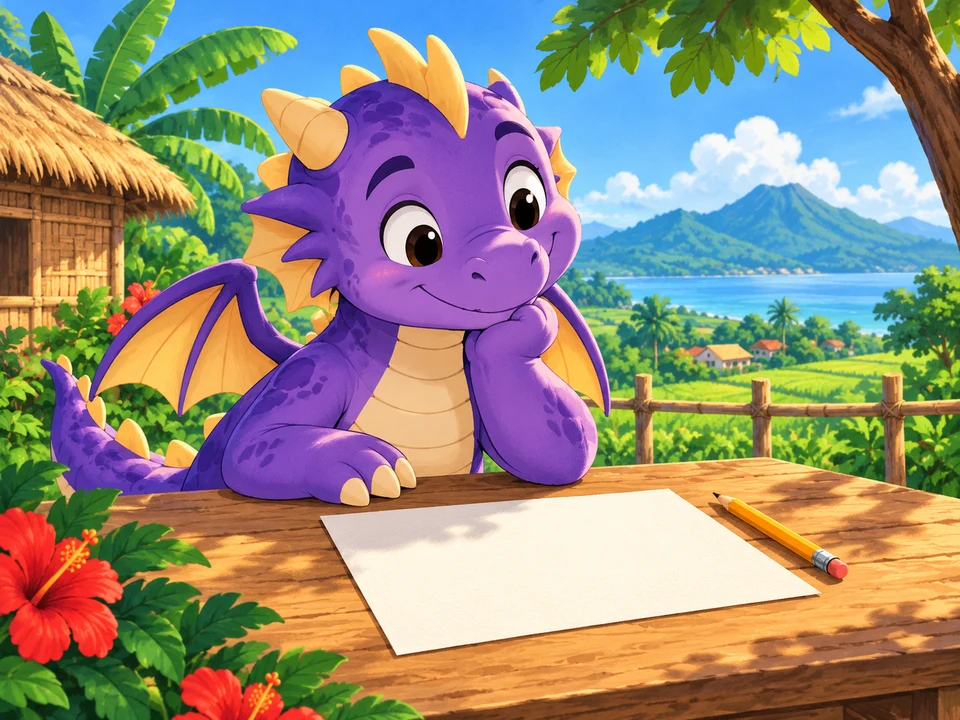
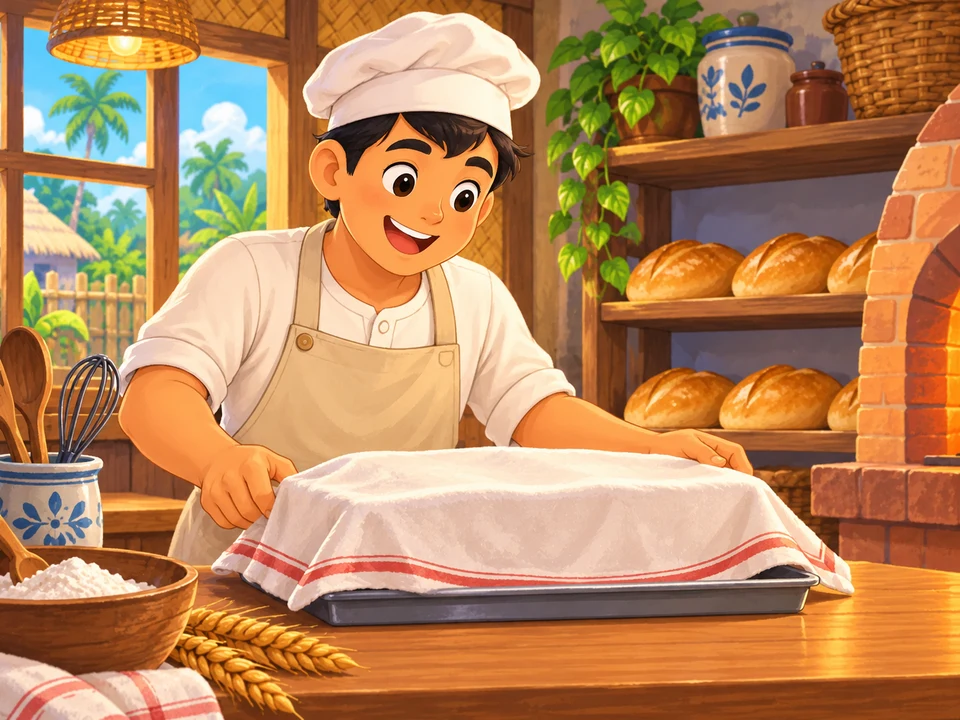
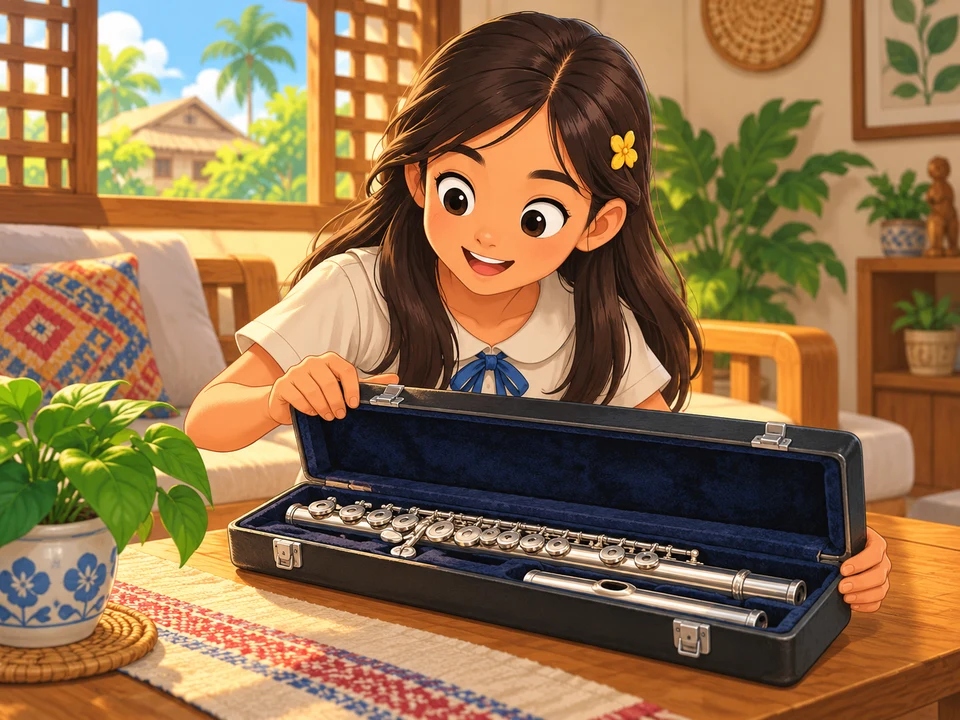
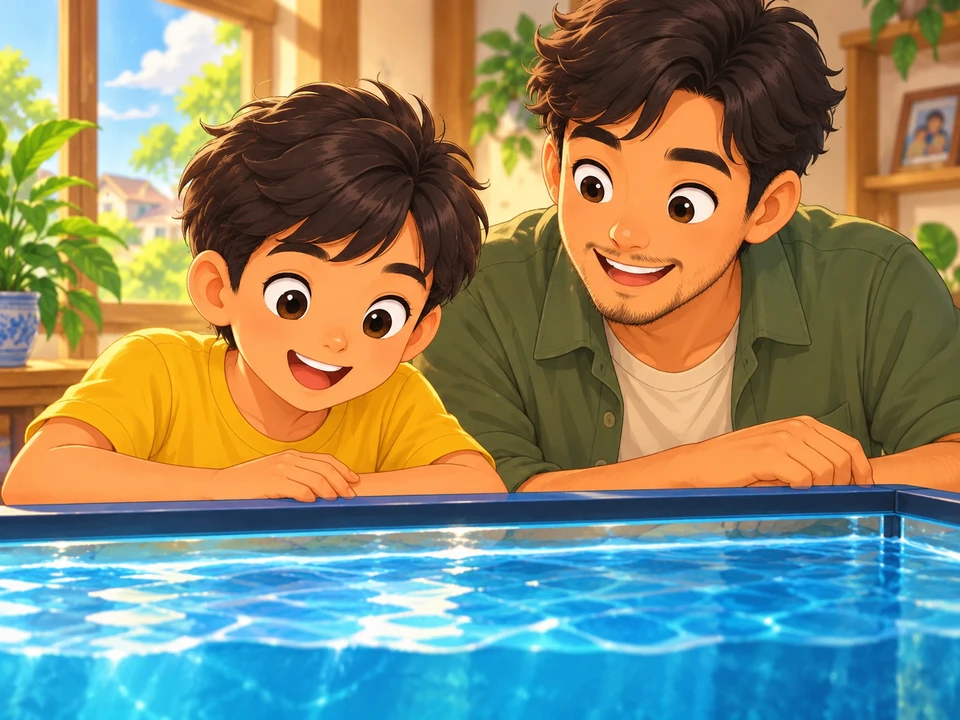
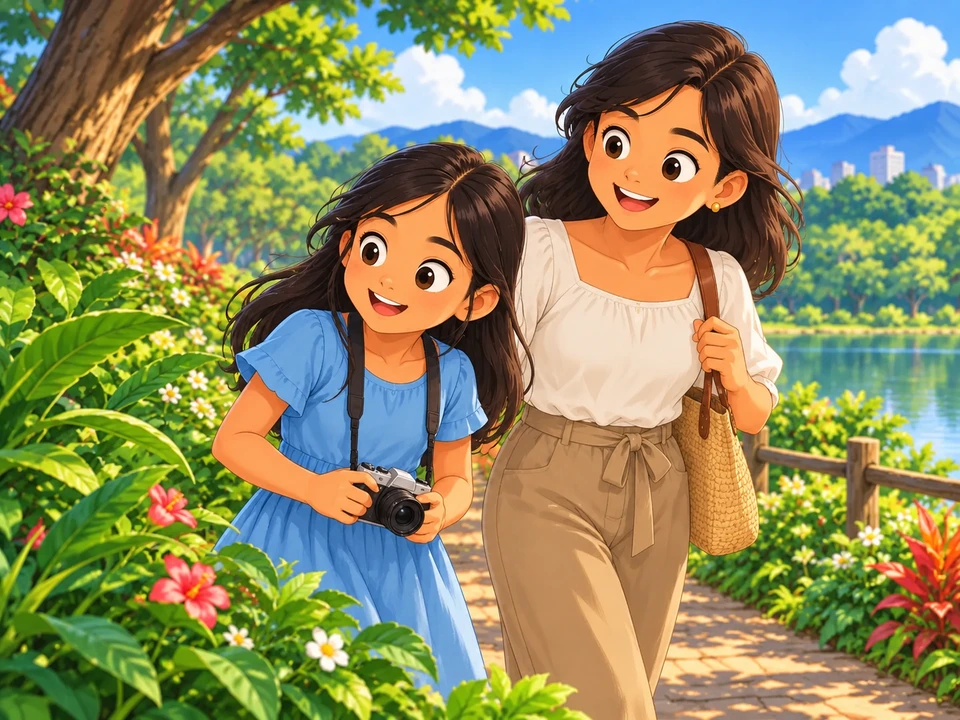
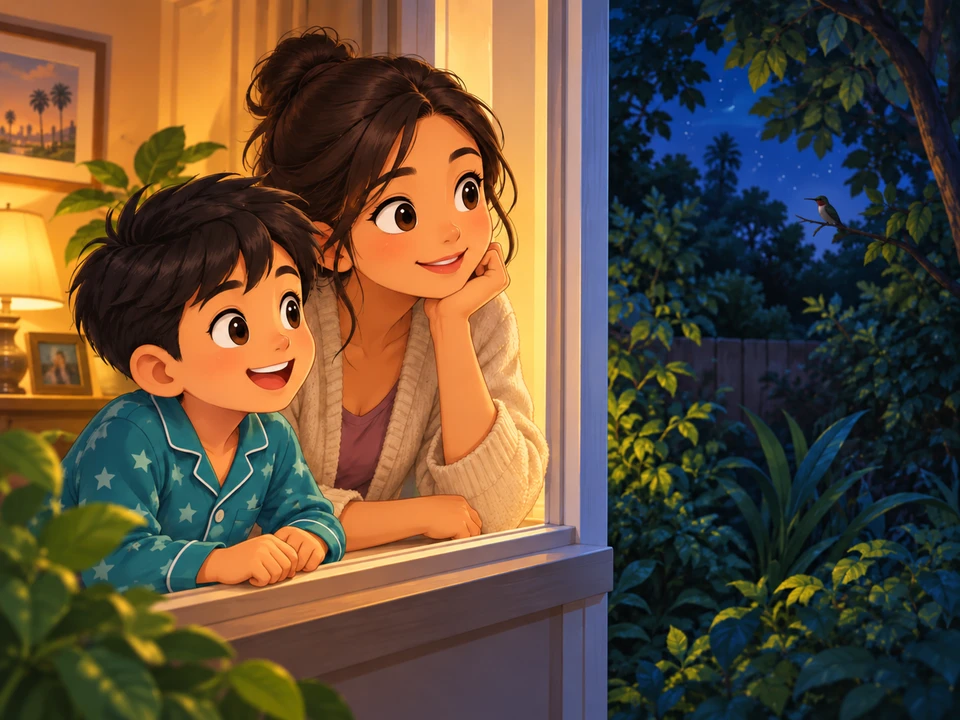
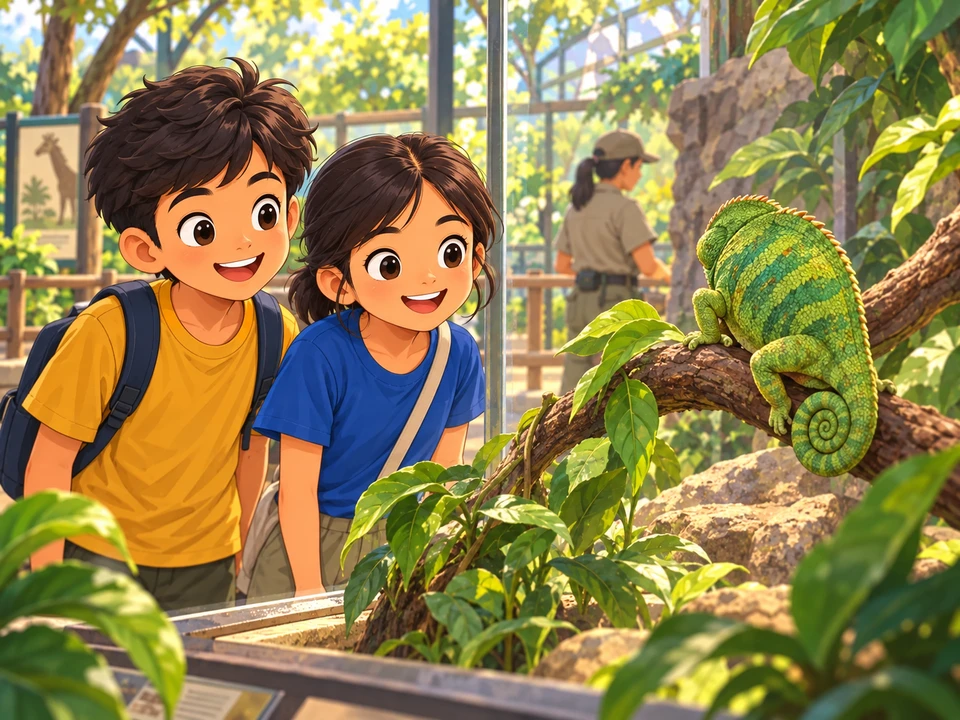
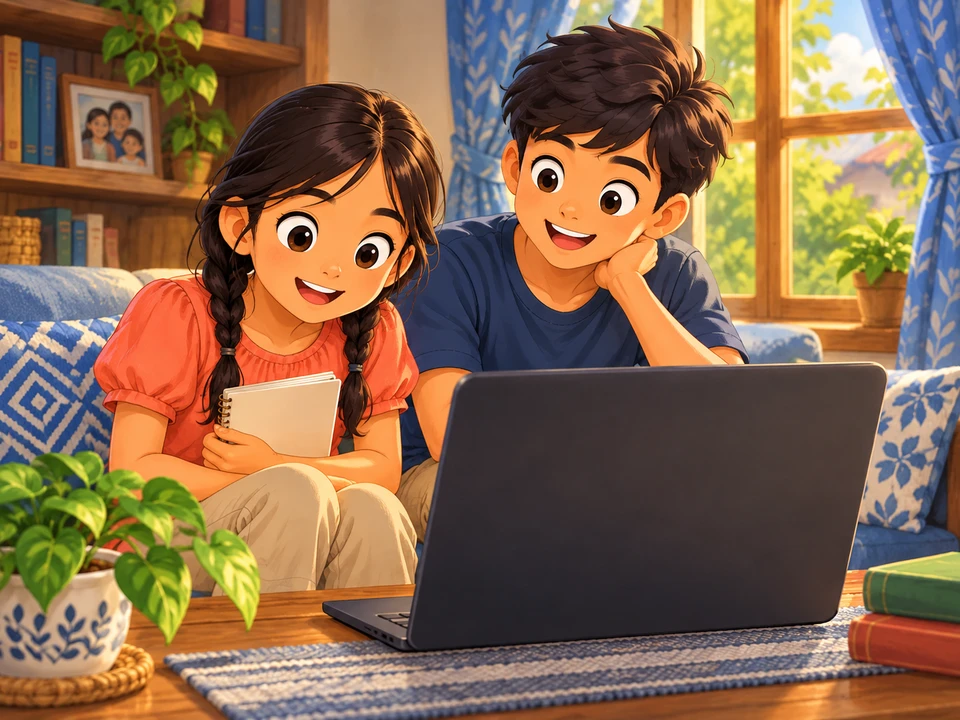
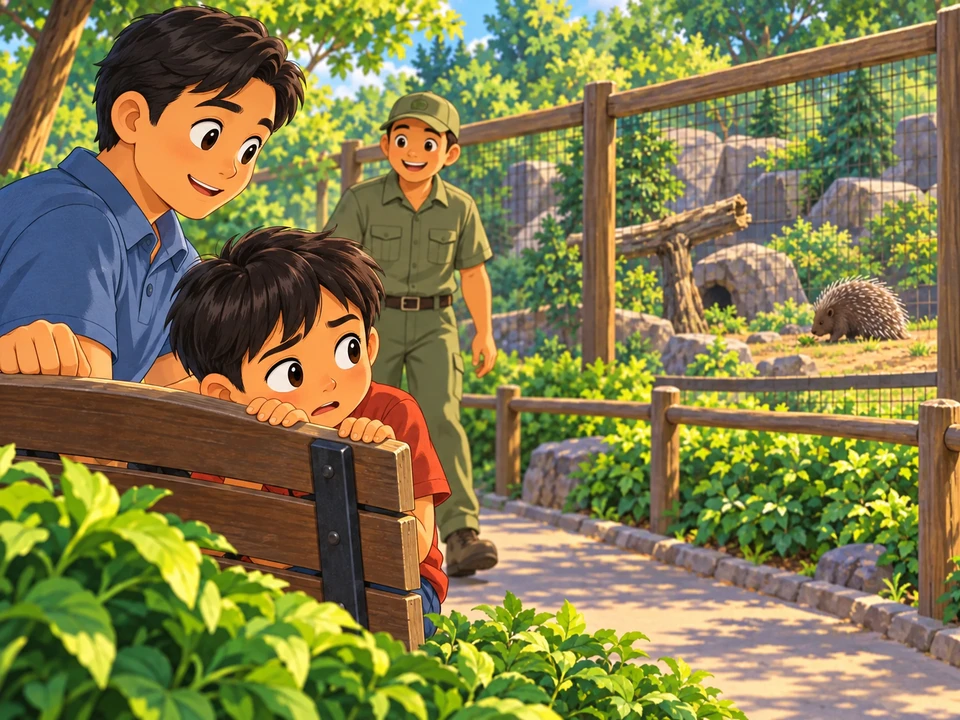
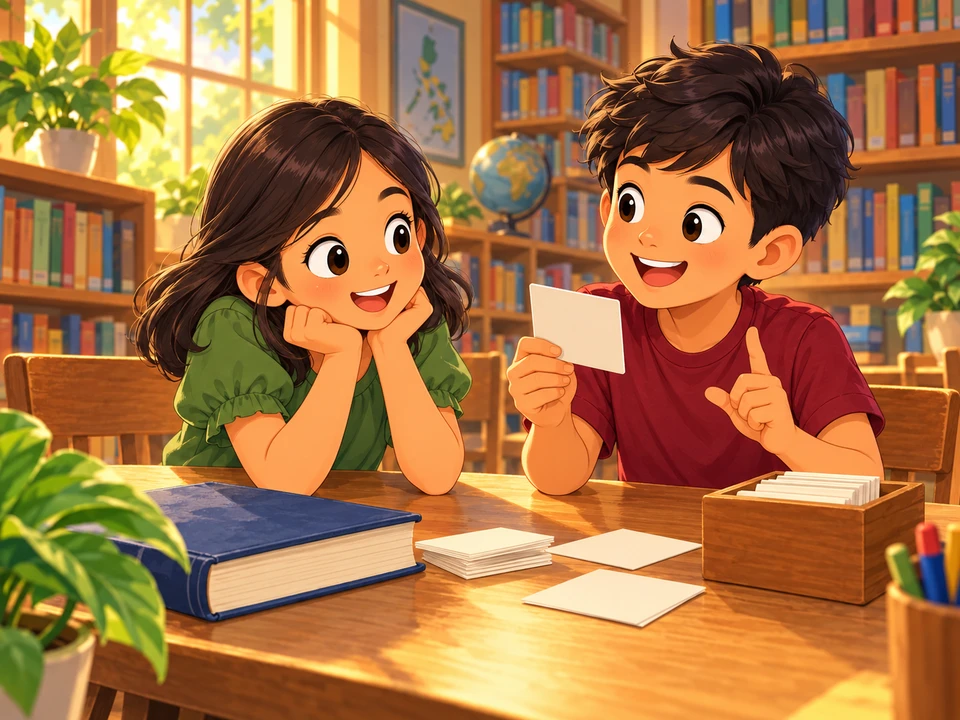
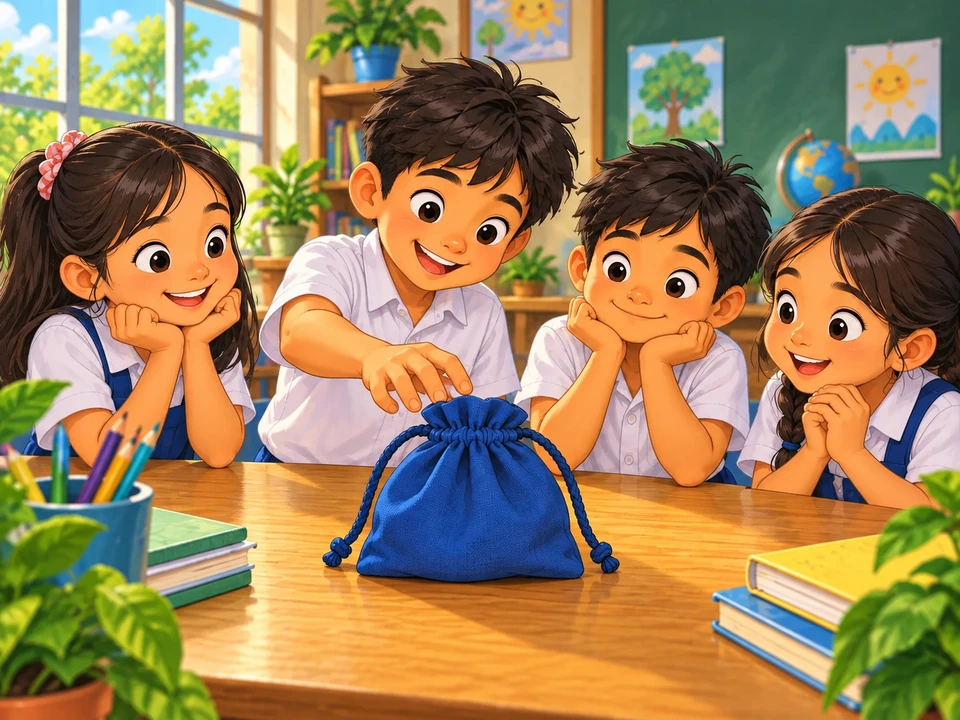
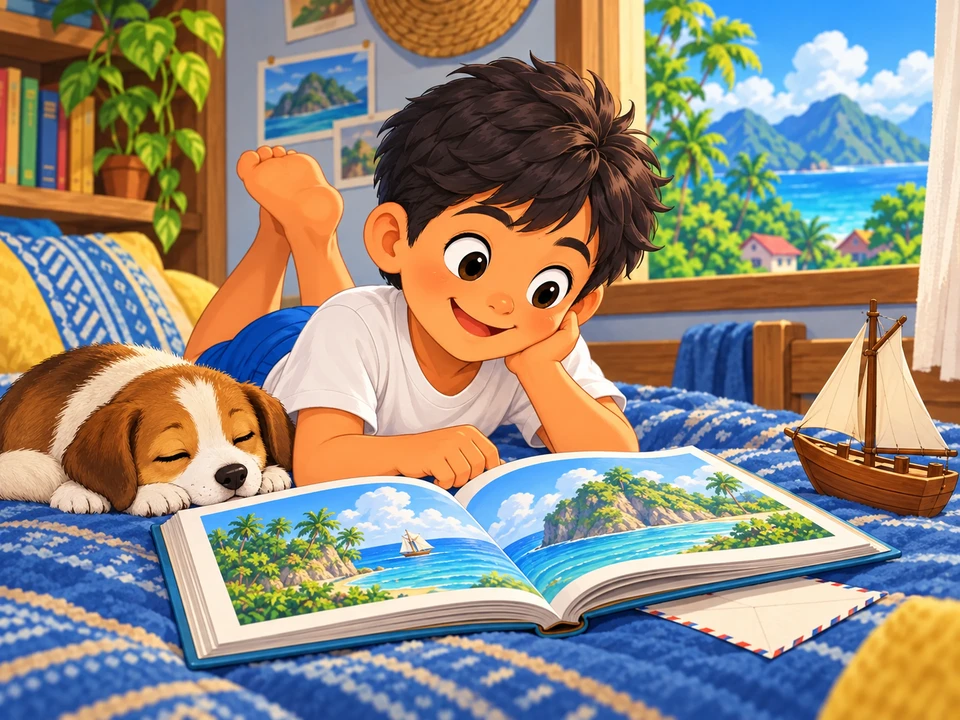
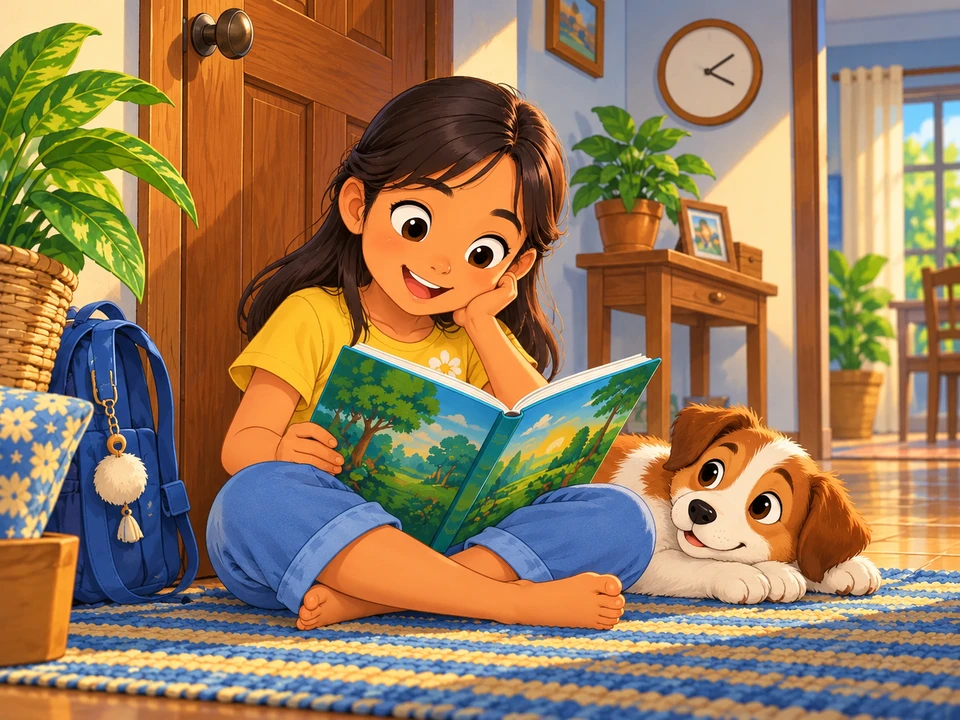
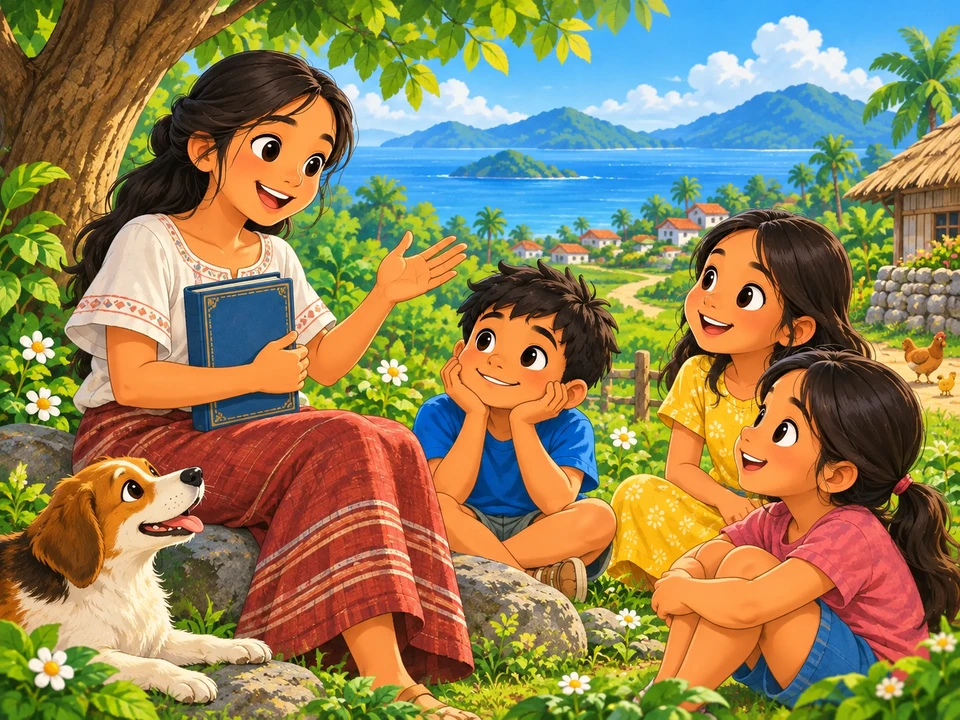
We compare original samples with all four Phil-IRI 2018 Pretest selections in the same grade and language. English and Filipino have separate profiles. These comparisons guide writing; they do not establish equivalent reading difficulty or replace educator review.
Saved on 2026-10-06, these profiles summarize an AI-assisted reading of 24 local oral Pretest passages and their question sets. They guide new original writing. Question kind labels are READSmart interpretations. The reference plots, wording and dated factual claims are not templates to copy.
600 of 600 samples pass the current comparison and source-audit checks. 30 existing samples predate the new pattern rubric and remain marked as not reviewed under it. New or edited samples must record that review. The initial drafts passed 0 of 12. These are project gates, not DepEd cutoffs. Word length cannot determine whether a word is familiar.
Current topic balance: nature 120 · science 120 · Filipino culture 120 · everyday discoveries 120 · stories 120. Revision 4 passed text metrics but leaned toward classroom procedures; it is retained as a superseded version. Revision 5 established the discovery-focused collection; later revisions extend it using the same authoring loop.
Reproduce the check and see the limits
Run pnpm benchmark:practice --write --covers. The JSON report retains reference fingerprints, measures and review status. The check rejects missing samples, unbalanced domains, missing discovery evidence, incomplete sentence audits, unknown fact sources, stale text reviews, copied sequences, stale covers, and stale reports. It also requires six evidence-backed pattern checks for new or edited samples and detects changed reference texts or questions. New covers need a visual review tied to the current questions; changing those questions requires another cover check. Verifying recorded evidence cannot establish that an editor’s judgement is correct.
The baseline is the repository’s transcription of oral Pretest Sets A–D, not the full Phil-IRI inventory. Sentence splitting is automated; vocabulary and conceptual difficulty still need a fluent educator. Original practice includes comprehension items but cannot serve as a validated Phil-IRI assessment. Matching reference patterns does not make a passage official or establish equivalent difficulty; learner trials are still needed.
Phil-IRI 2018 manual · DepEdStudent-requested readings and illustrated covers
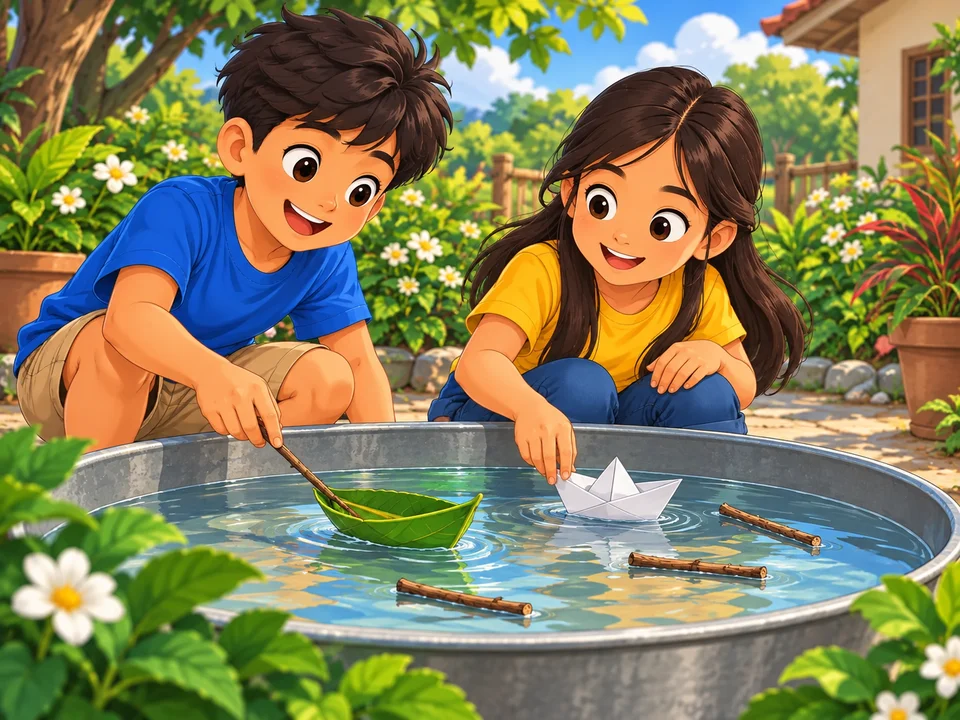
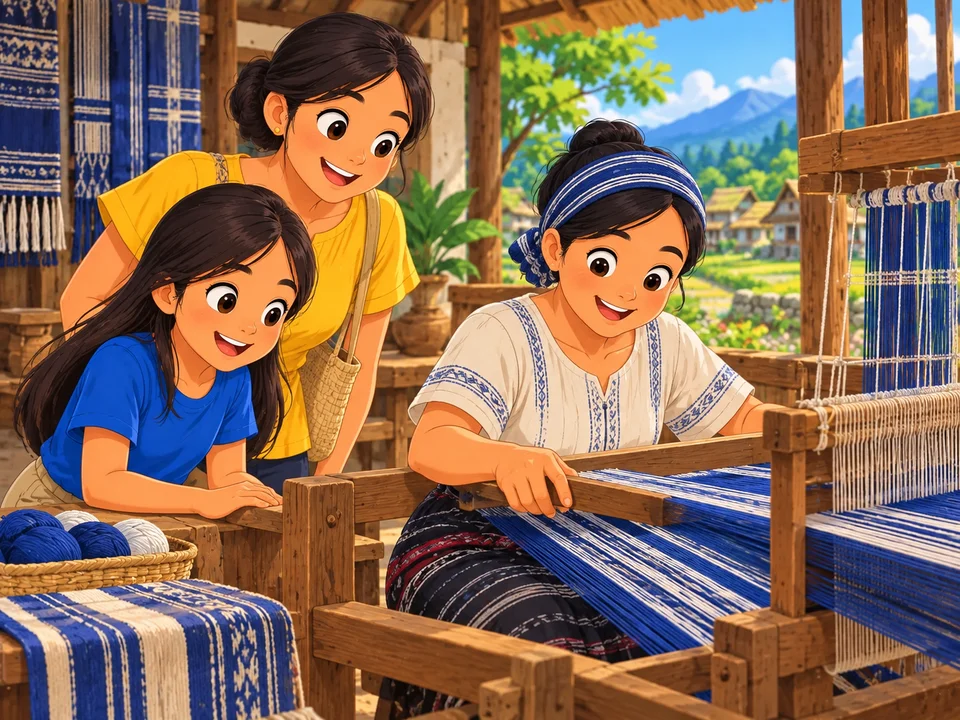
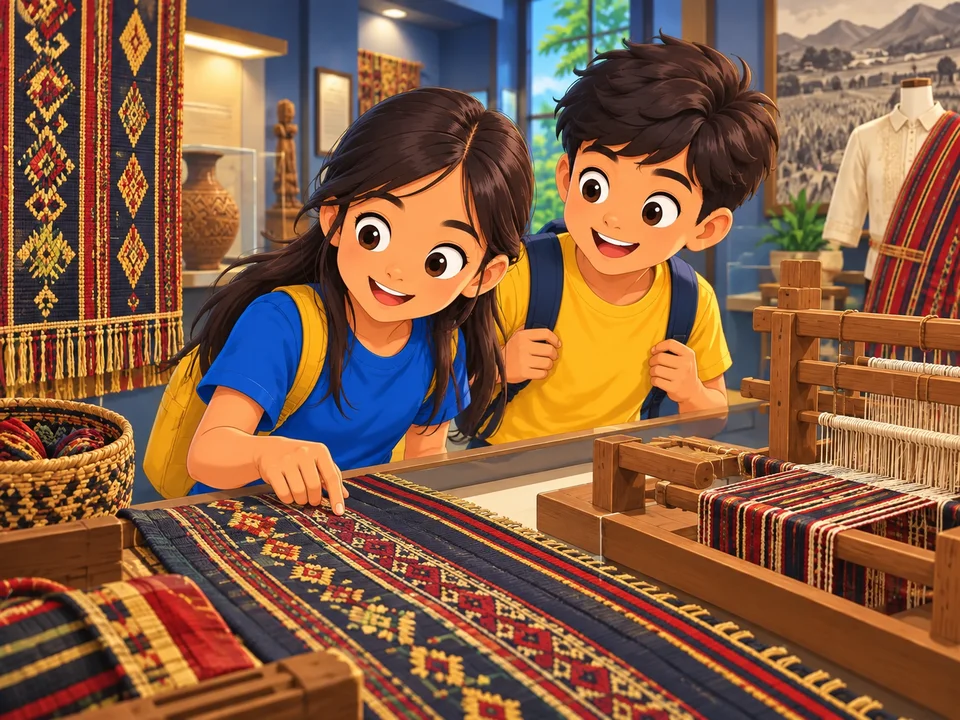
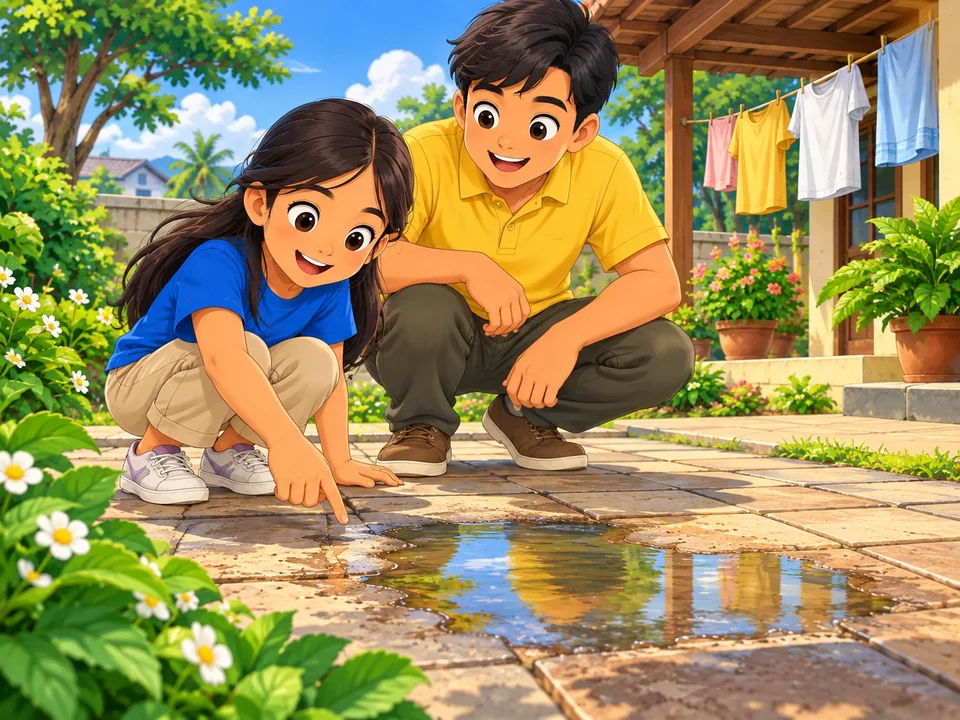
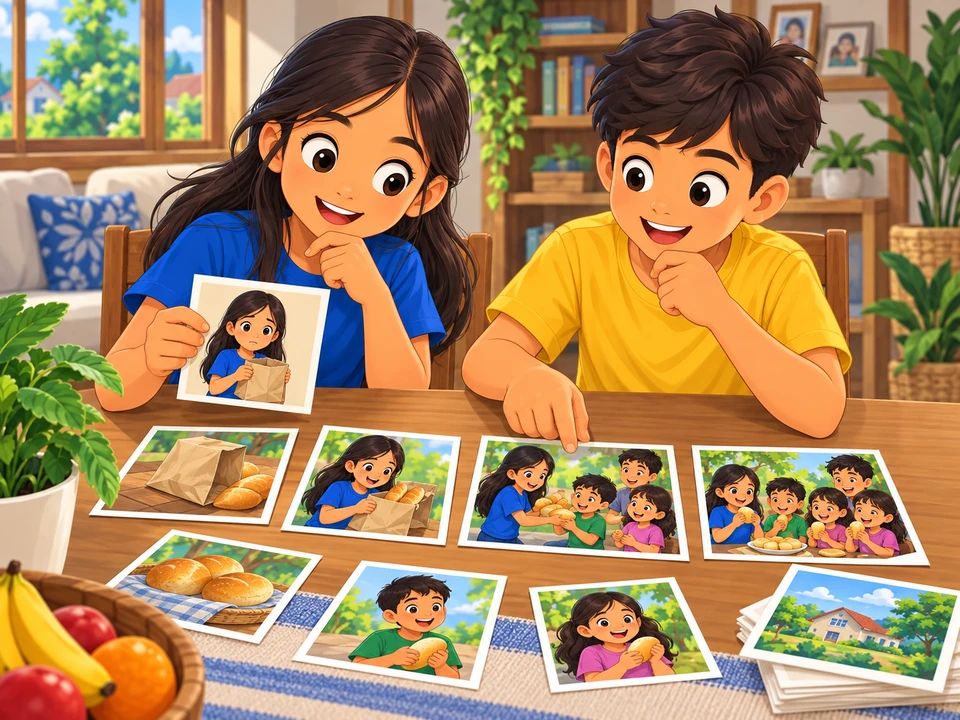
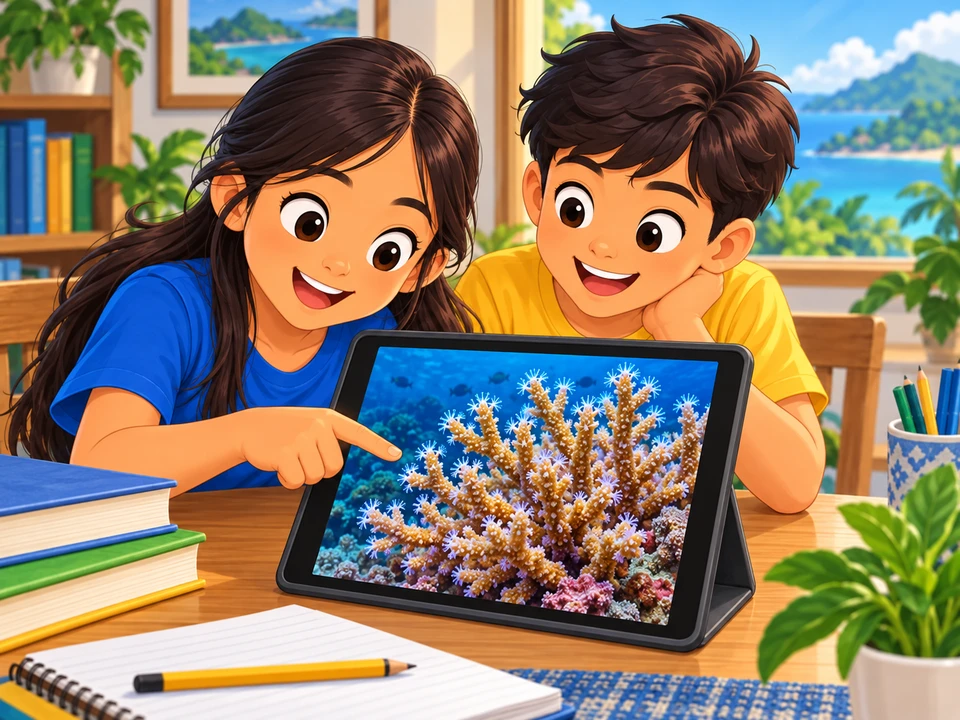
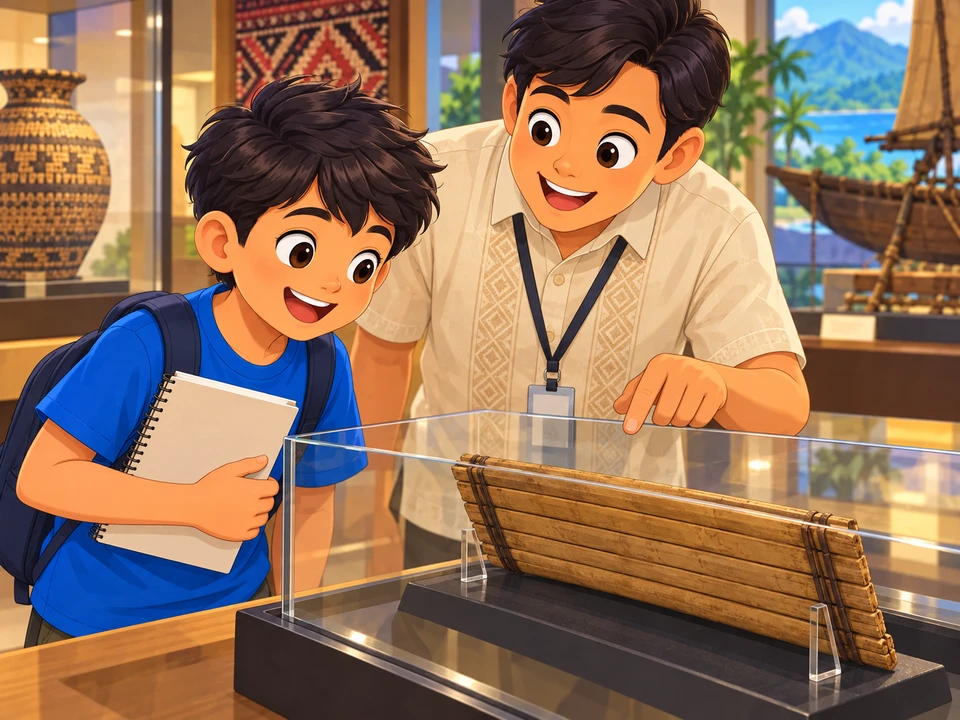
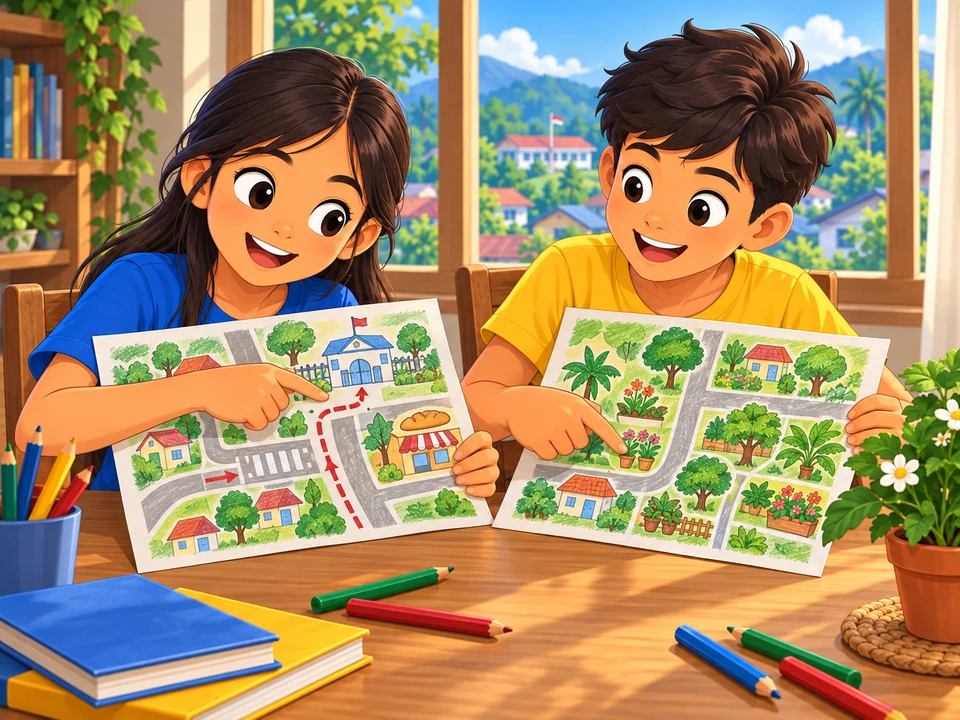
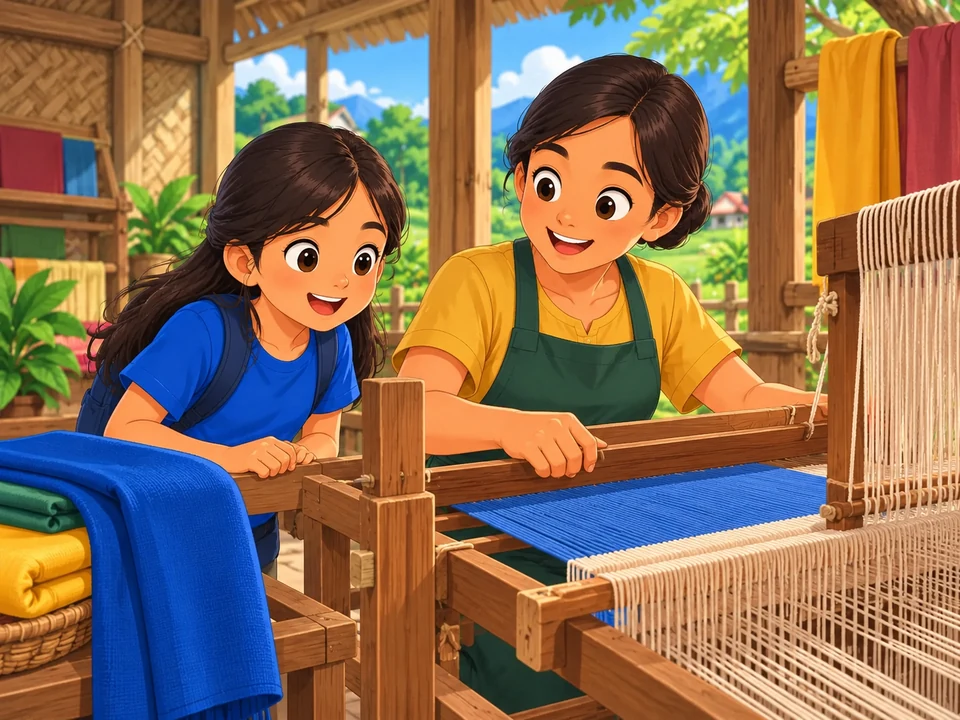
Curated originals: Codex authors the passages, questions and reviews. Its built-in image tool generates each cover using the strawberry and reading-companion artwork as style references. Their palette, character proportions and painted shading guide a shared style brief. New cover records retain prompts, alternative text, text and question fingerprints, and visual-inspection notes. Illustrations are artistic interpretations, not scientific diagrams or exact reproductions of traditional textiles.
Student-requested generation: the student requests a topic and language through the existing story form. The request is queued and made in the background, so the student can leave the page. The server uses the account’s grade, the matching reference pattern and a checked fact sheet. Workers AI writes the text and checks its measurements. A separate editor reviews all six pattern criteria and sentence sources, retaining evidence and flags for the teacher. Unsafe text is blocked; other editorial concerns remain visible on a pending draft. The job then prepares comprehension questions and asks FLUX.2 [klein] 9B for a cover in the style of the design samples.
The writer sees up to four nearby ideas found by shared words plus four recent passages. The editor selects comparisons again from the finished text and checks the plot, discovery, explanation and ending, including meaning across English and Filipino. Comparisons come from bundled originals, official references and stored passages; another school’s generated drafts stay out of the prompt. A shared subject or fact alone is allowed. A similarity finding needs exact spans from both passages and a reason, saved with the text fingerprint. Teachers see the concern and can expand the paired excerpts. Missing review evidence is flagged for checking. Each excerpt is bounded to its opening and ending when long; this shortlist can miss renamed or translated plots, omitted details and simultaneous drafts. Teacher judgement remains necessary. This check uses the existing editorial call and catalogue notes. It does not retroactively certify the current collection’s semantic originality.
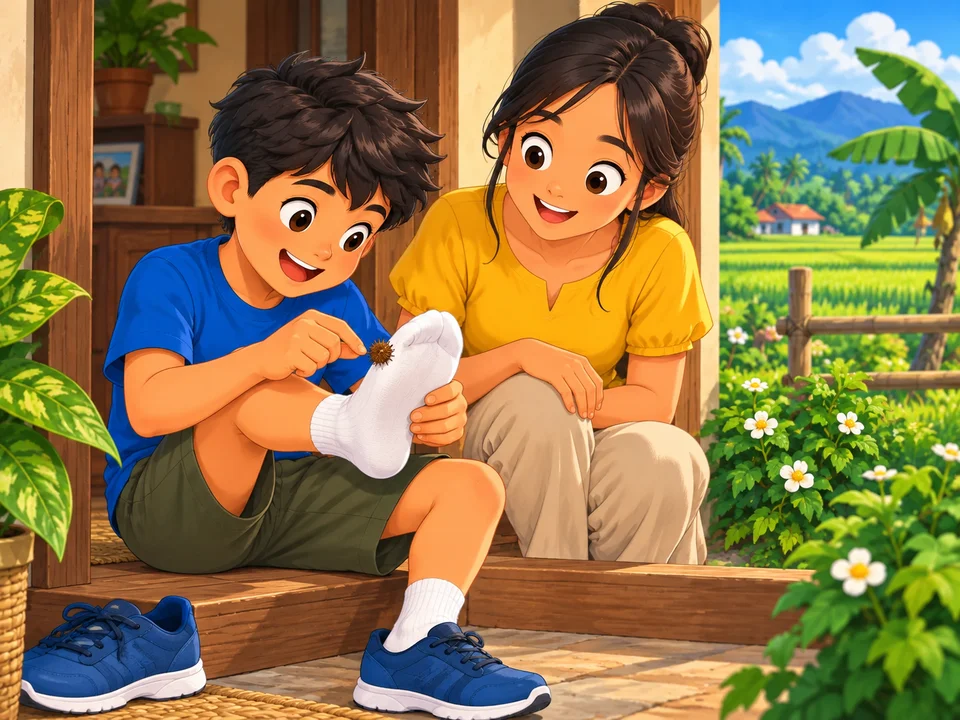
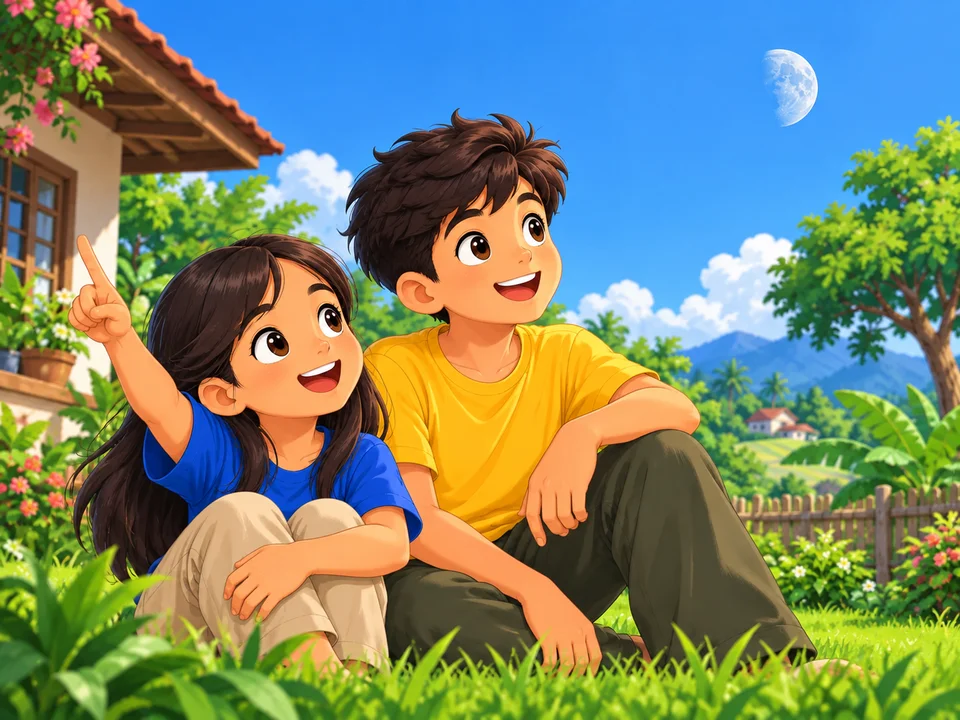
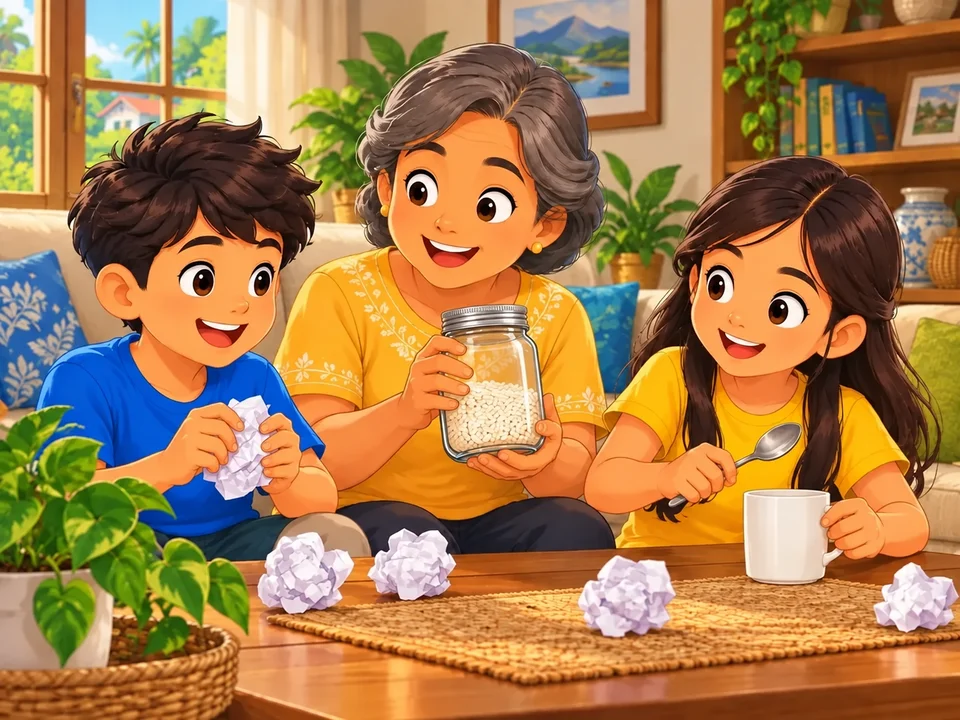
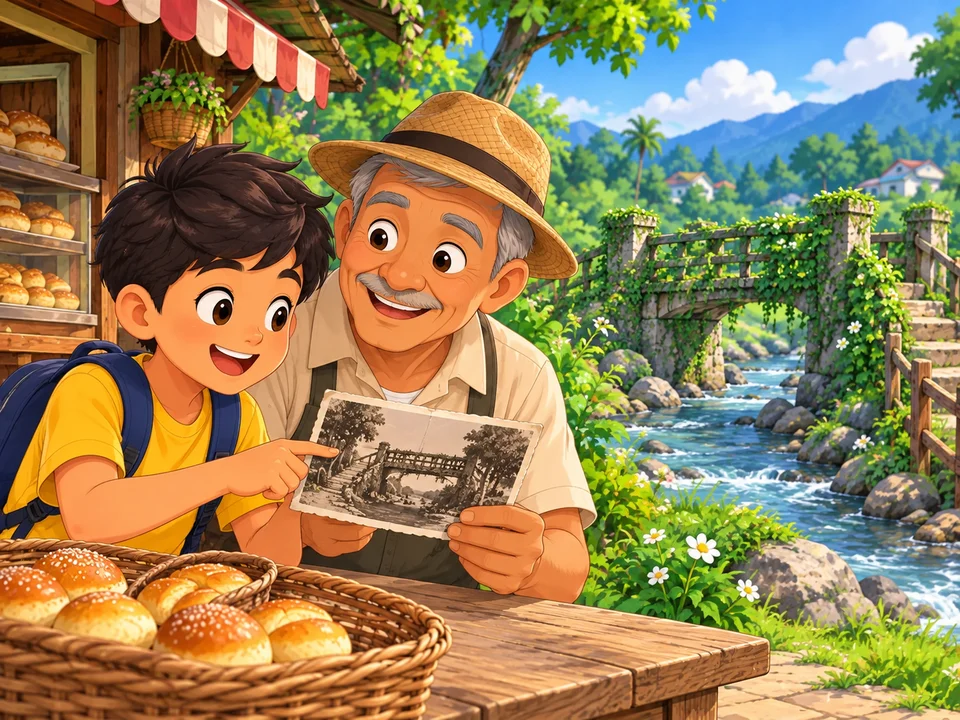
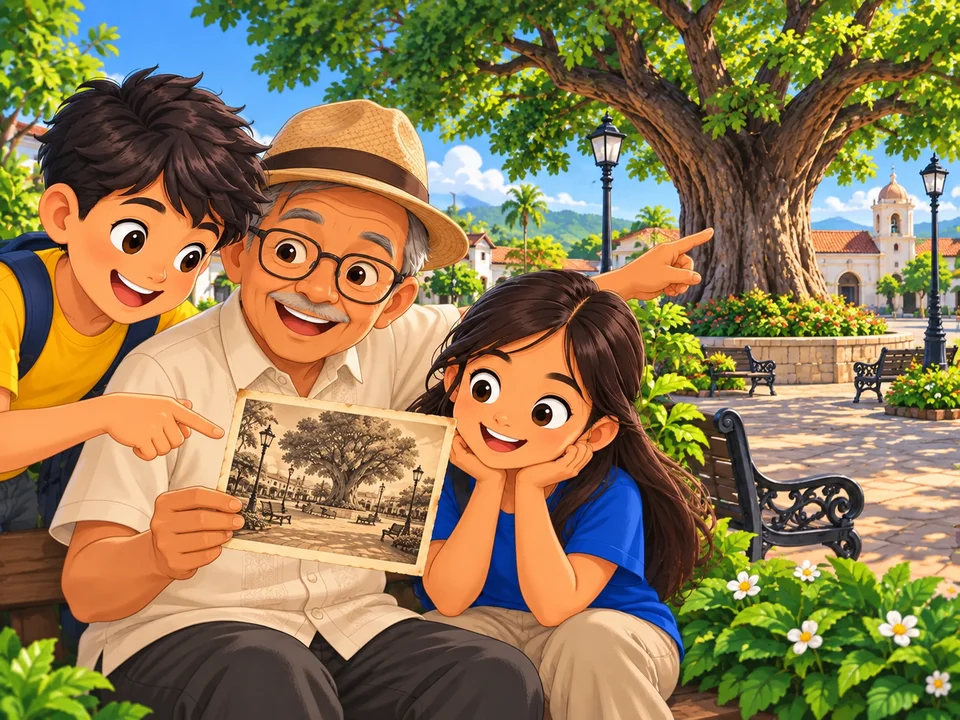
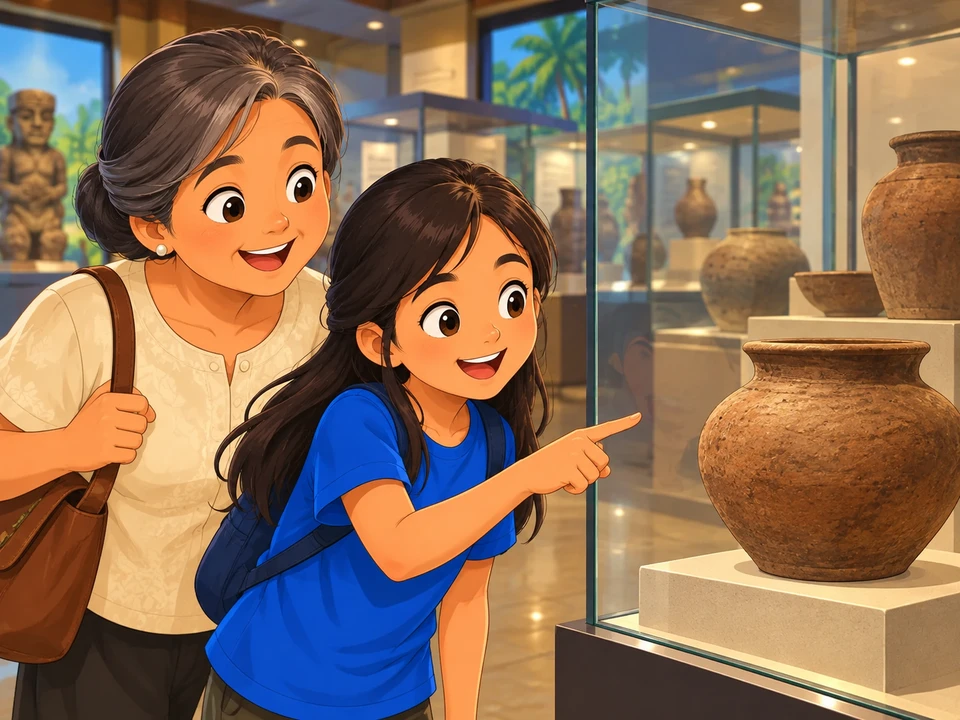
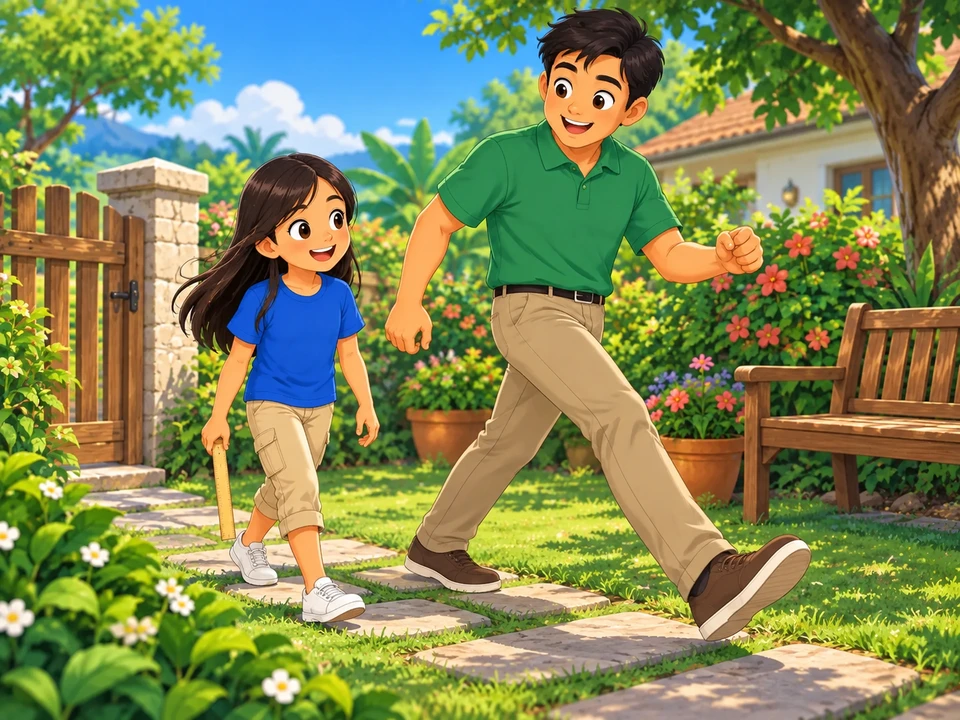
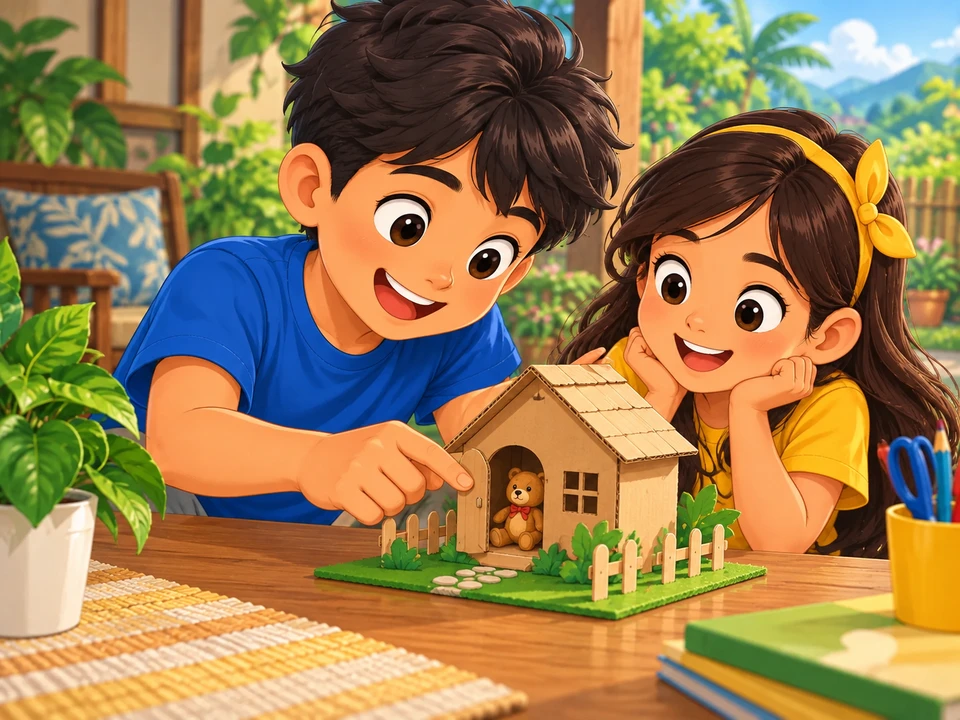
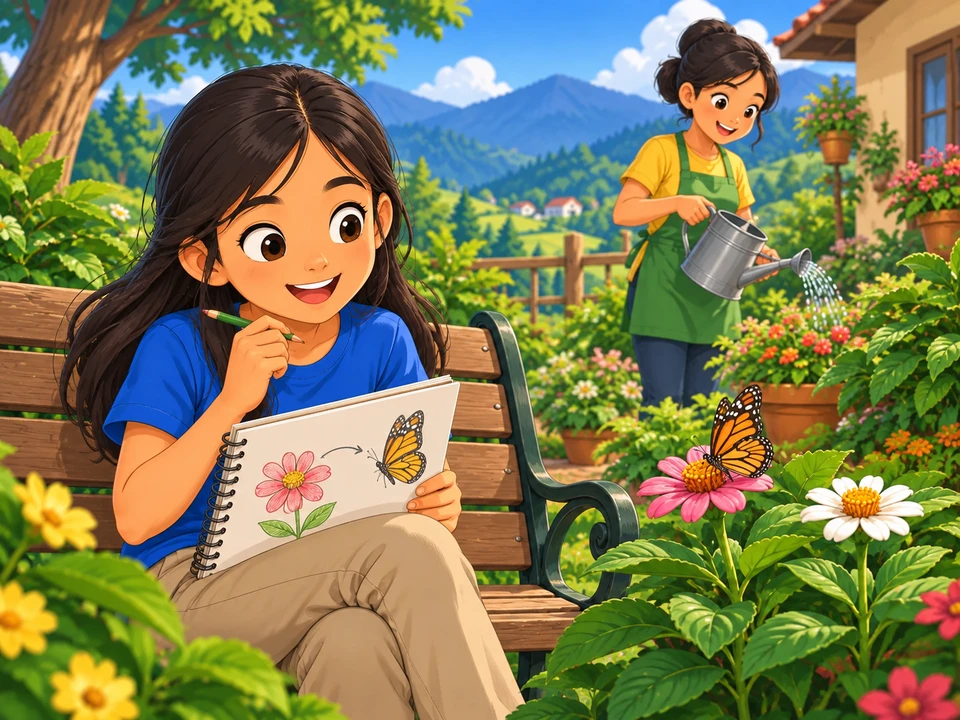
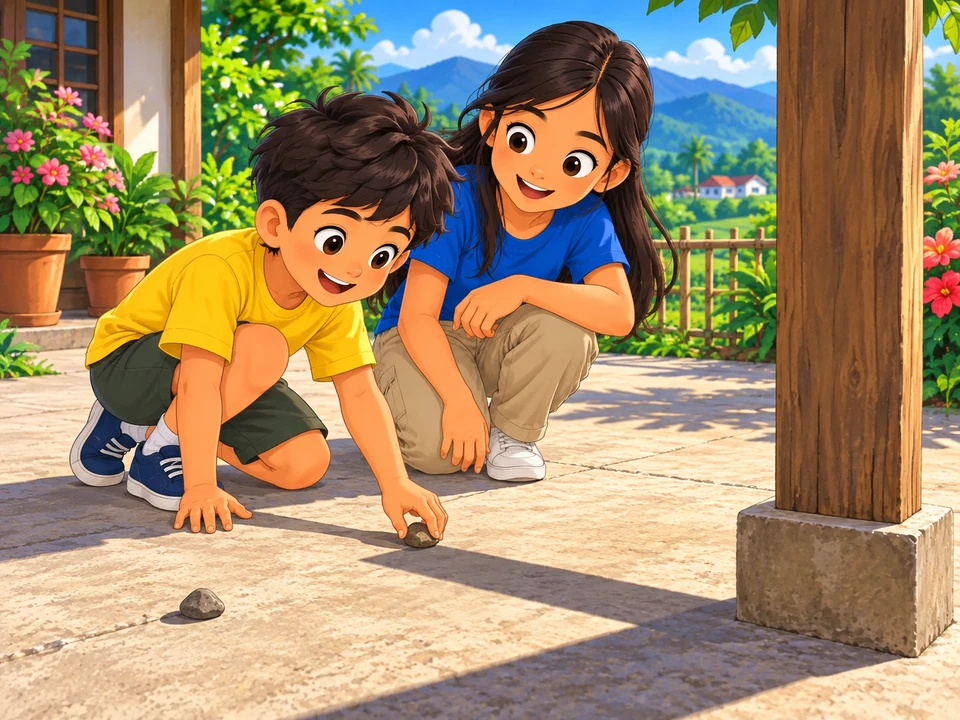
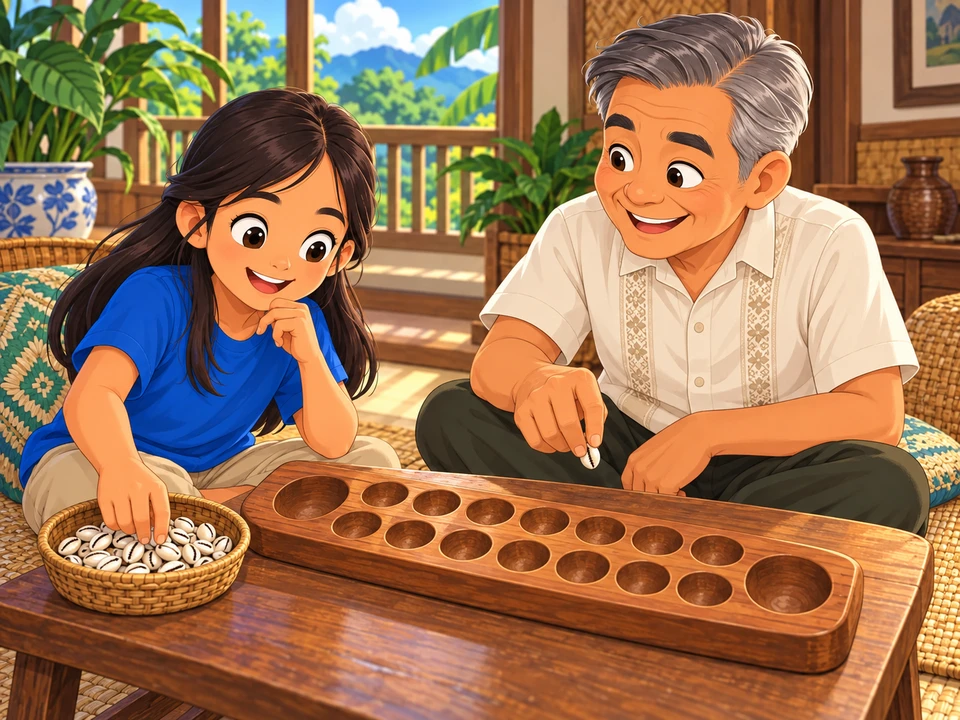
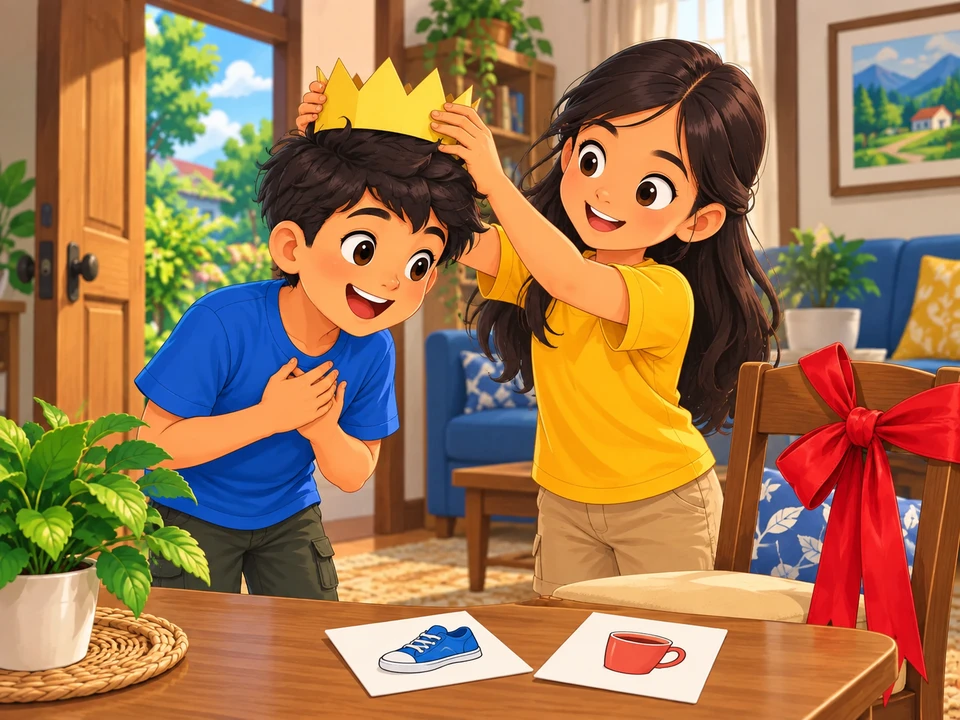
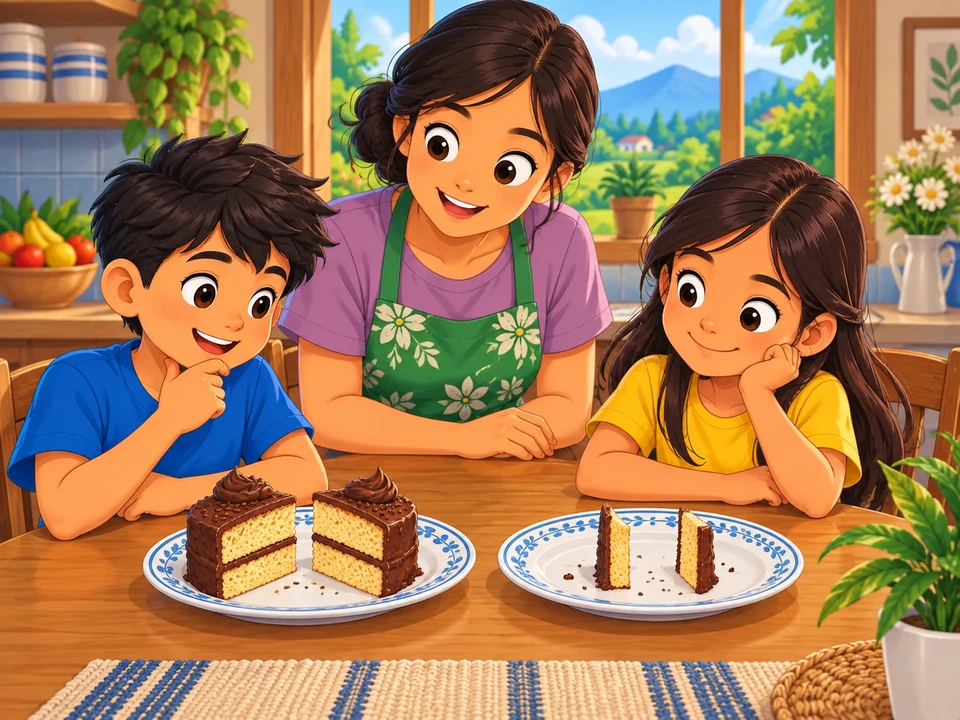
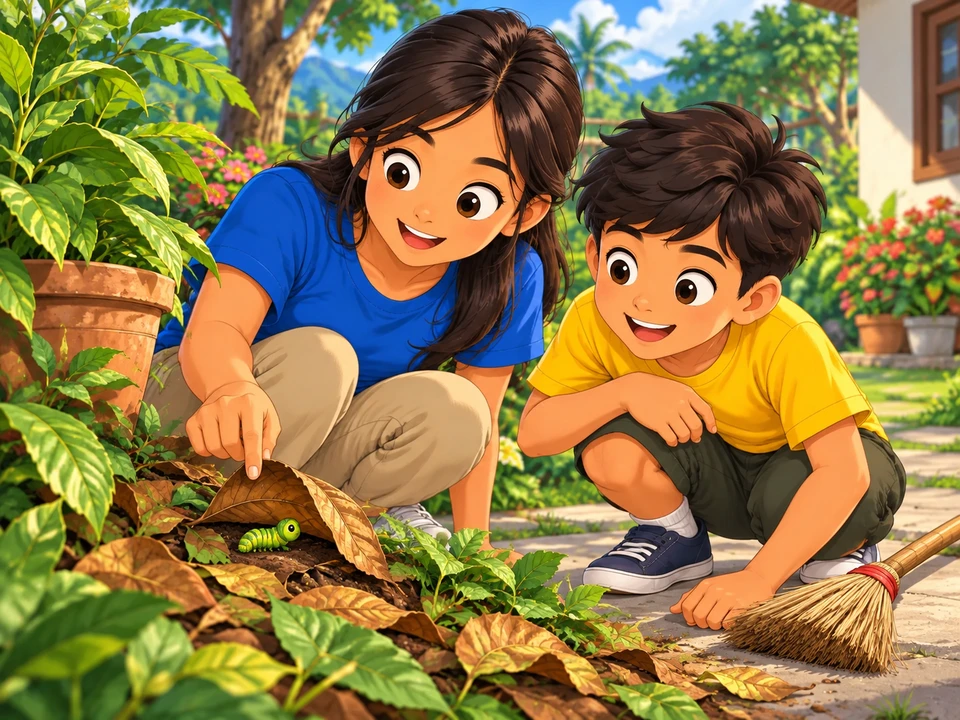
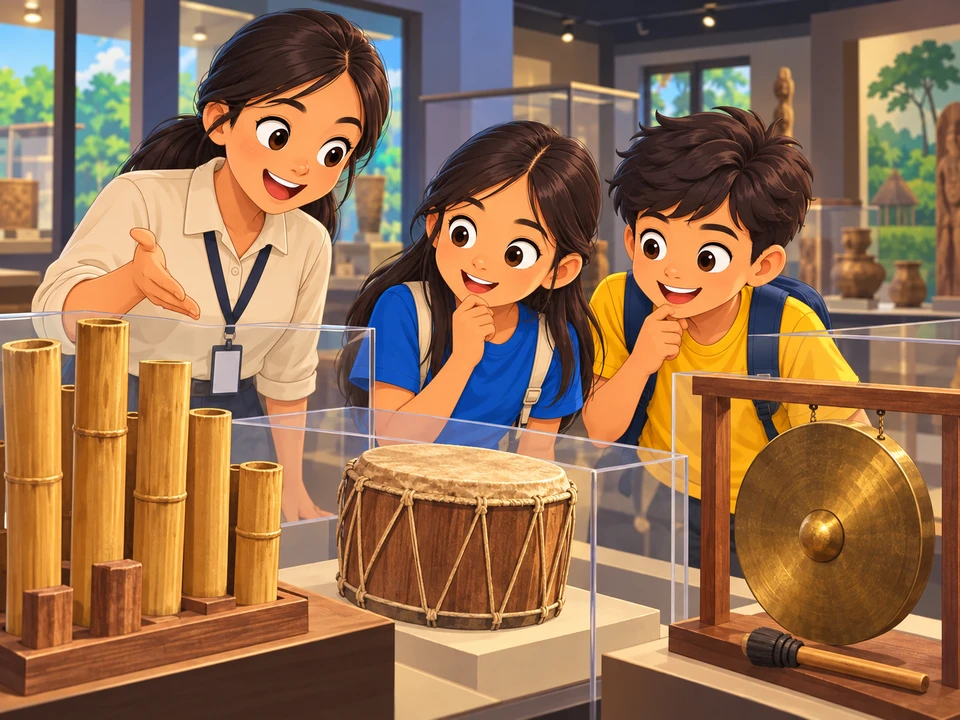
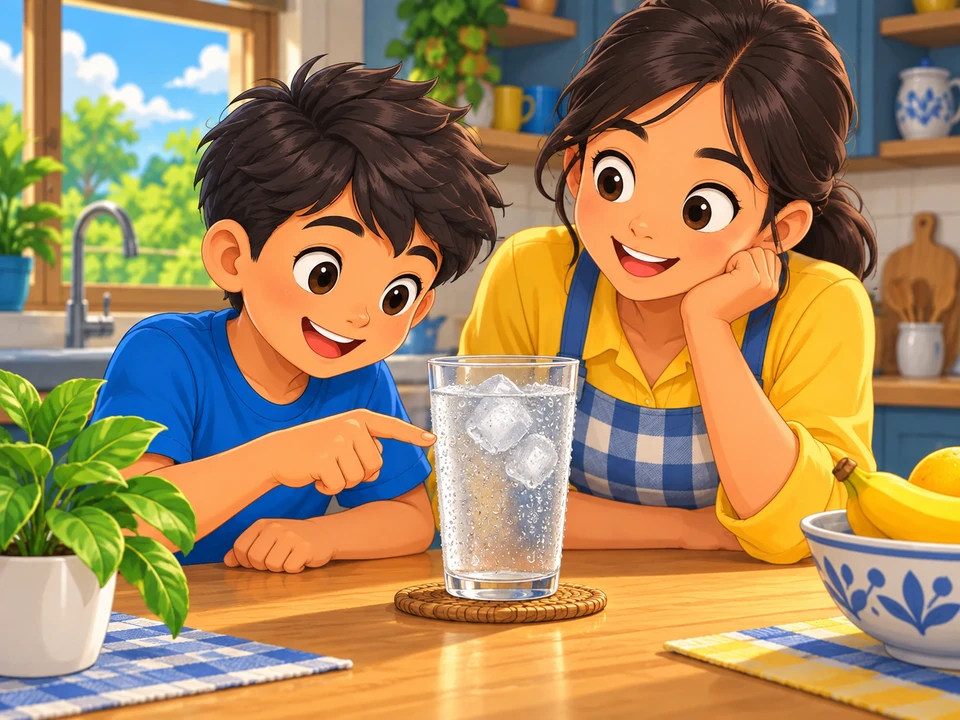
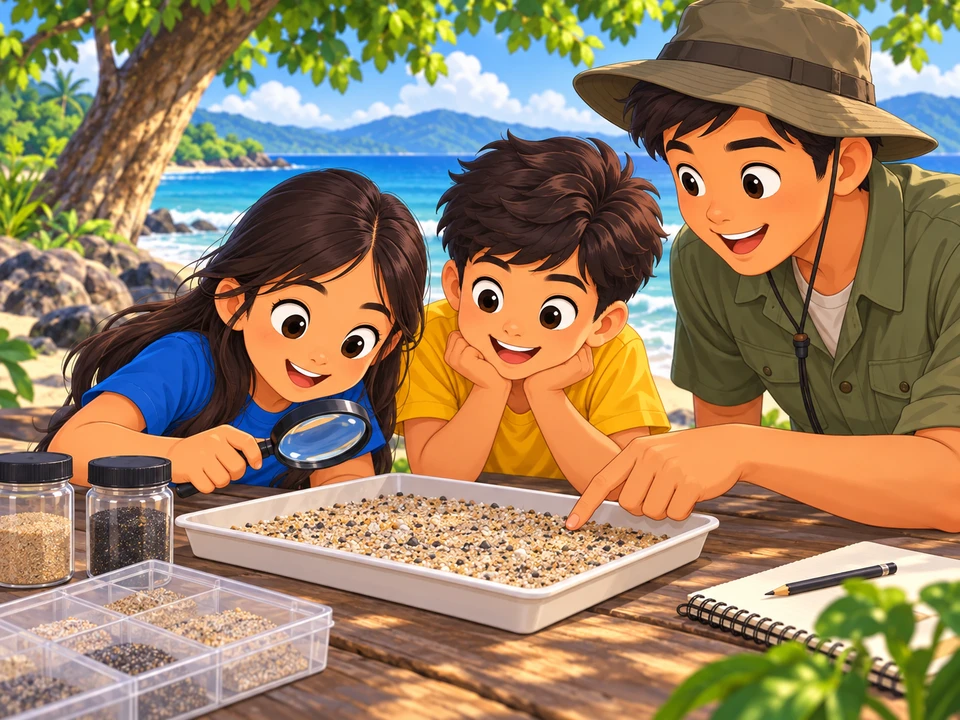
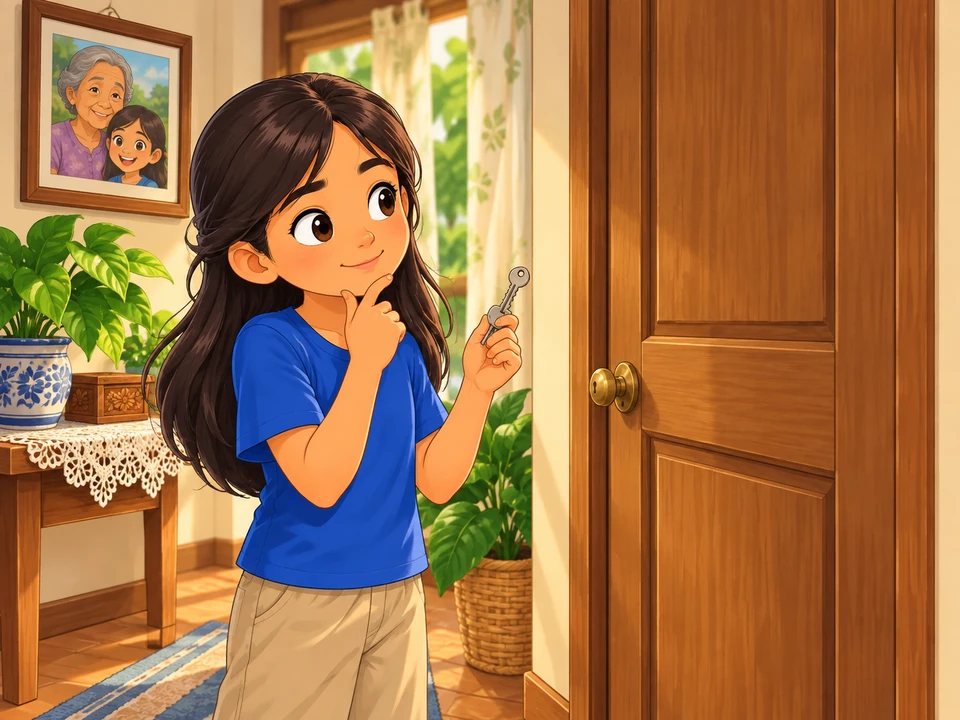
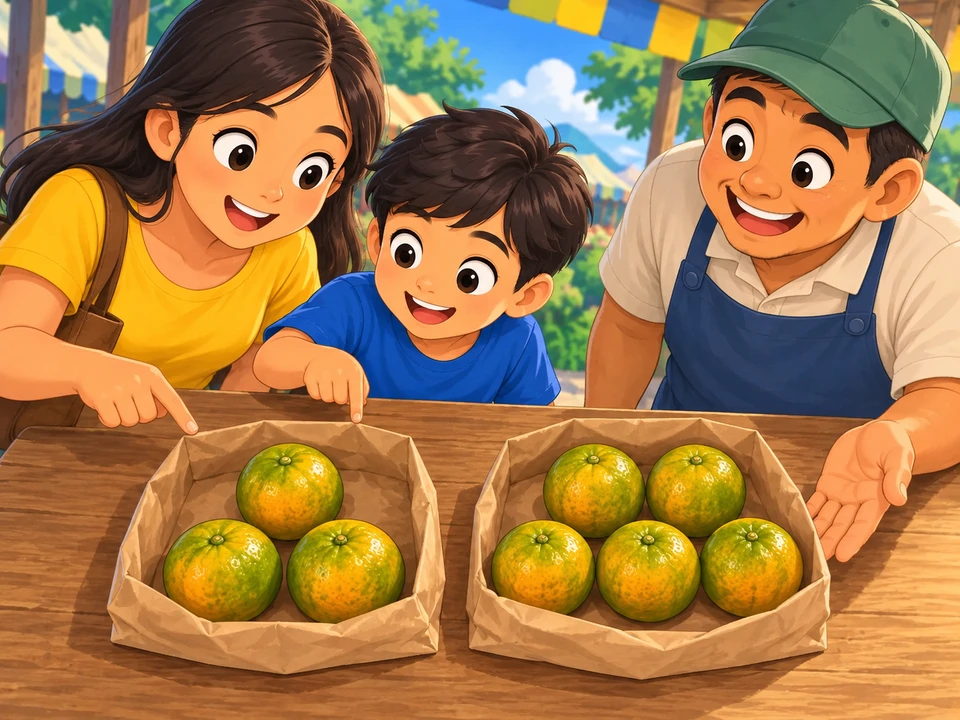
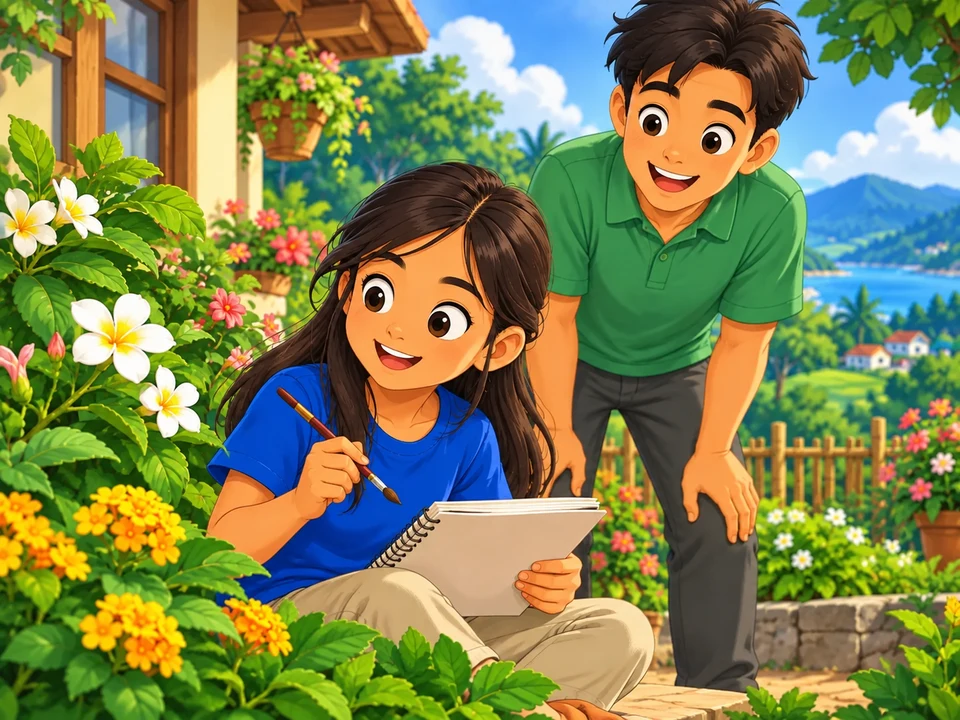
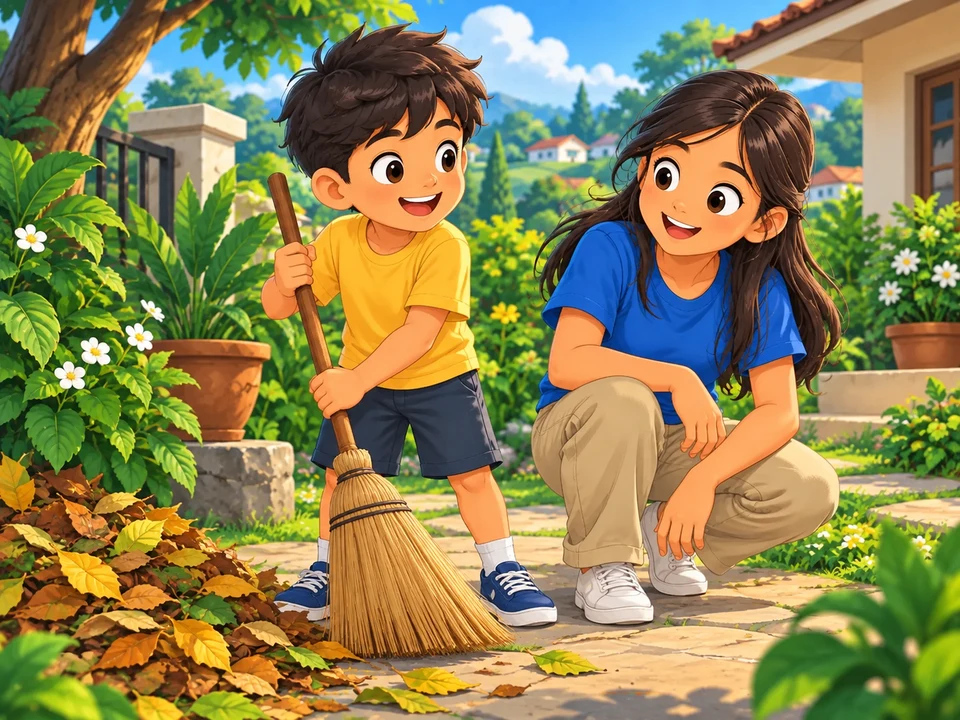
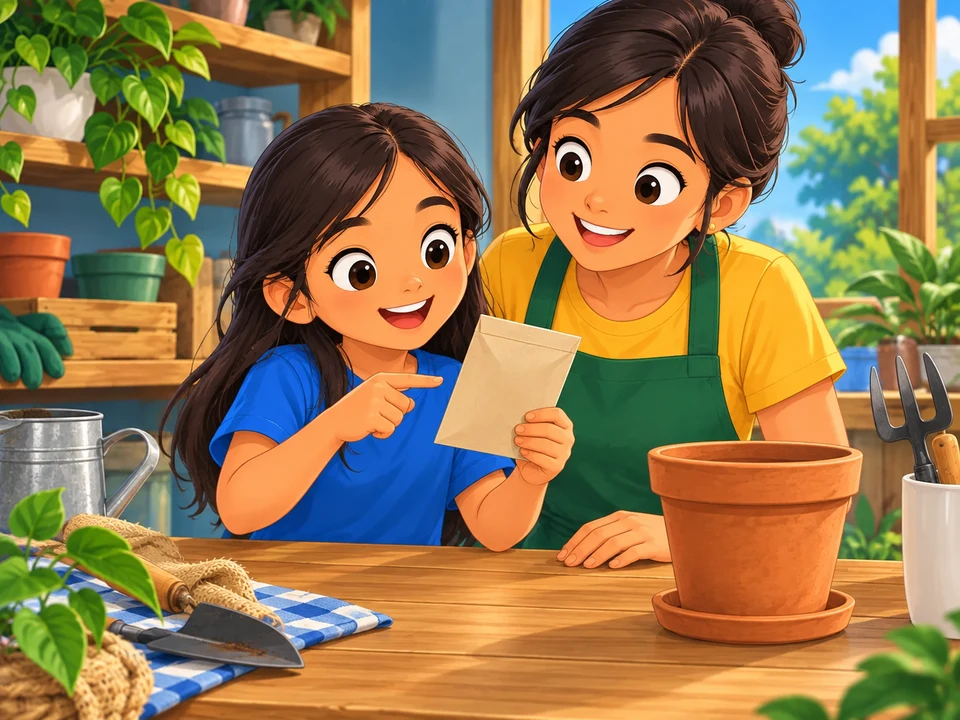
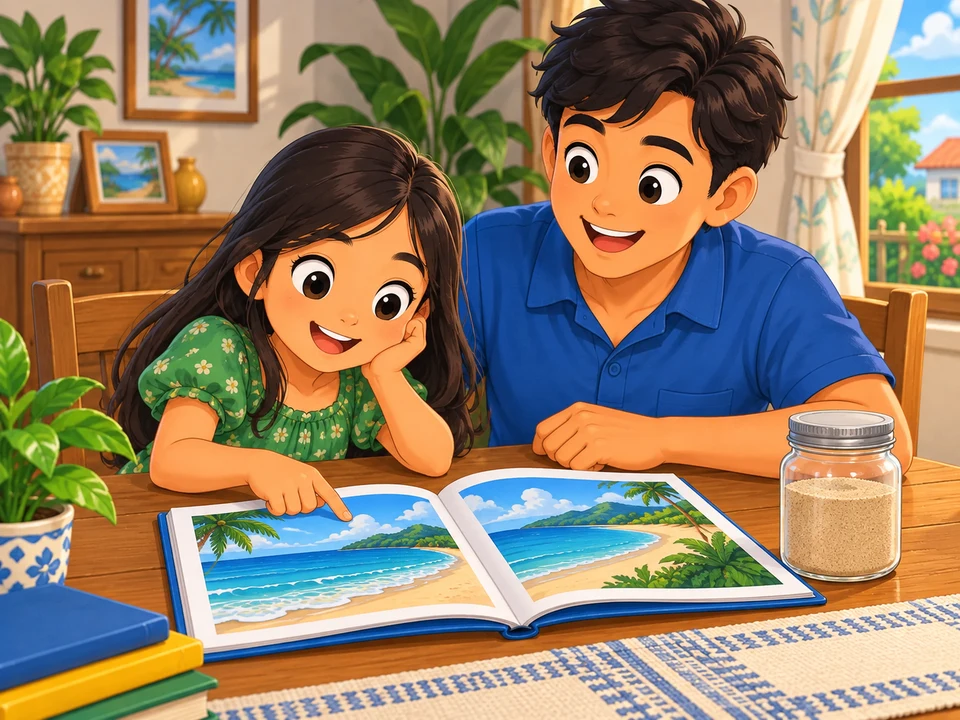
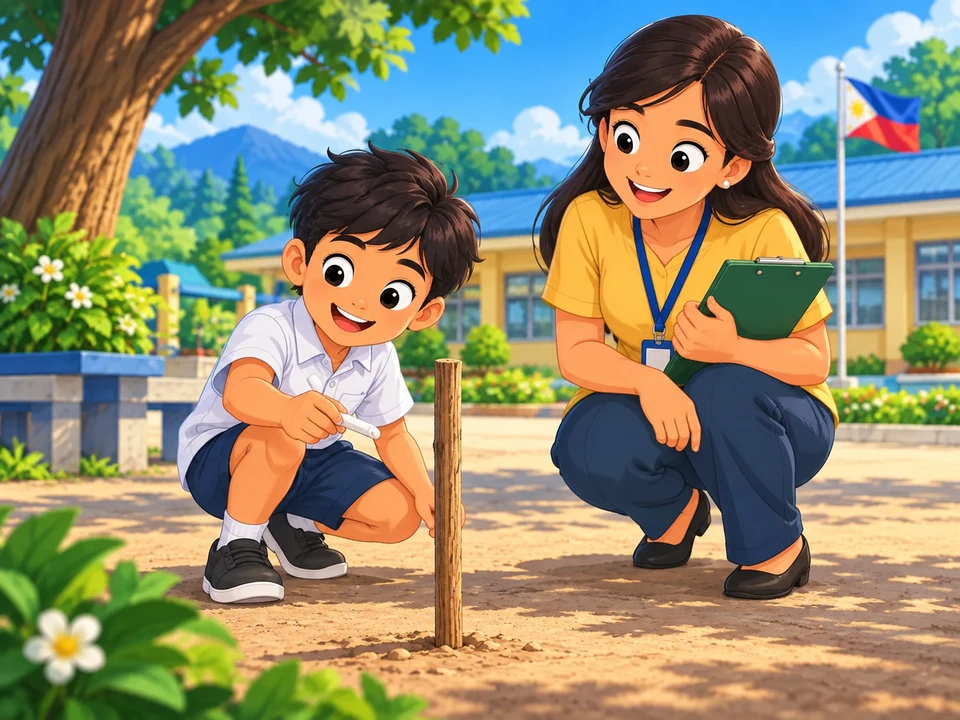
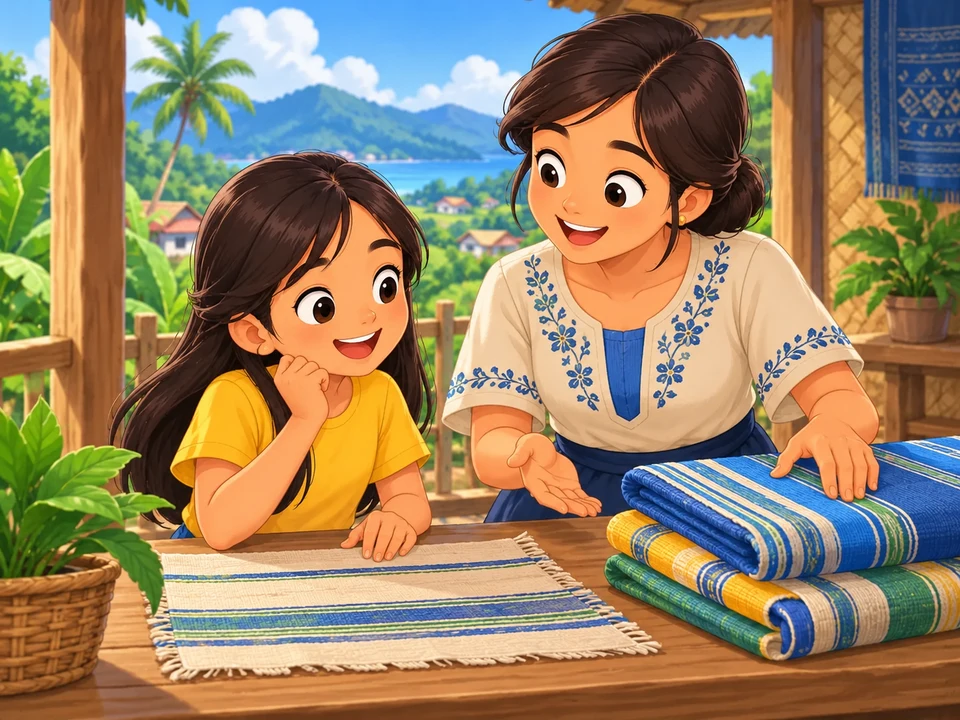
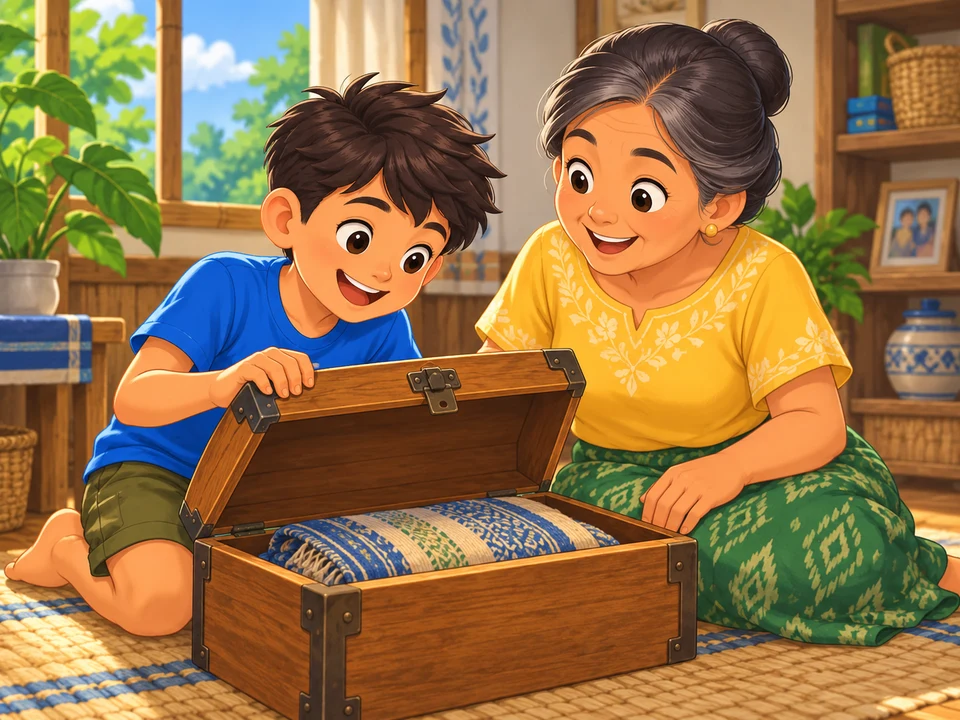
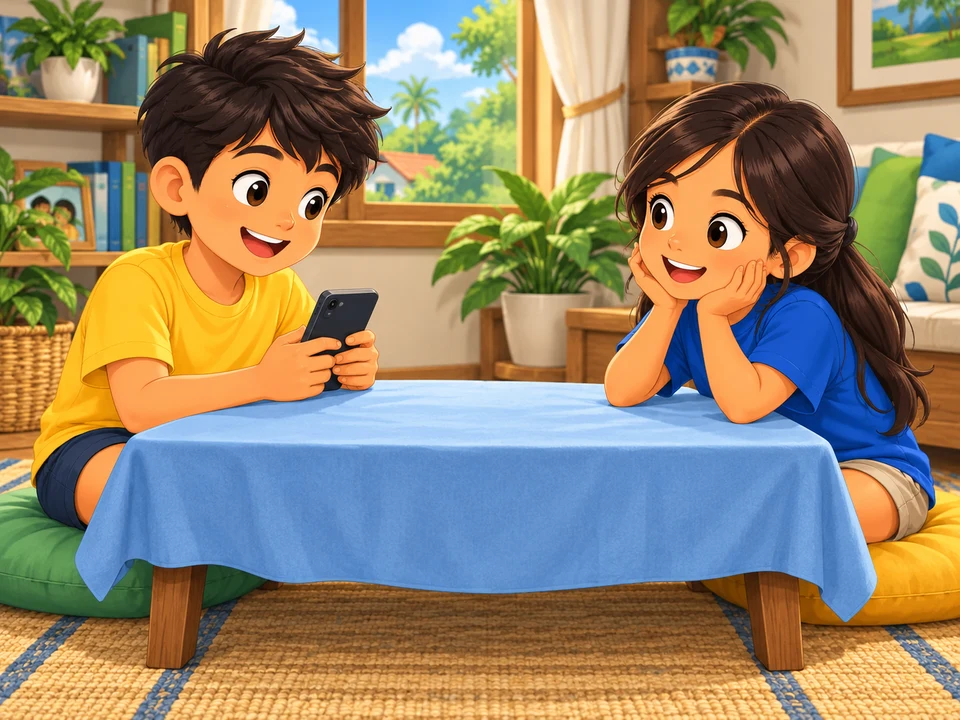
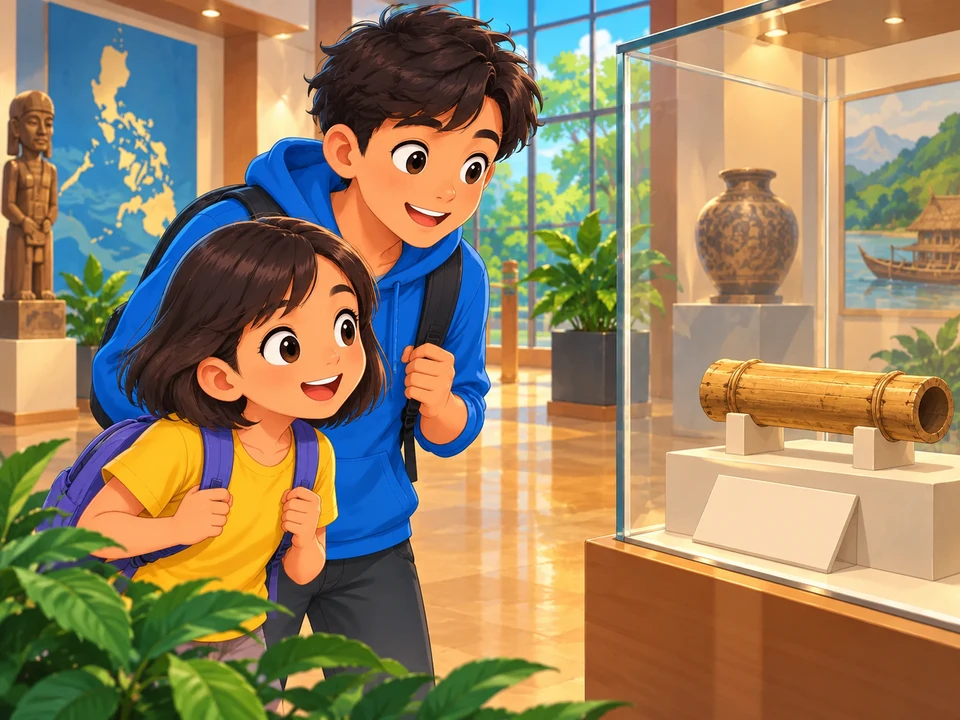
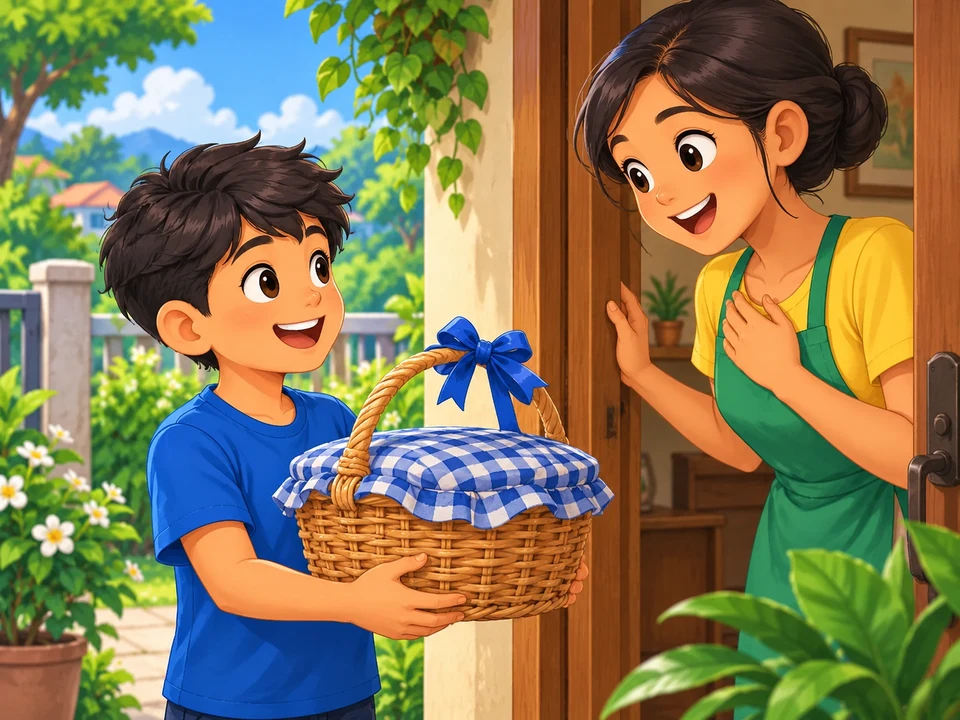
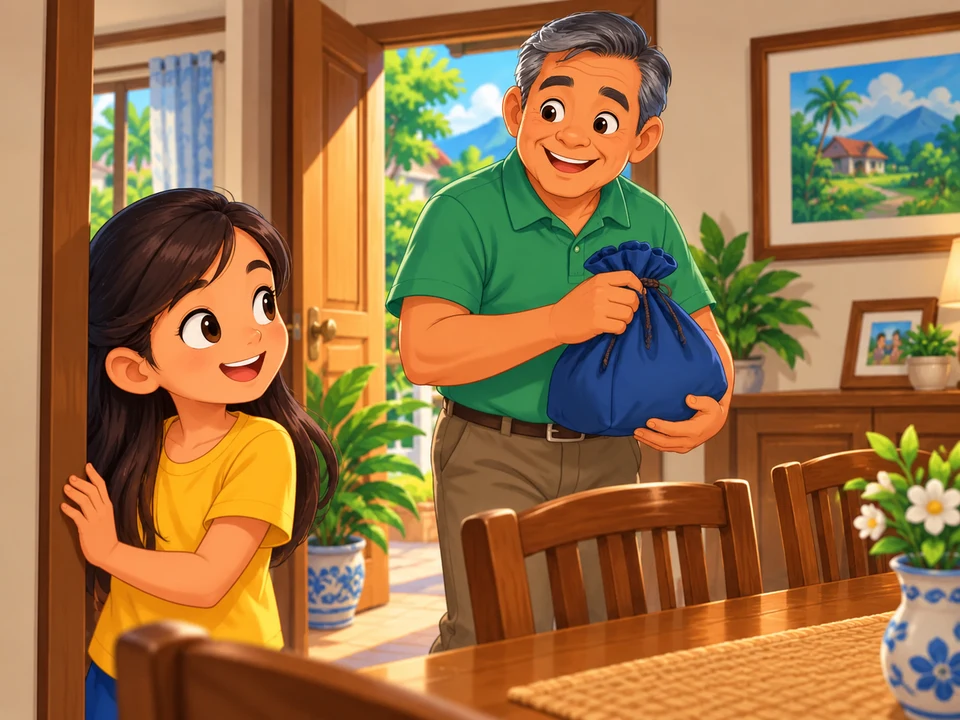
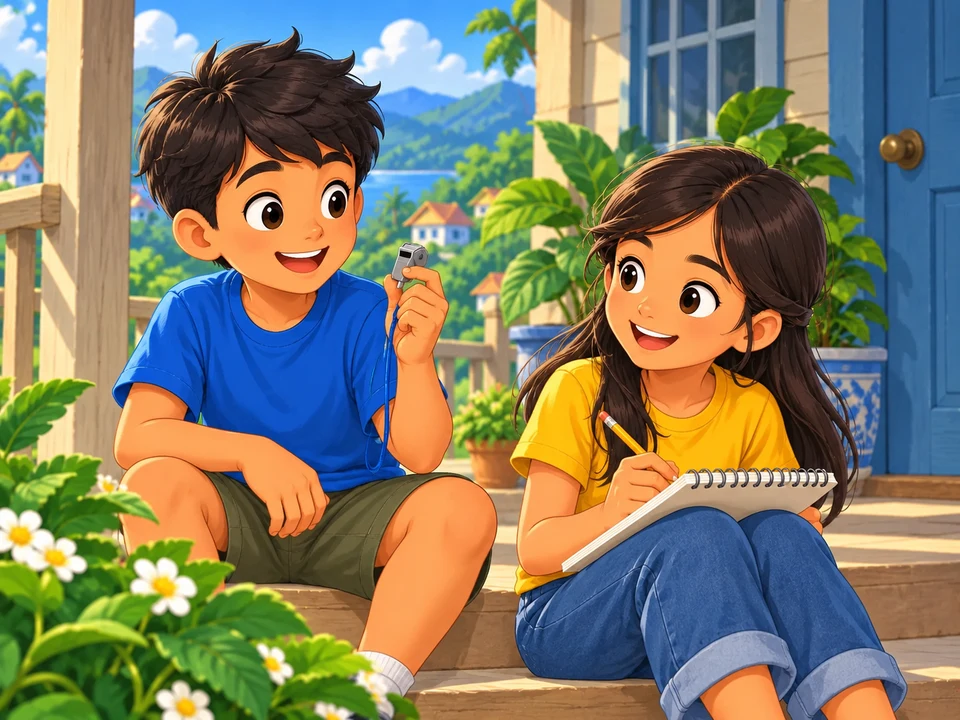
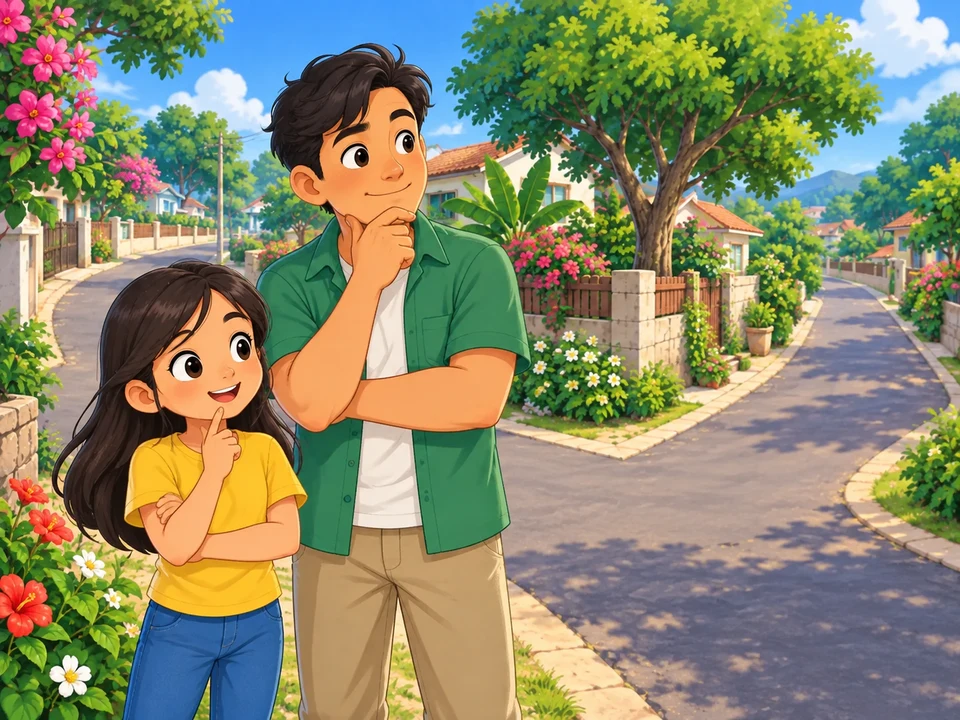
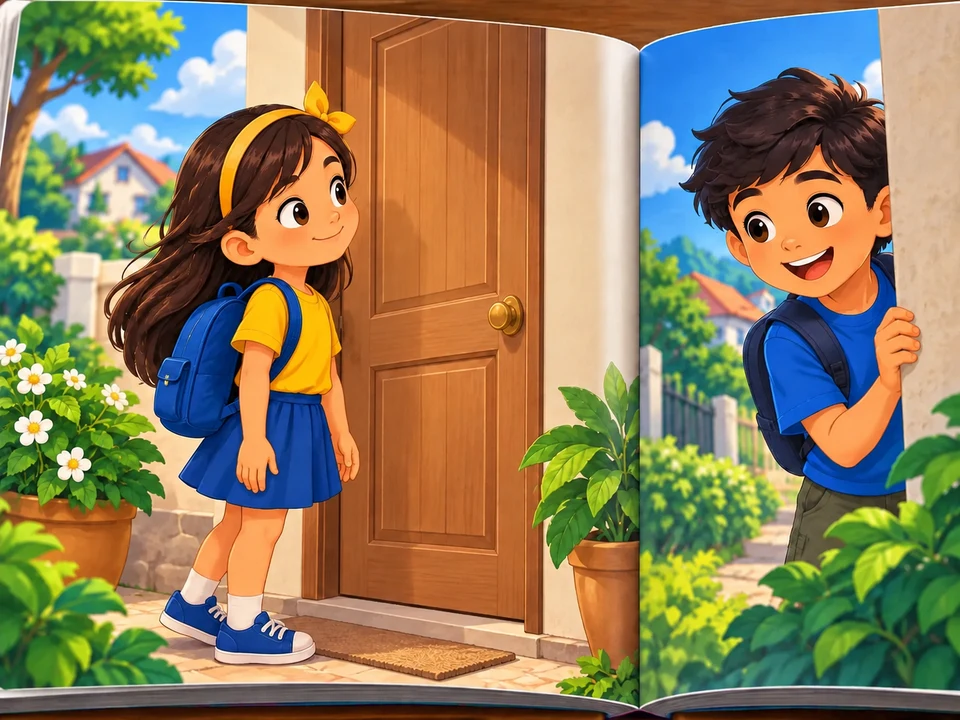
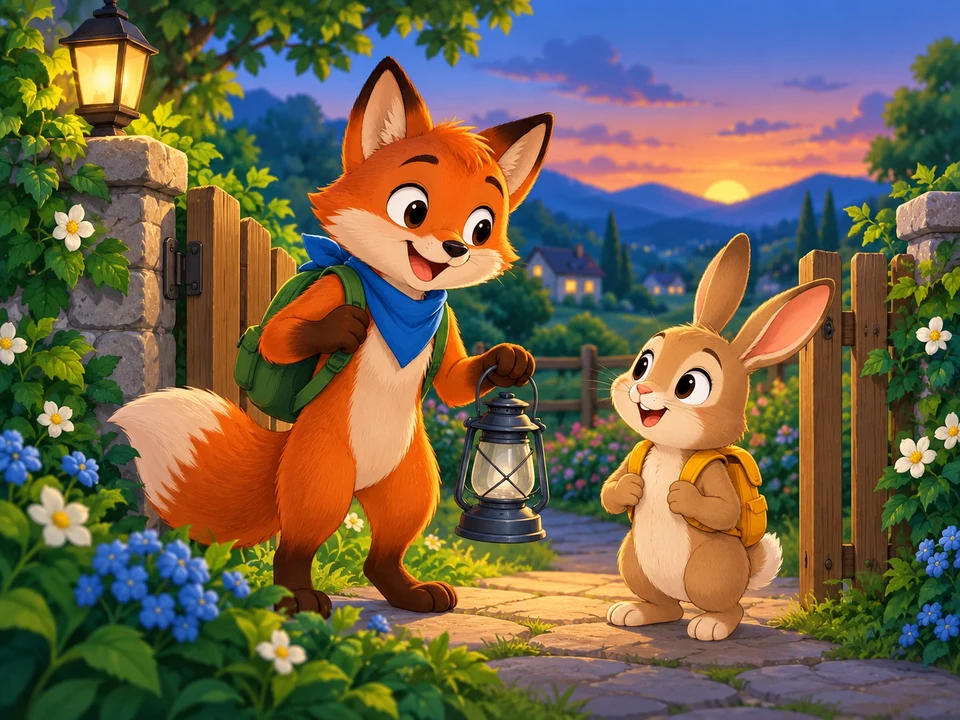
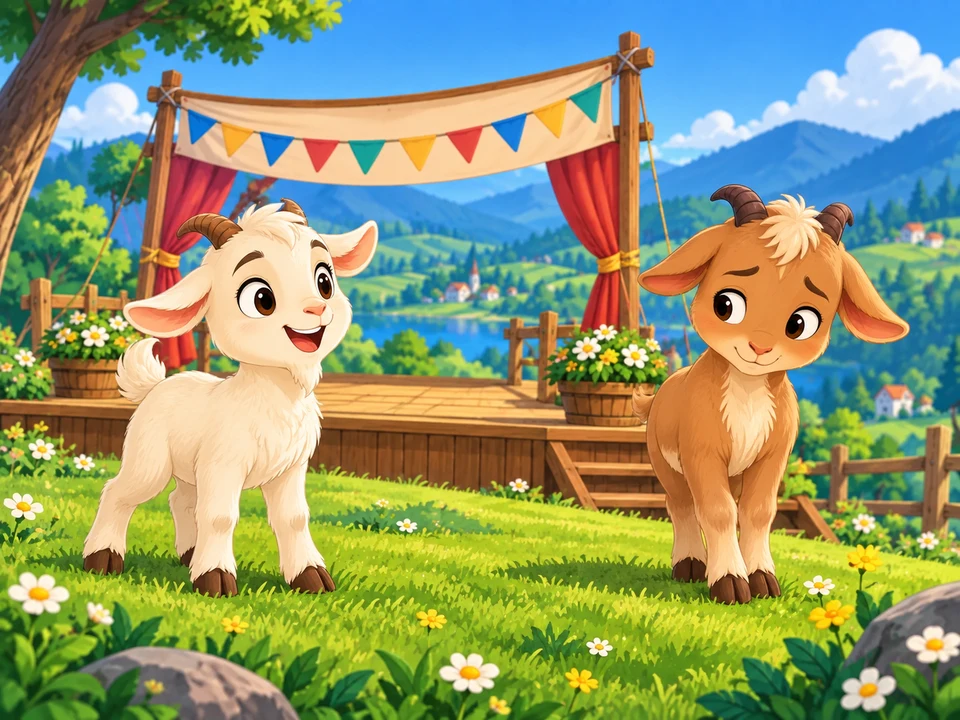
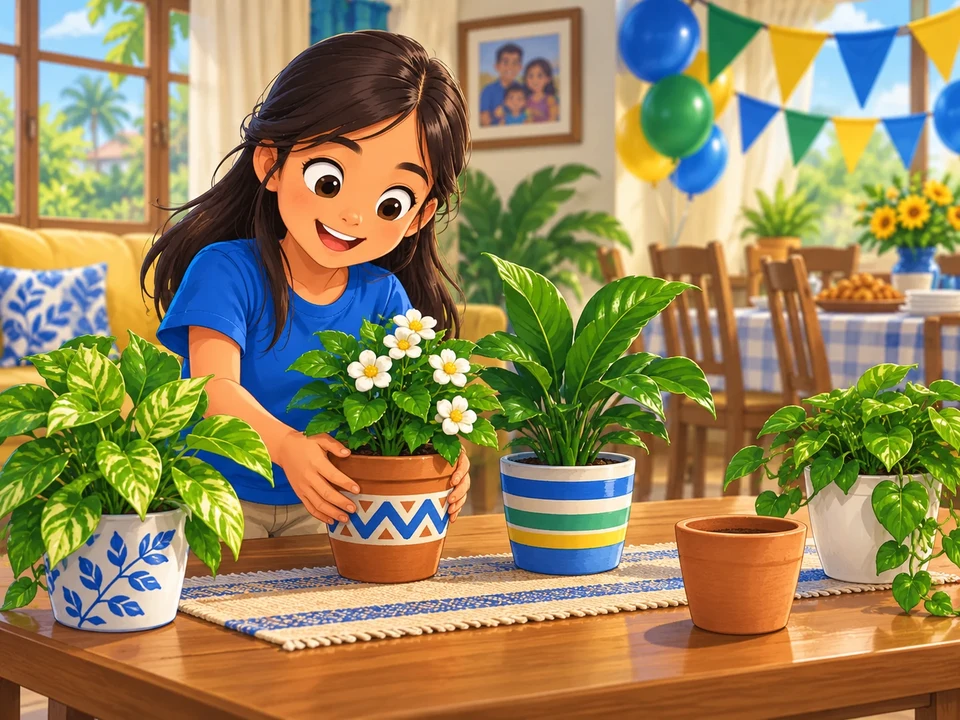
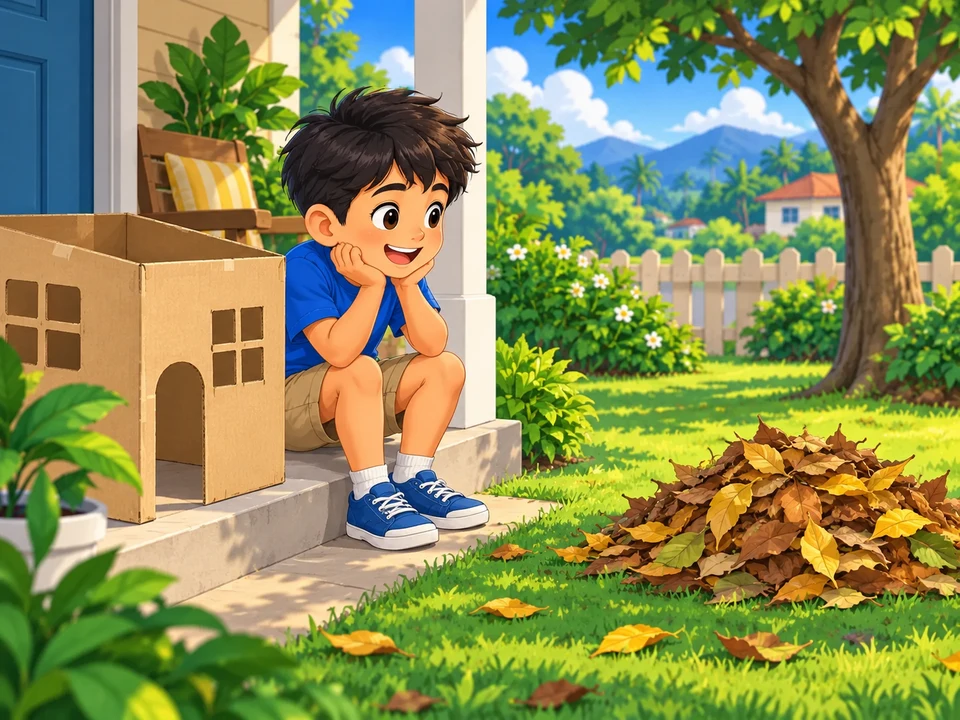
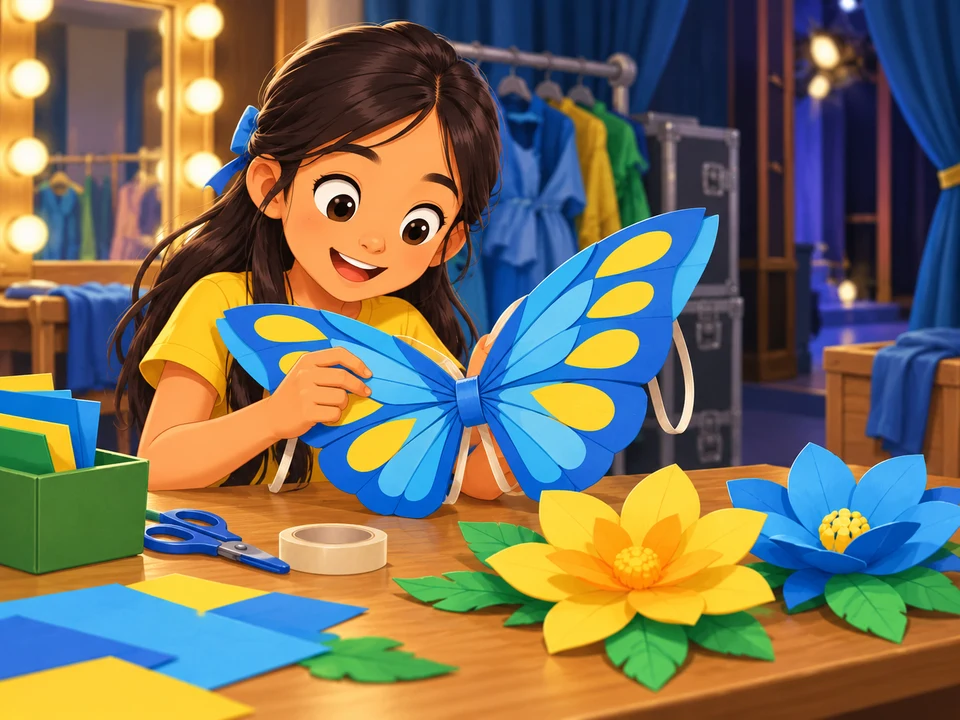
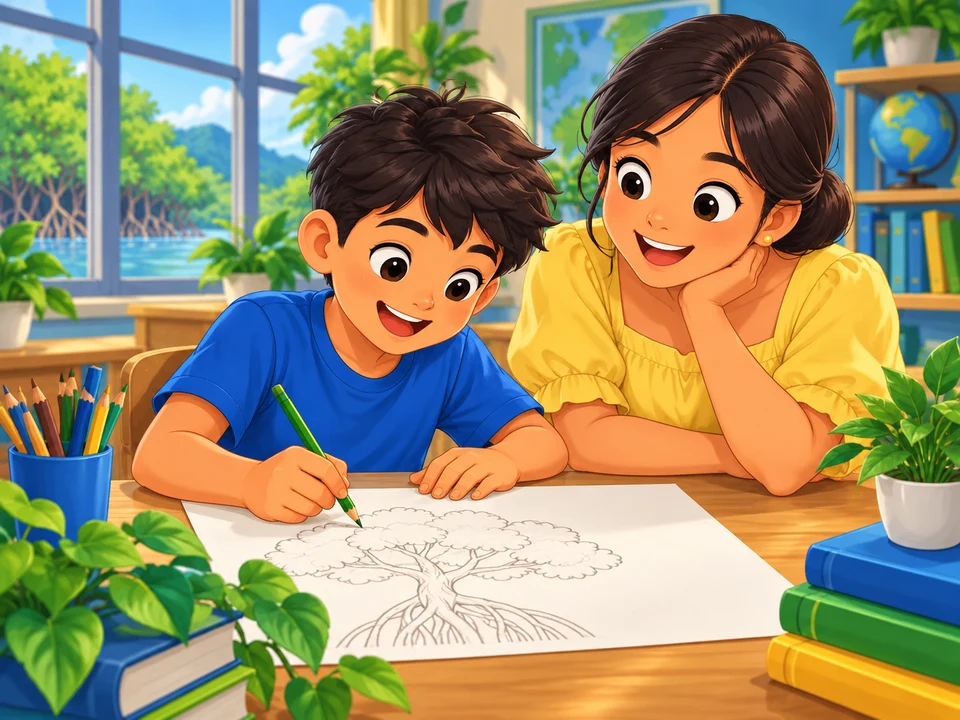
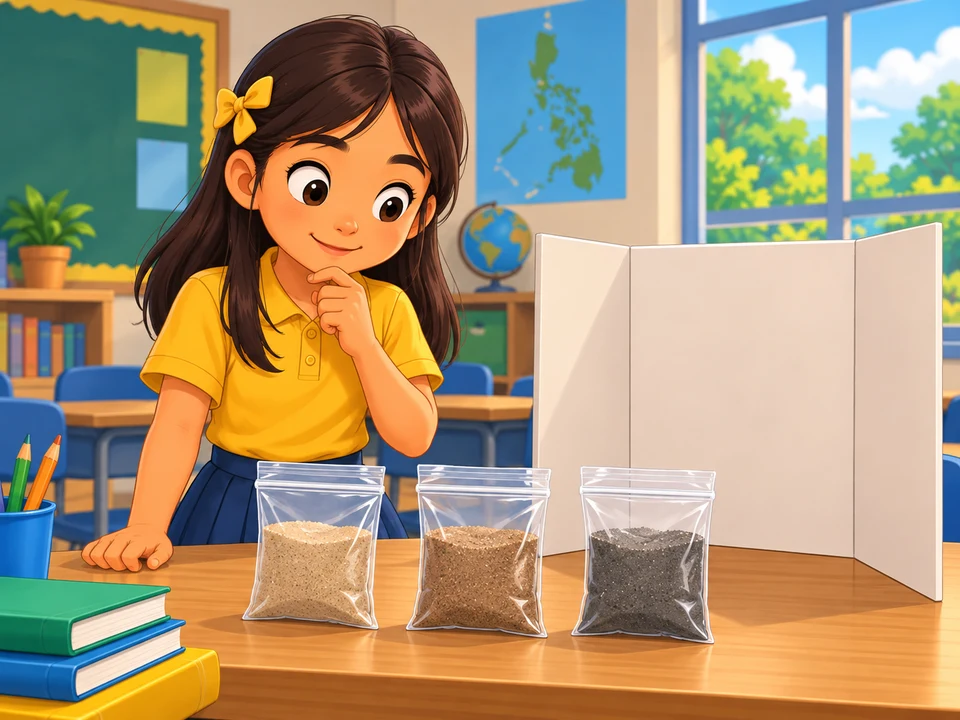
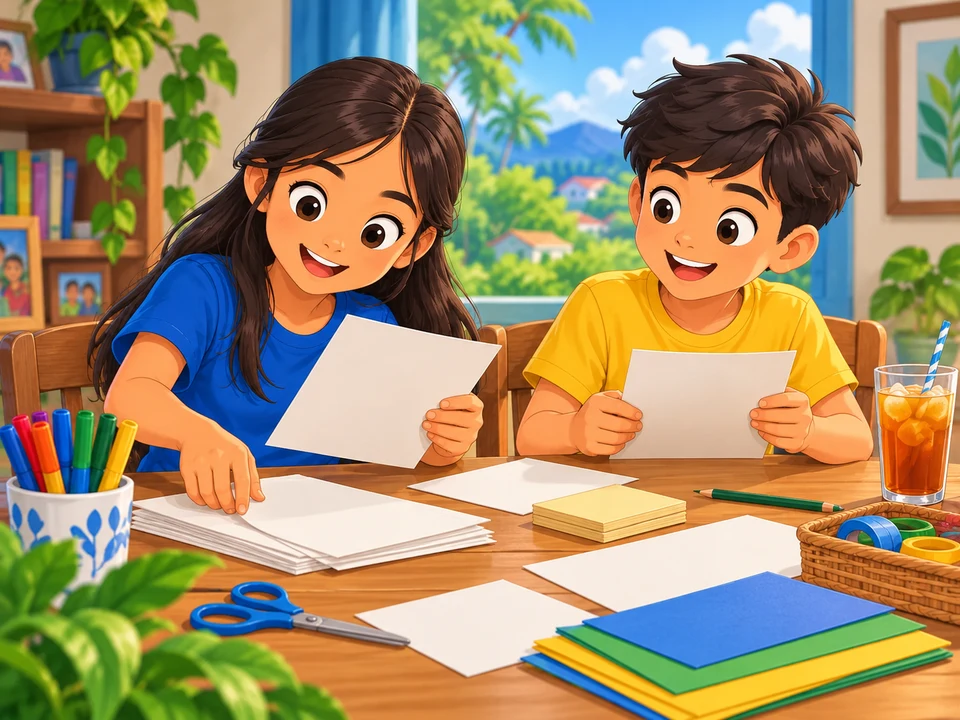
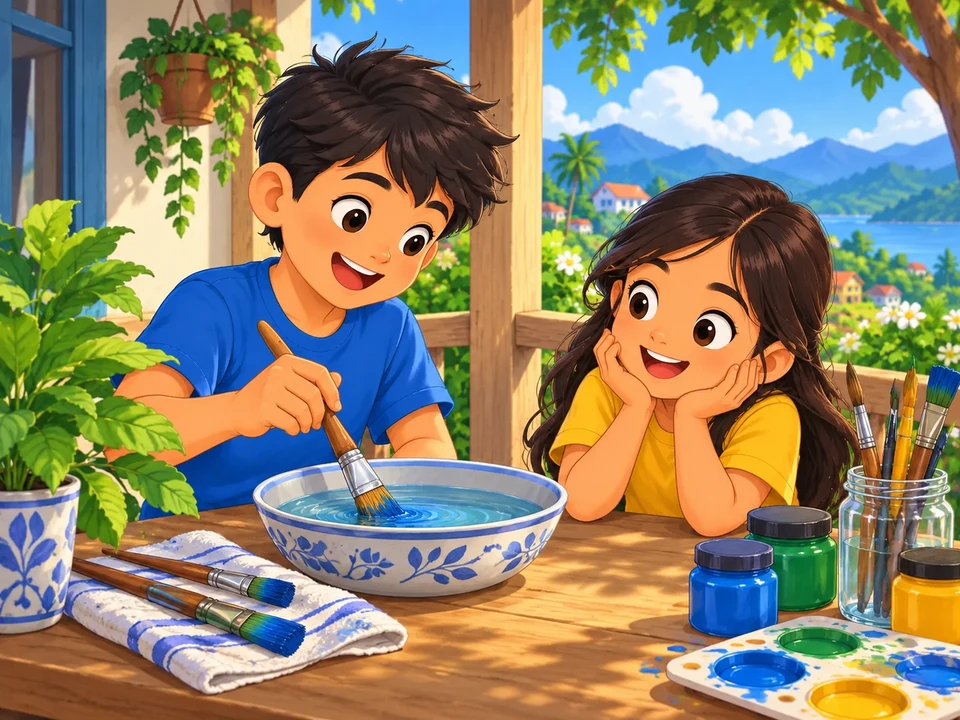
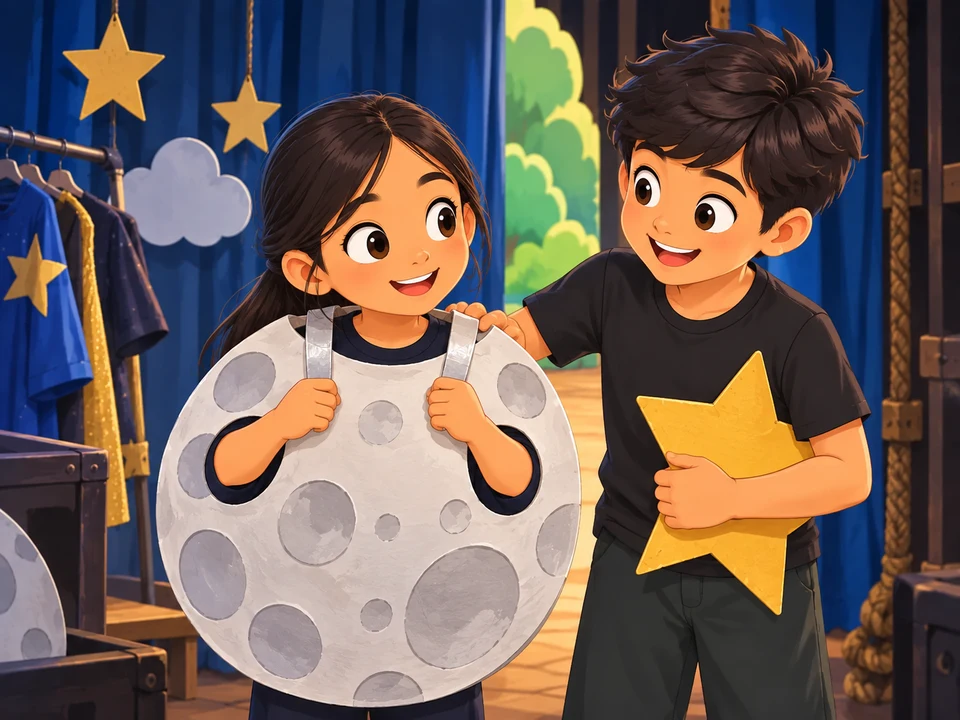
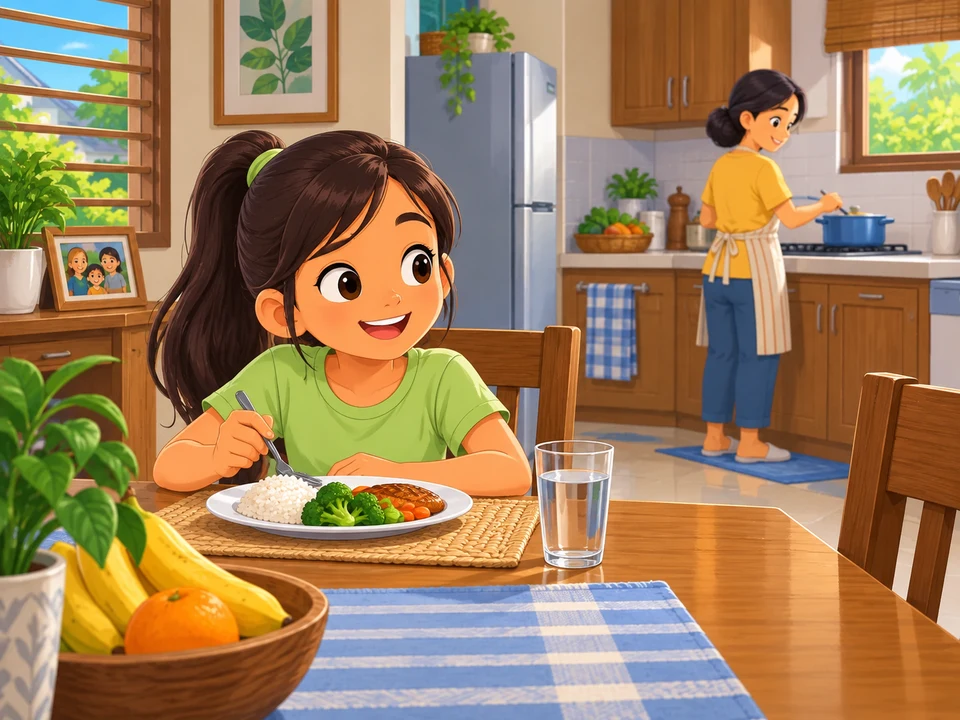
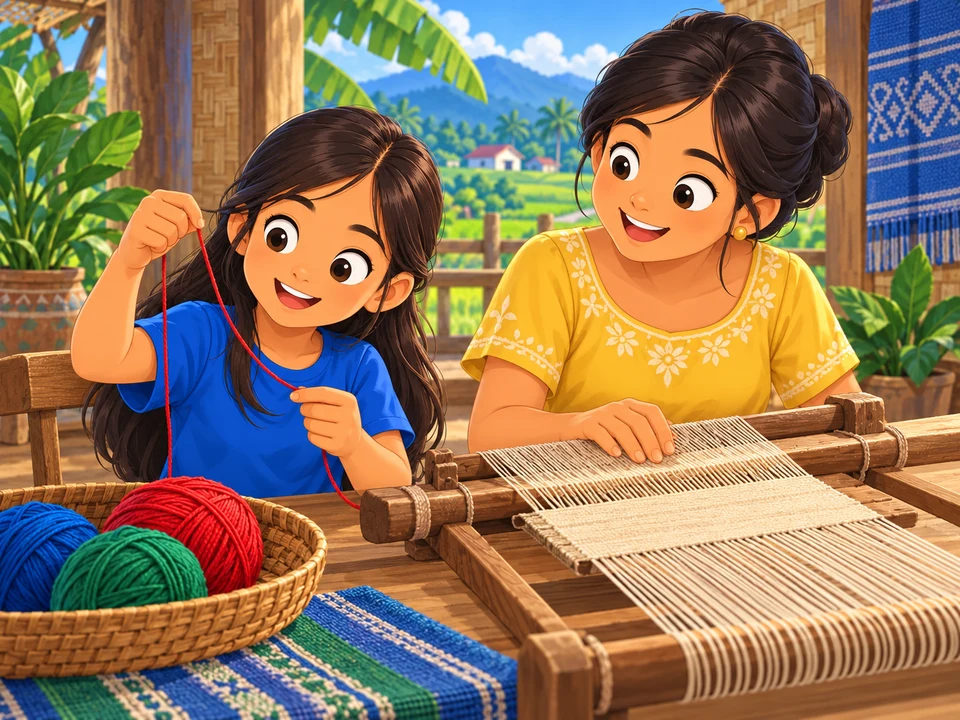
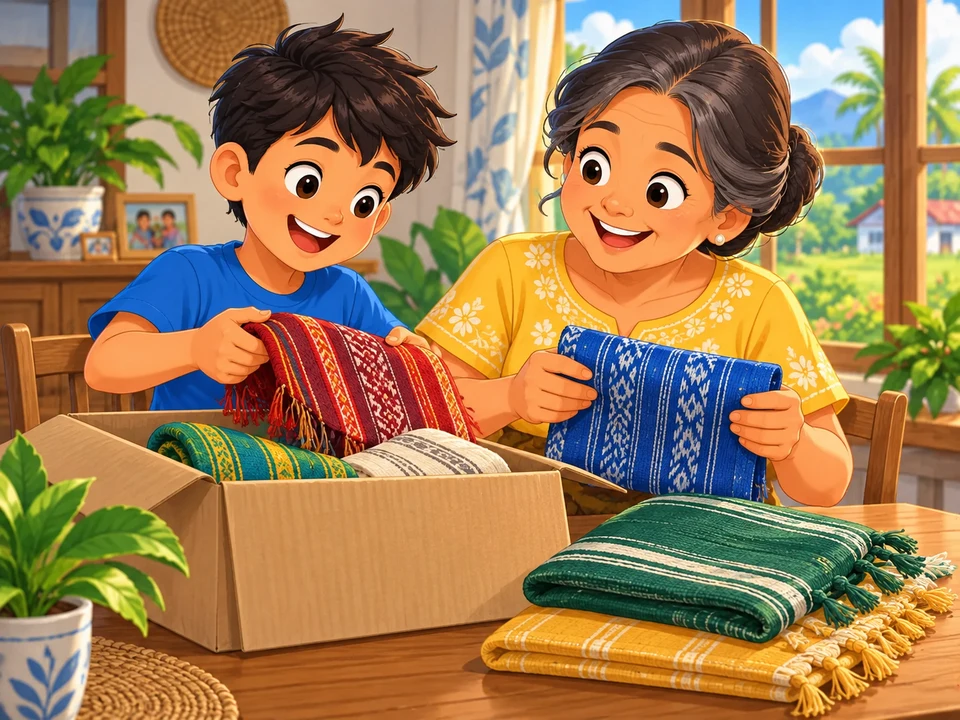
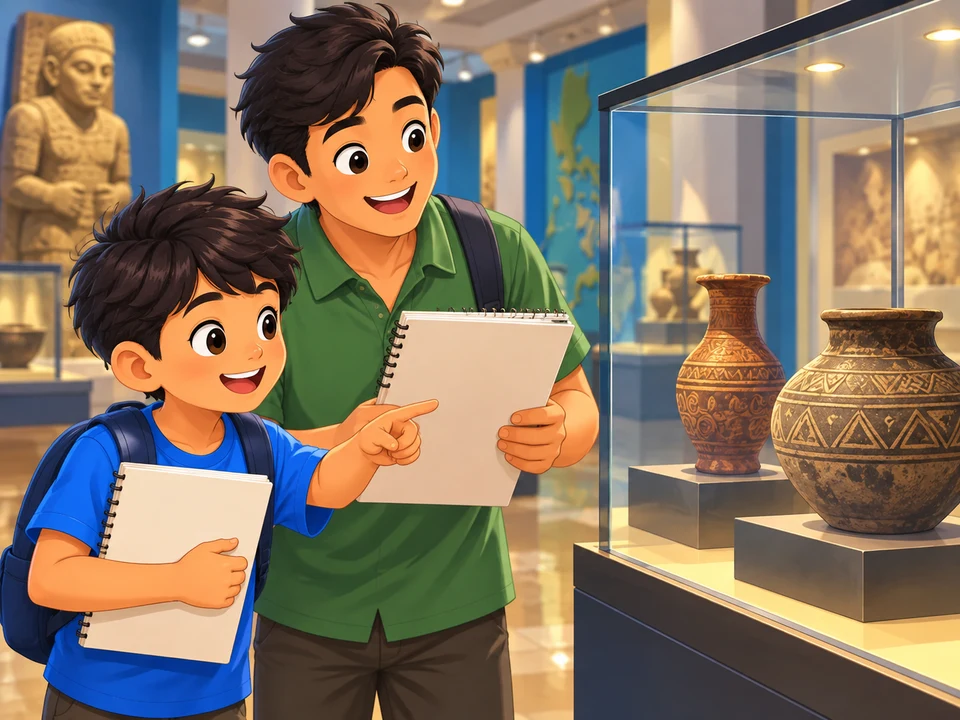
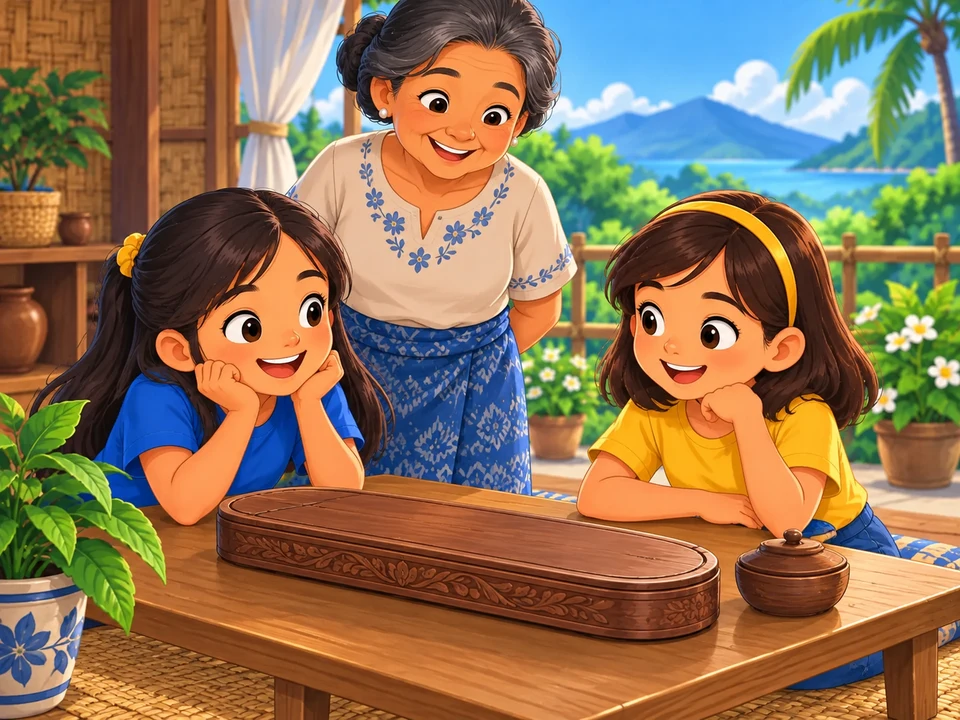
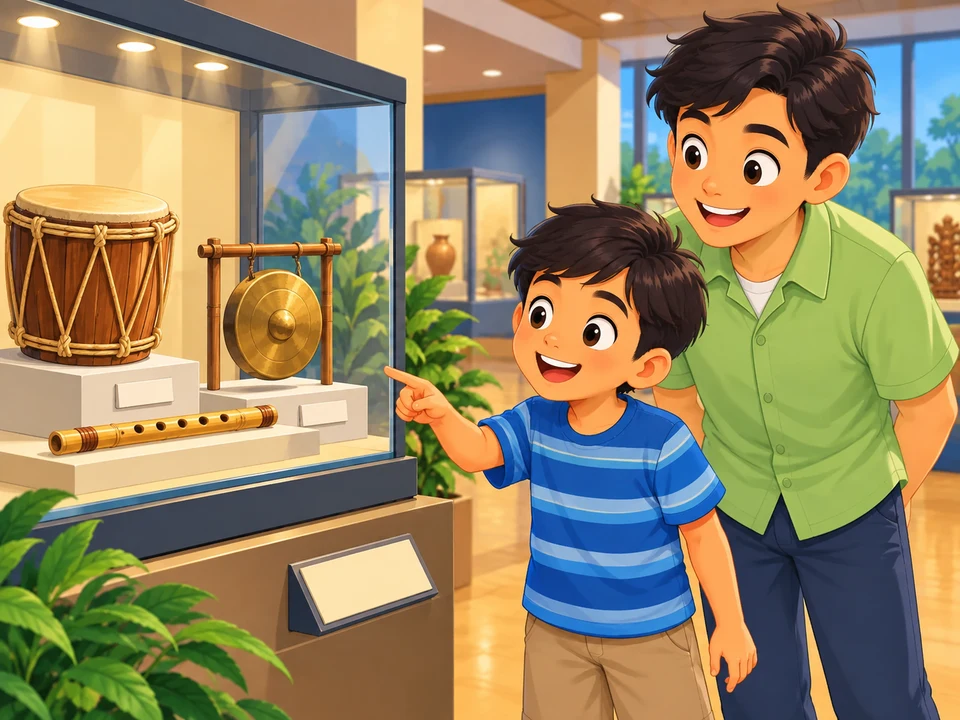
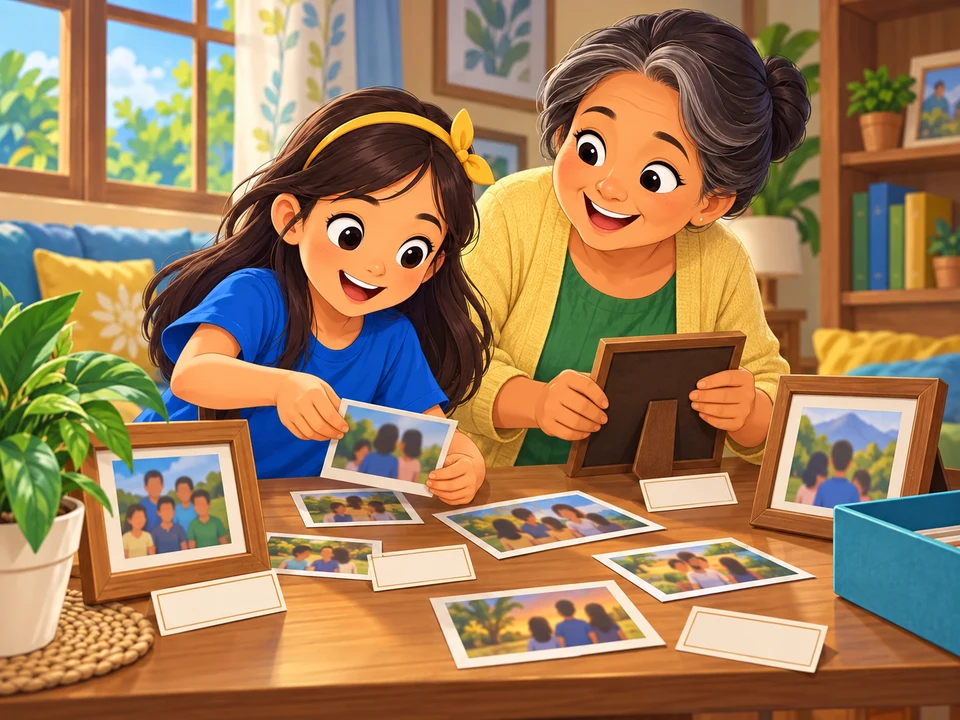
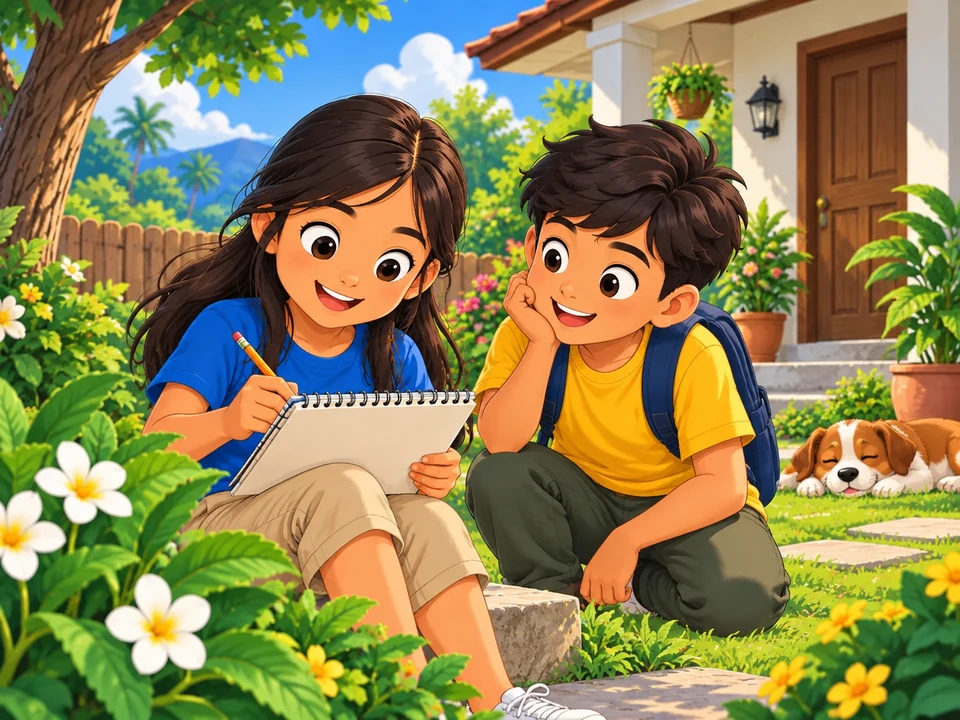
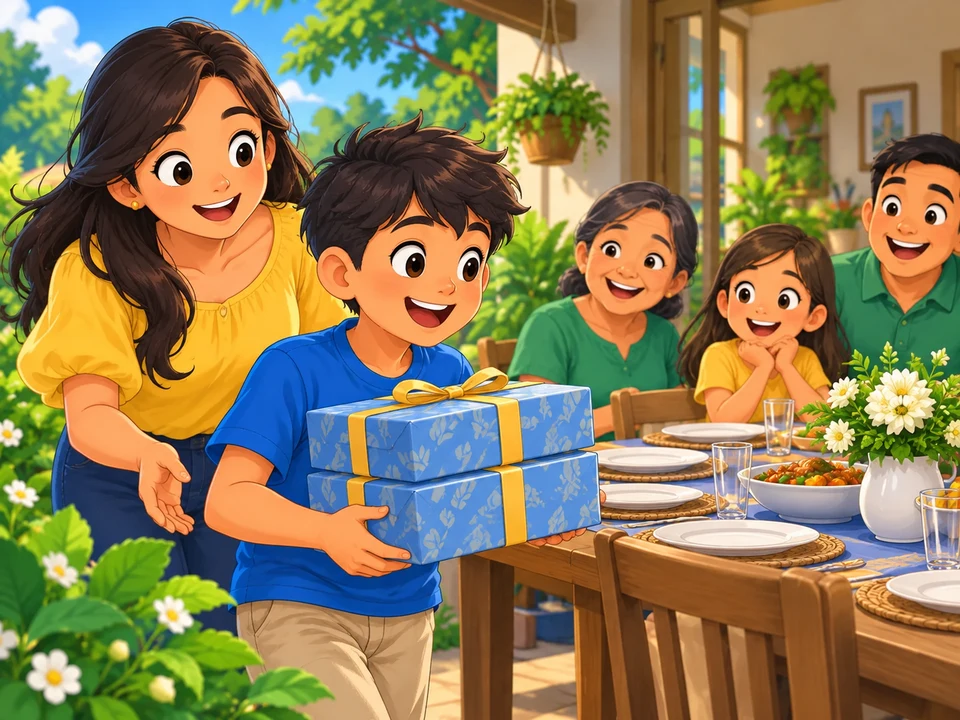
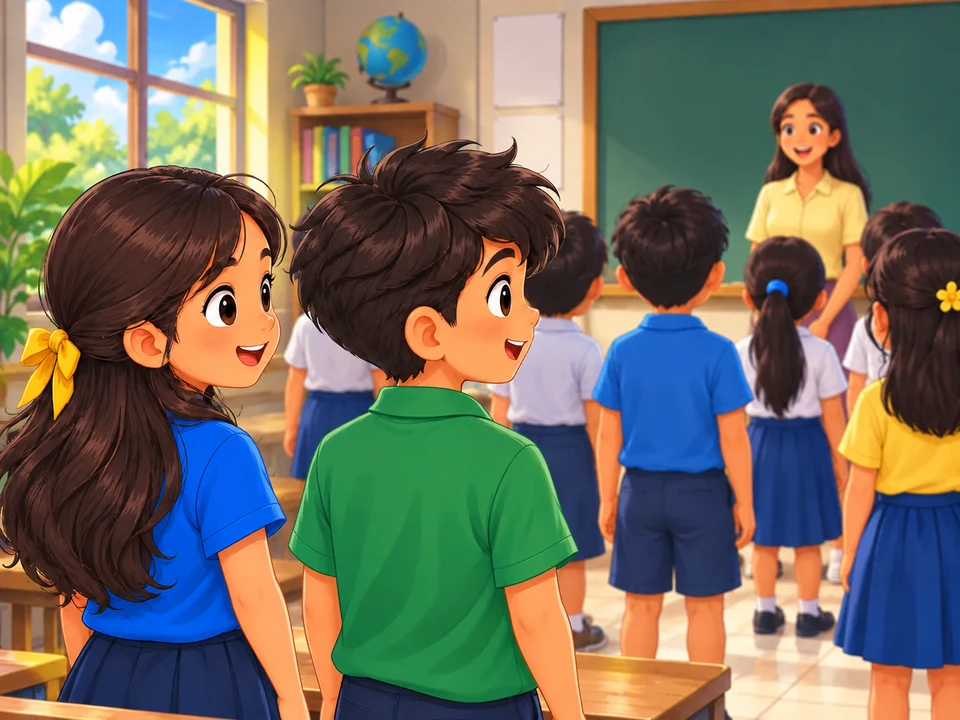
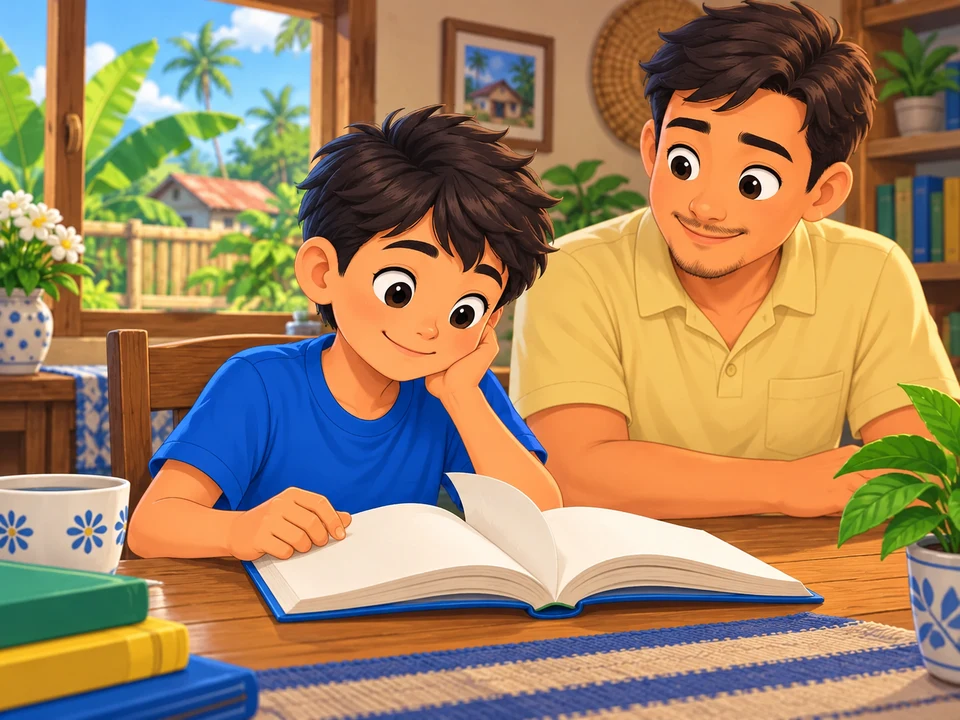
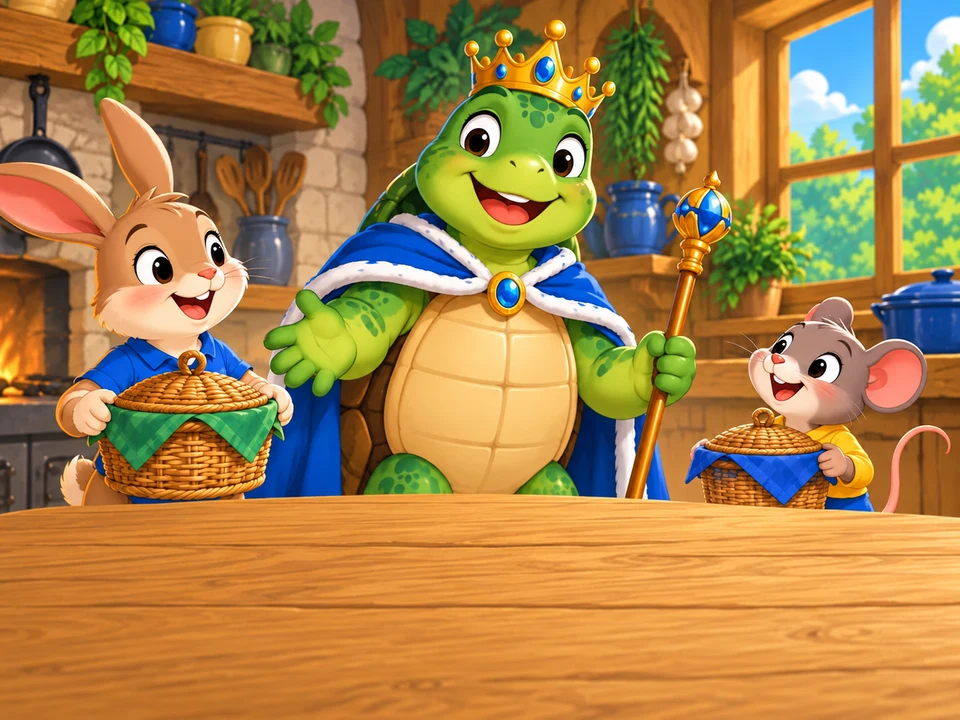
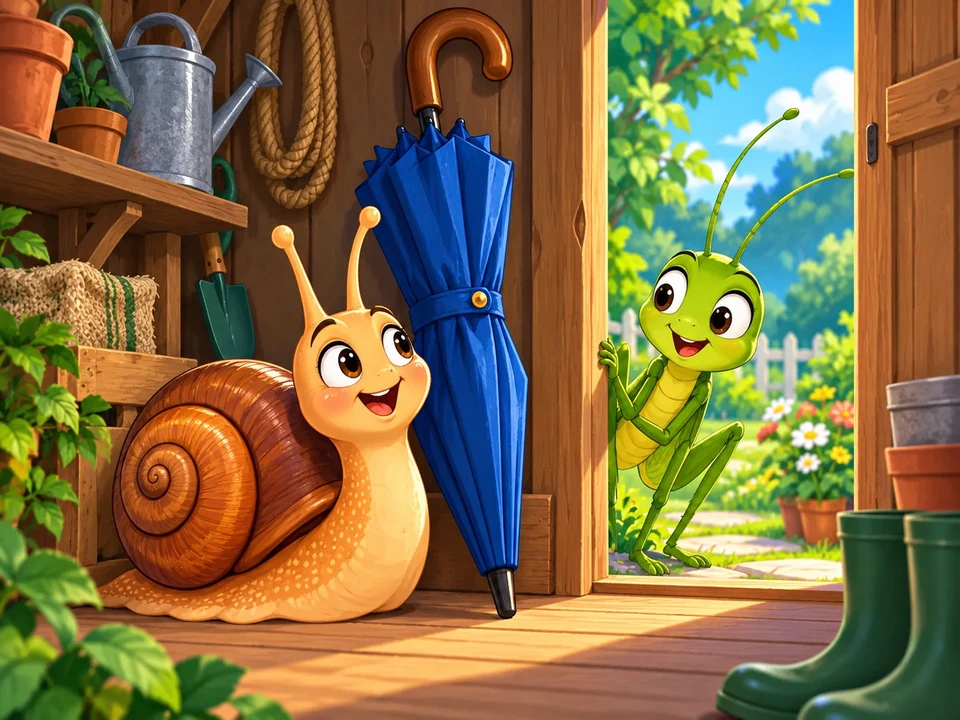
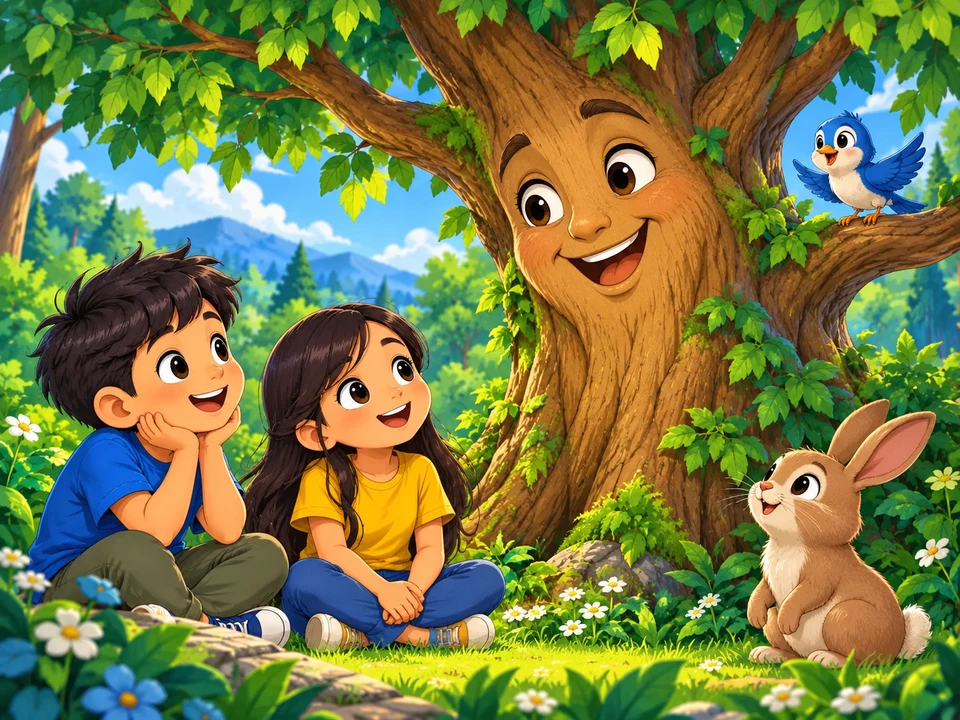
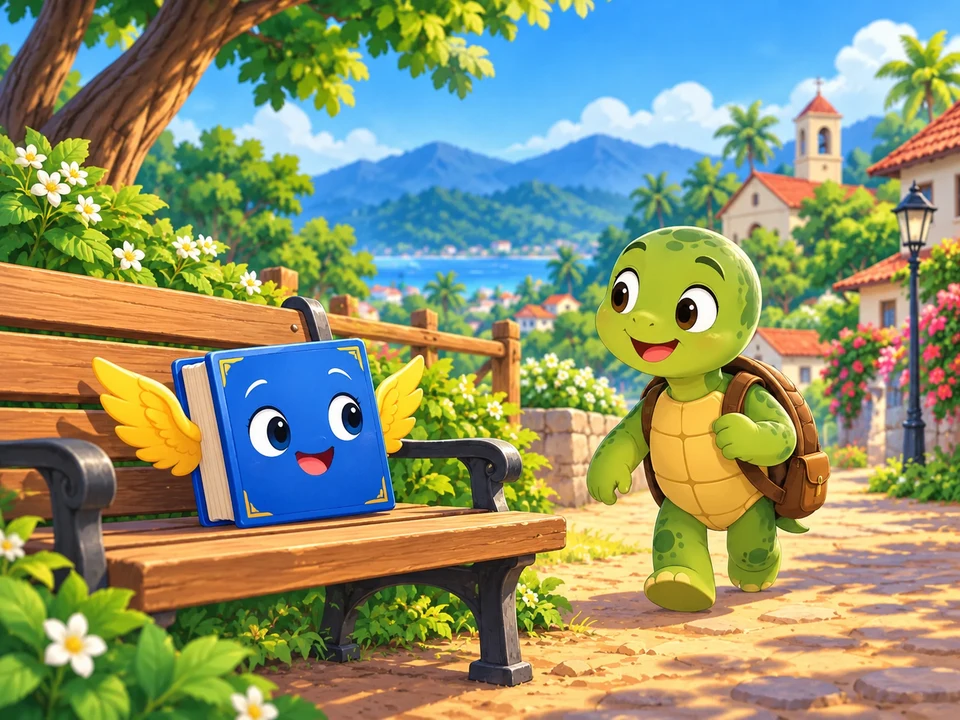
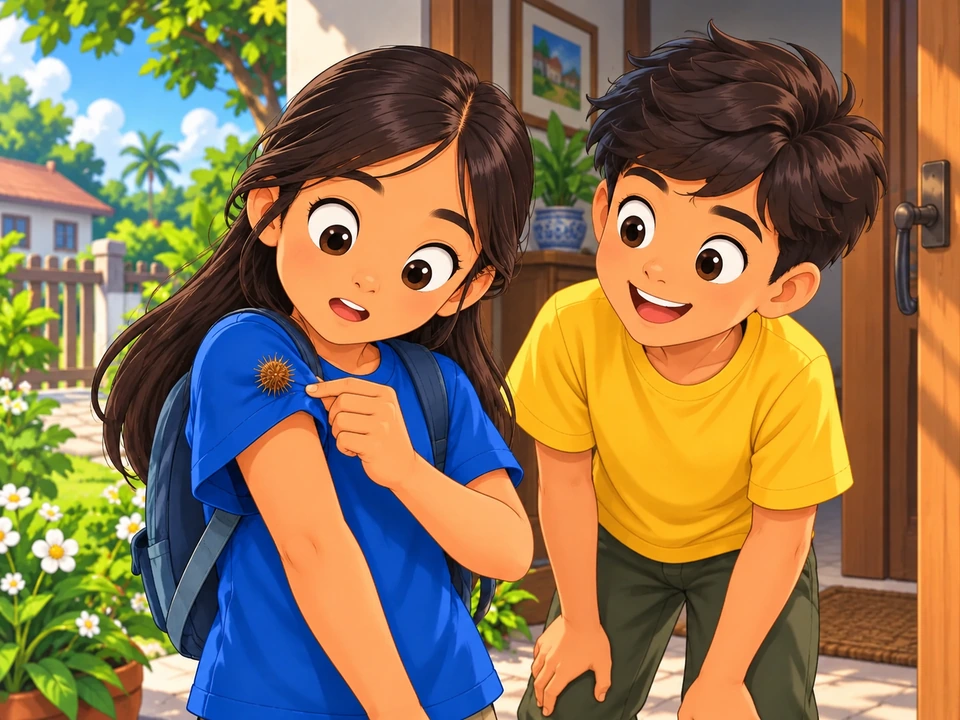
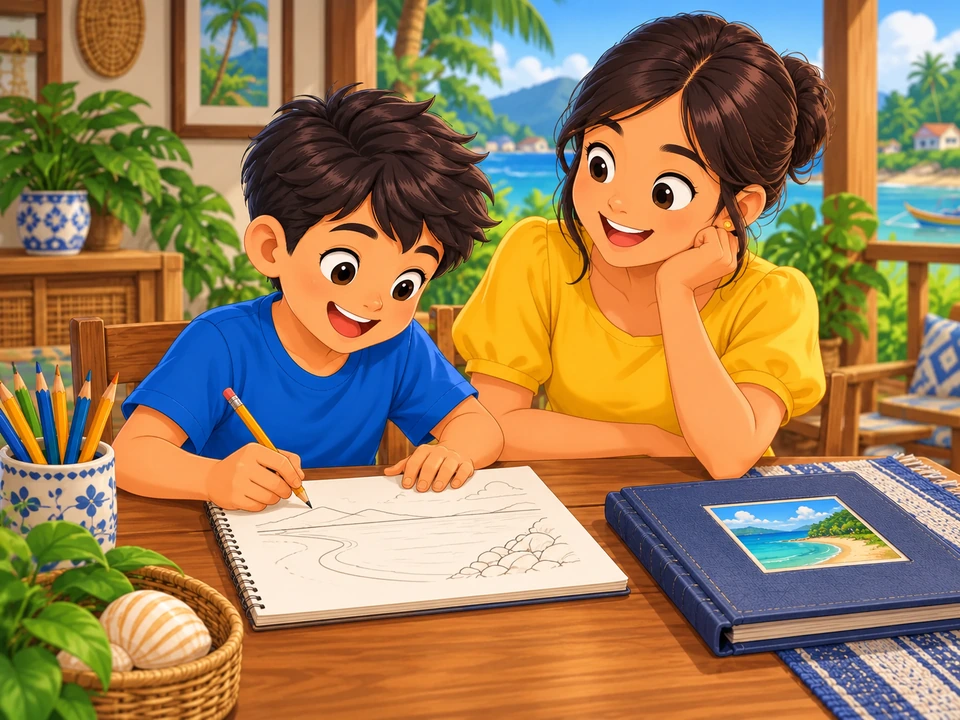
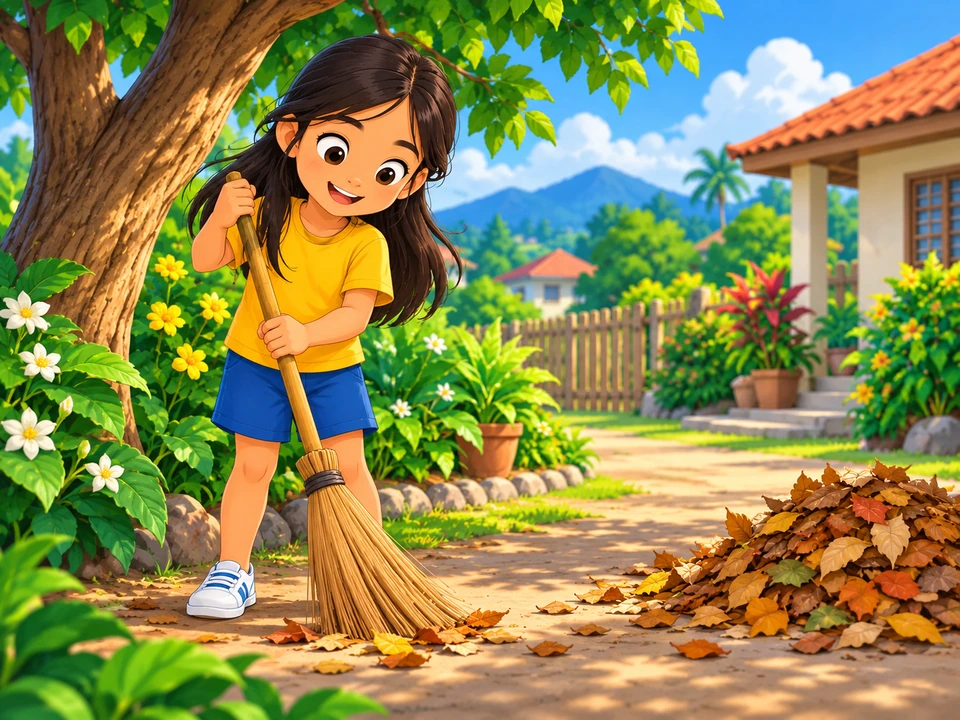
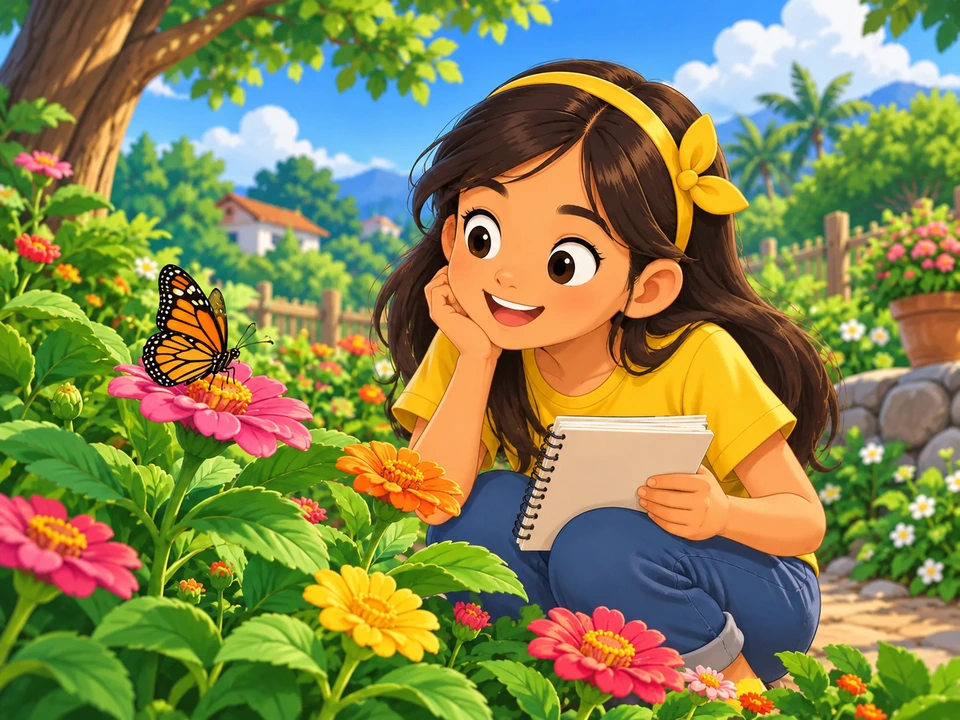
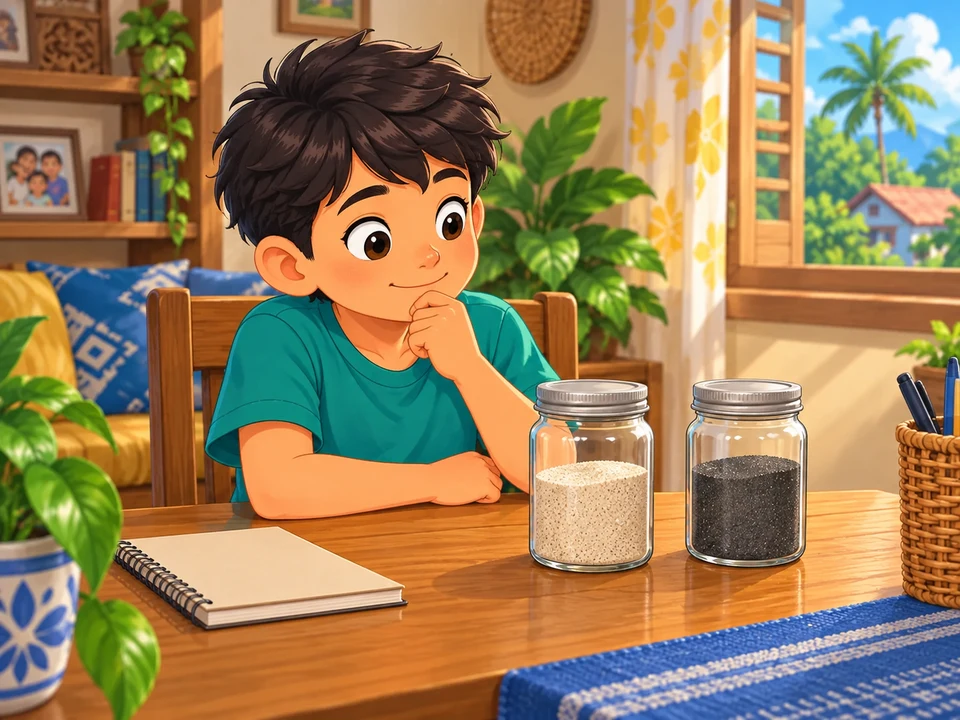
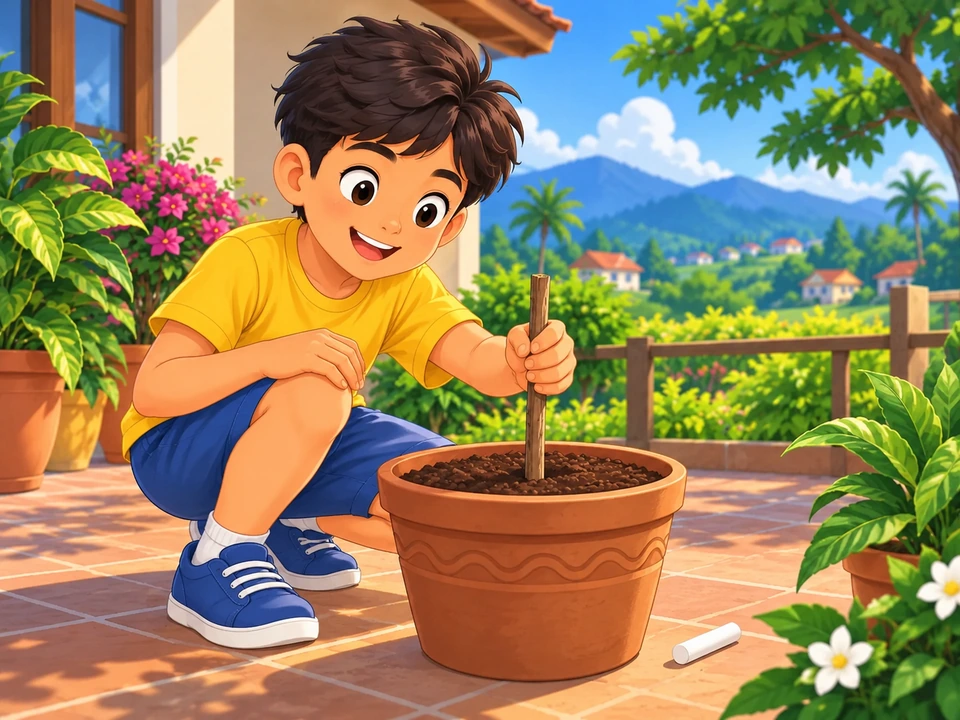
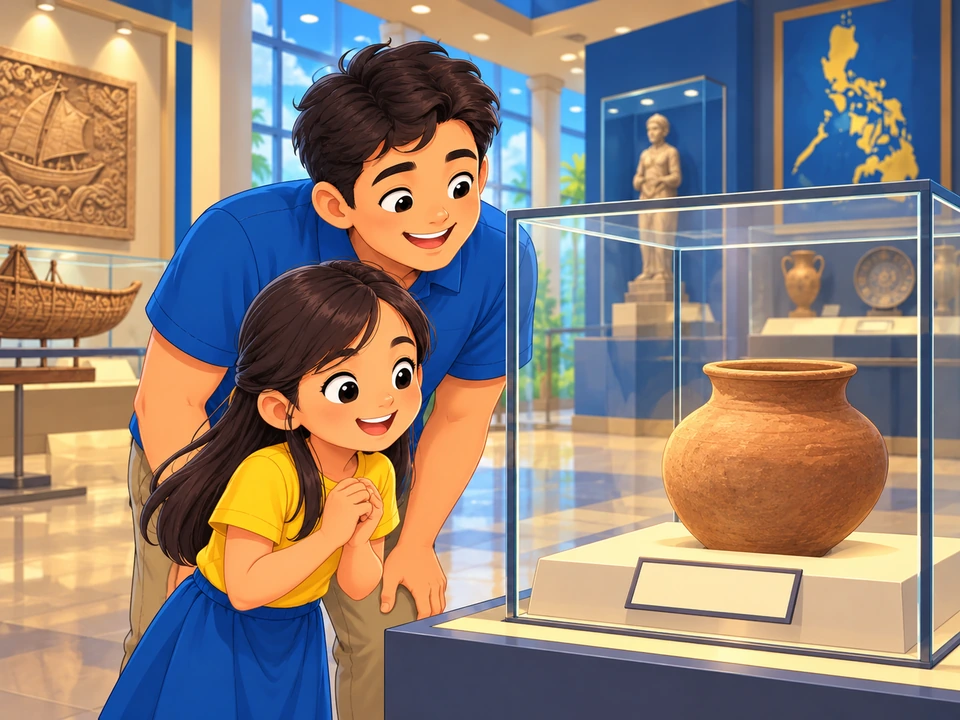
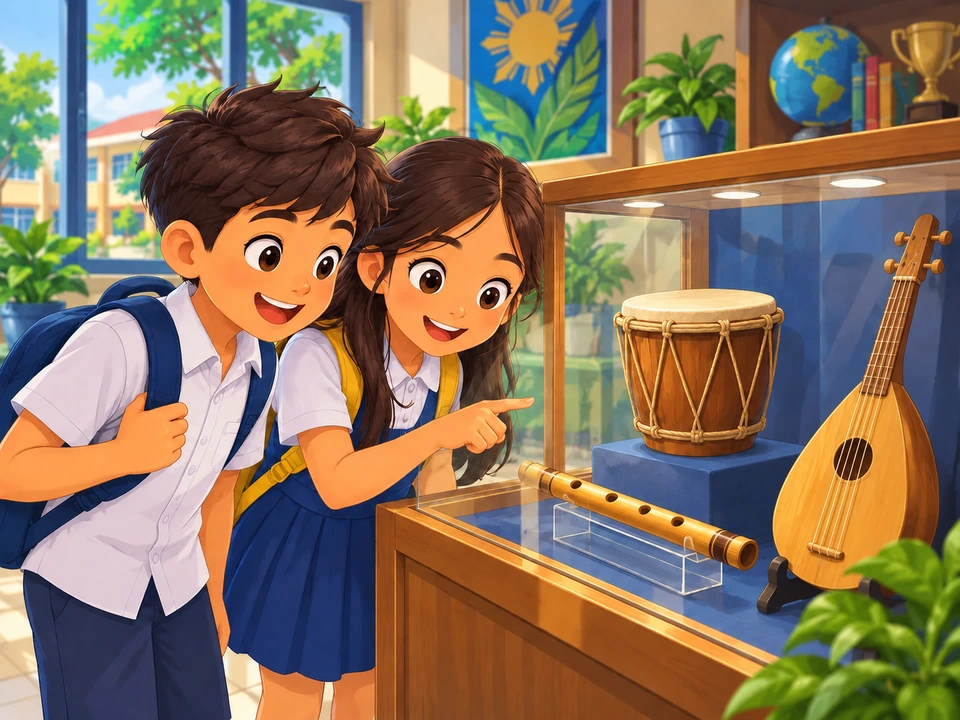
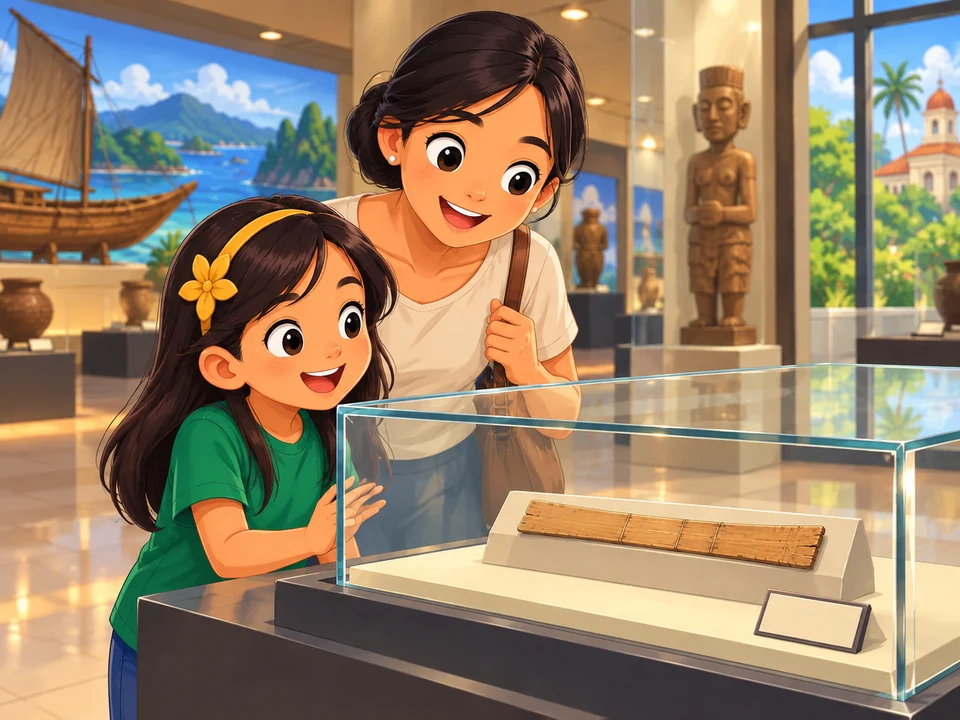
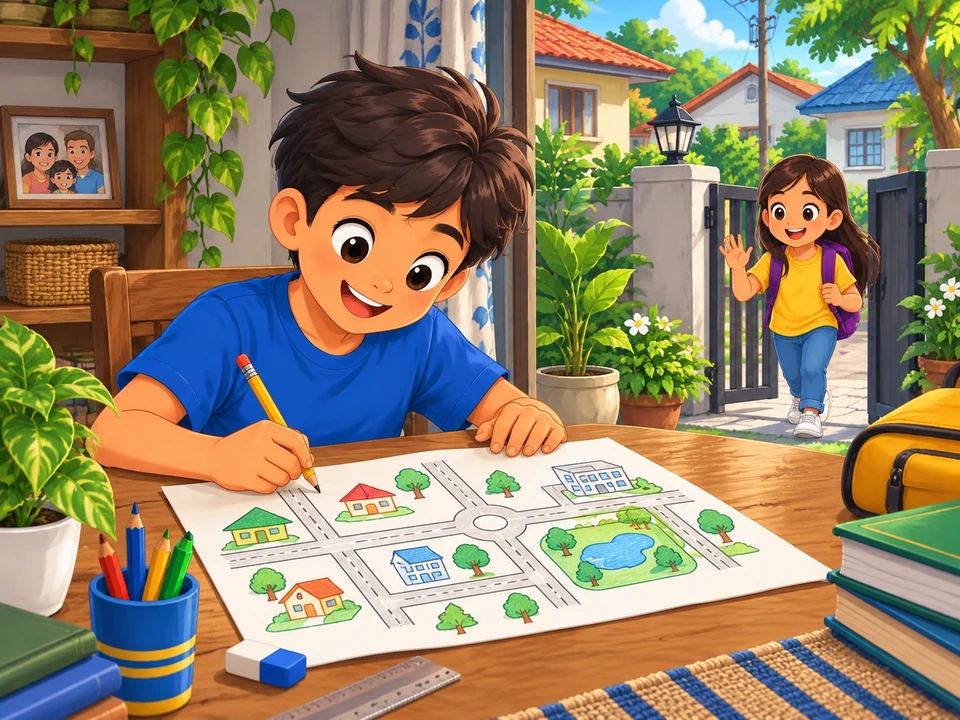
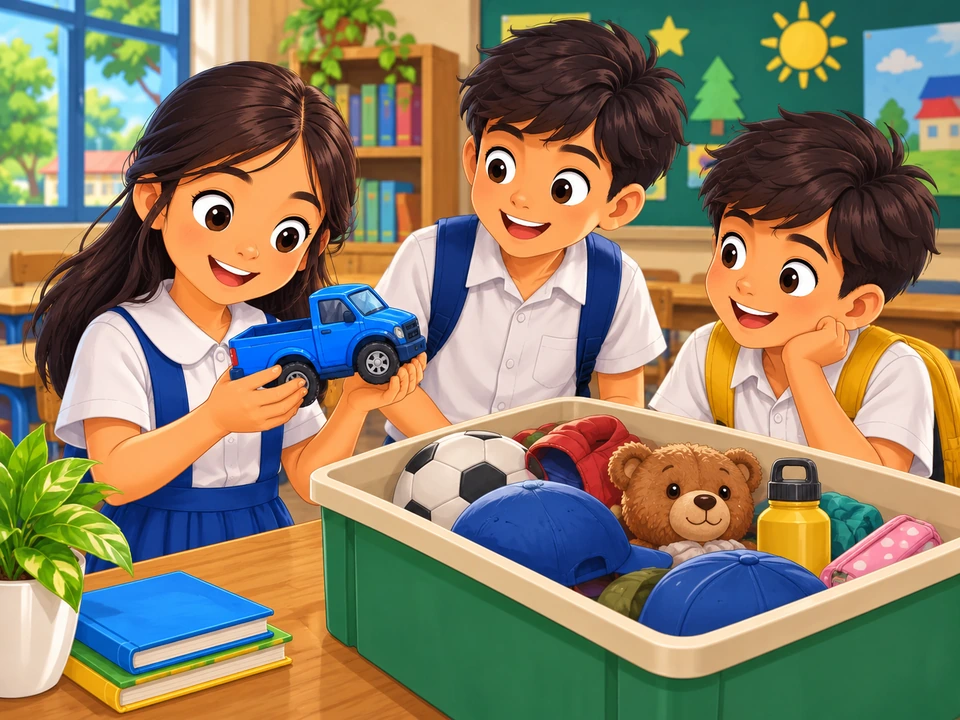
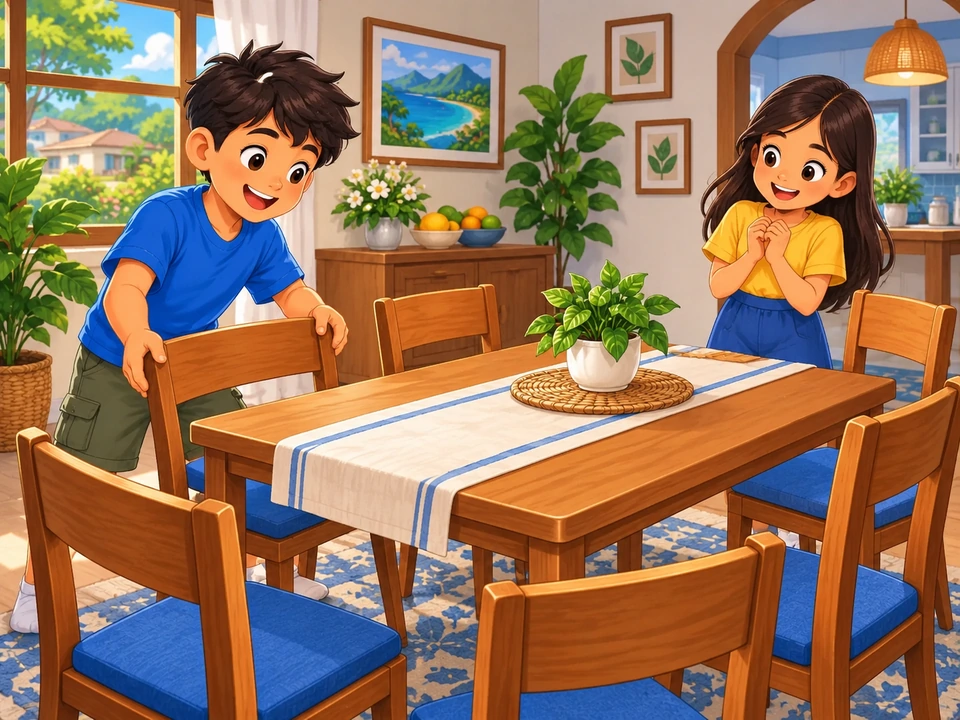
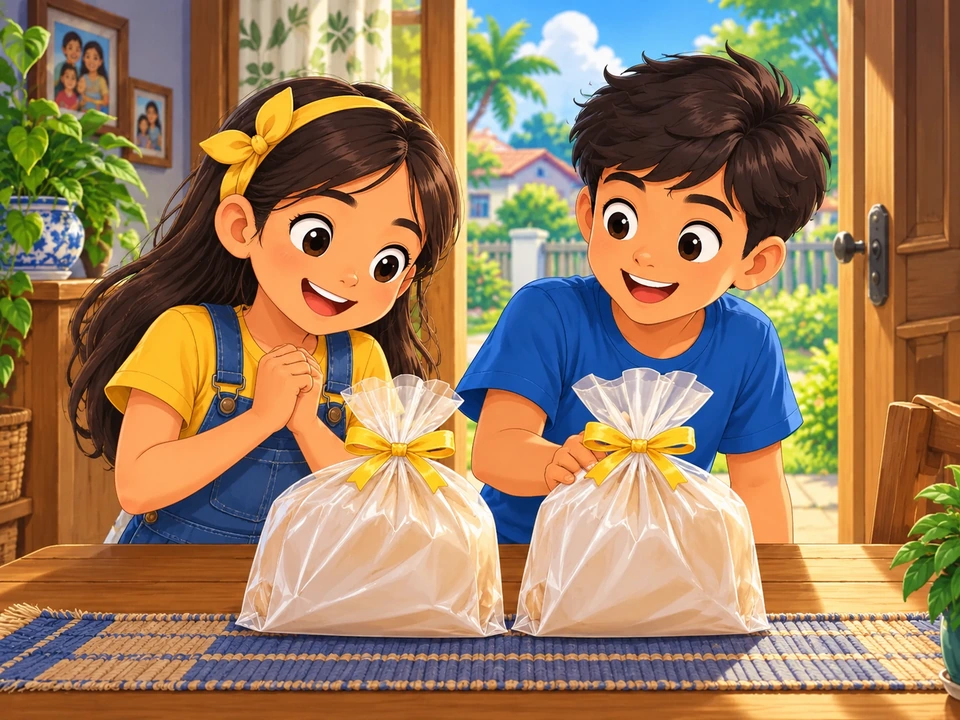
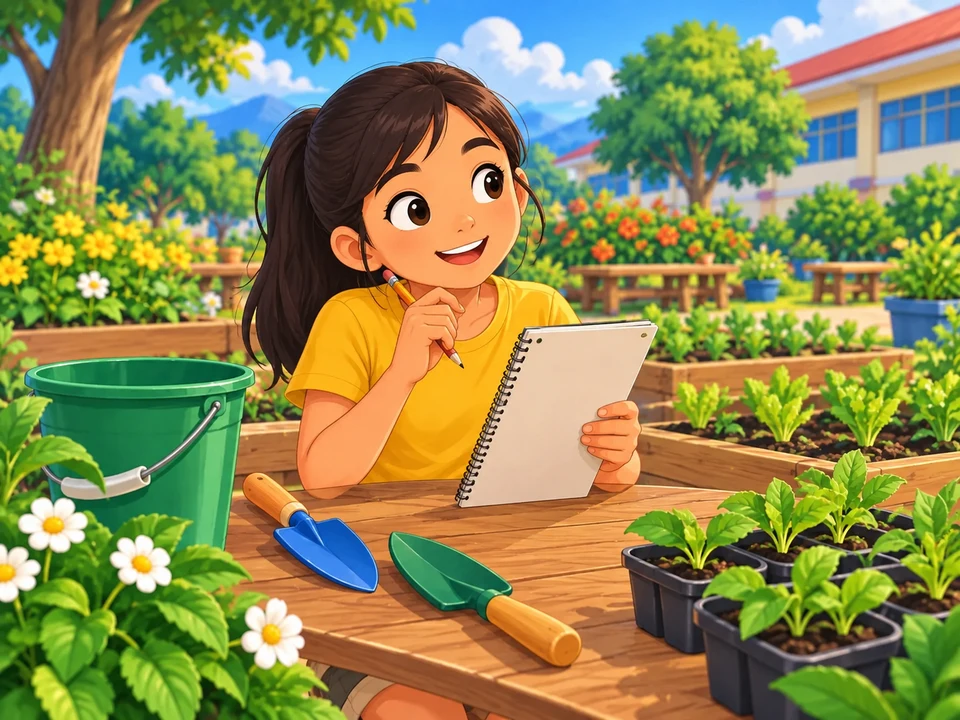
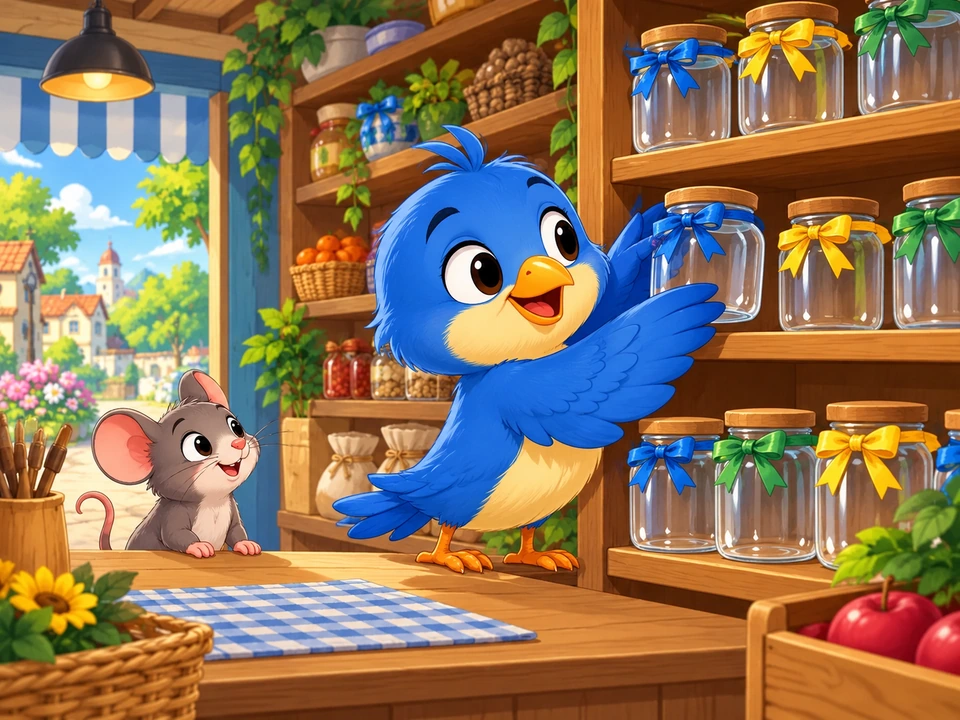
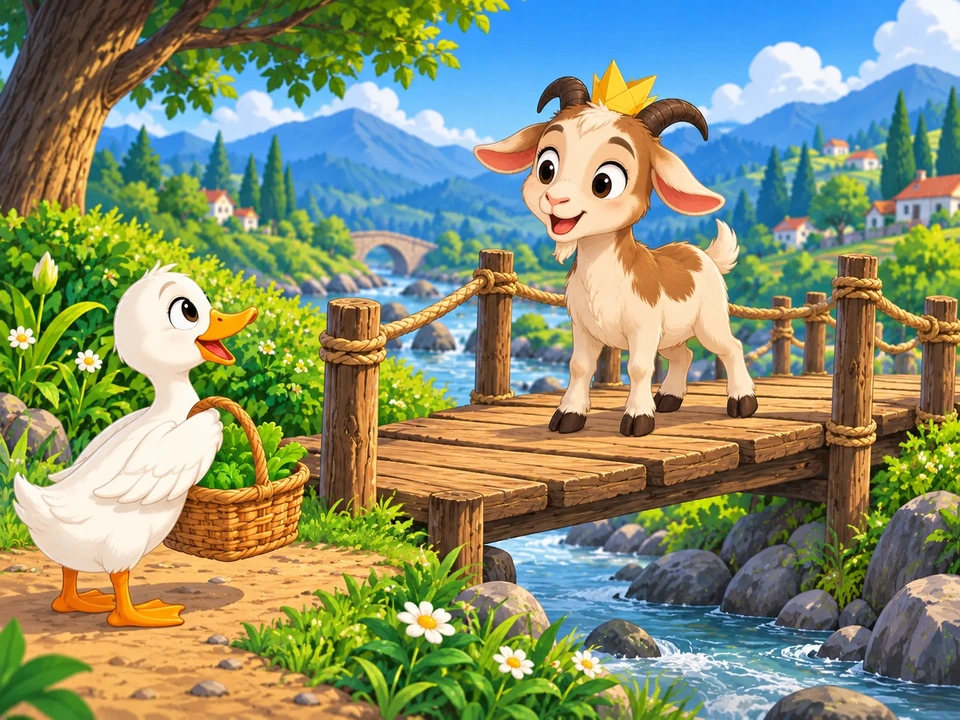
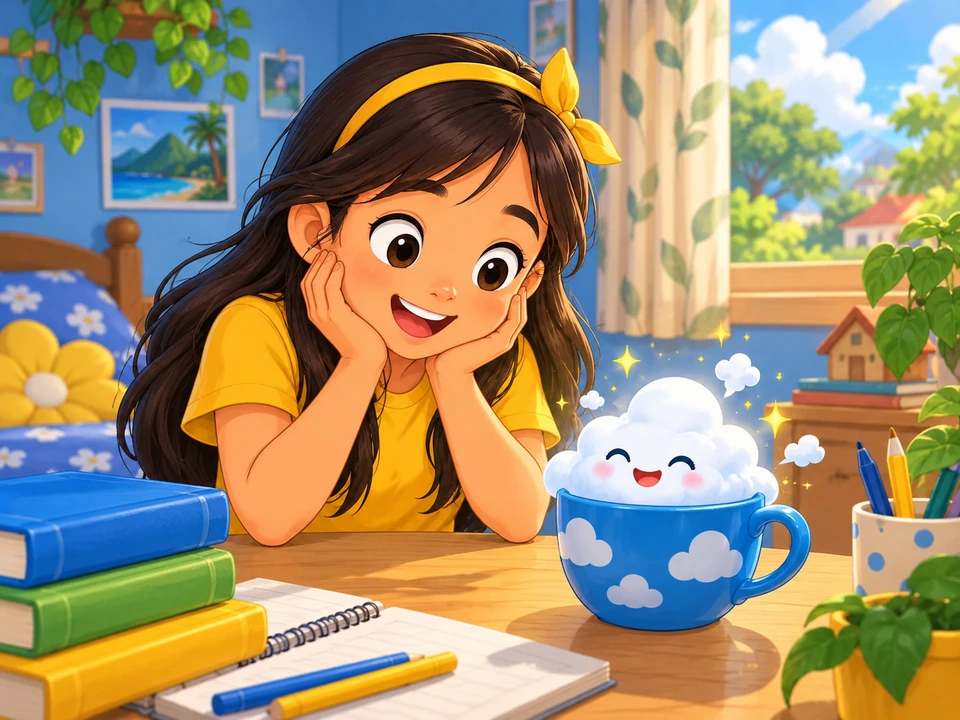
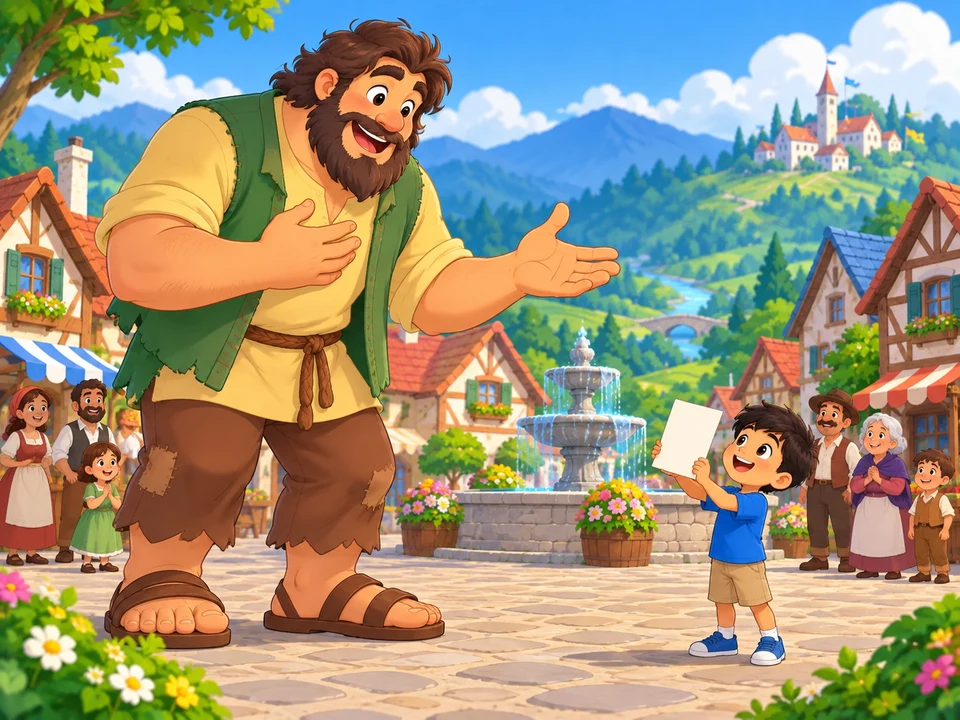
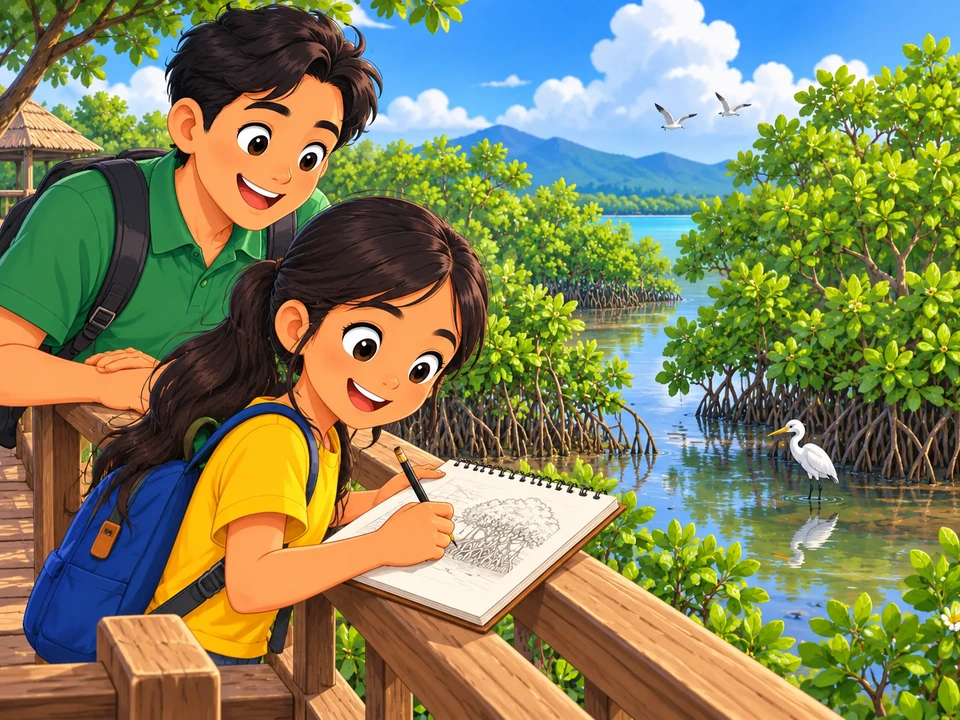
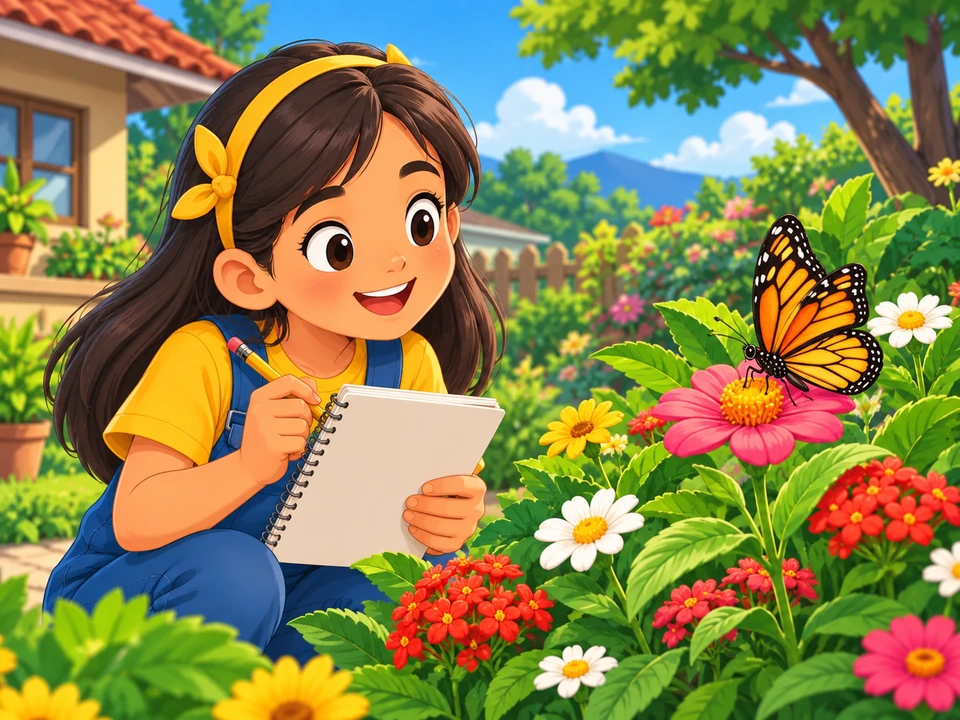
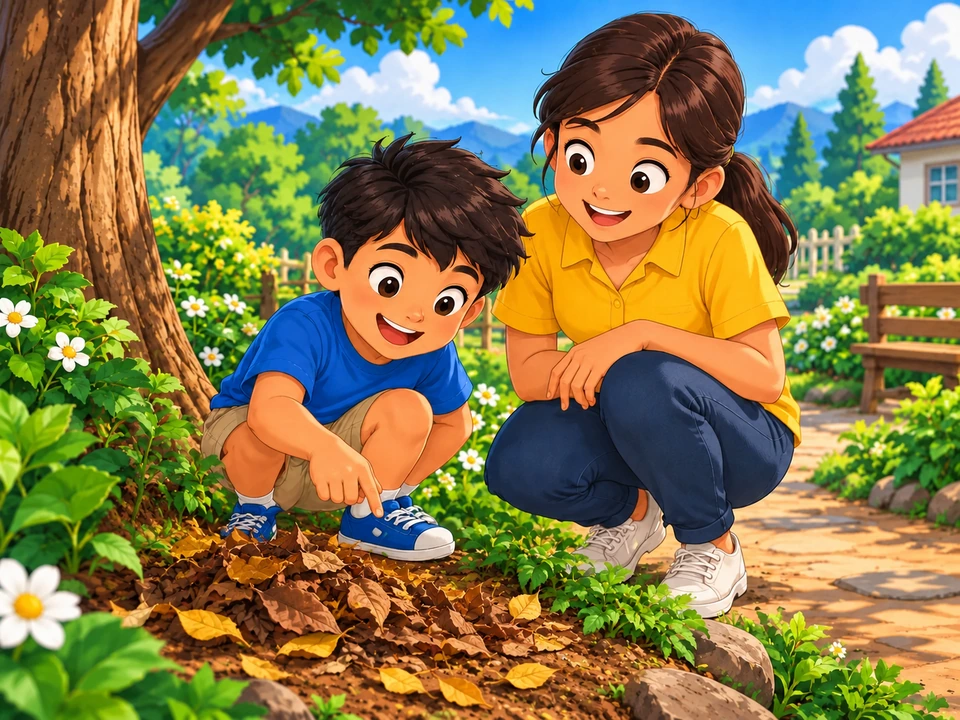
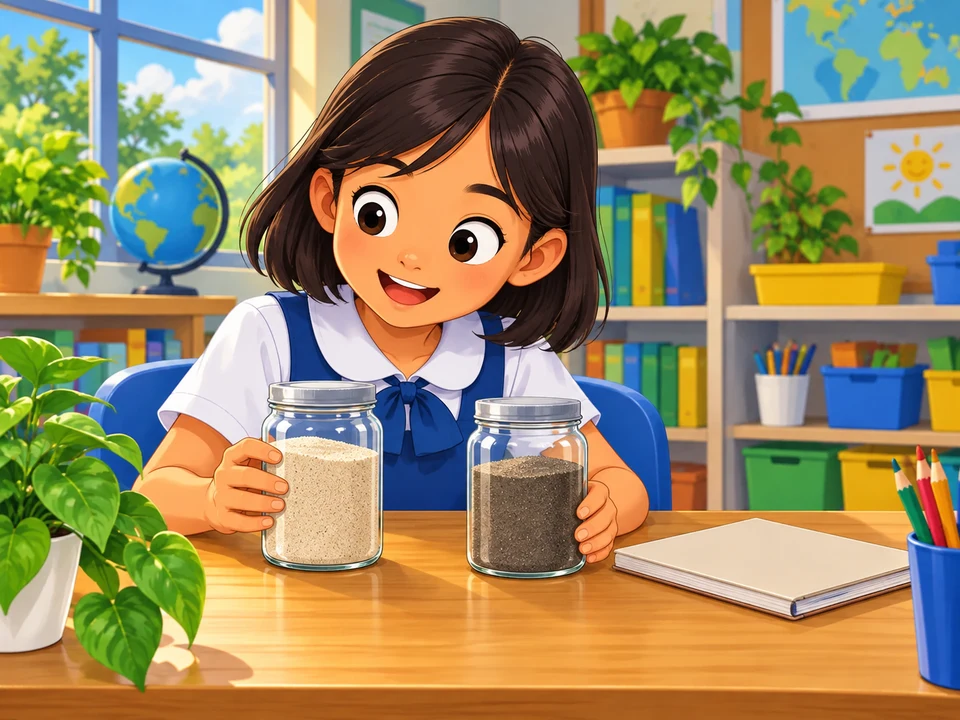
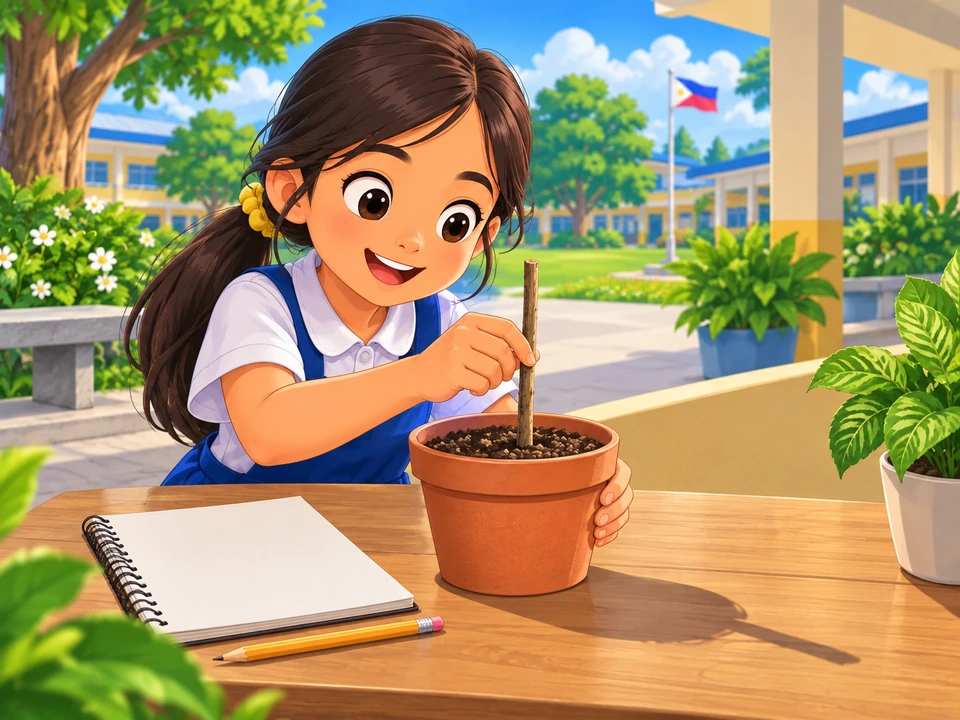
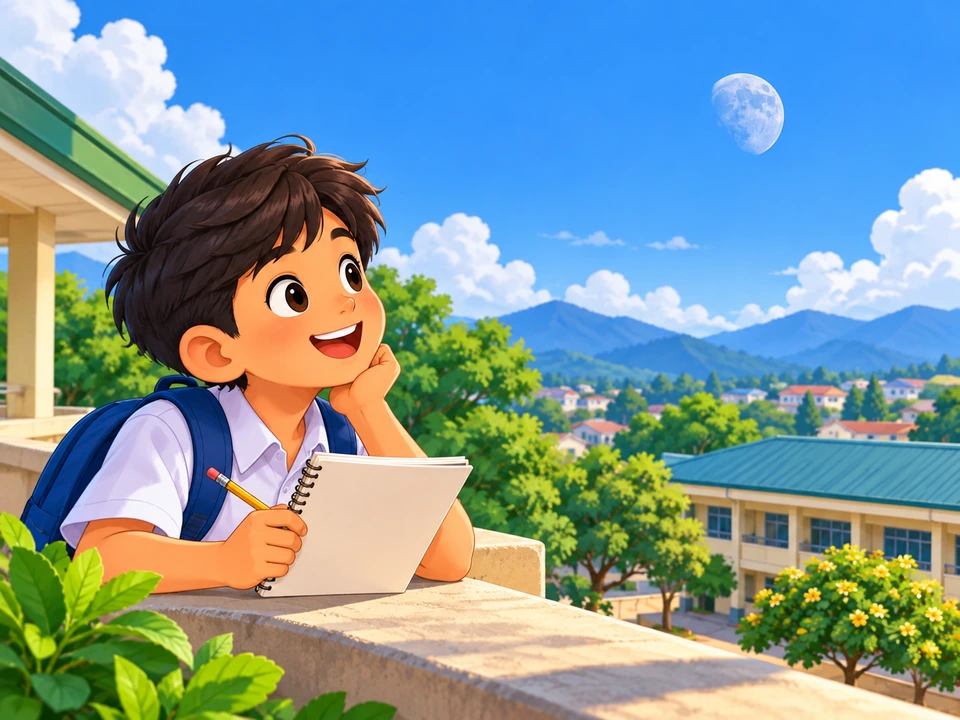
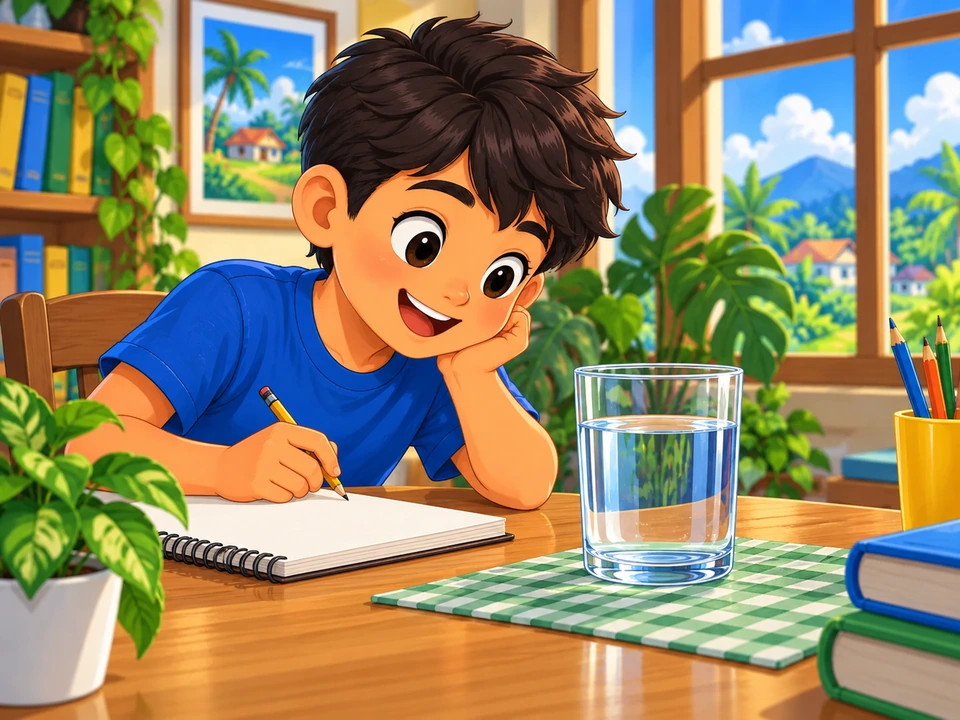
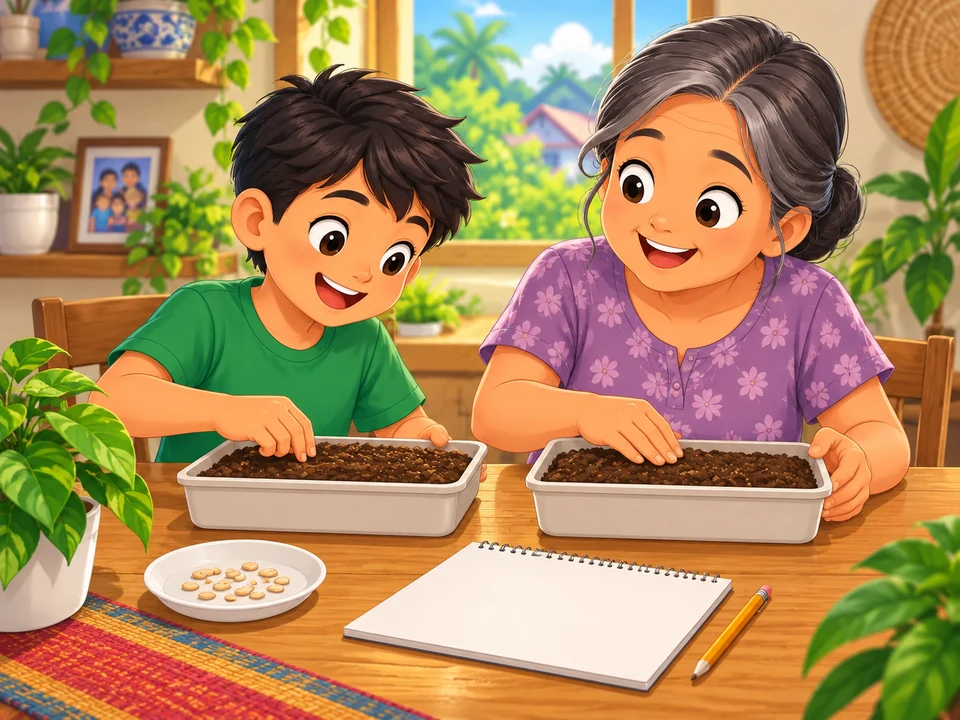
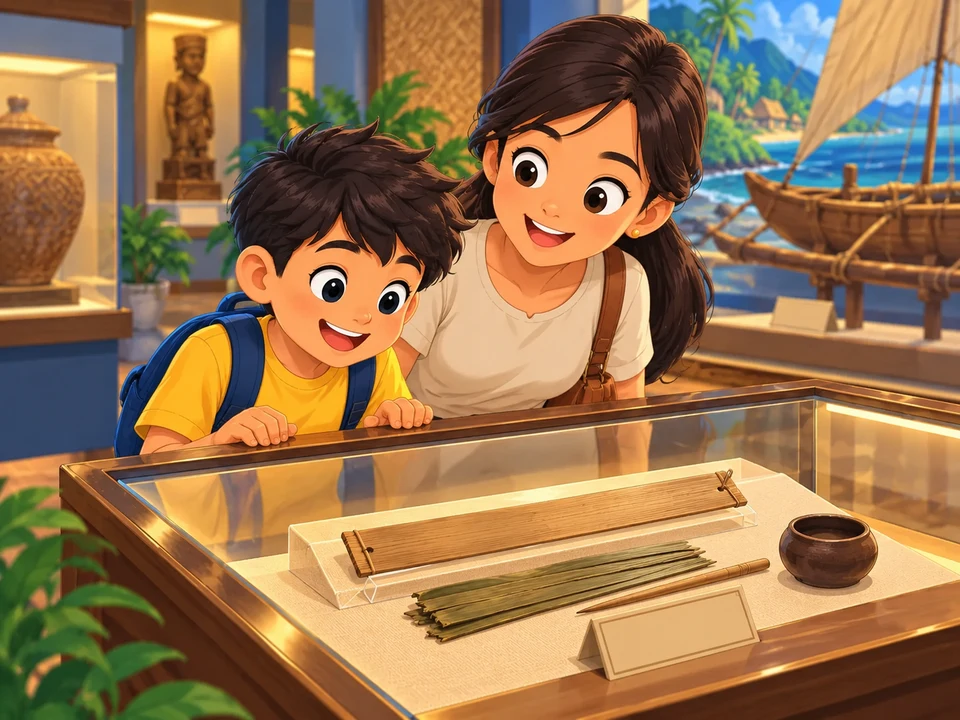
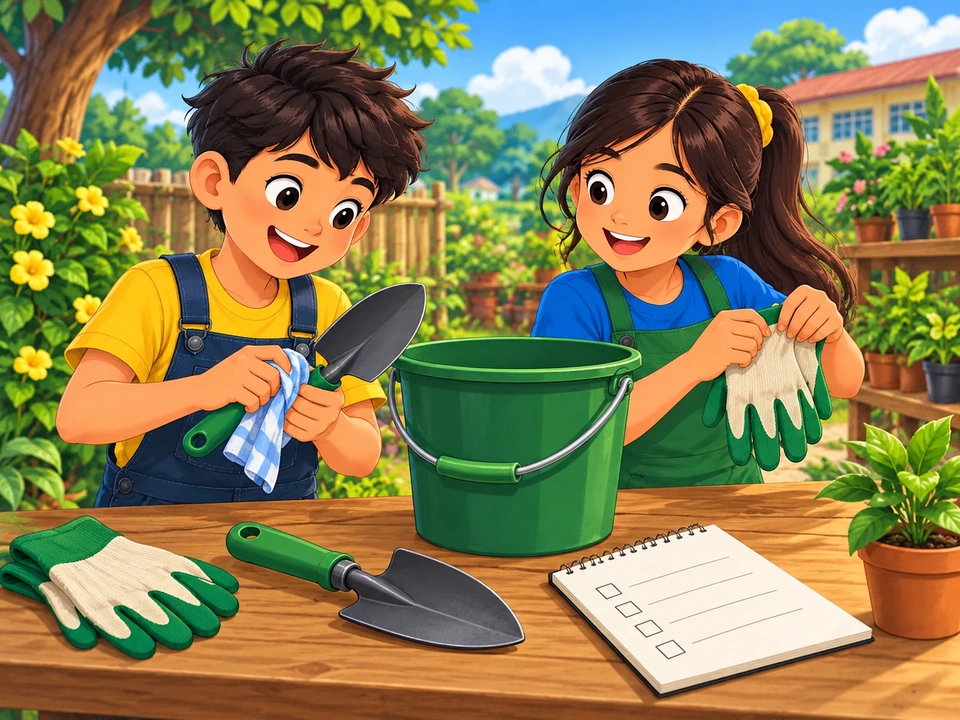
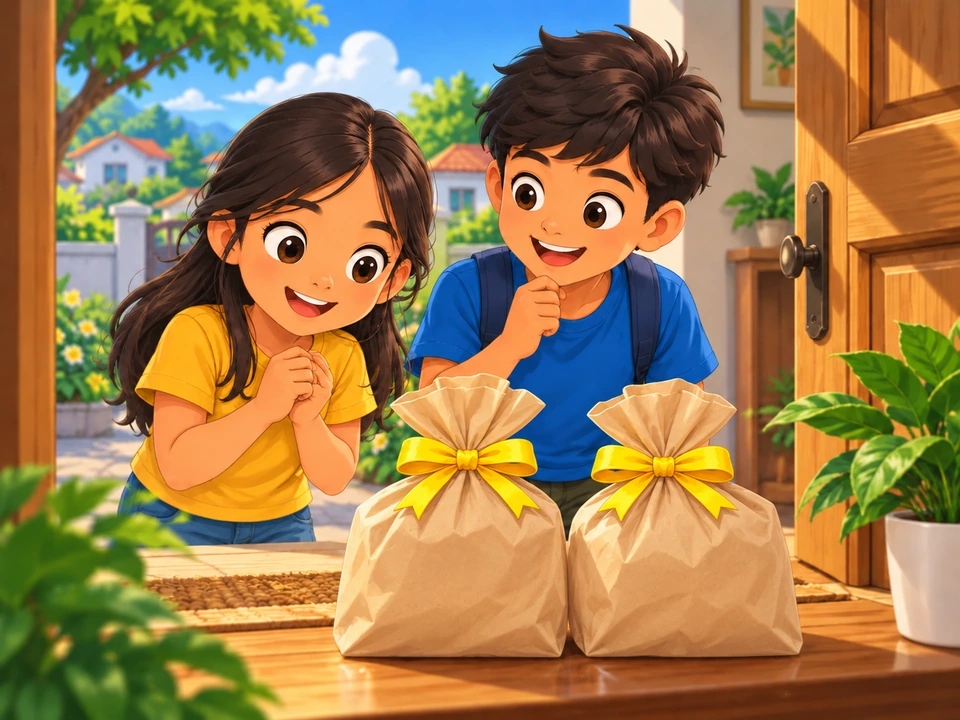
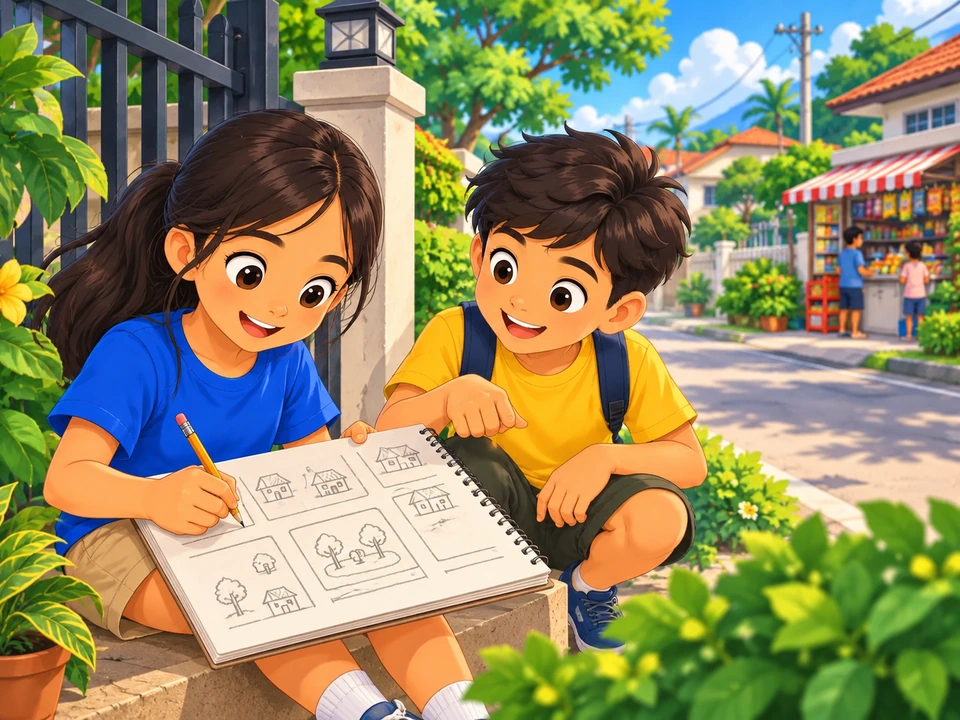
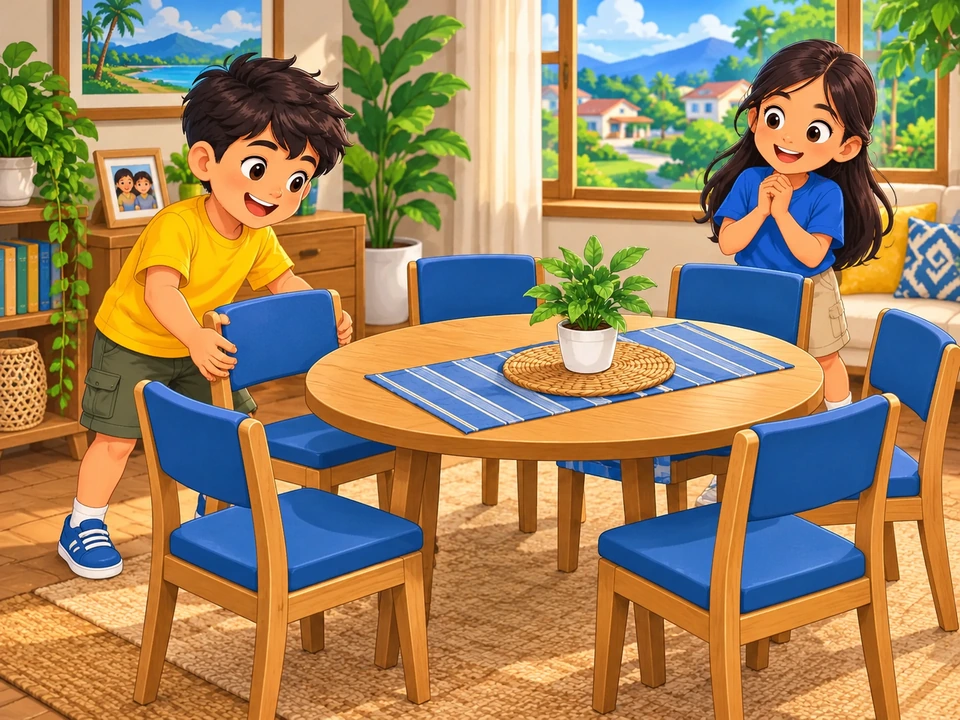
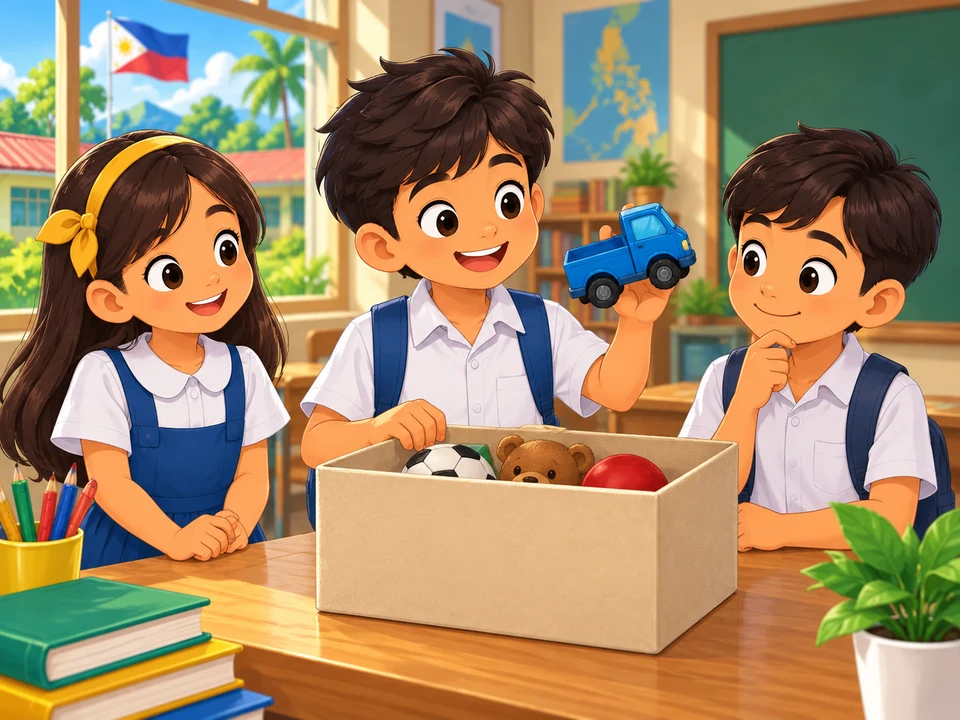
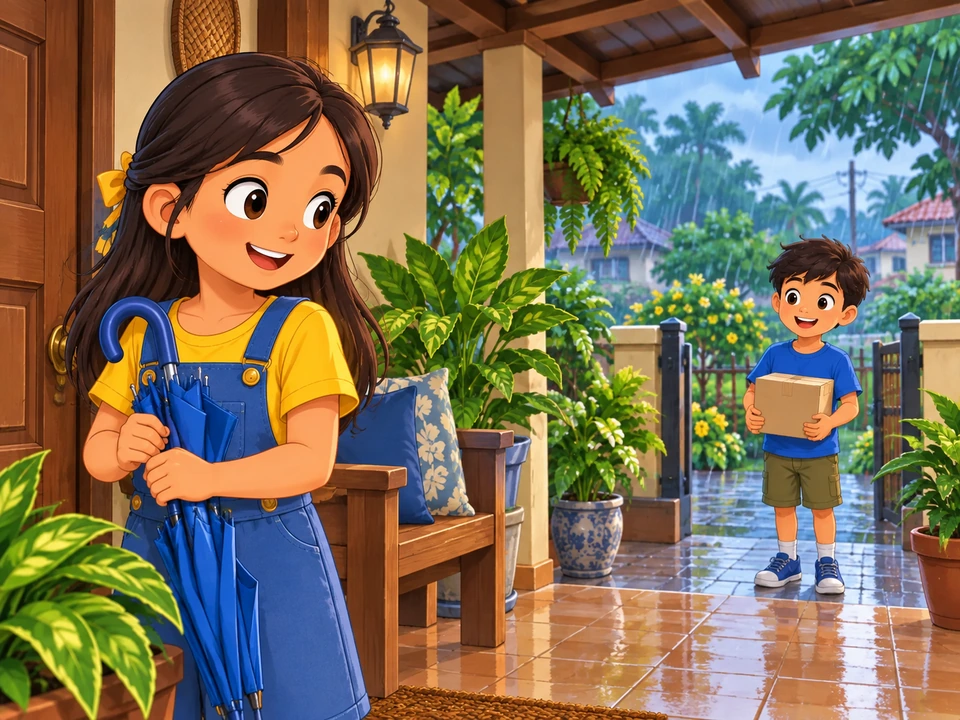
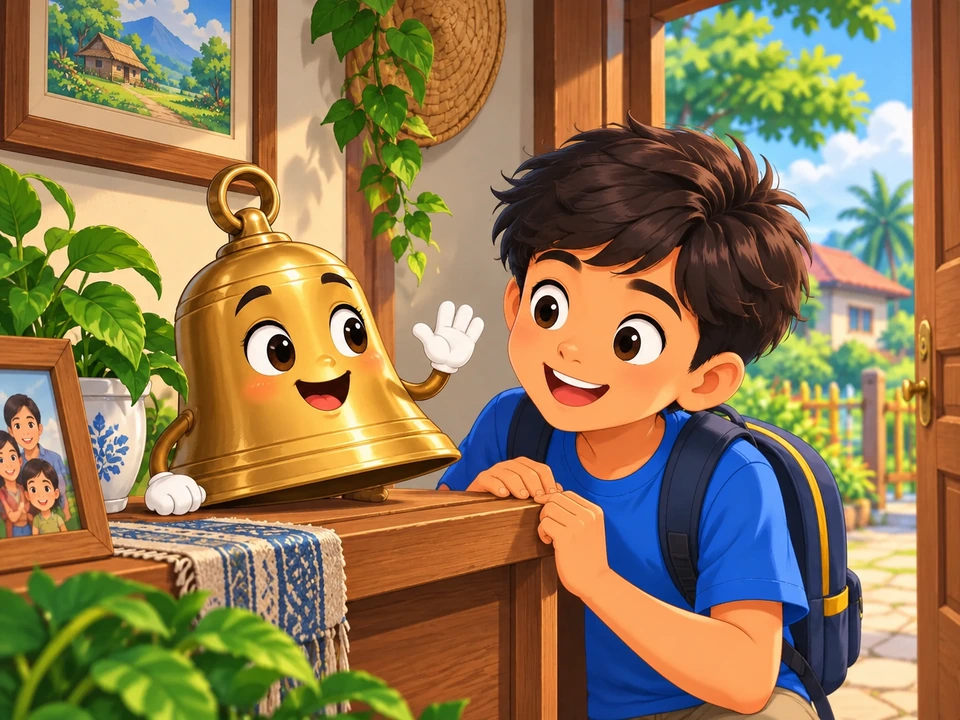
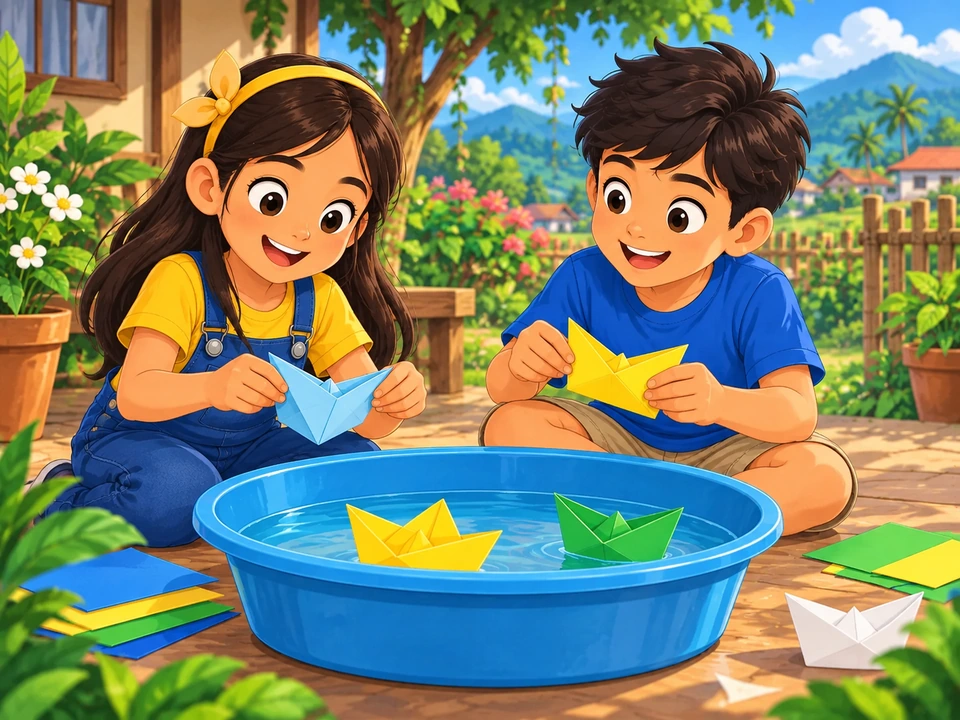
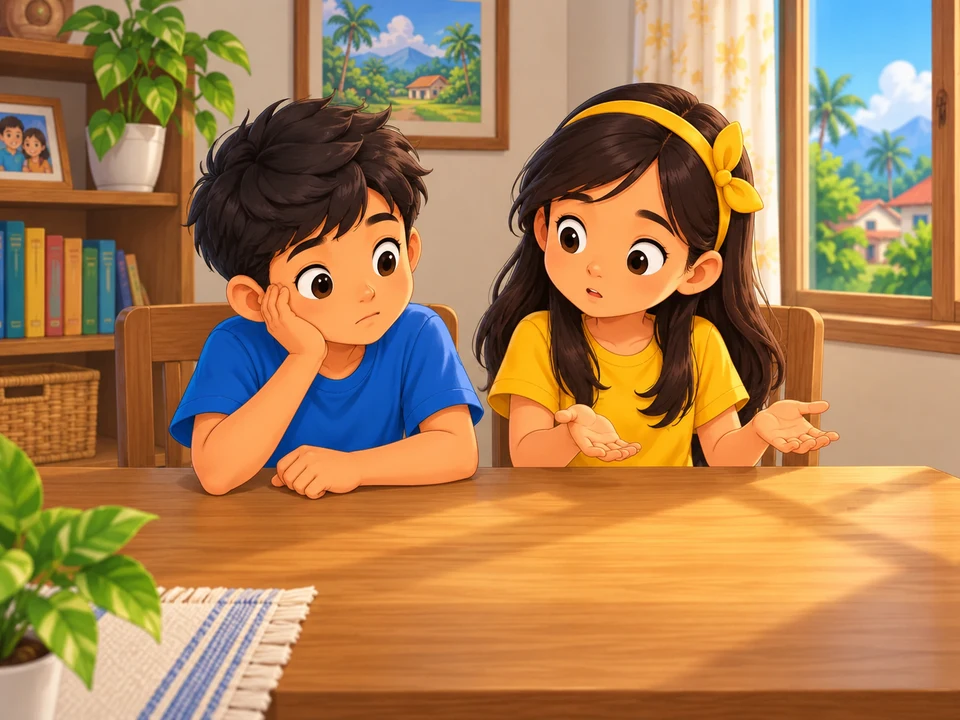
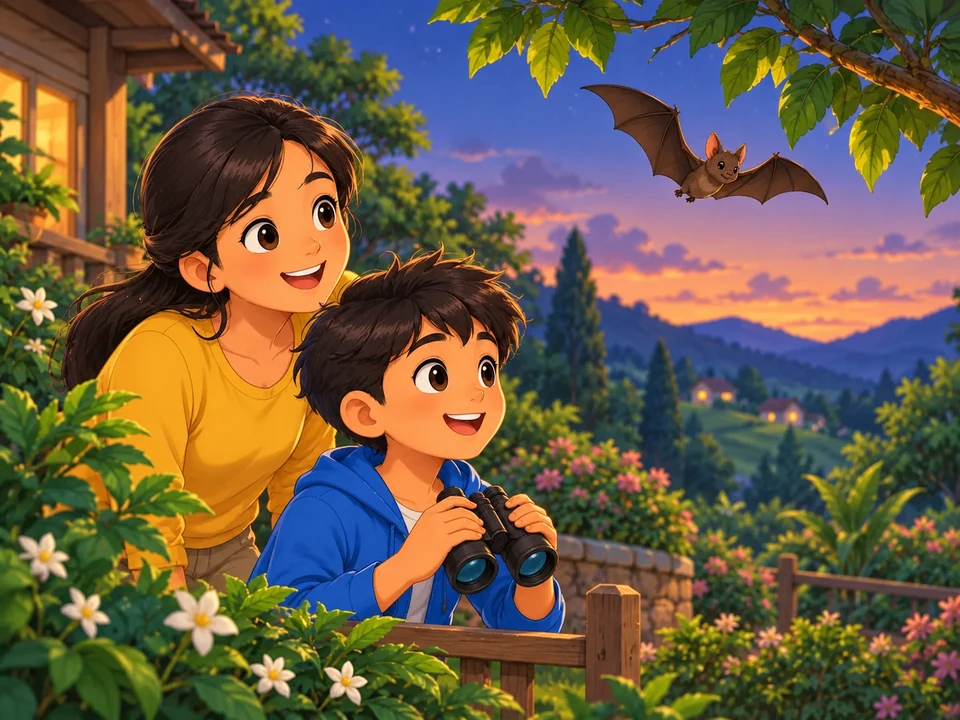
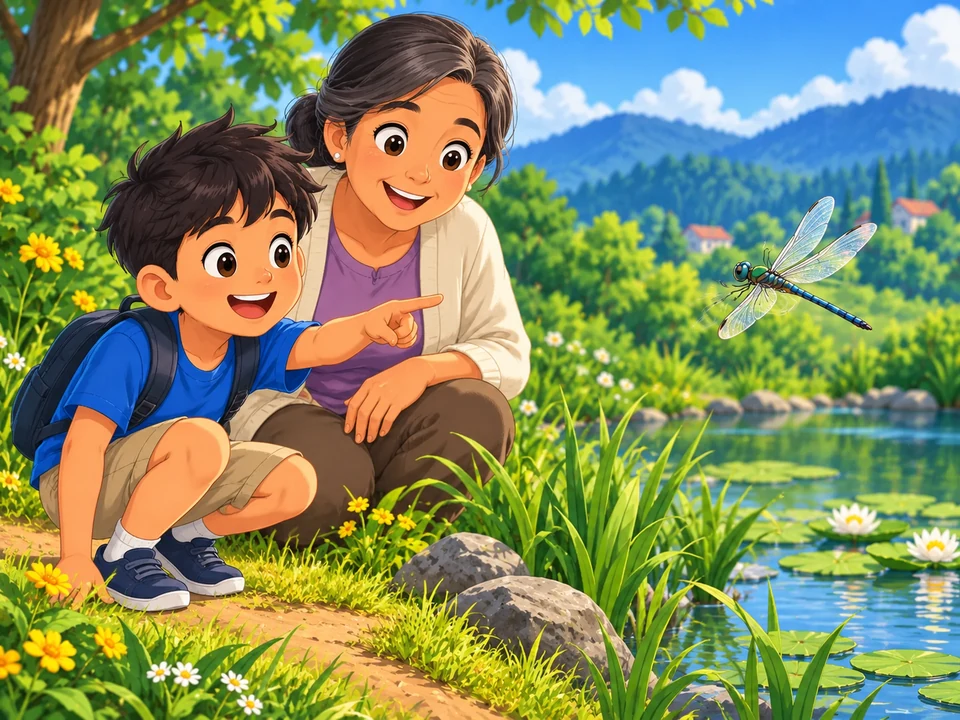
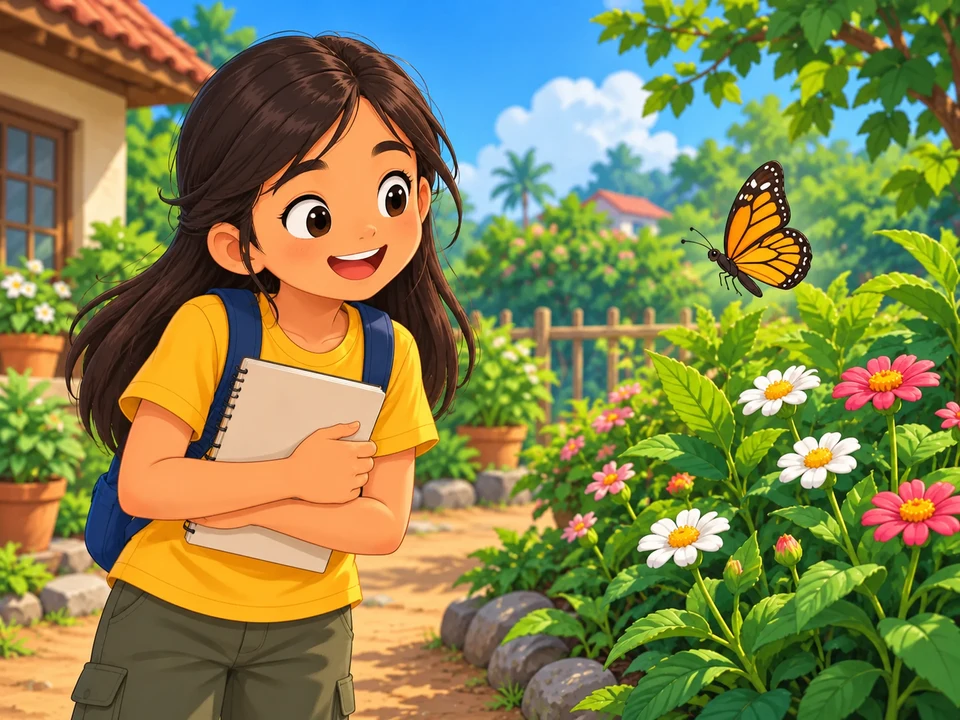
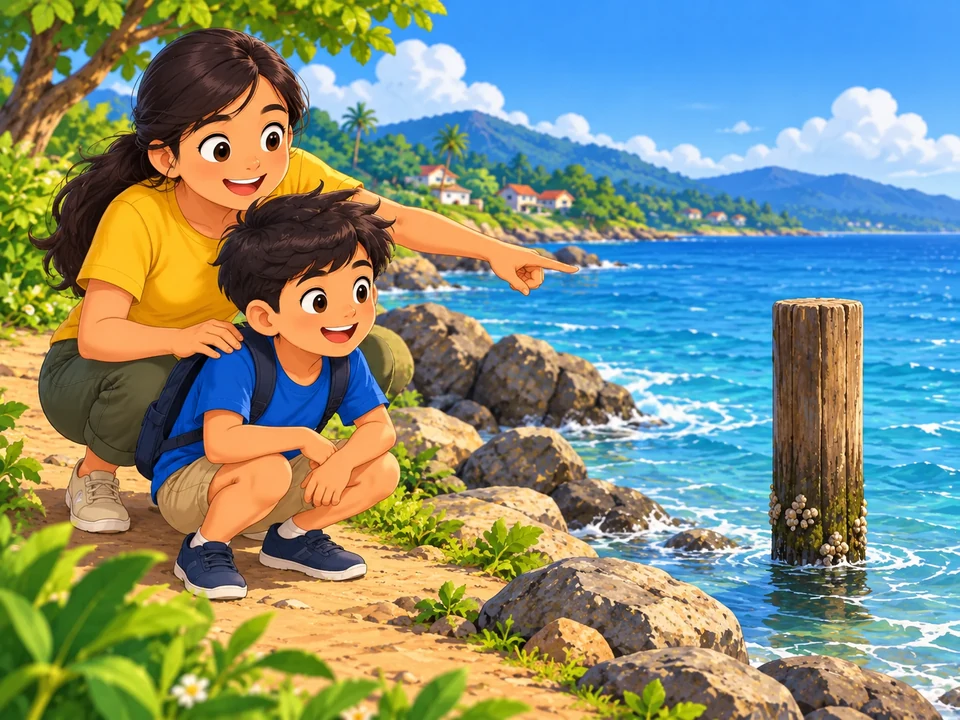
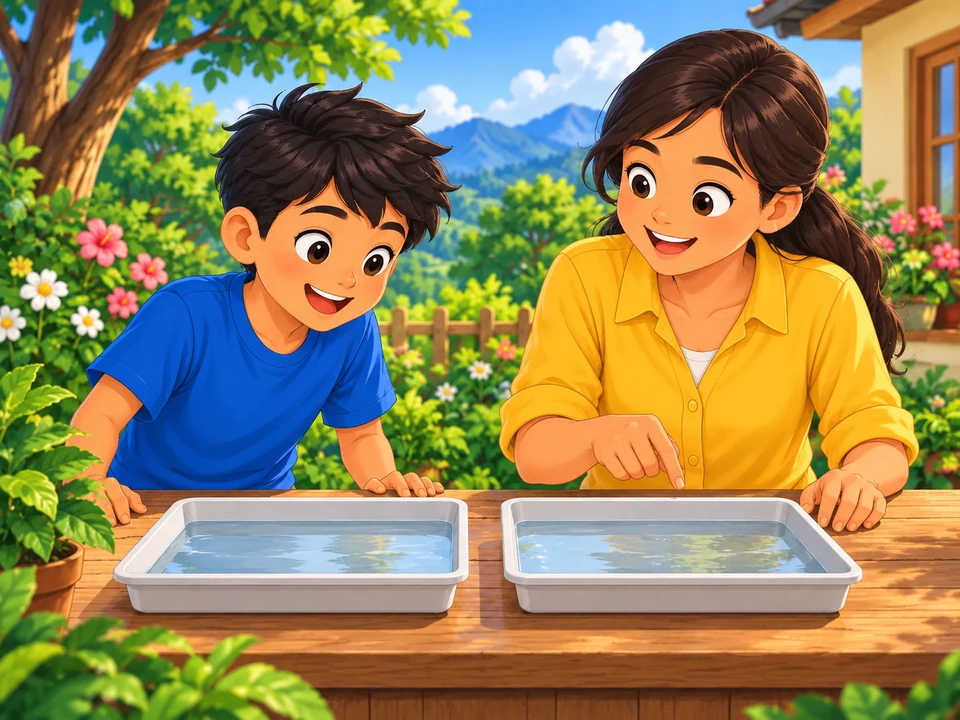
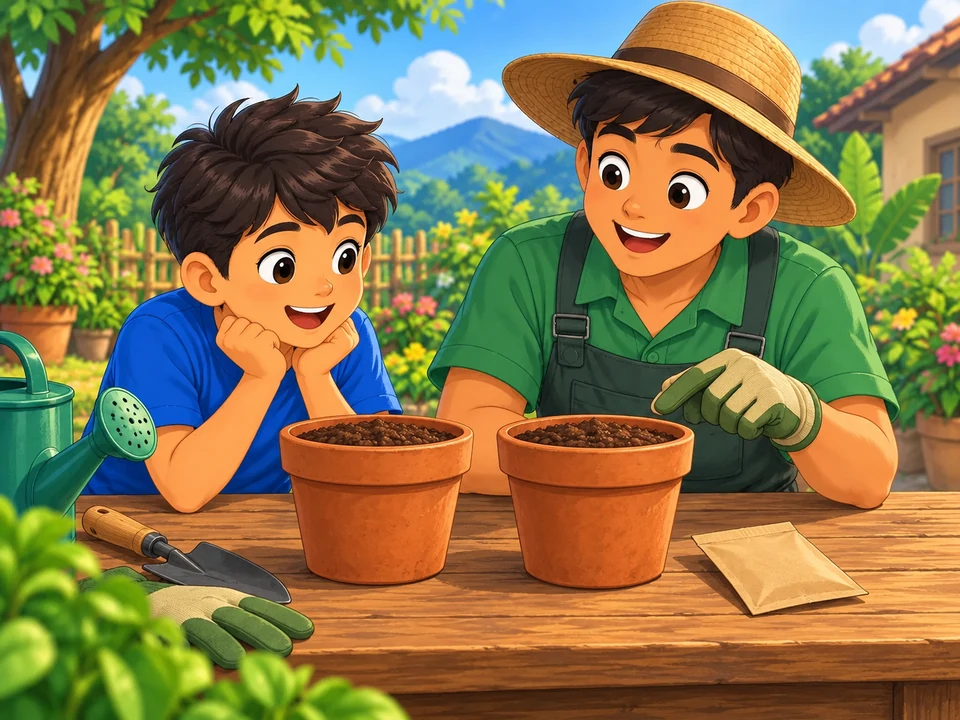
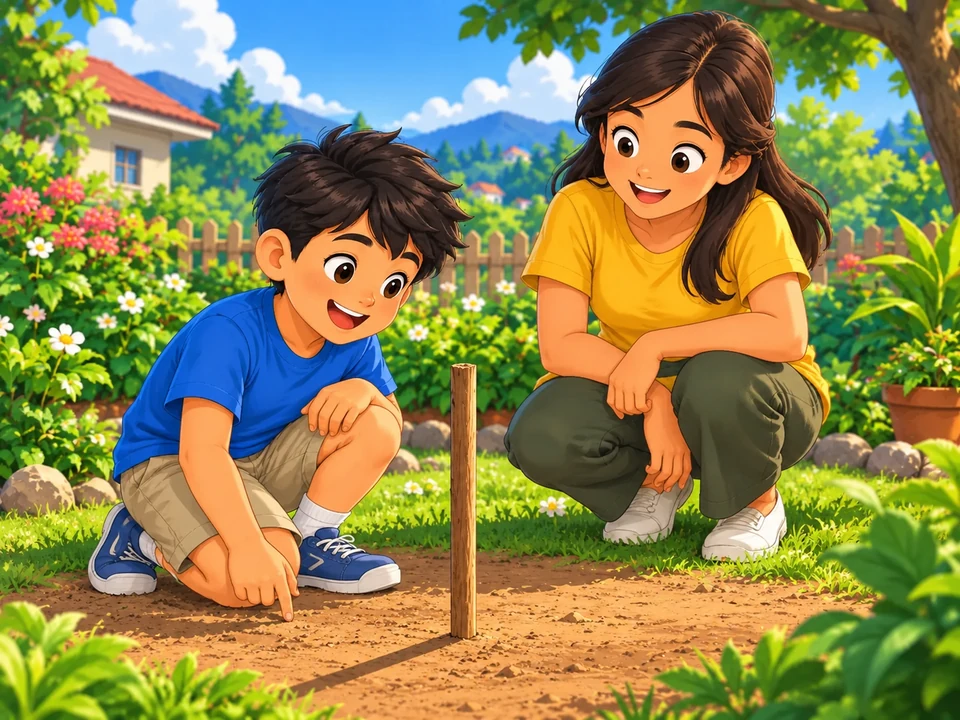
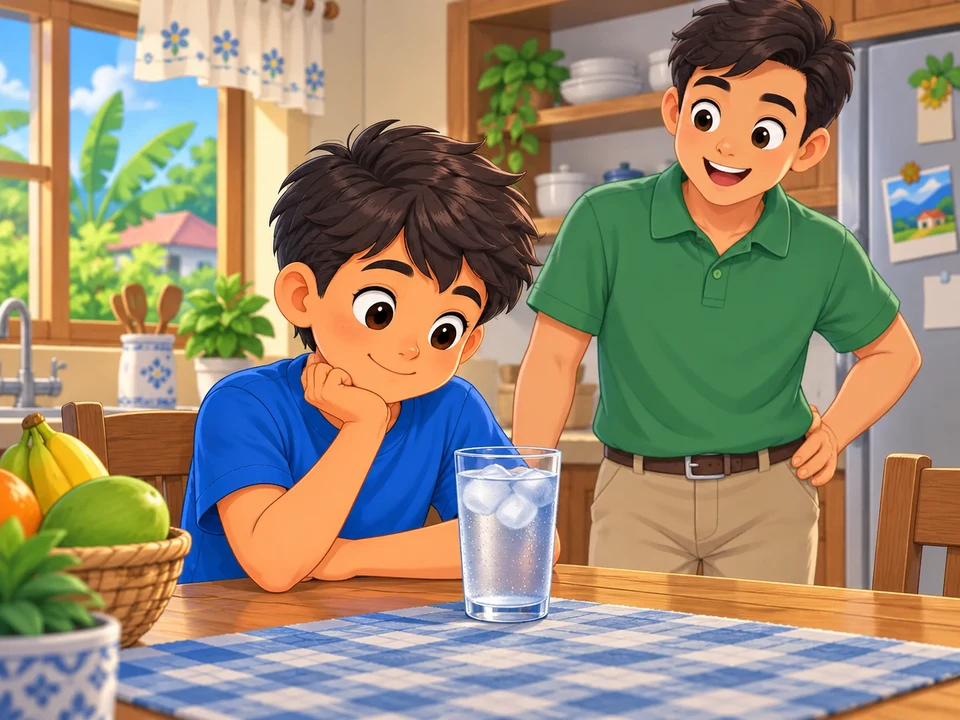
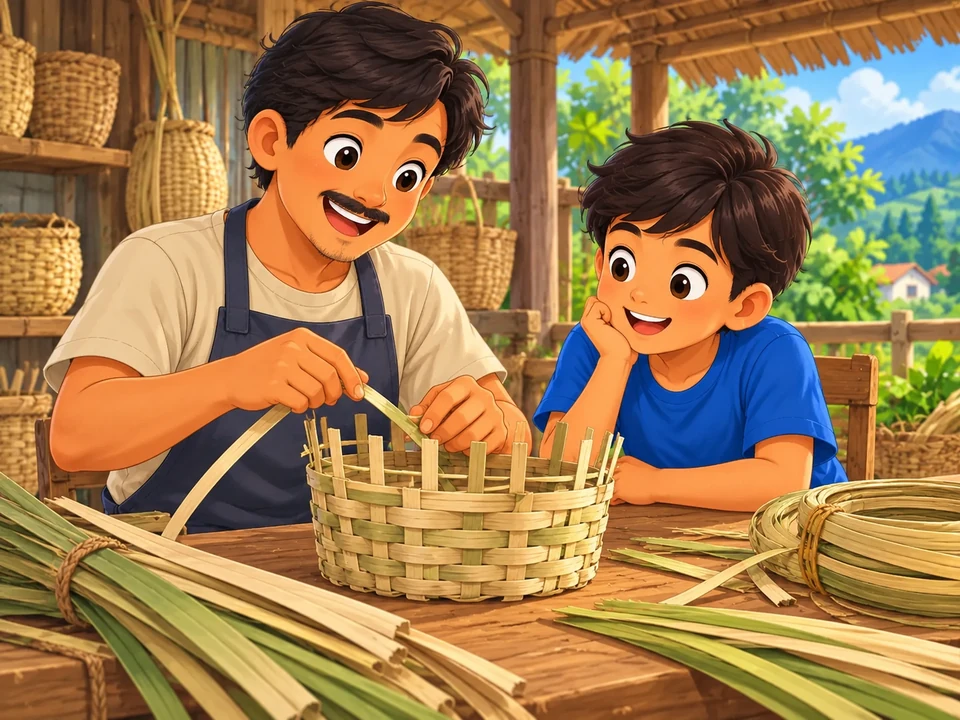
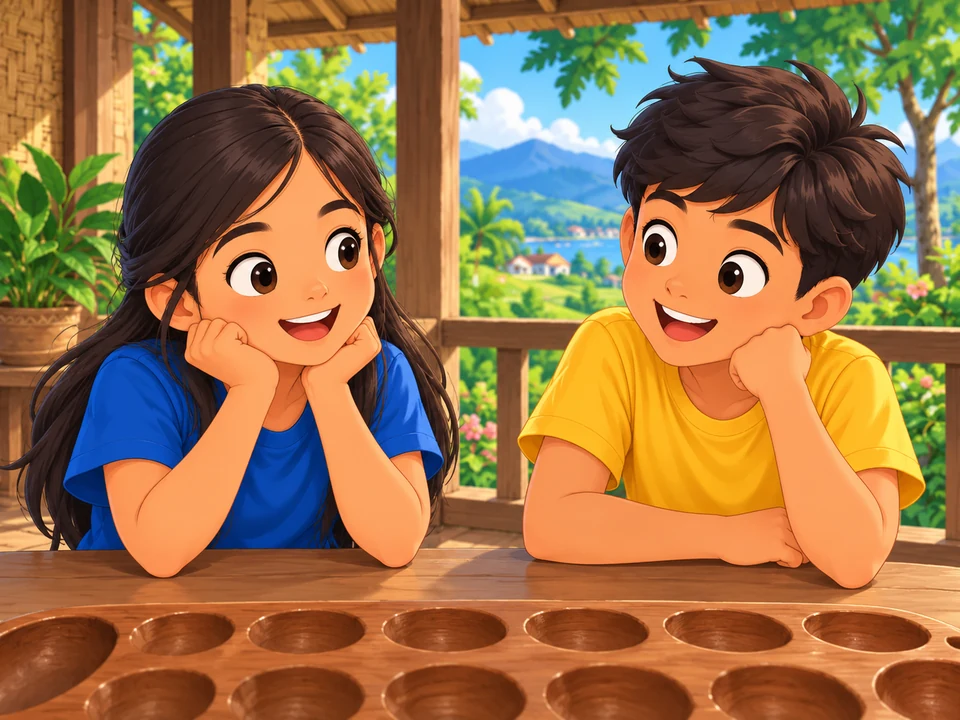
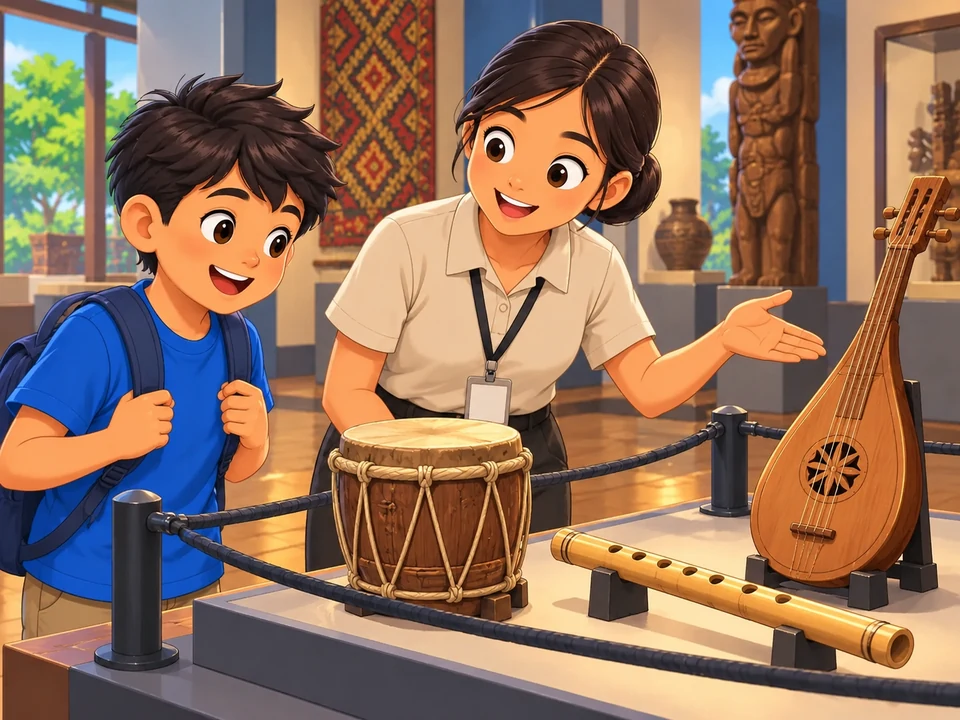
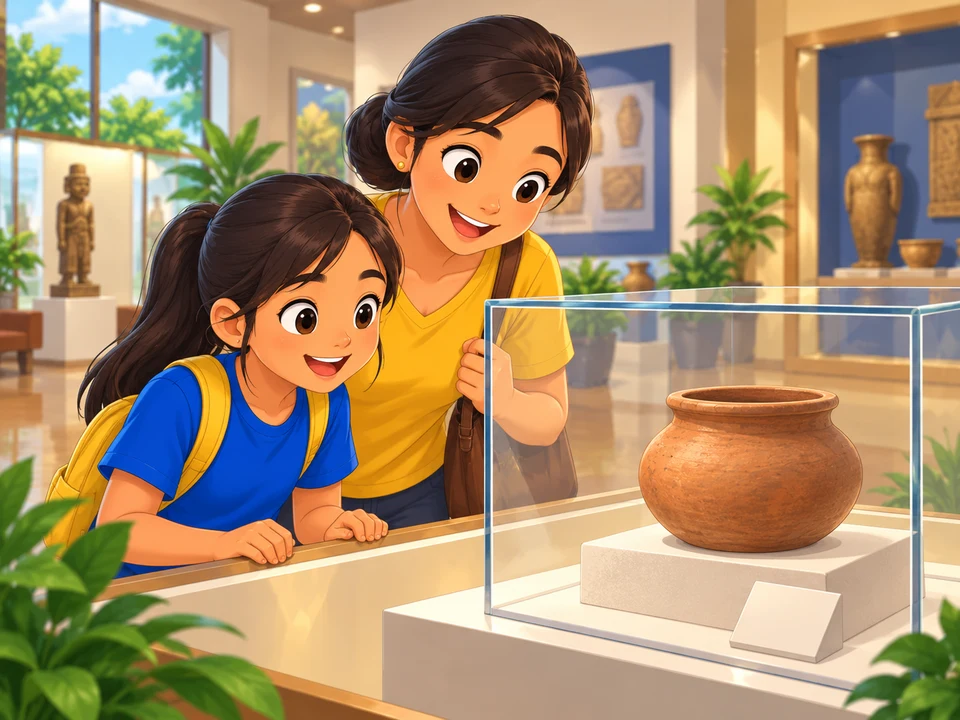
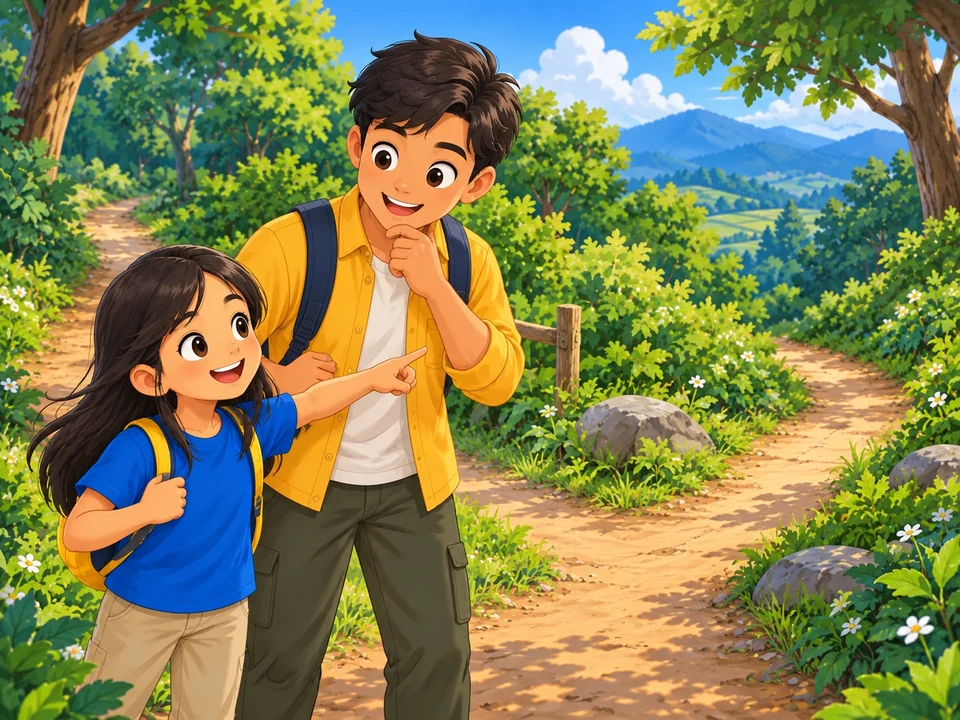
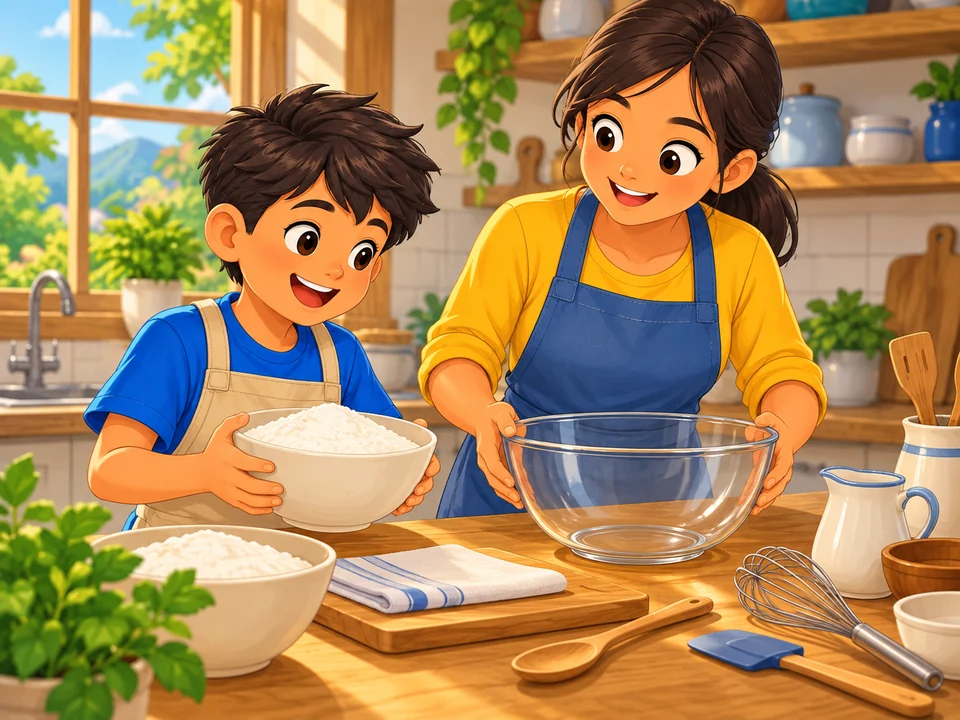
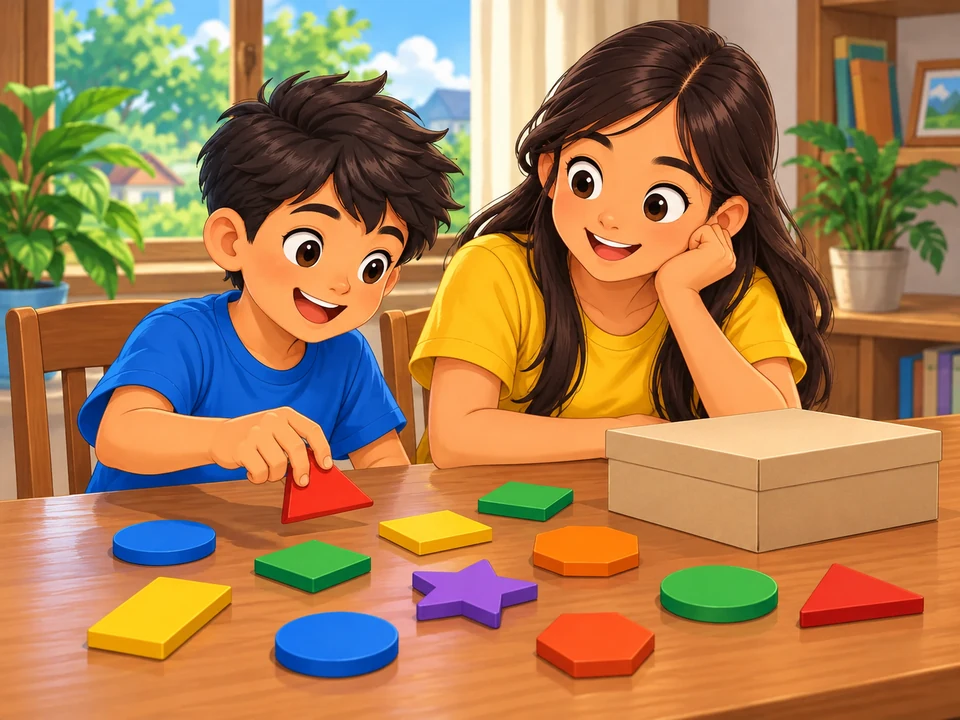
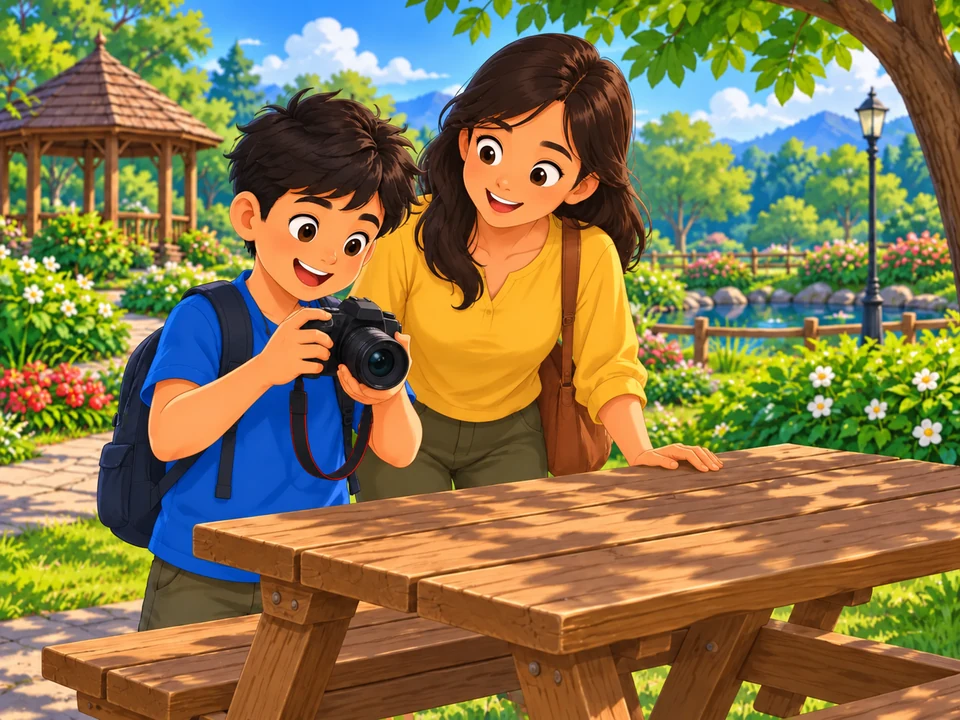
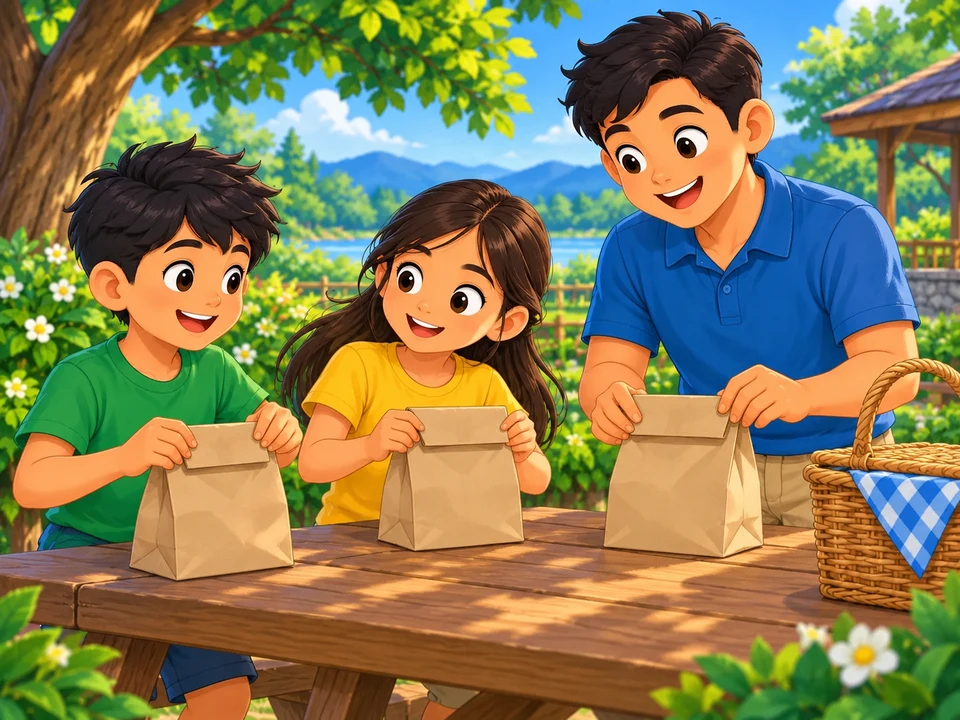
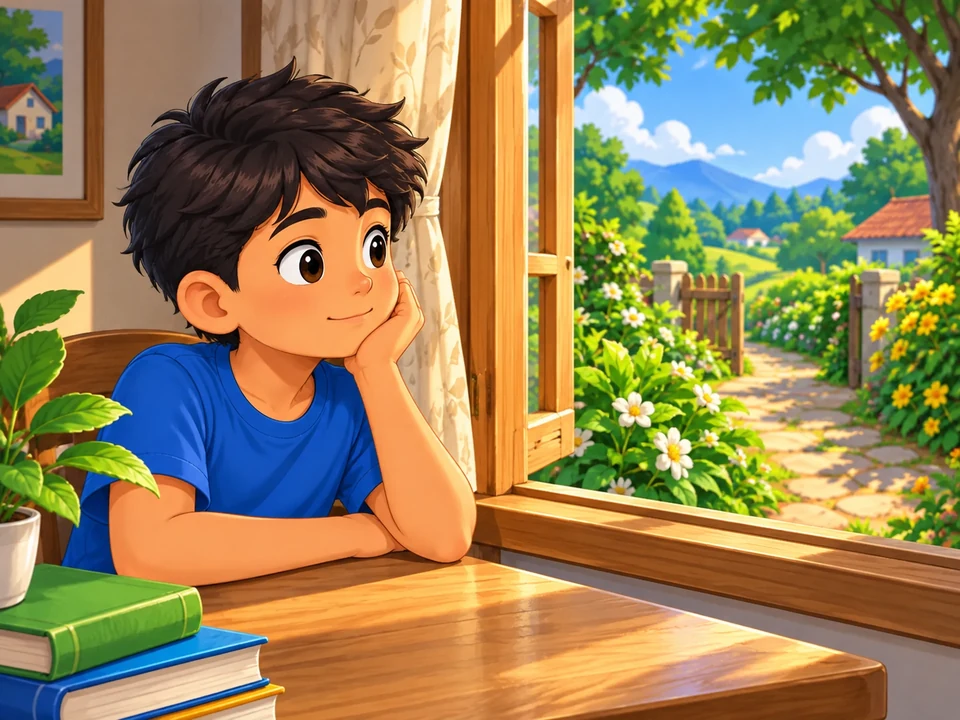
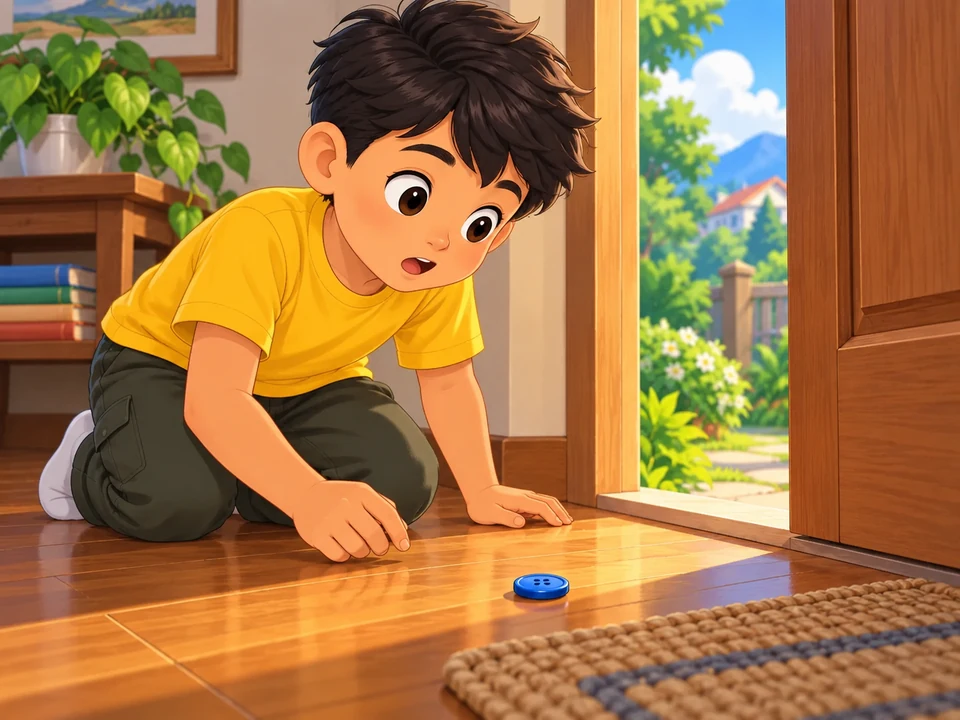
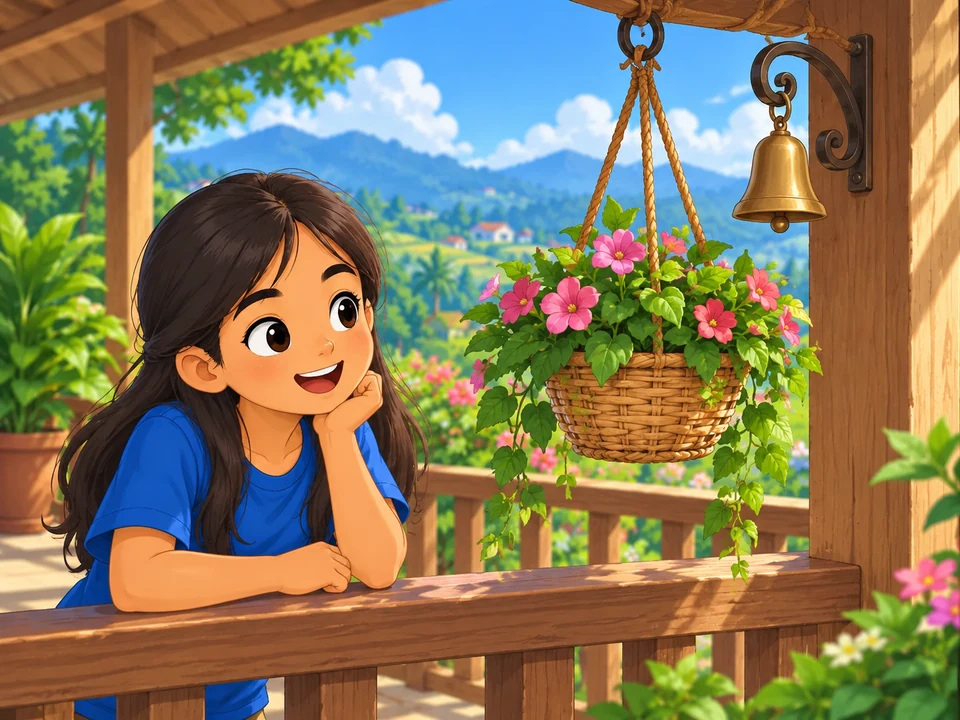
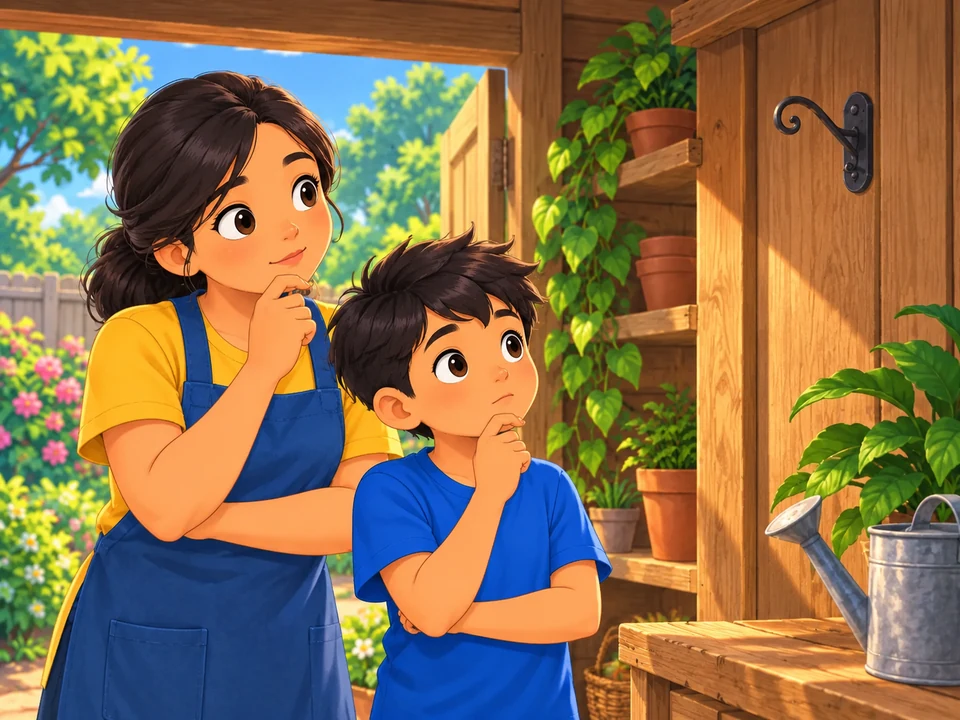
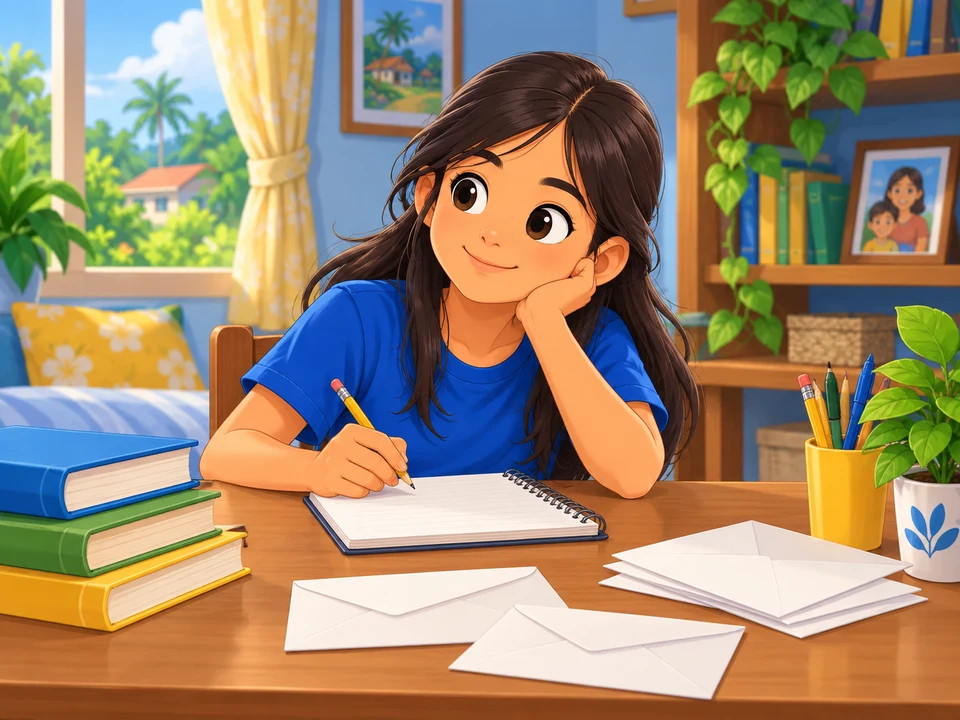
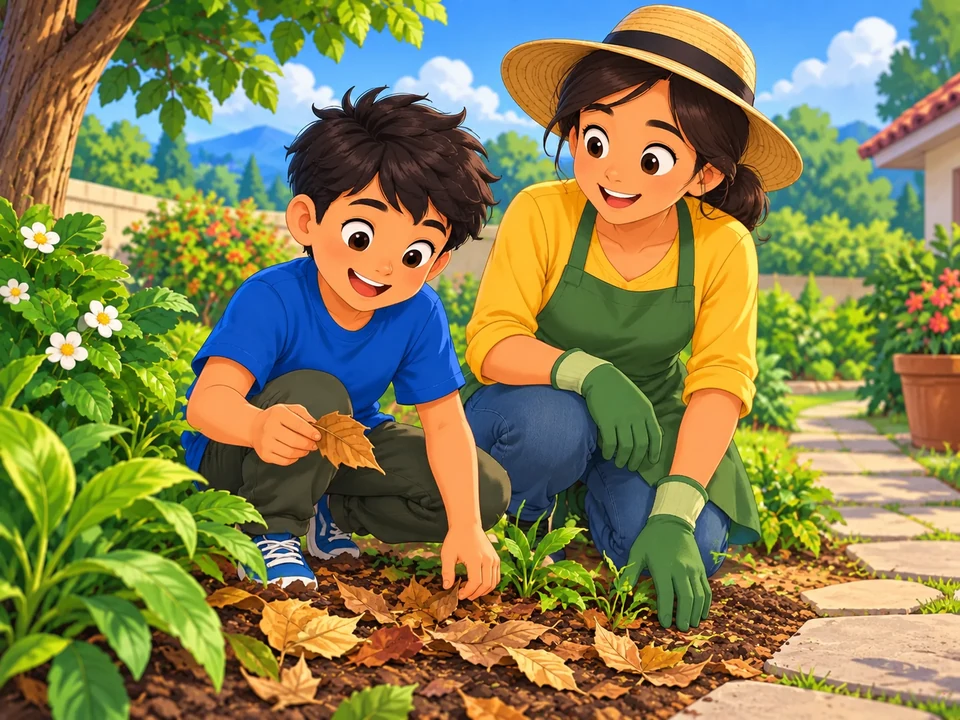
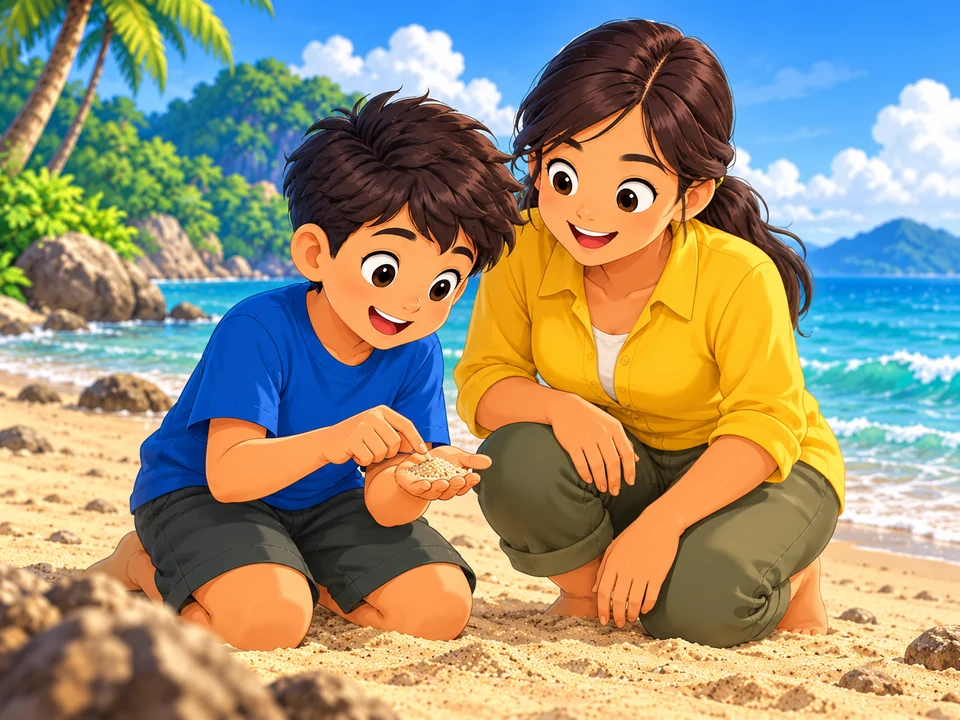
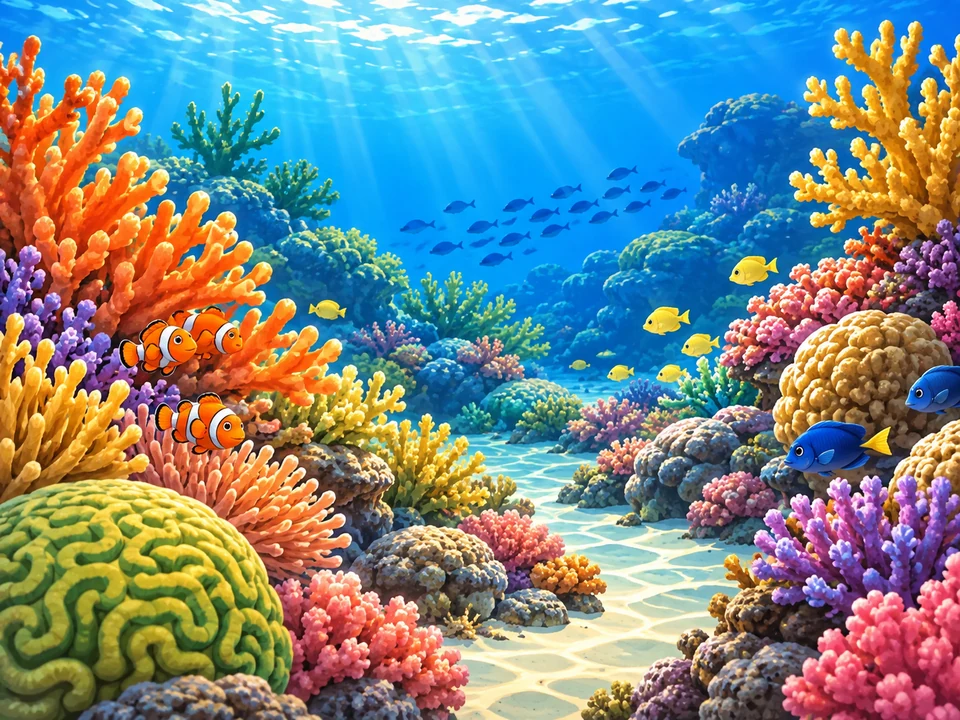
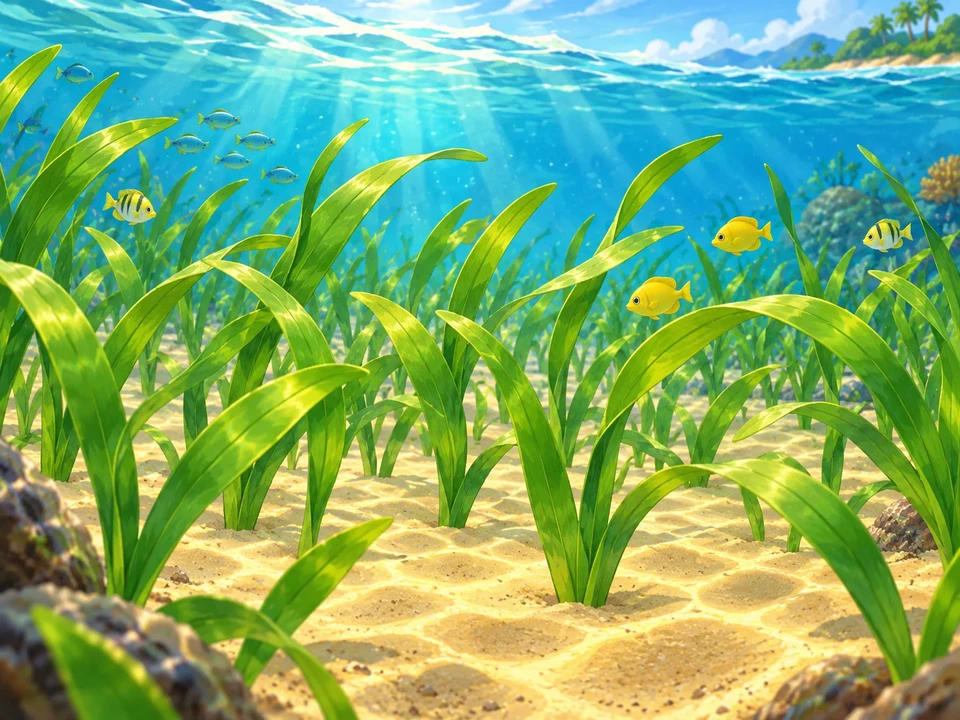
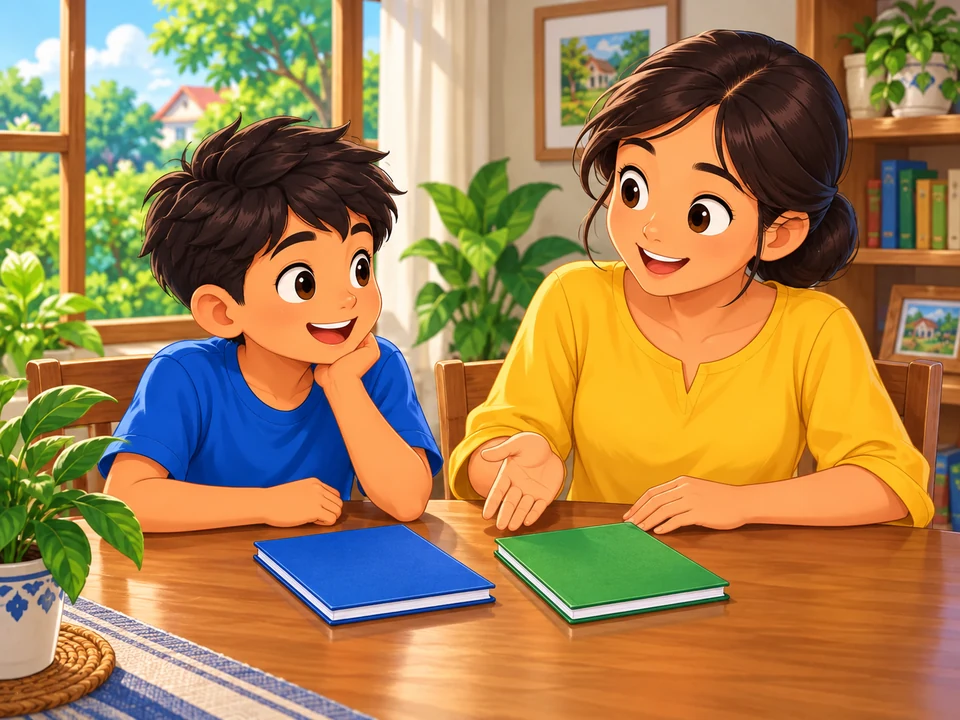
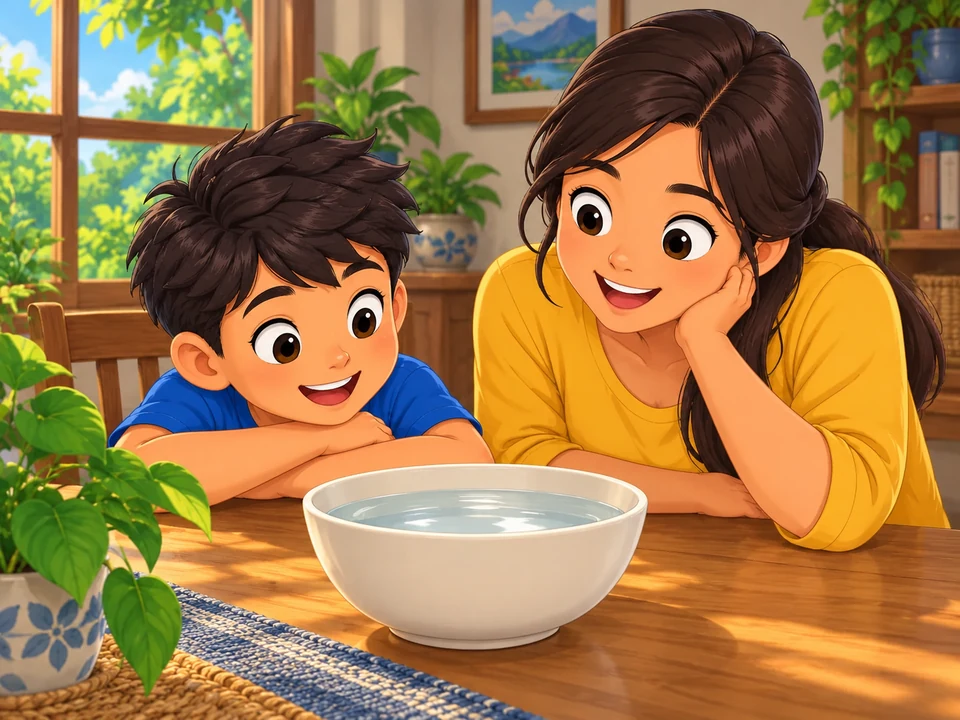
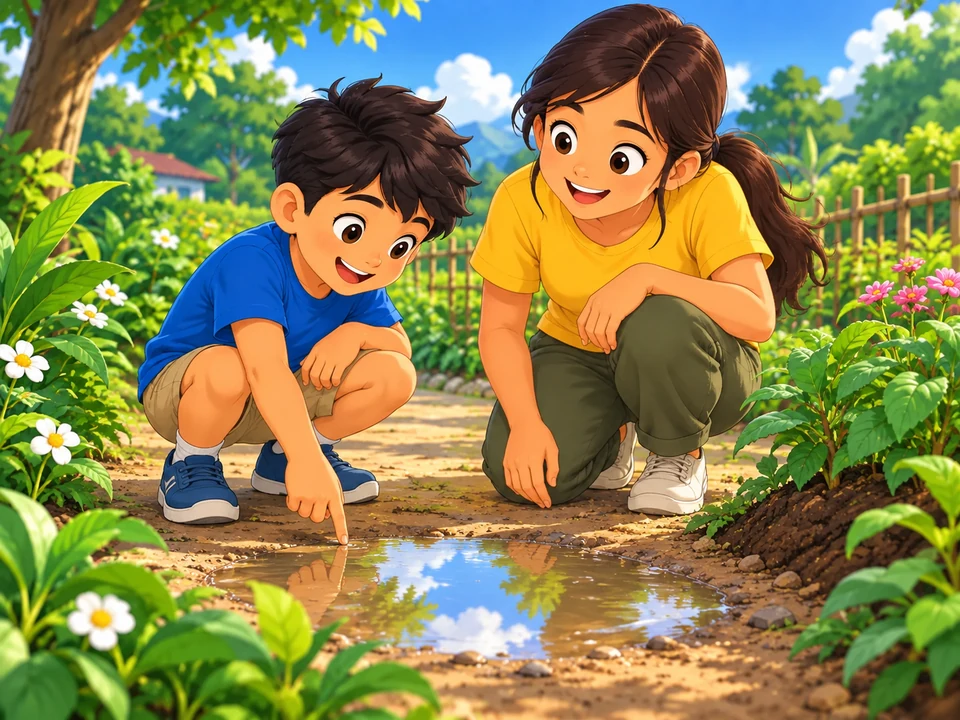
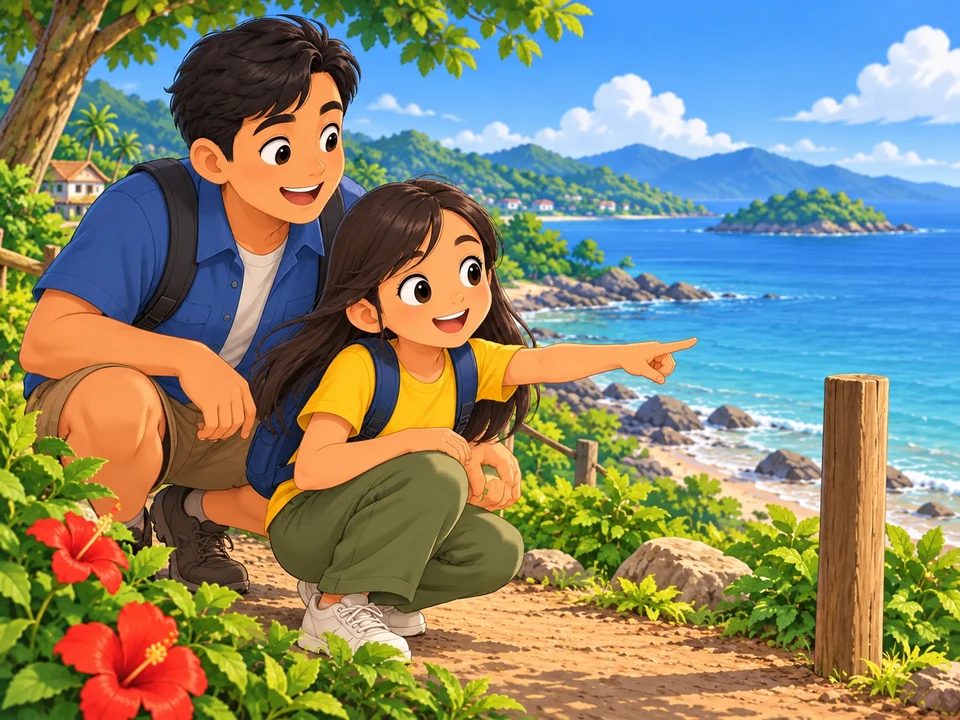
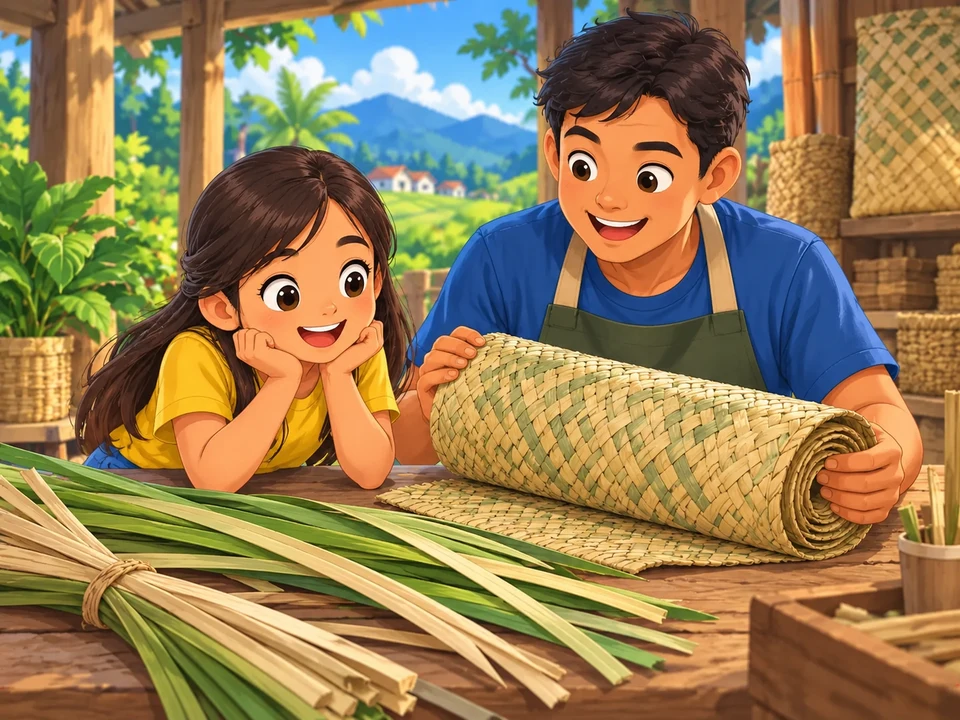
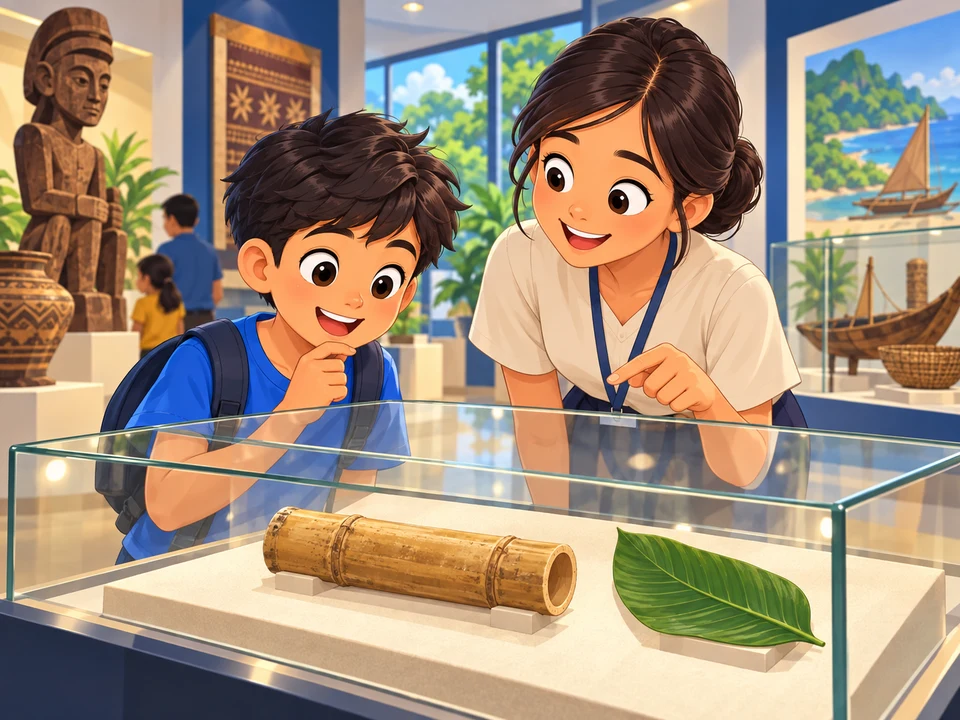
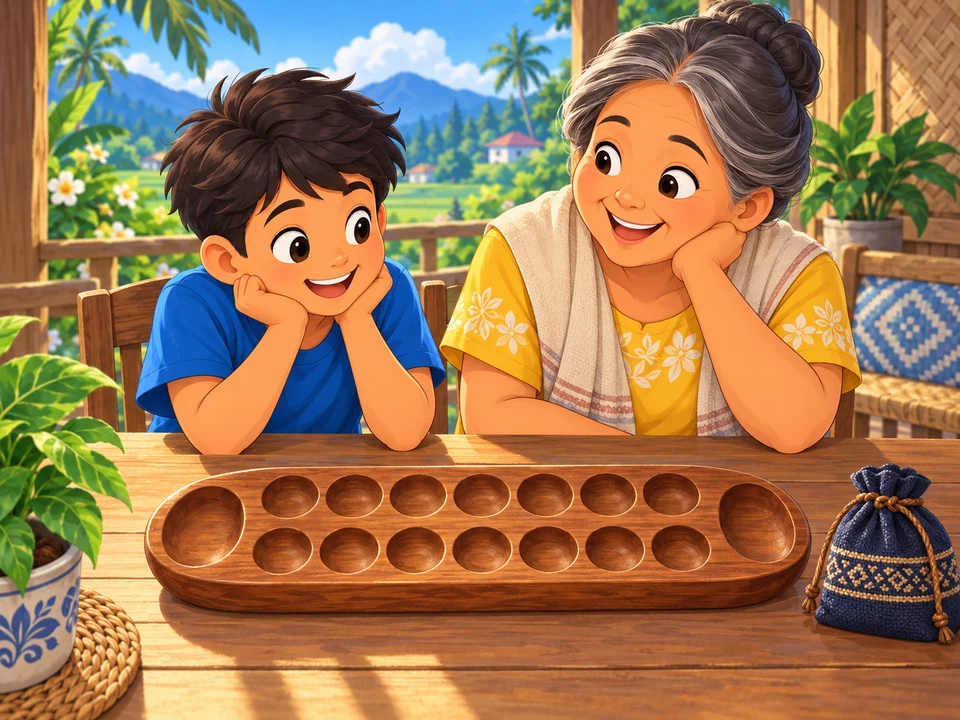
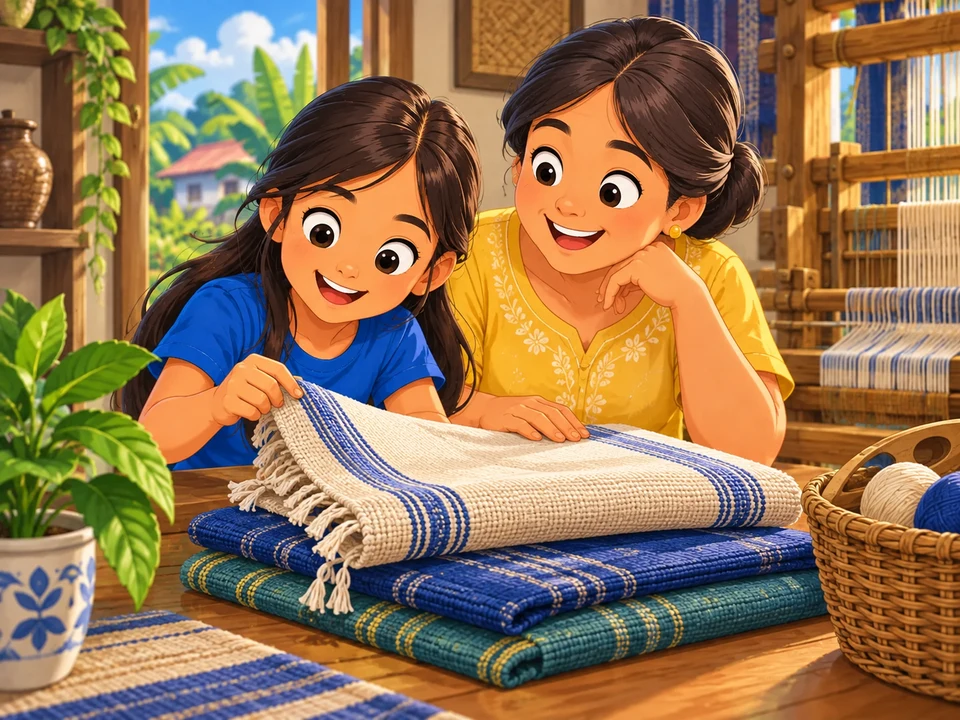
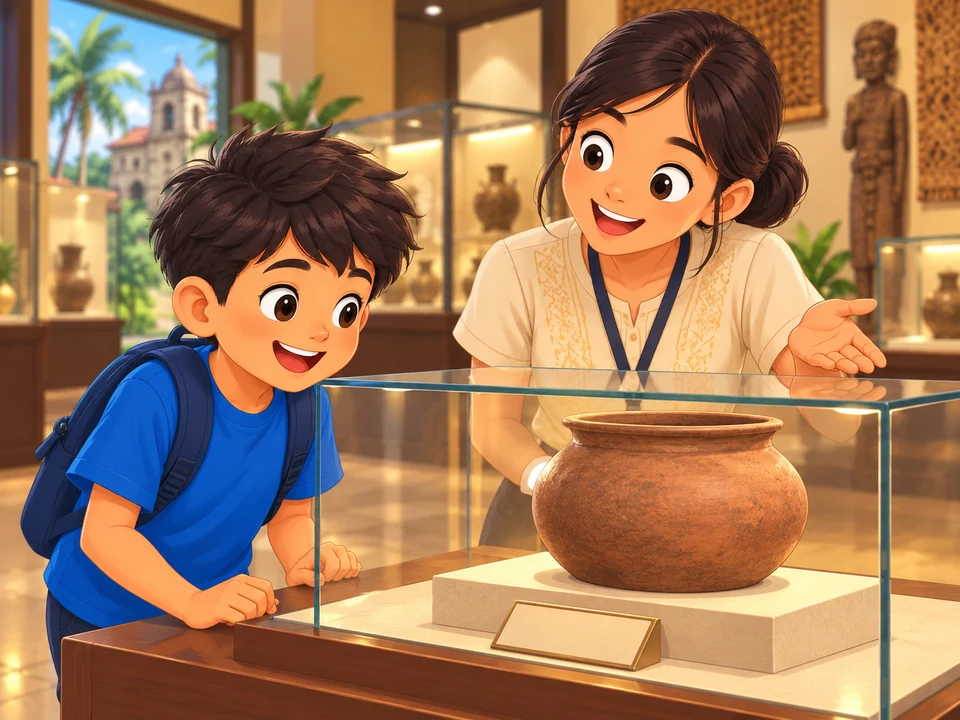
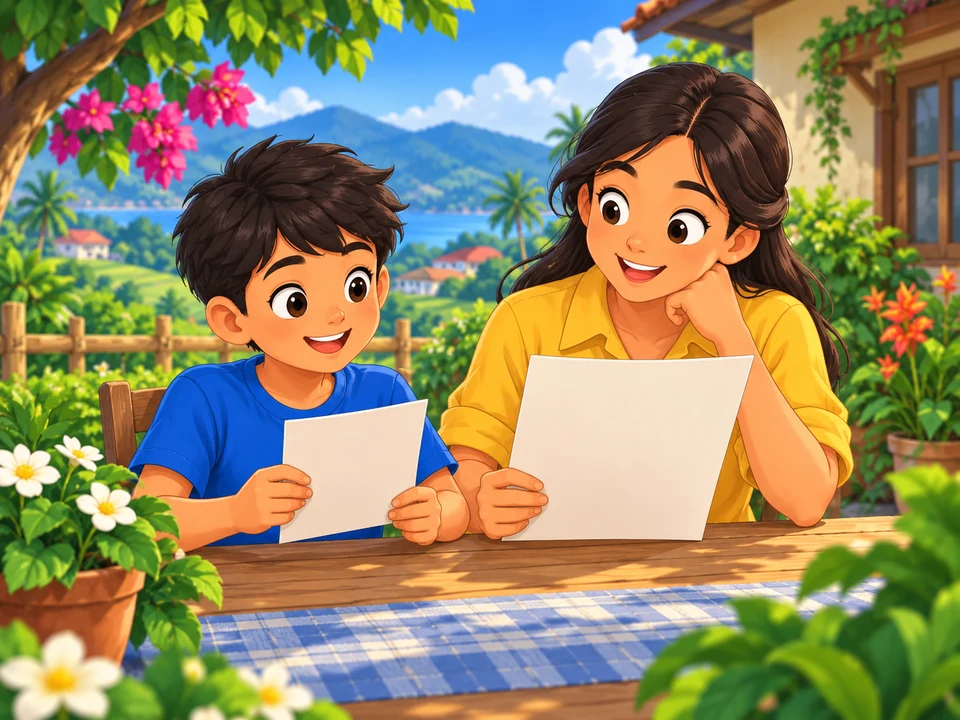
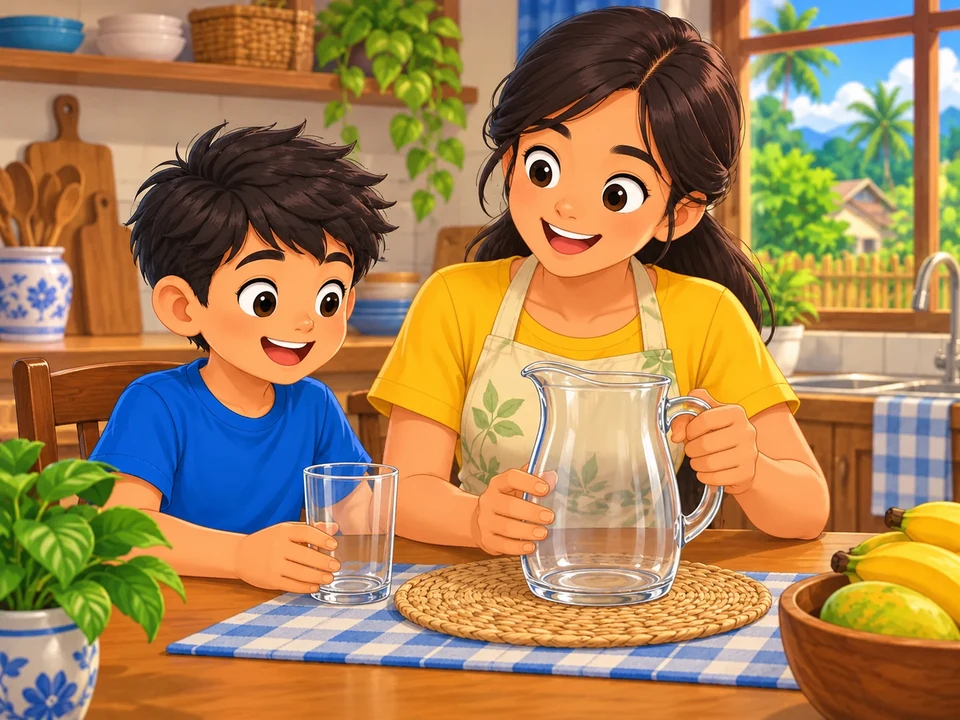
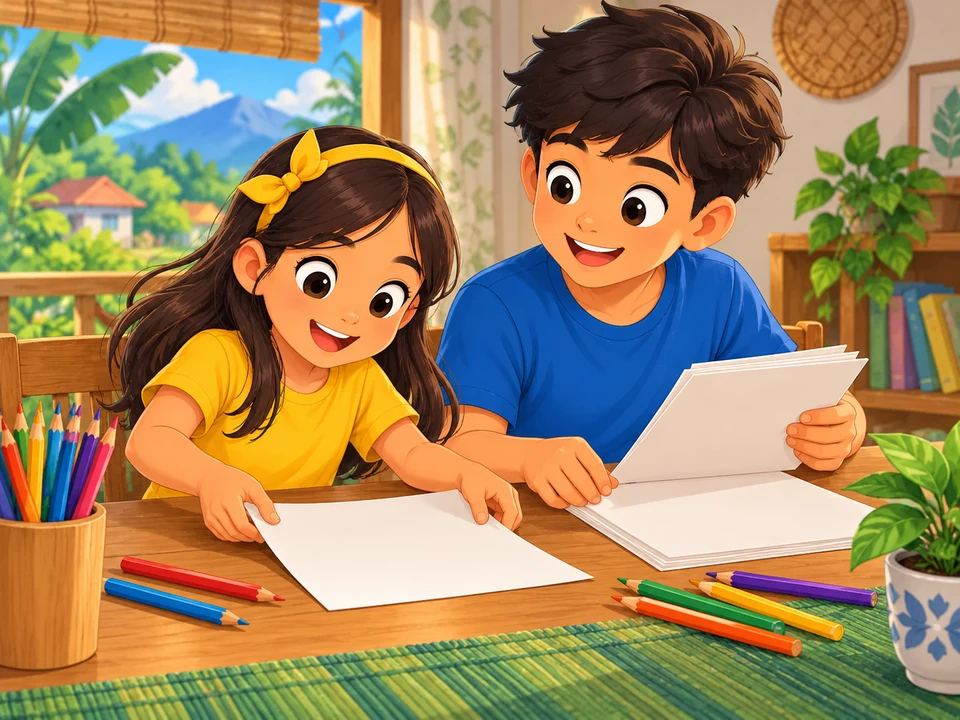
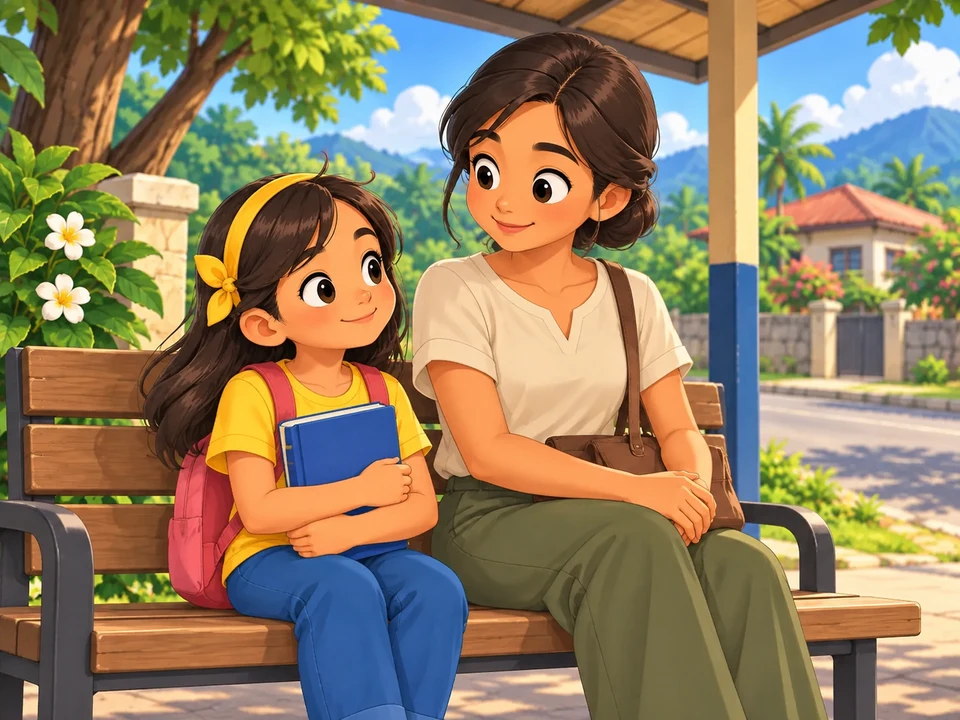
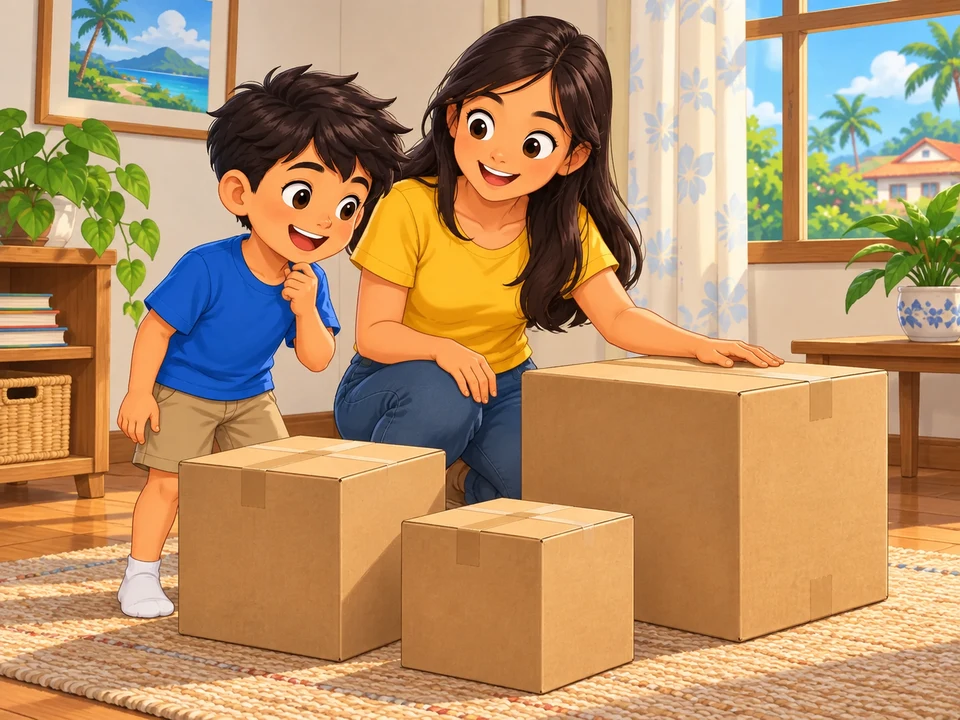
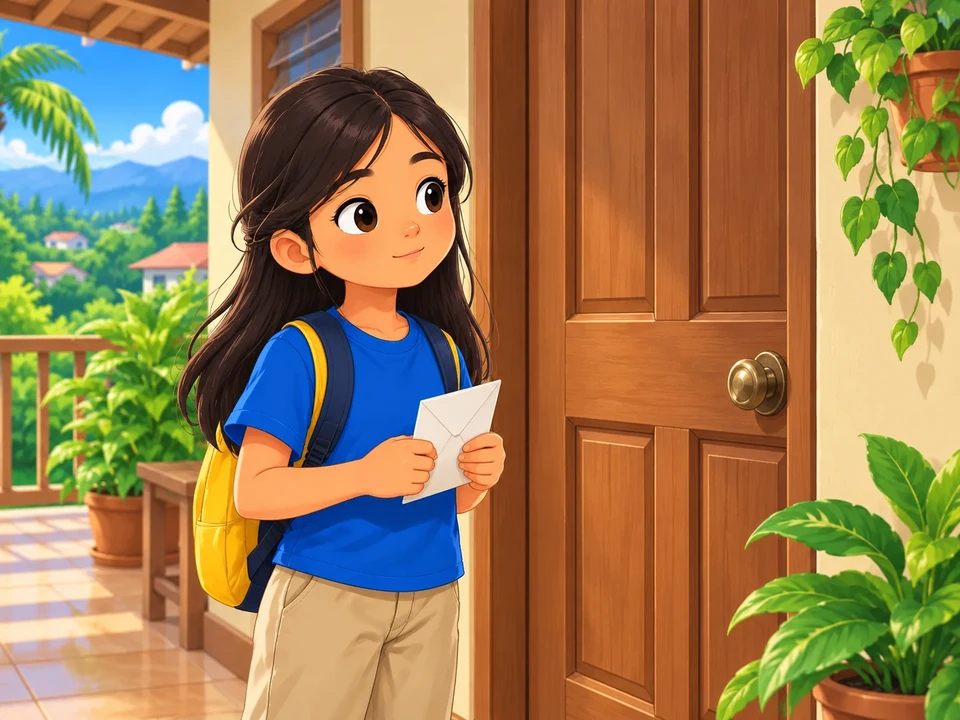
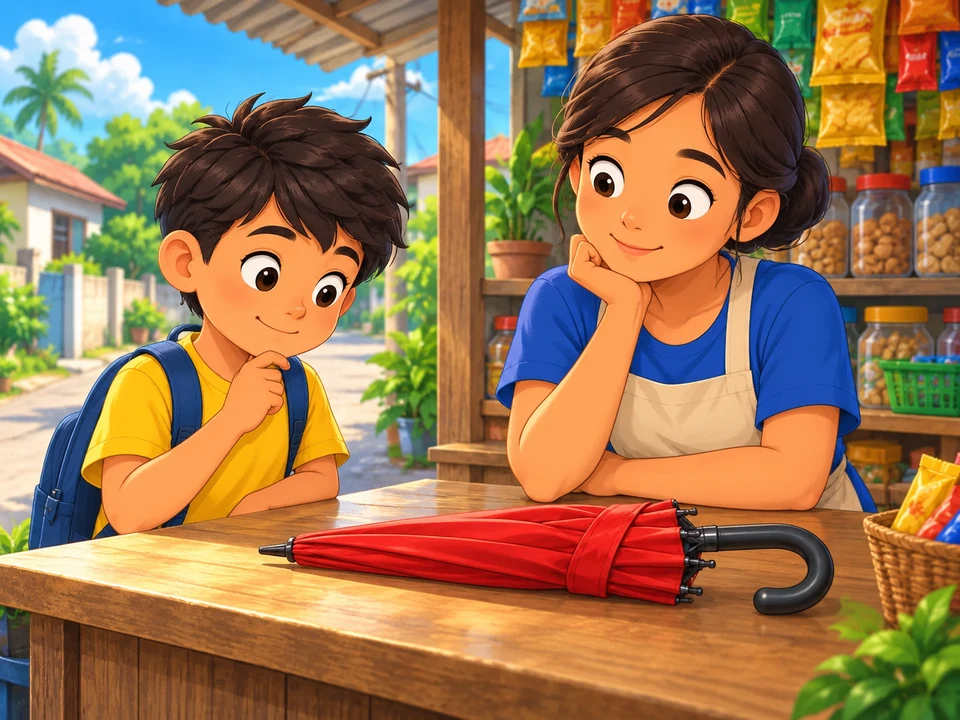
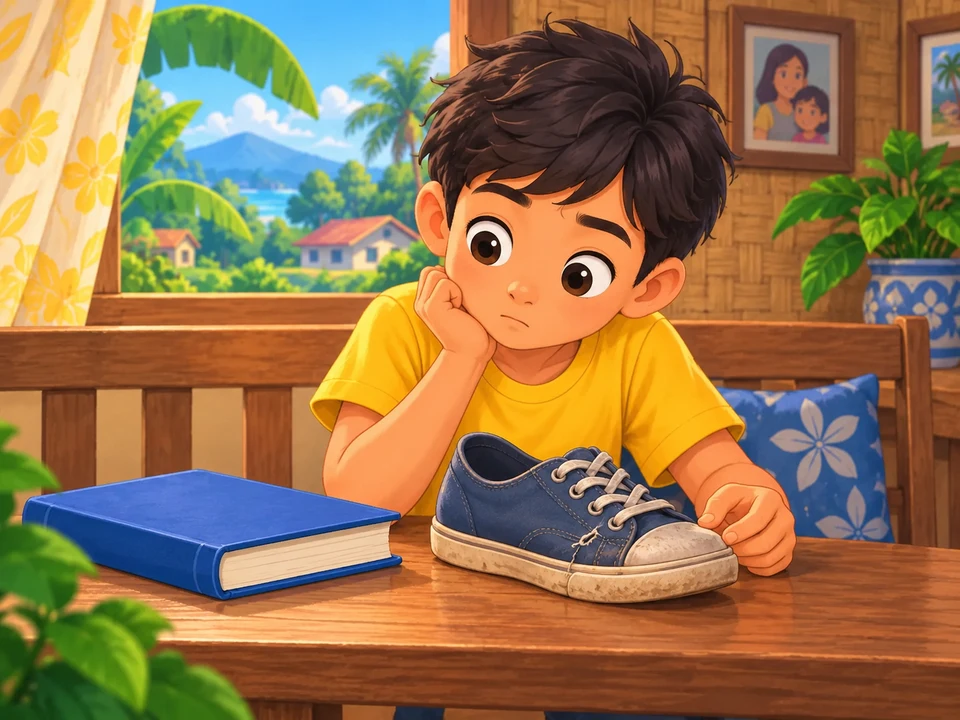
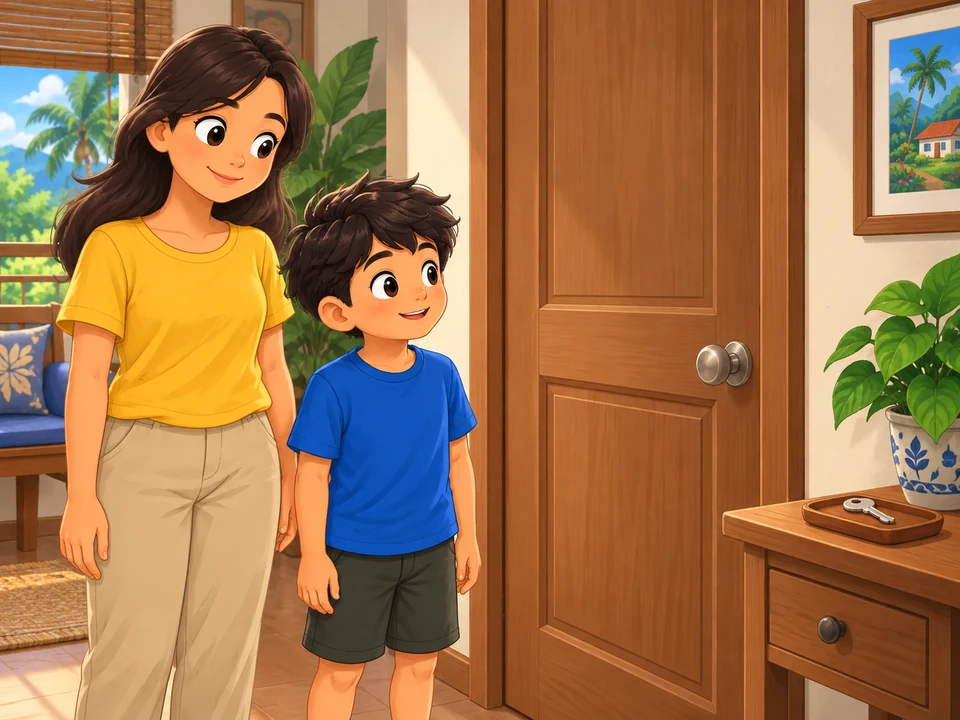
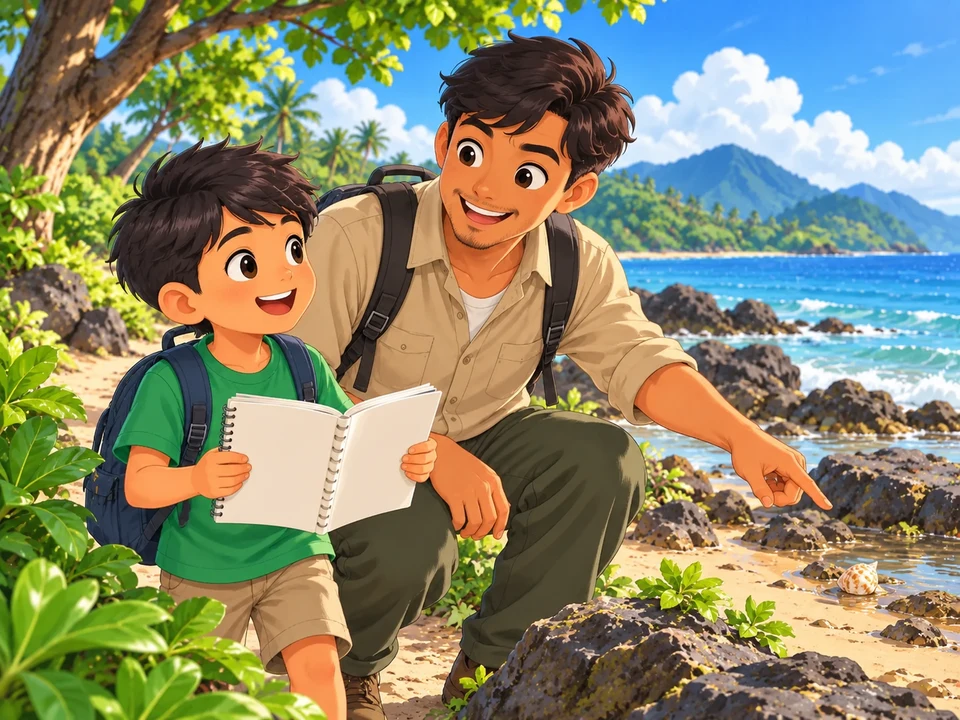
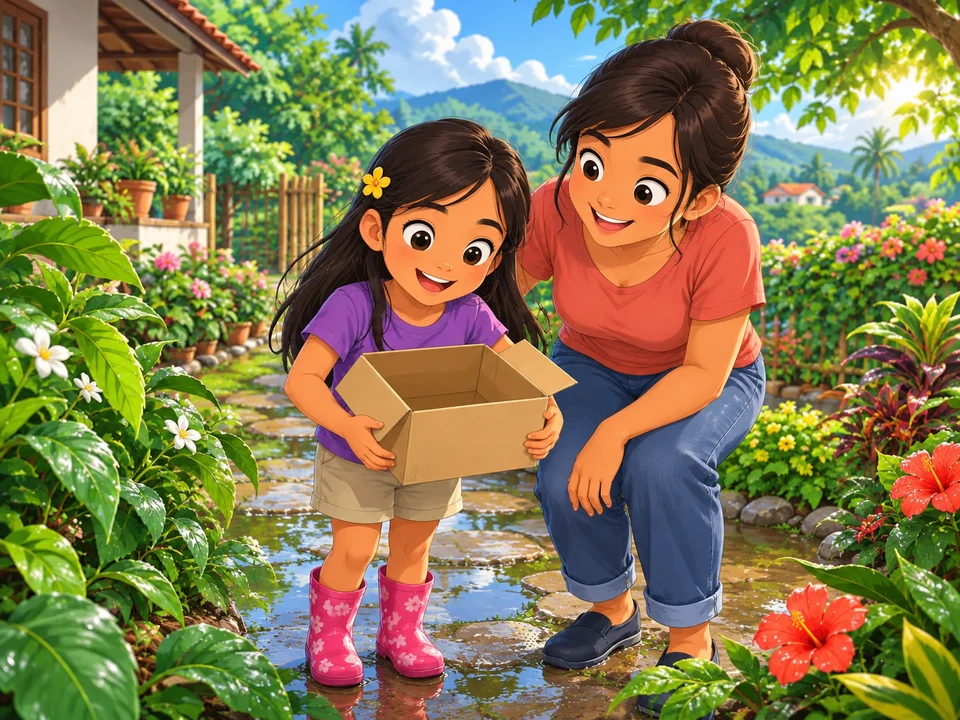
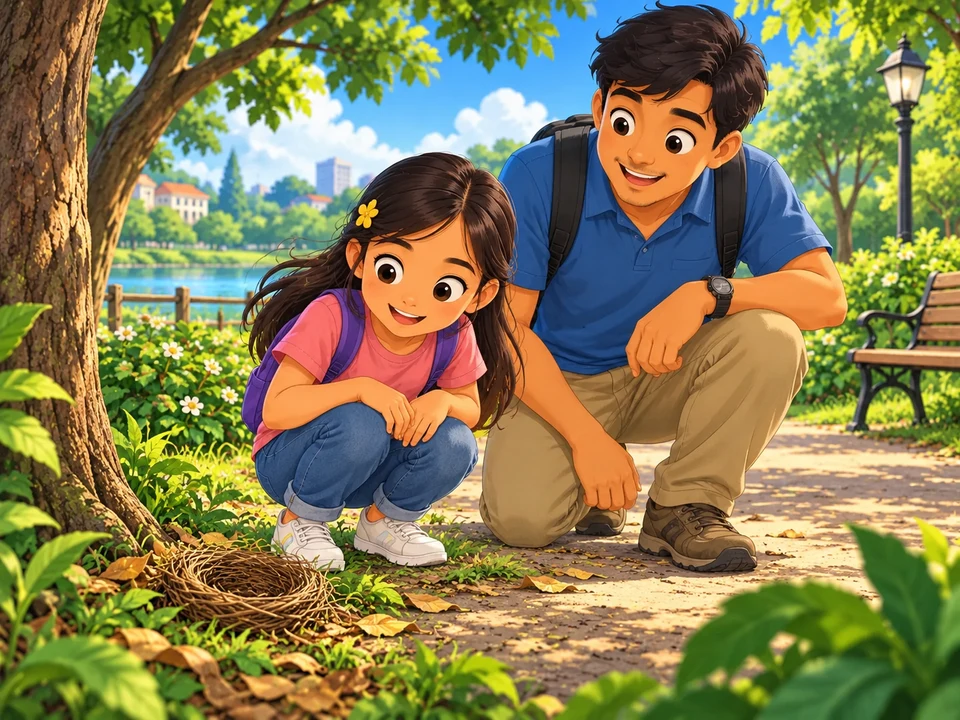
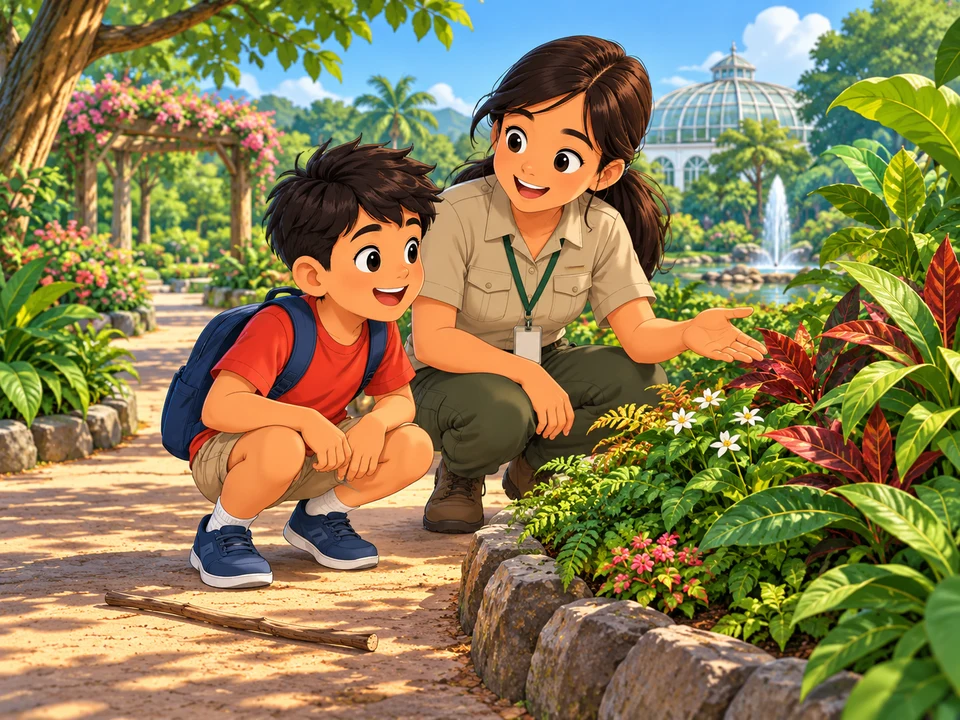
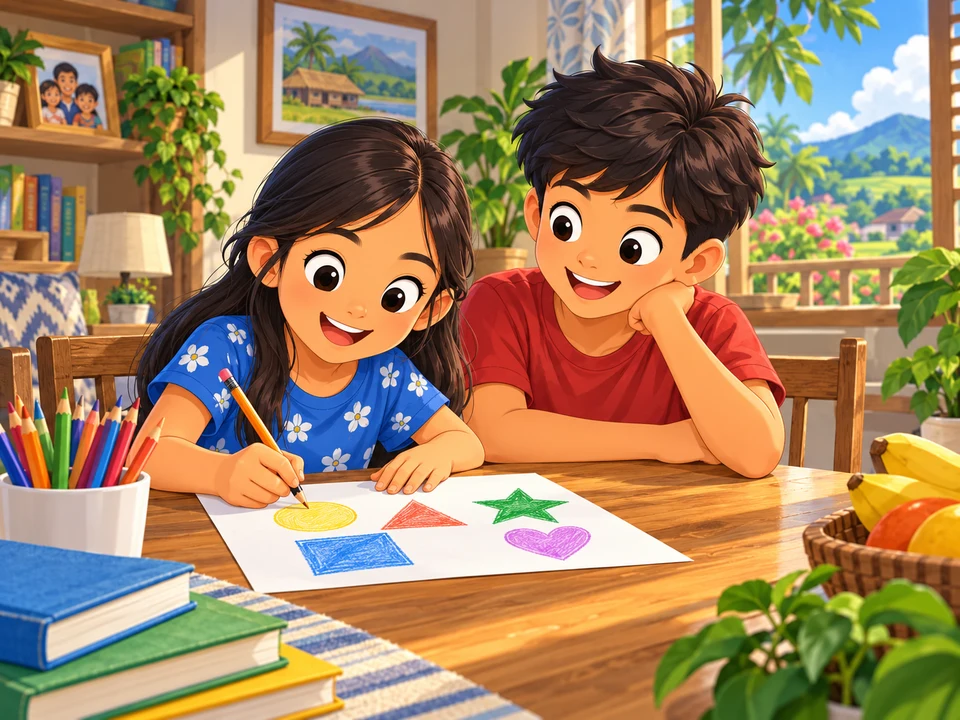
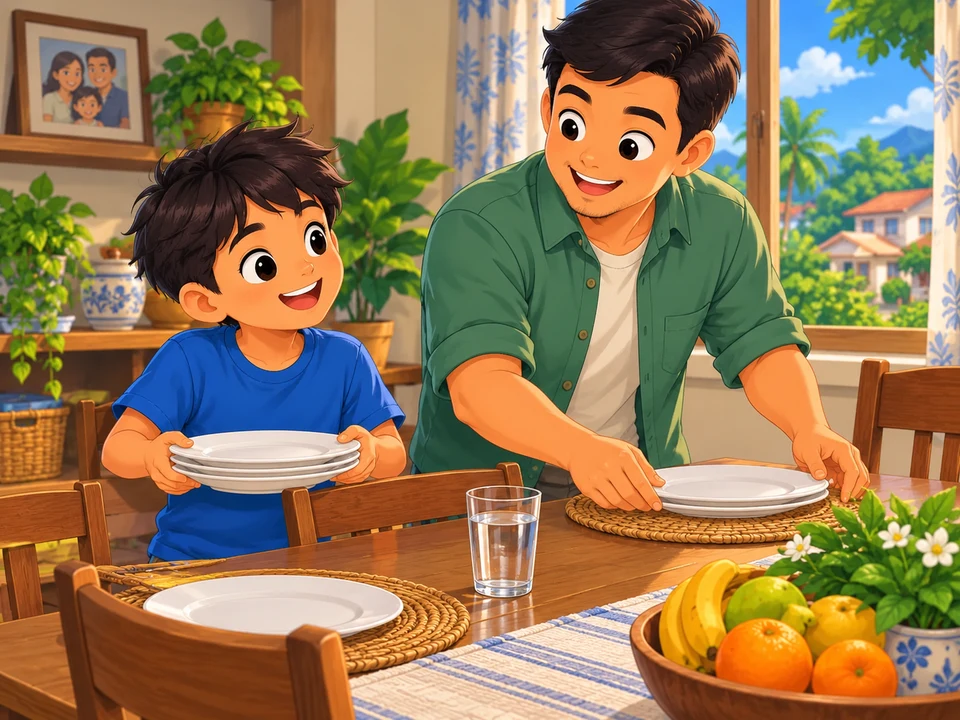
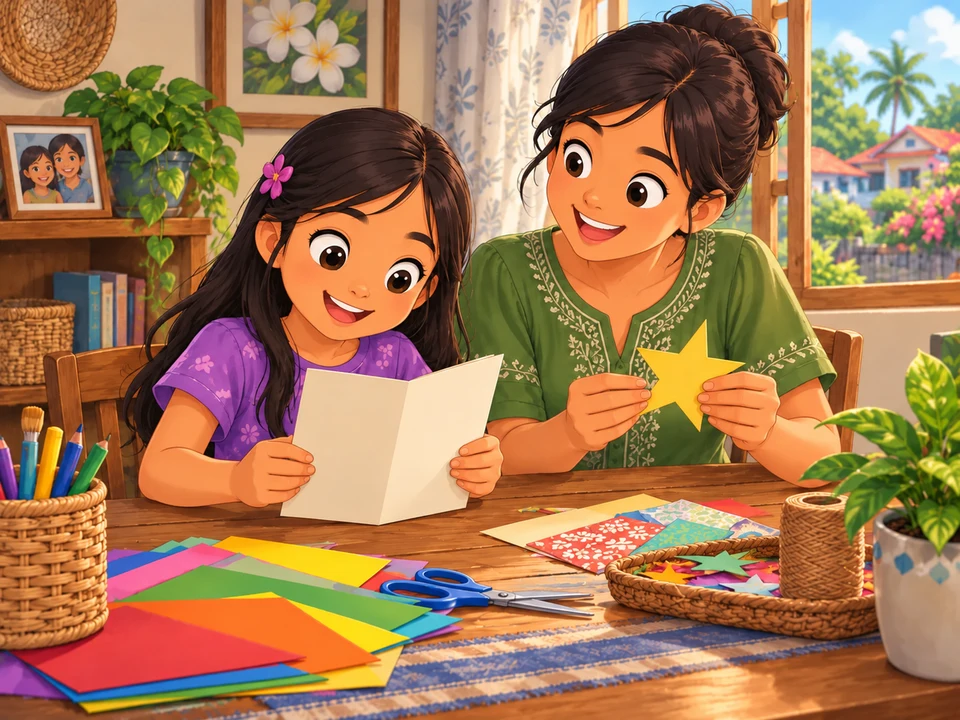
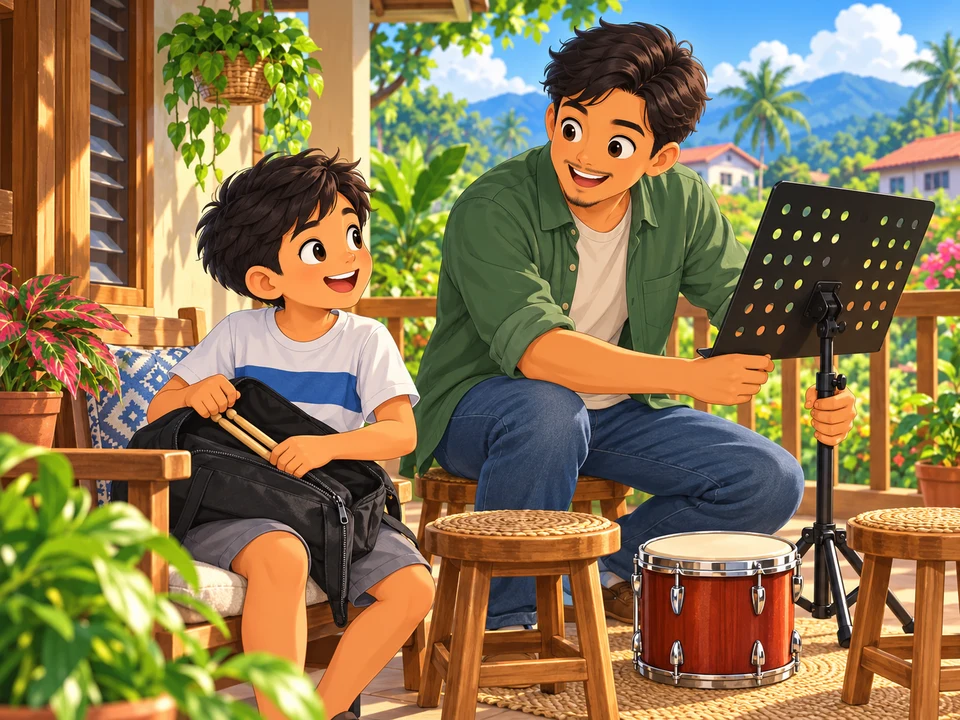
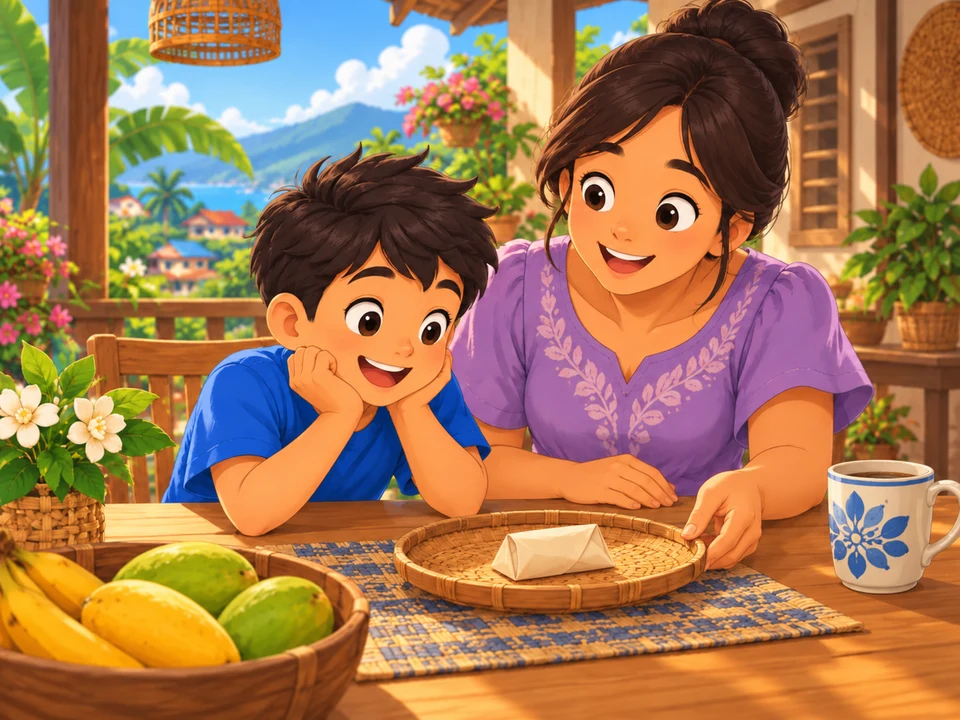
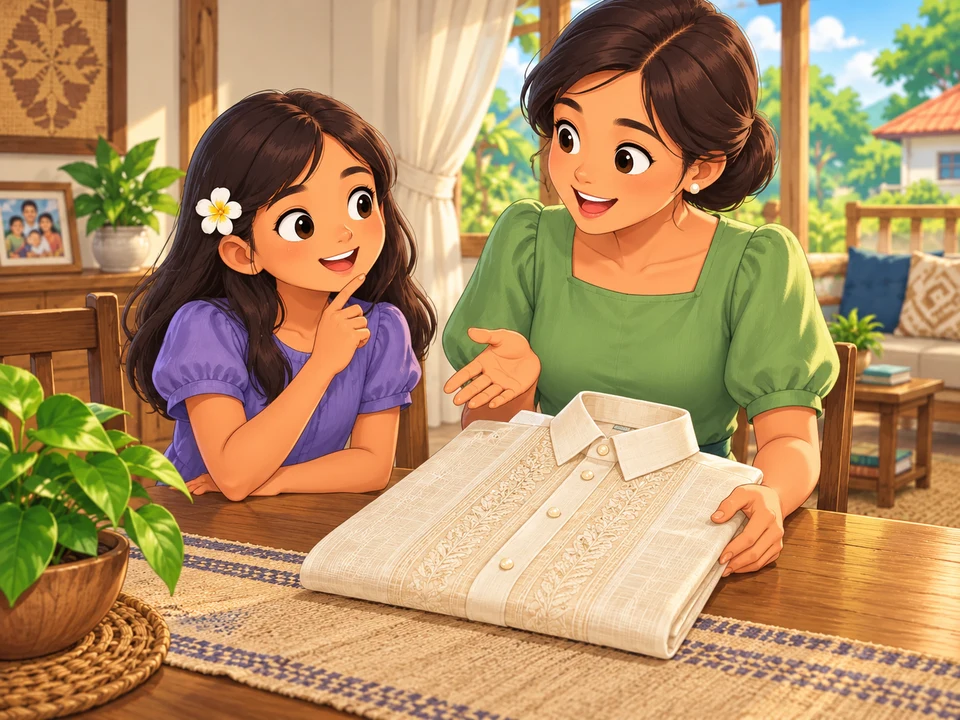
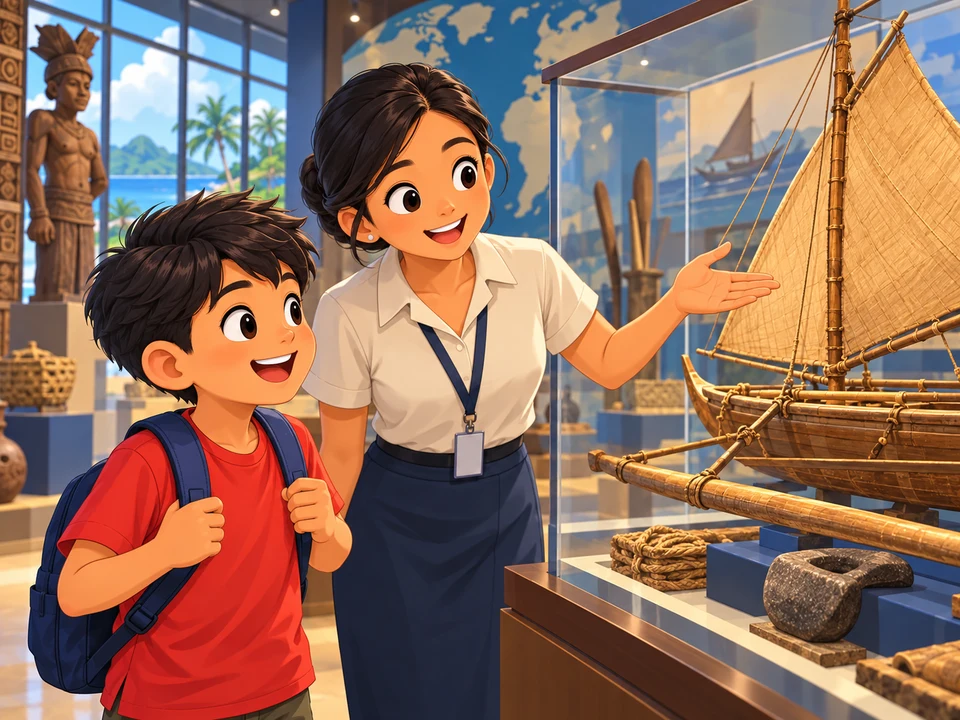
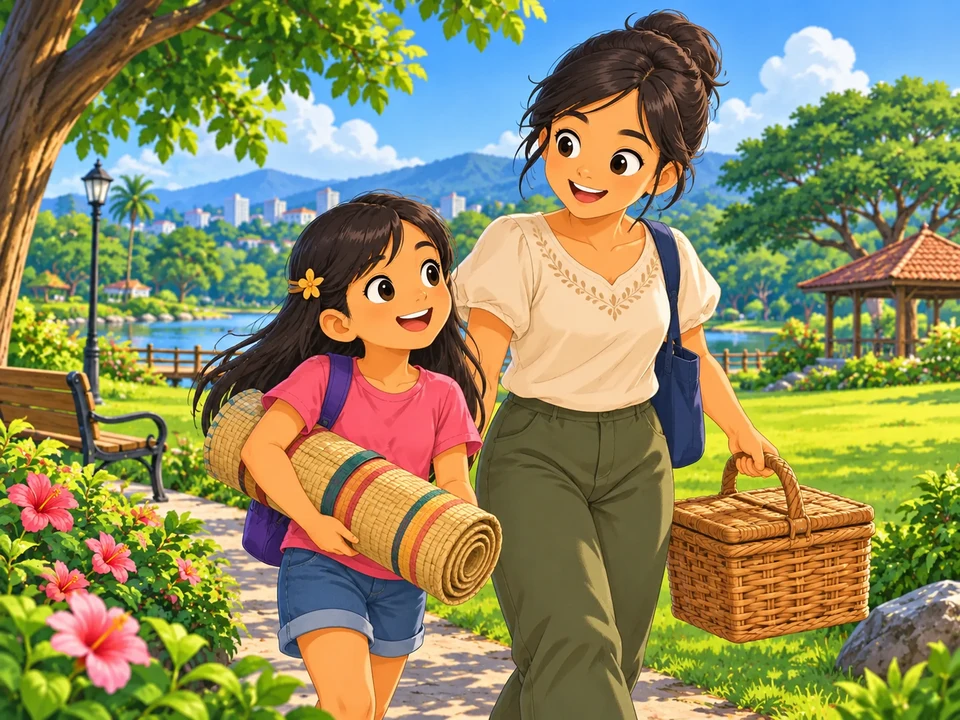
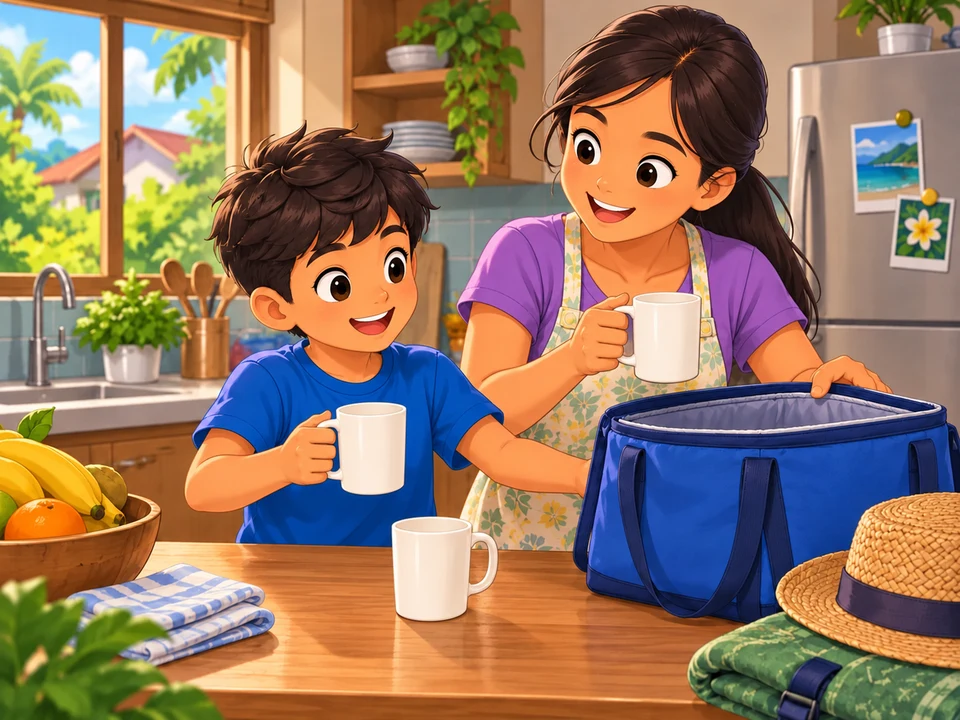
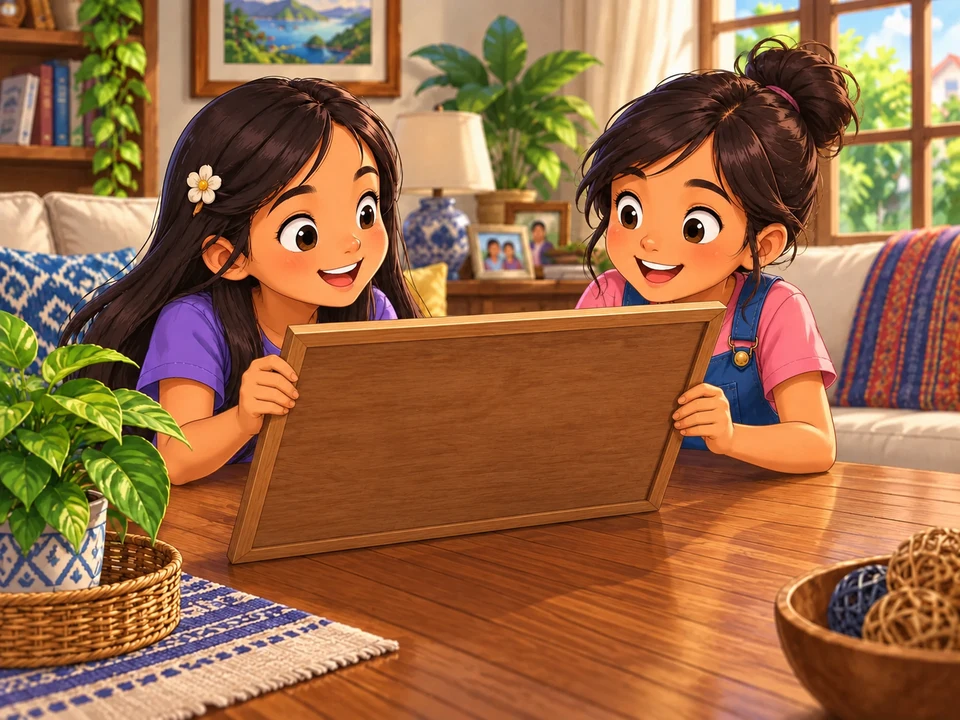
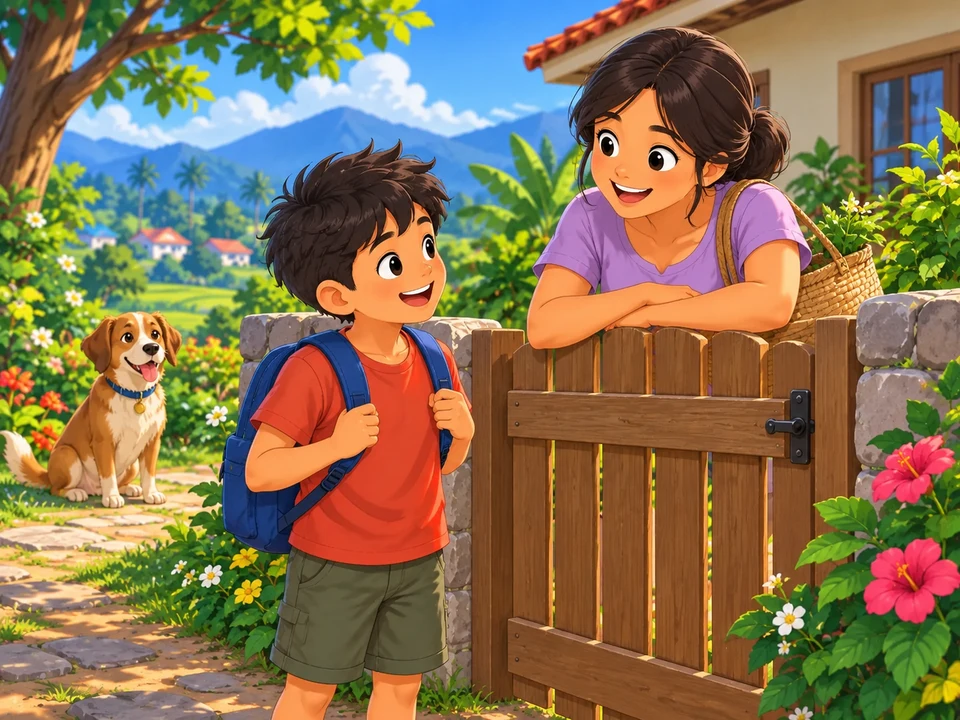
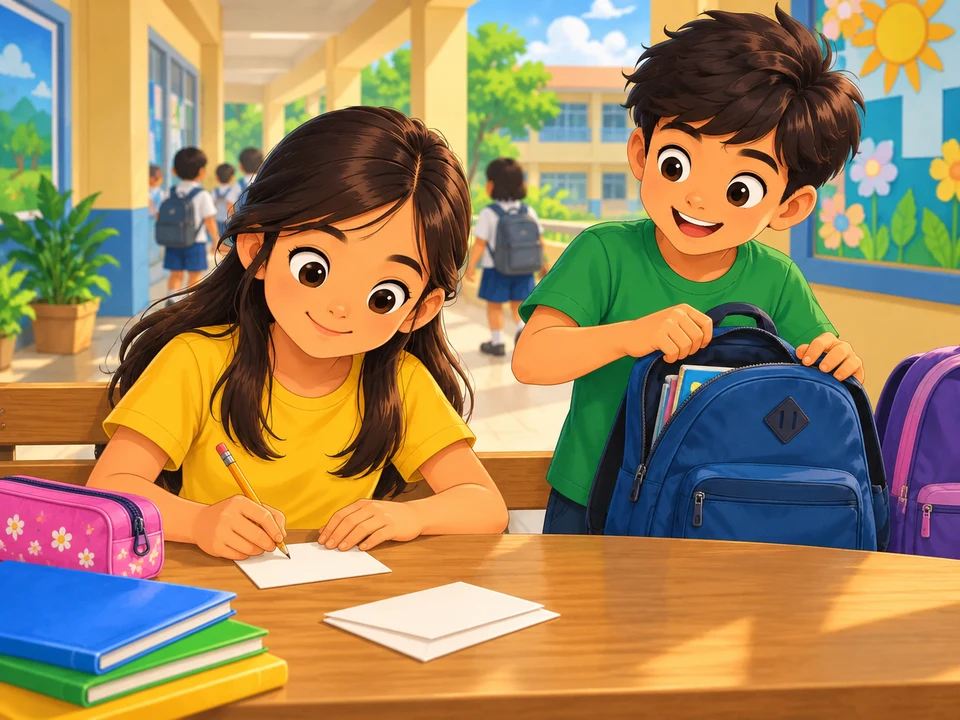
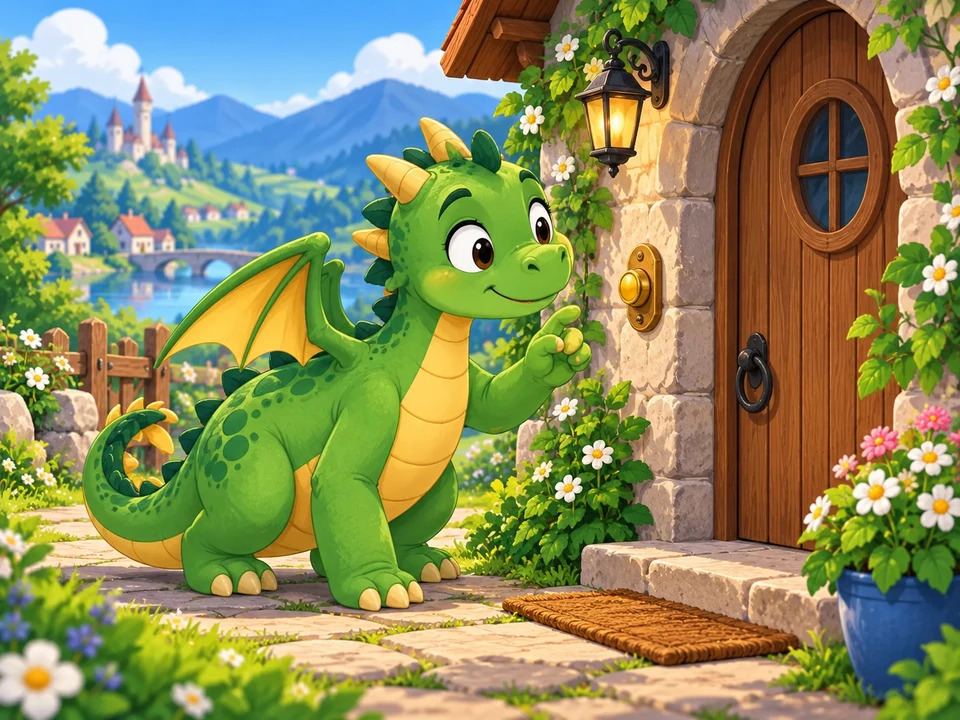
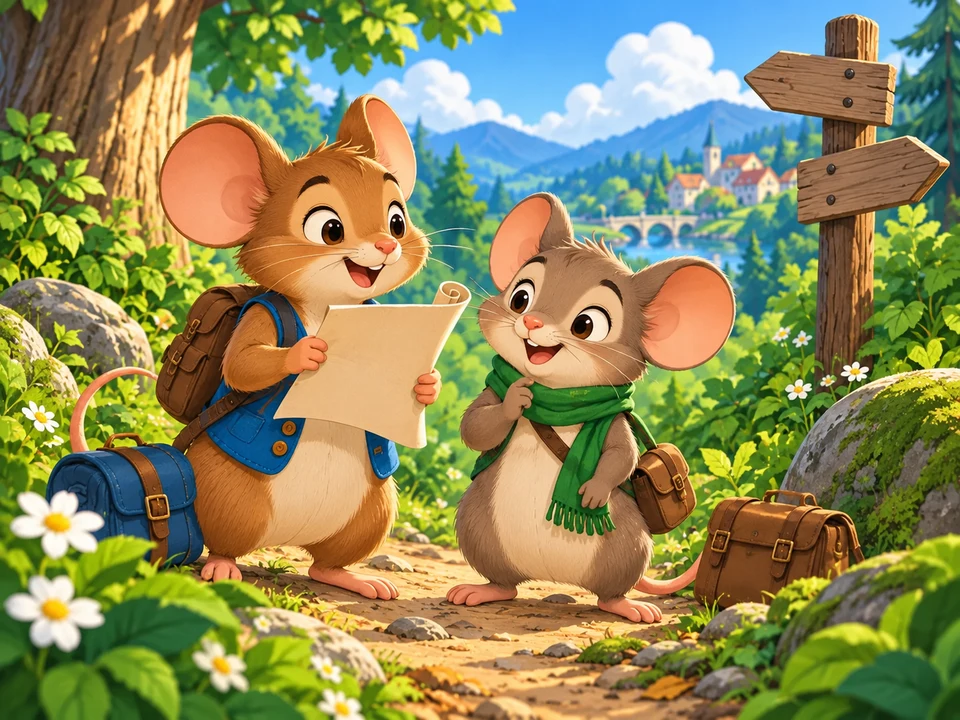
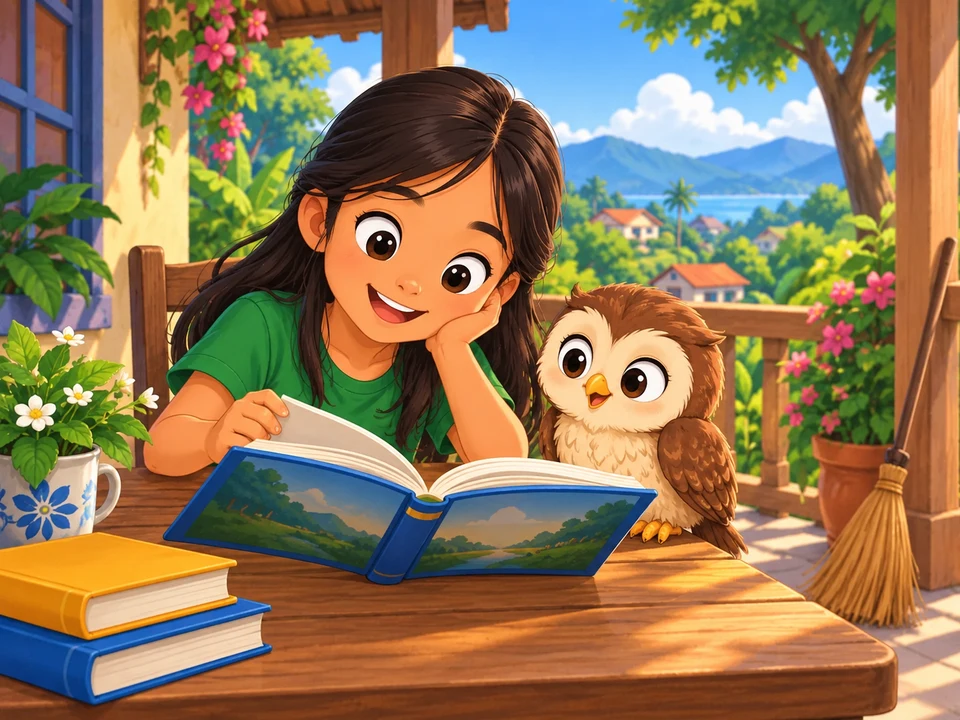
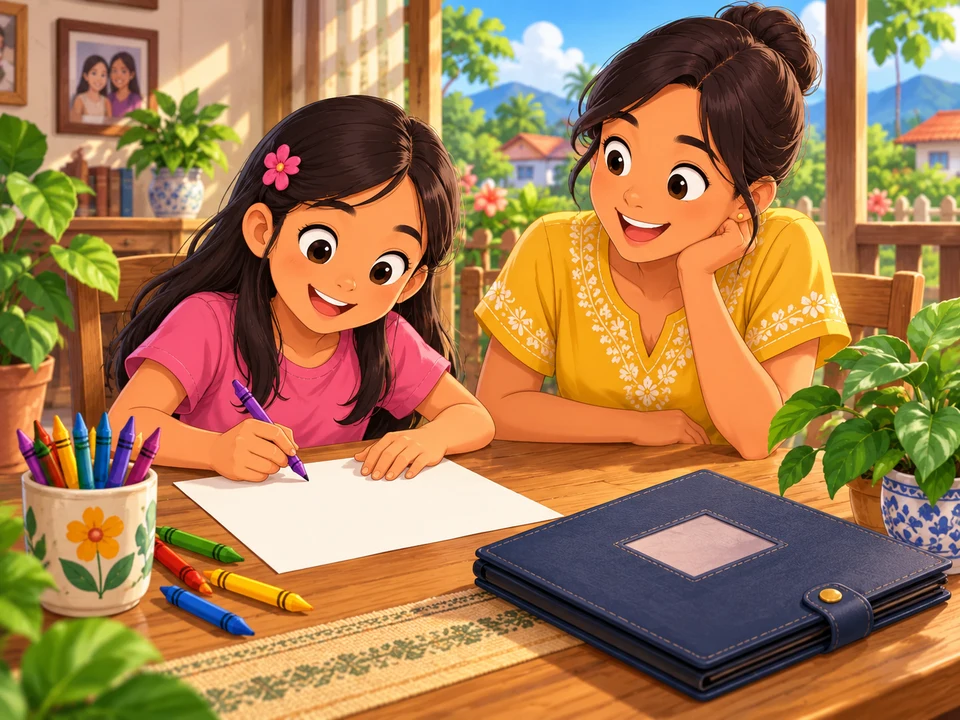
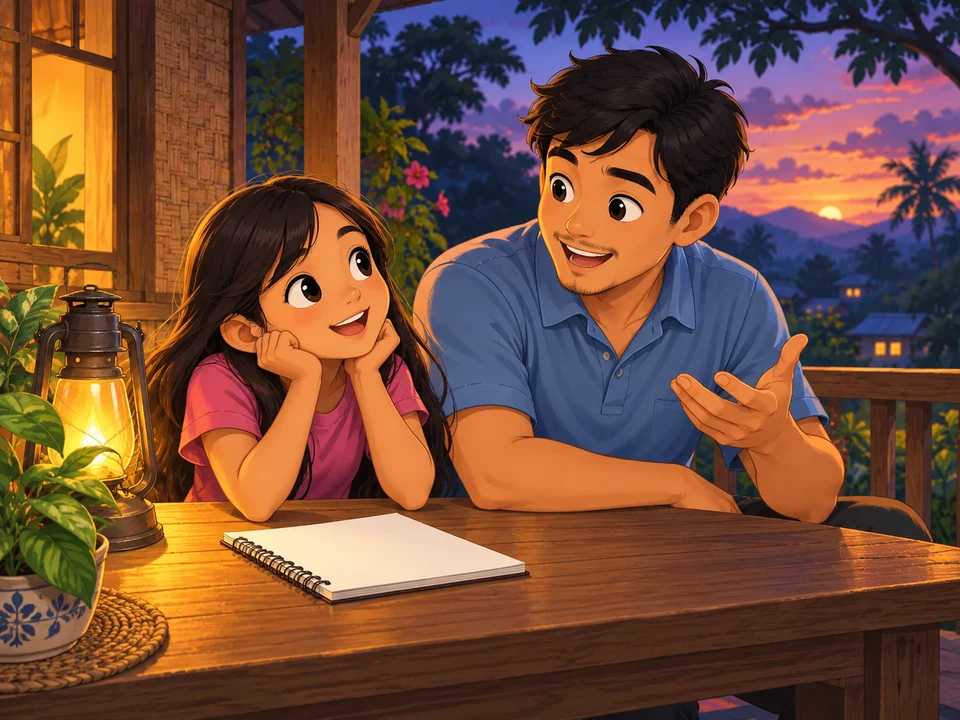
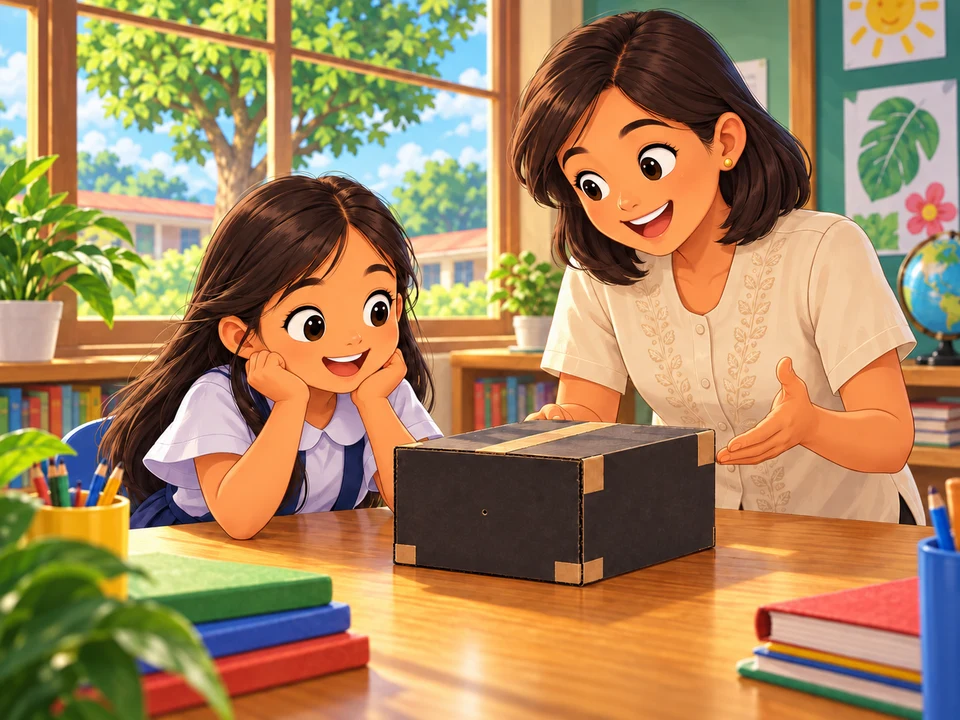
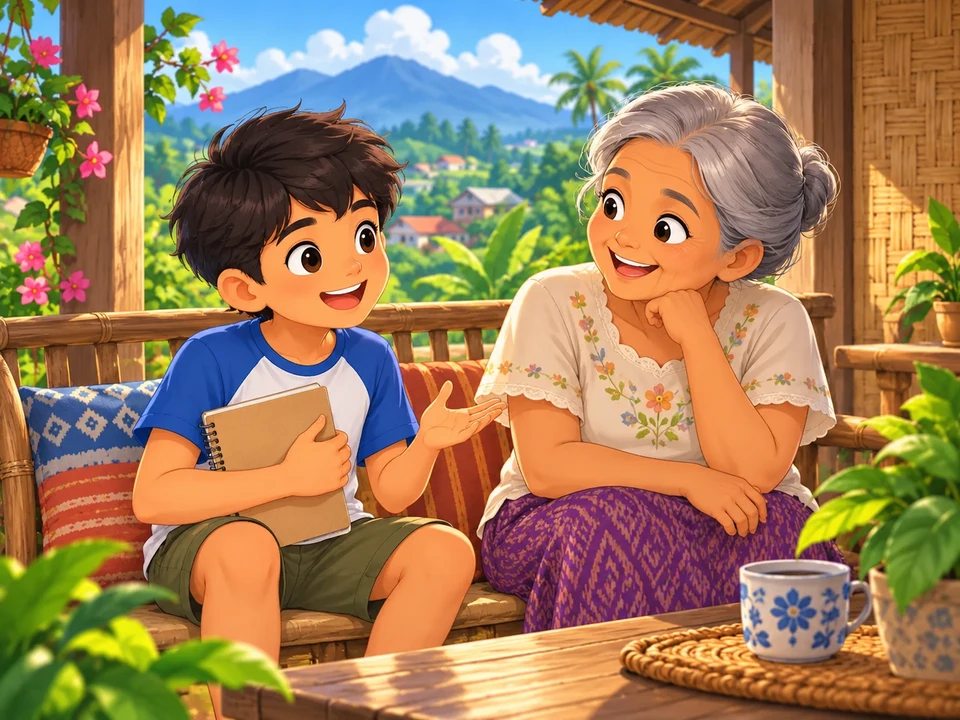
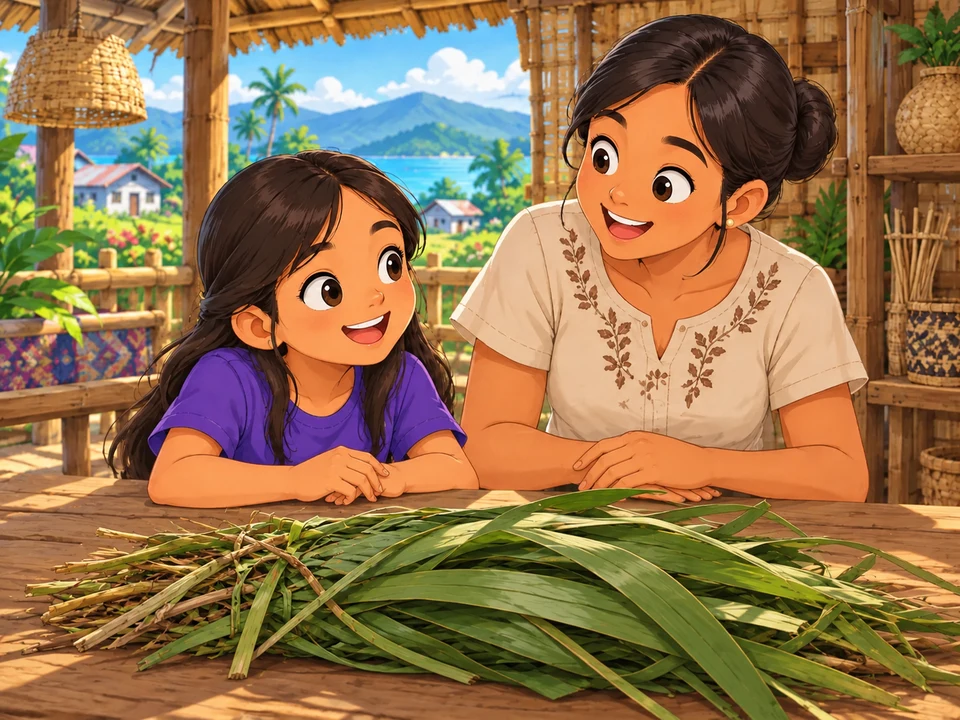
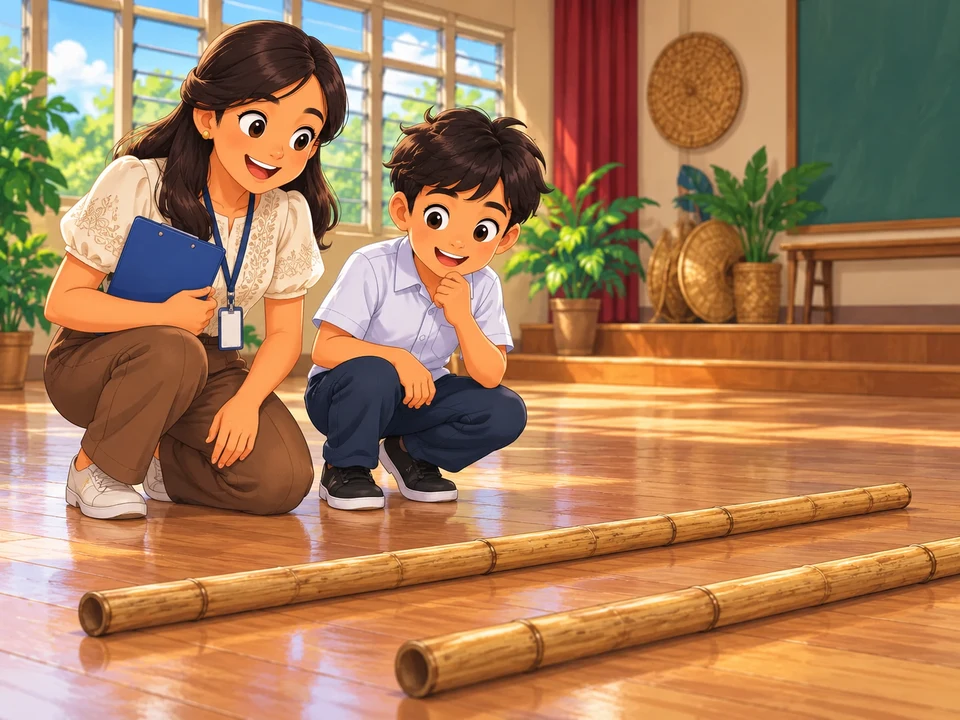
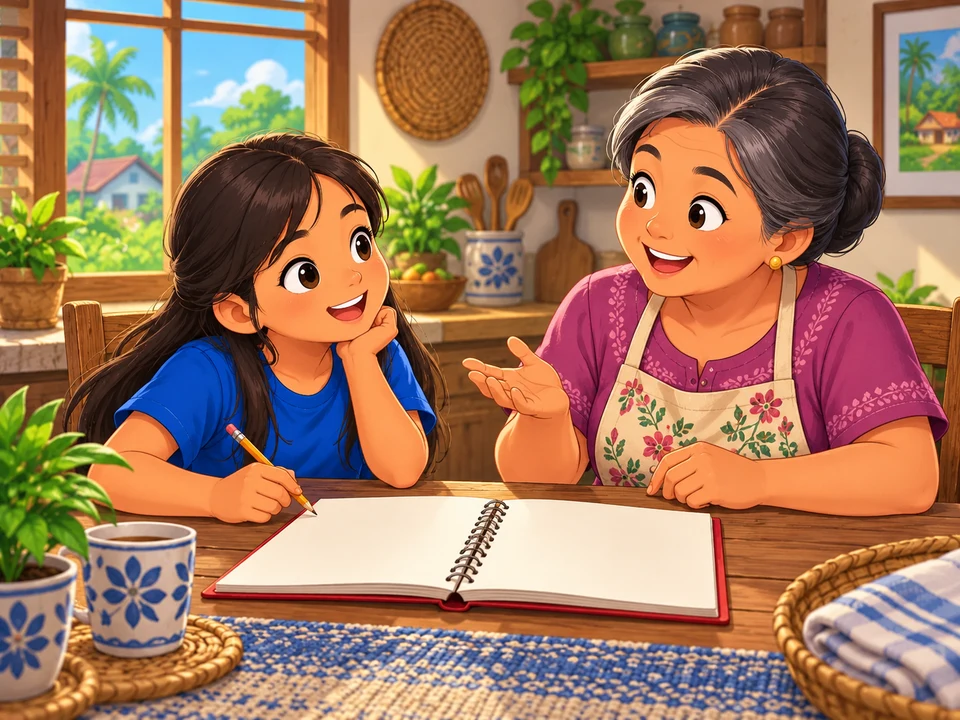
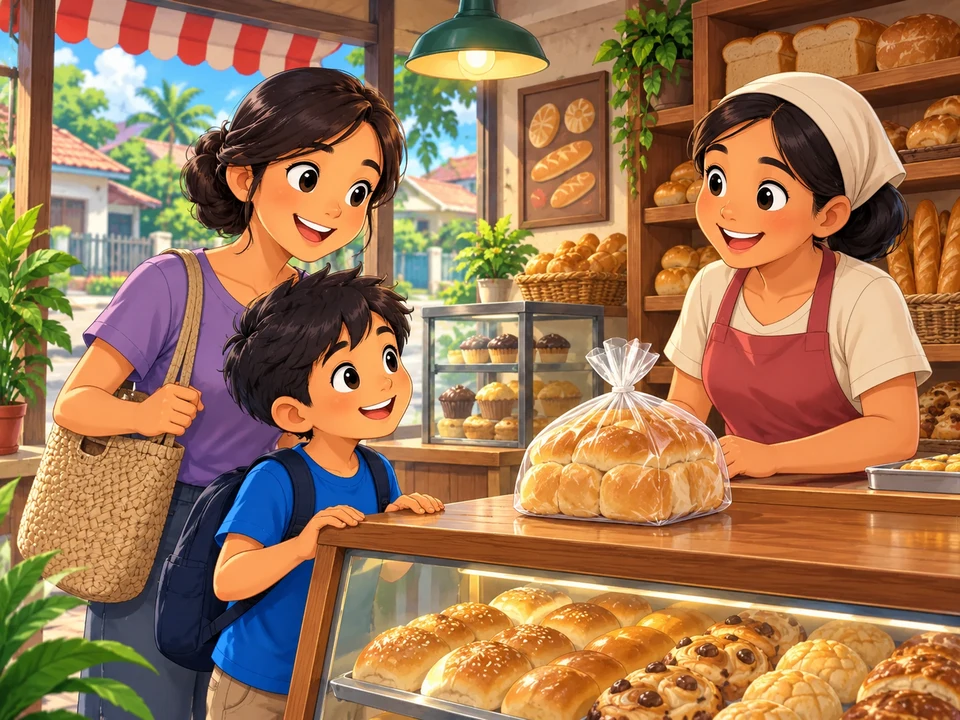
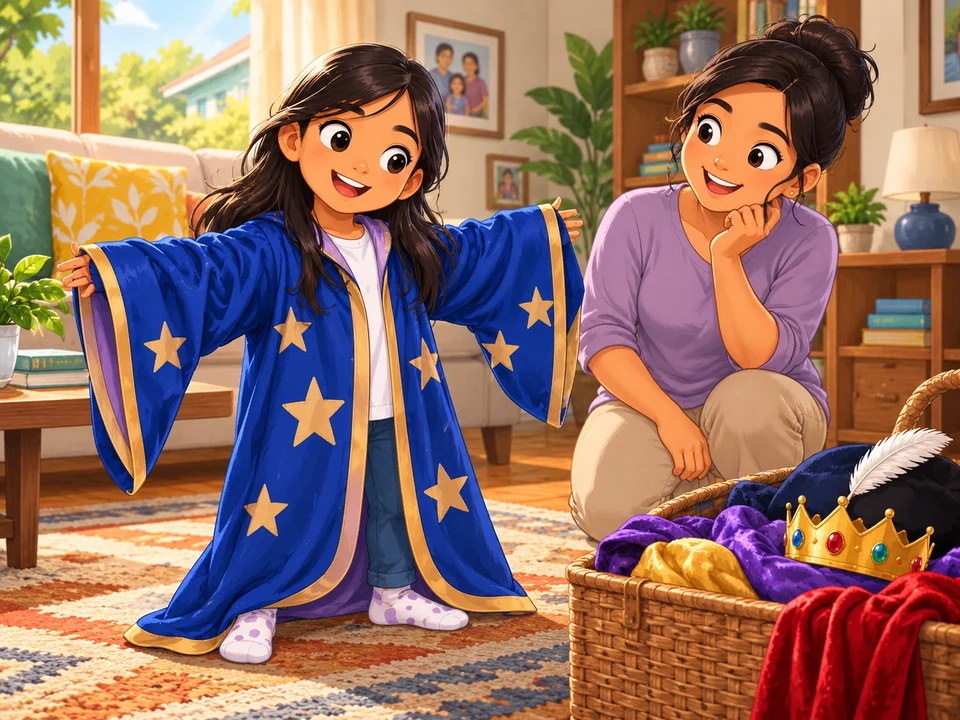
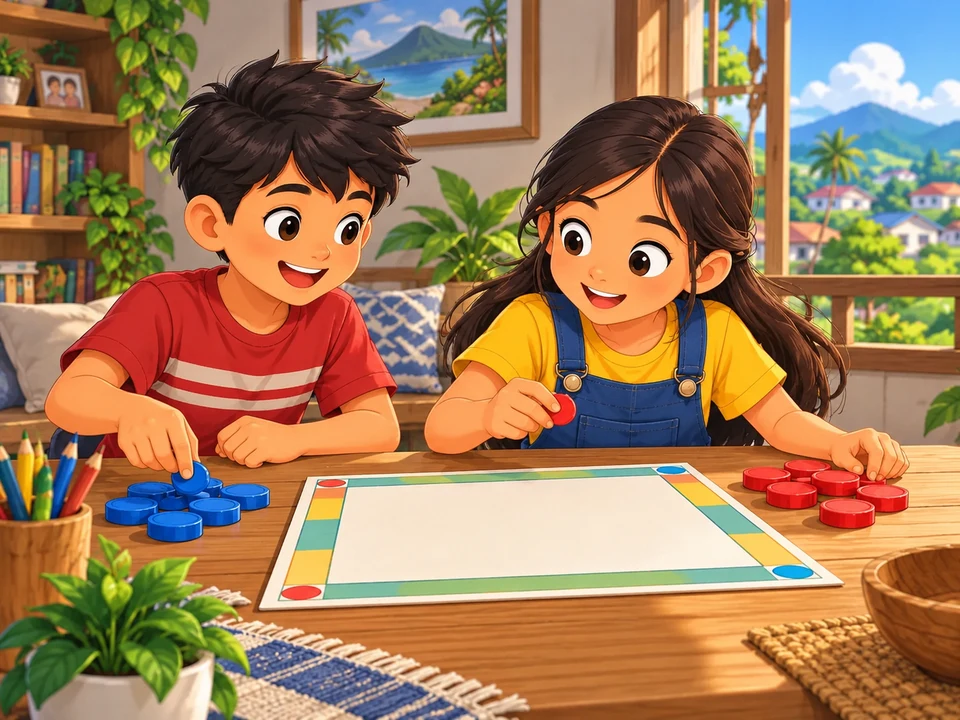
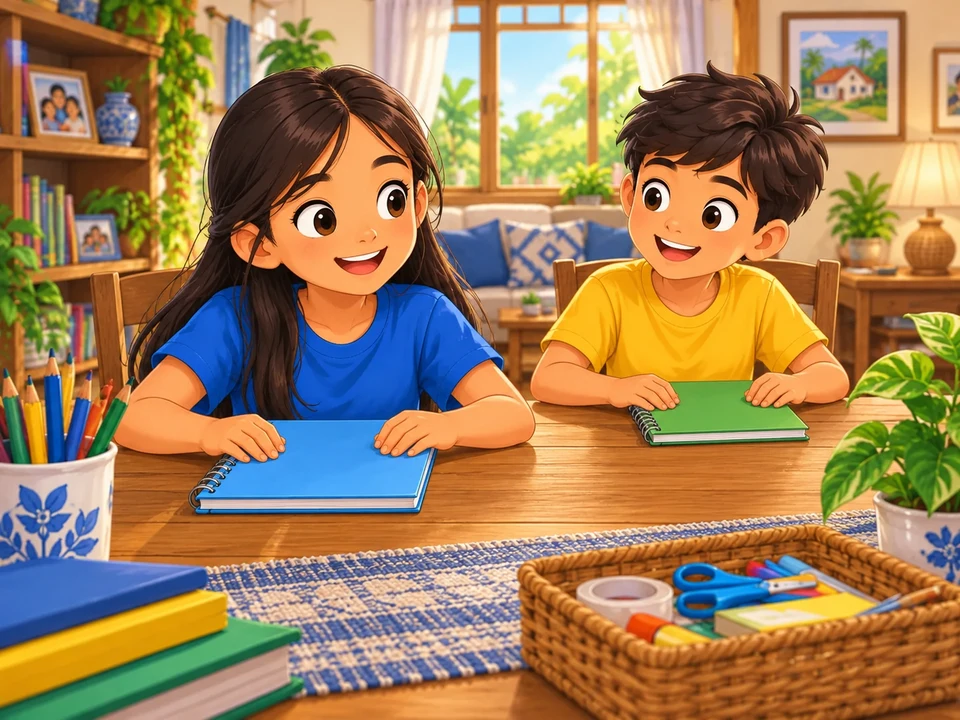
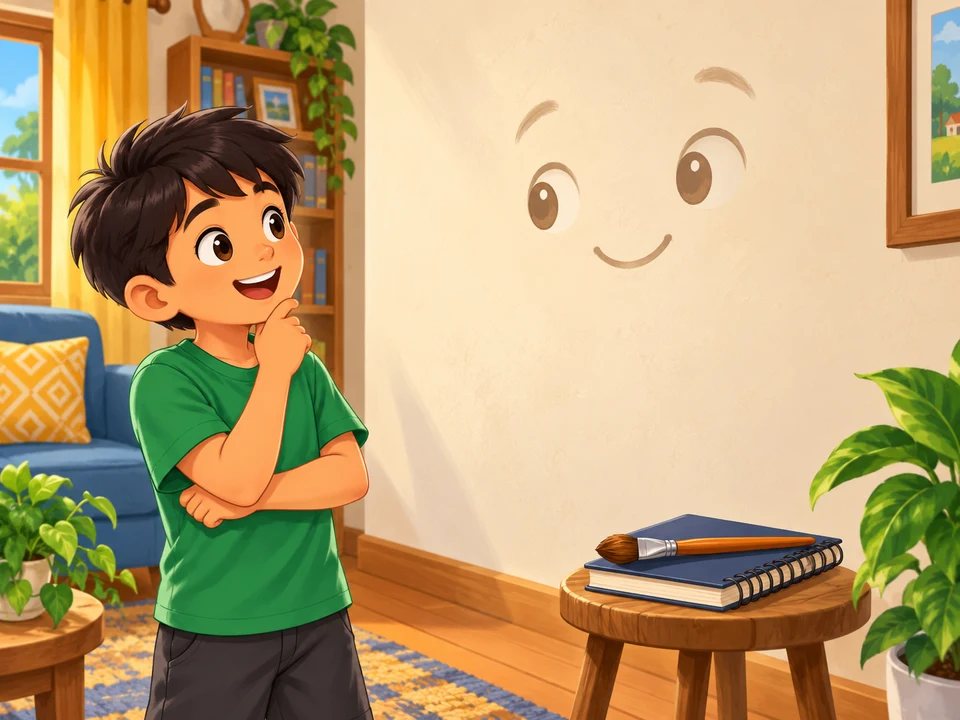
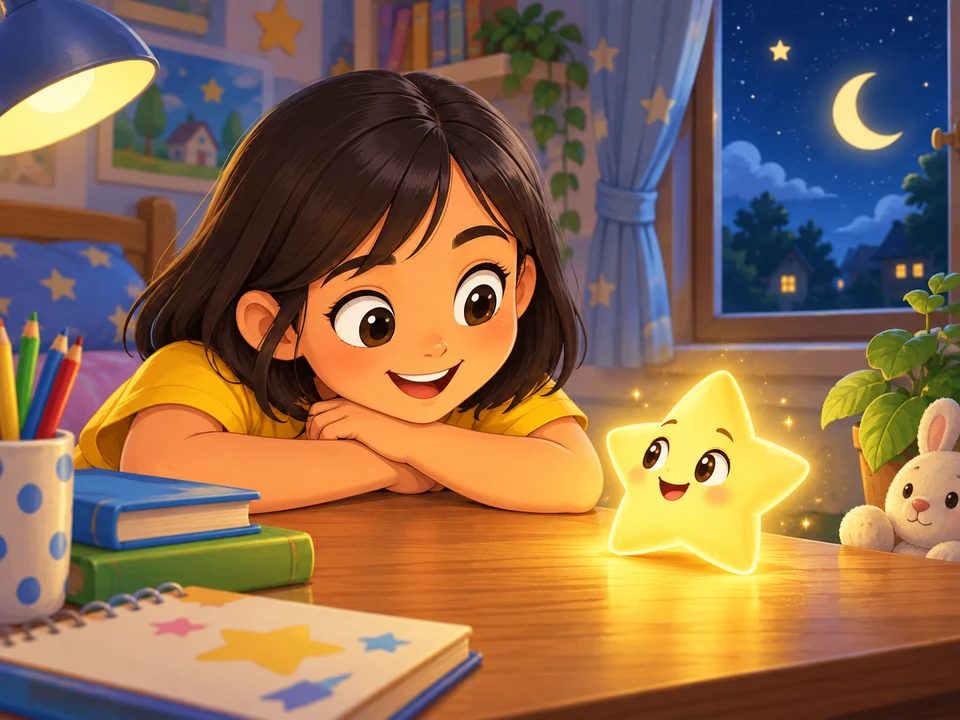
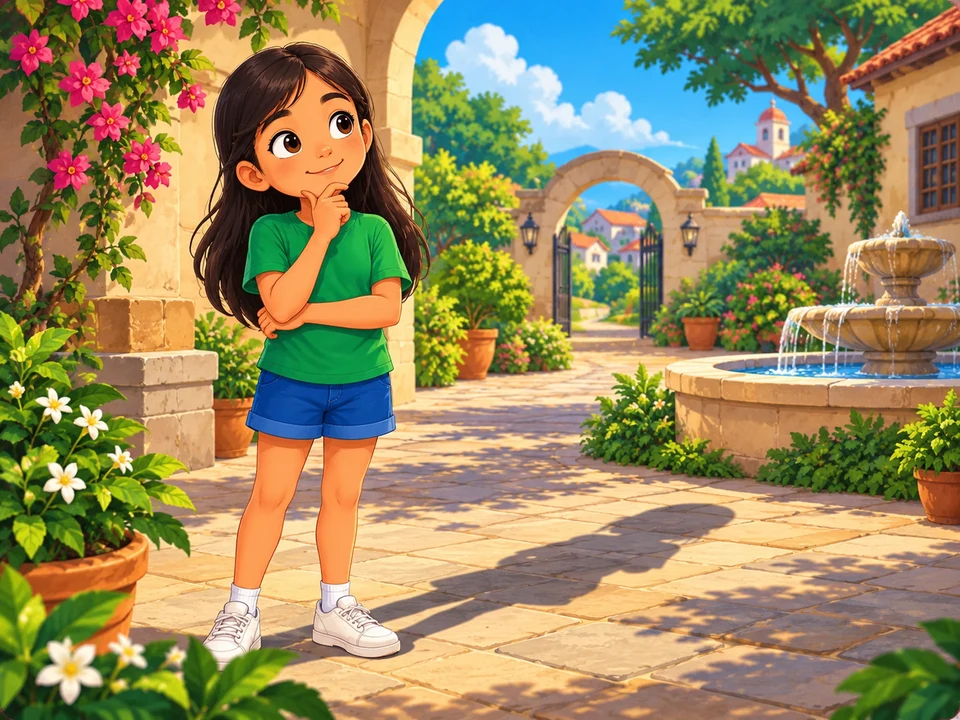
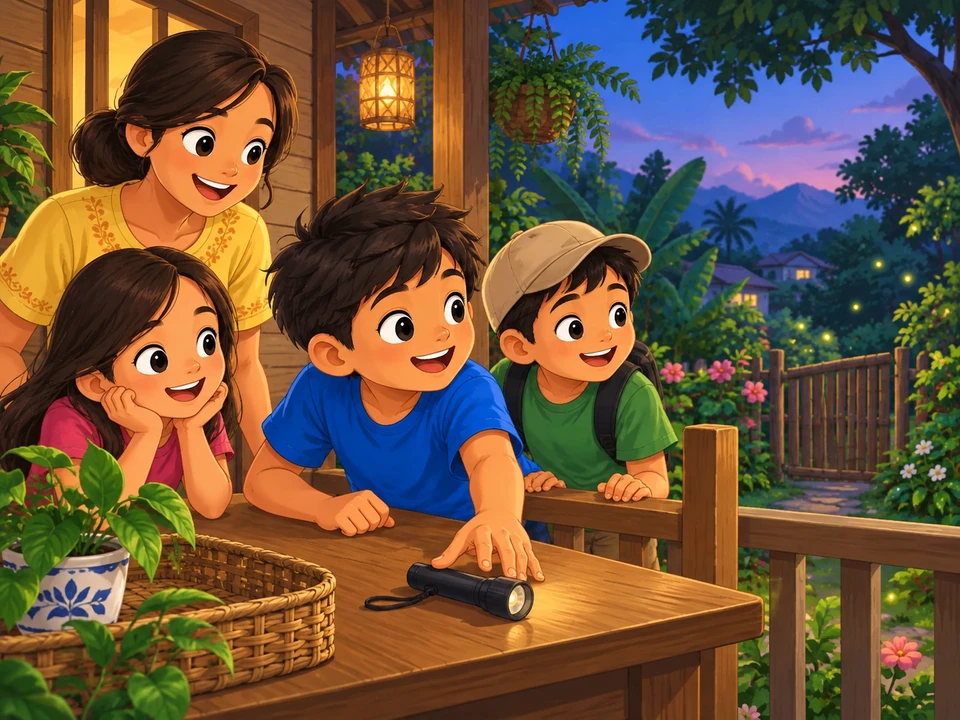
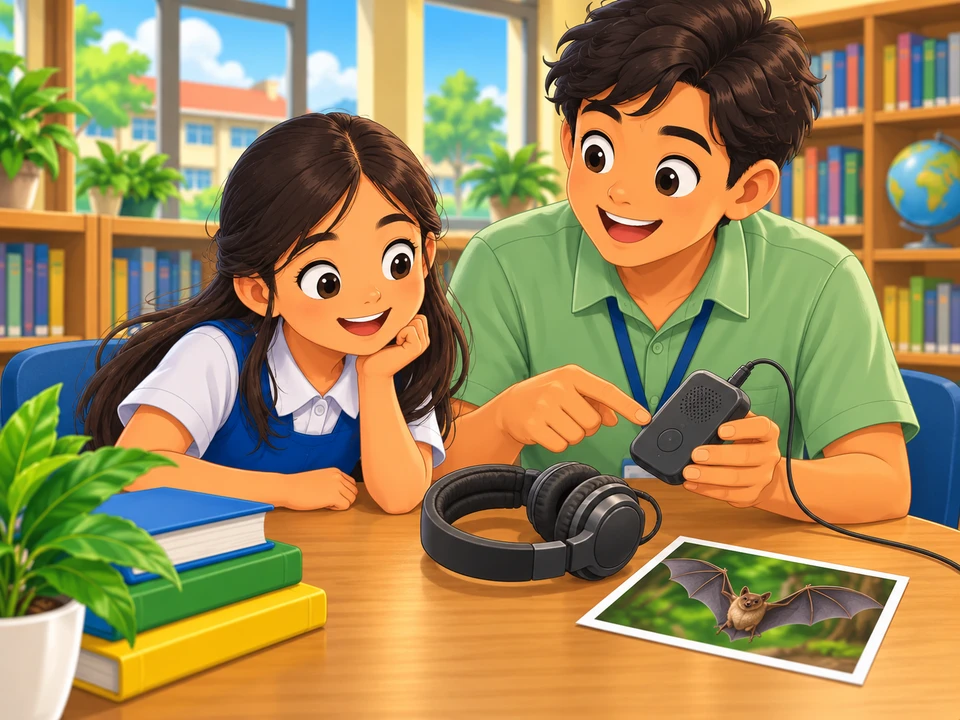
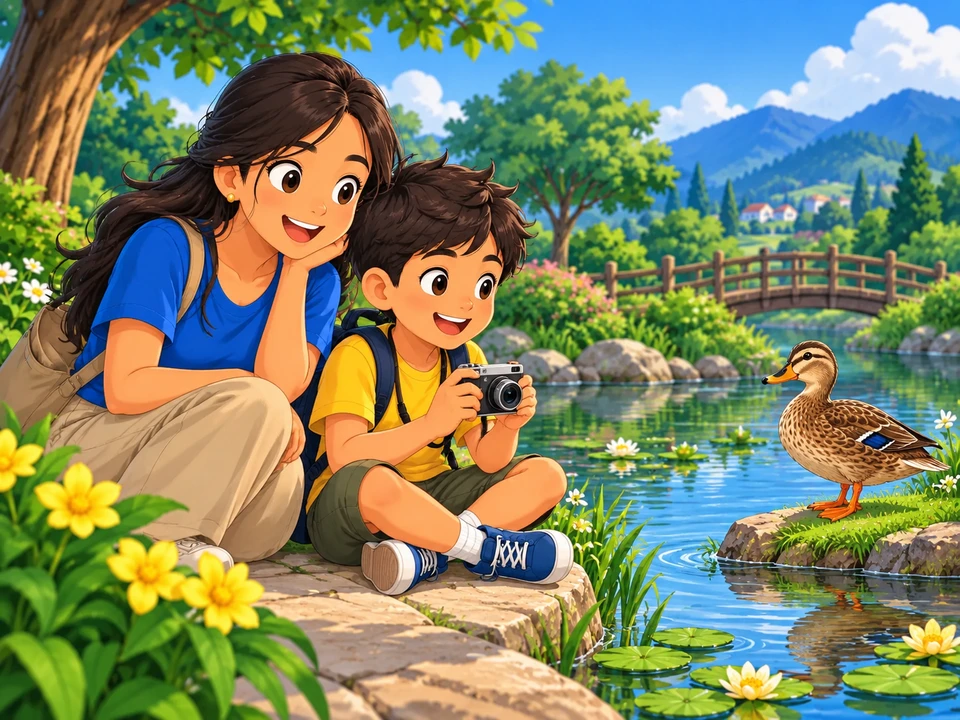
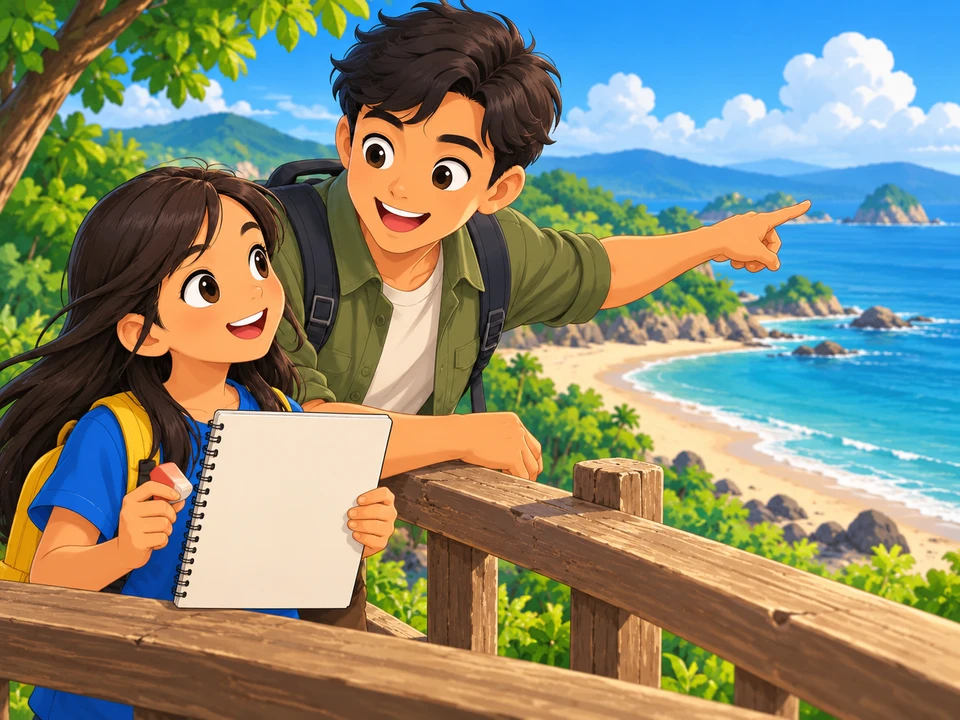
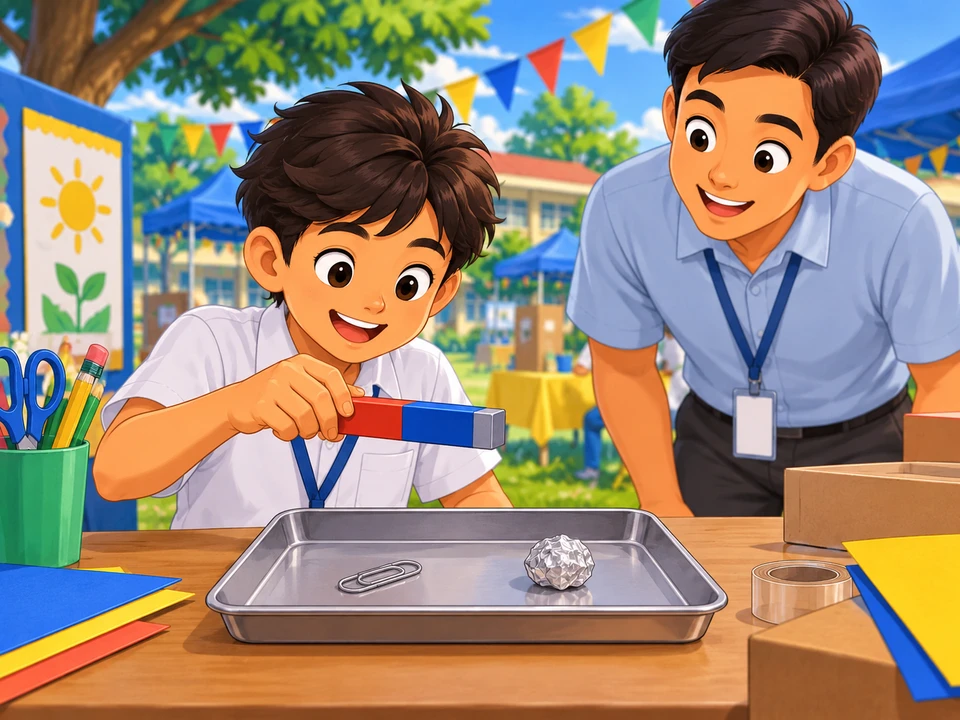
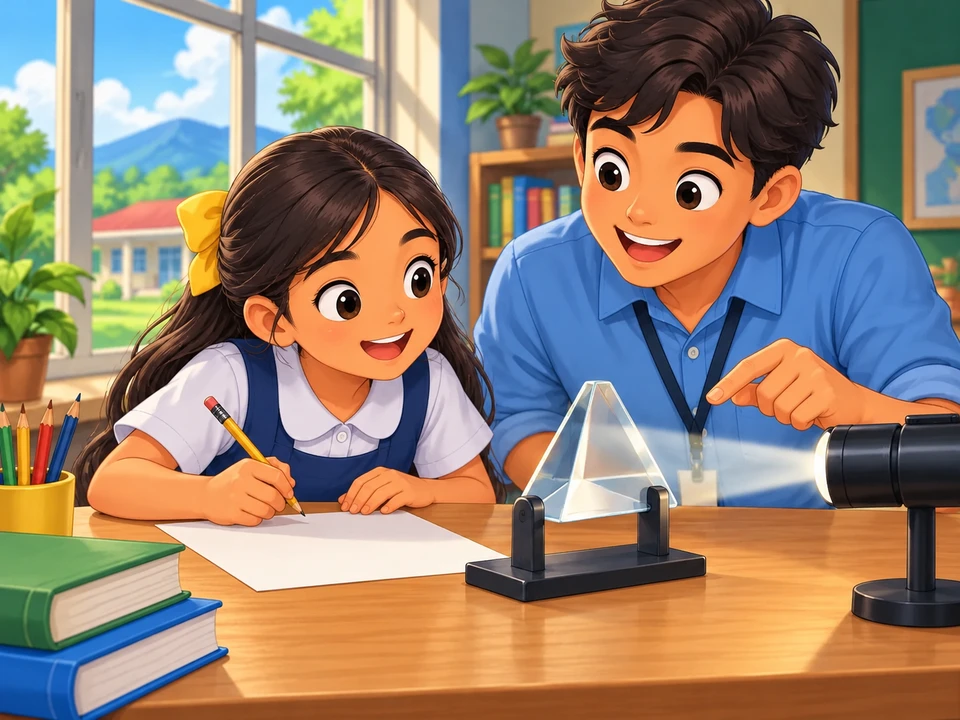
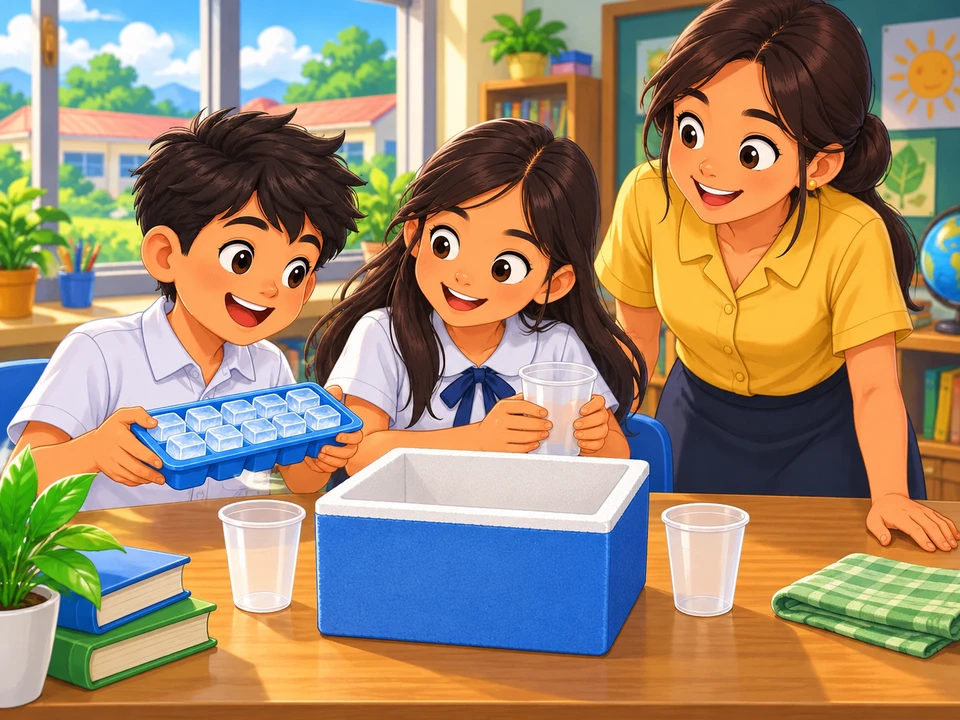
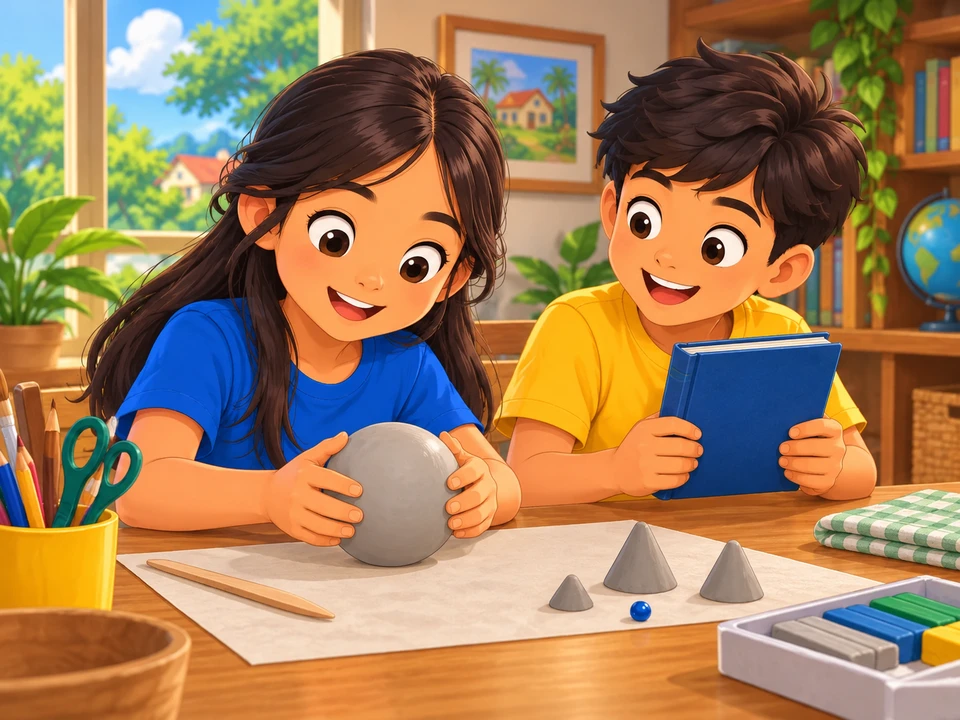
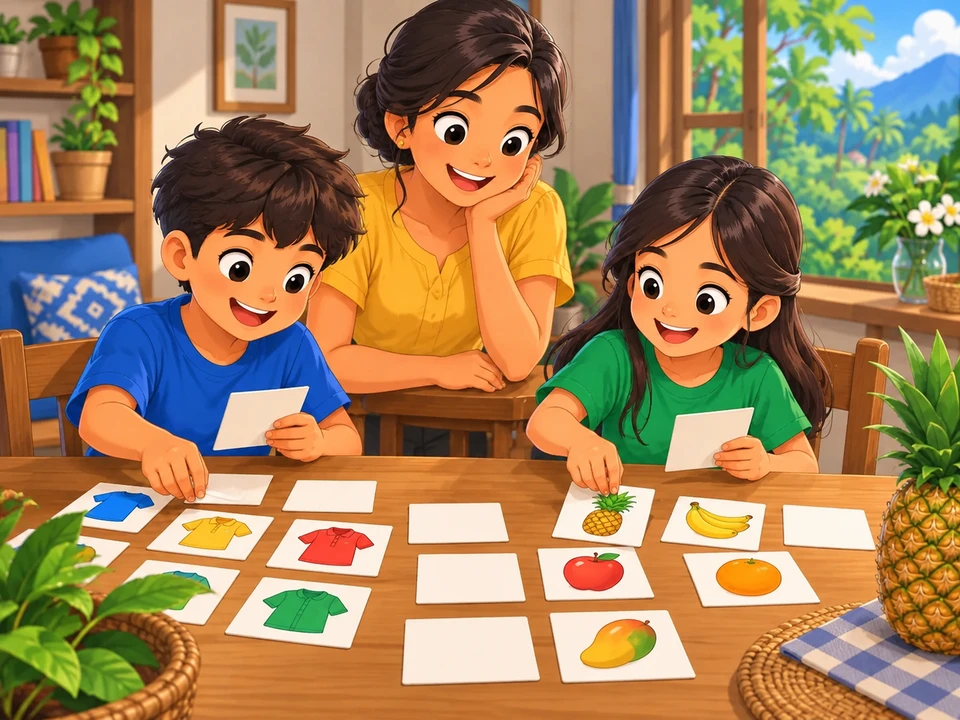
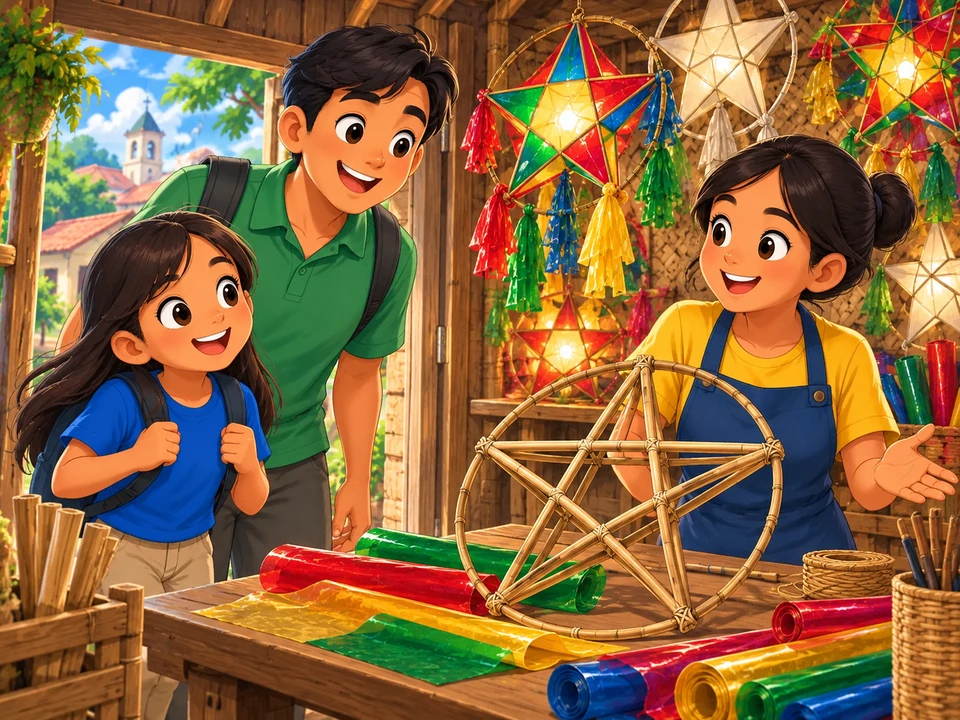
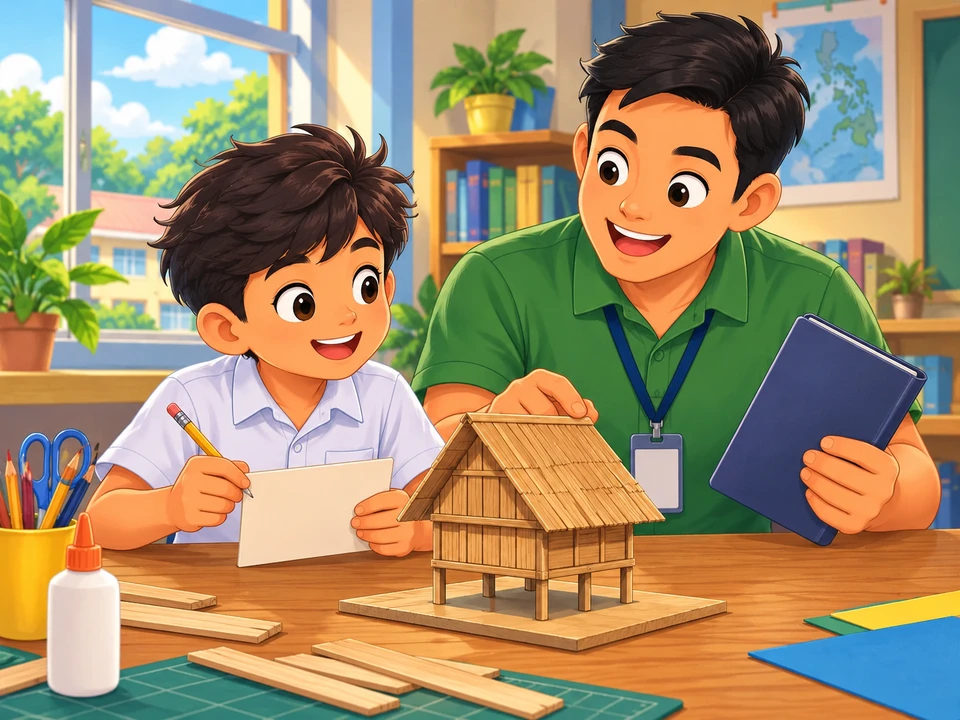
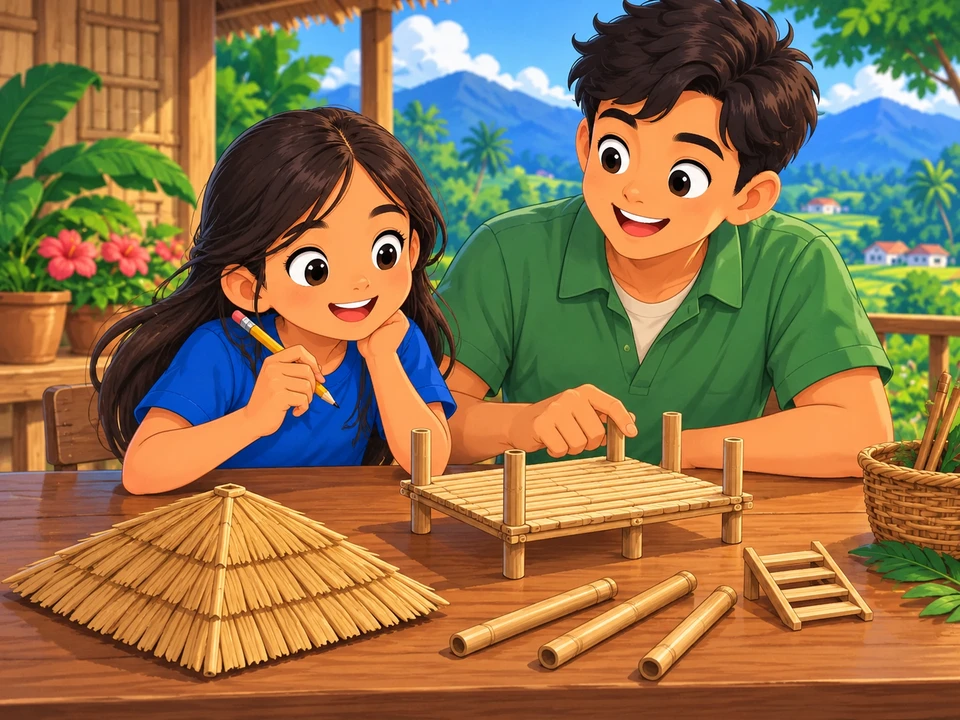
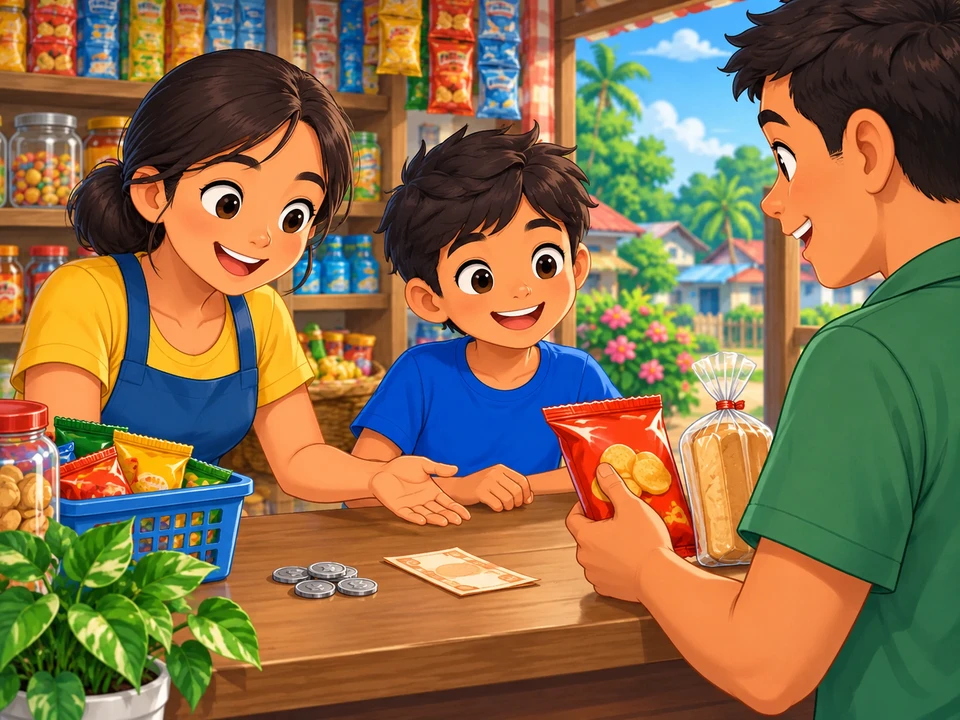
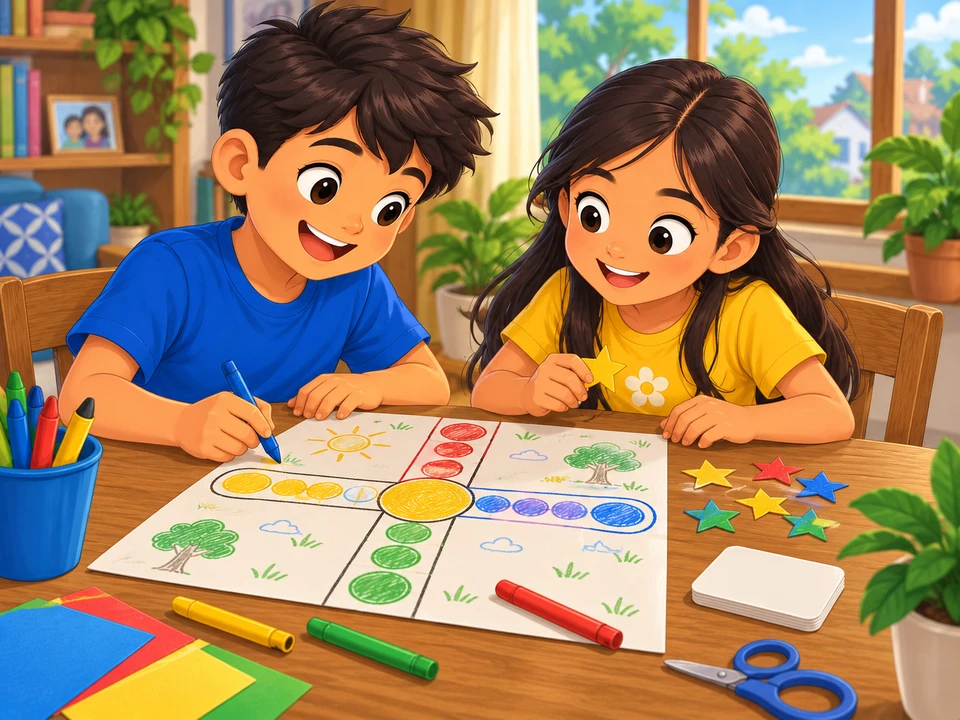
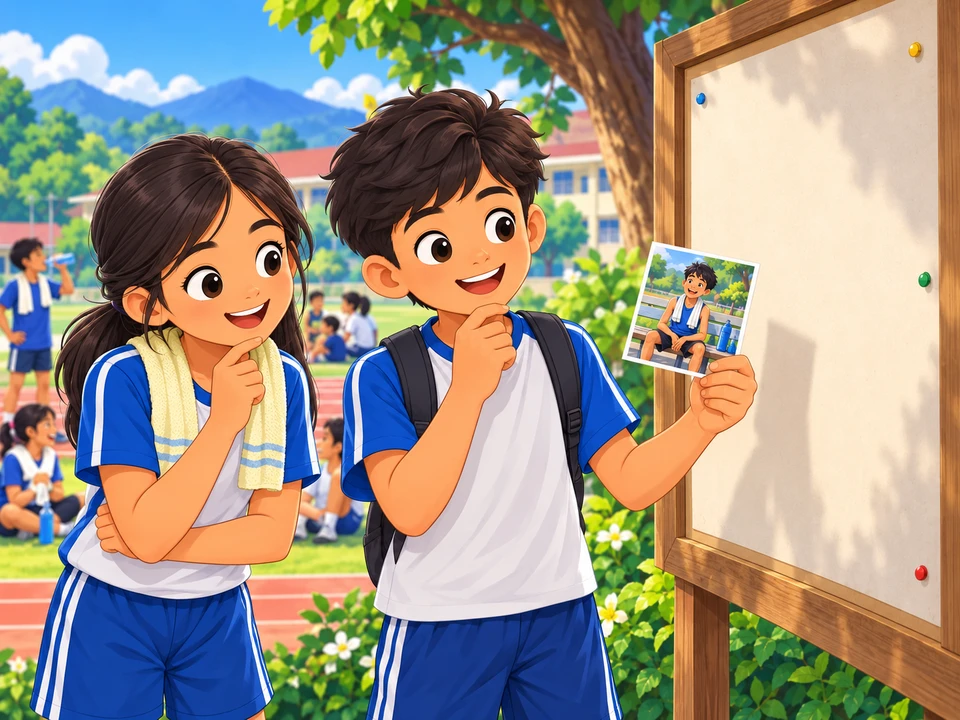
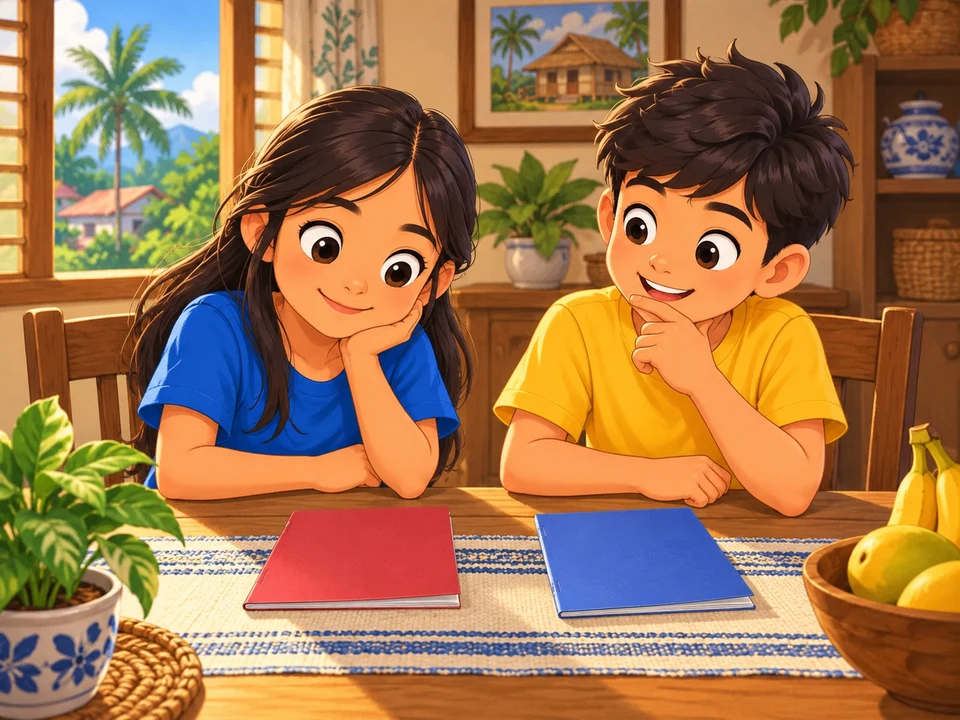
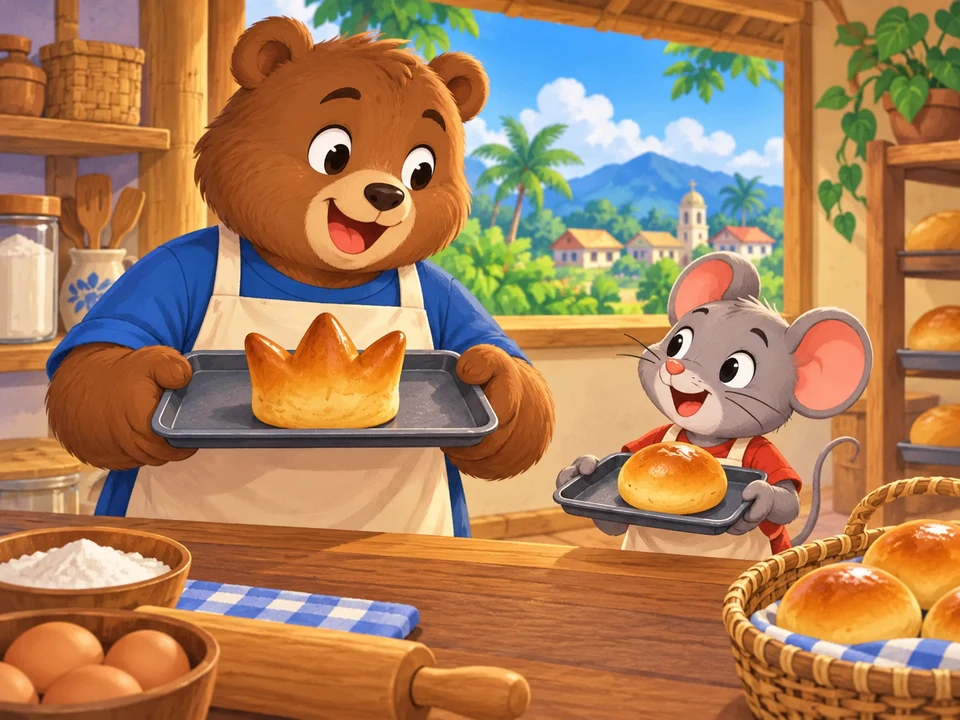
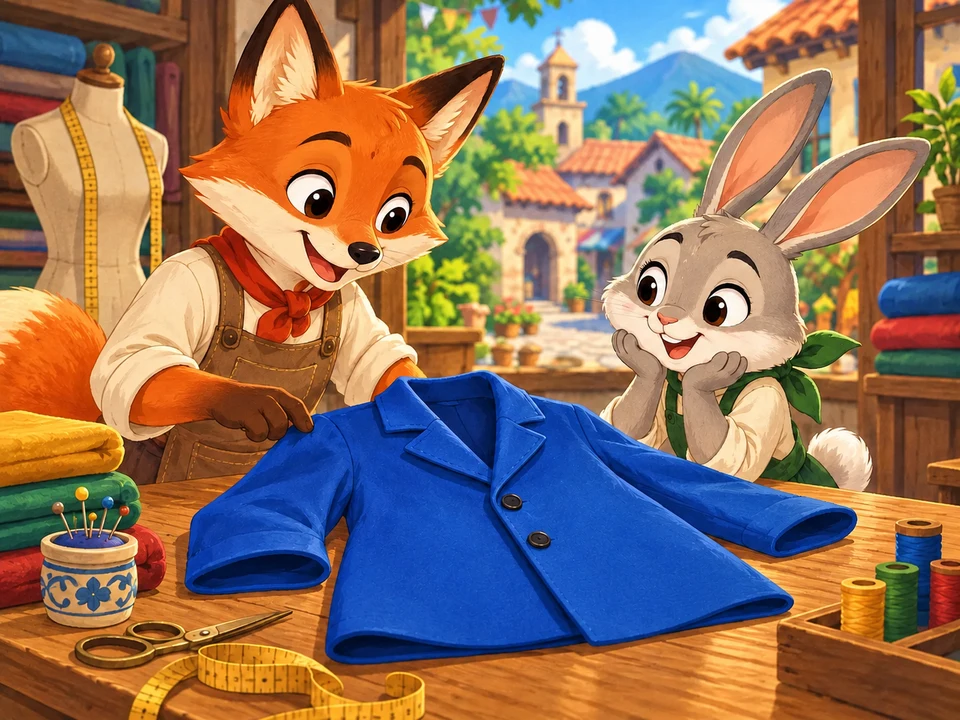
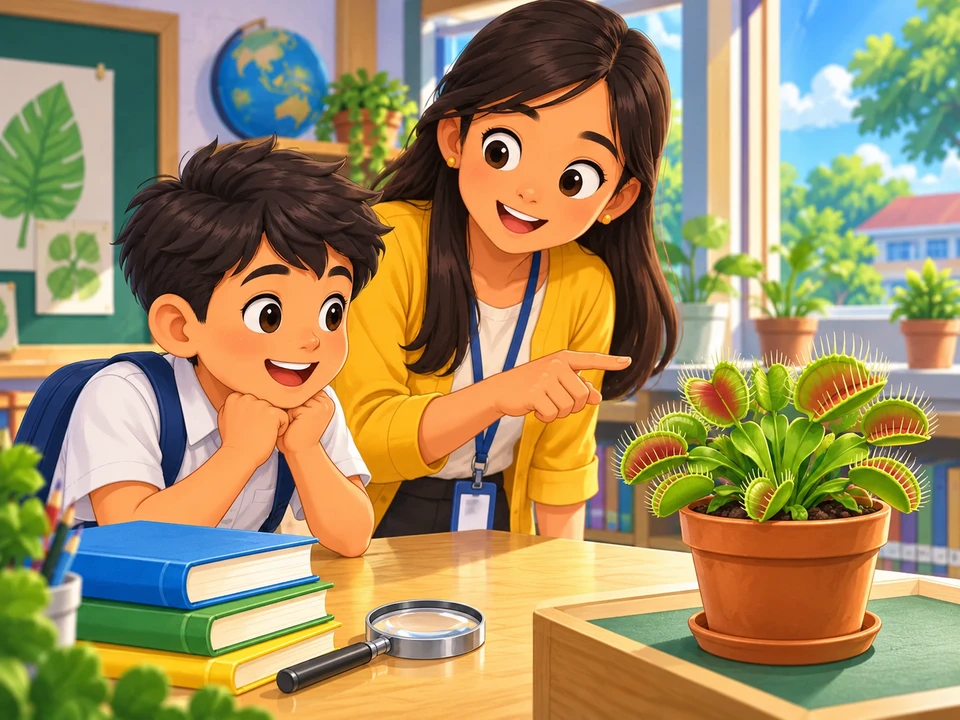
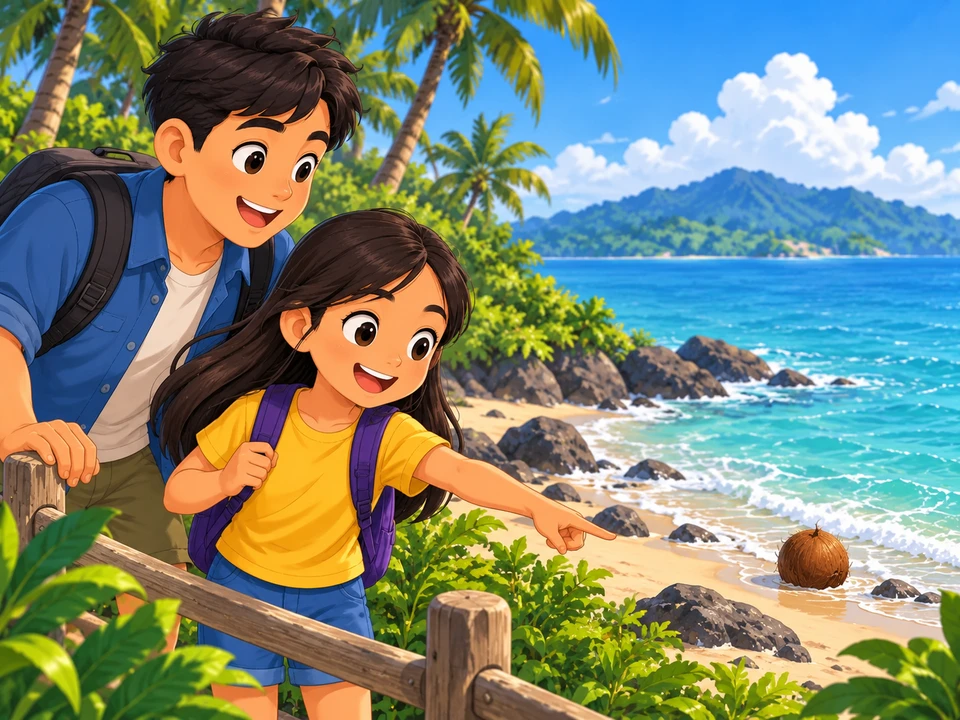
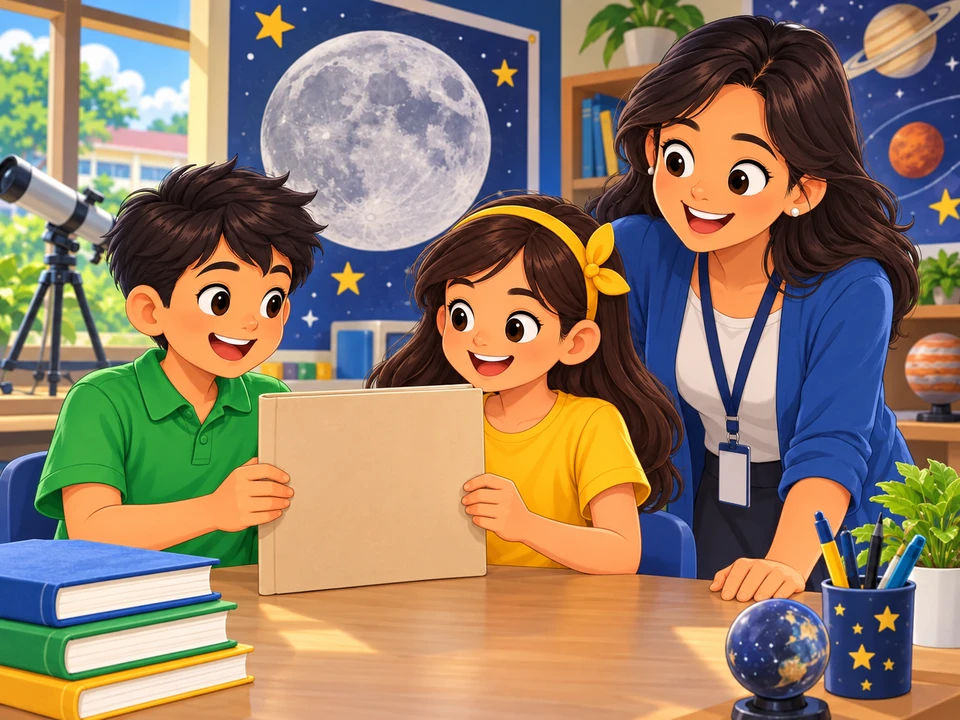
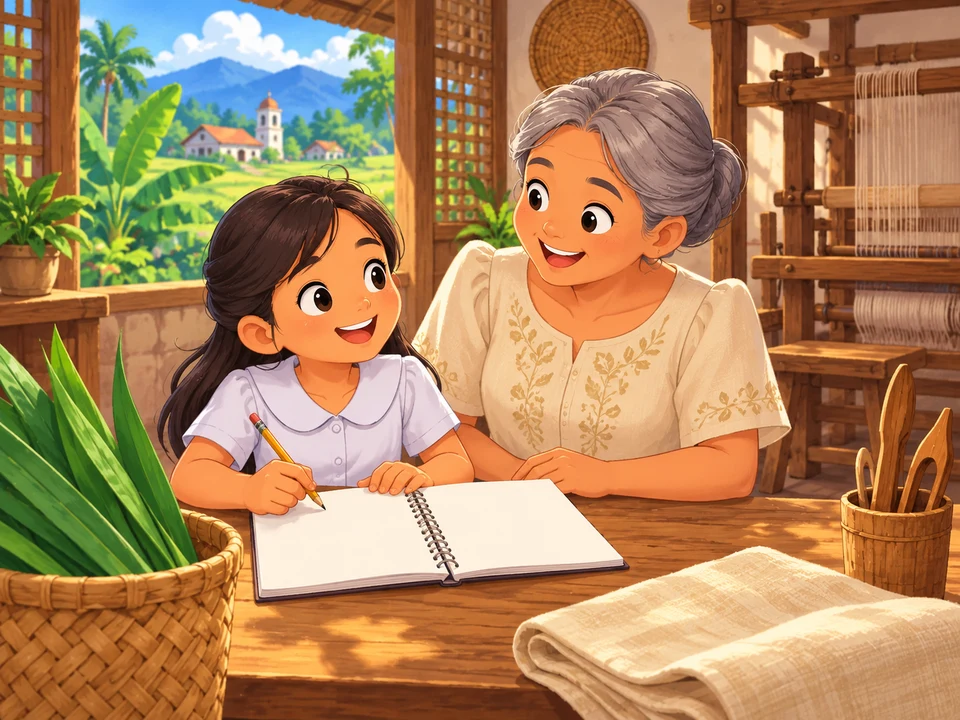
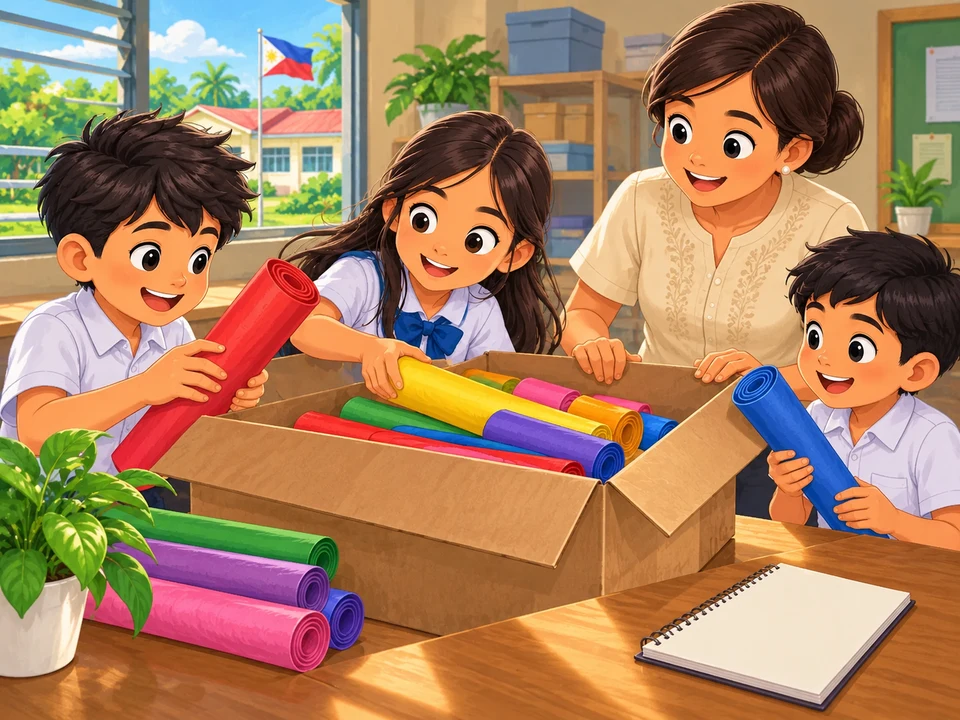
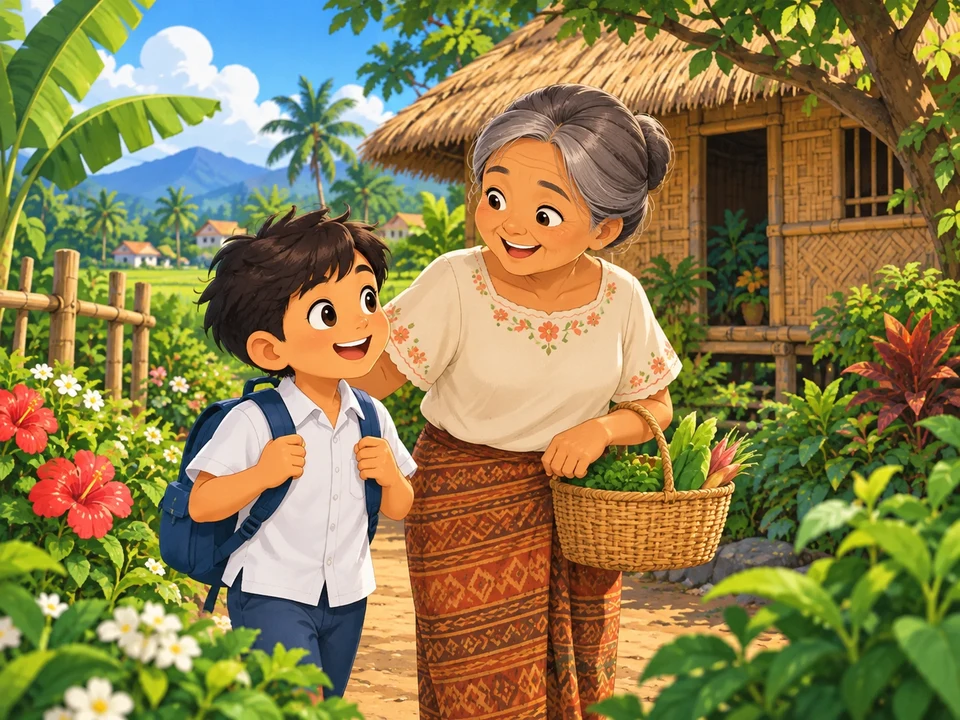
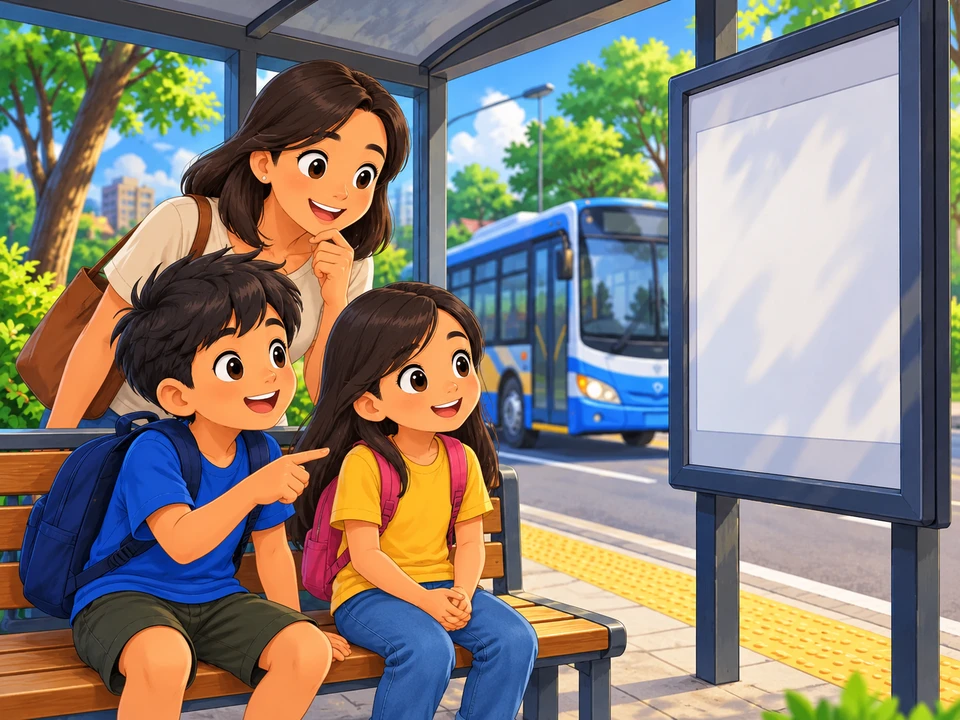
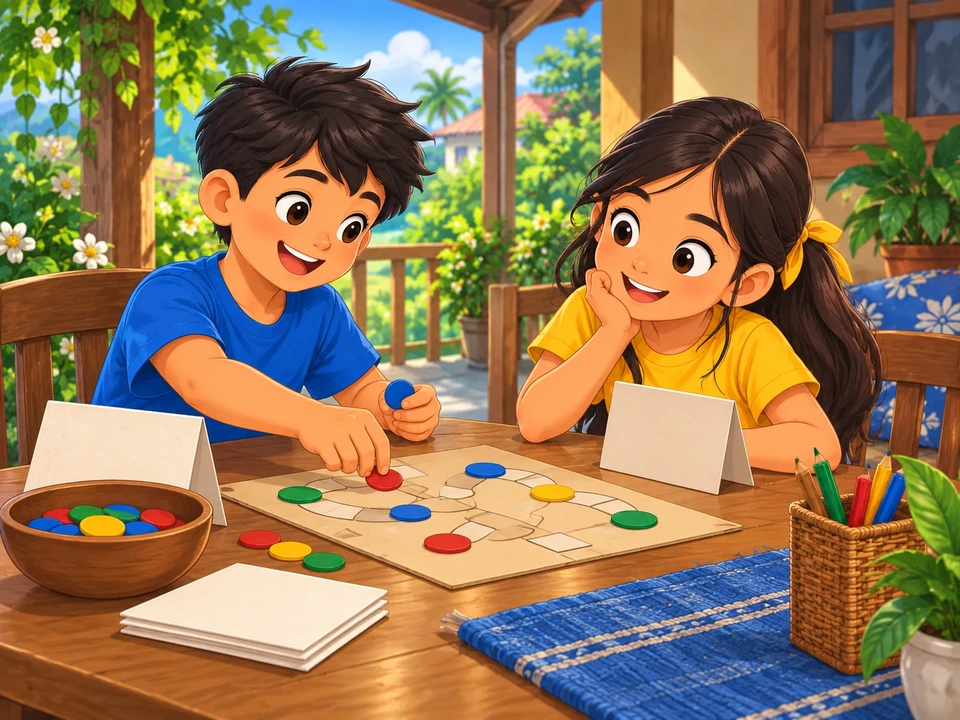
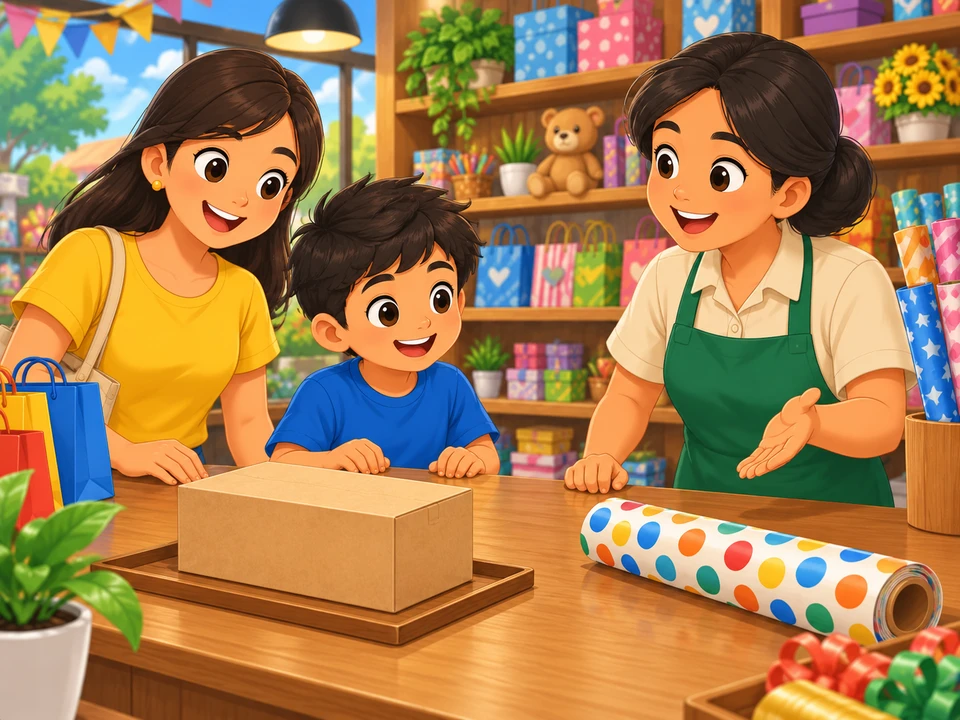
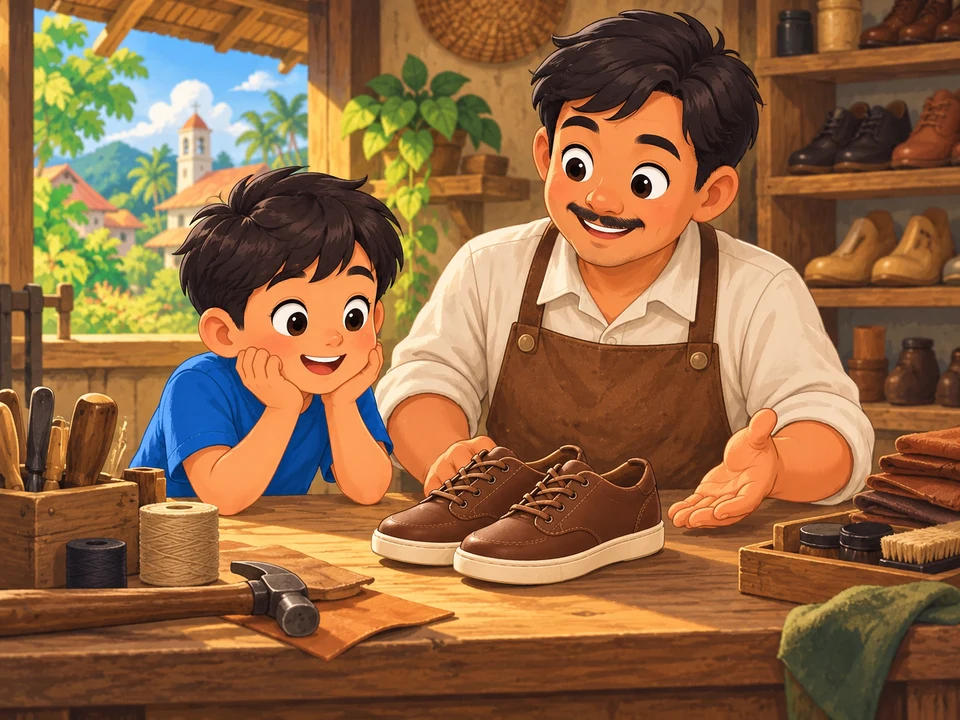
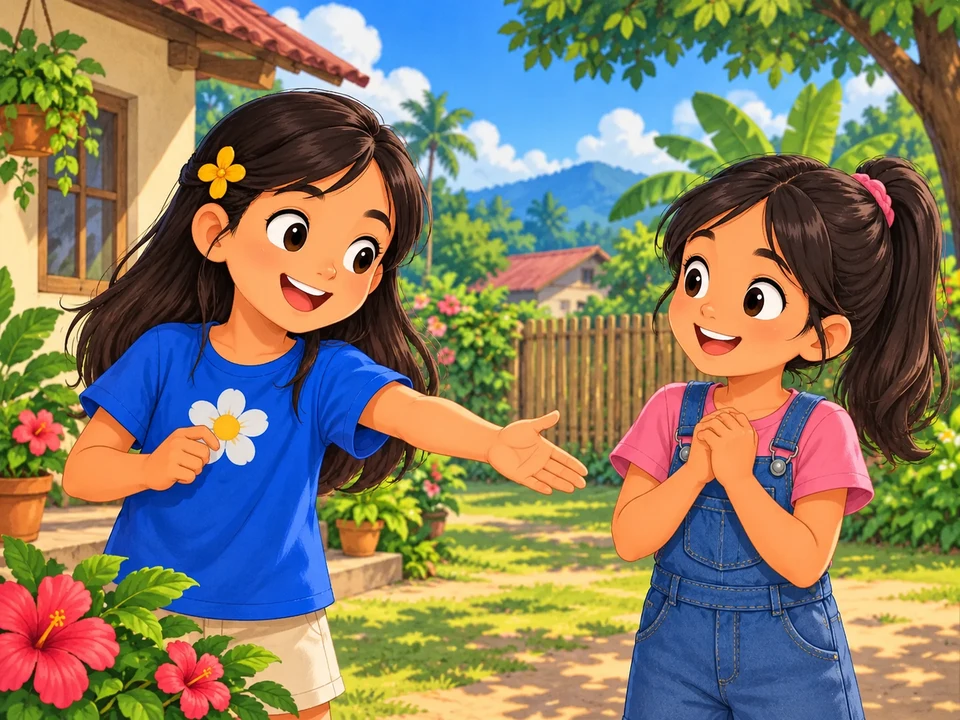
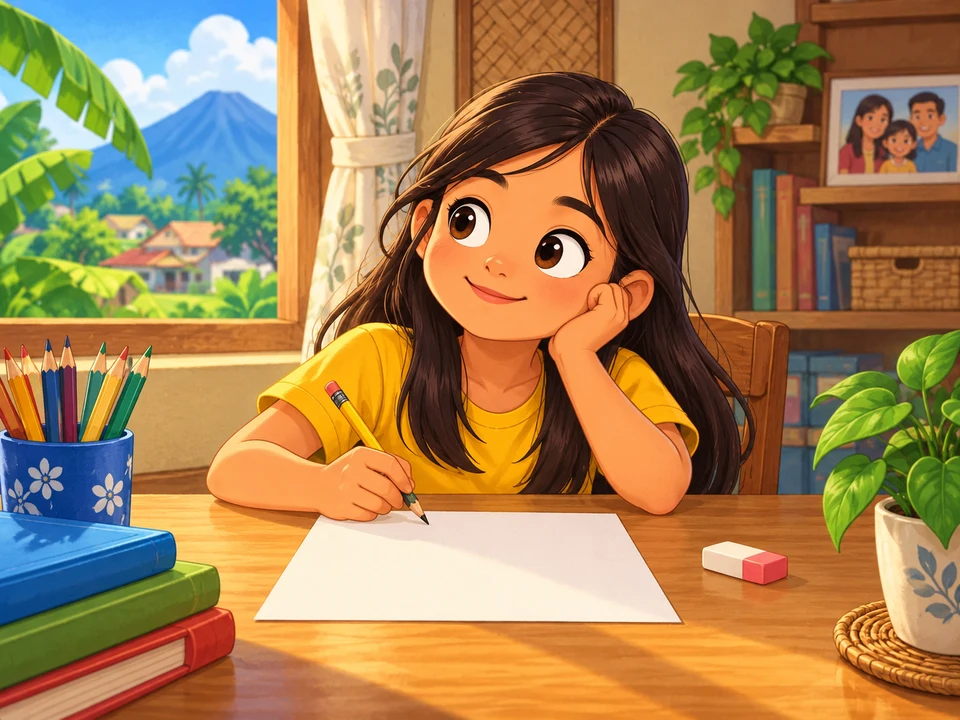
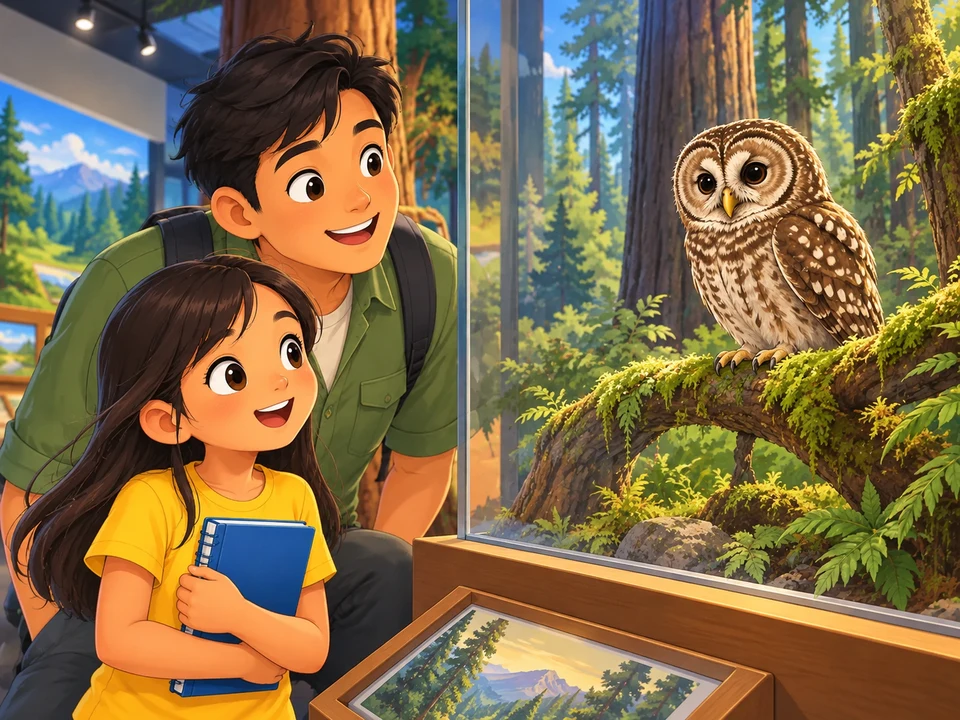
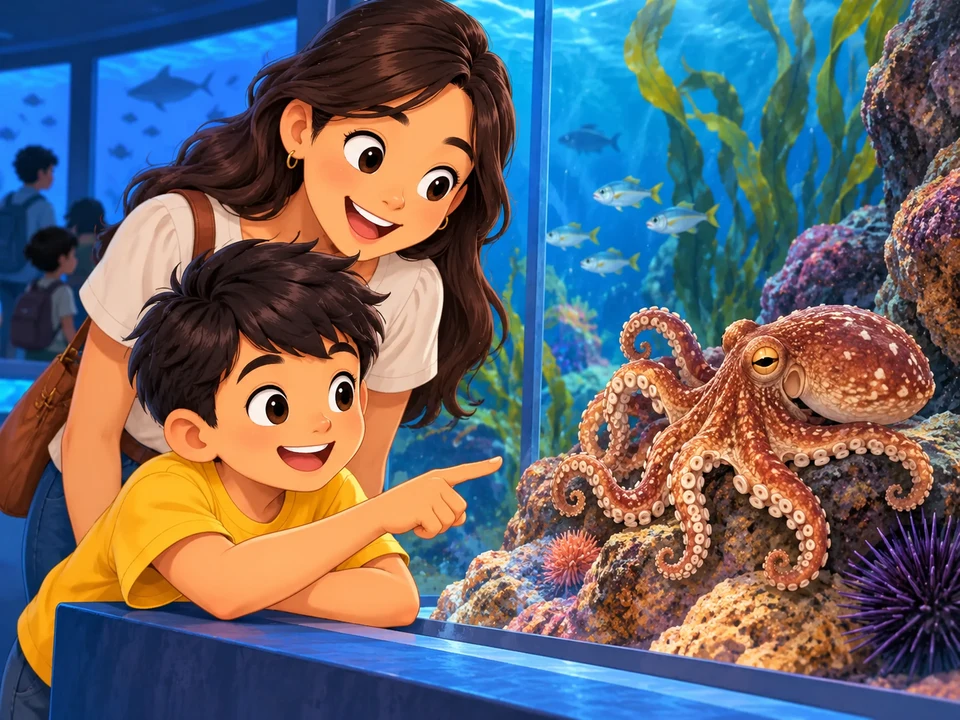
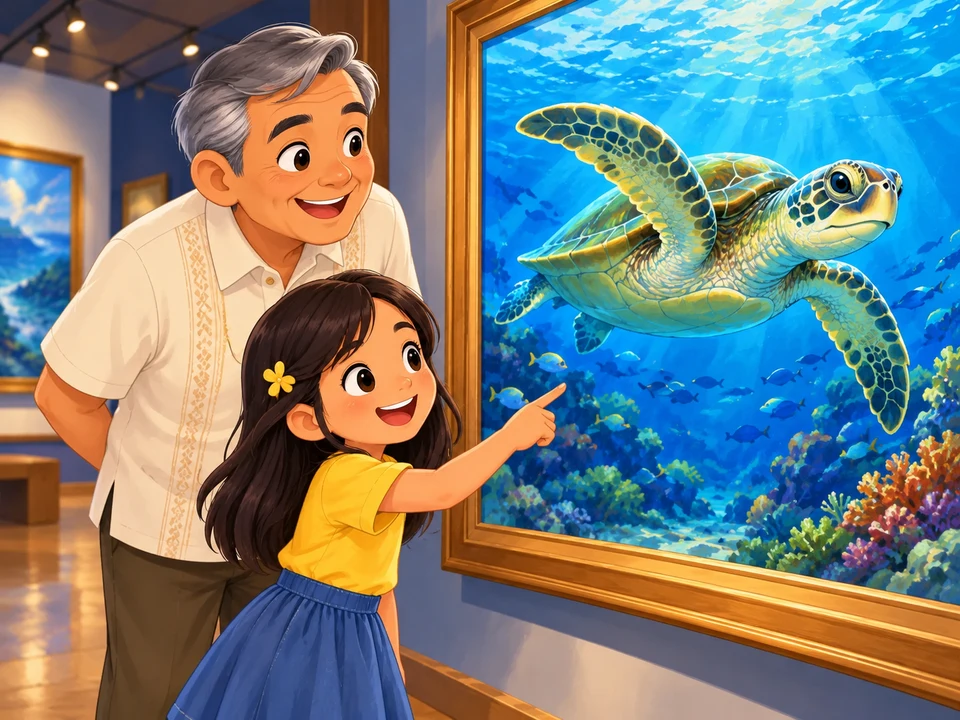
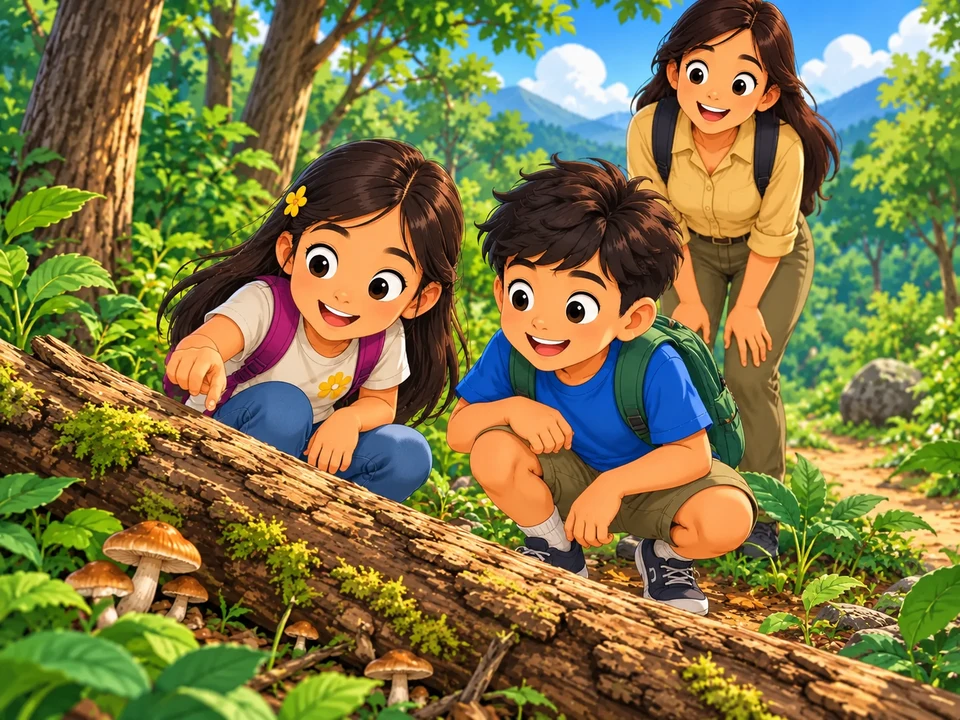
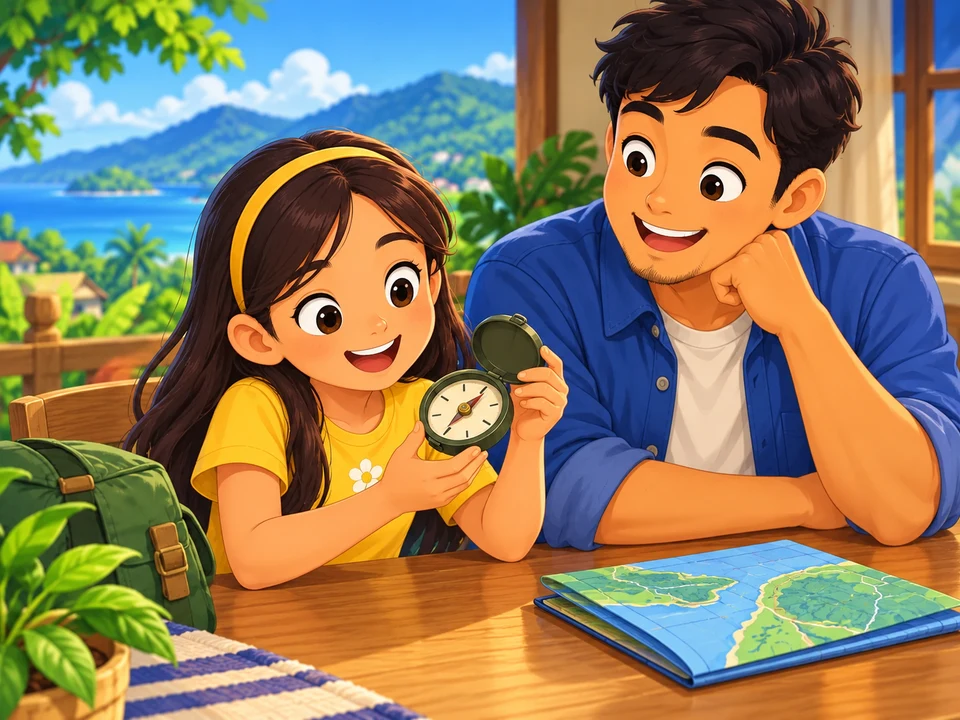
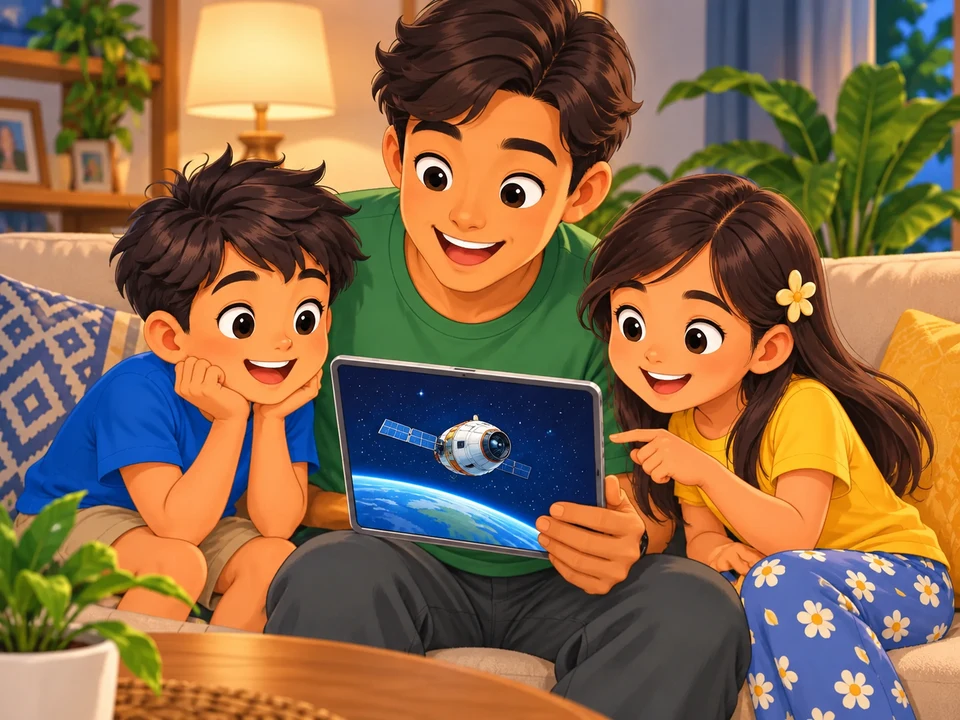
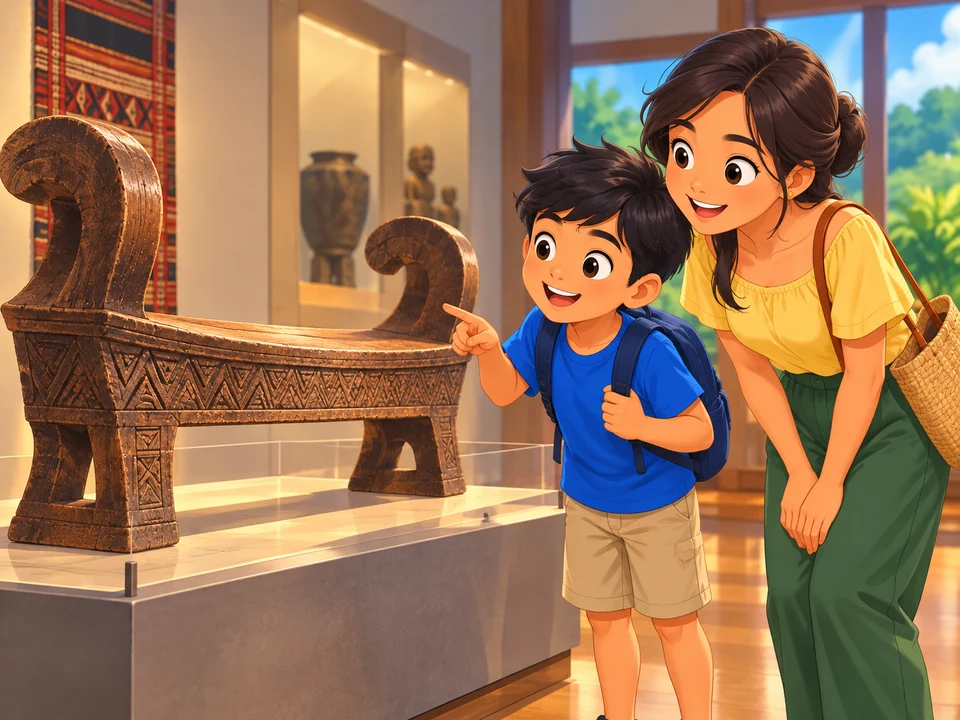
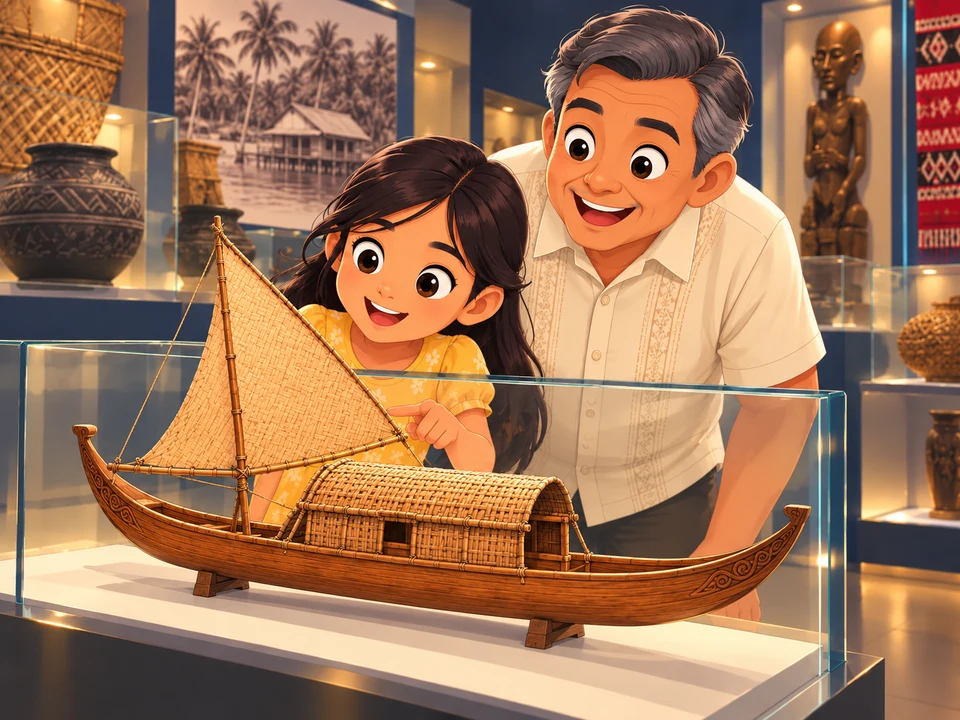
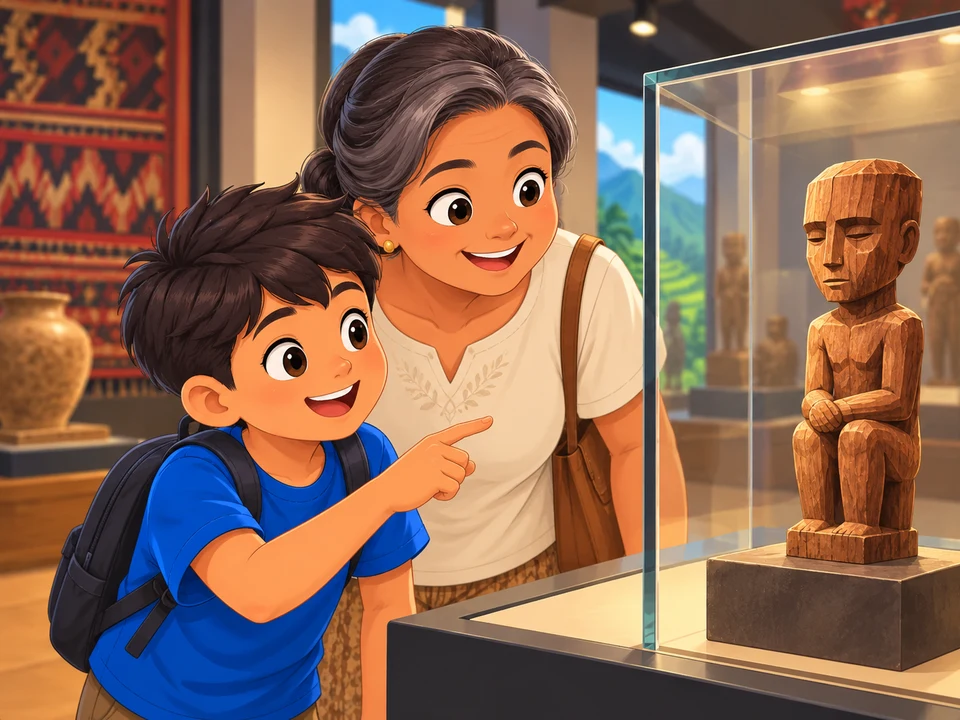
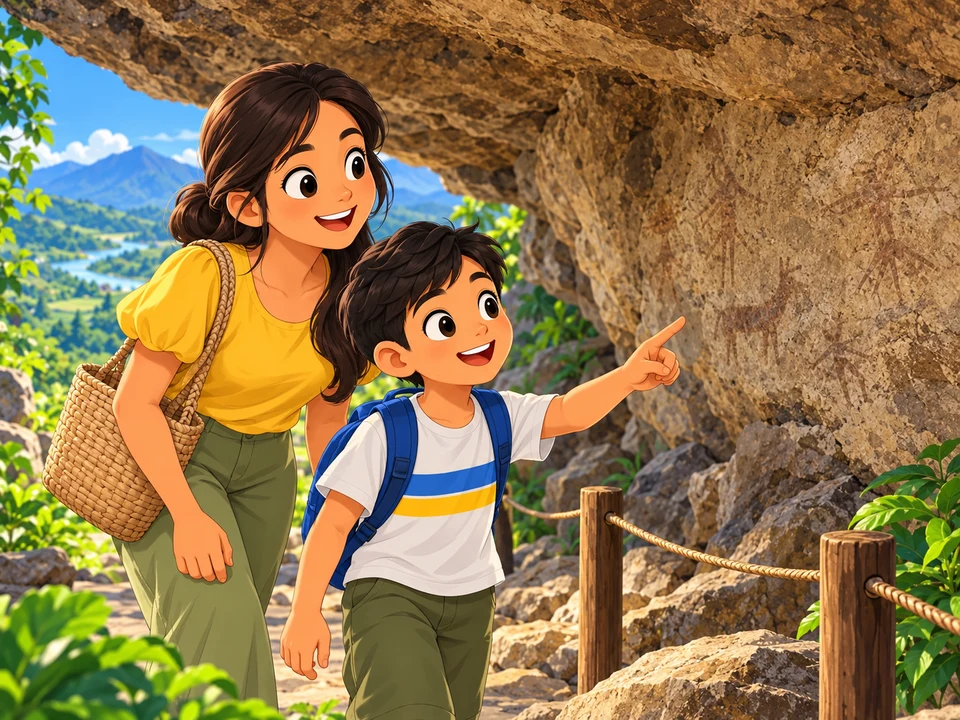
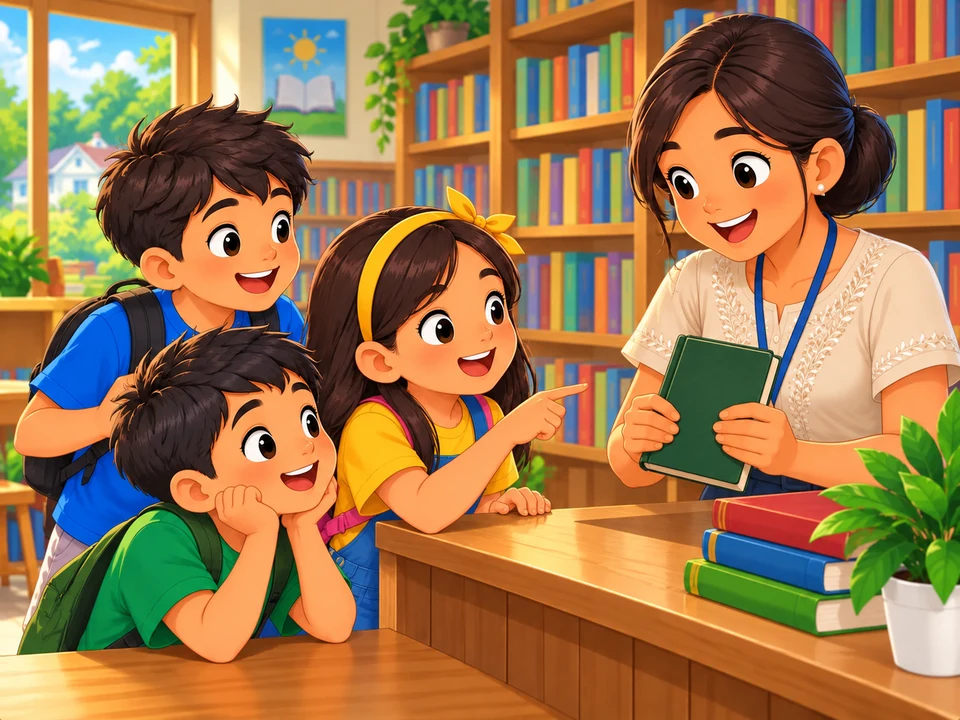
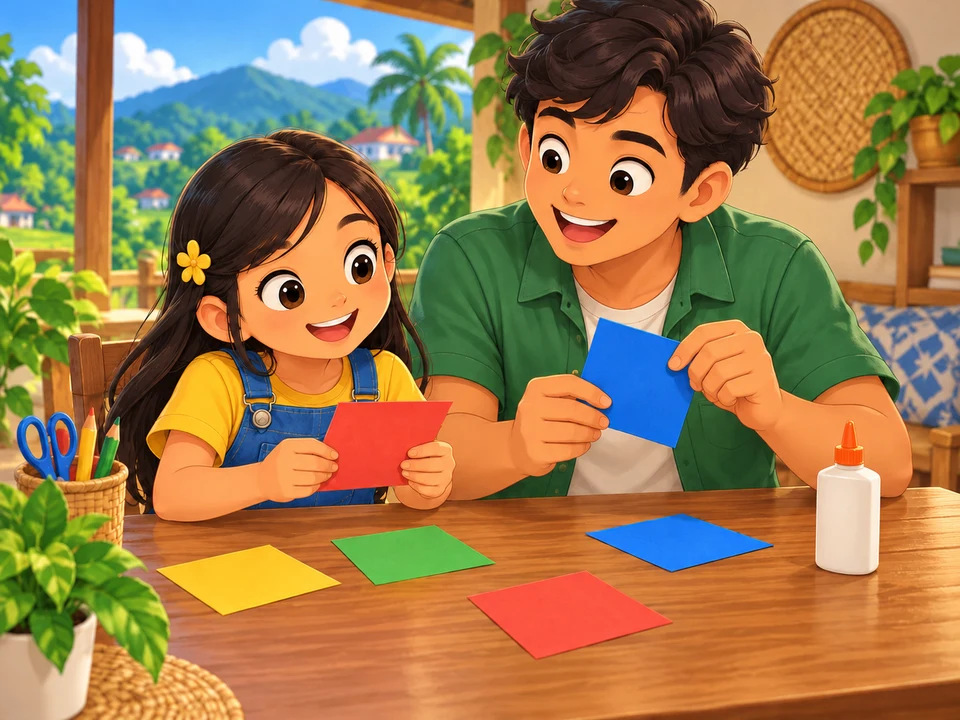
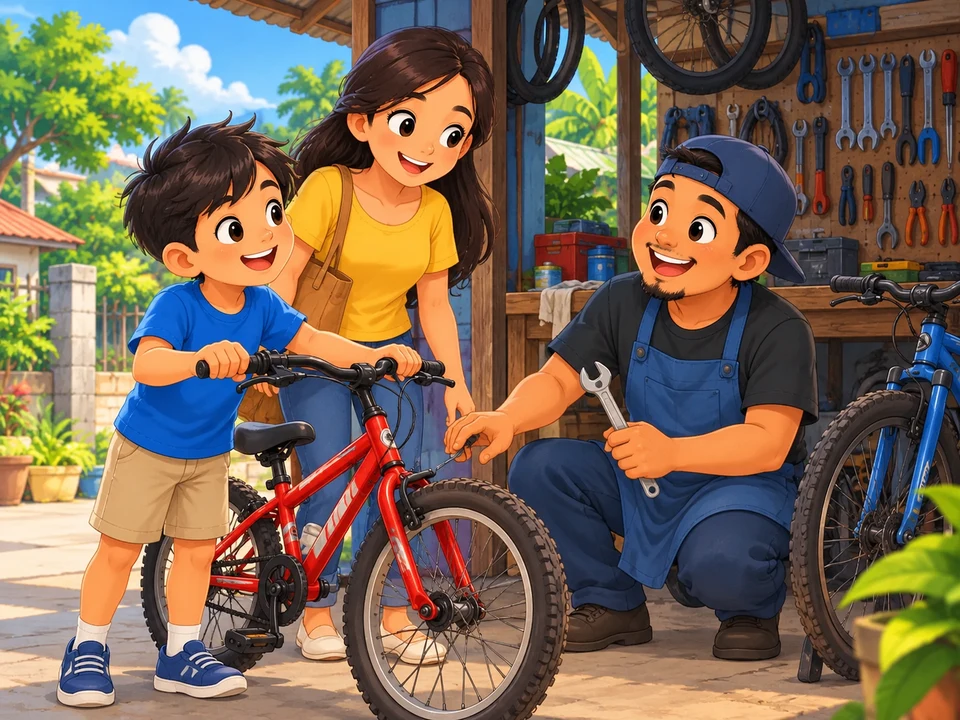
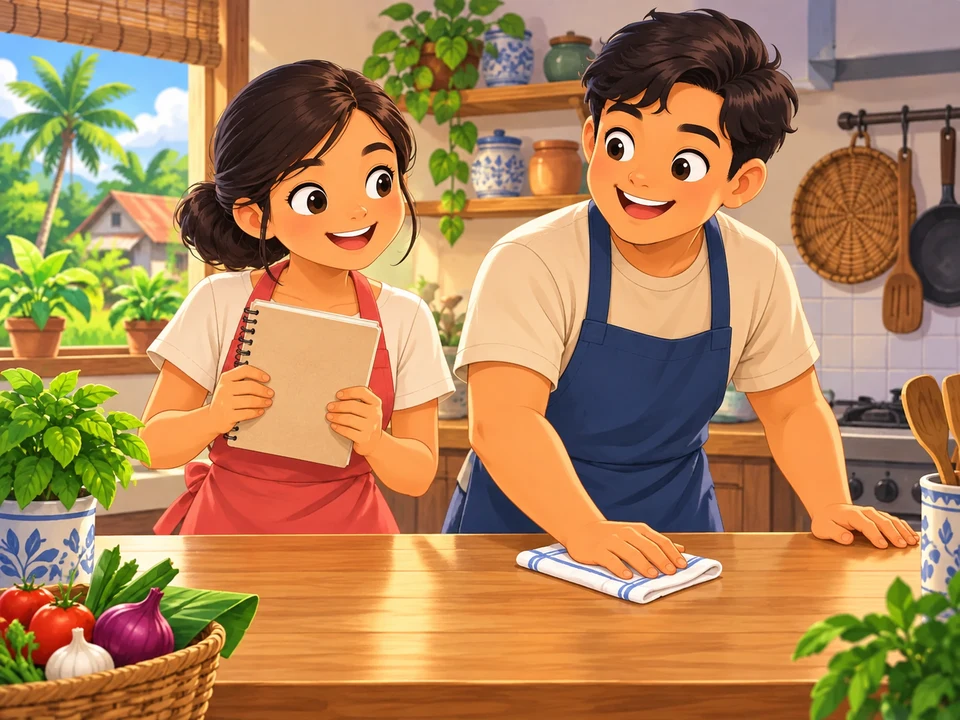
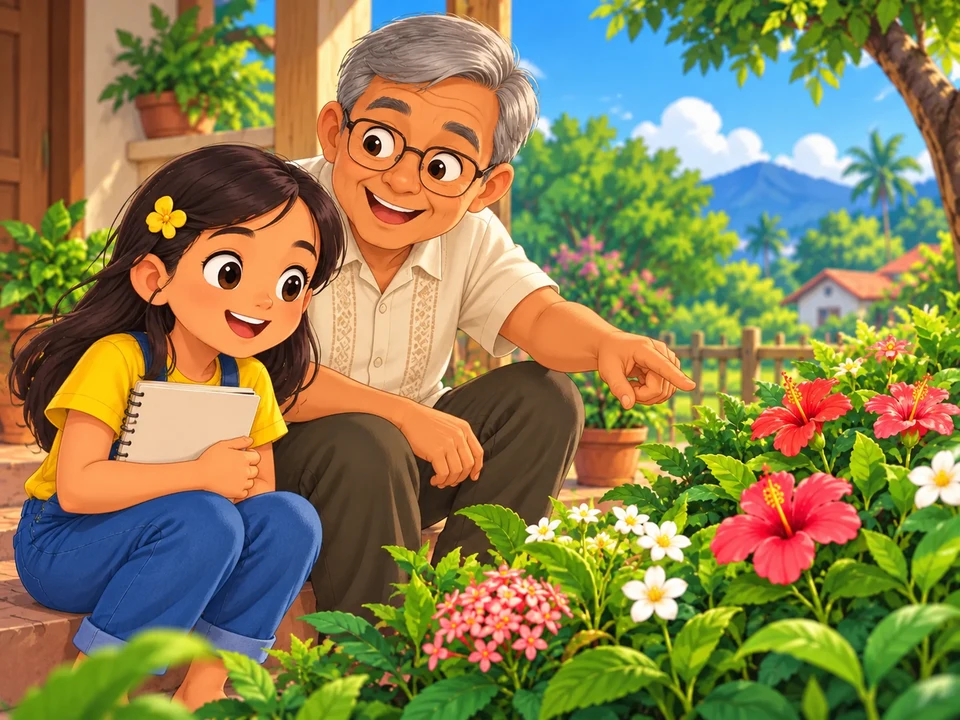
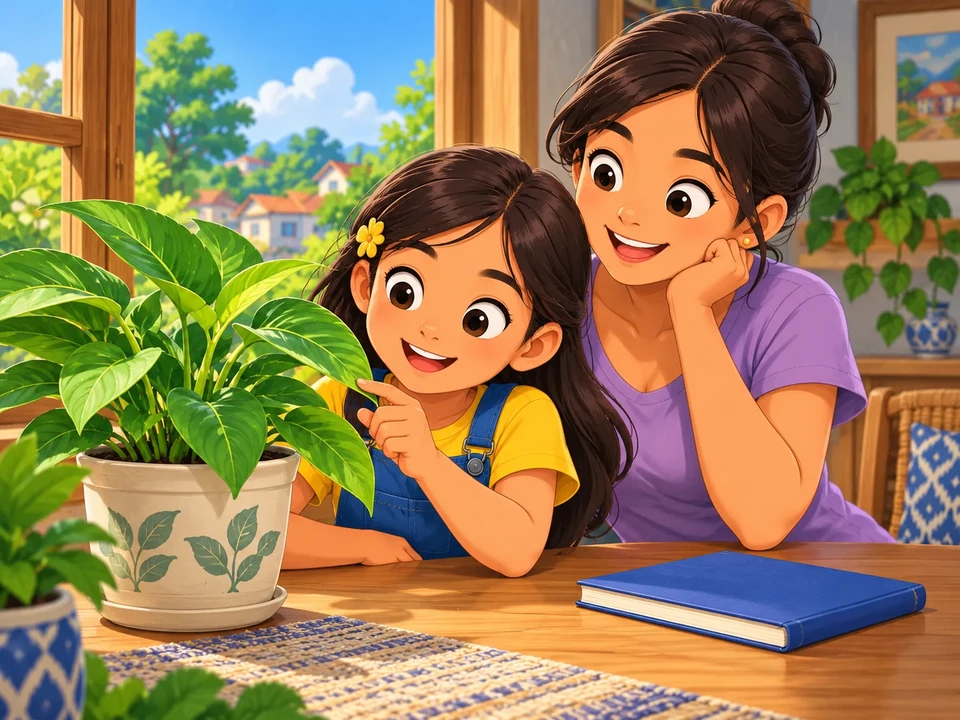
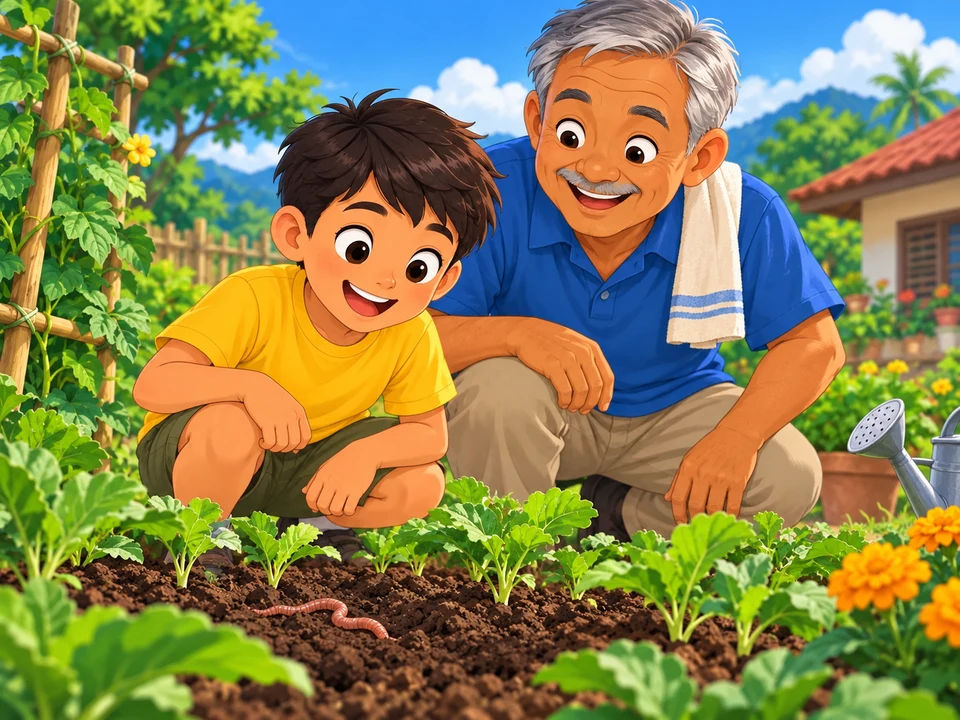
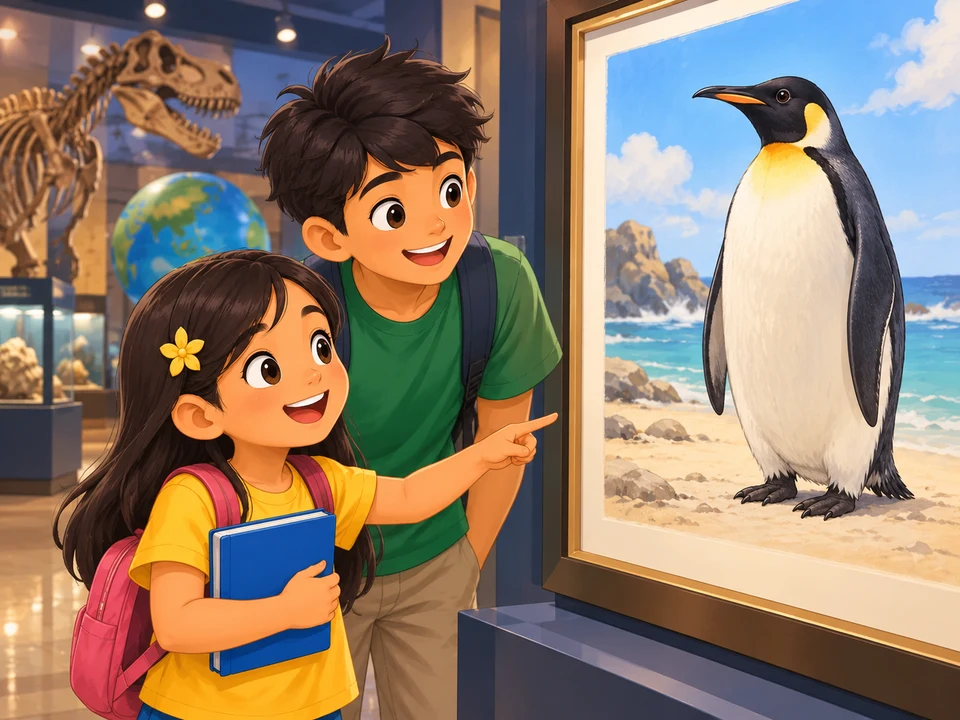
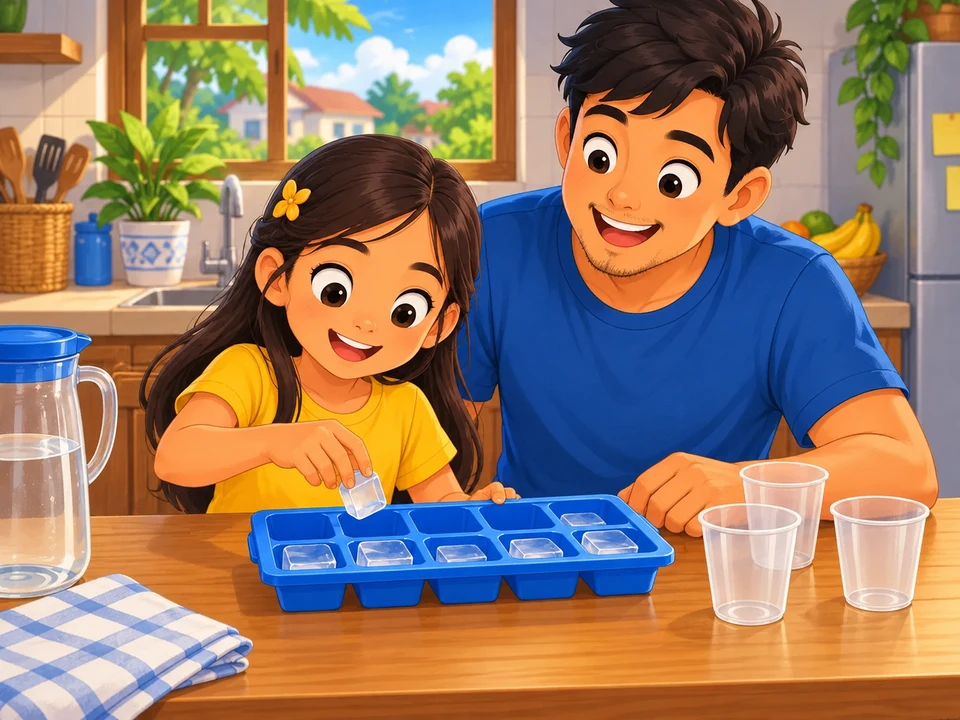
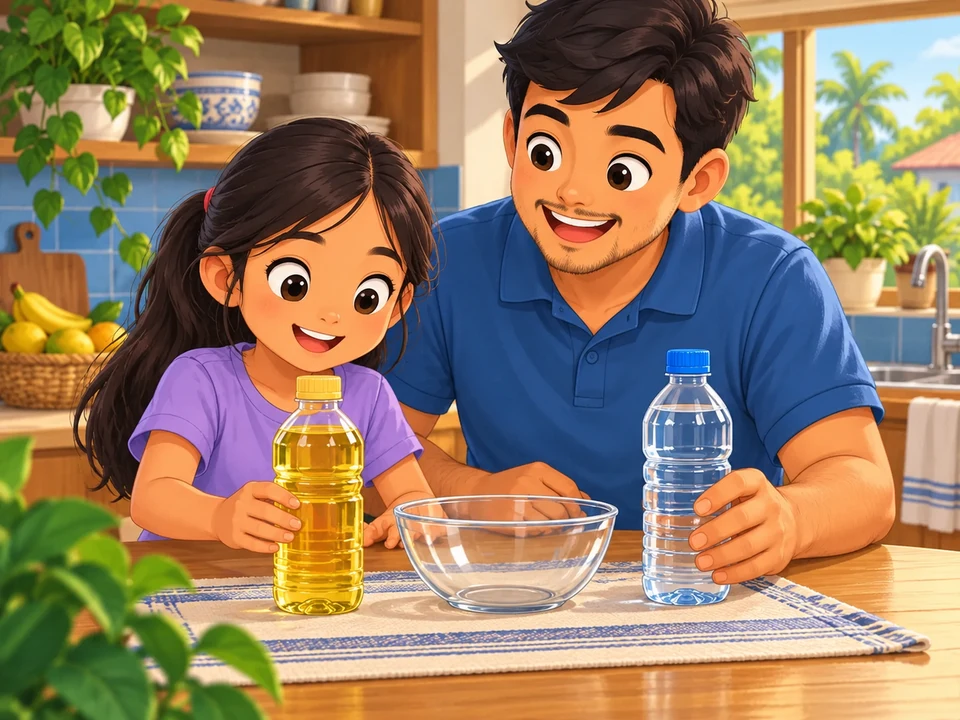
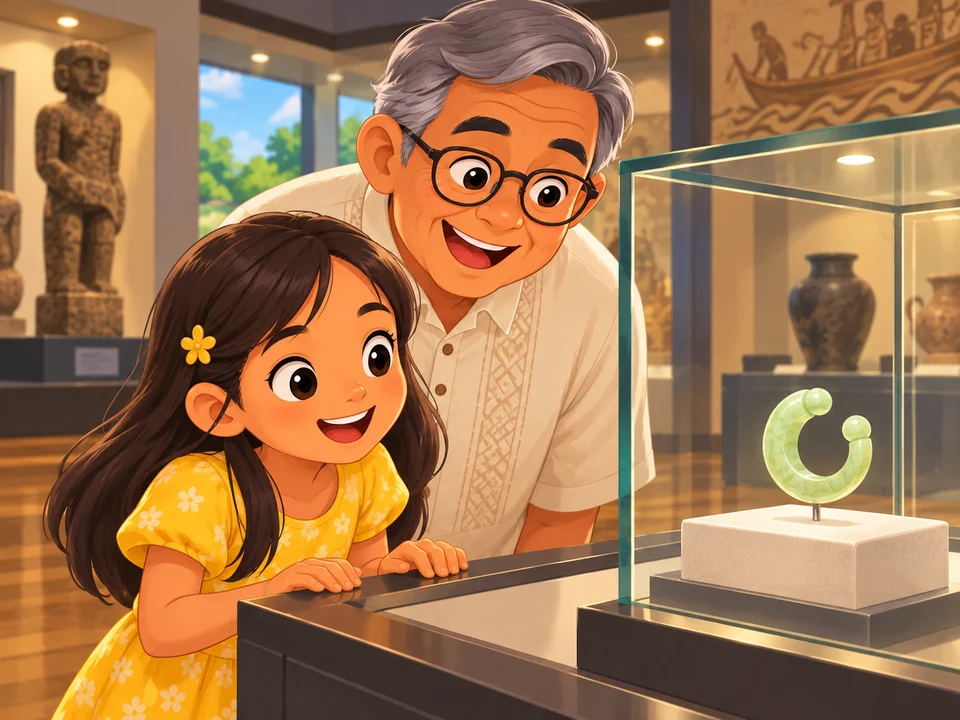
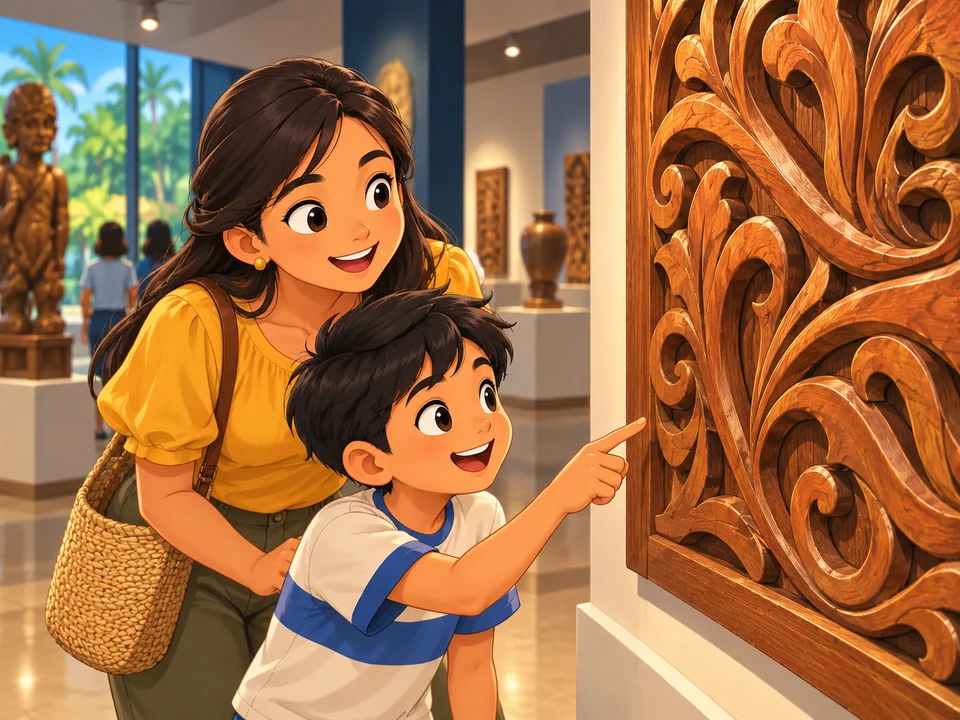
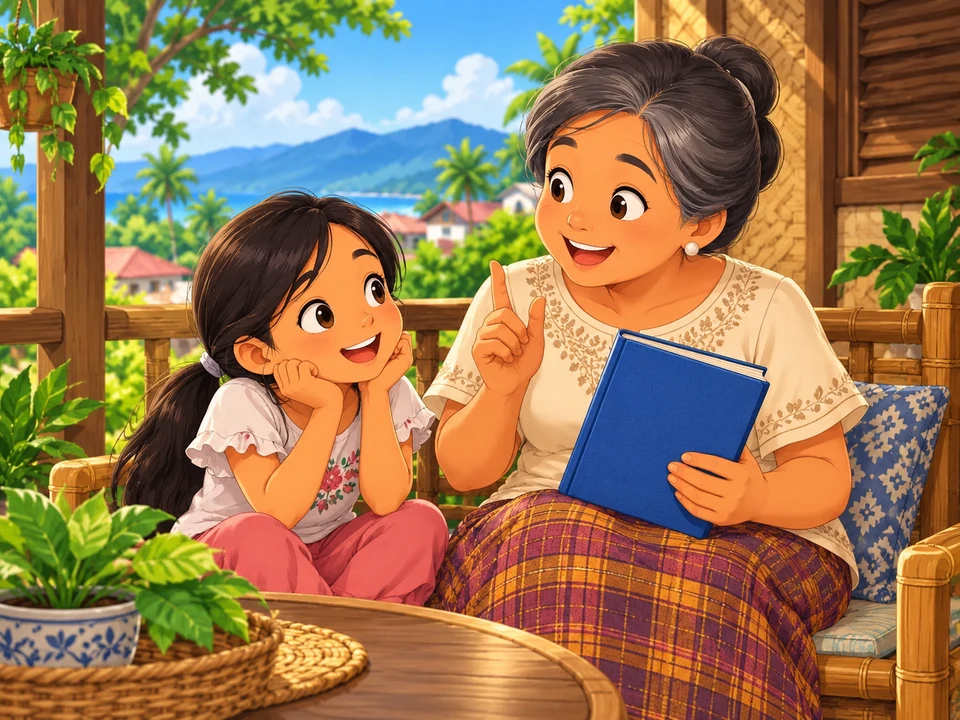
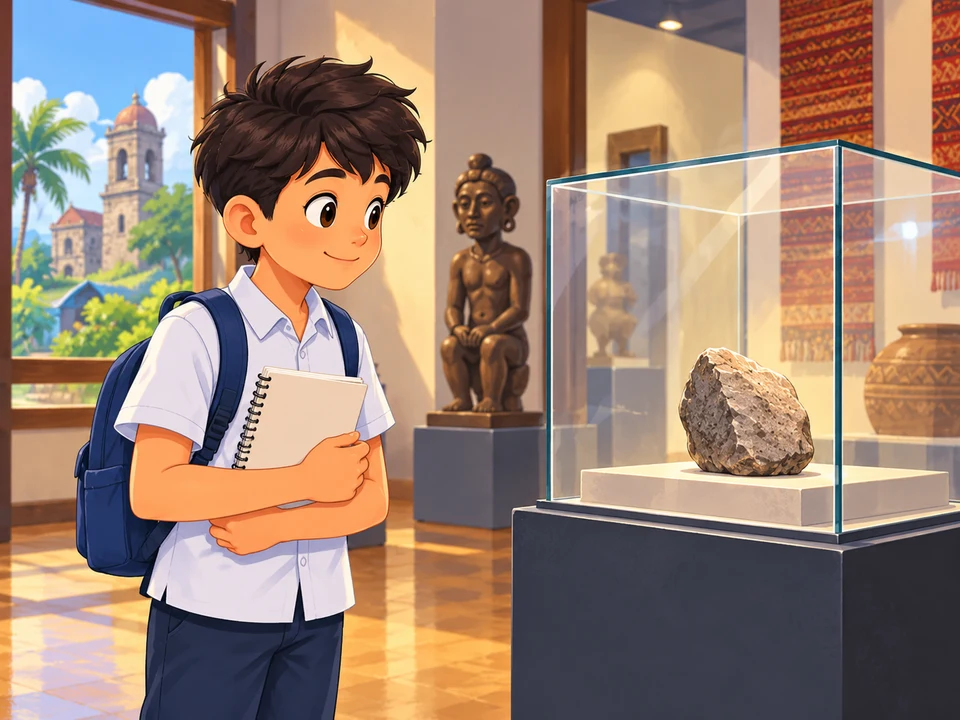
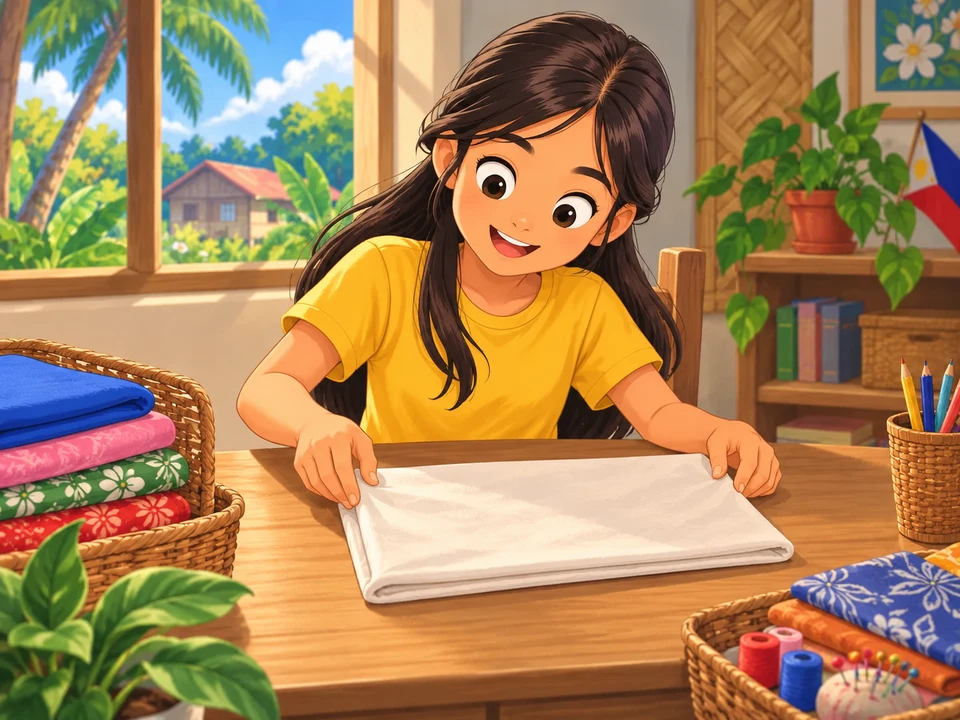
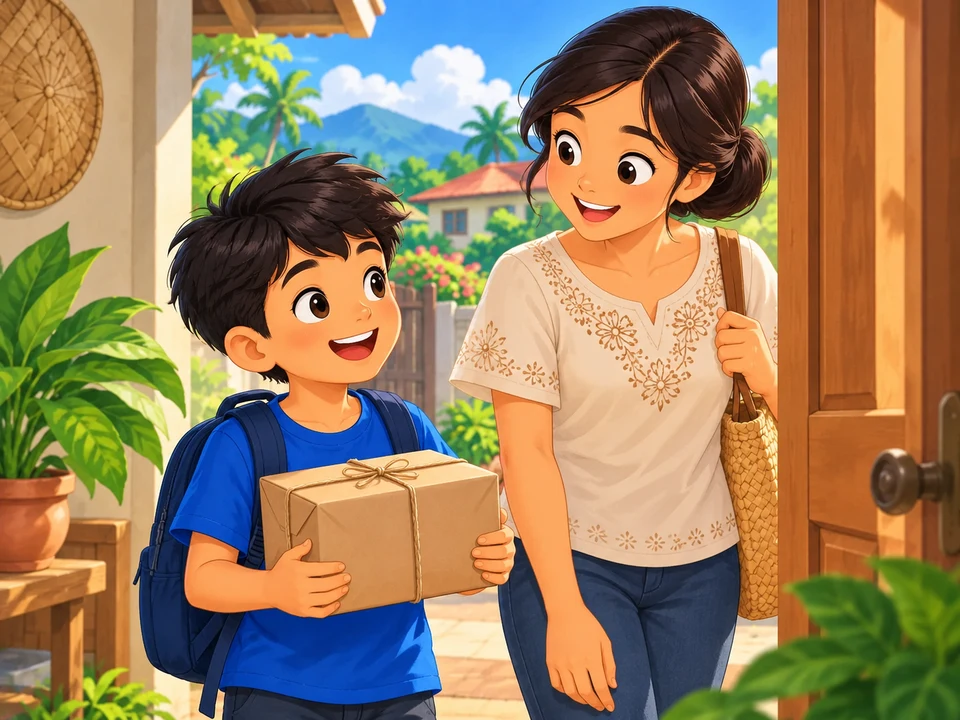
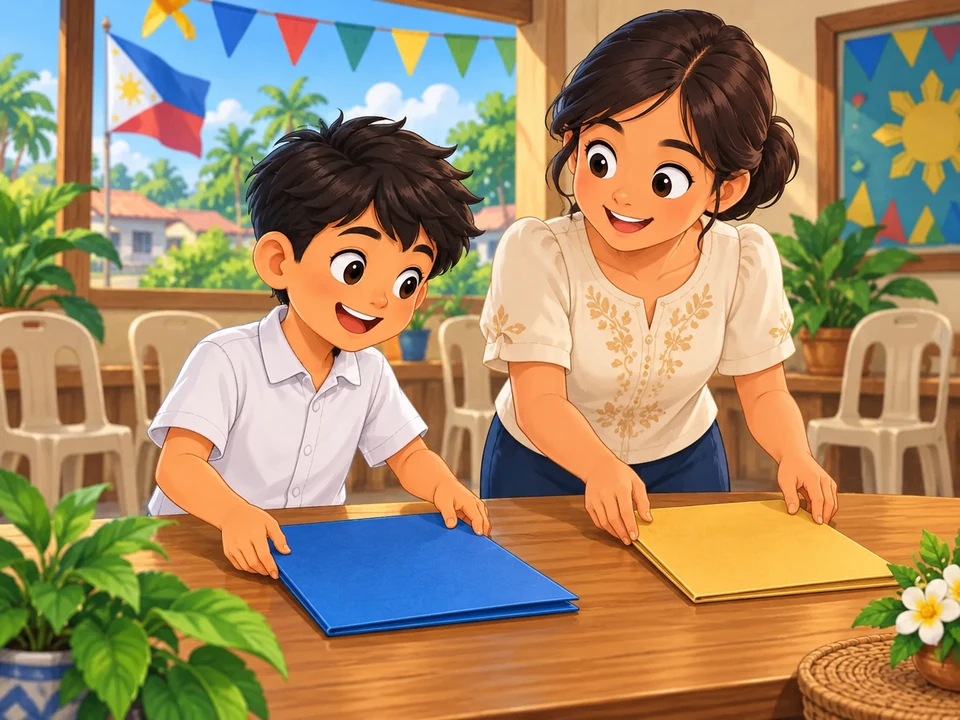
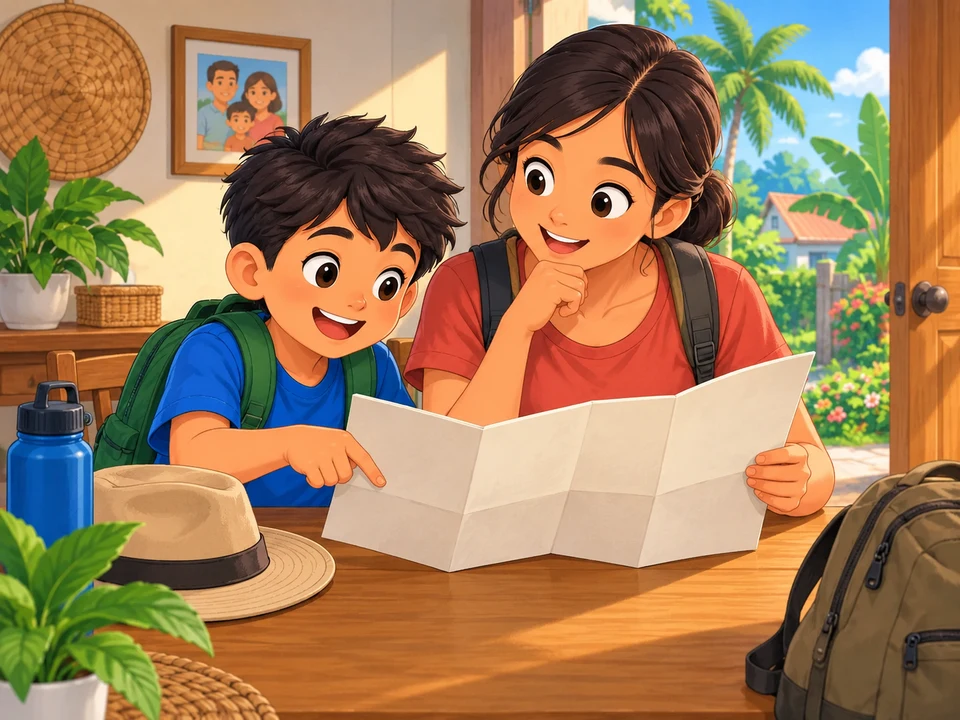
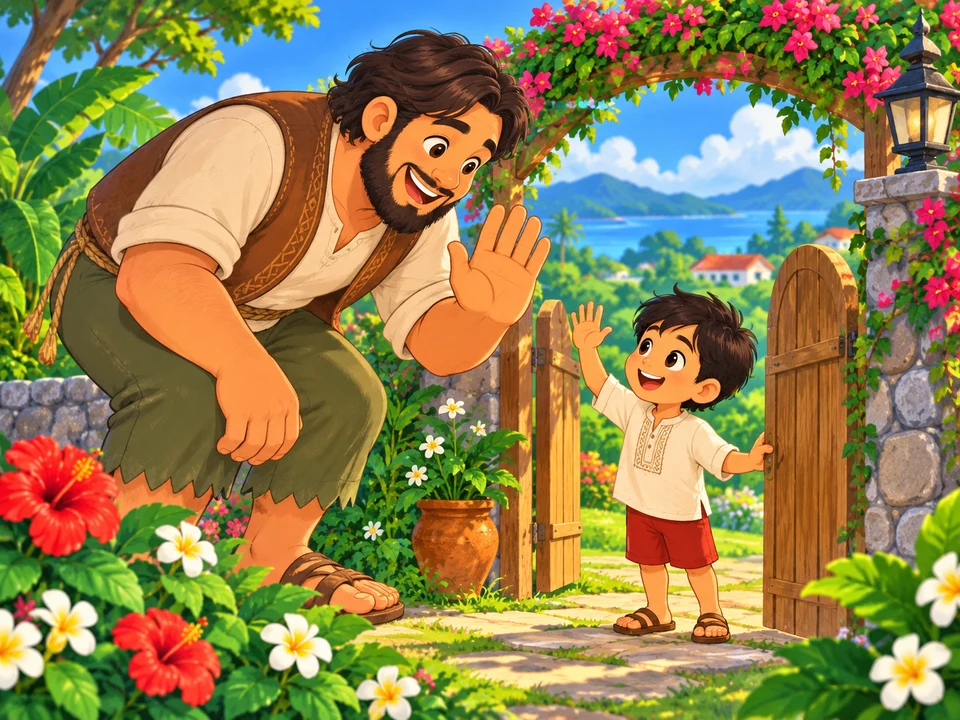
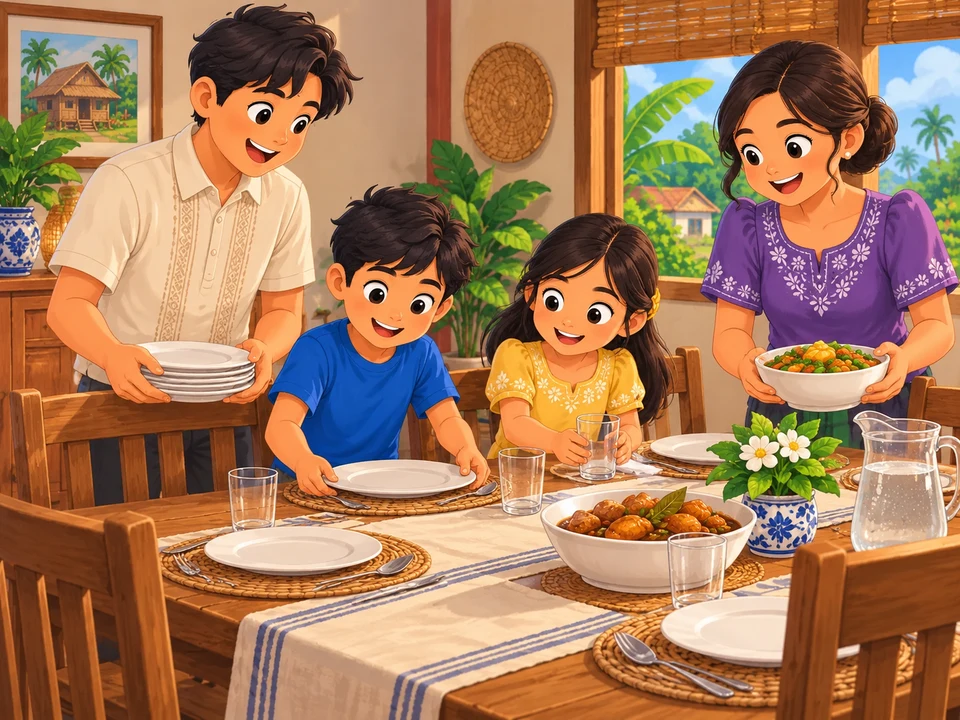
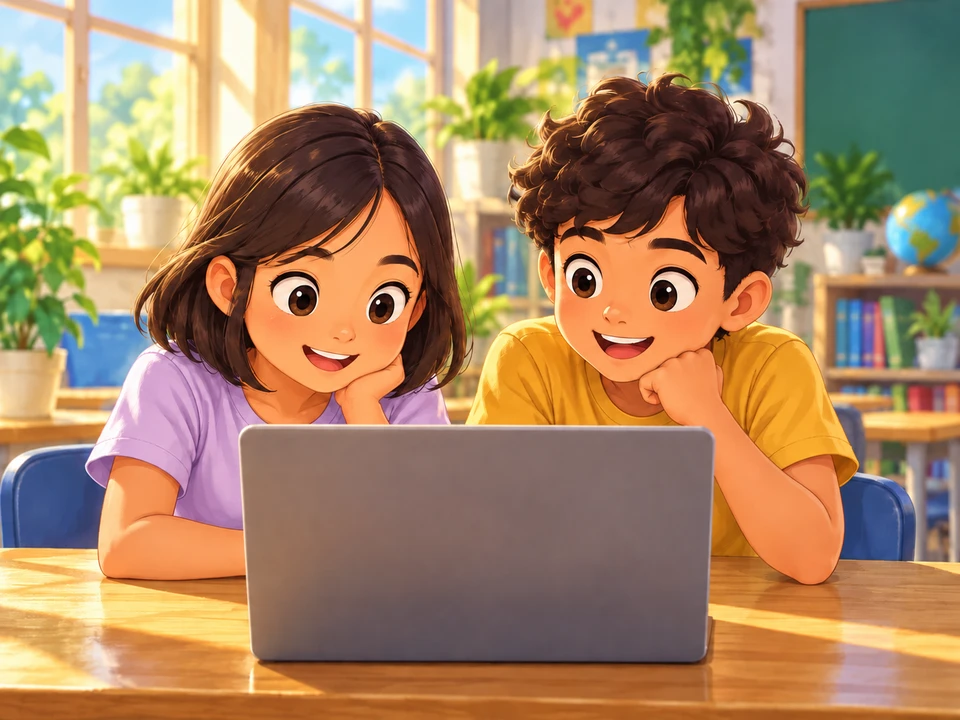
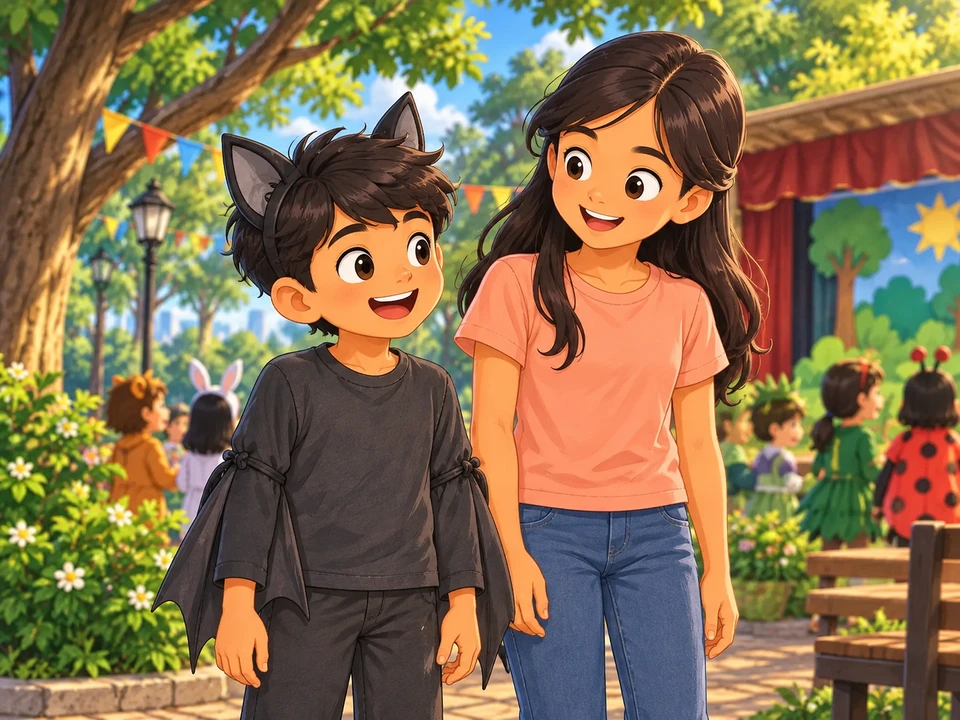
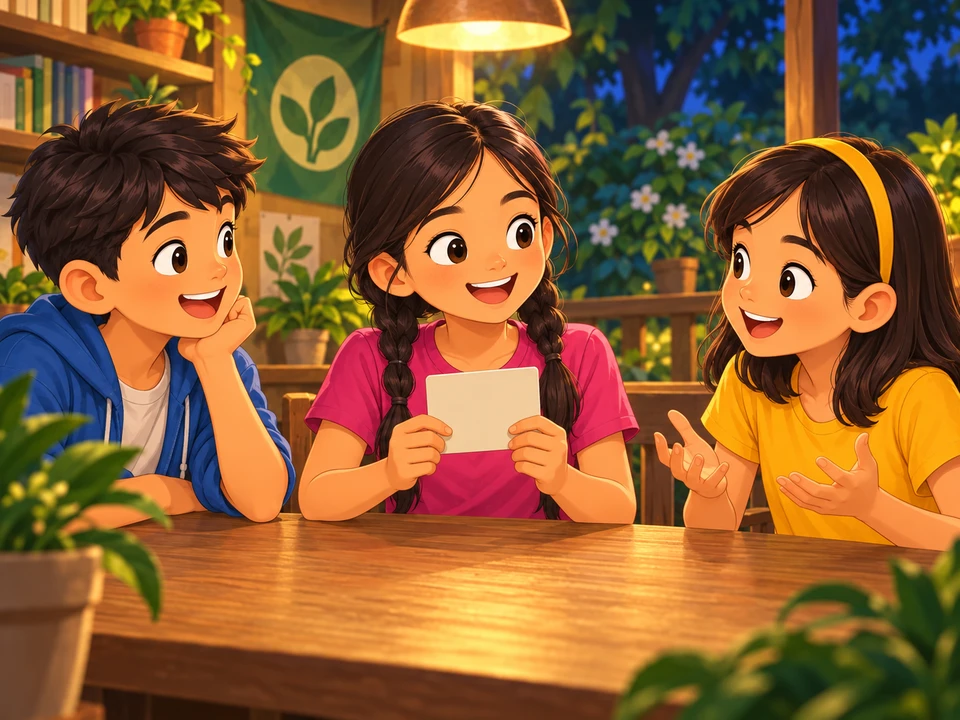
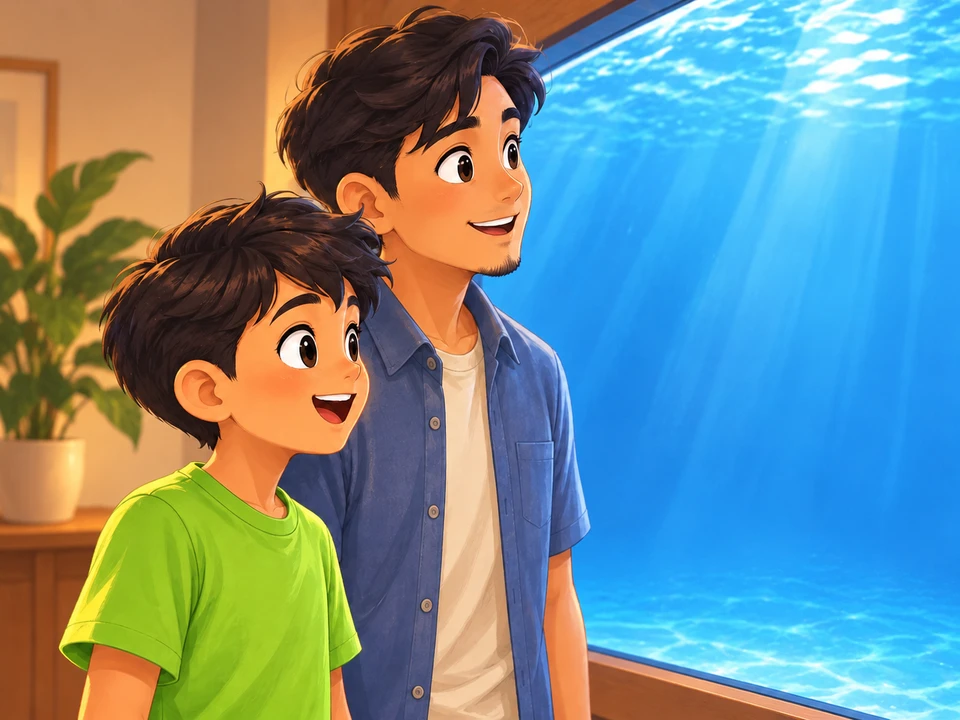
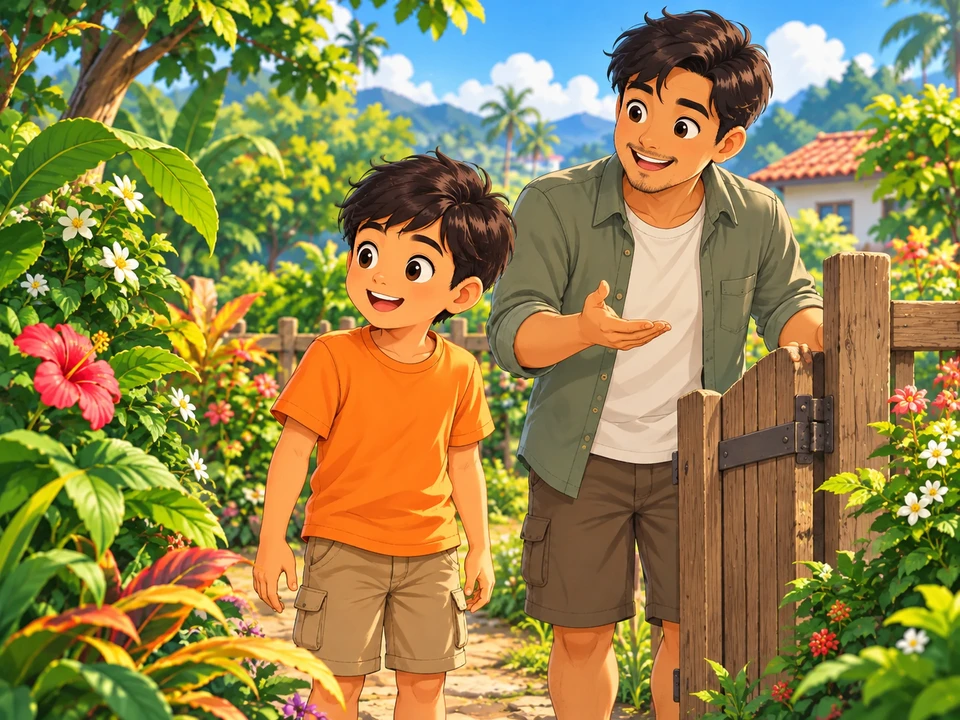
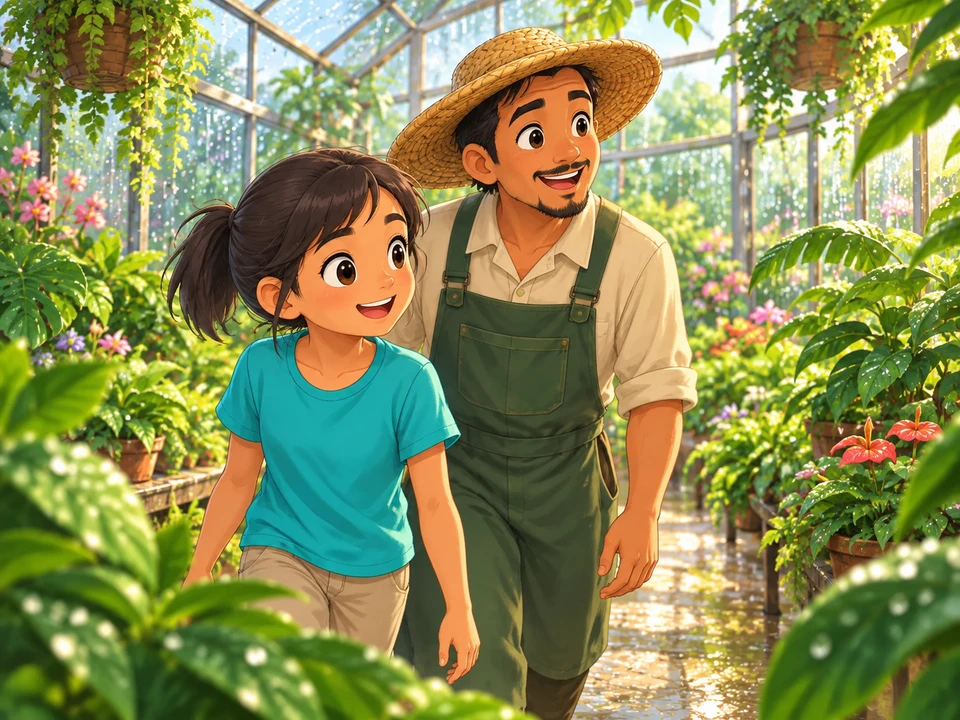
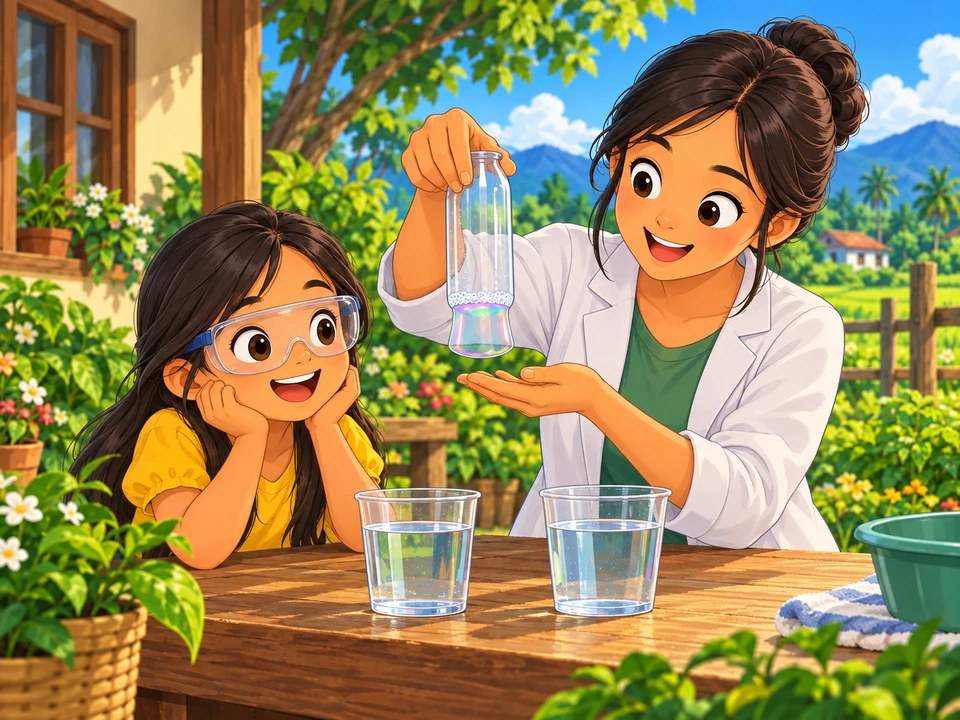
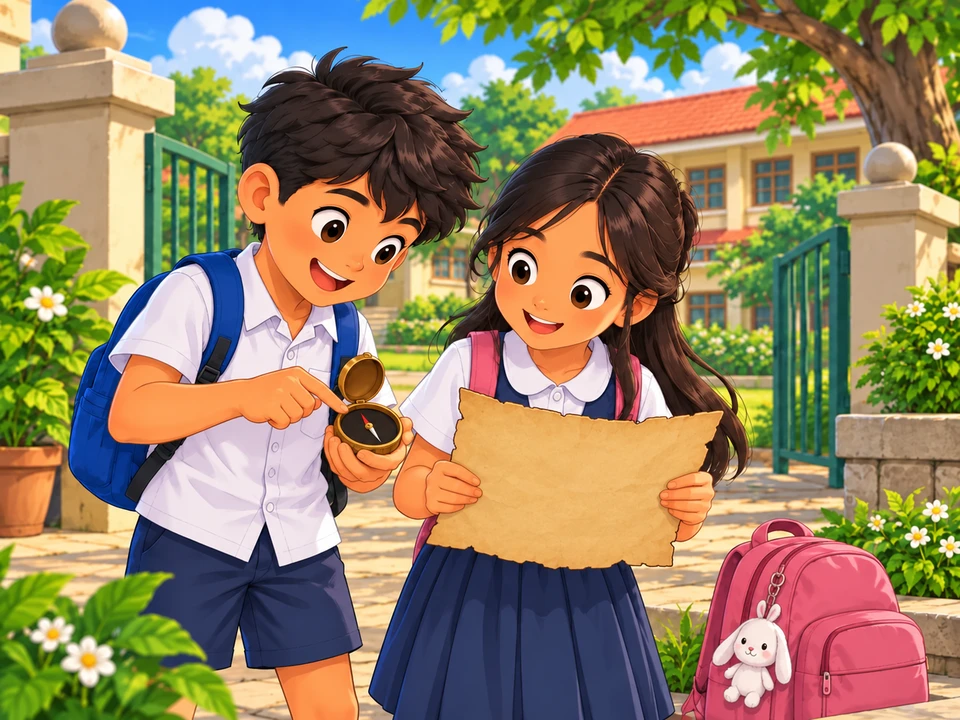
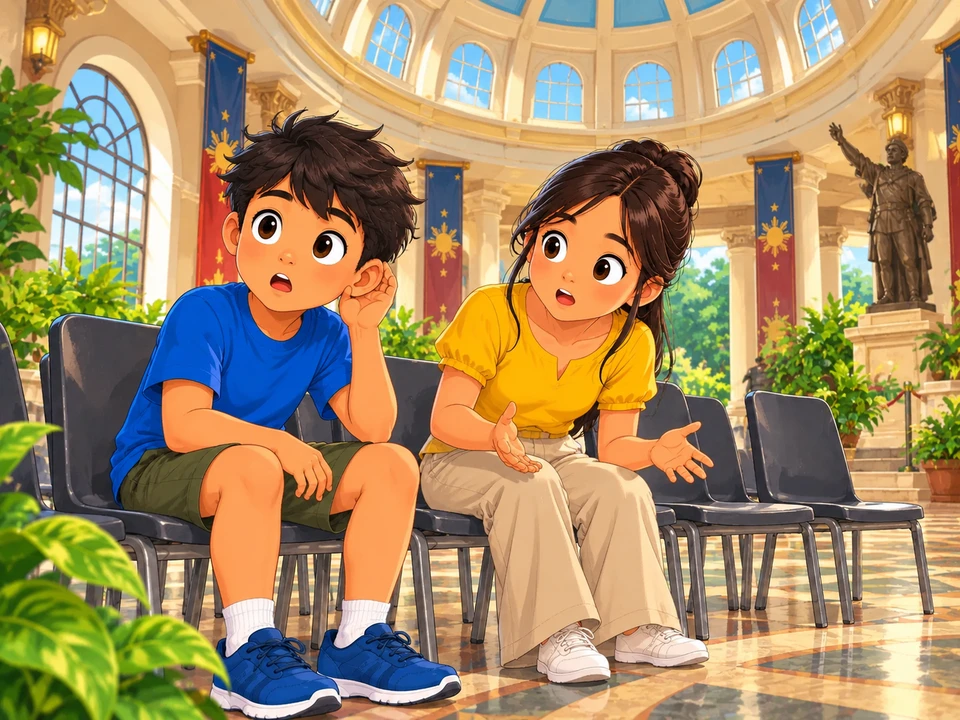
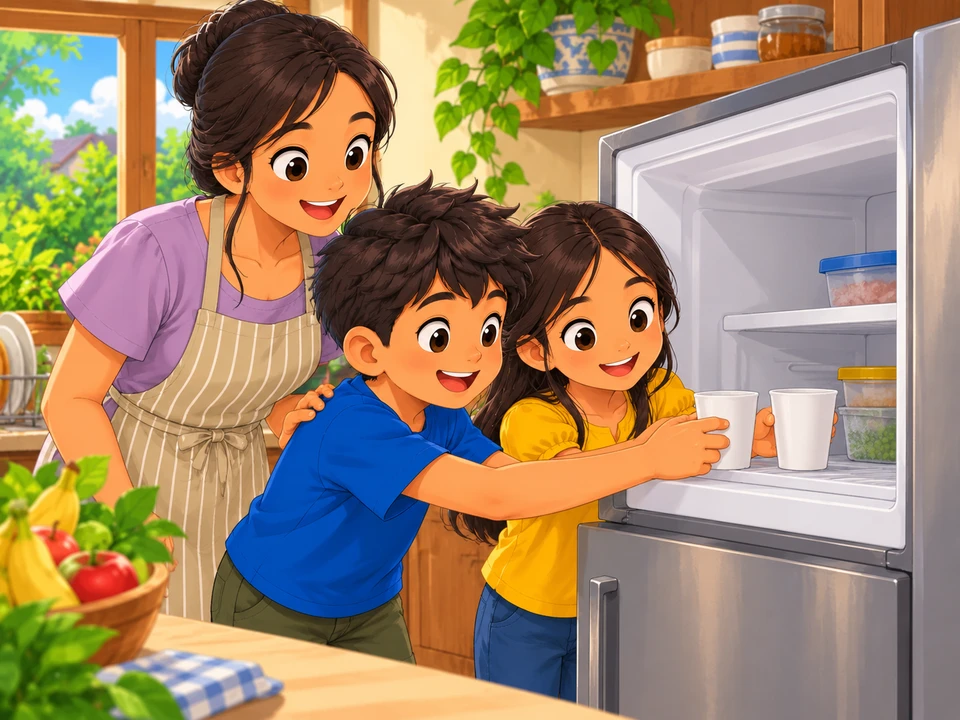
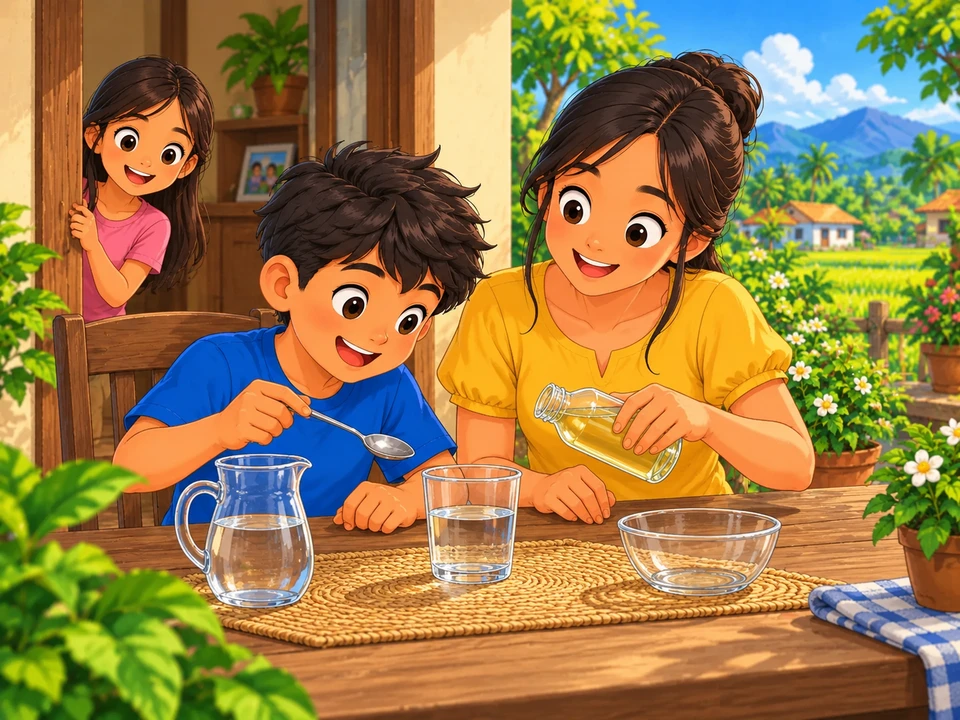
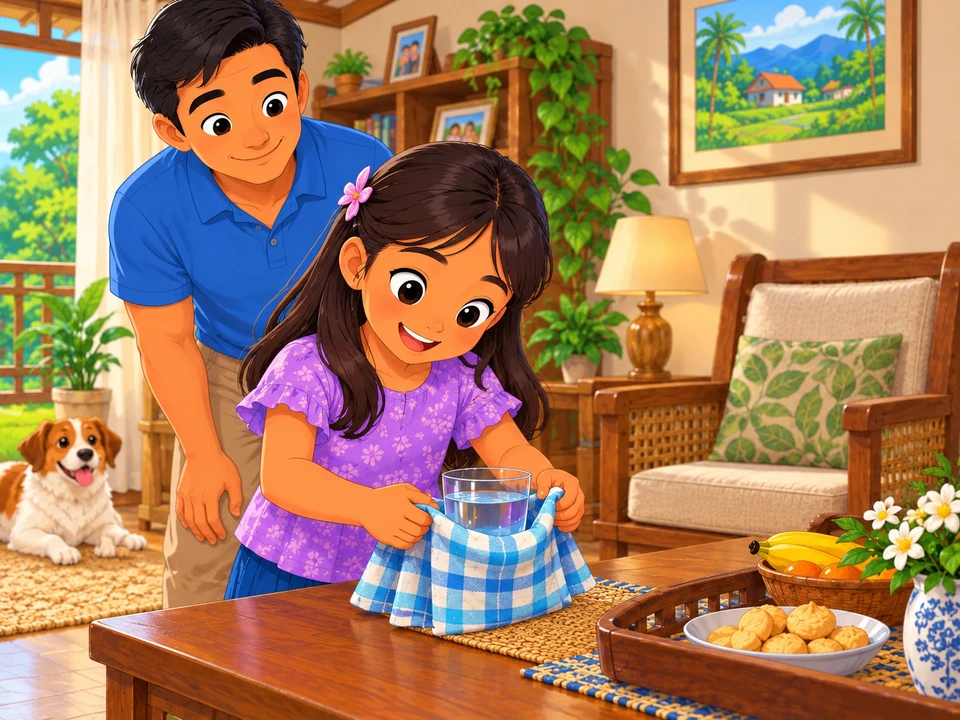
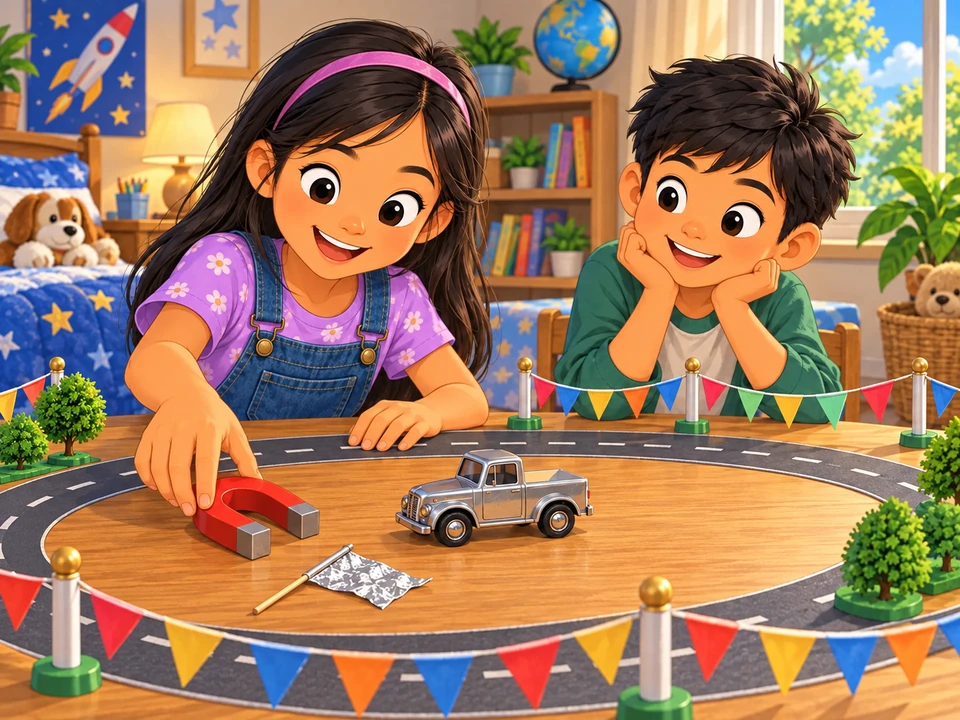
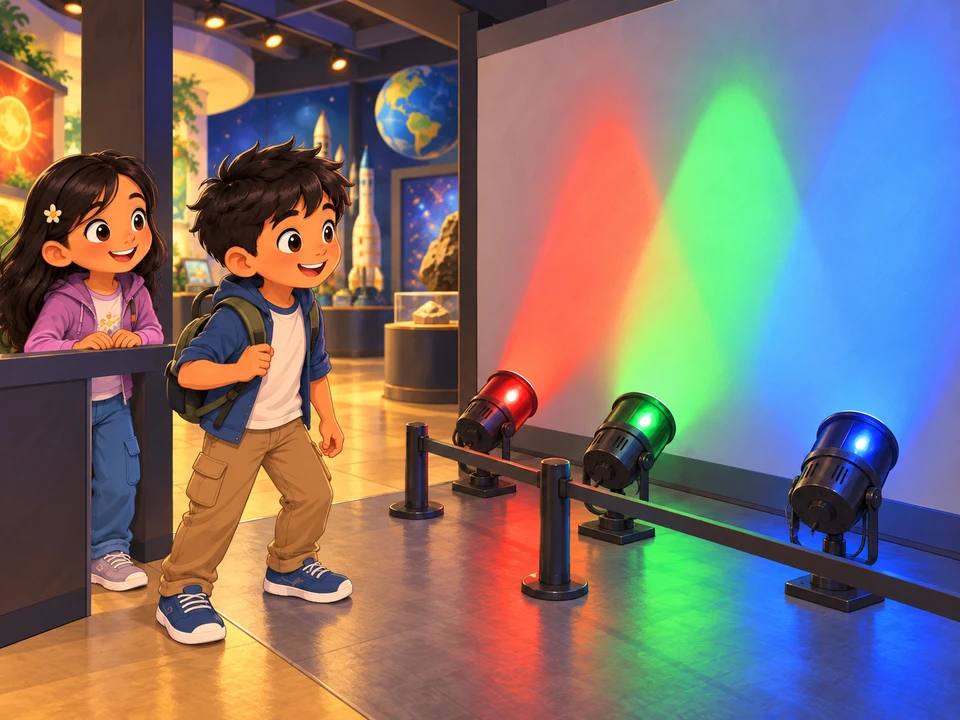
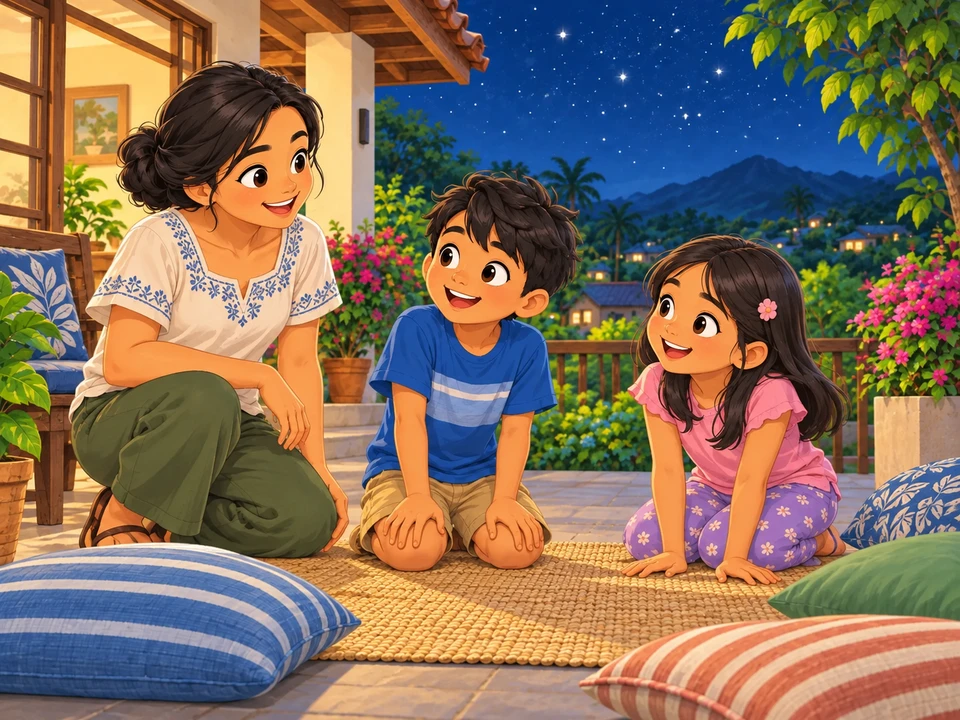
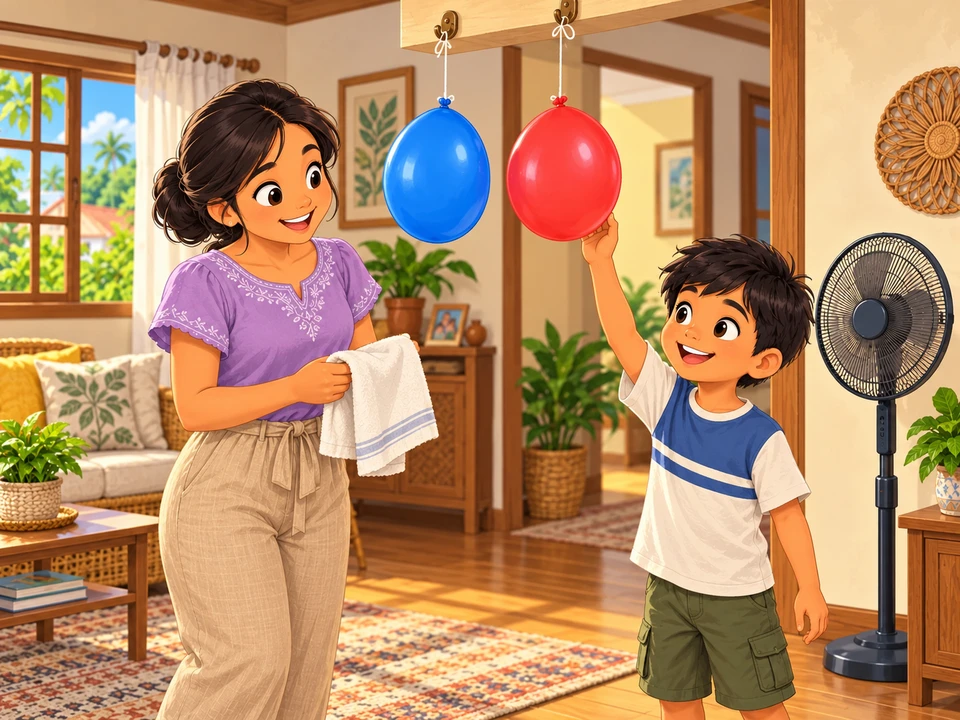
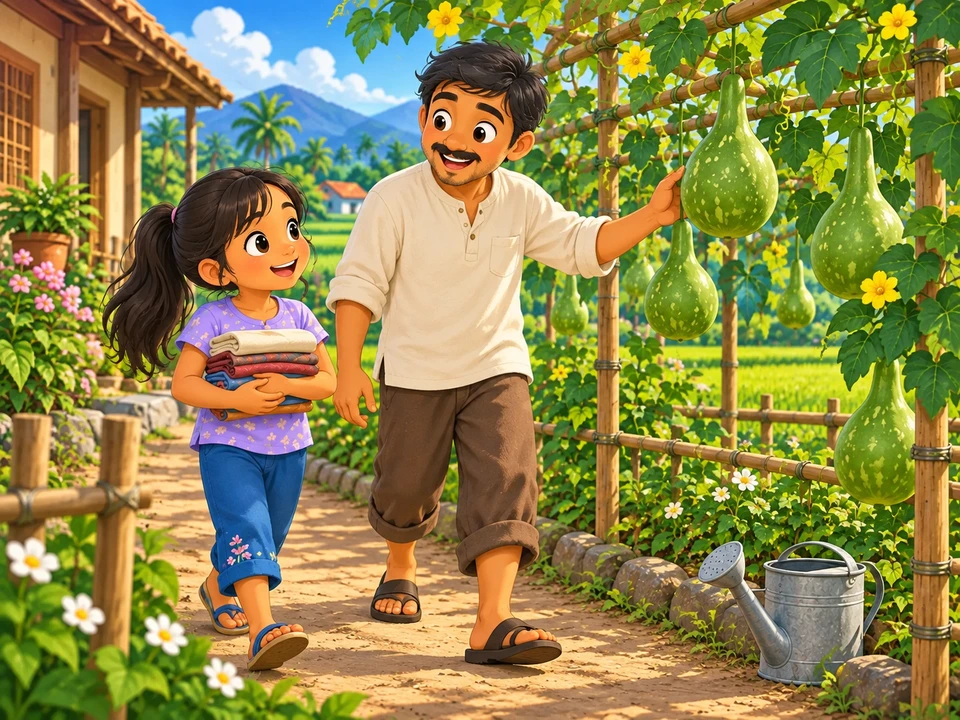
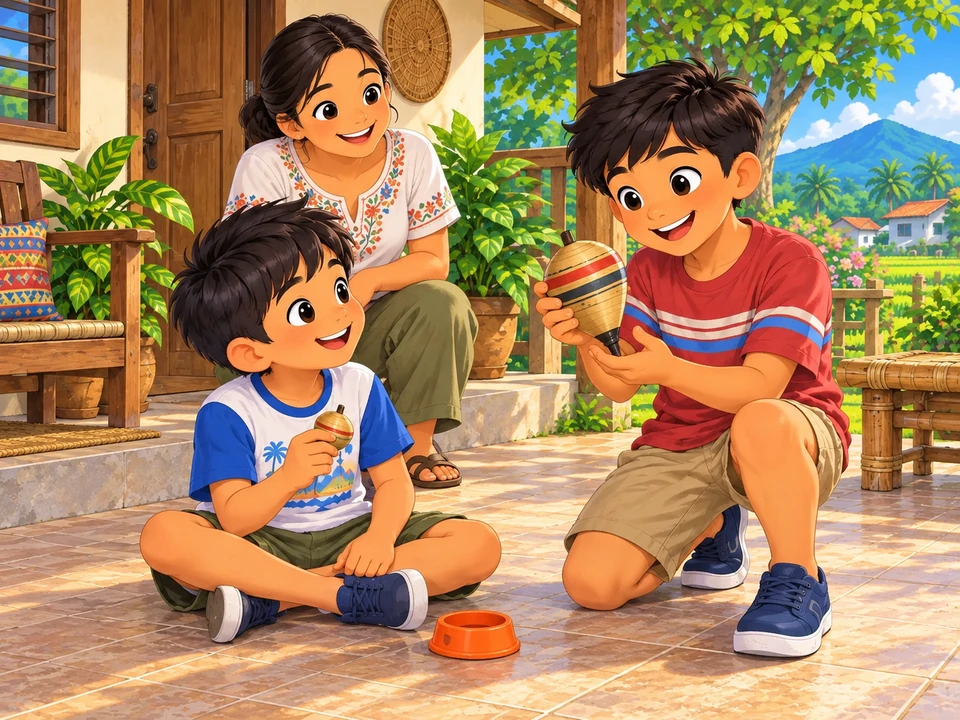
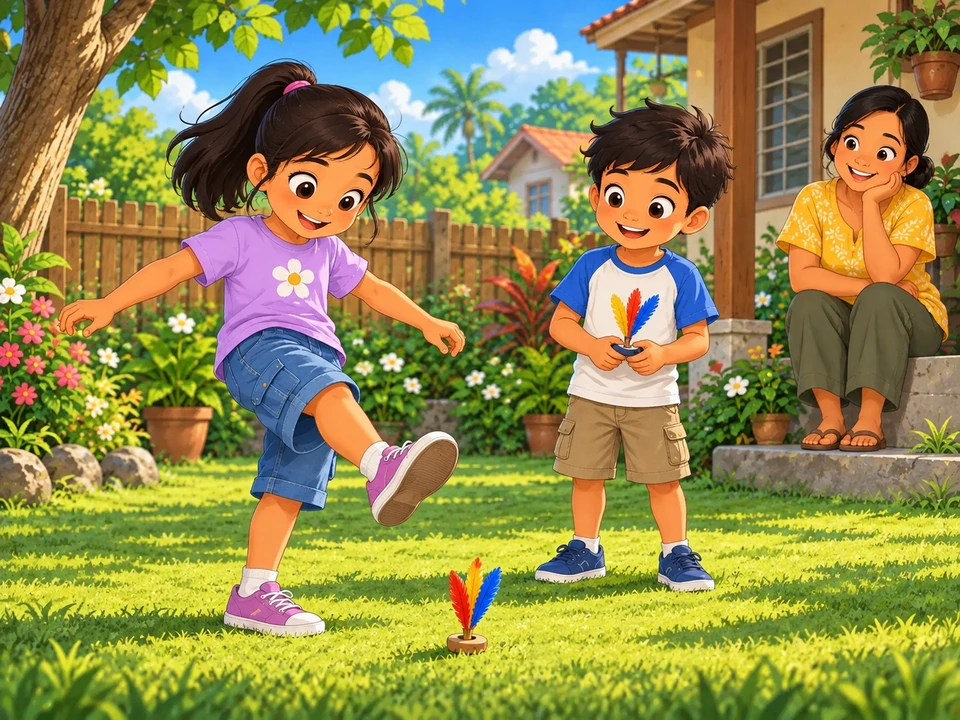
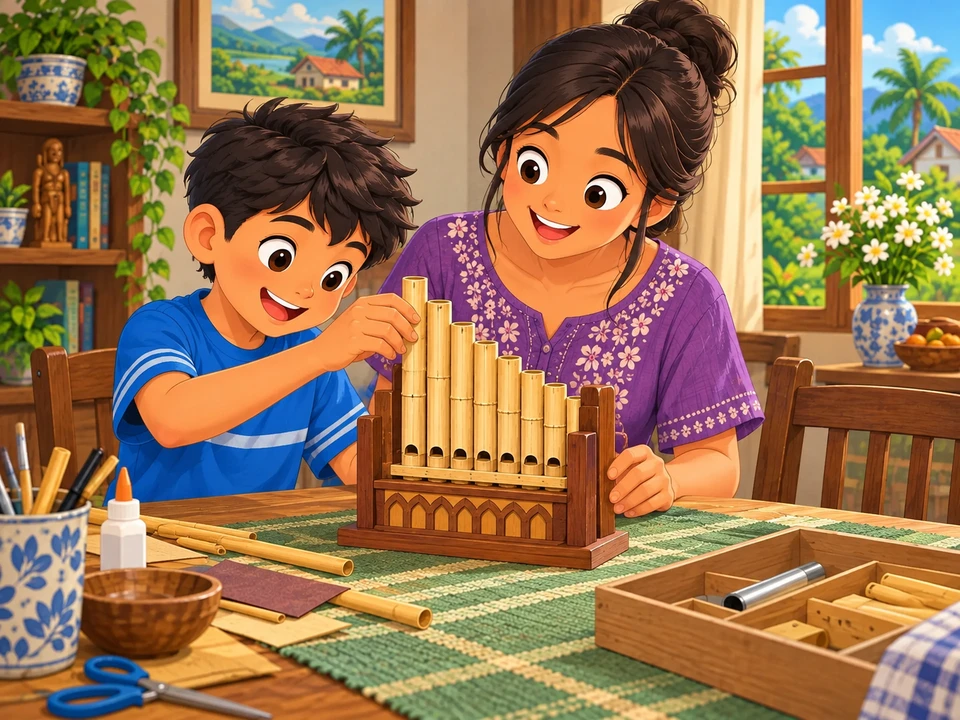
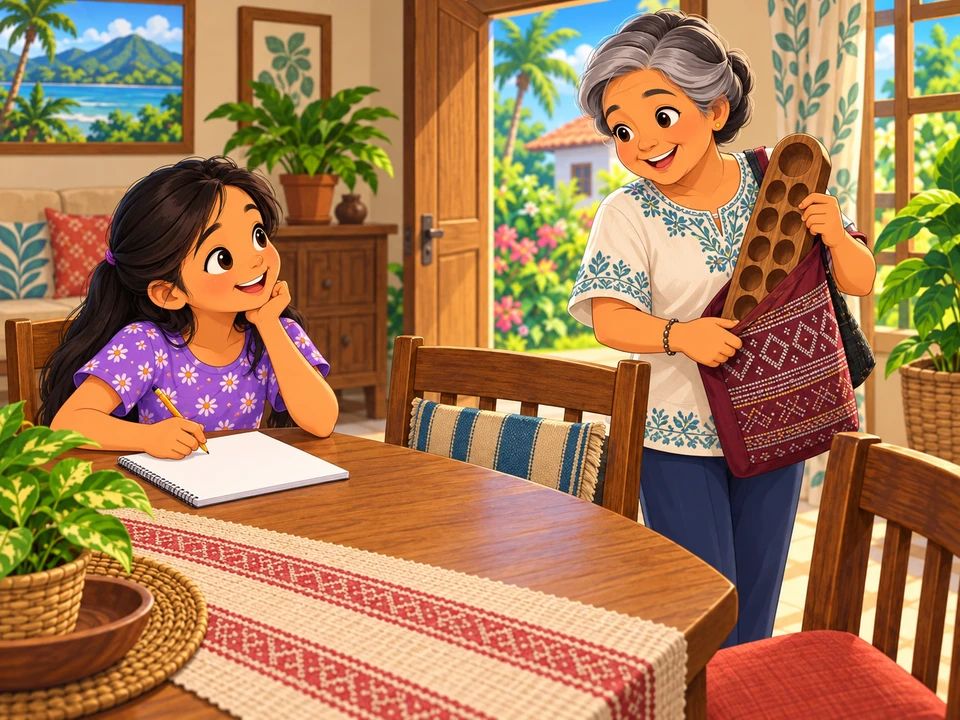
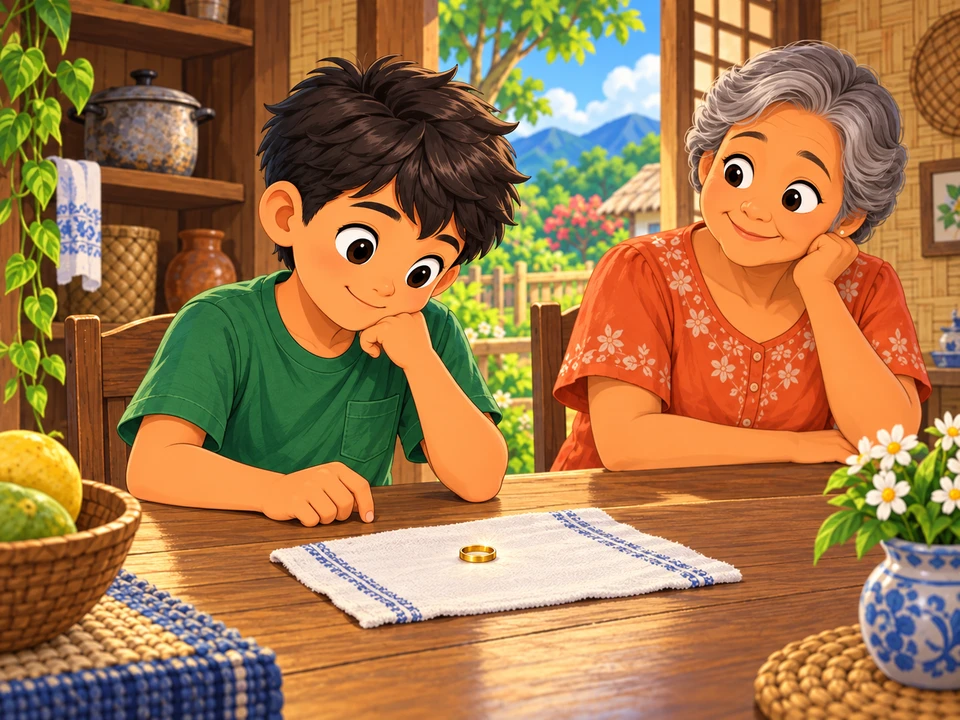
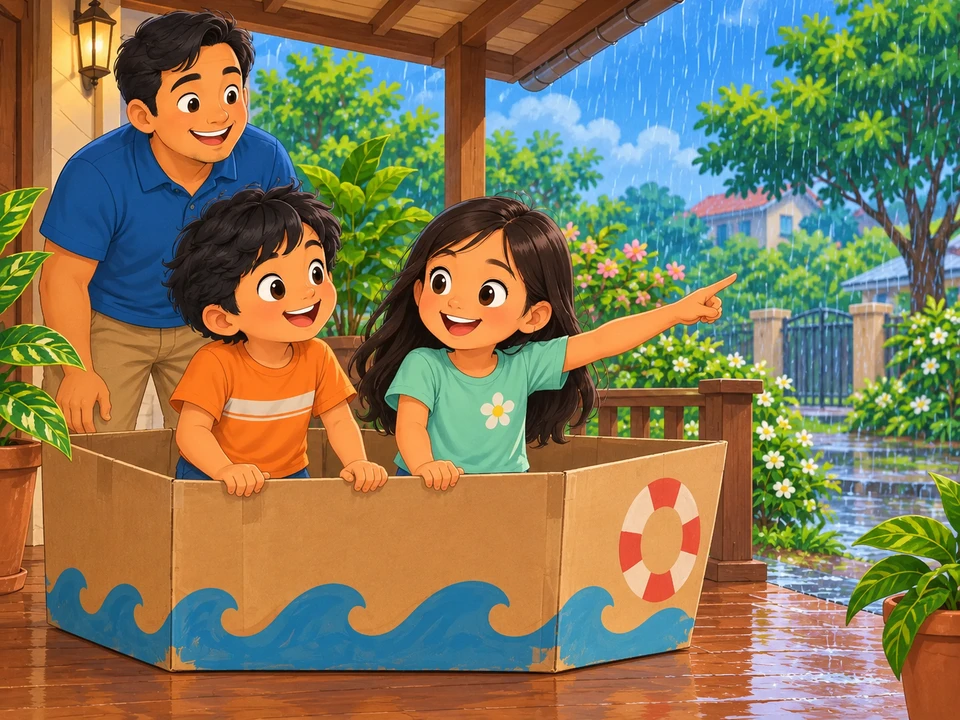
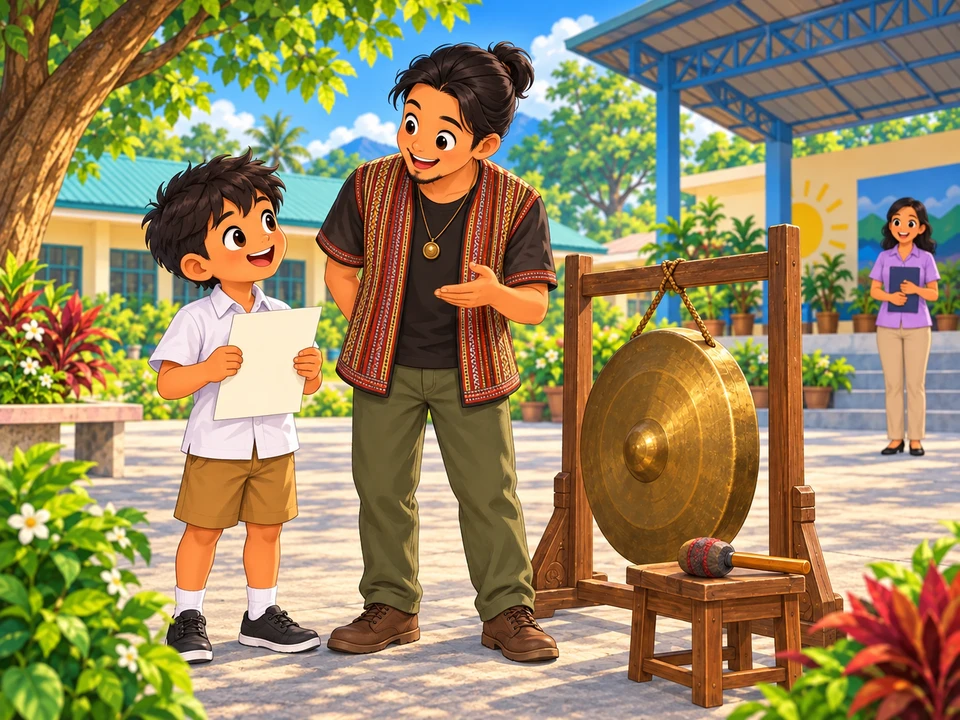
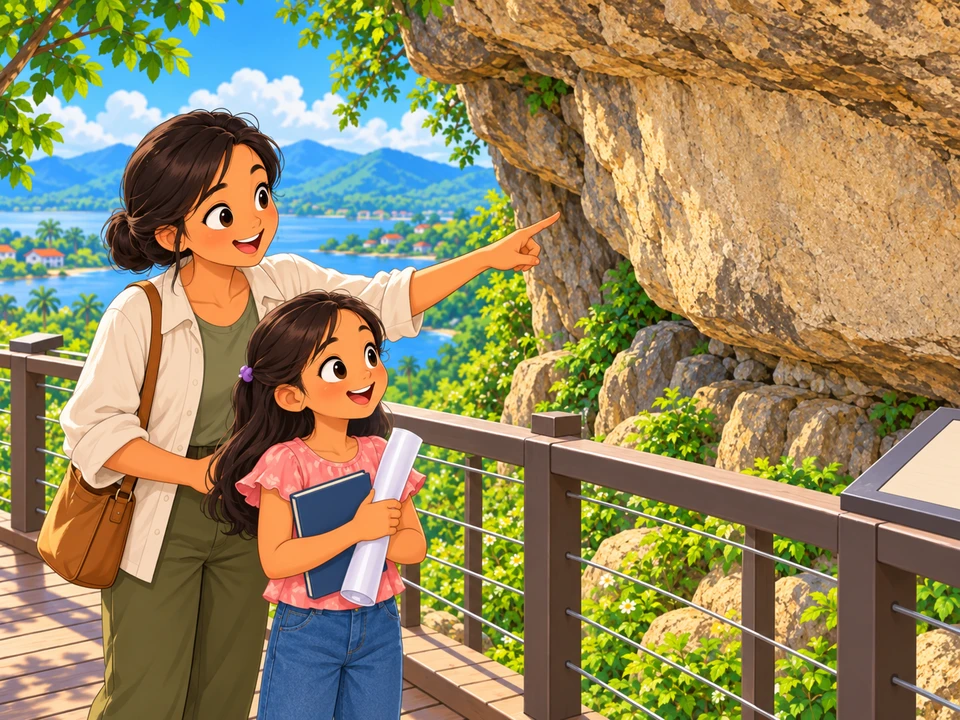
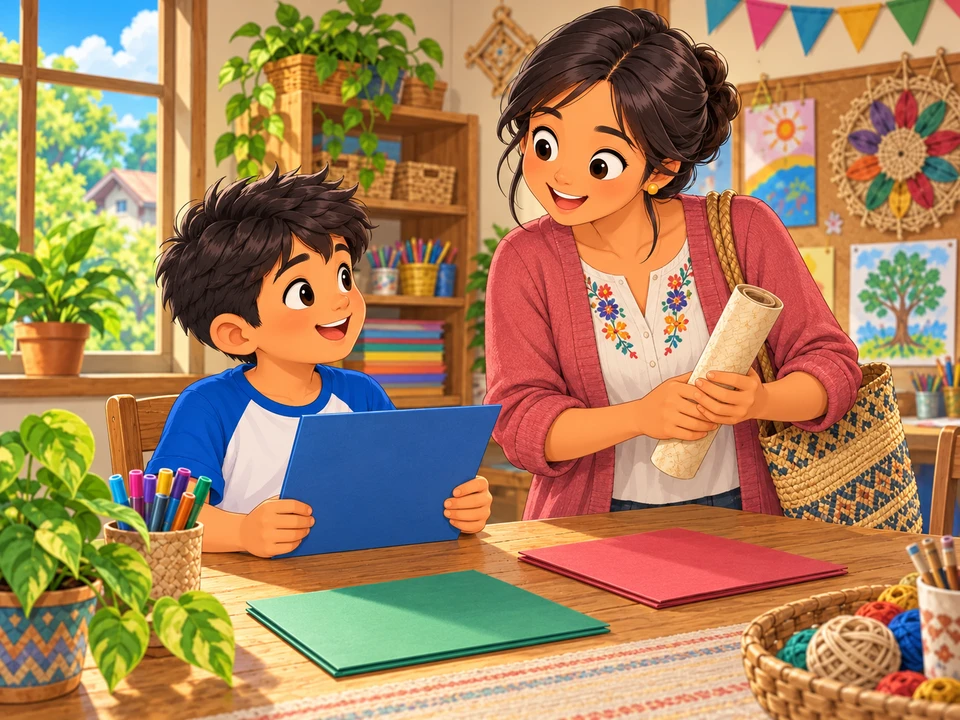
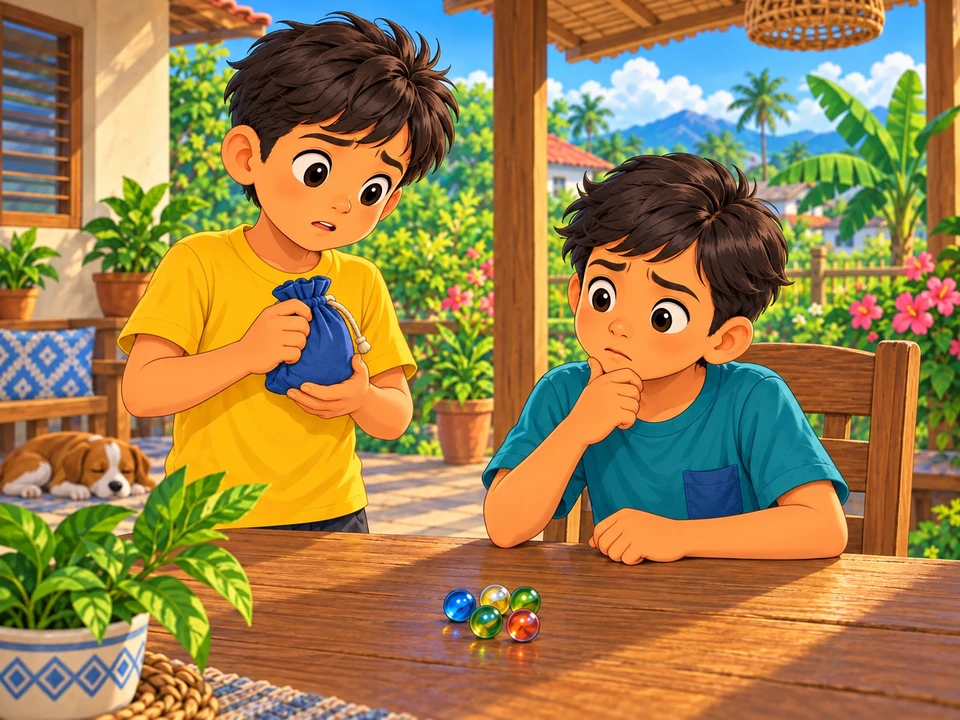
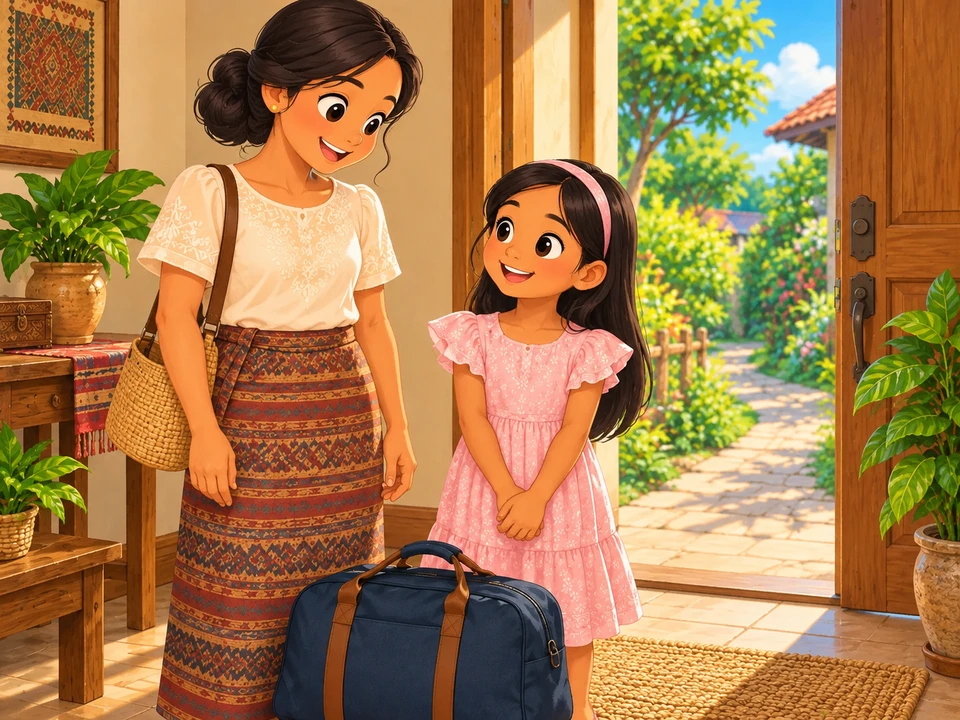
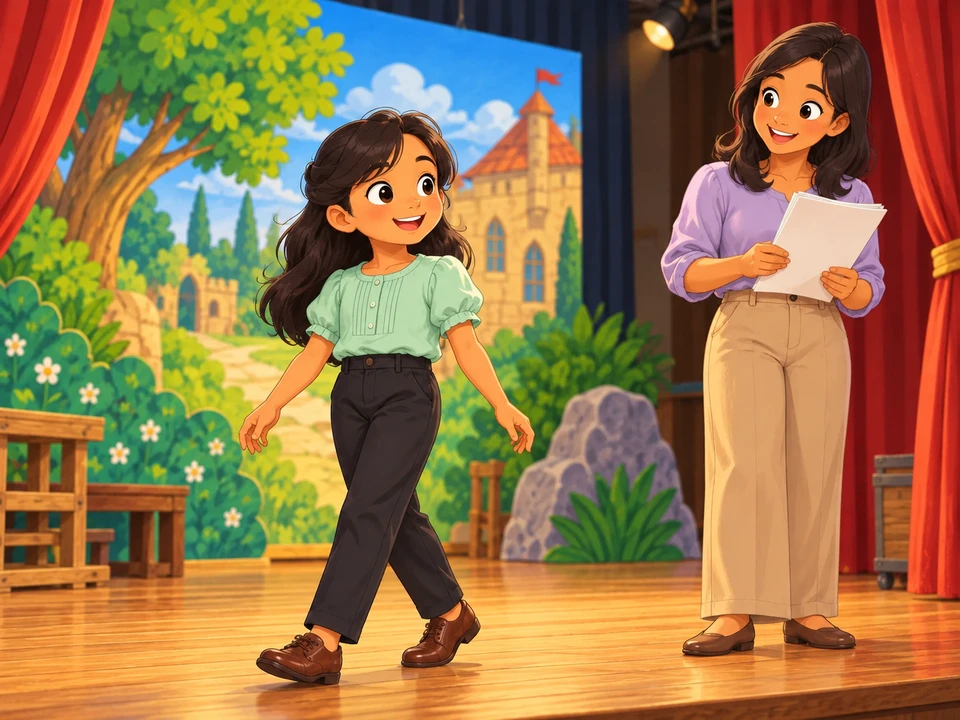
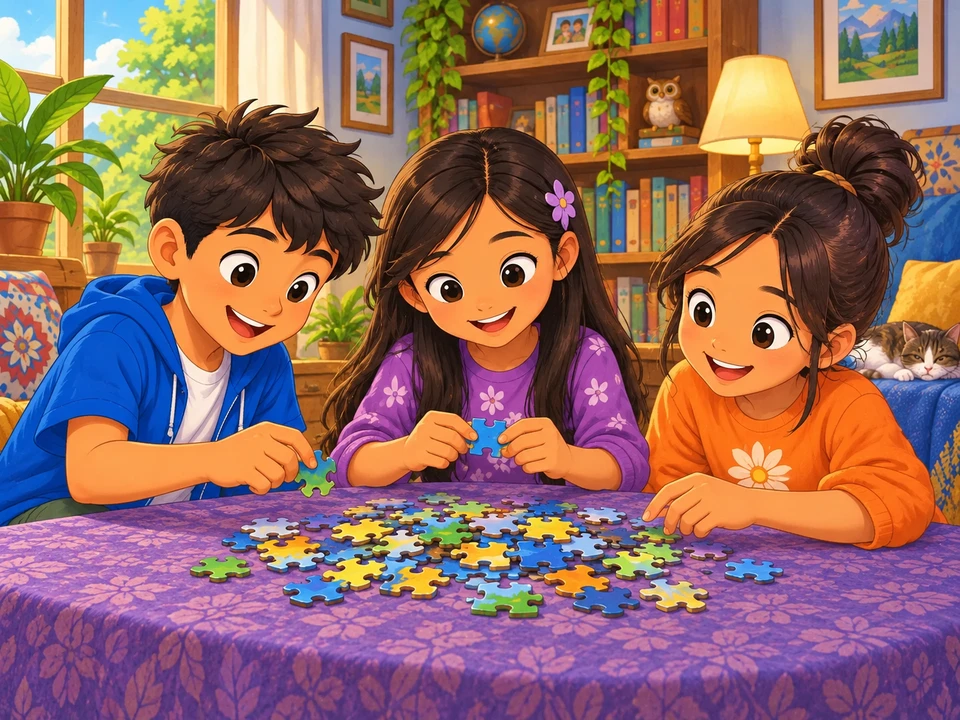
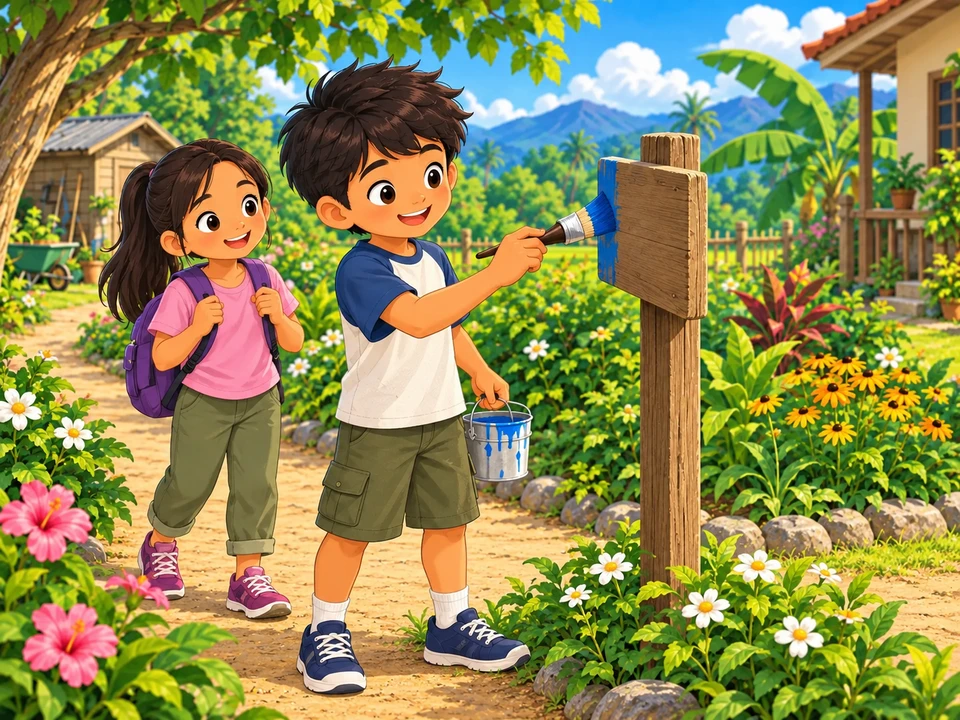
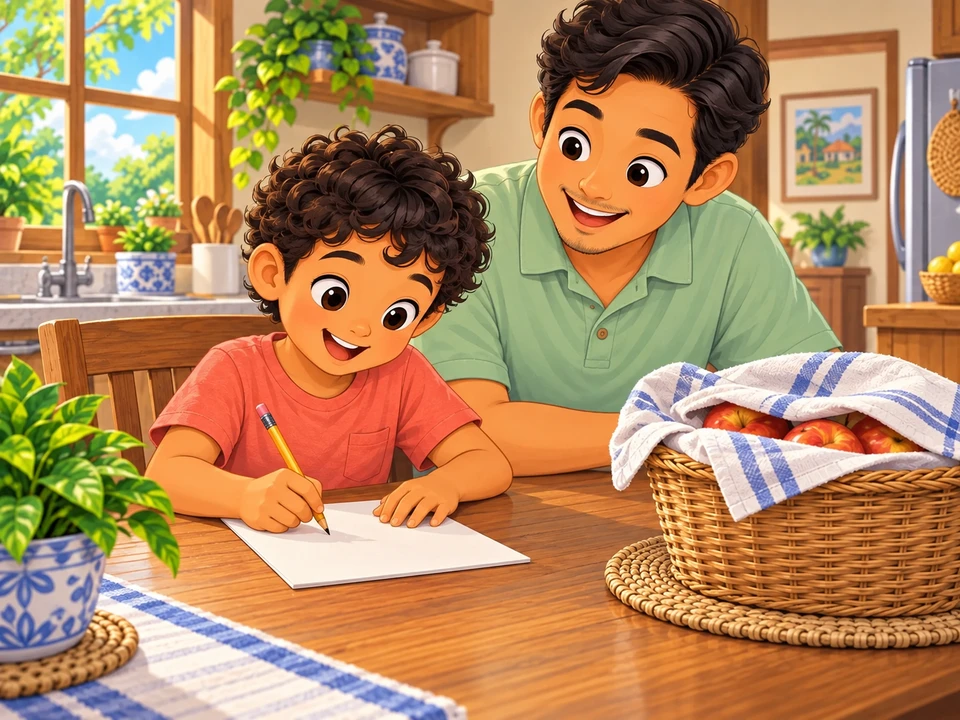
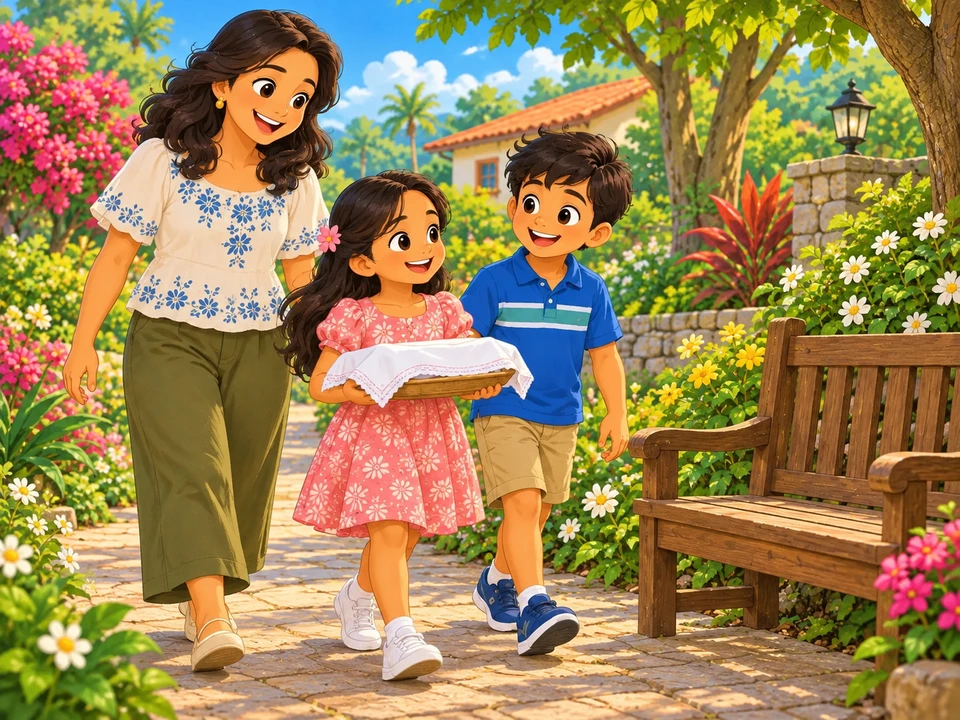
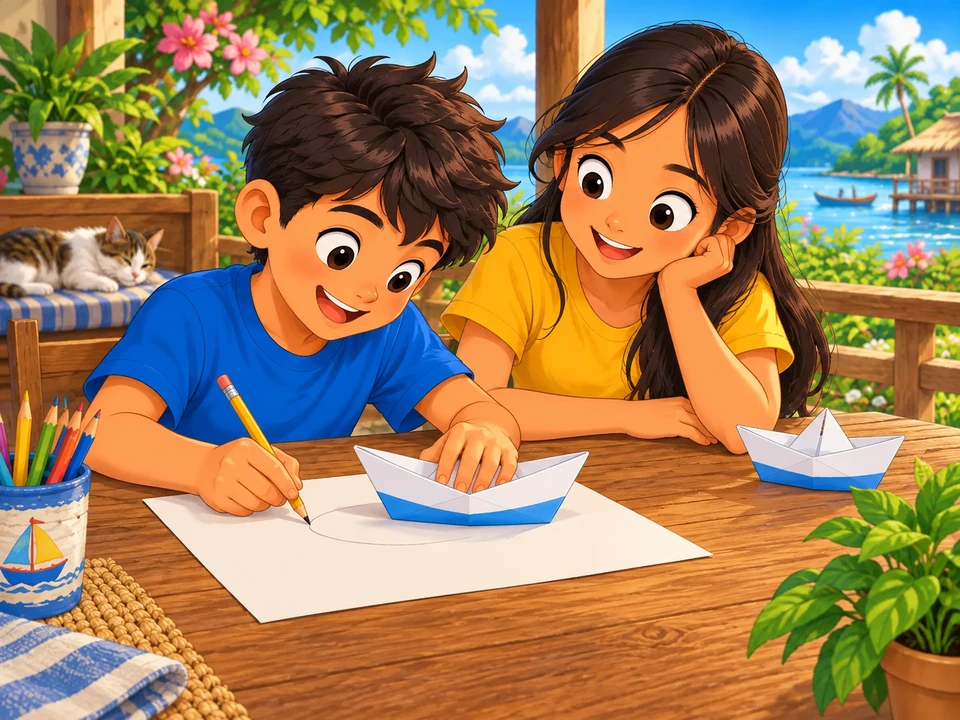
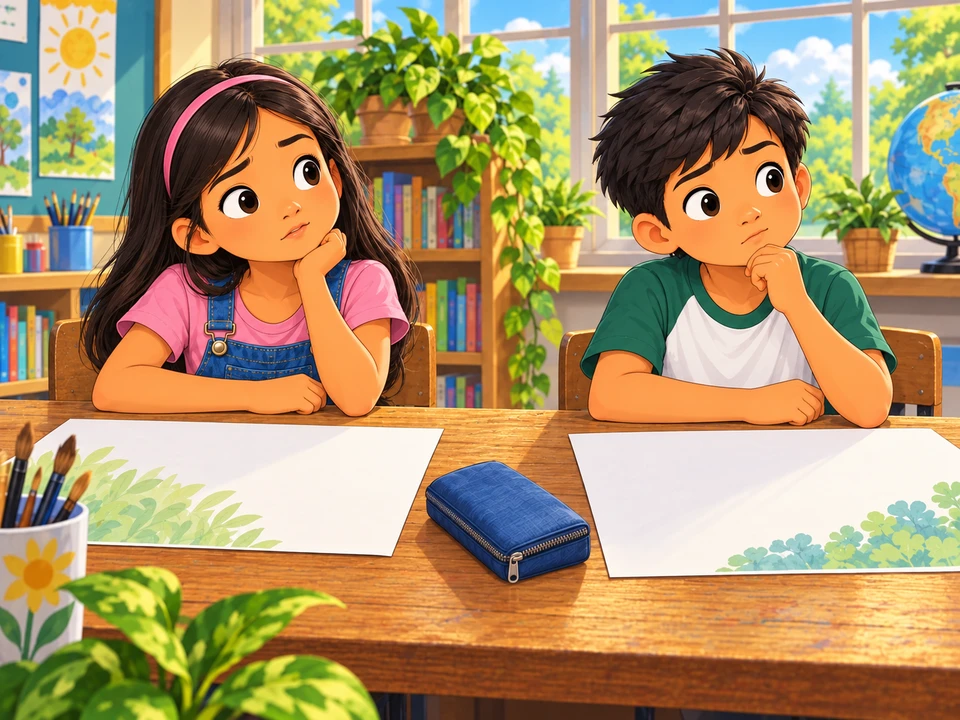
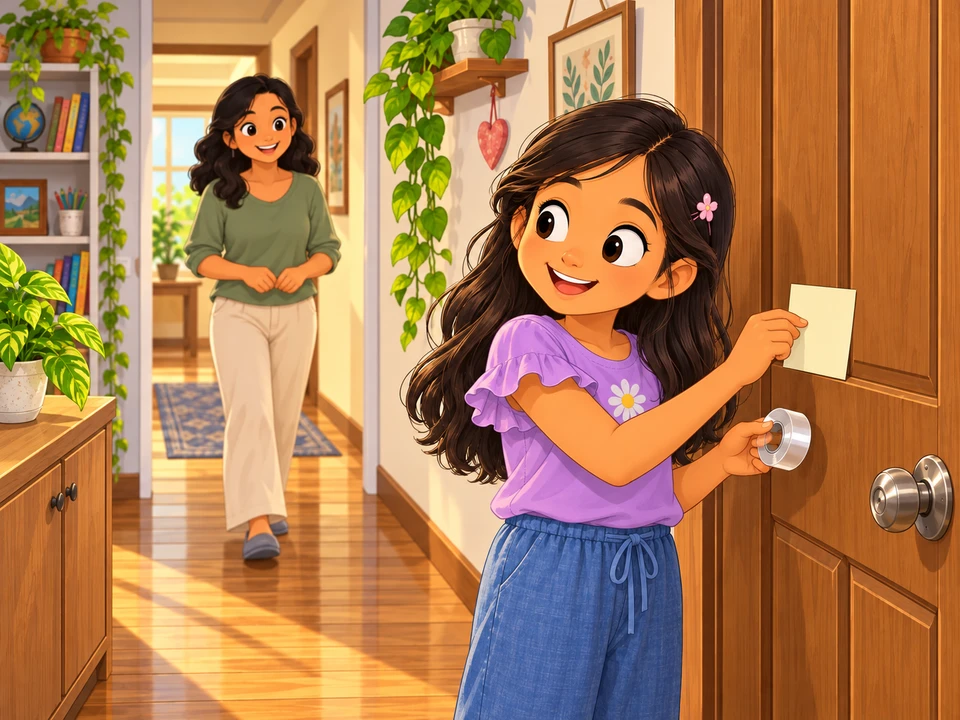
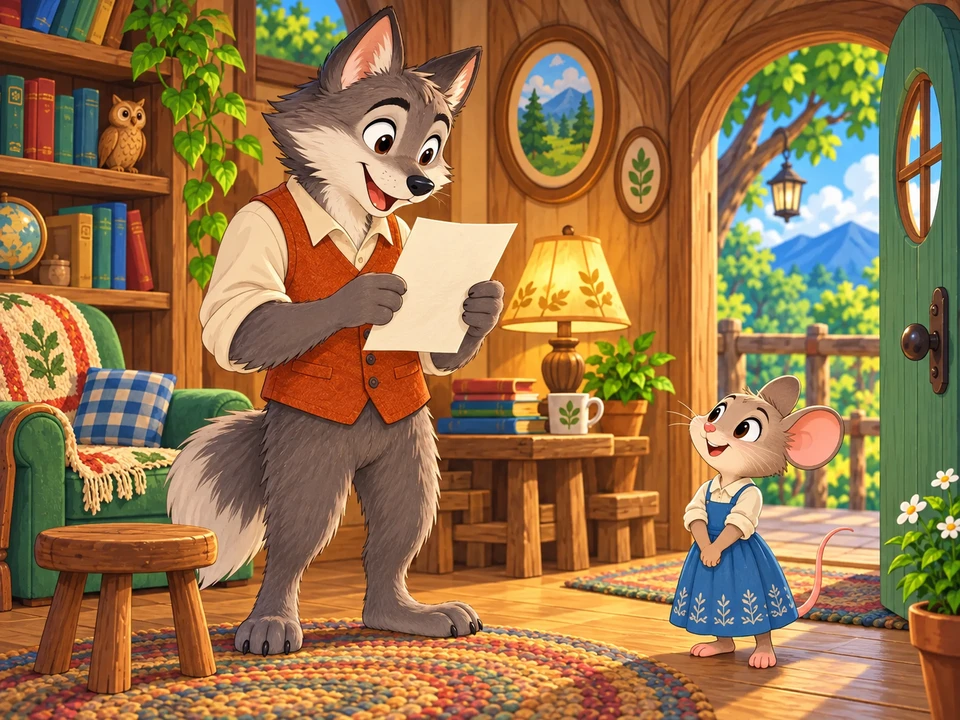
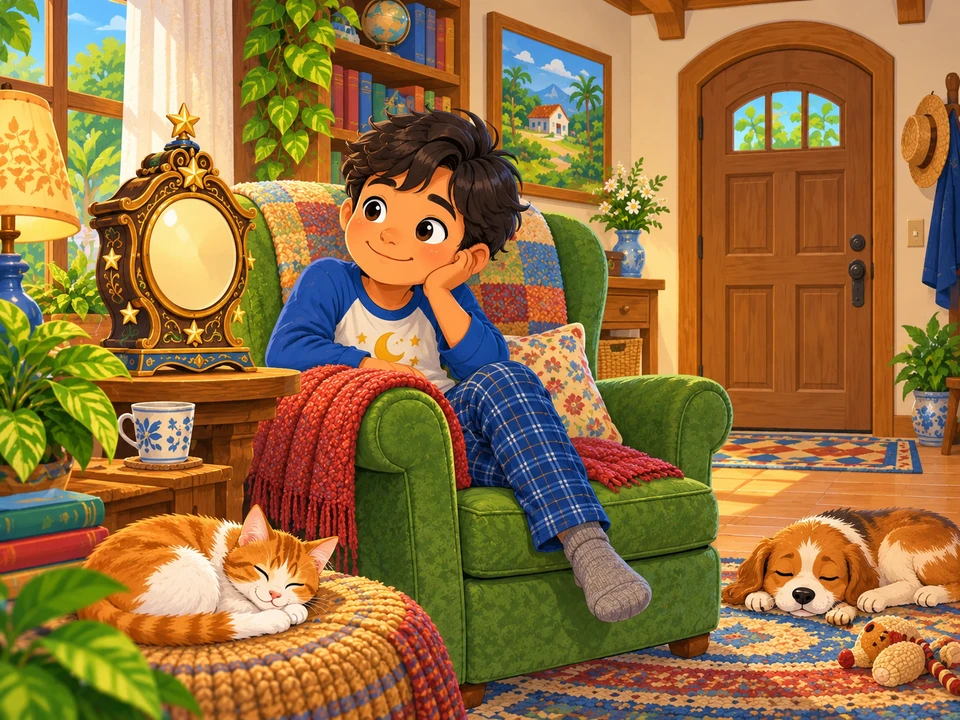
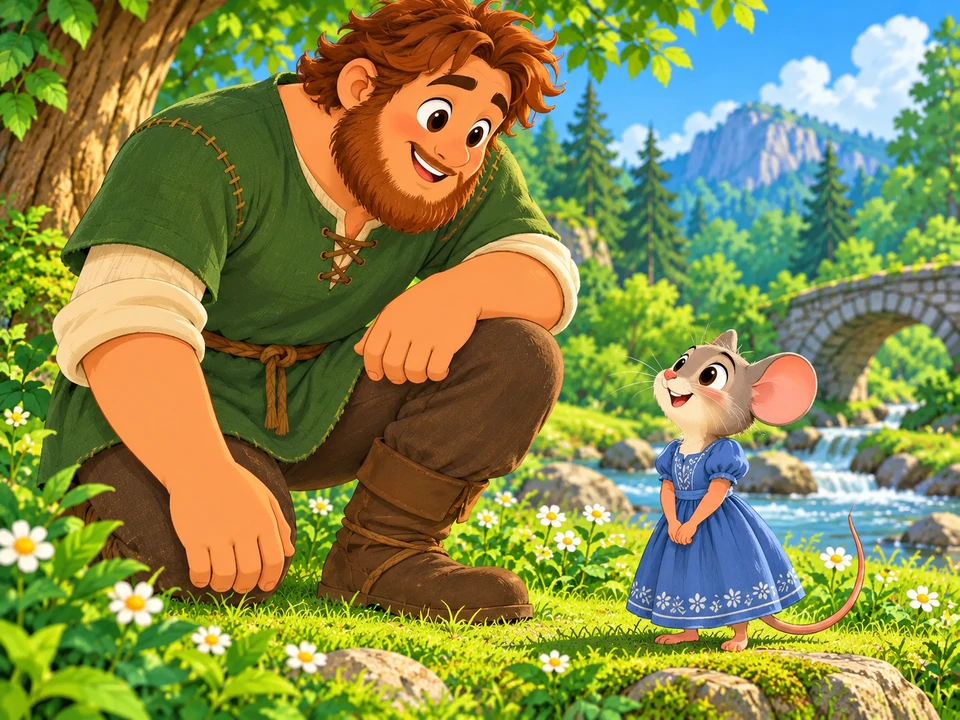
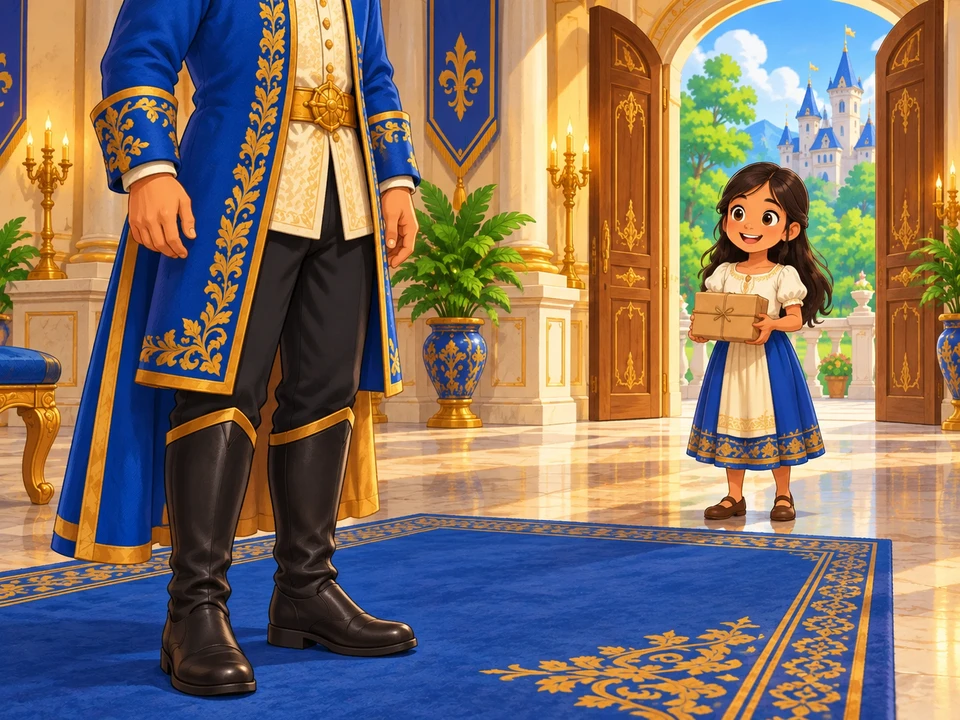
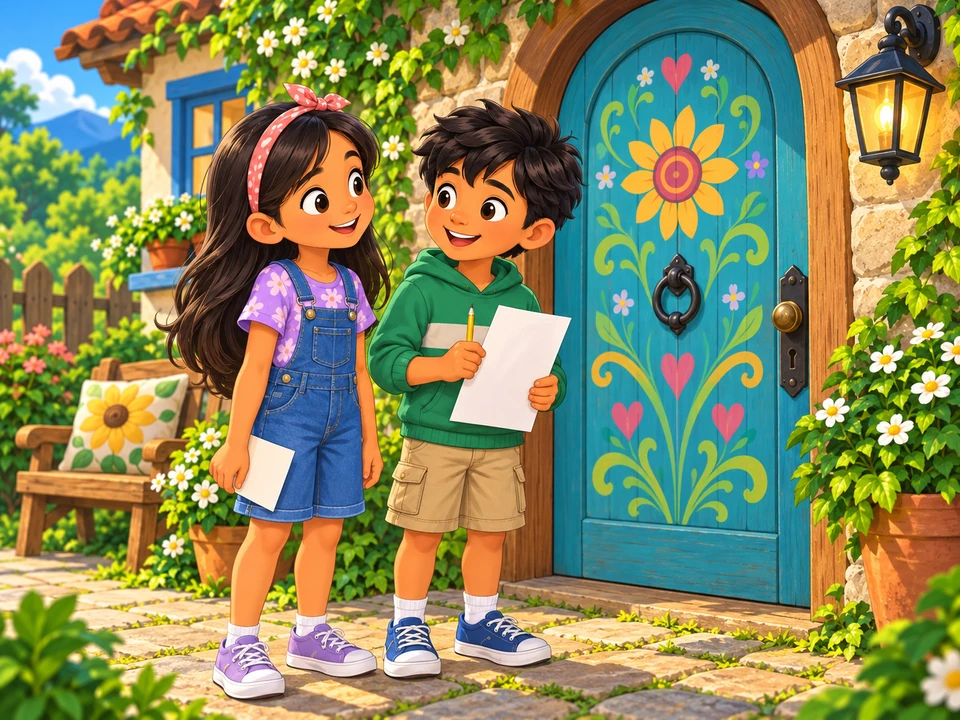
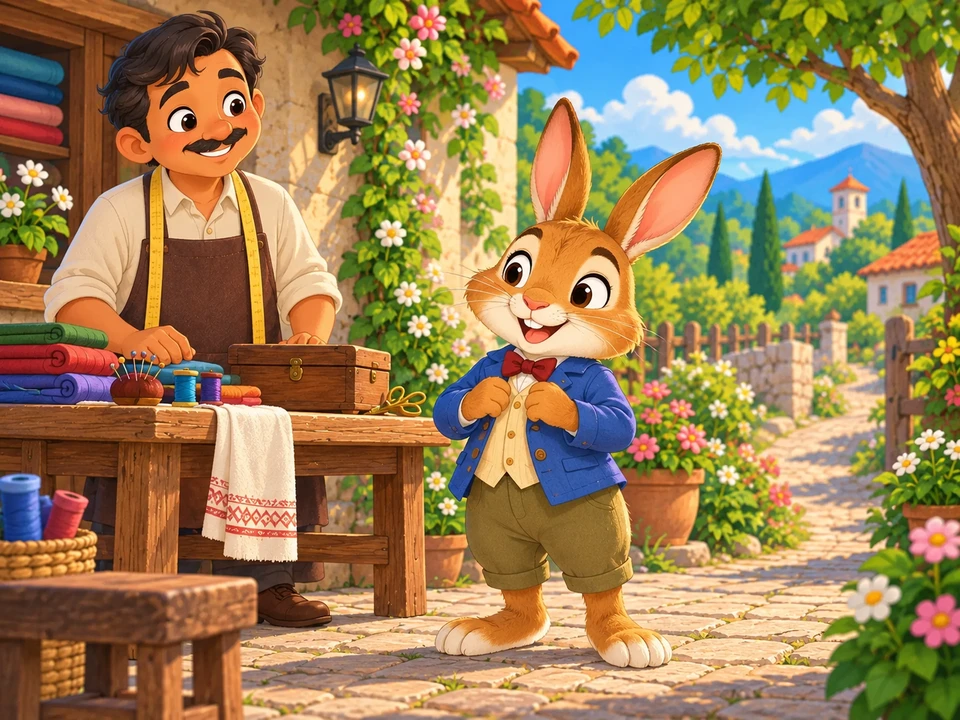
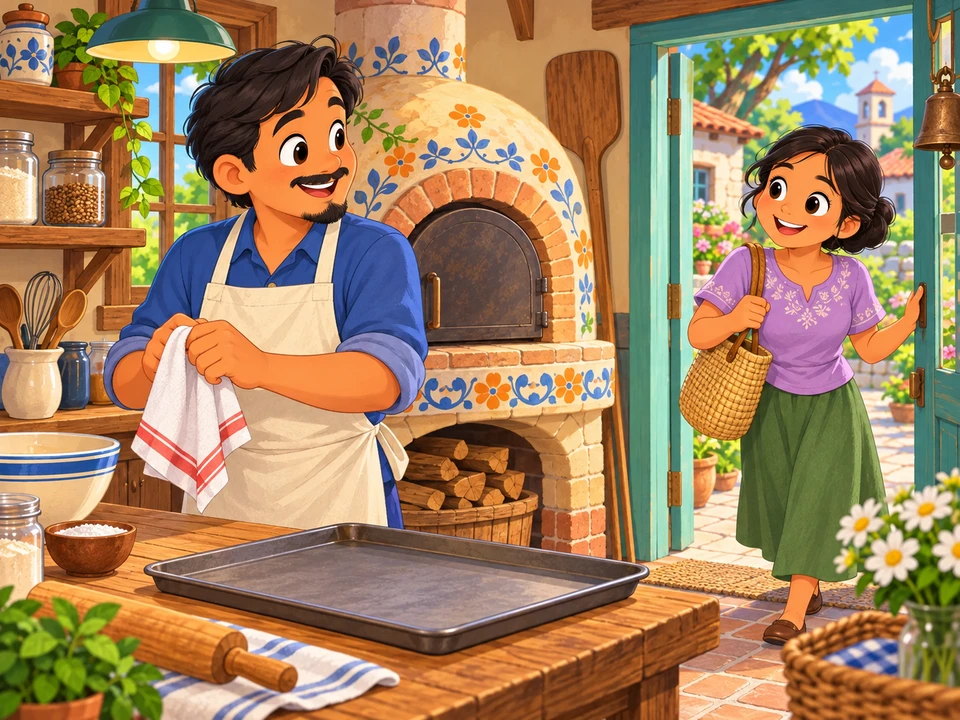
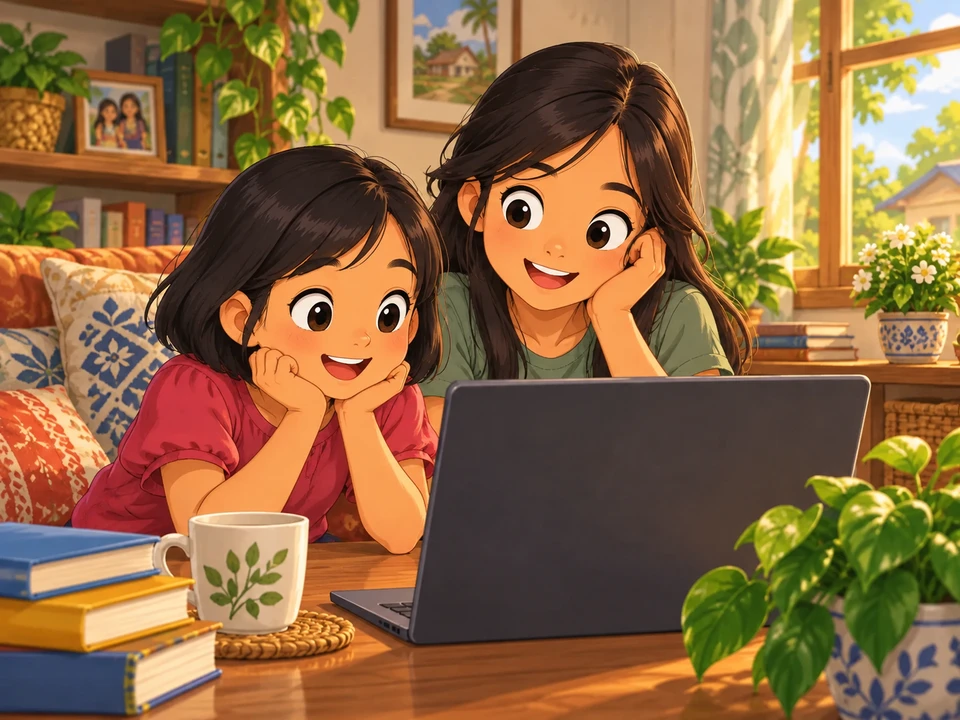
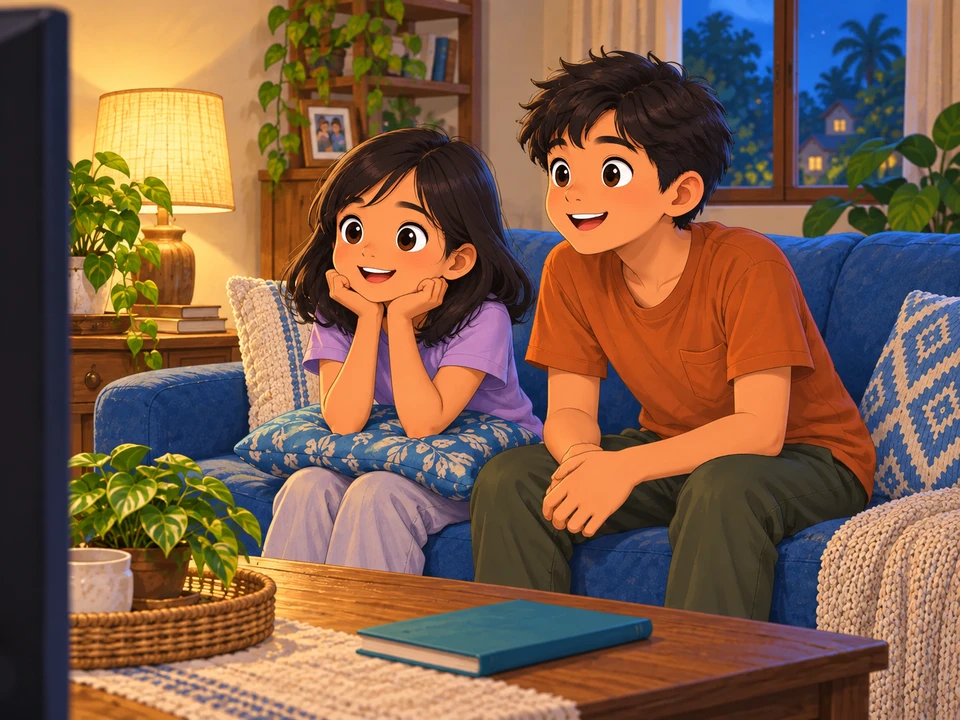
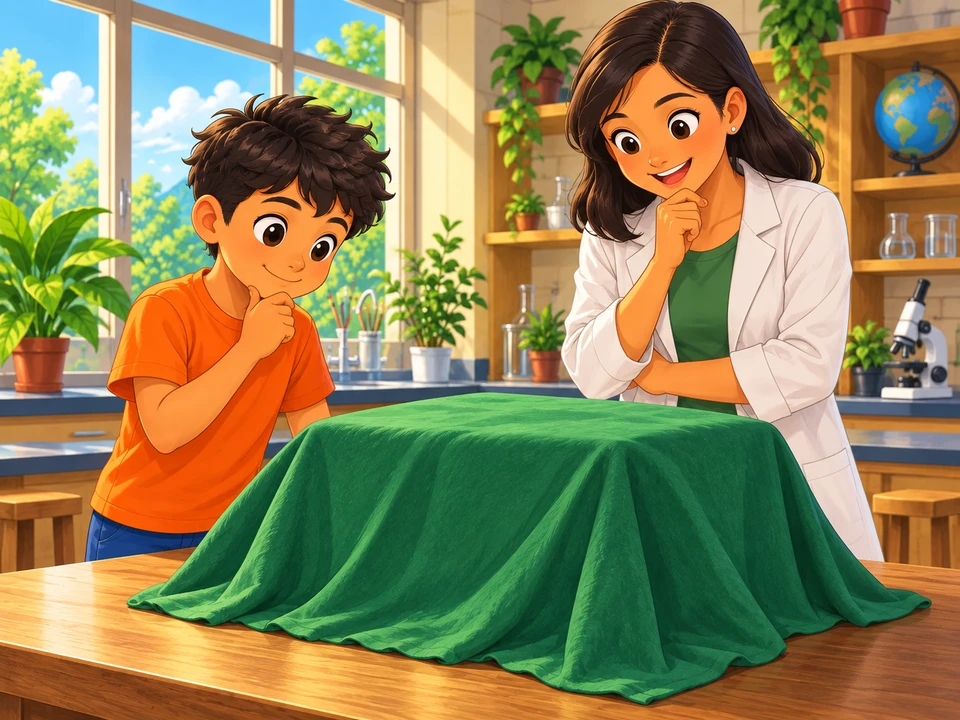
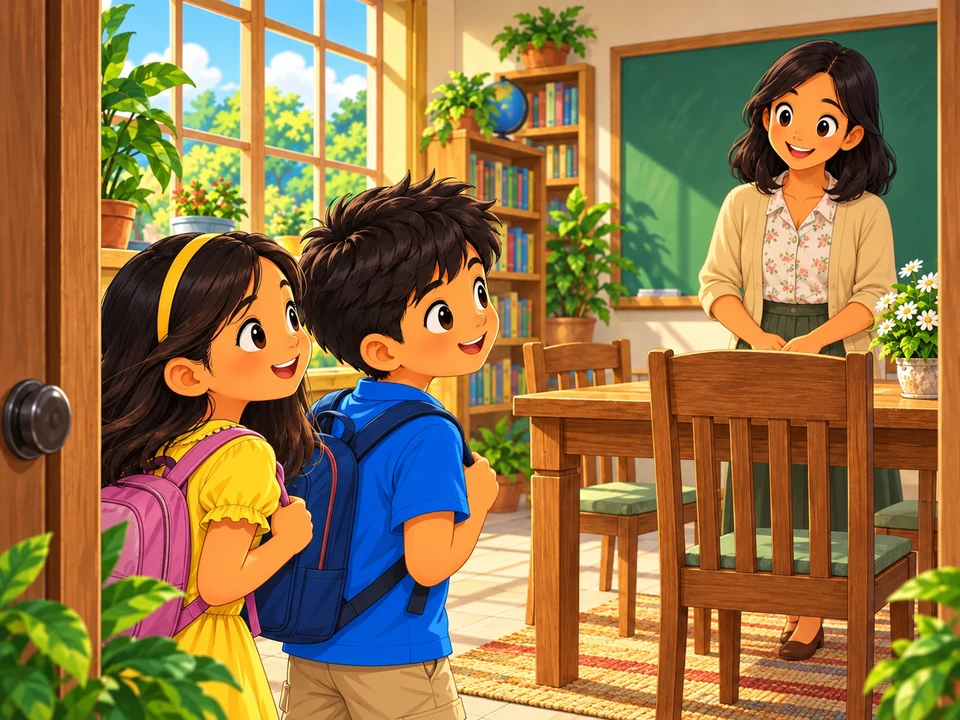
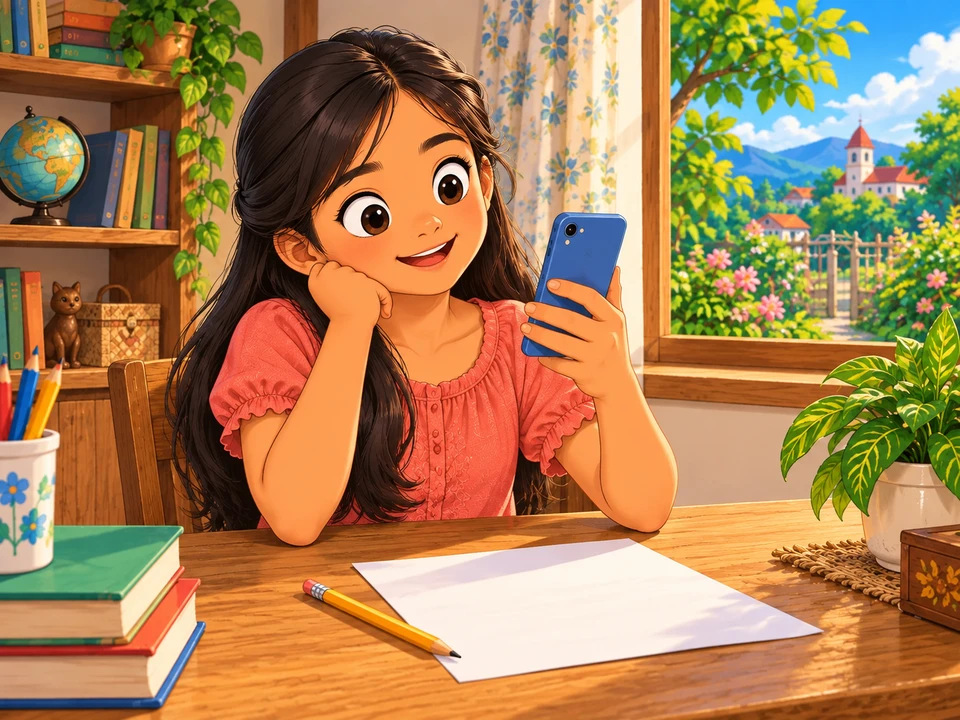
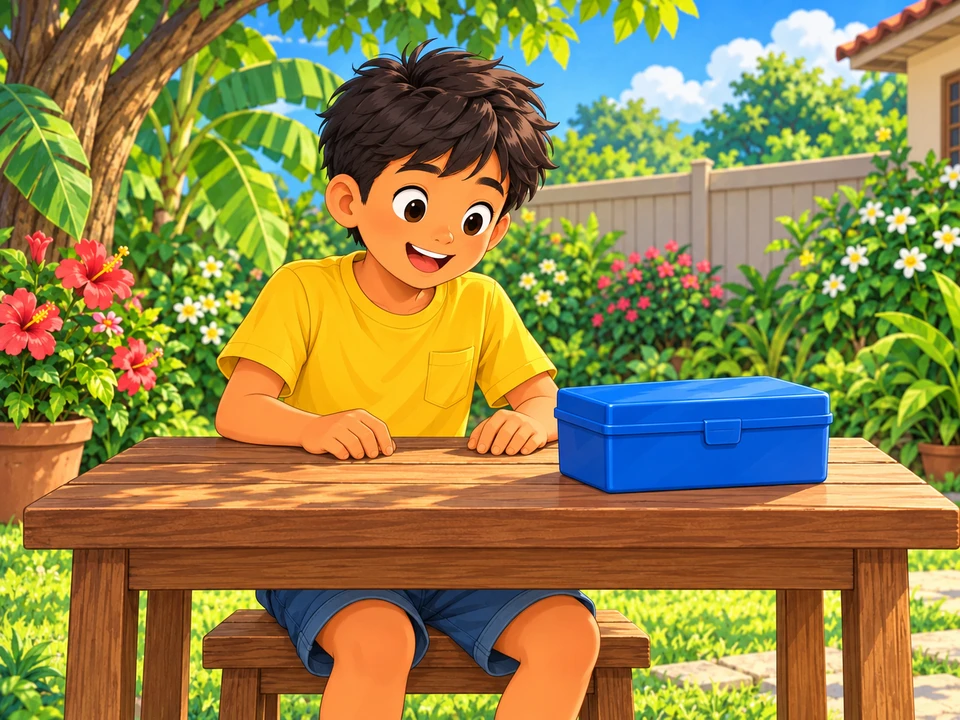
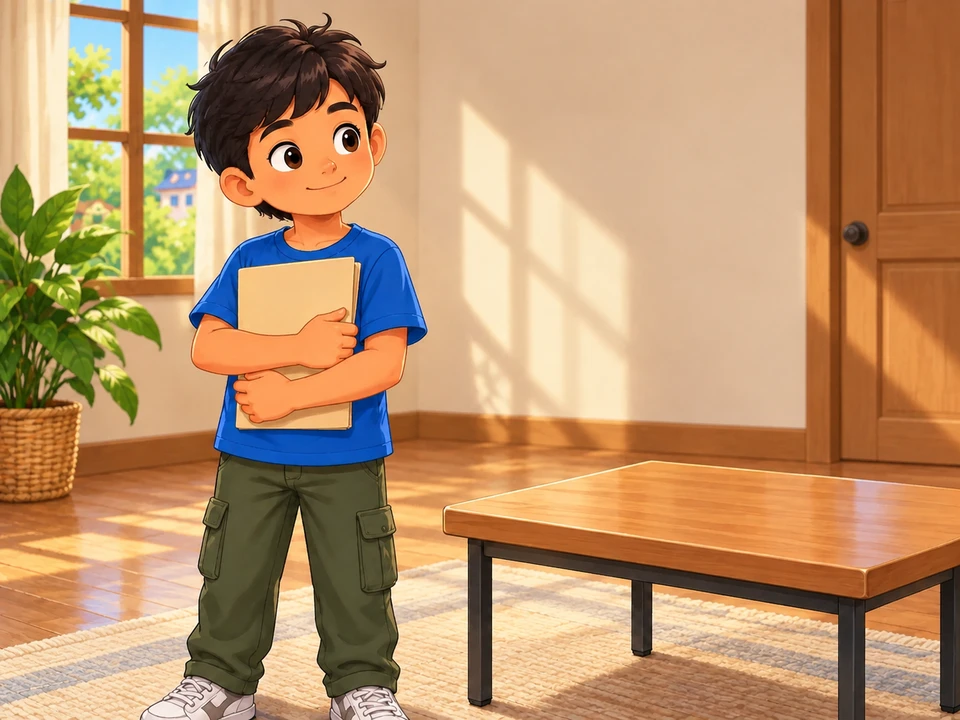
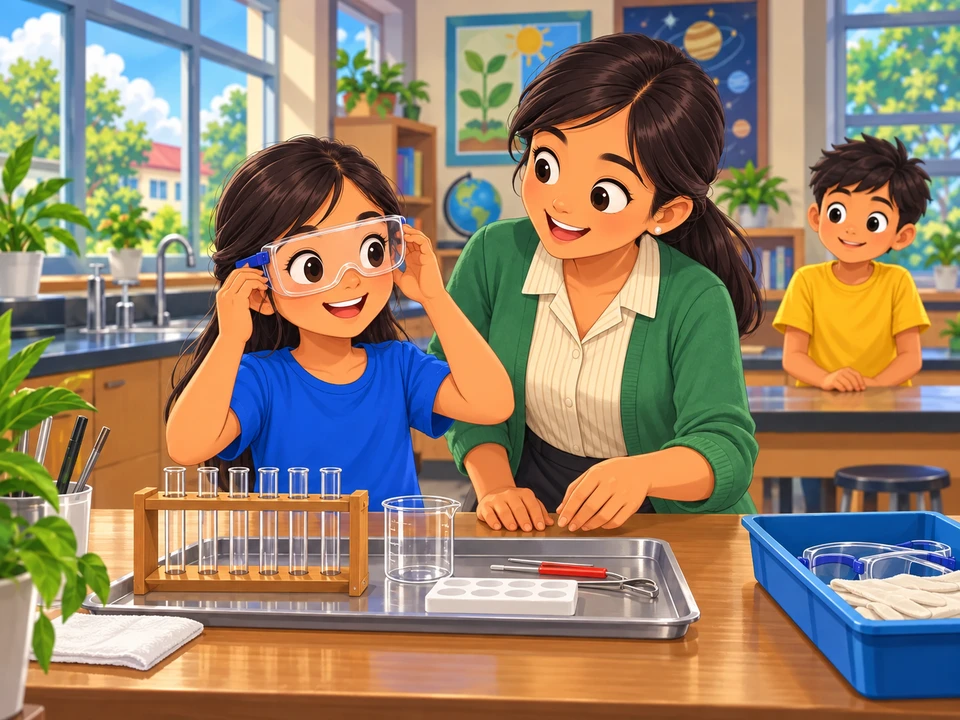
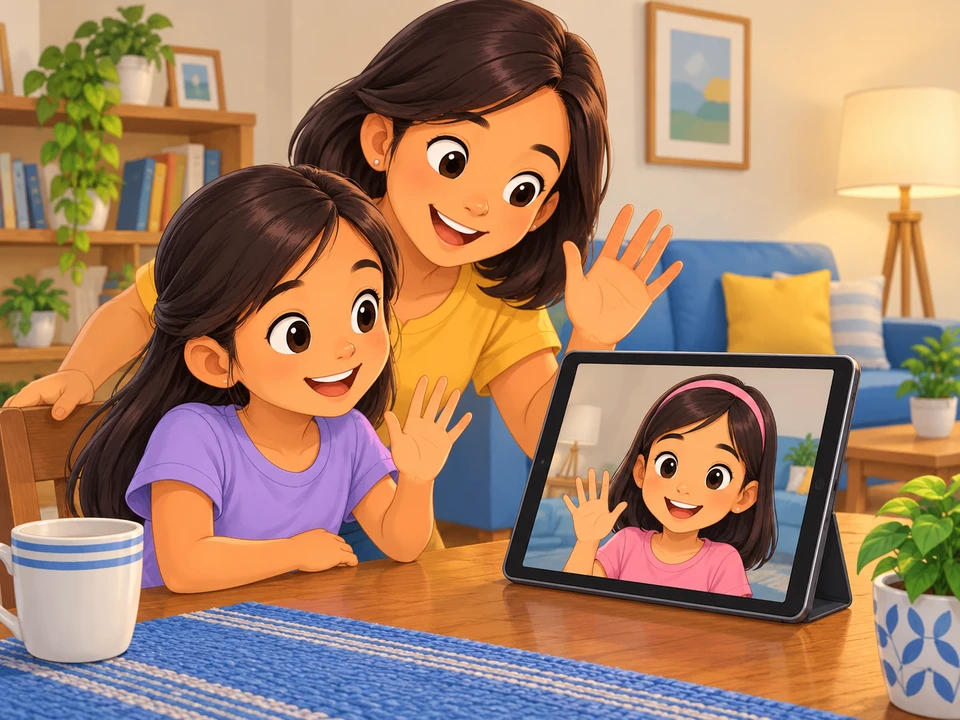
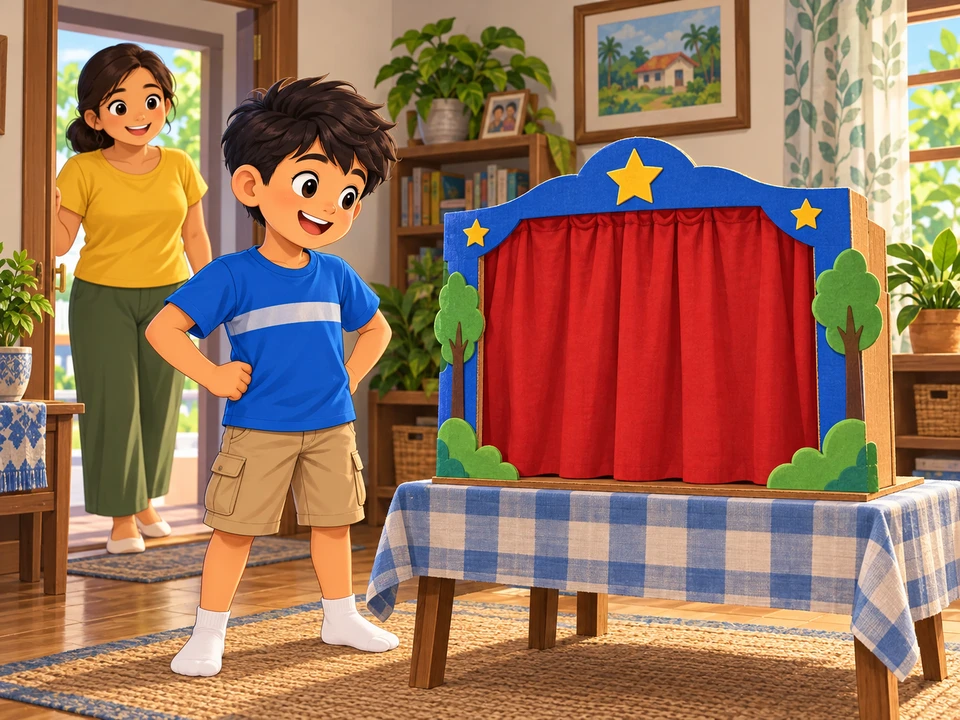
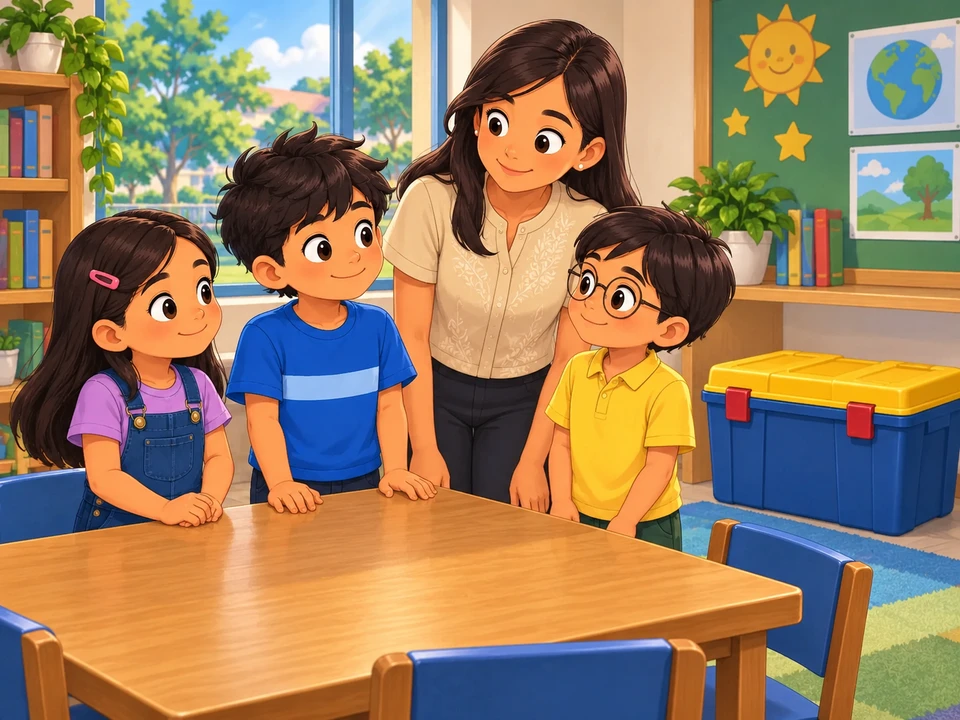
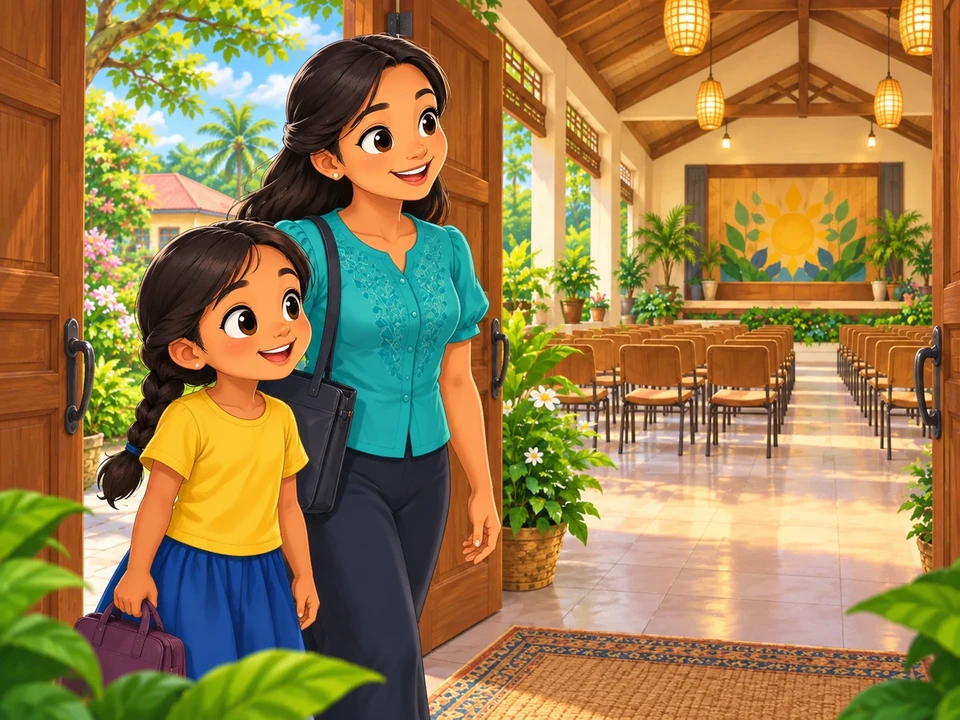
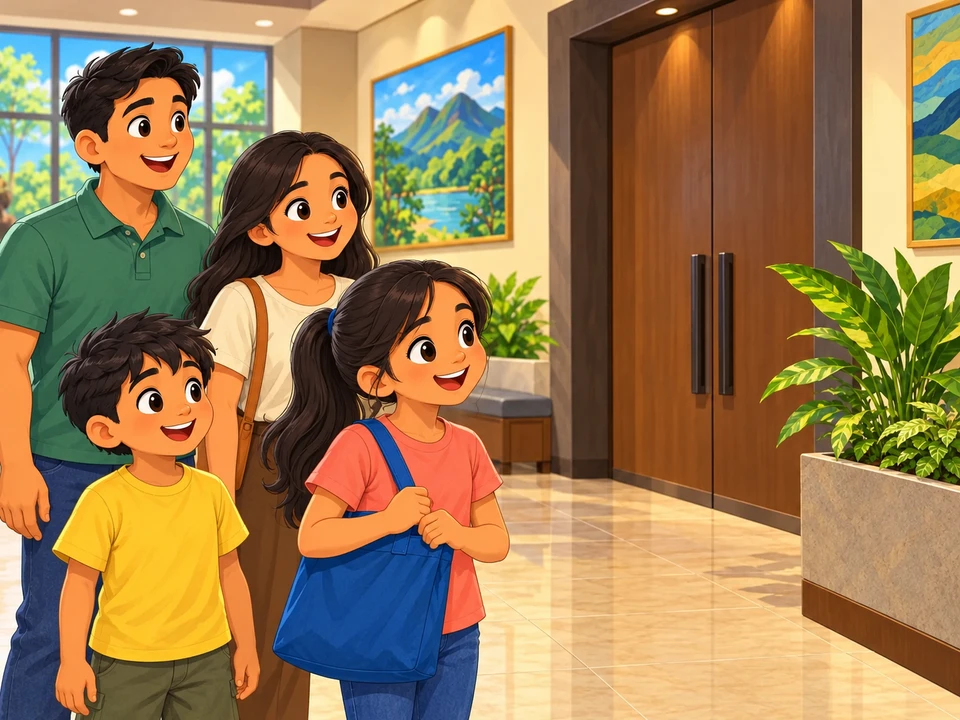
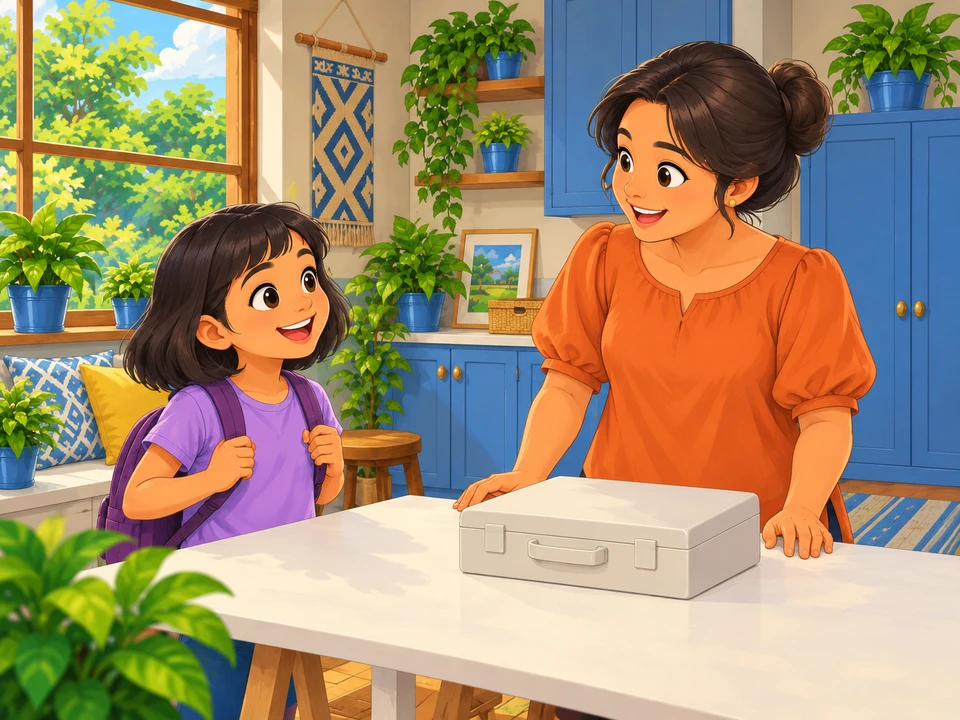
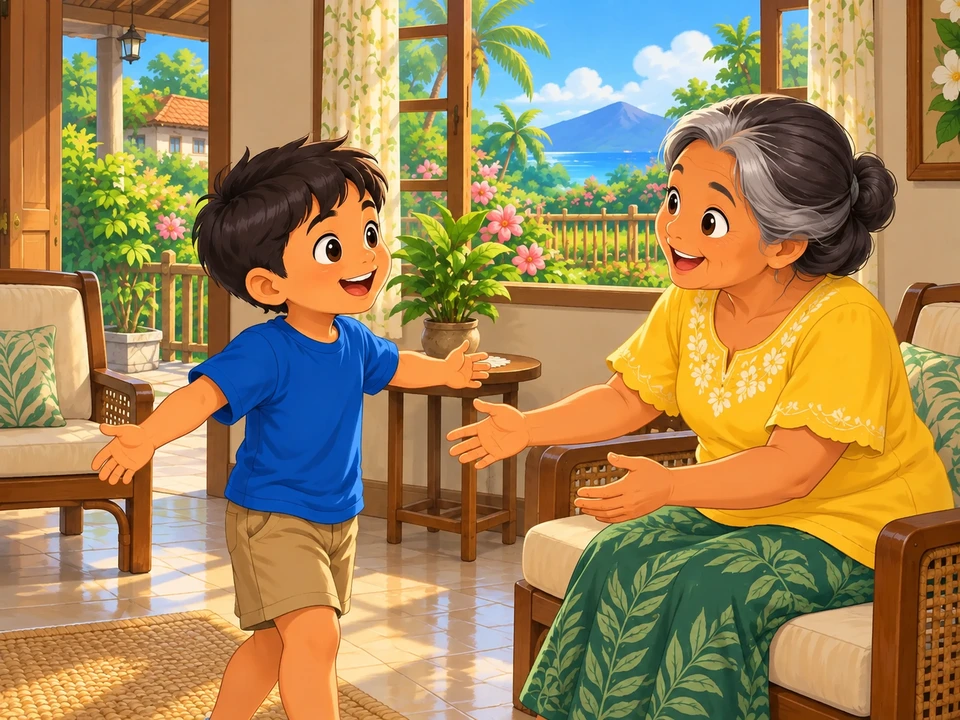
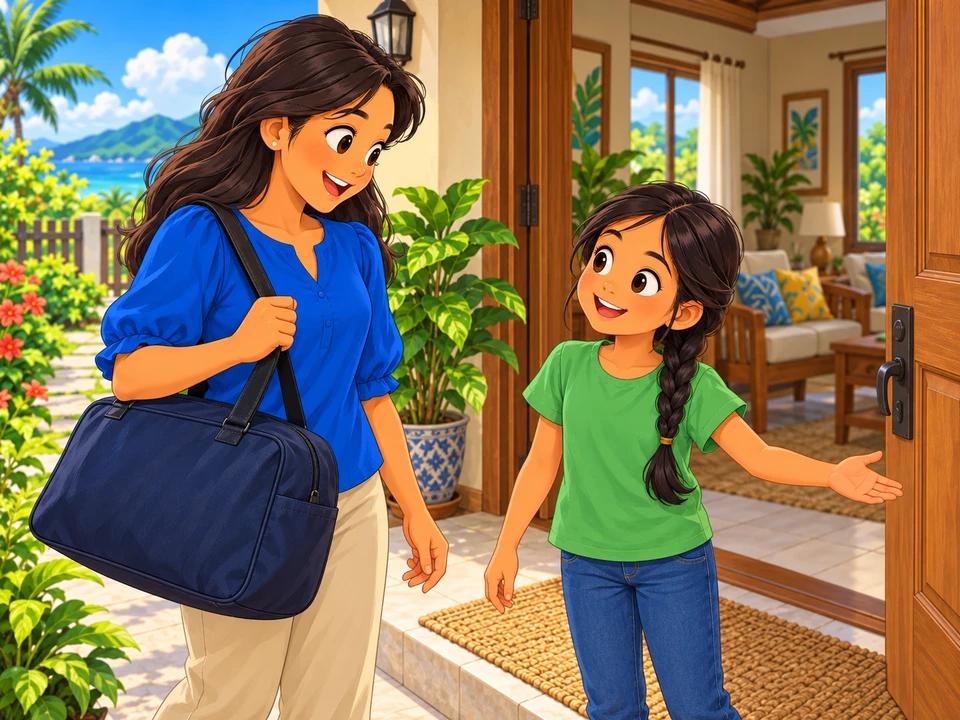
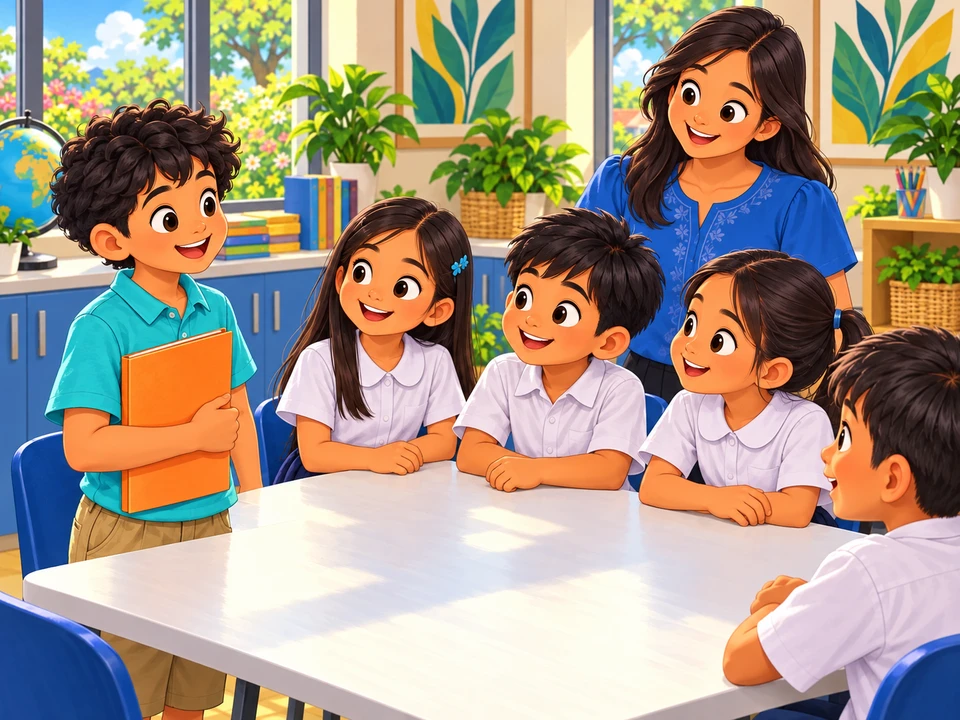
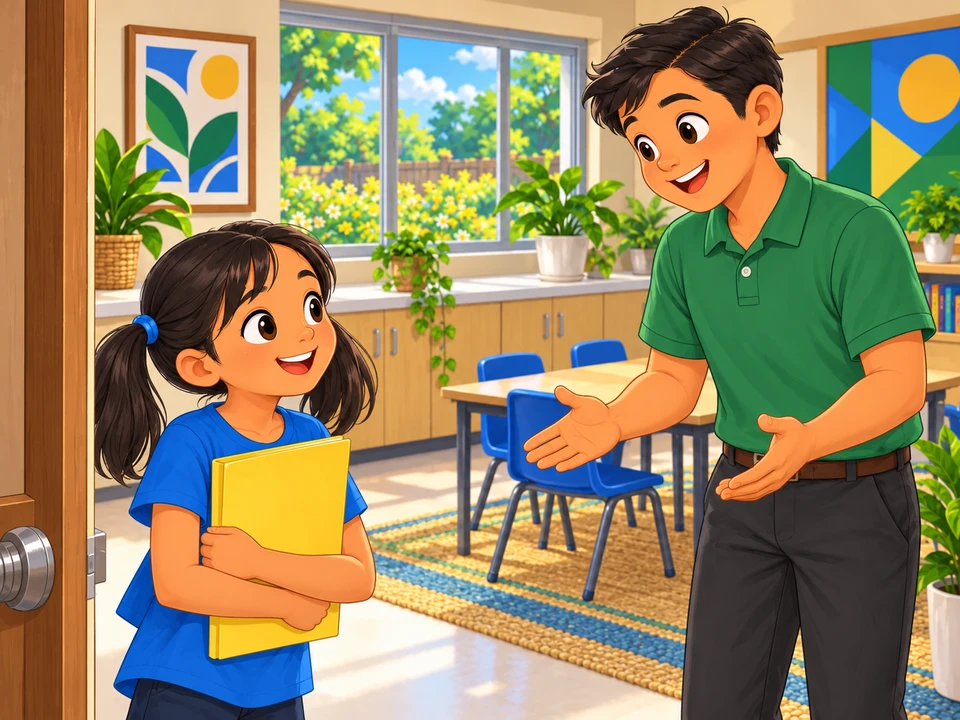
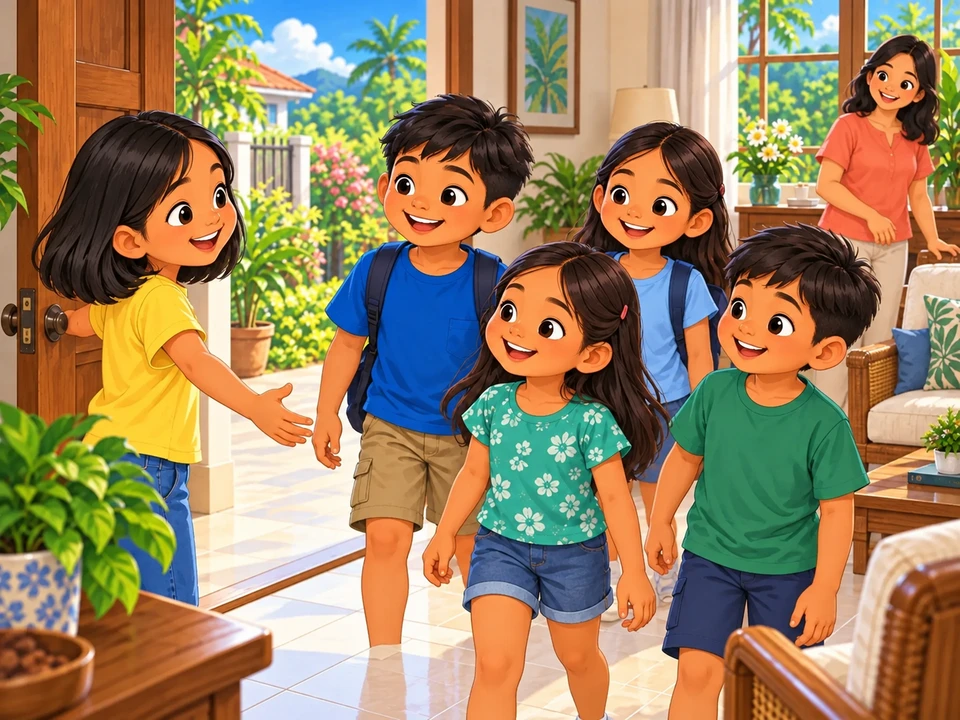
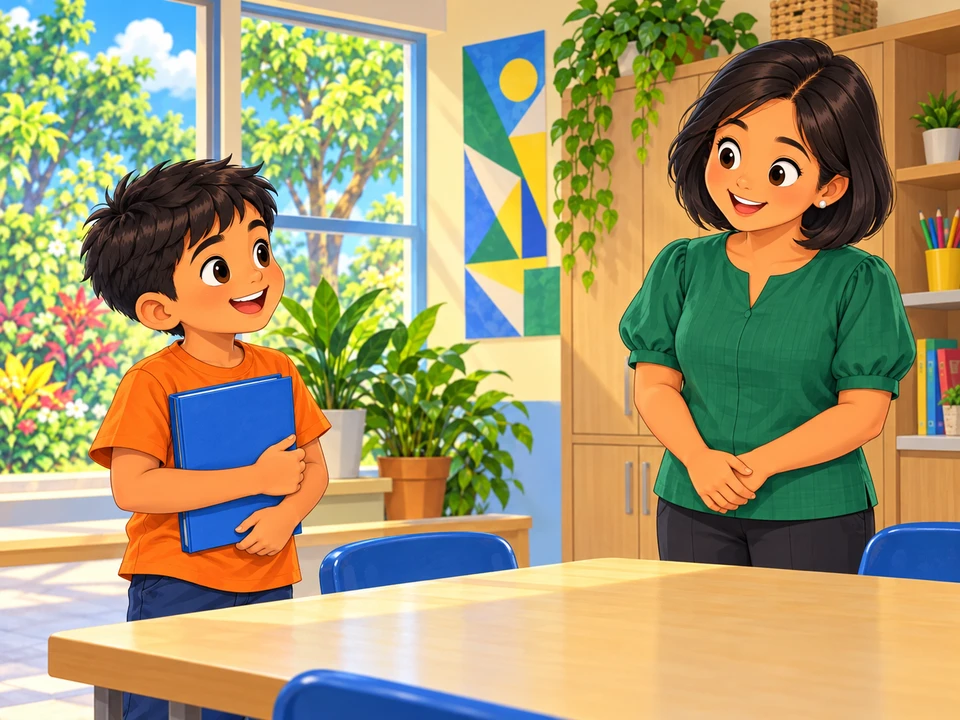
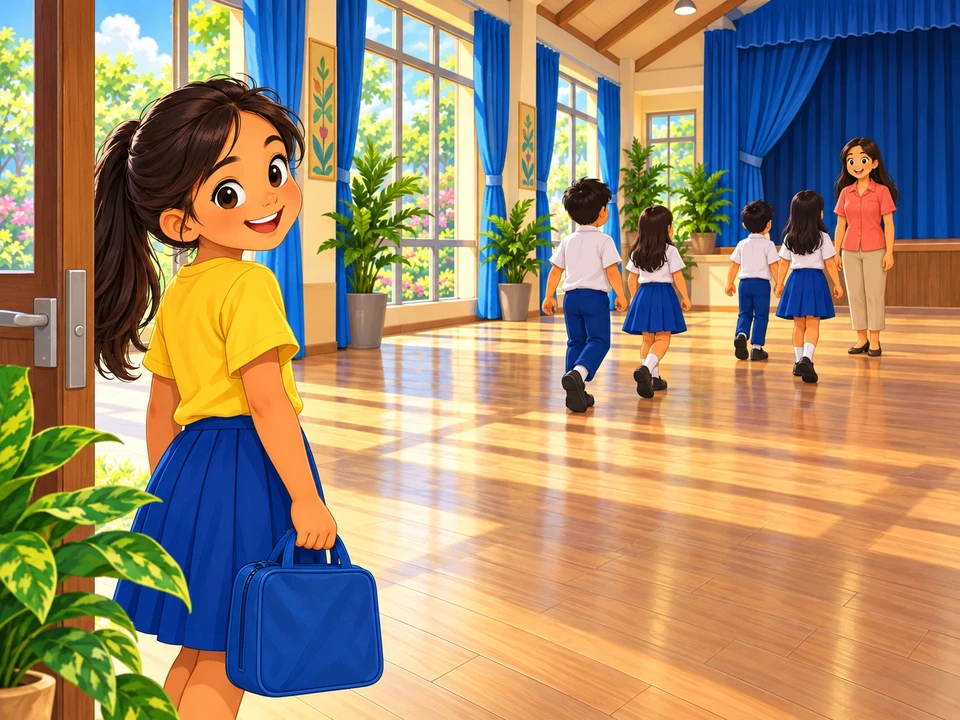
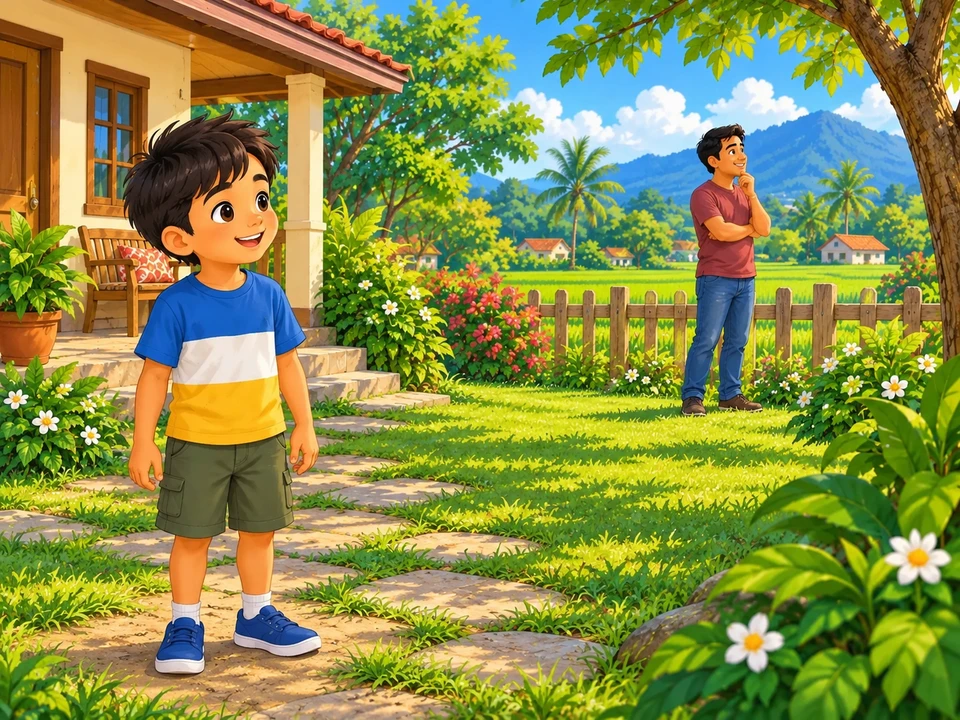
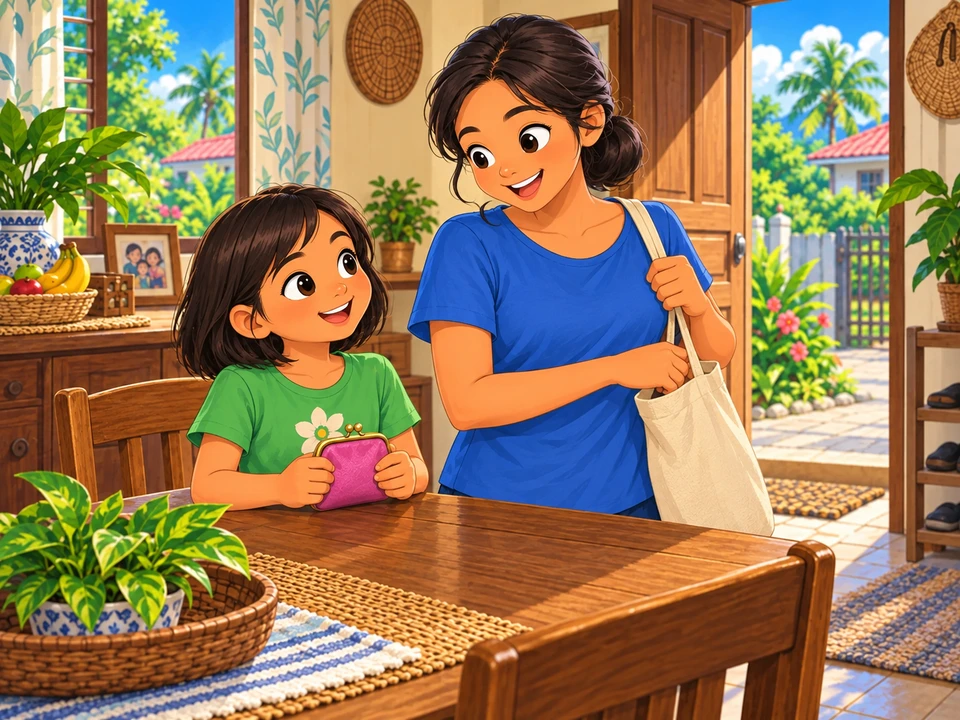
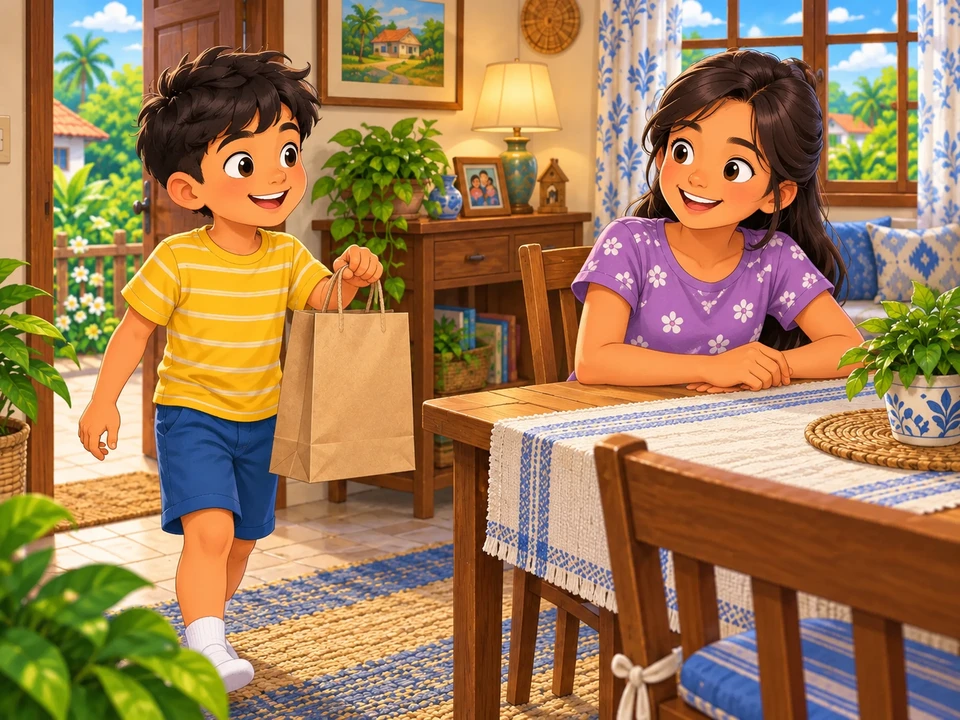
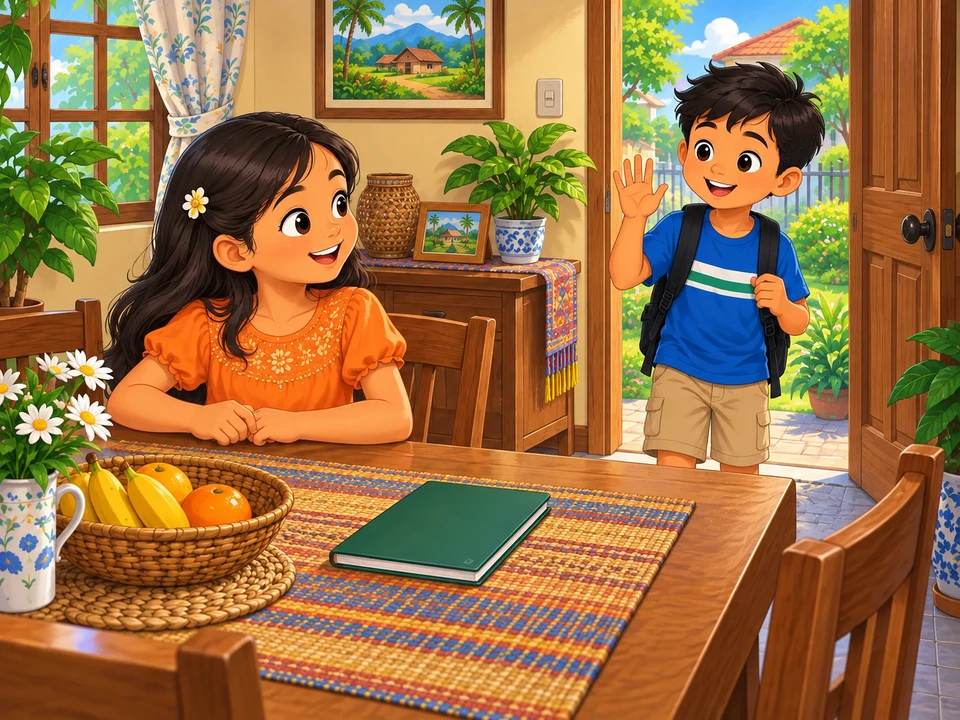
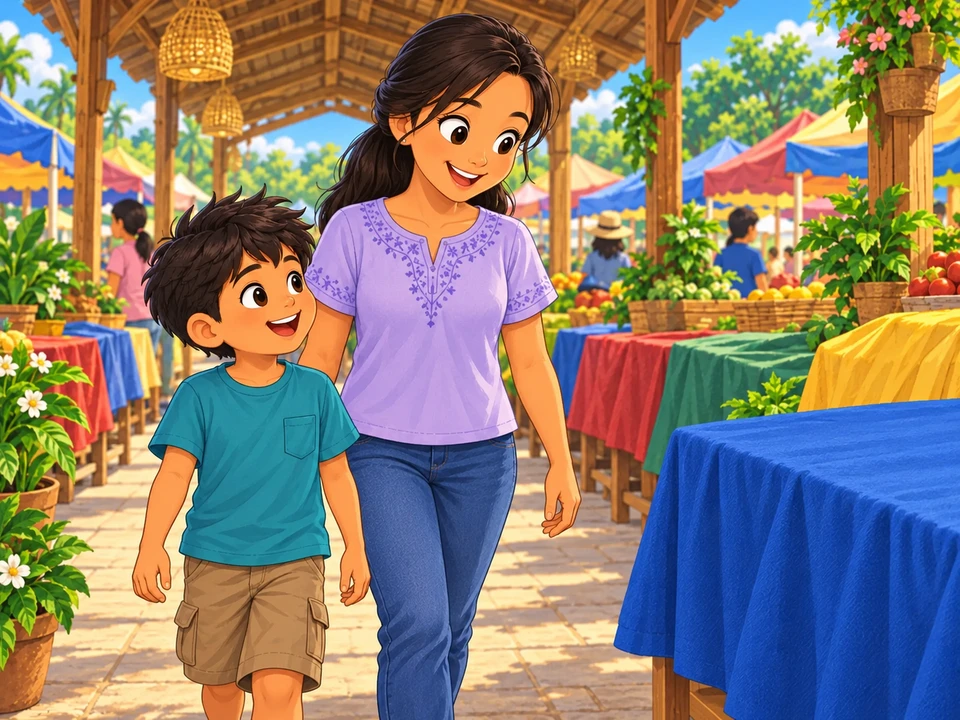
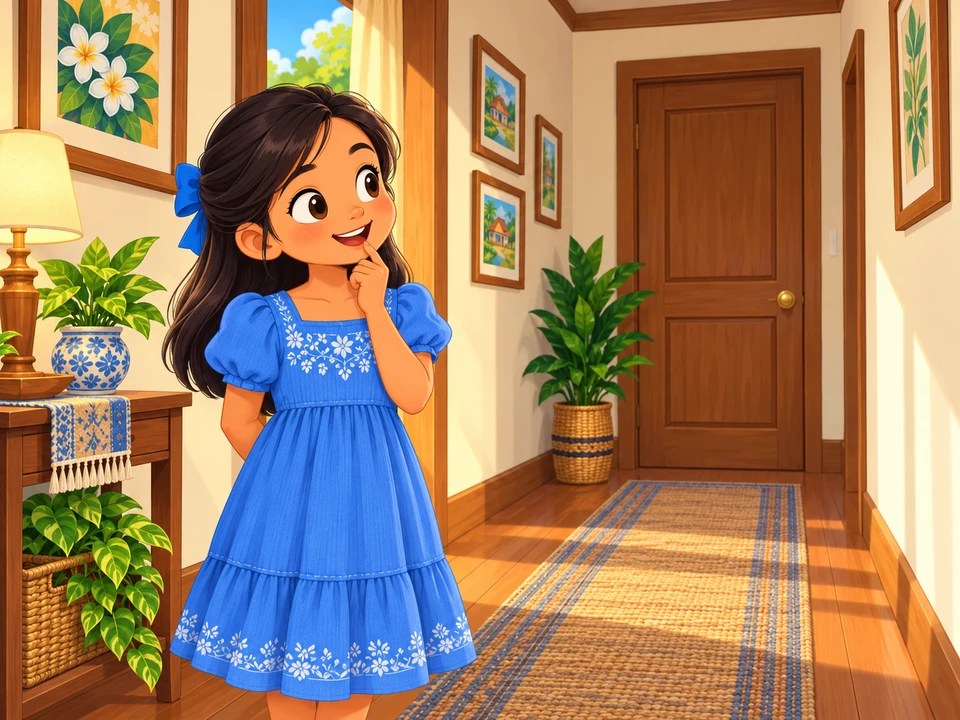
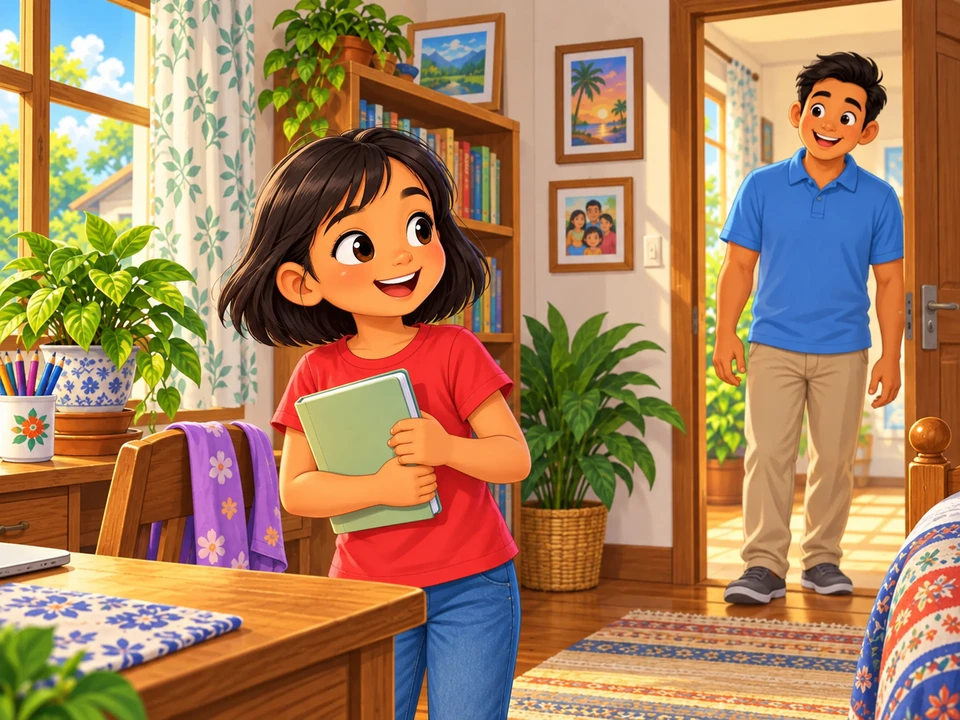
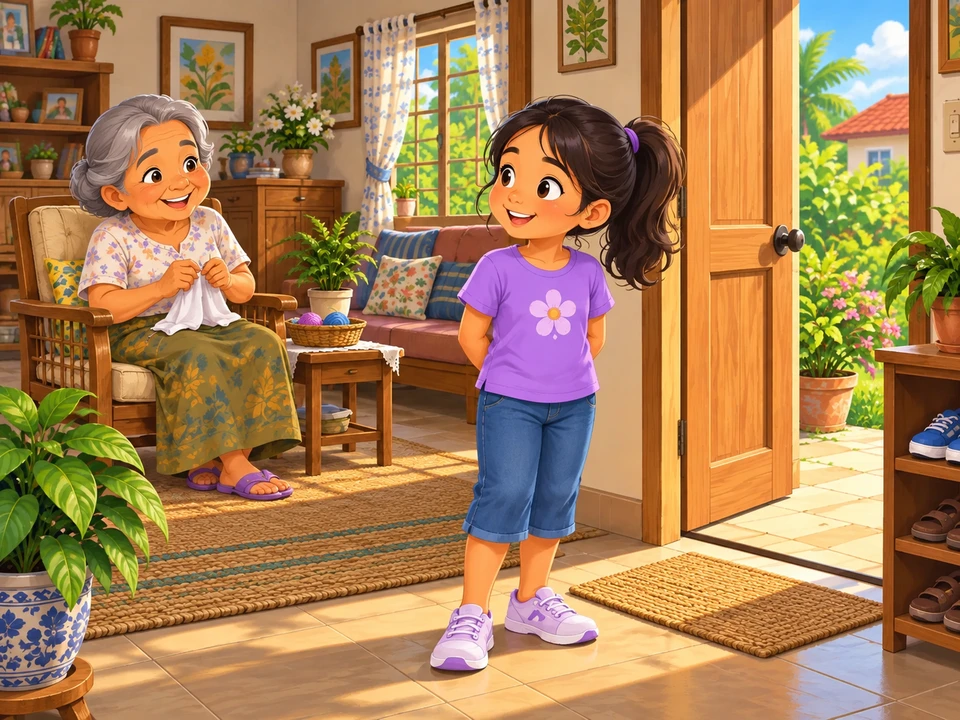
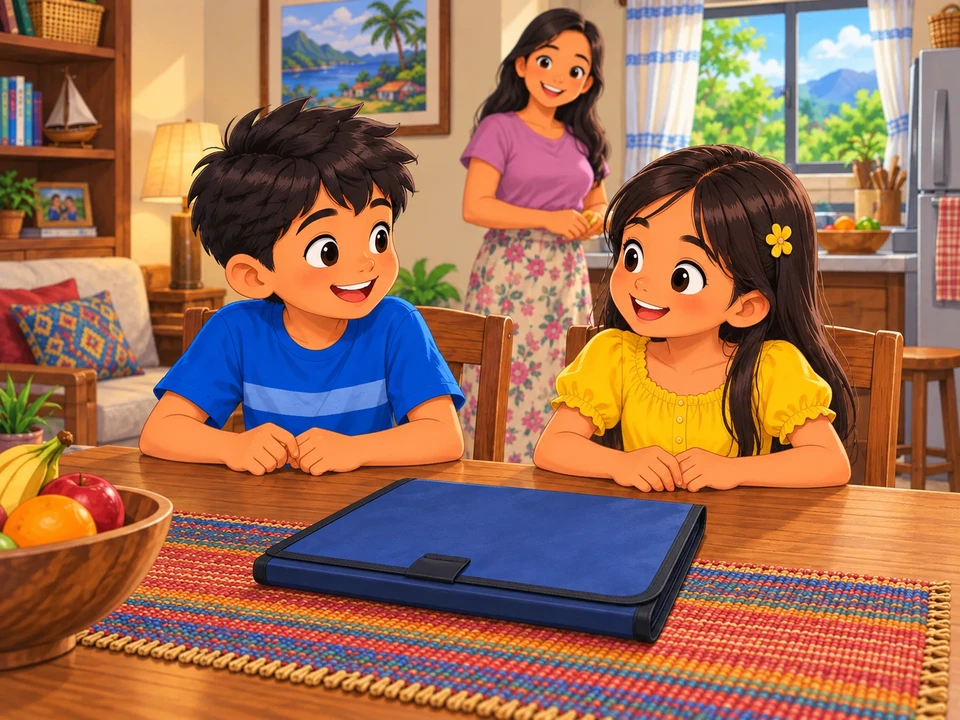
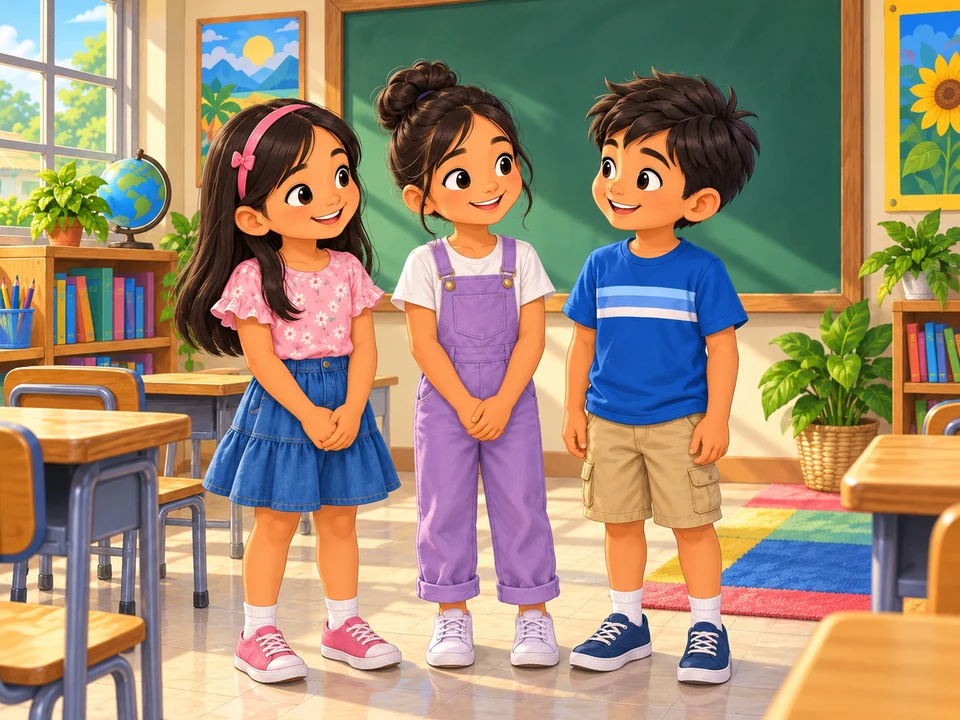
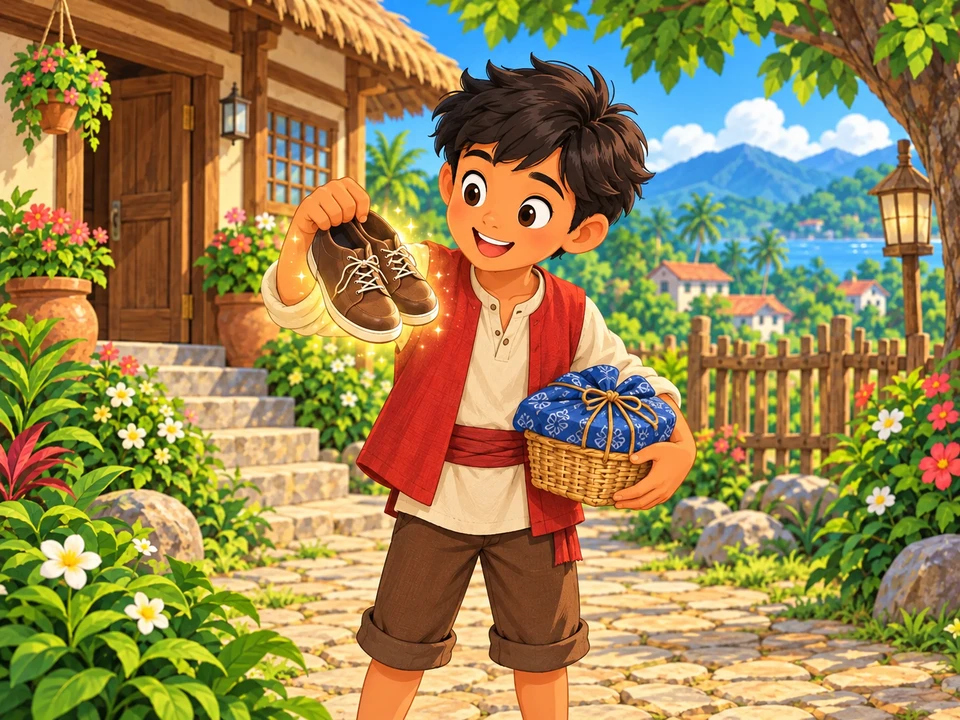
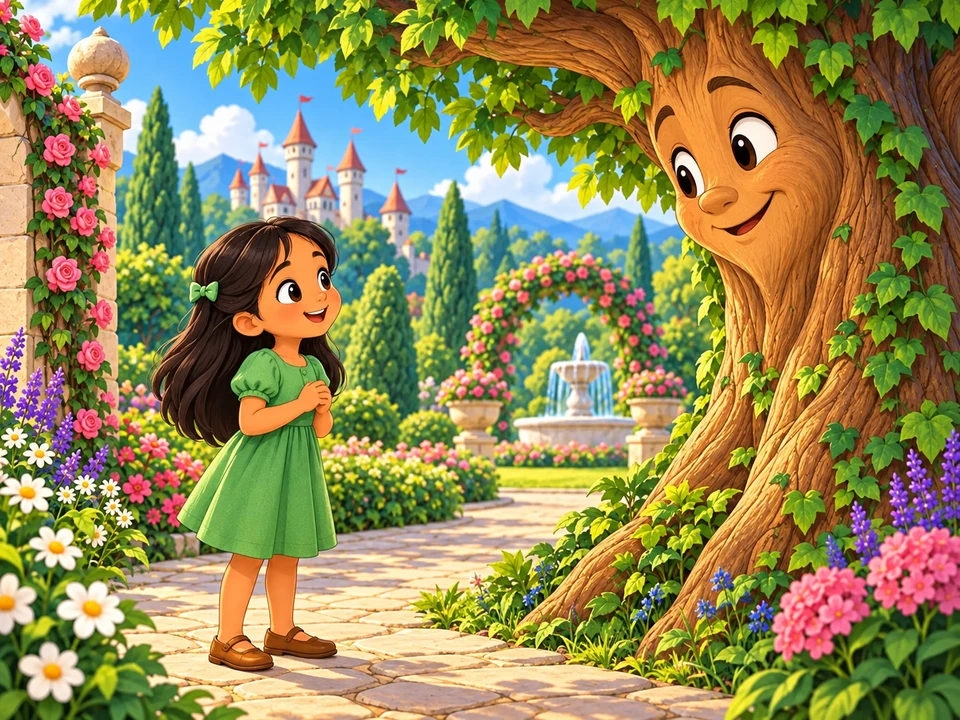
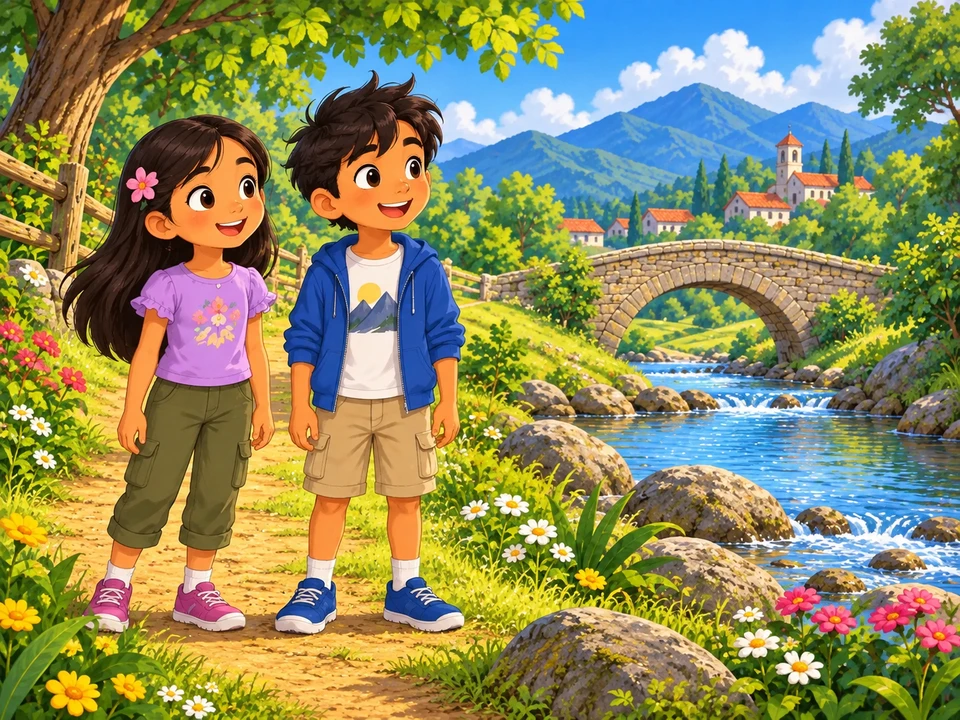
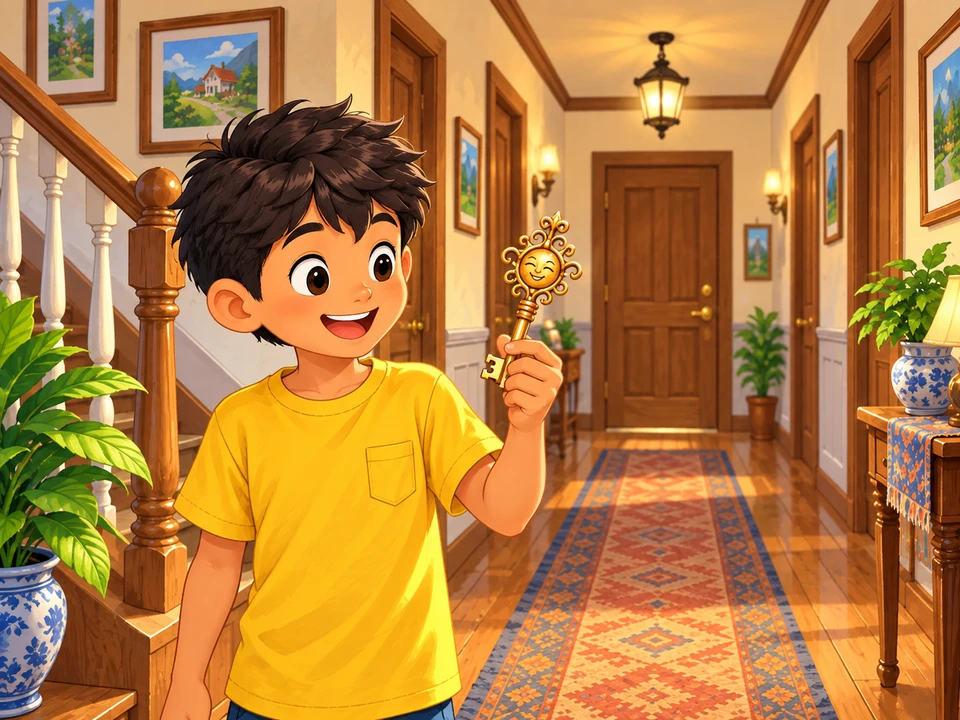
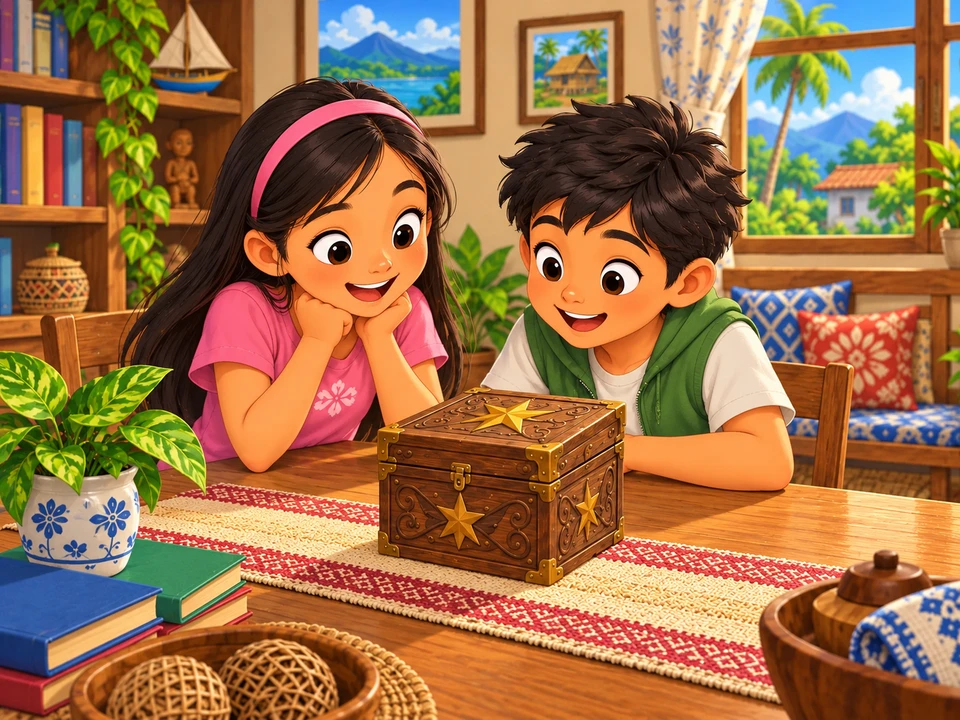
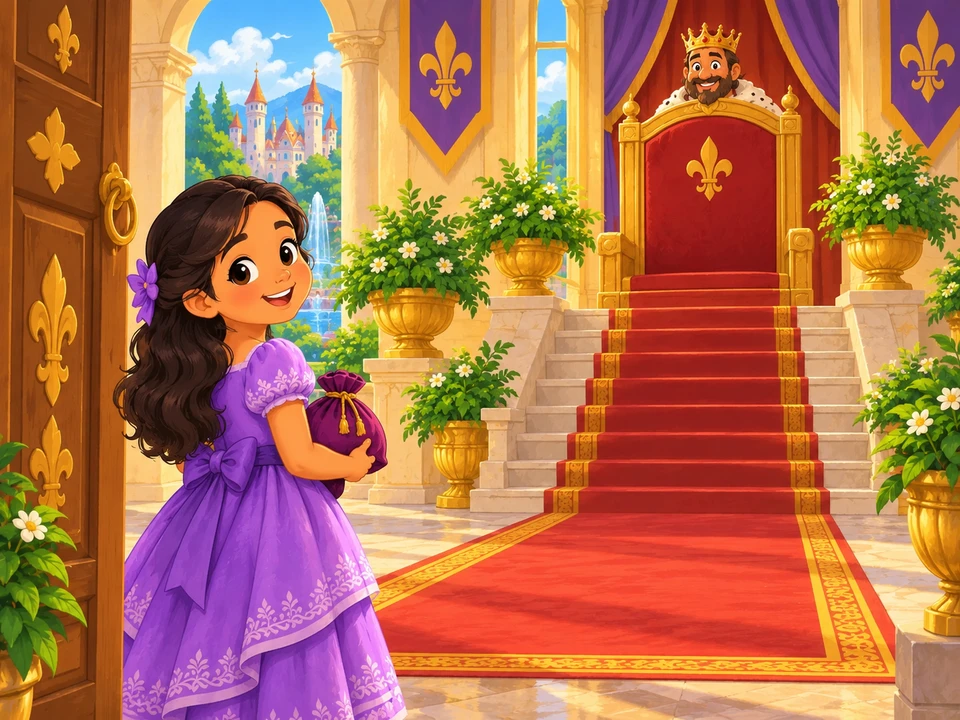
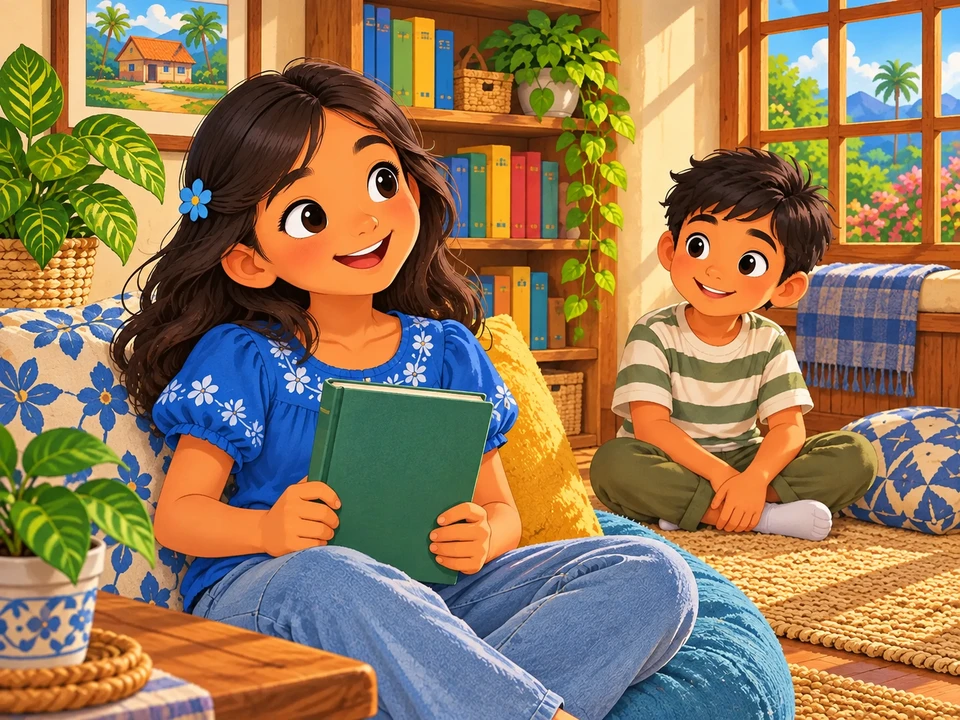
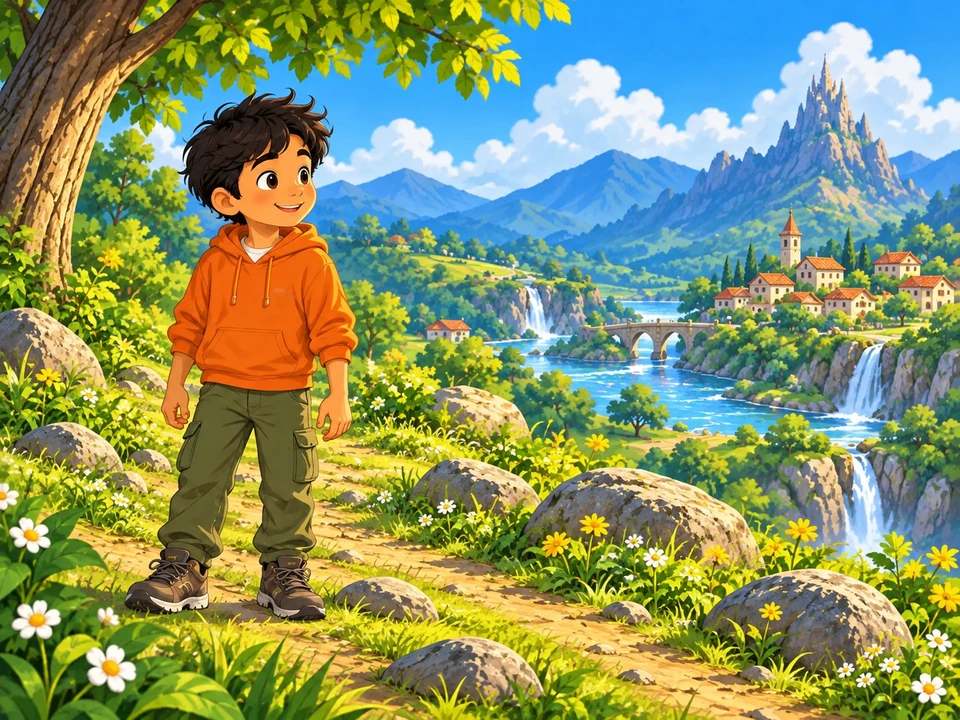
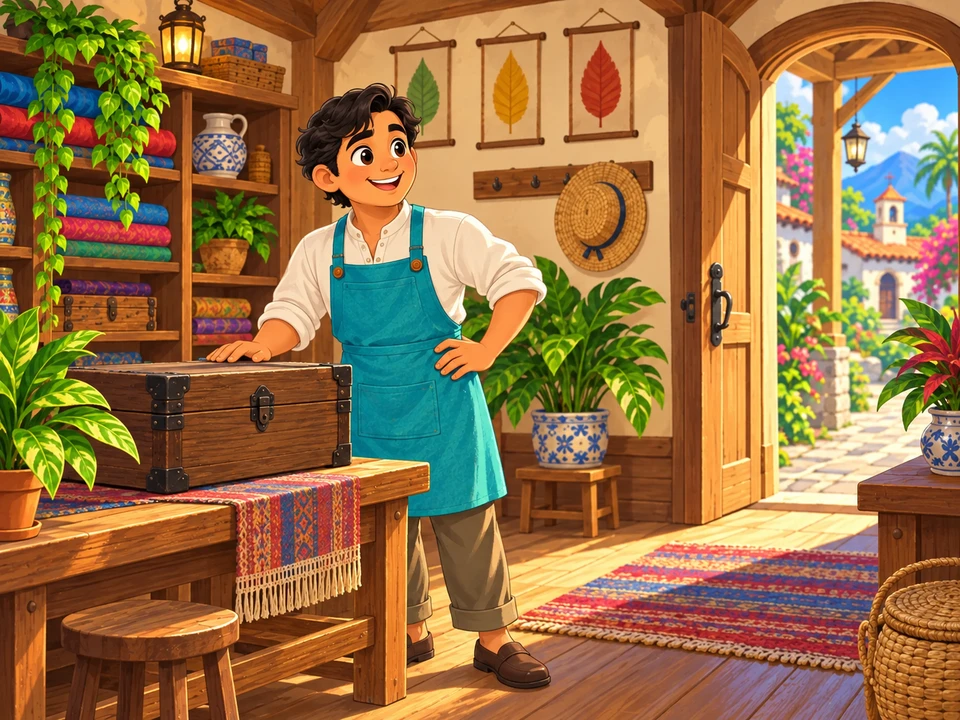
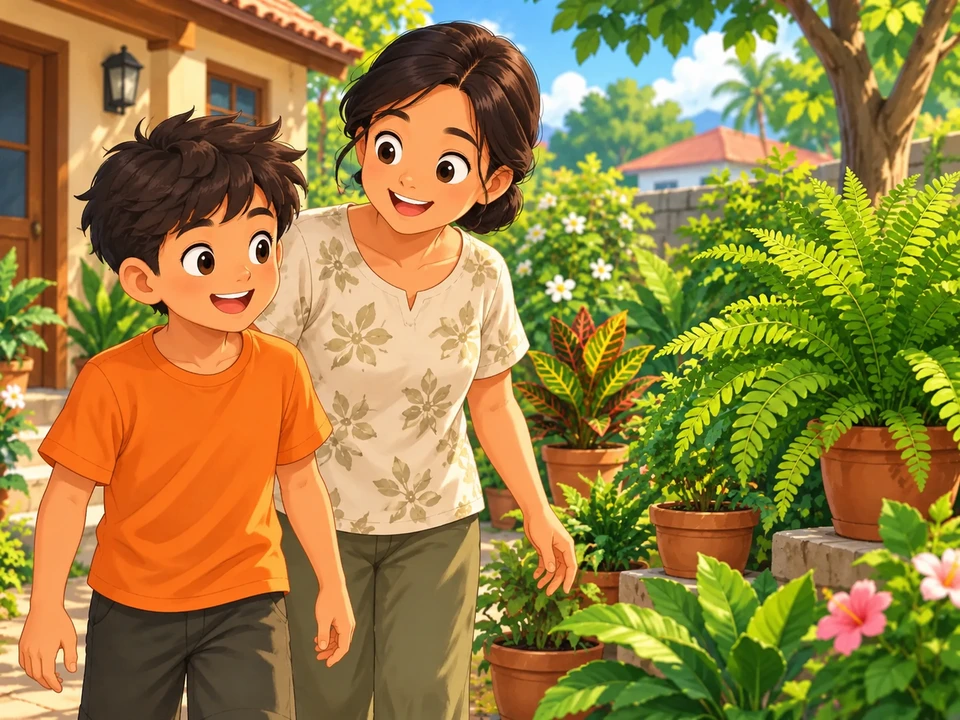
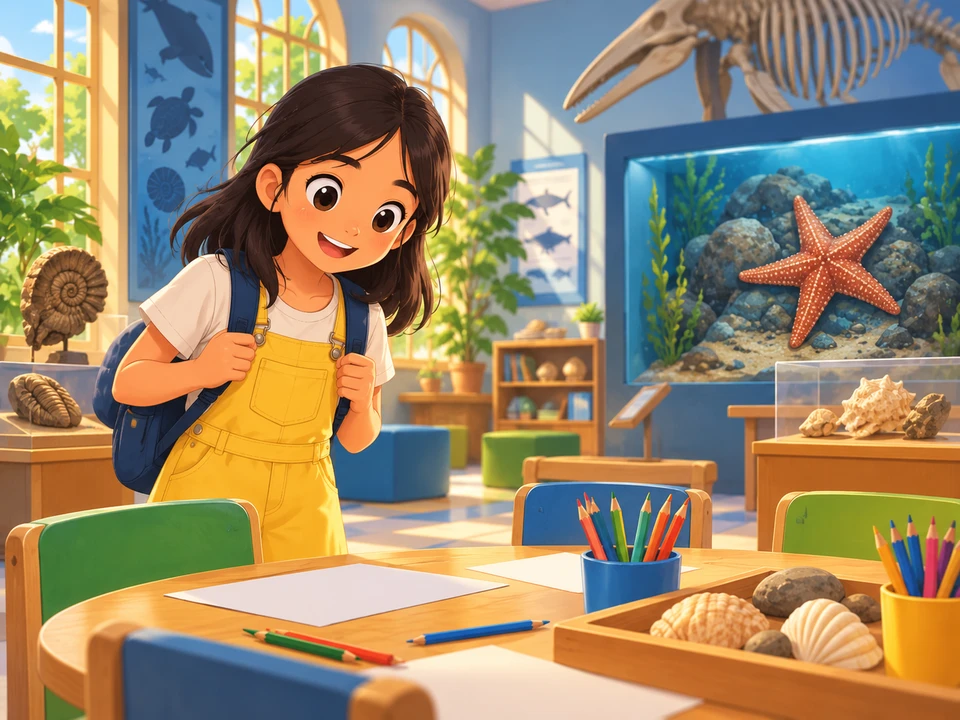
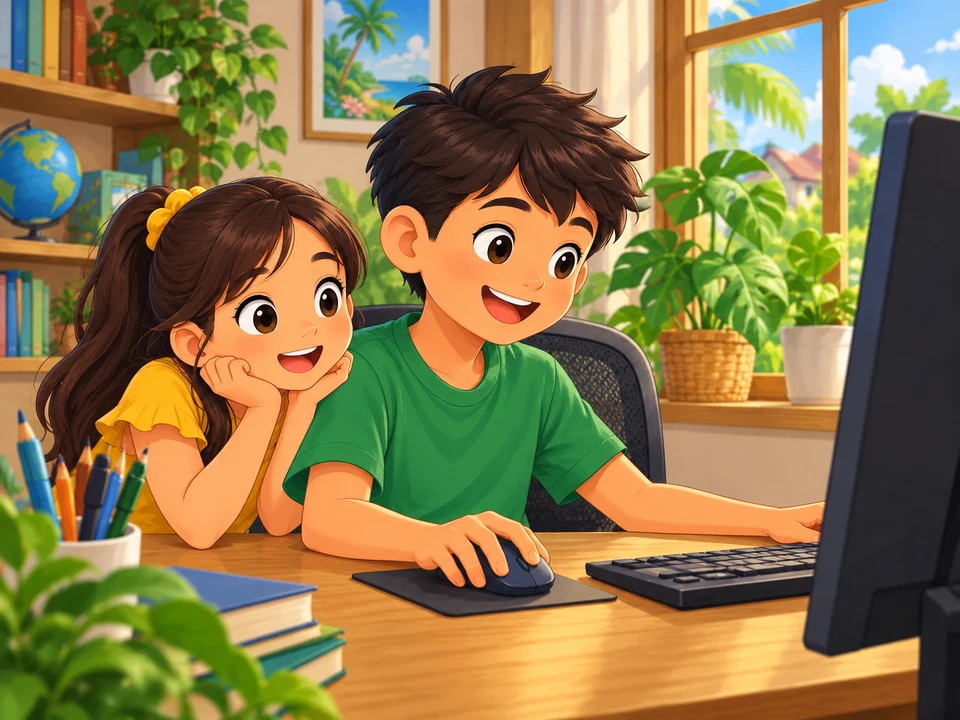
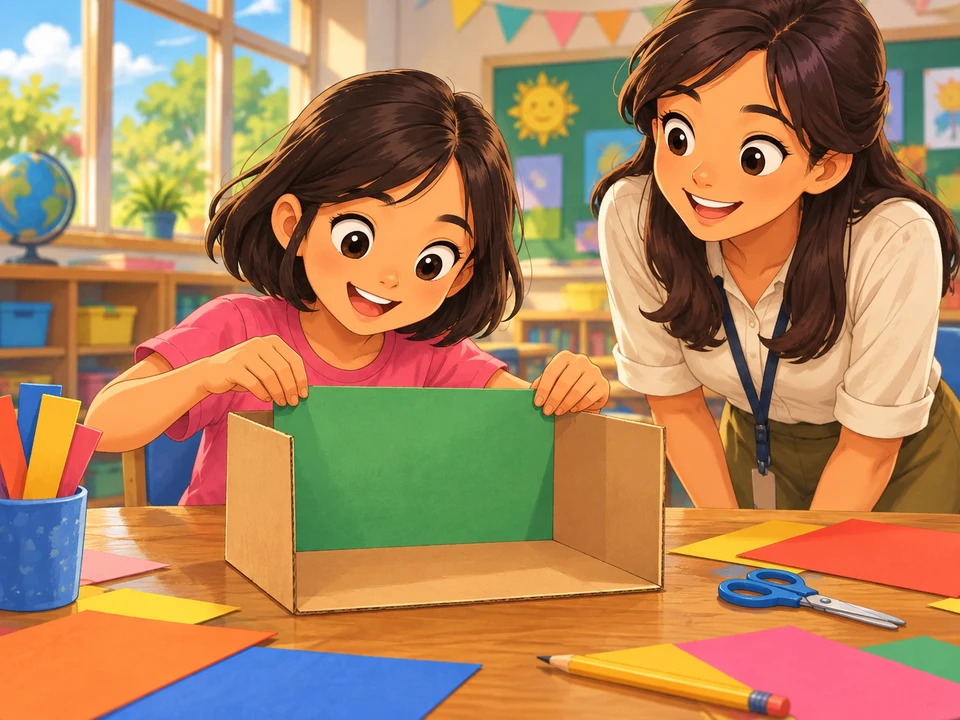
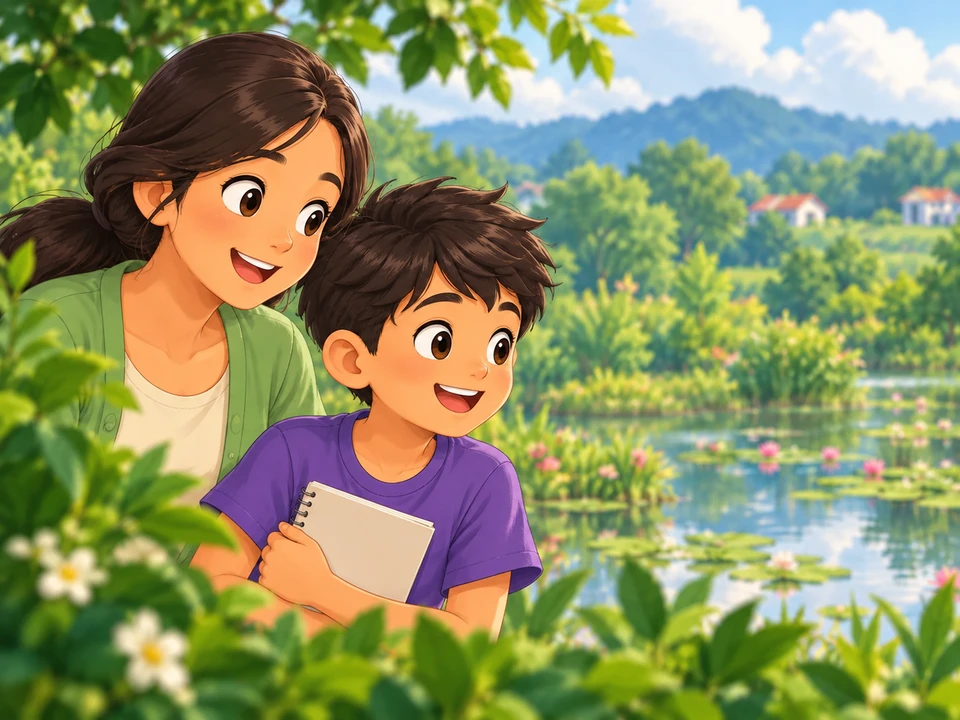
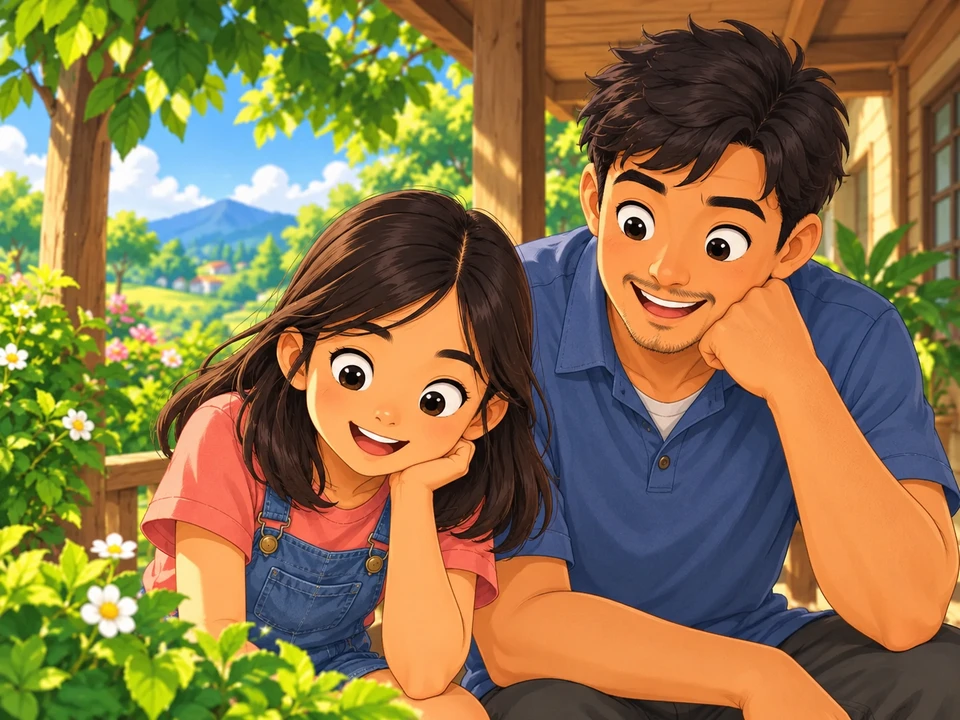
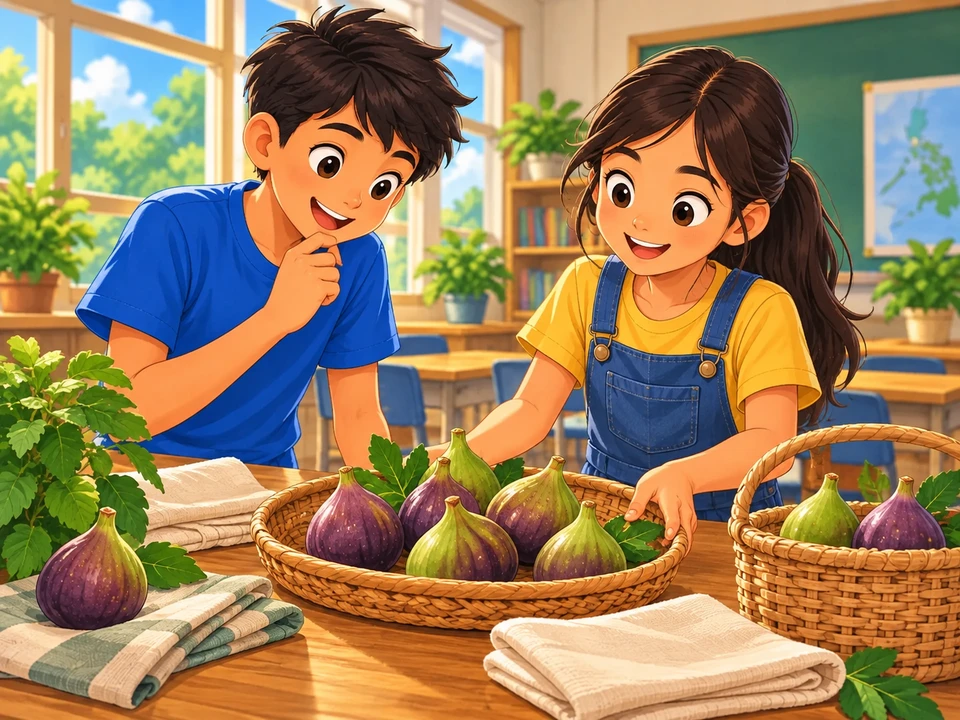
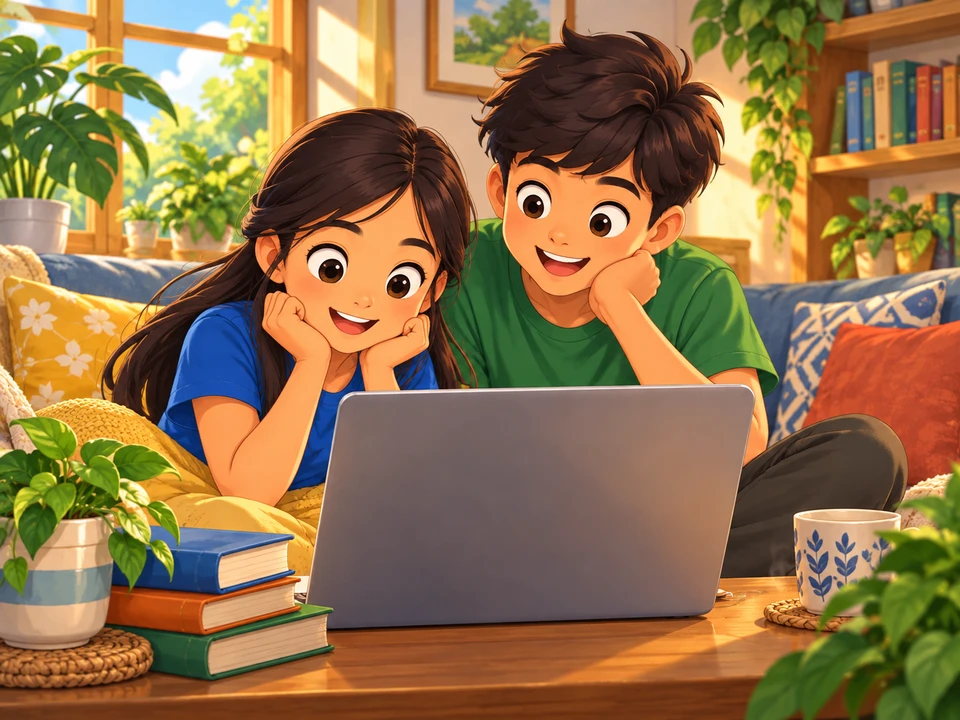
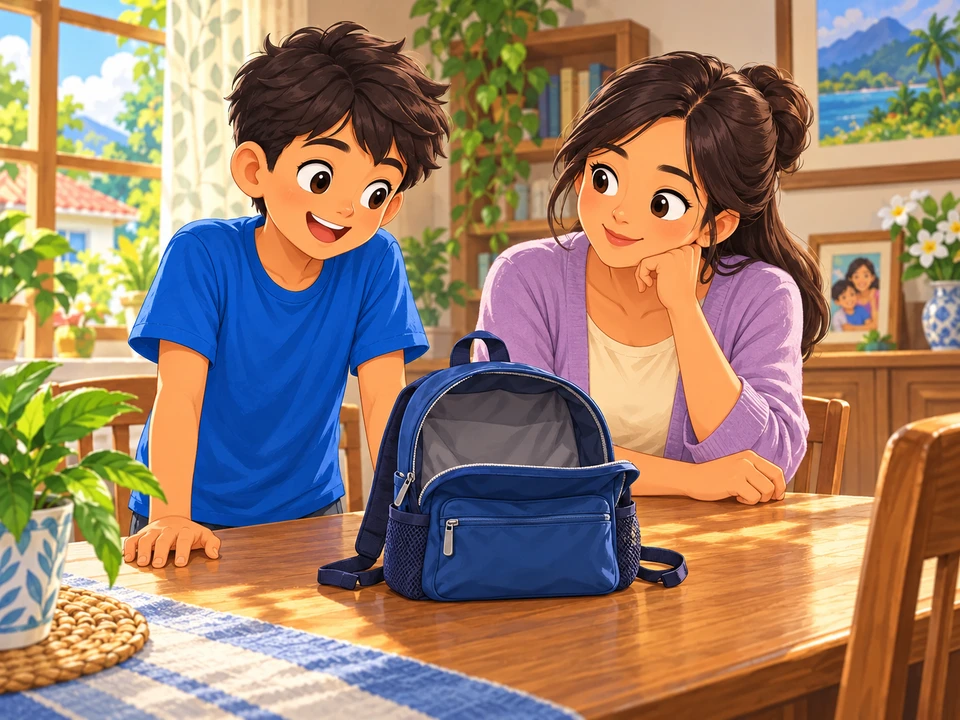
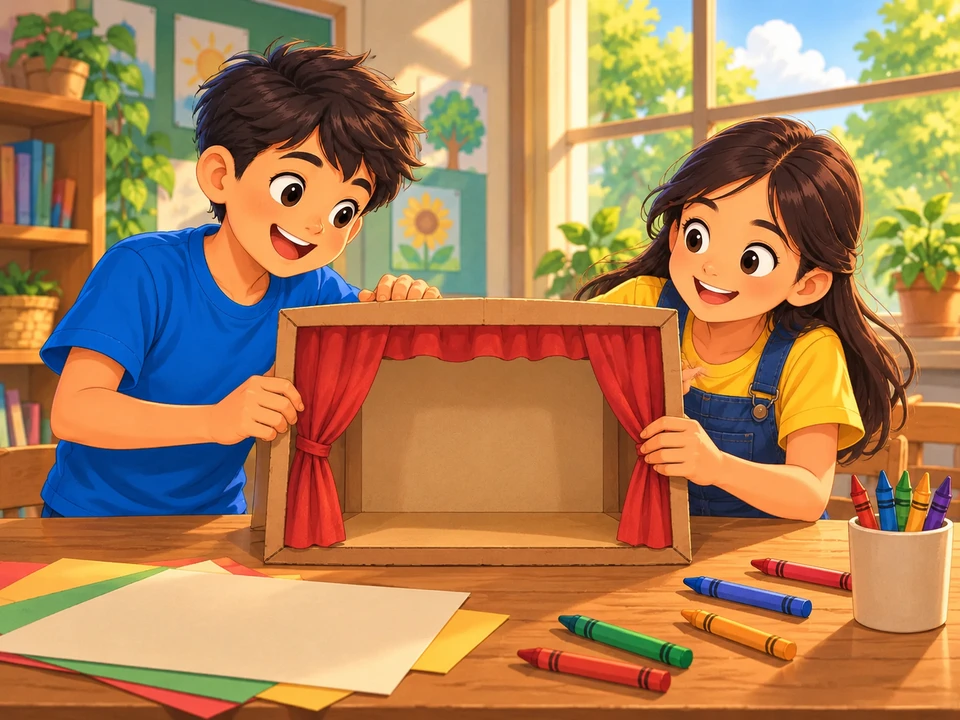
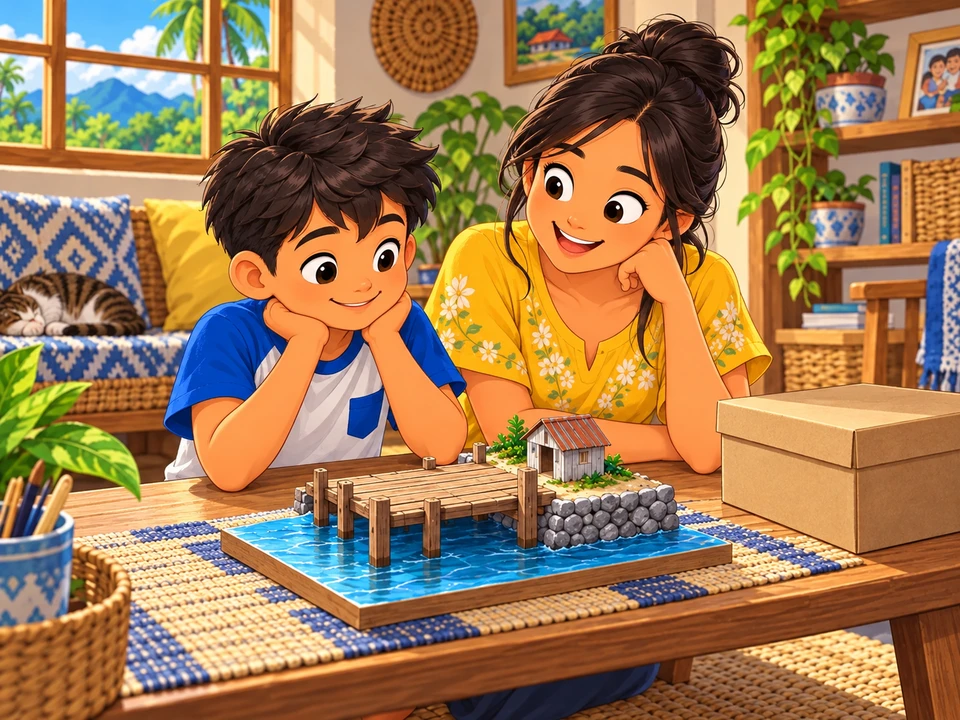
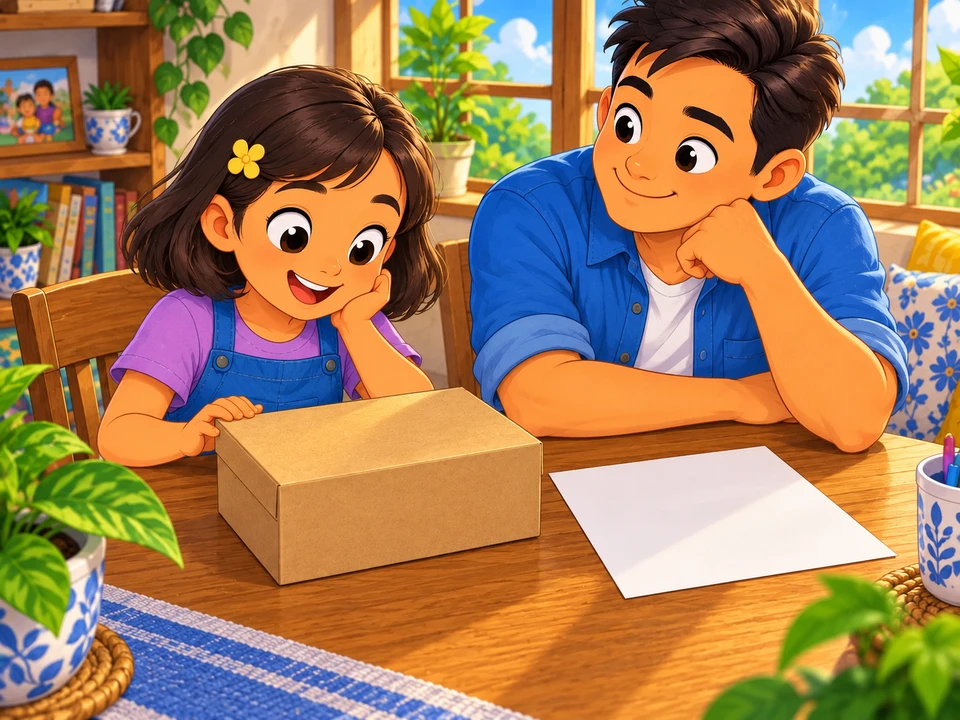
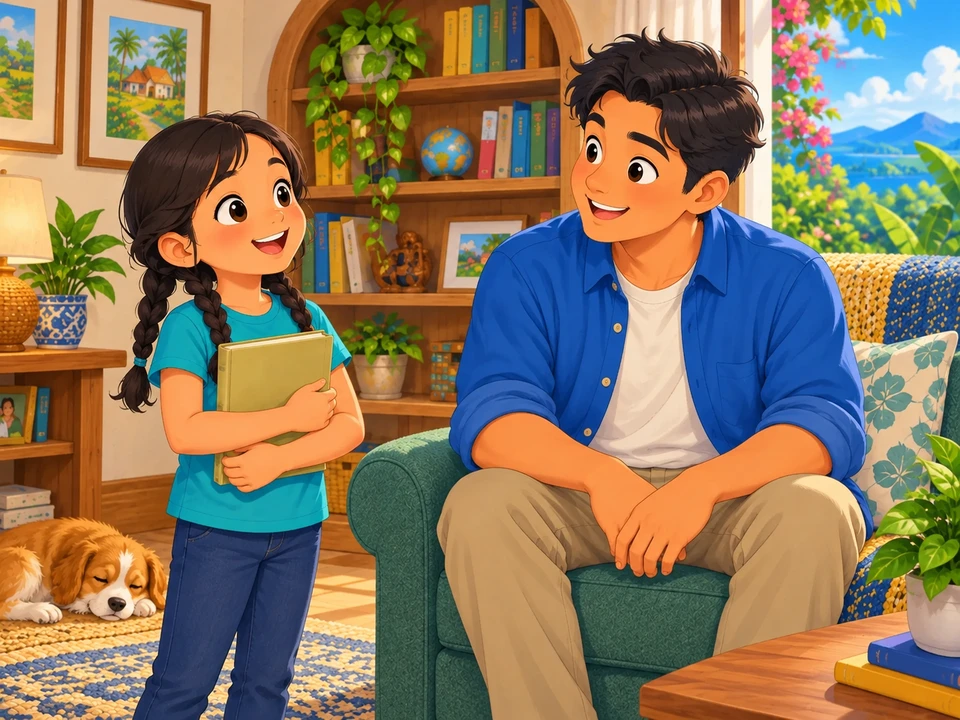
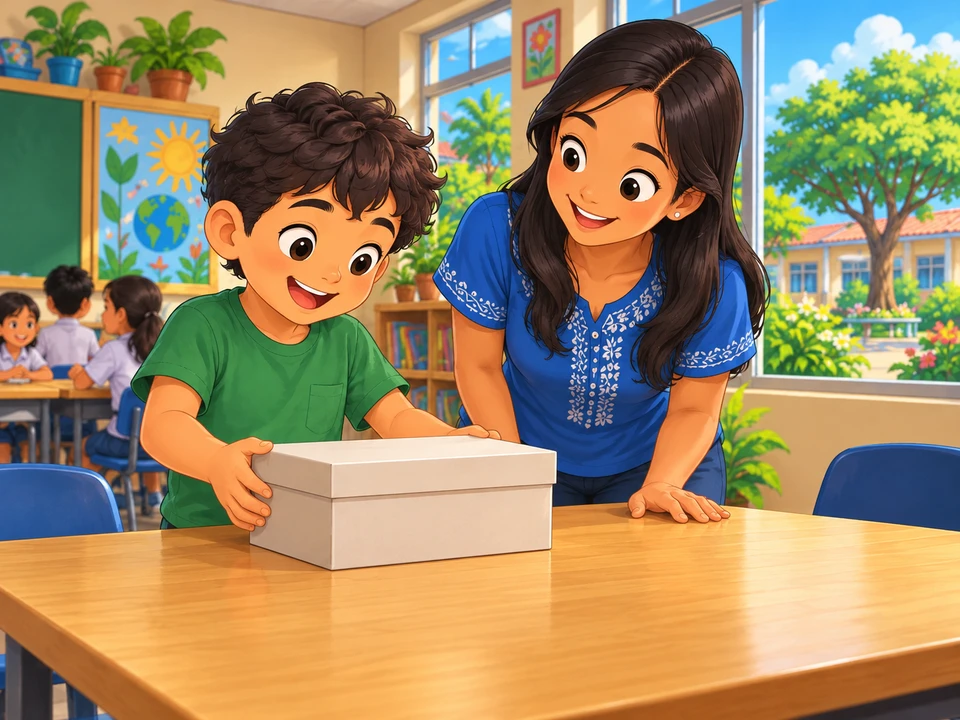
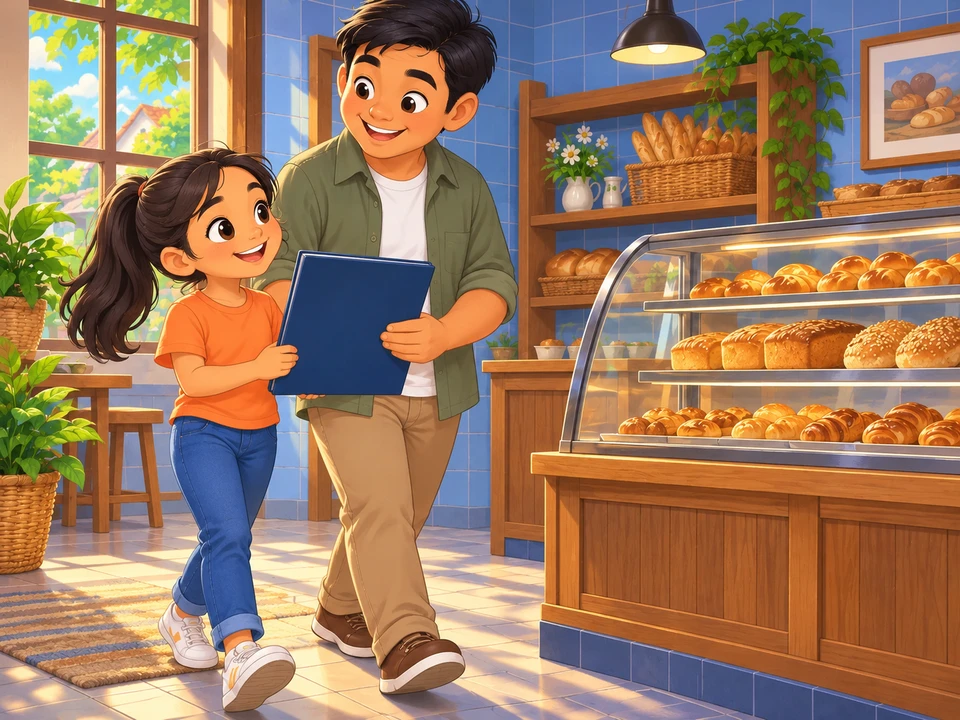
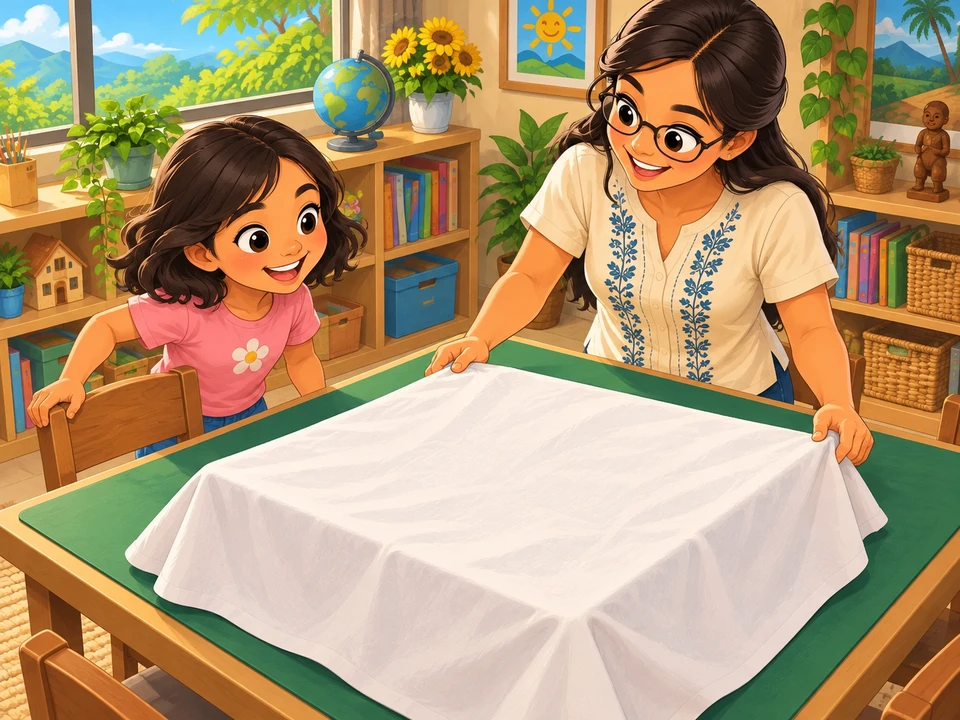
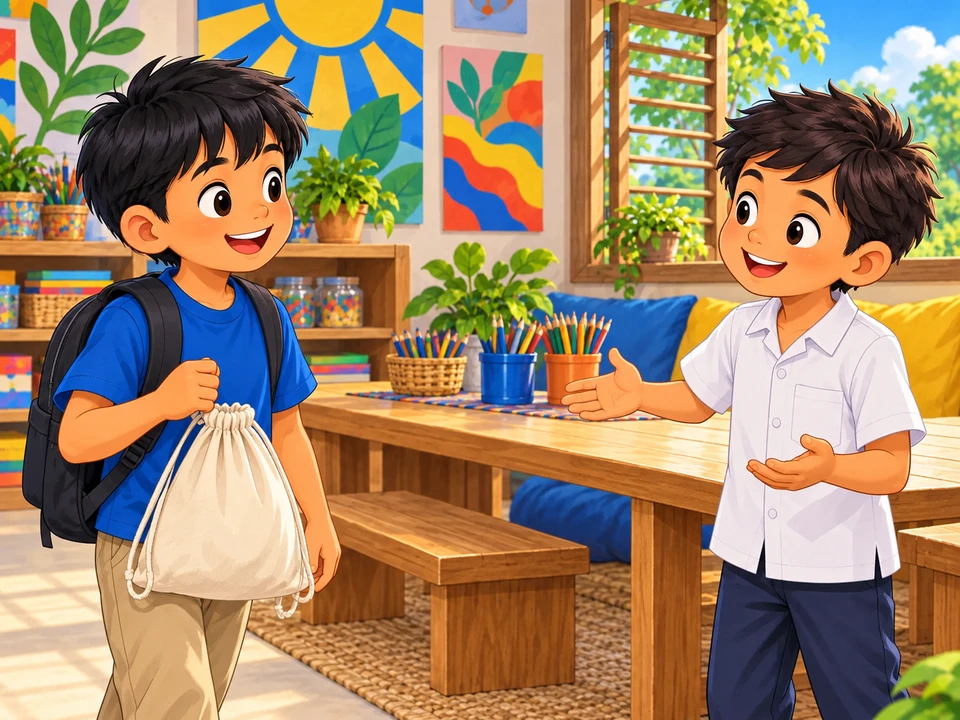
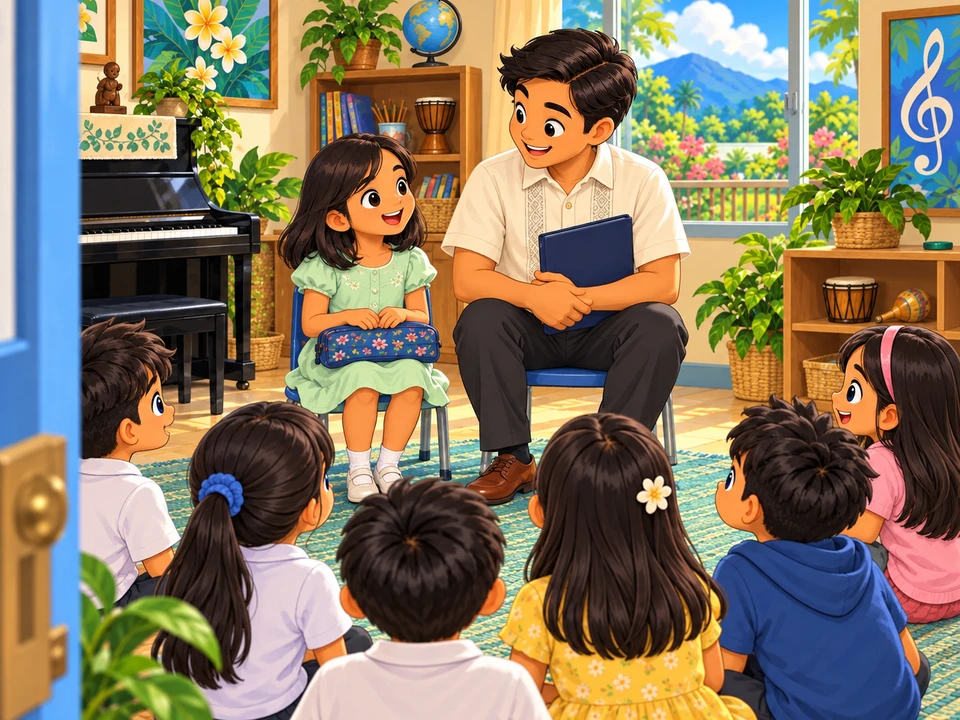
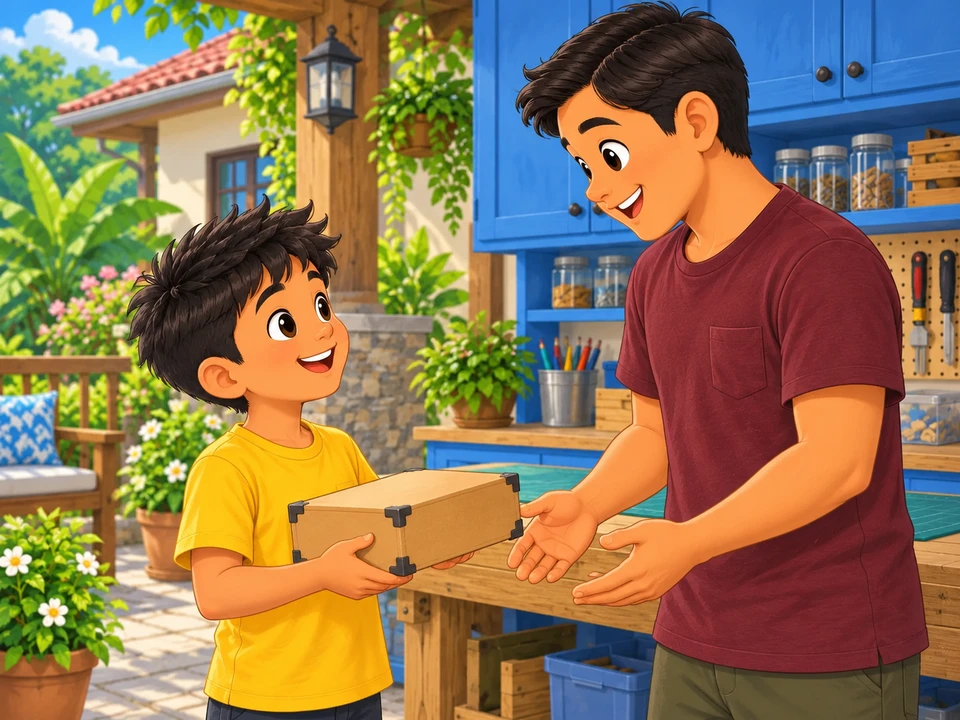
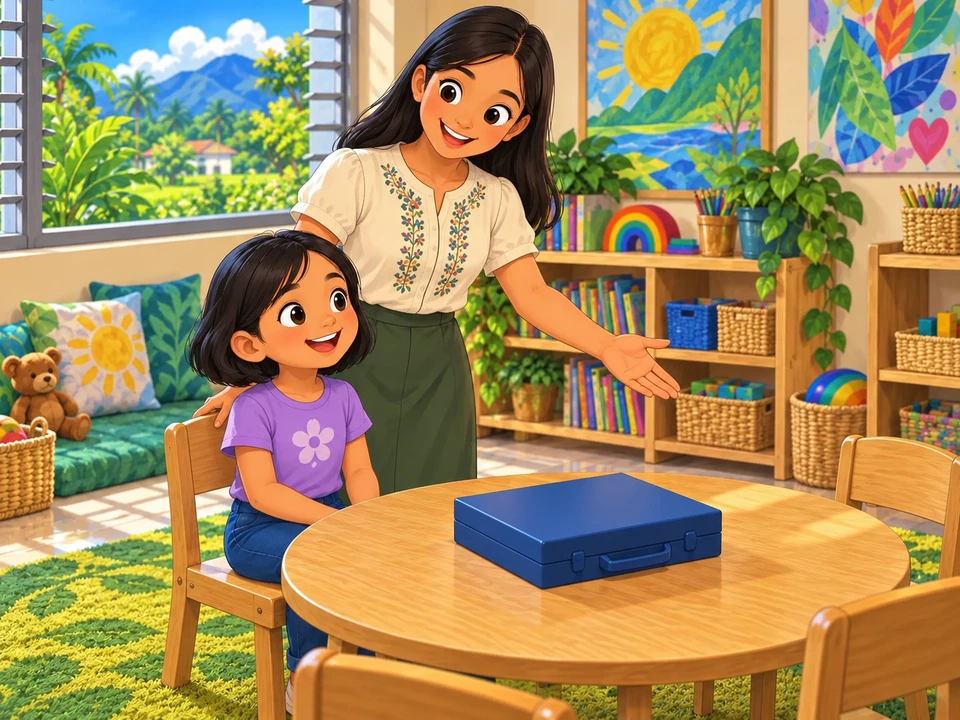
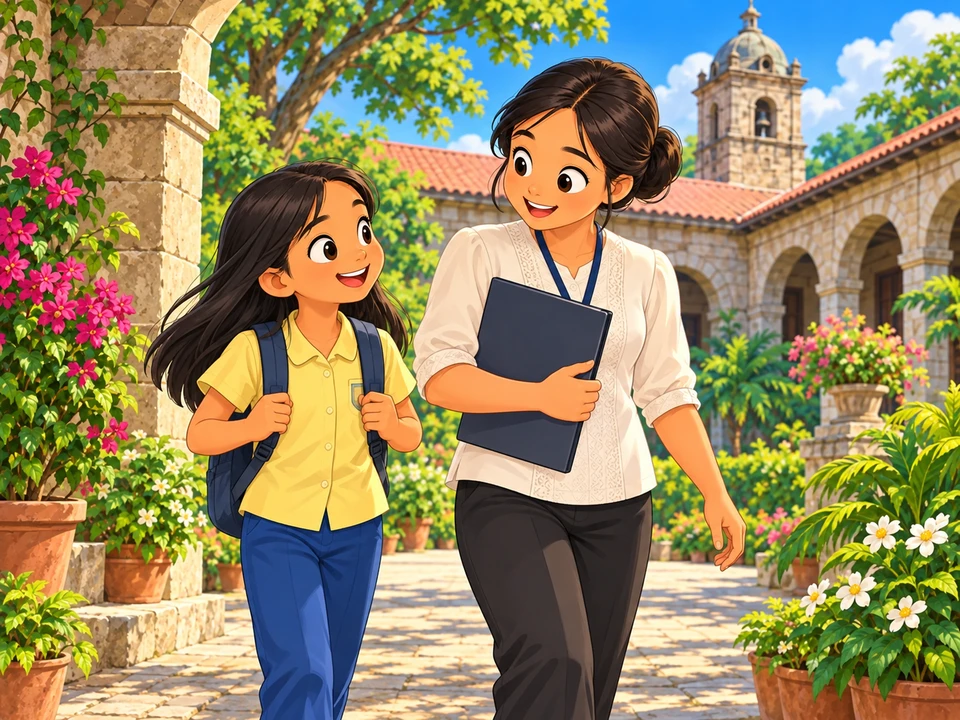
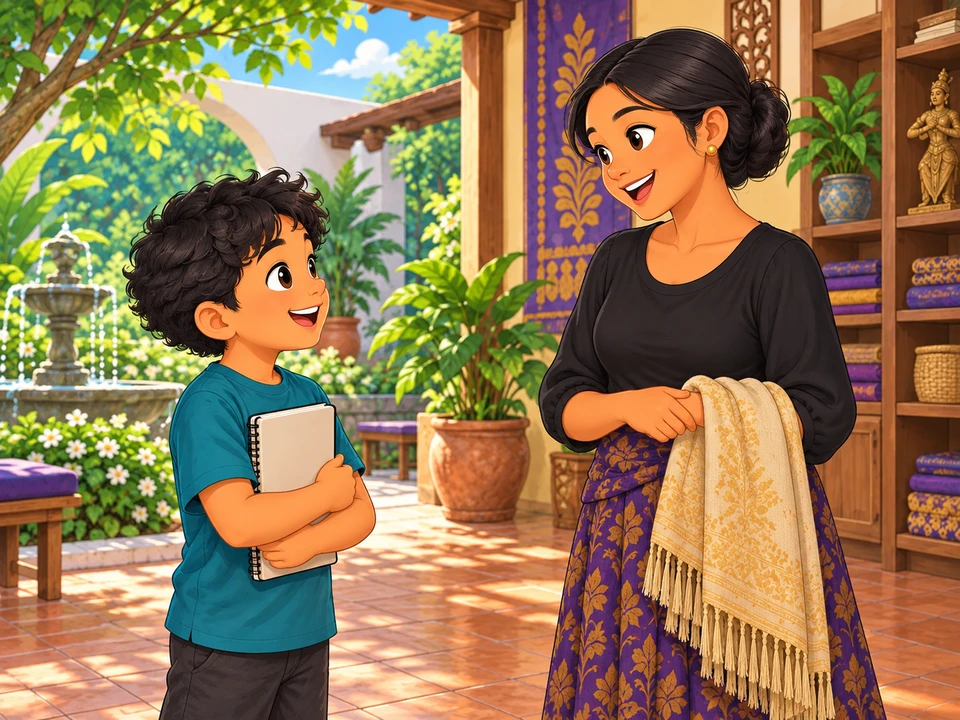
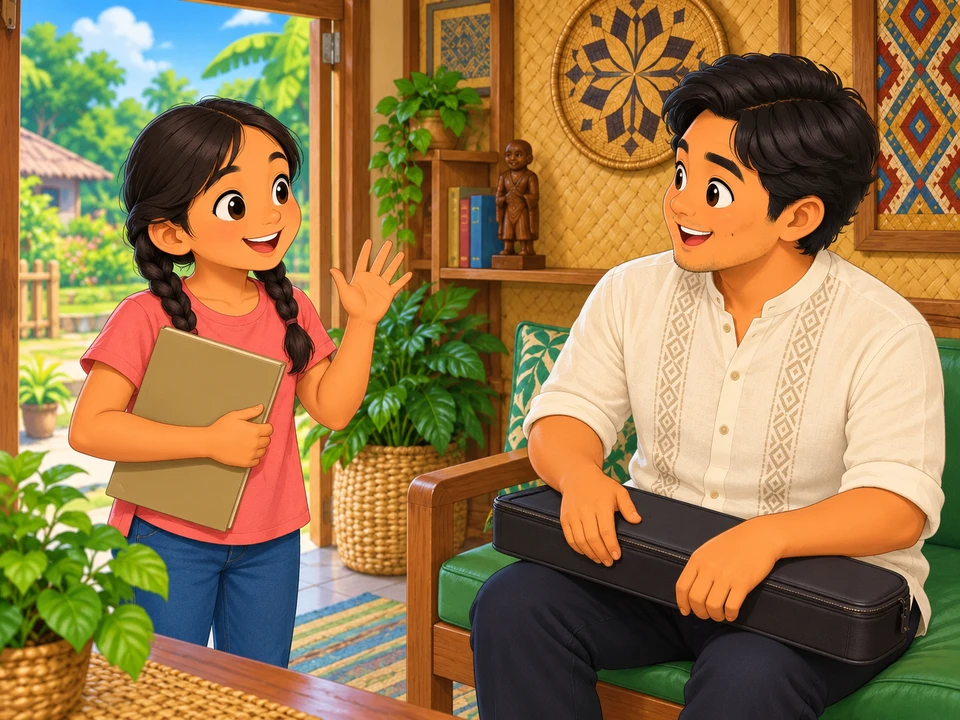
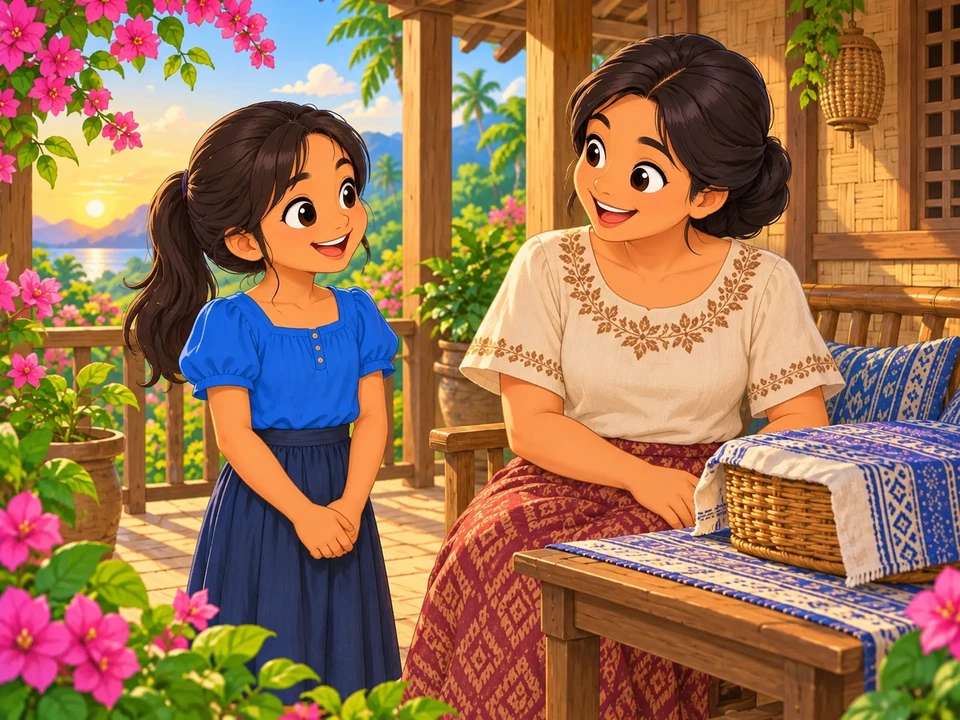
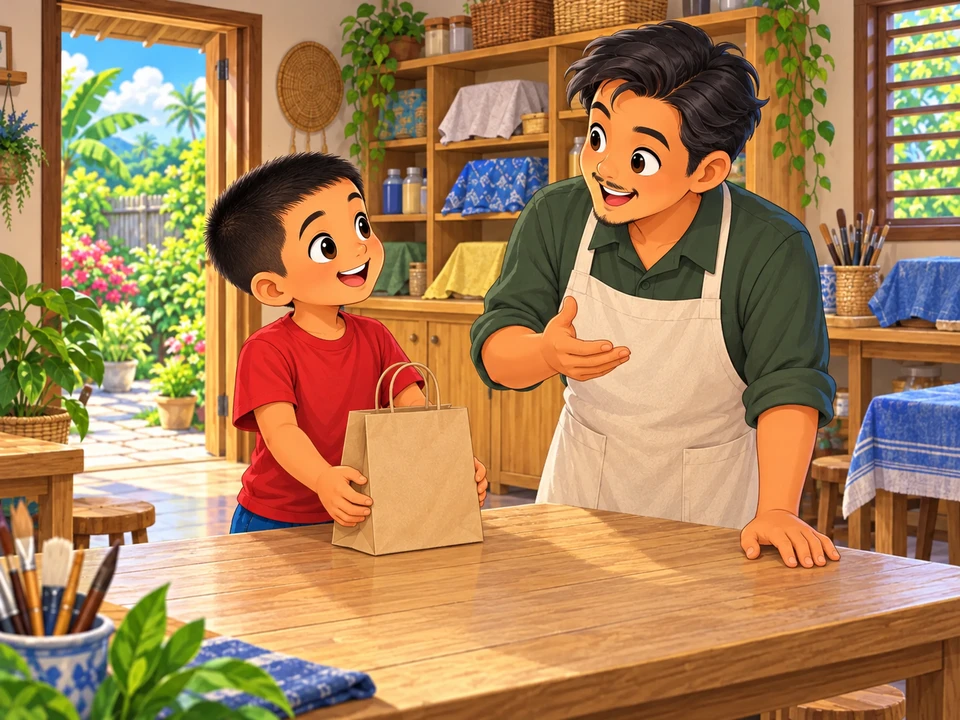
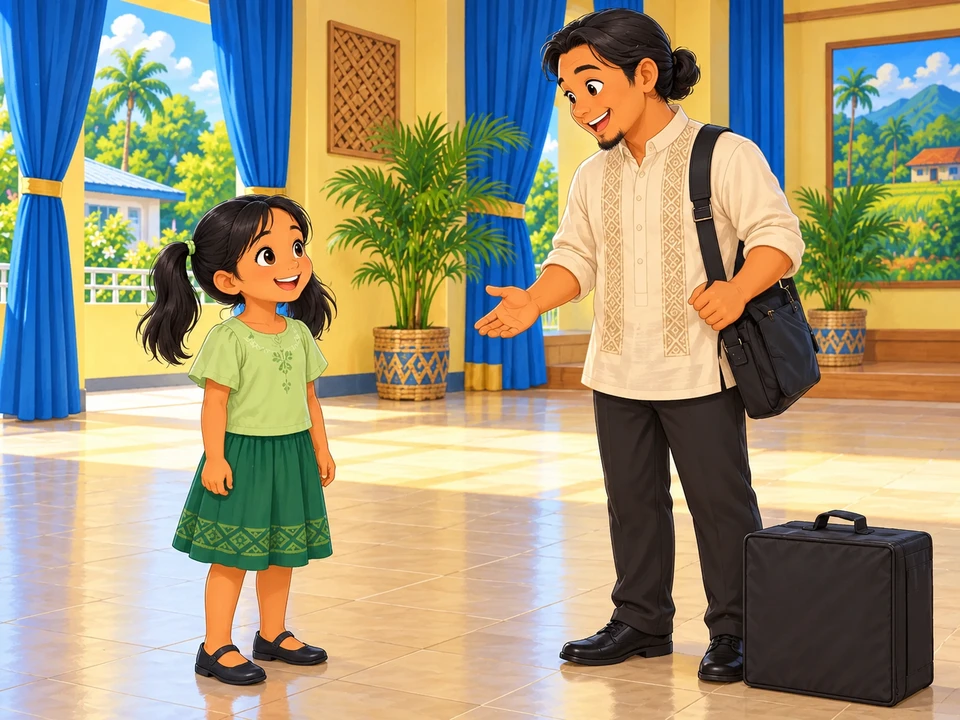
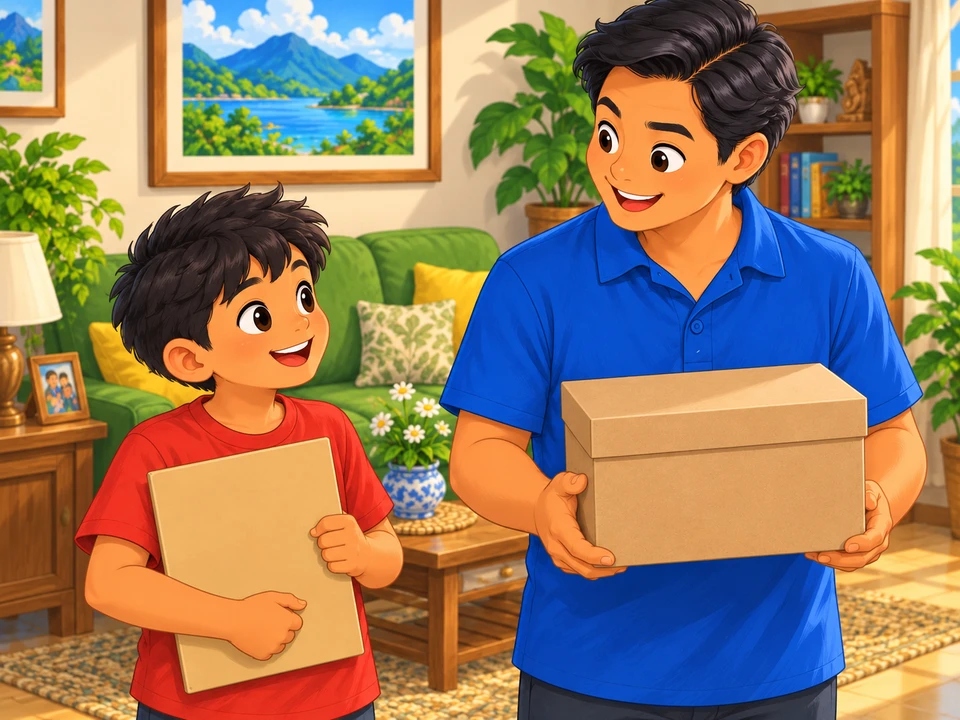
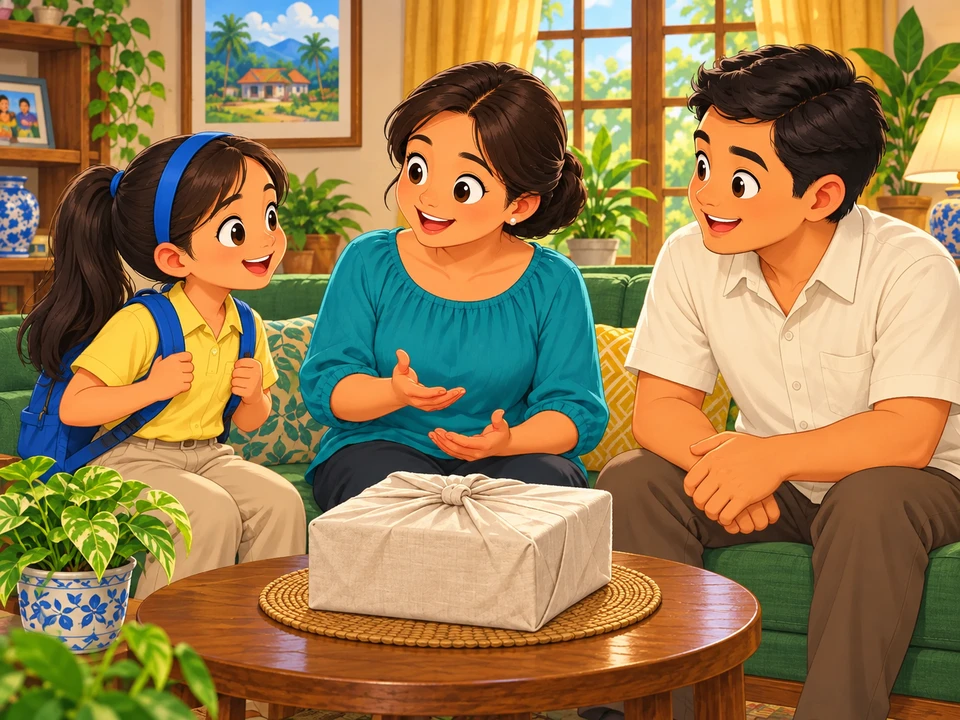
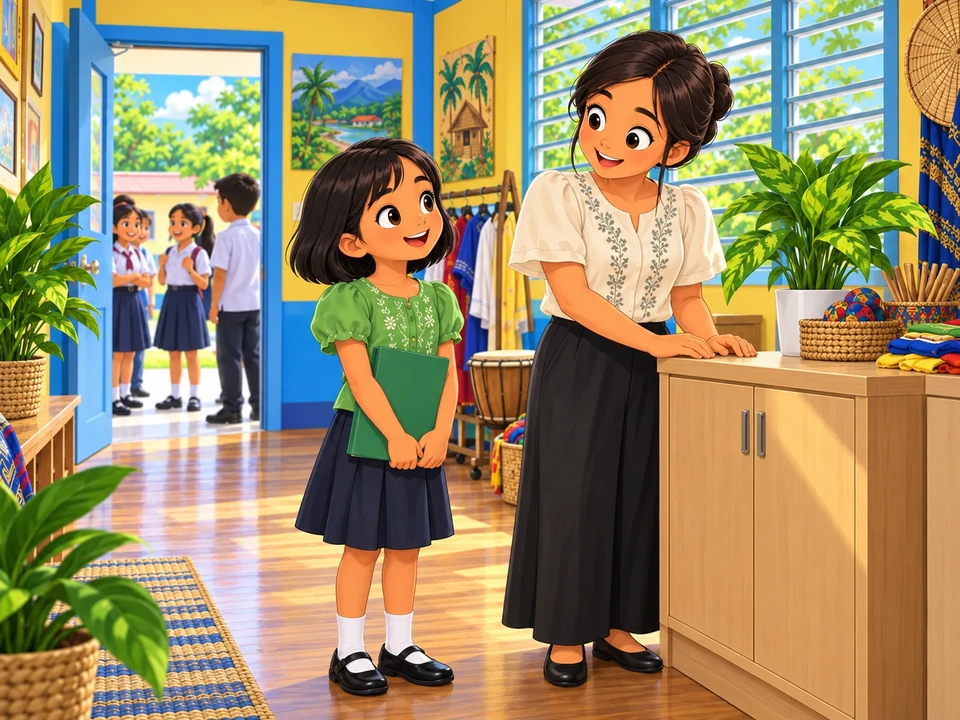
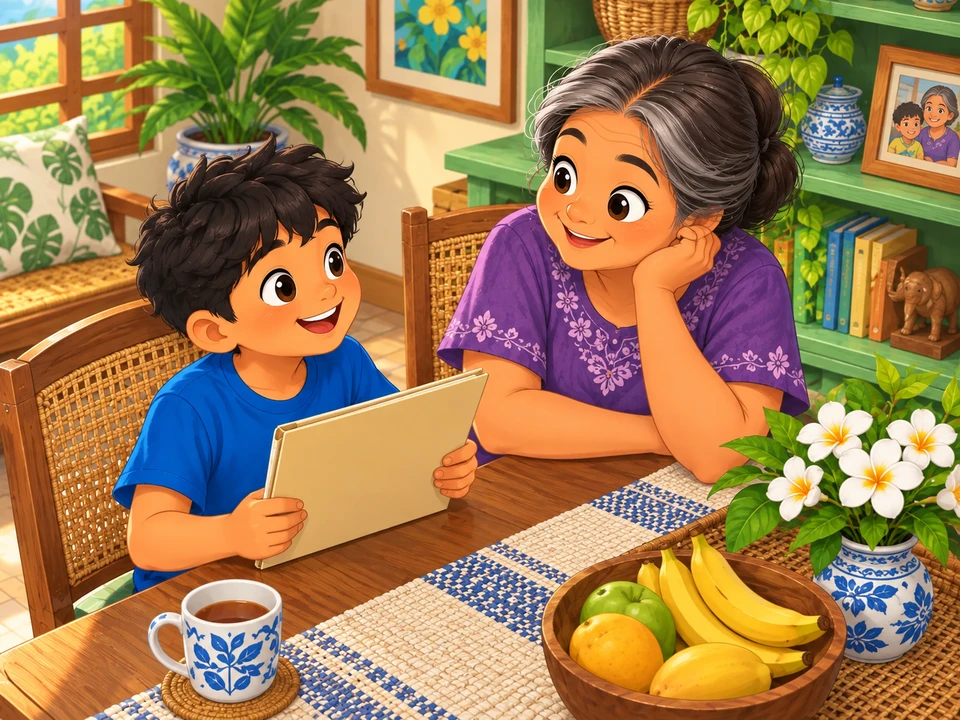
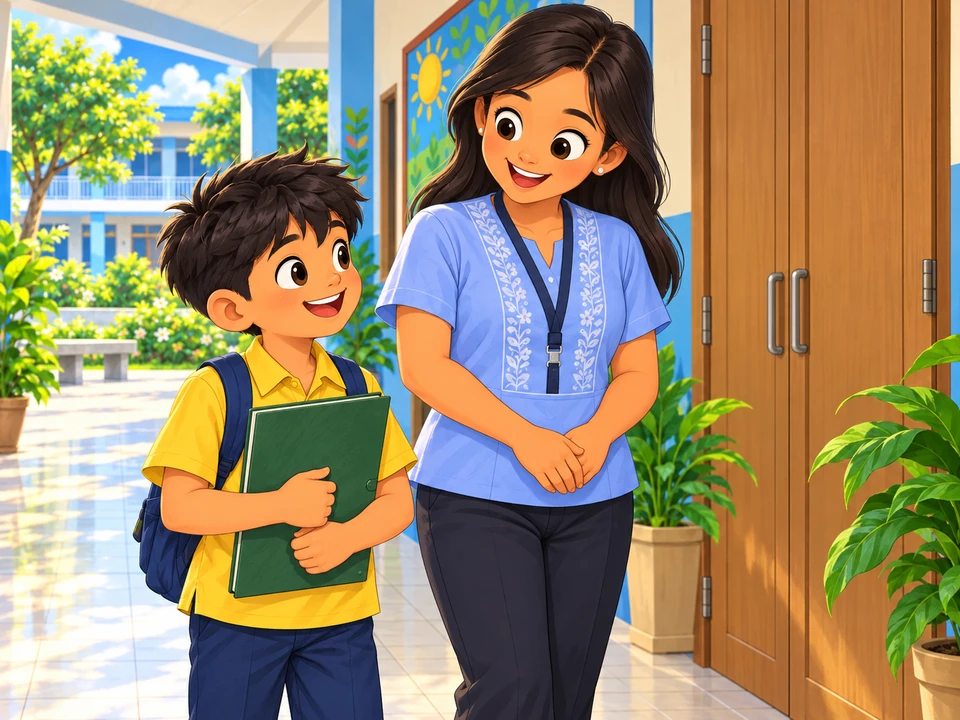
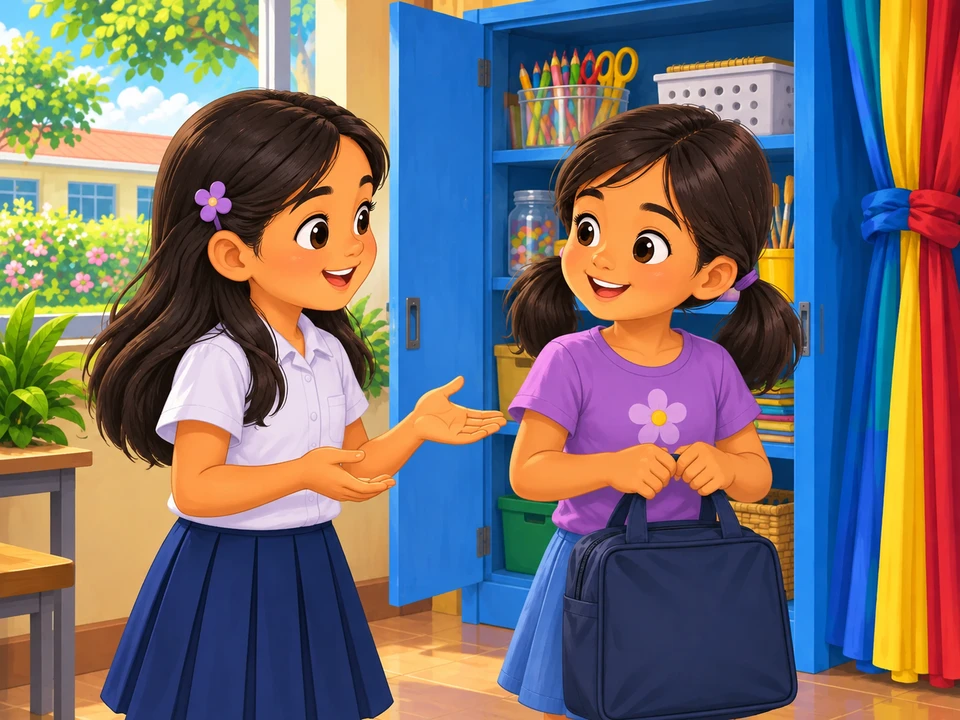
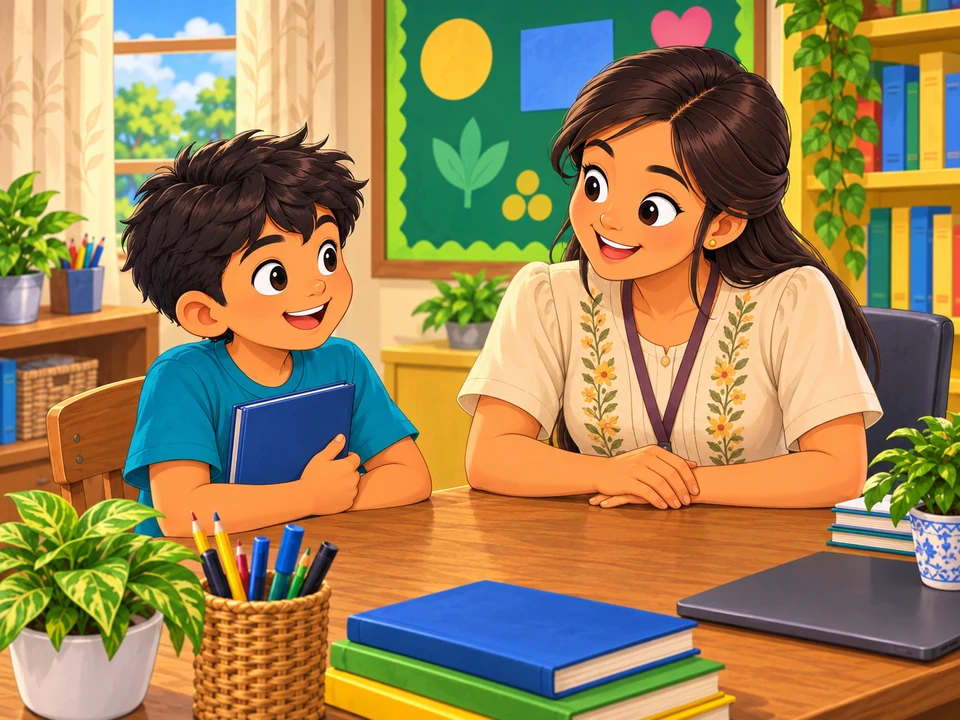
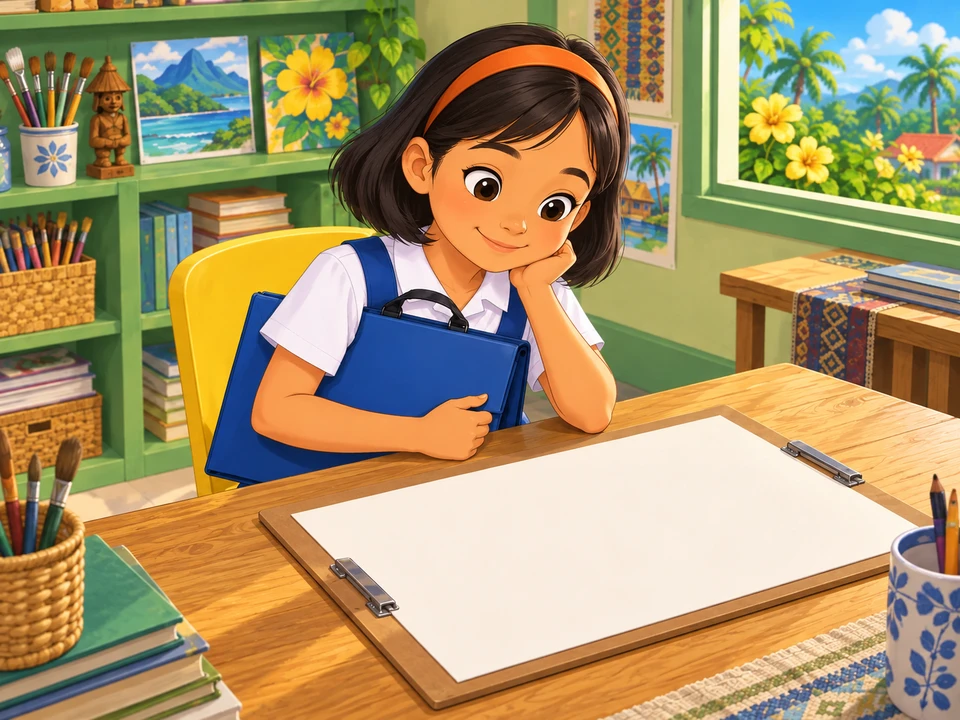
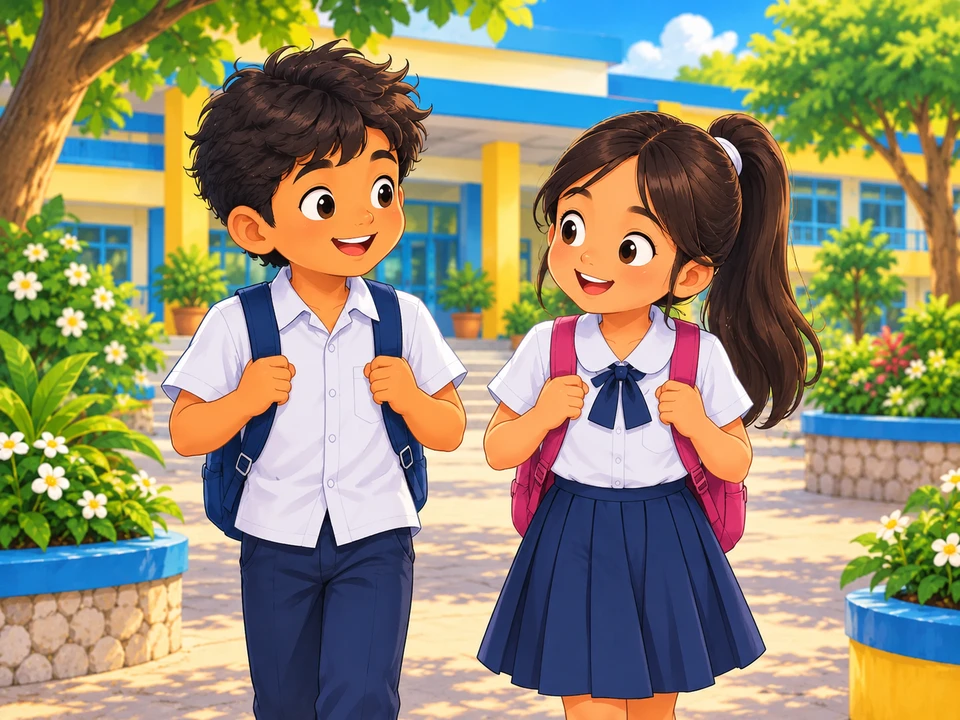
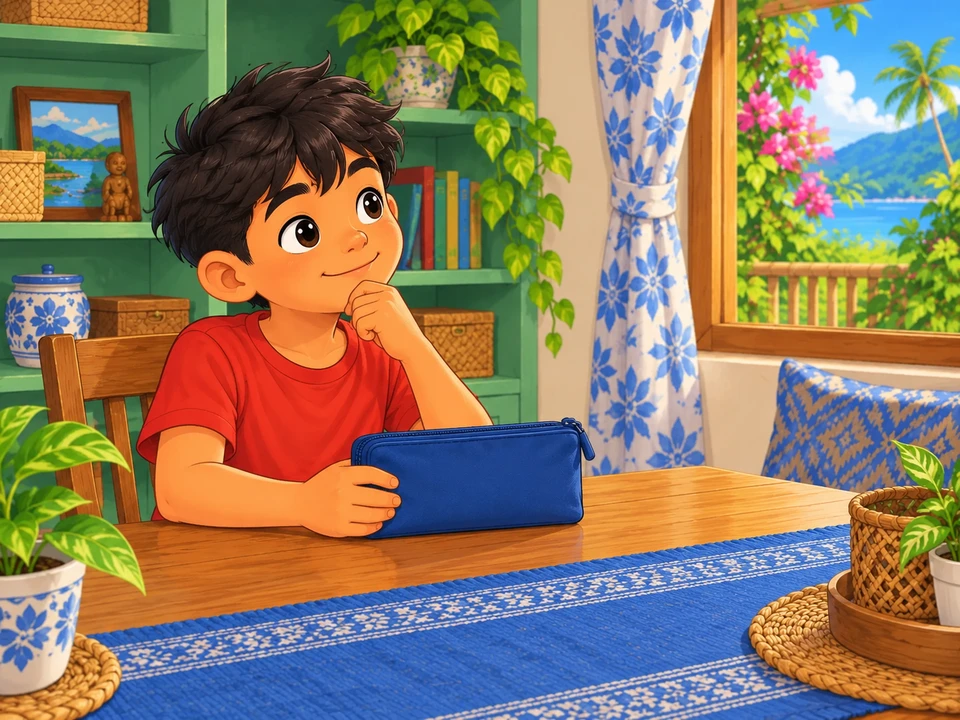
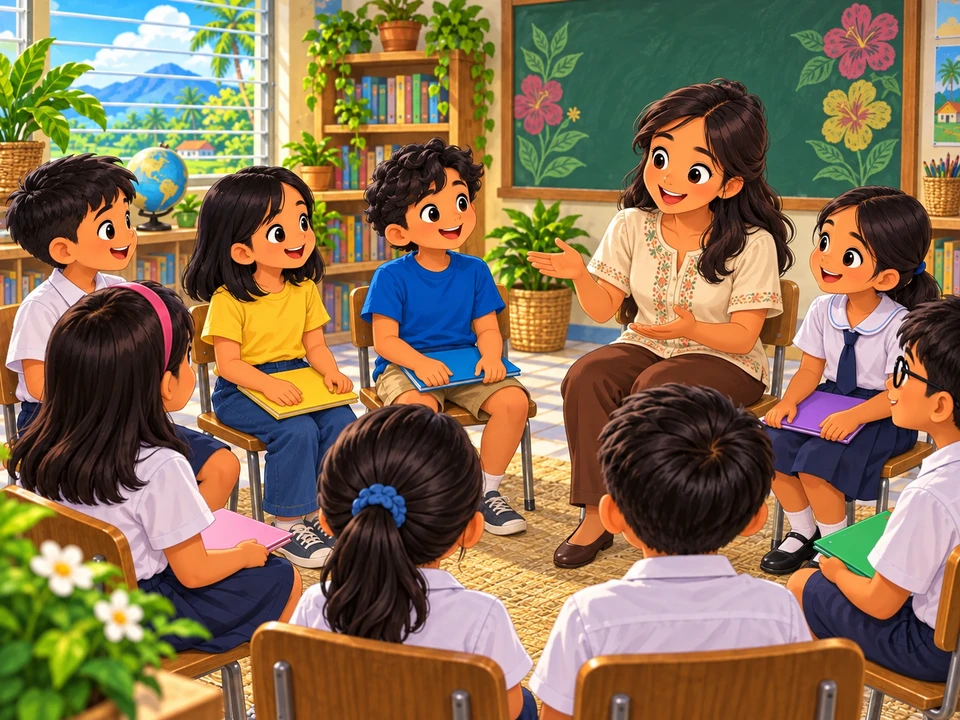
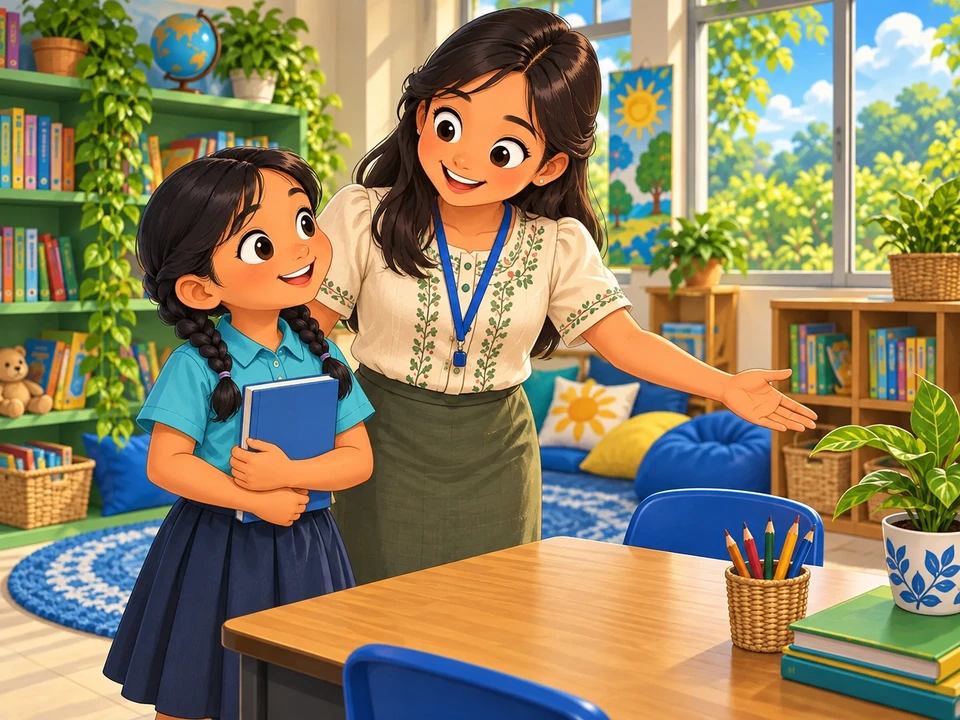
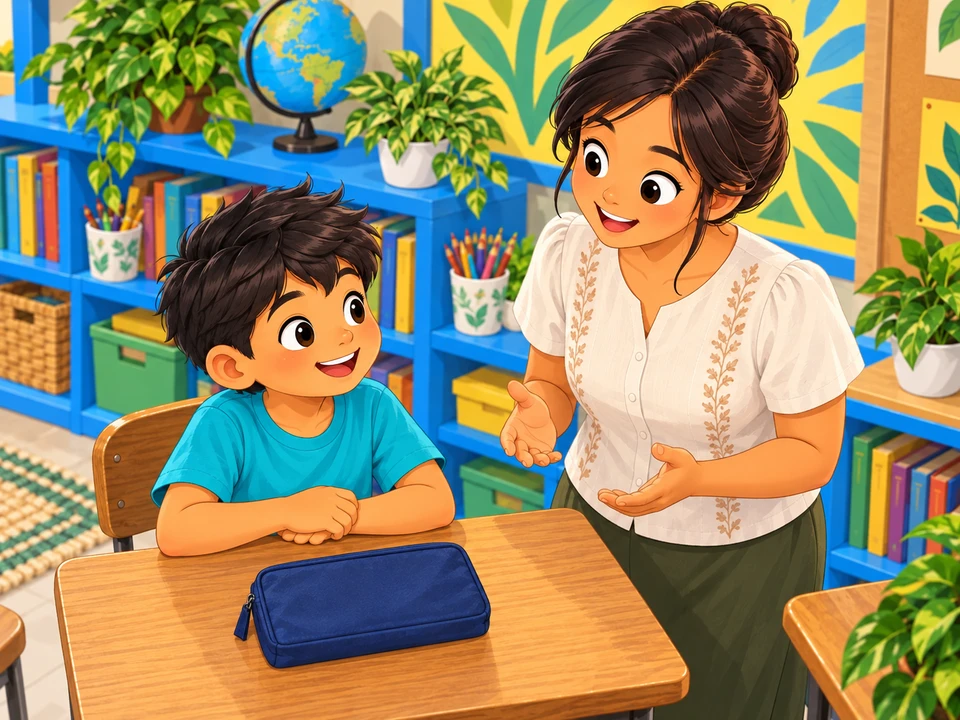
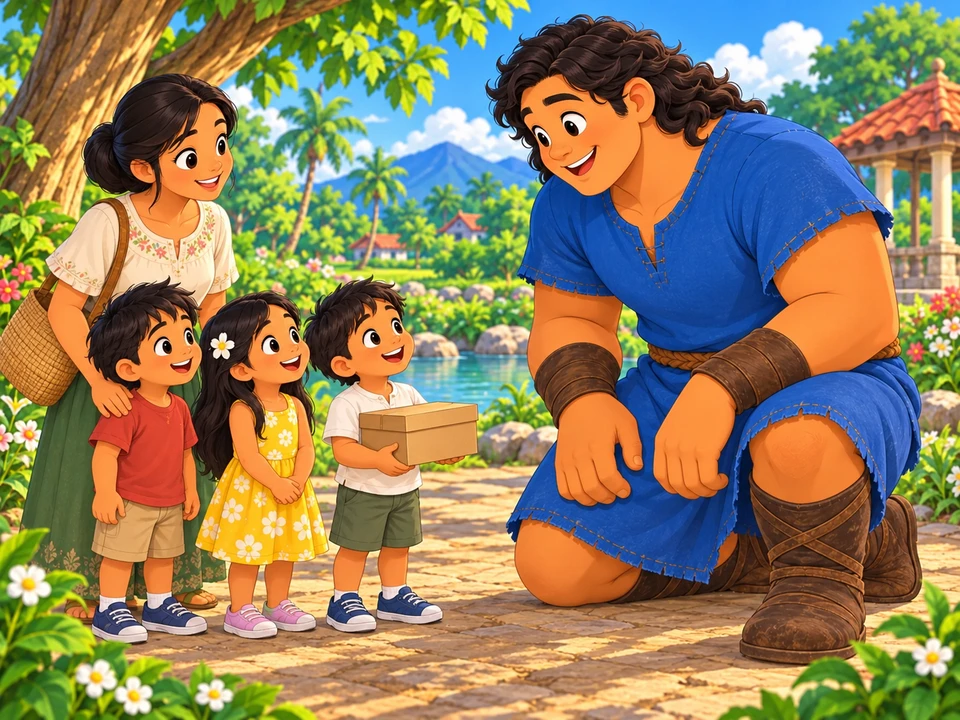
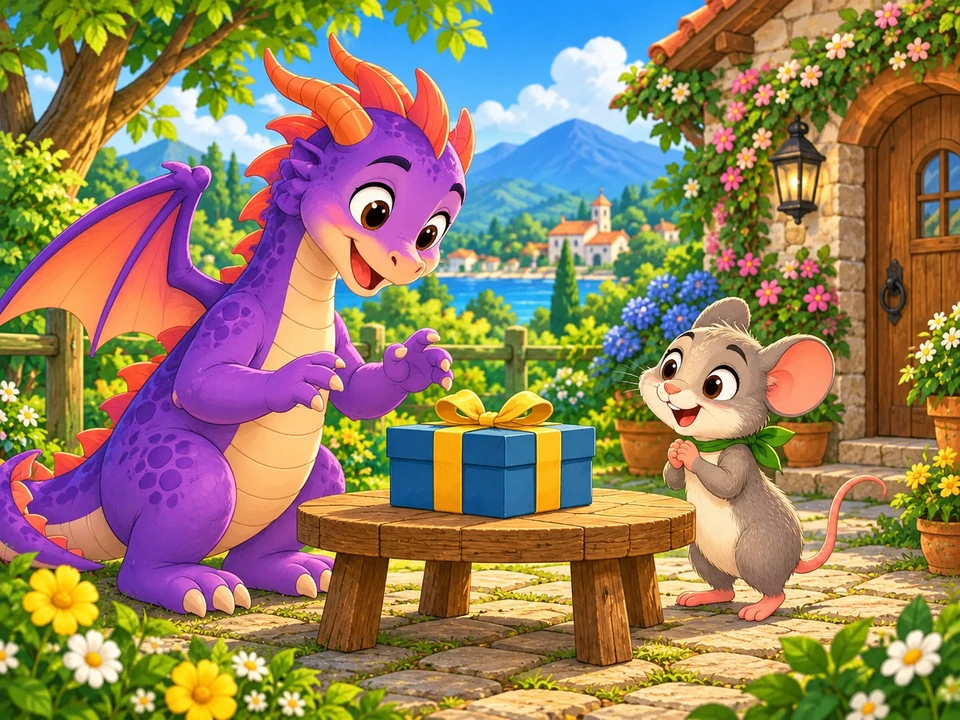
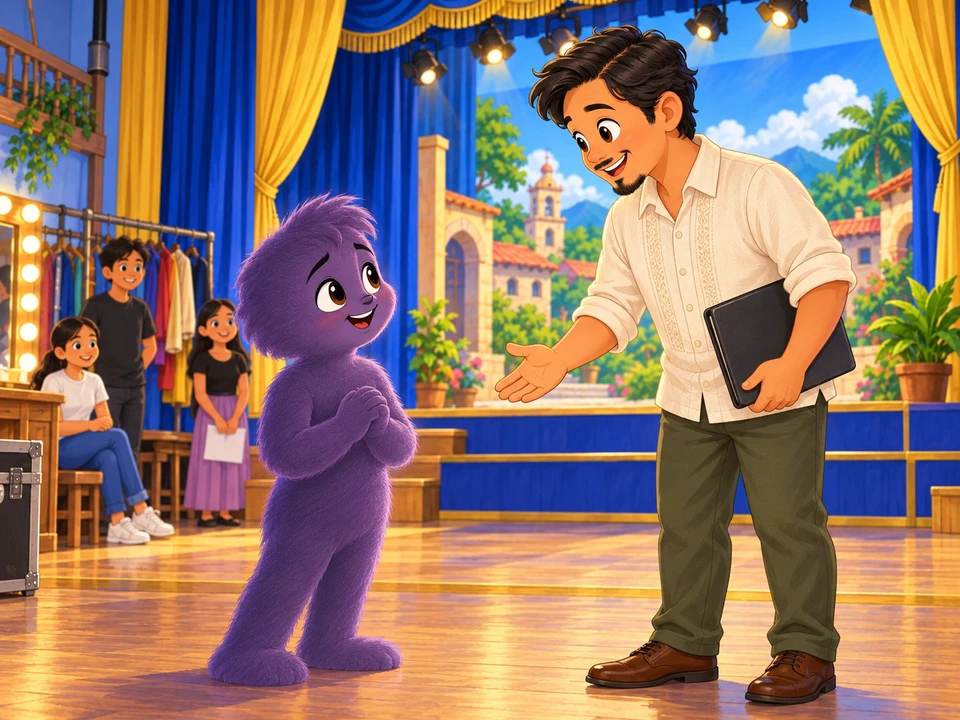
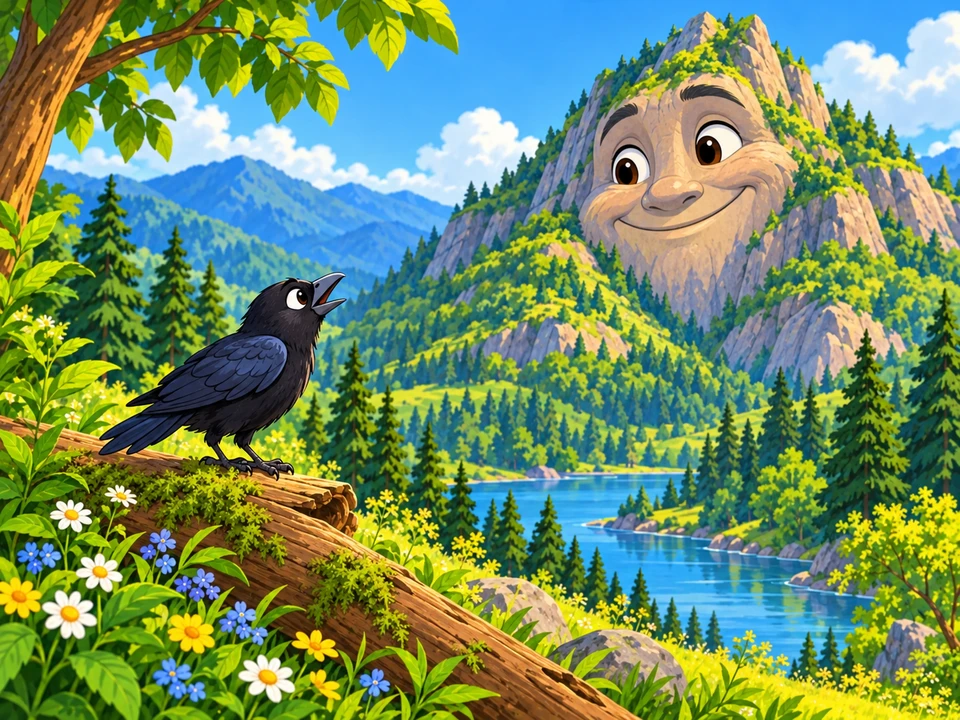
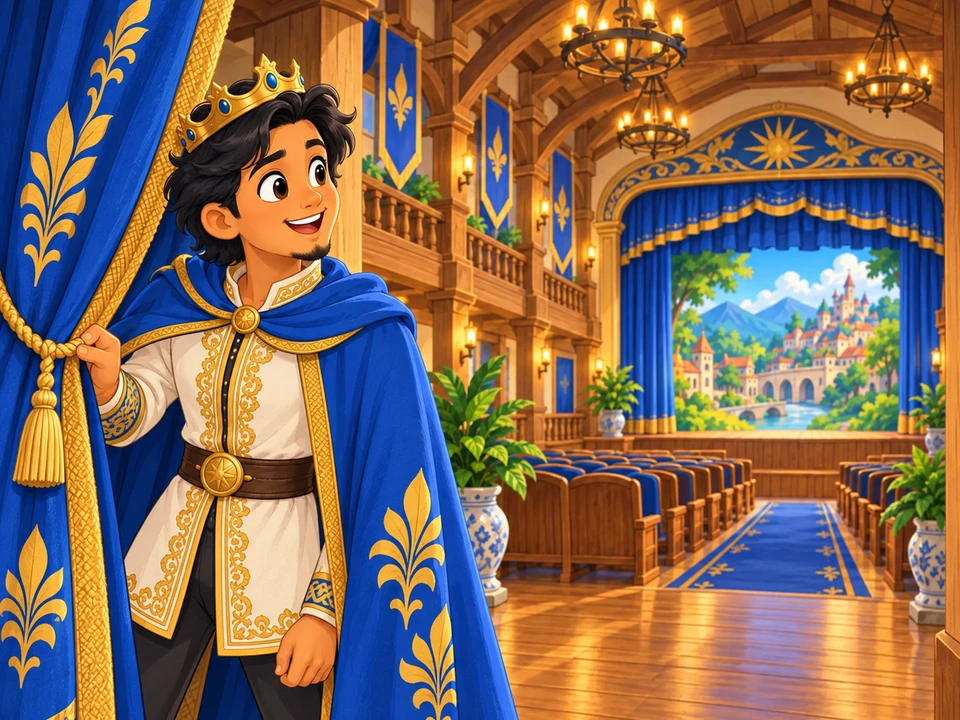
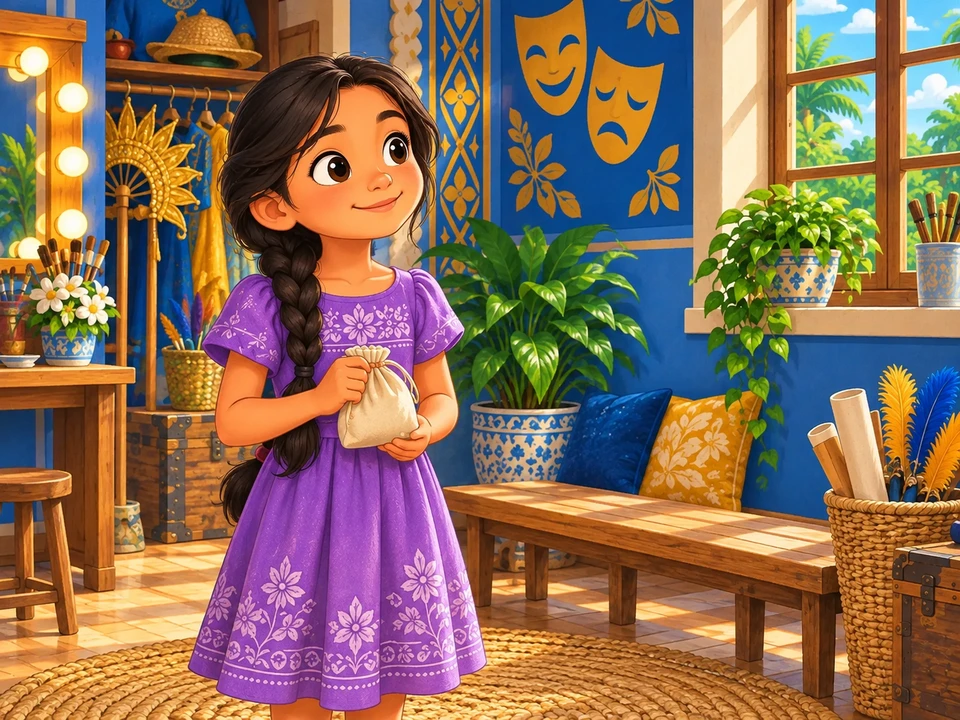
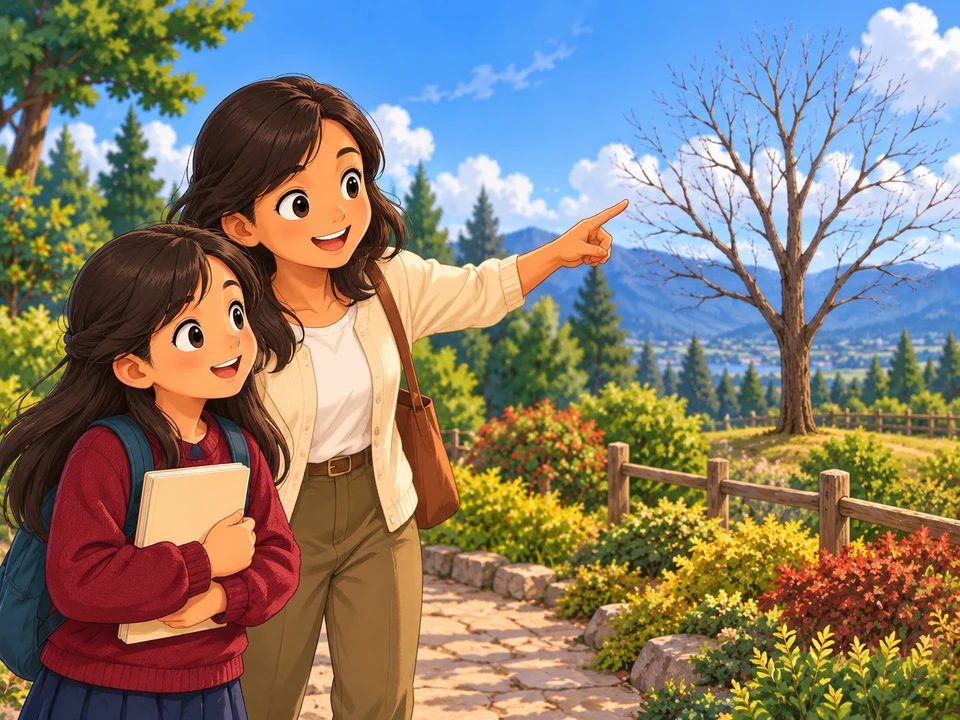
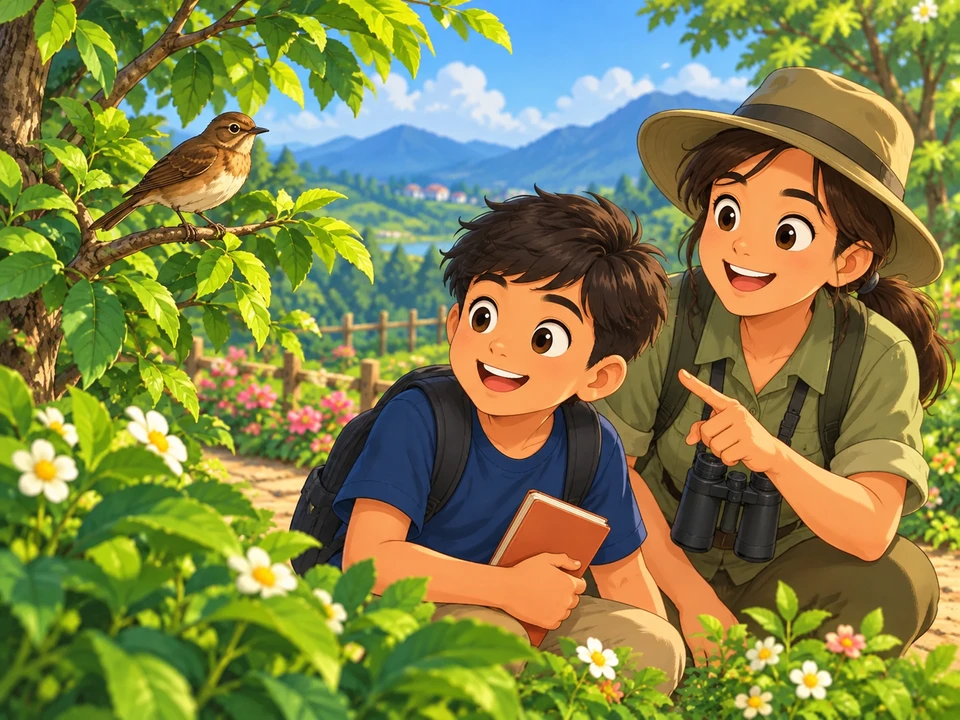
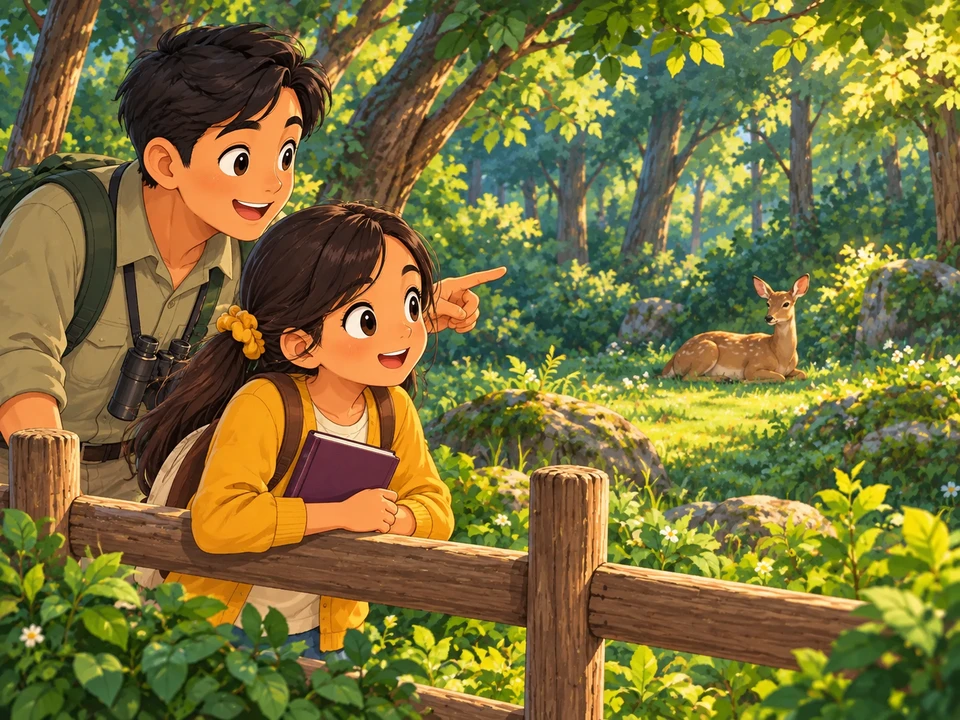
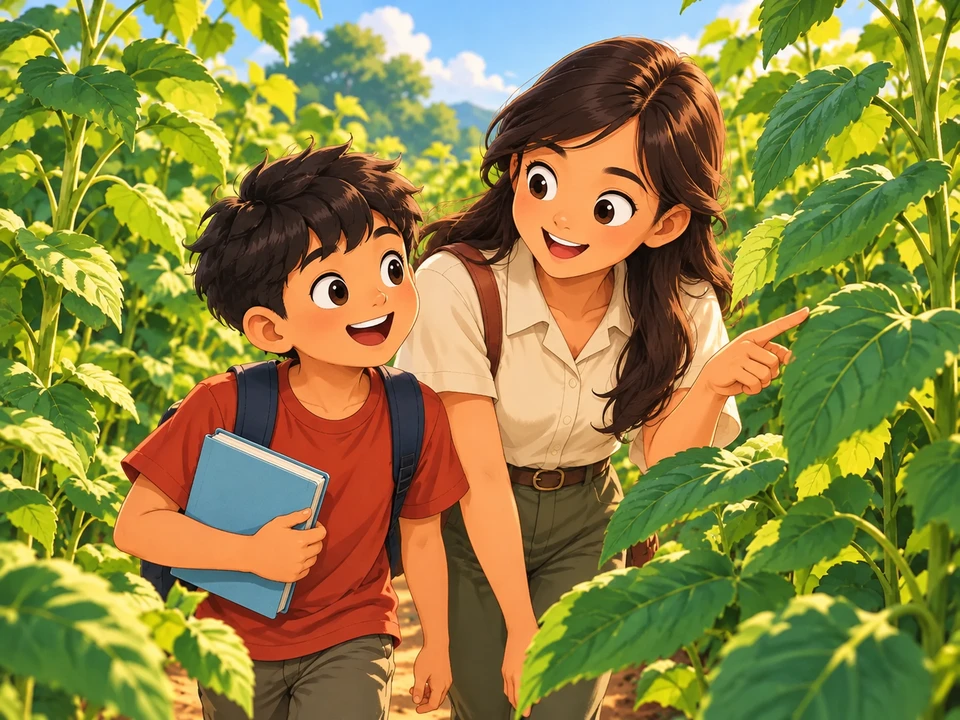
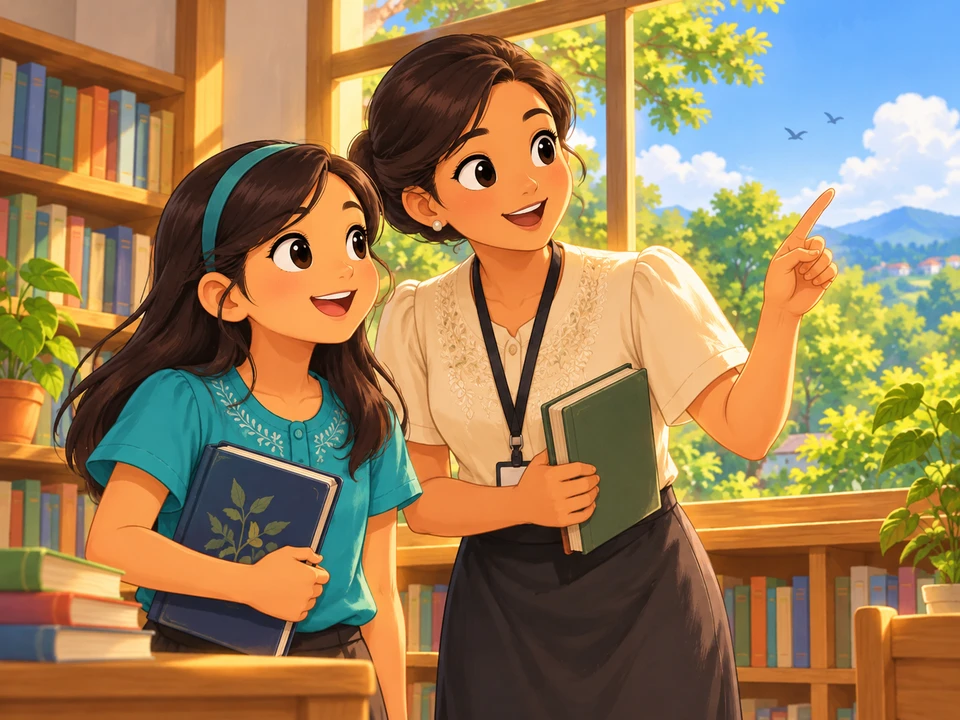
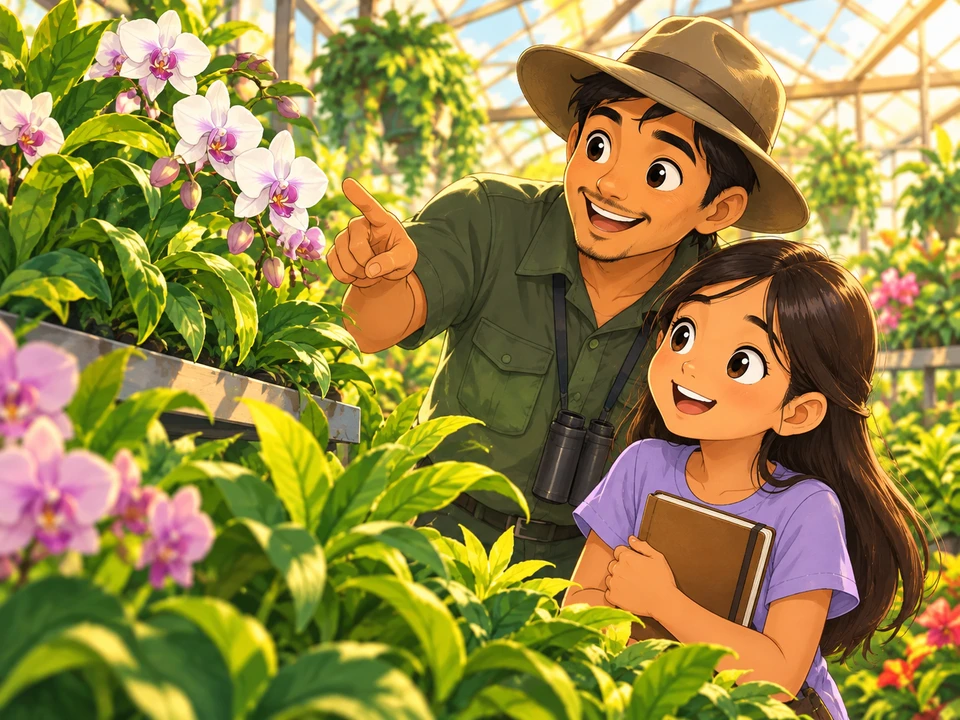
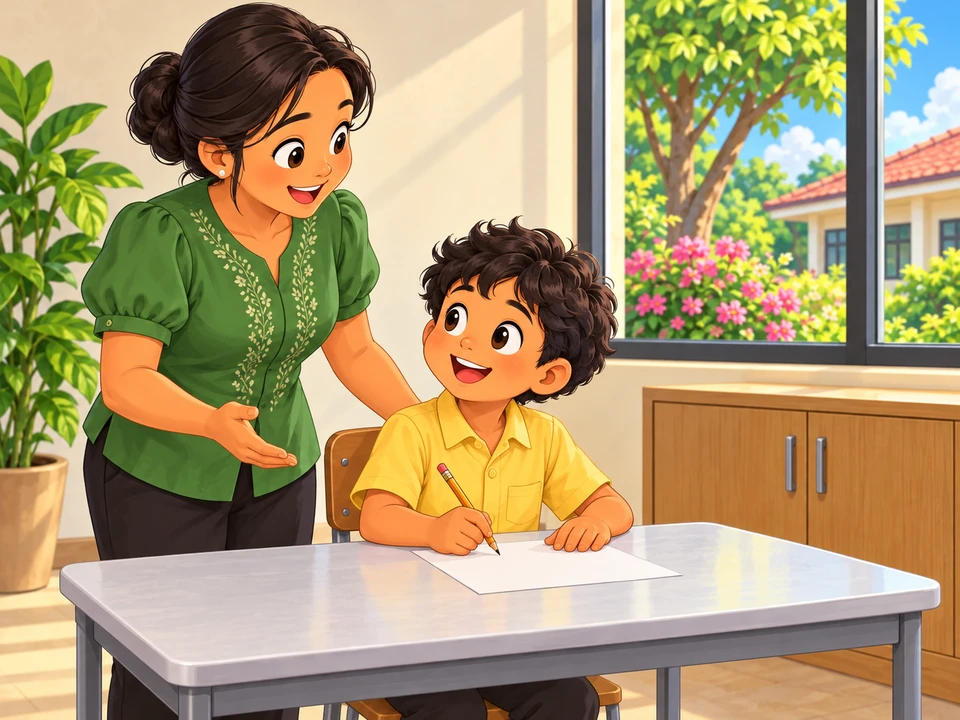
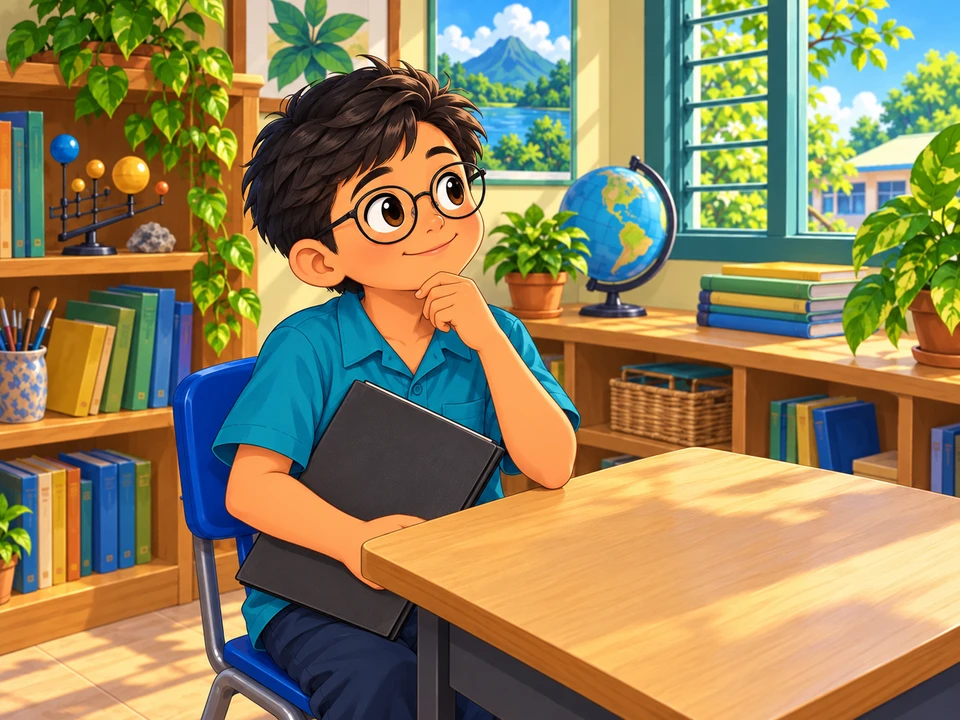
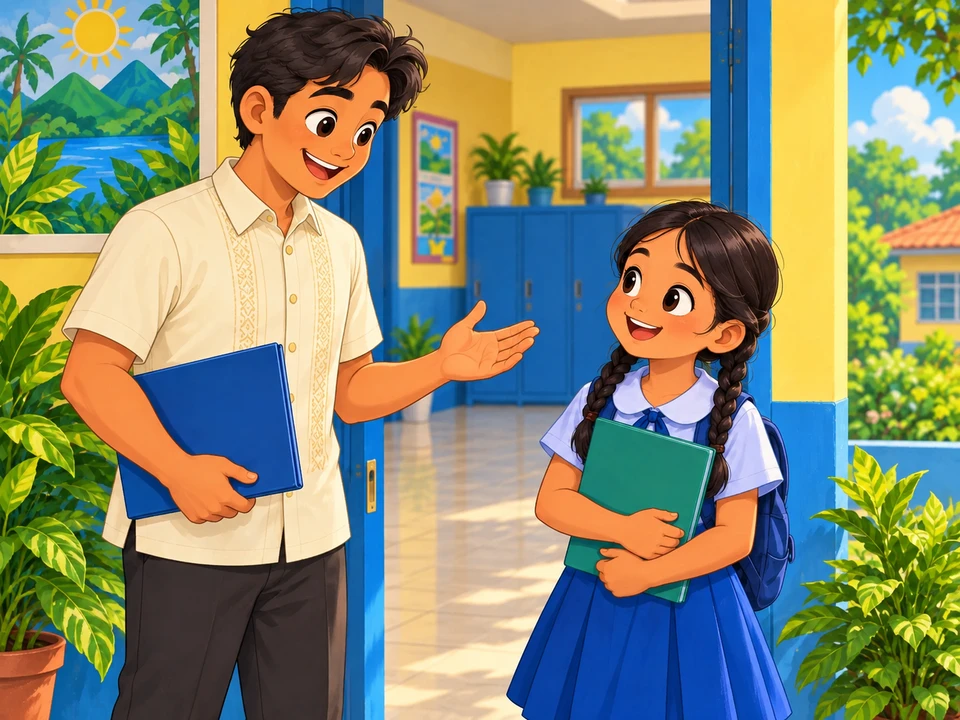
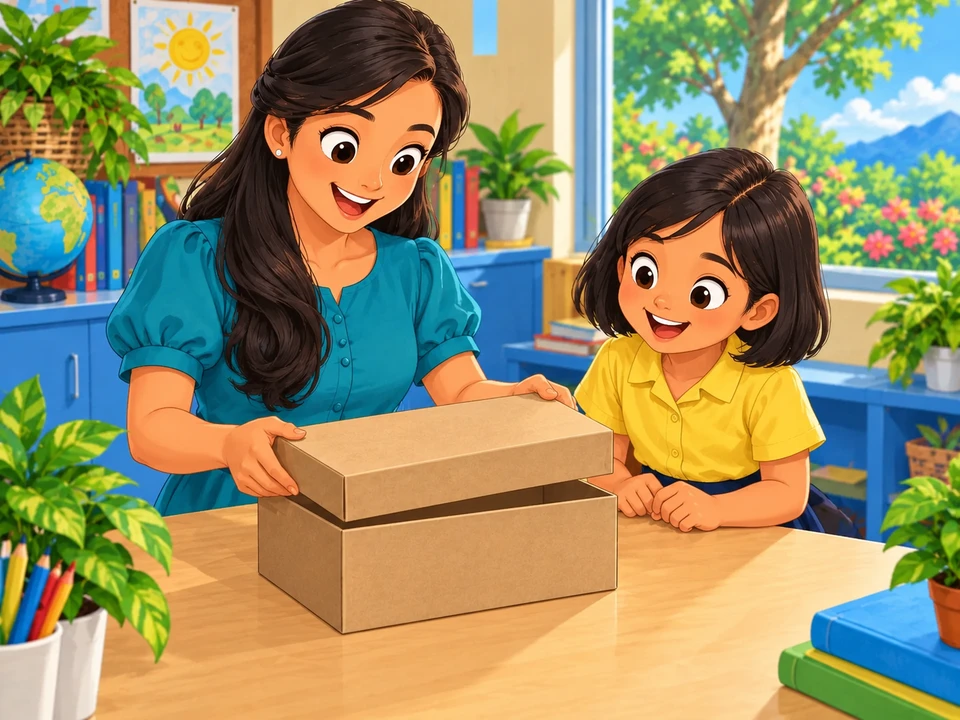
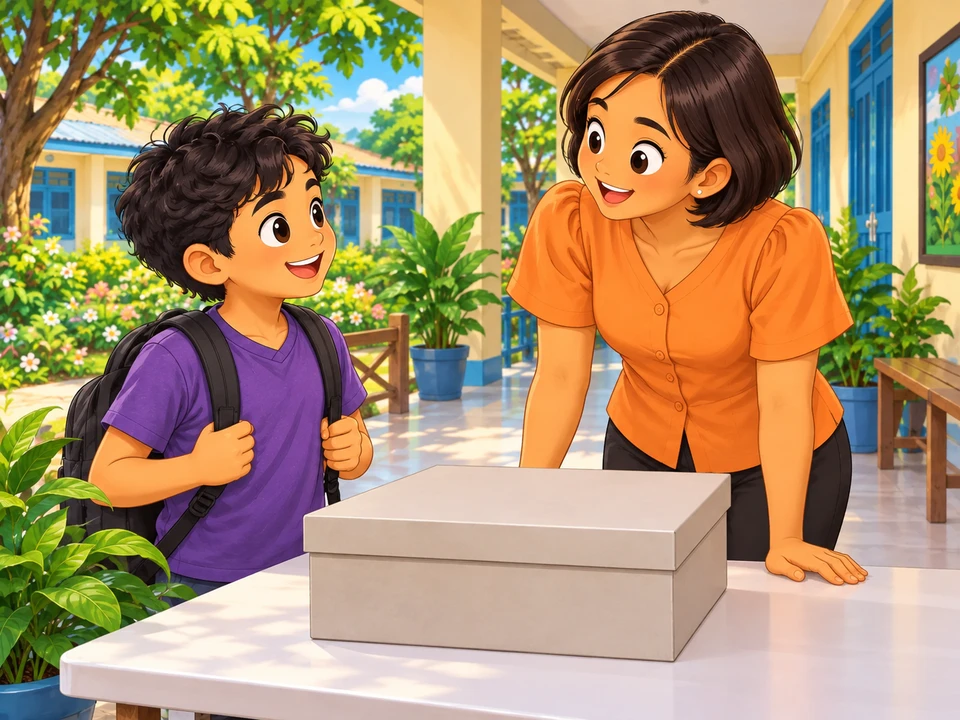
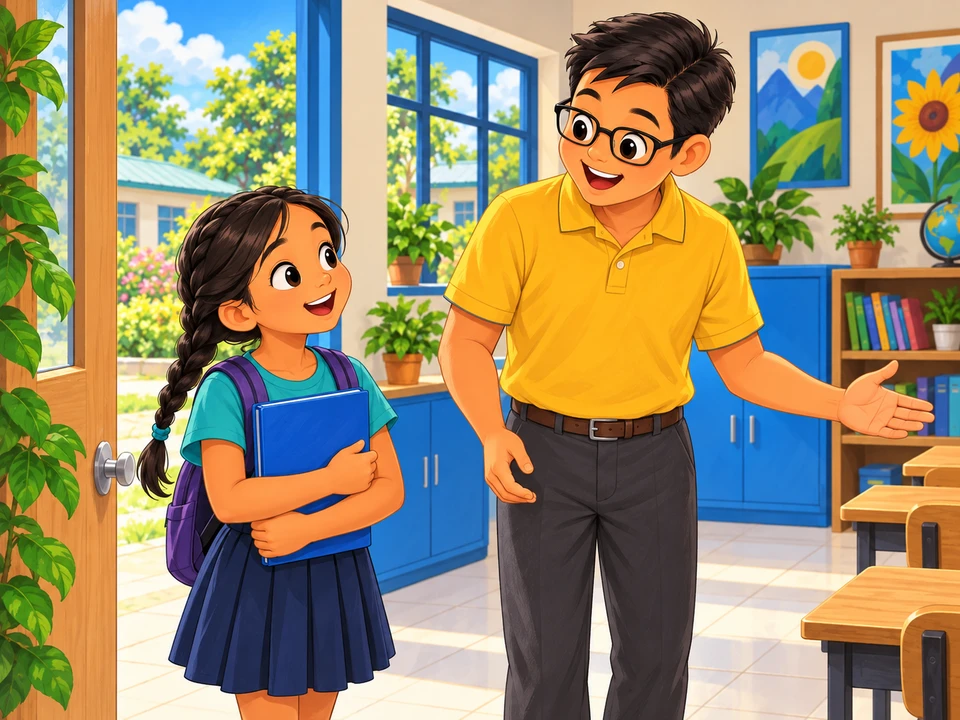
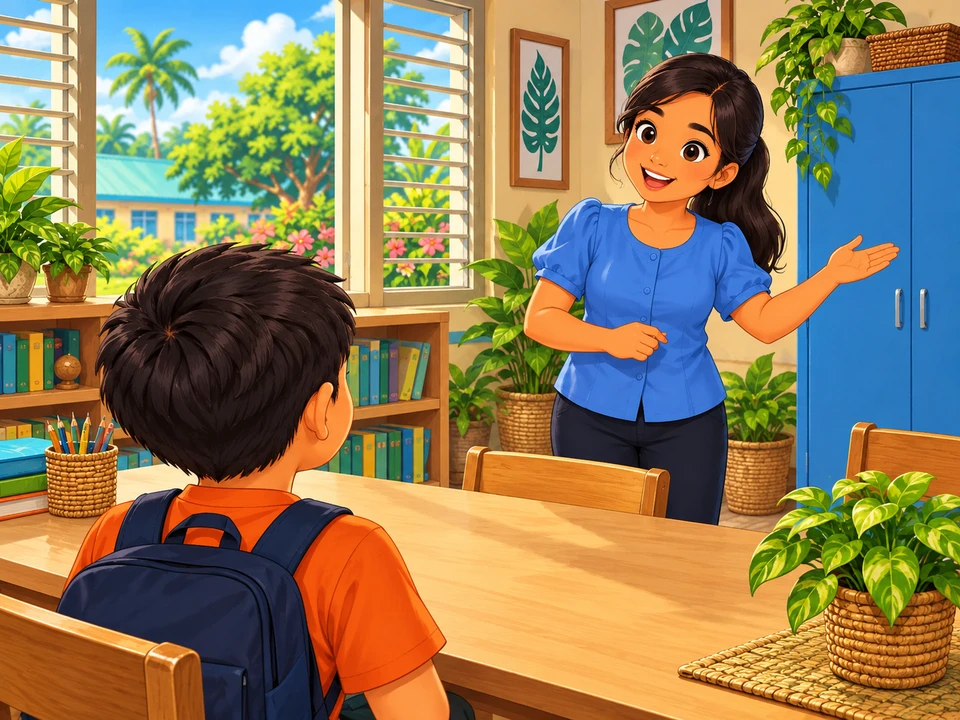
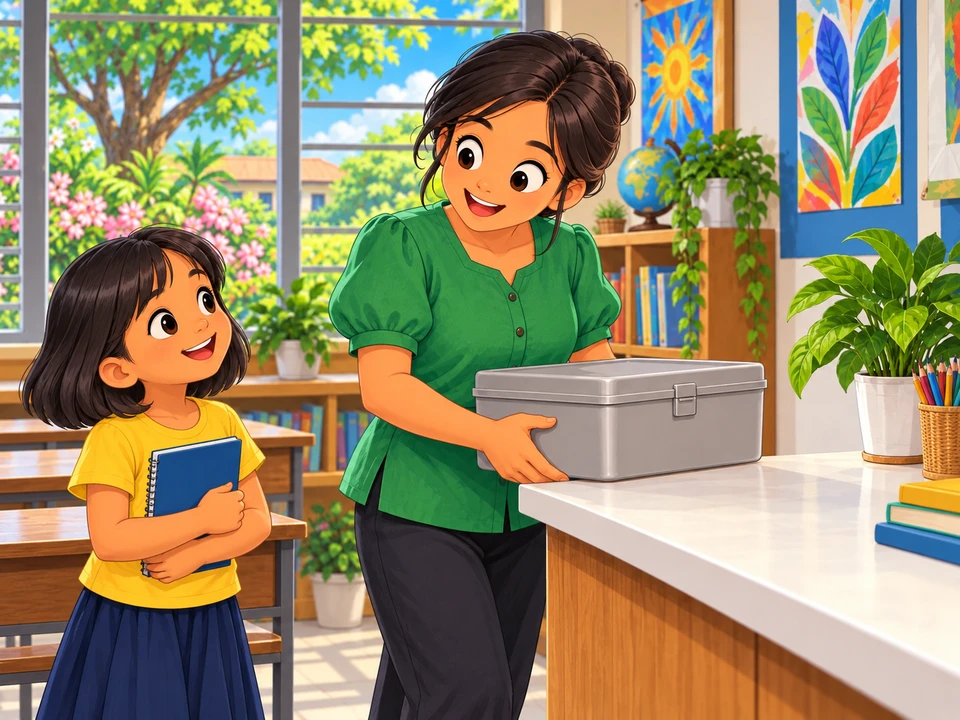
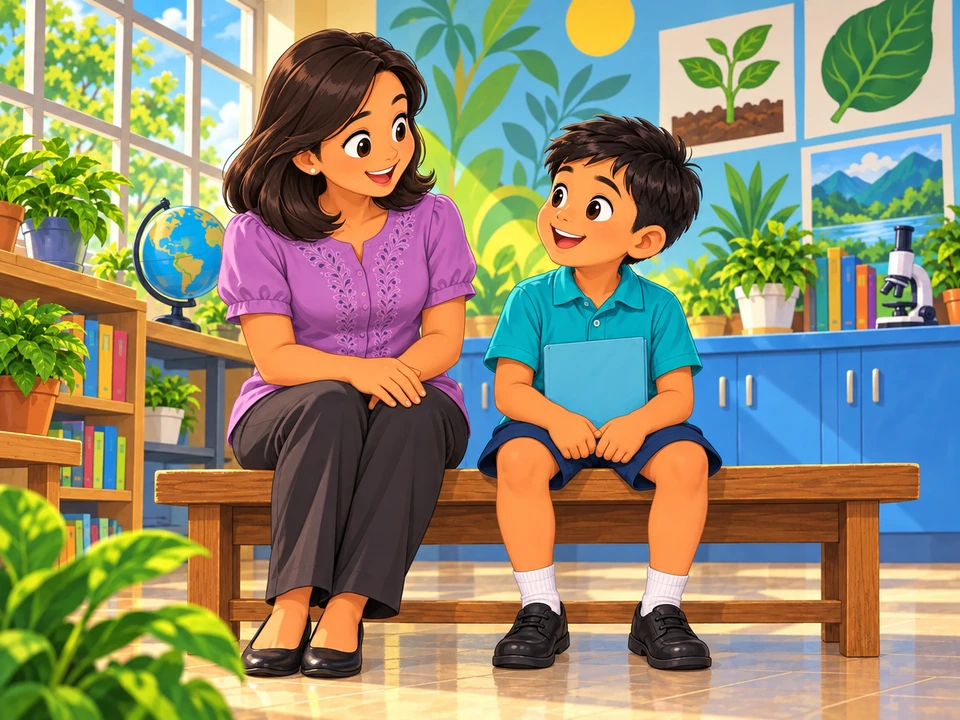
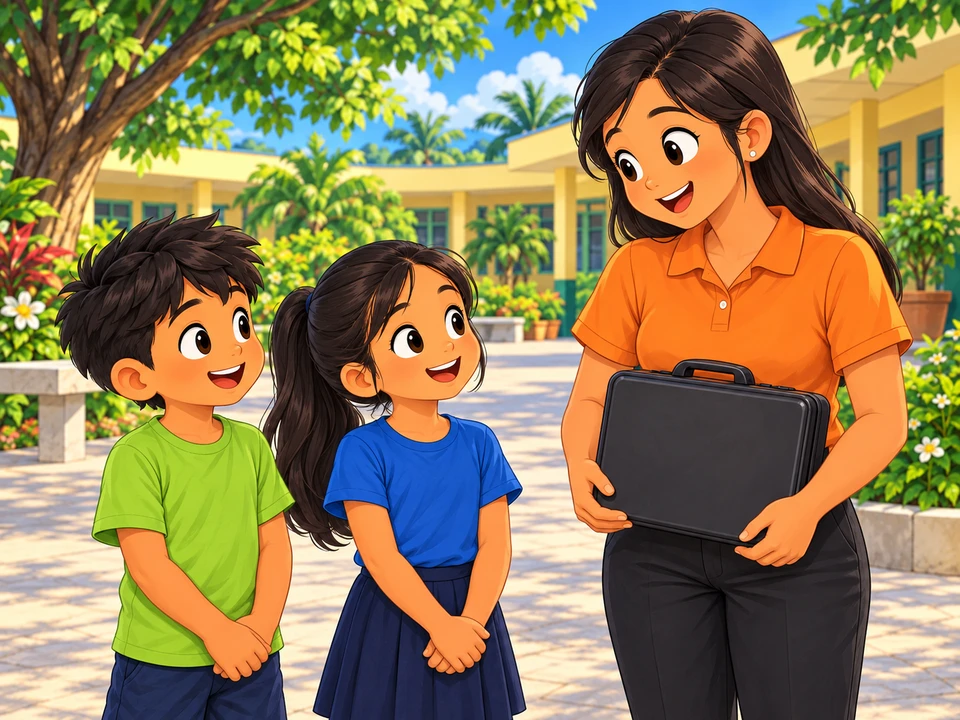
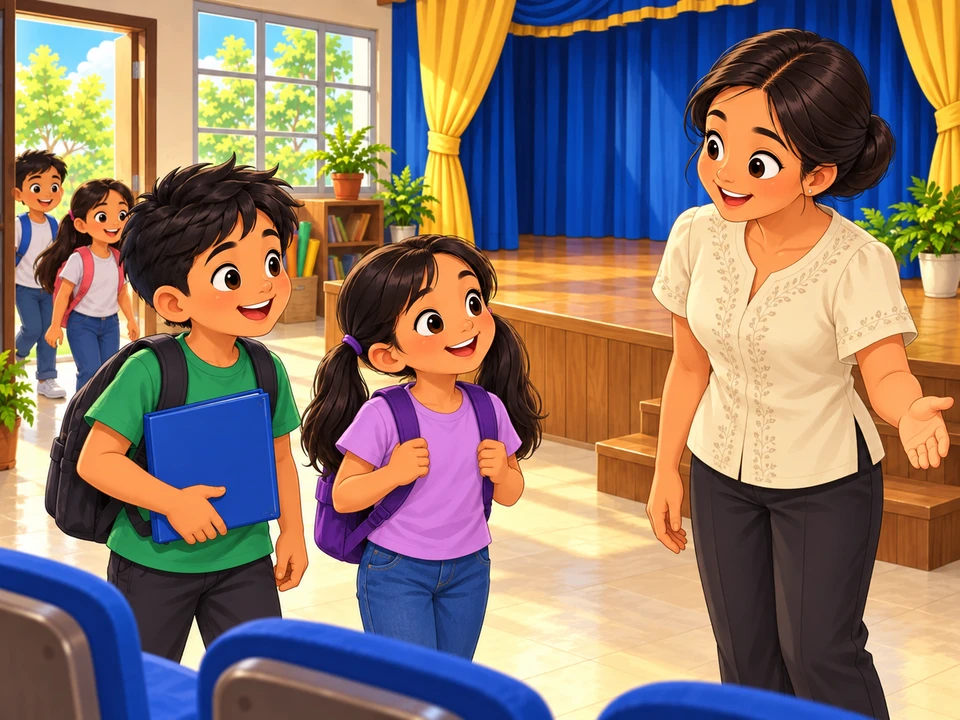
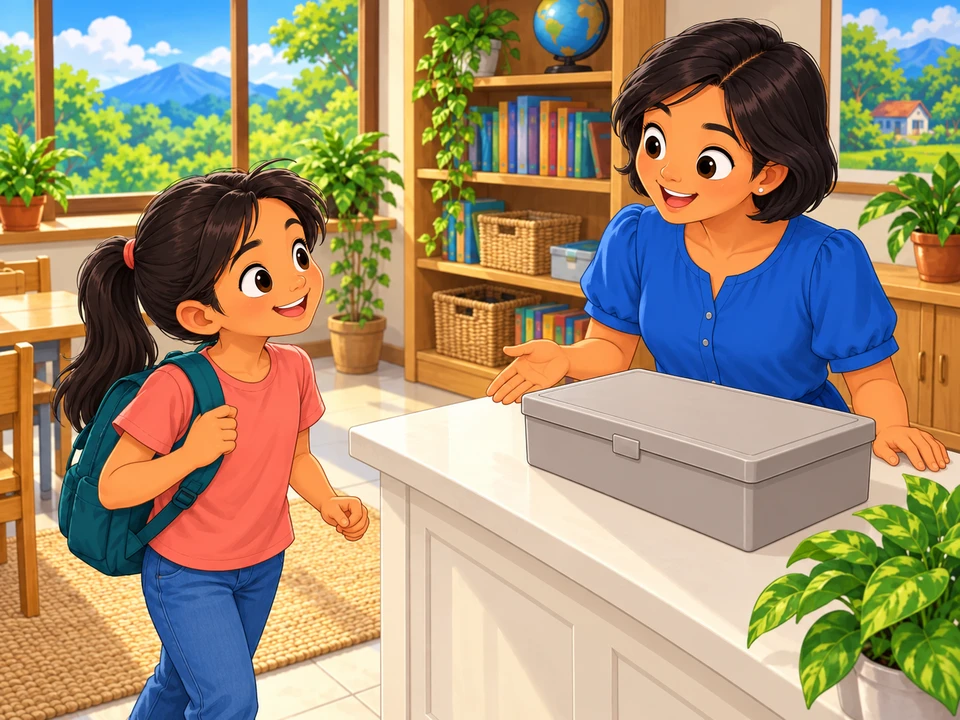
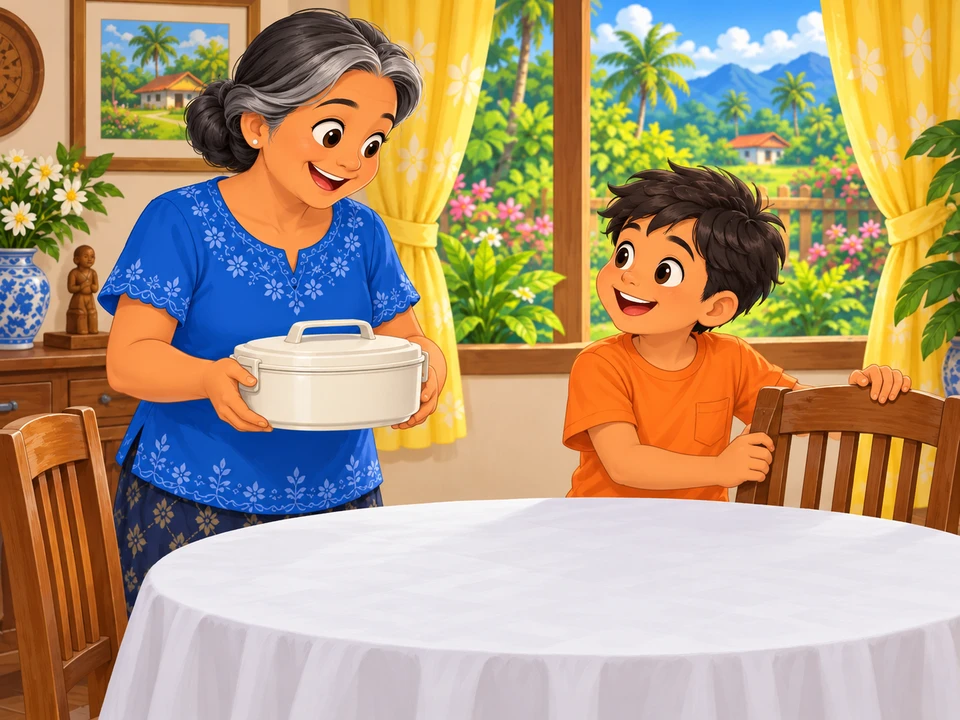
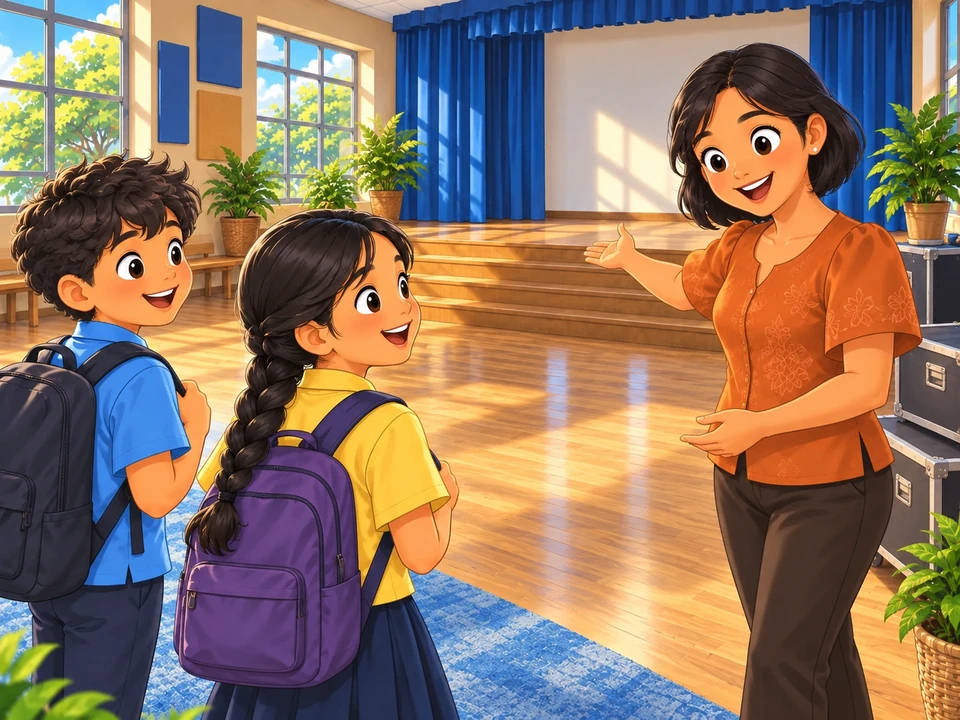
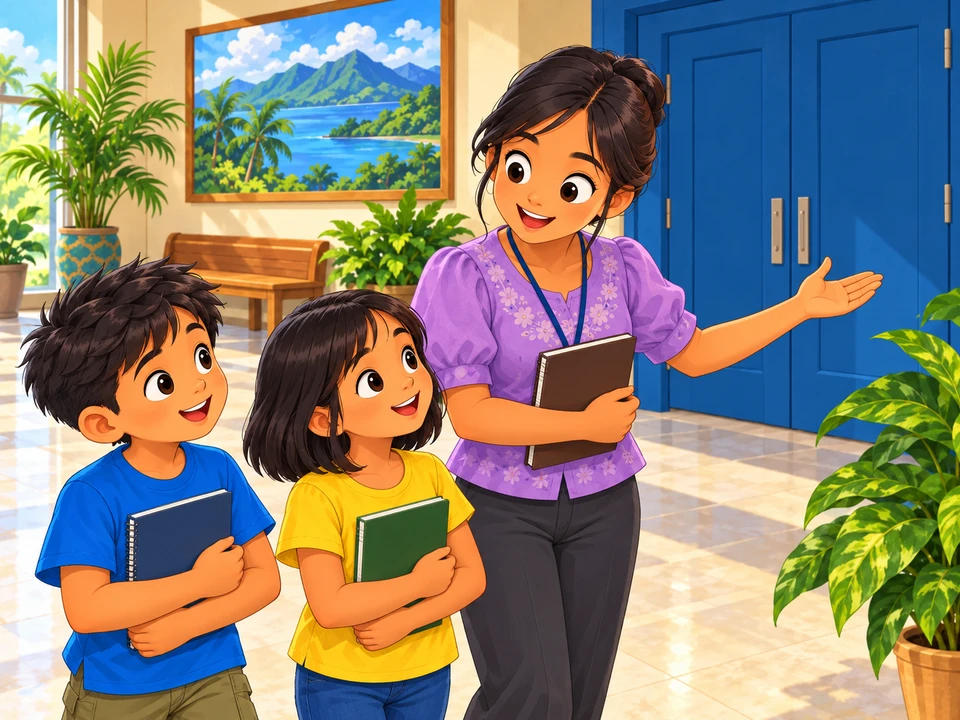
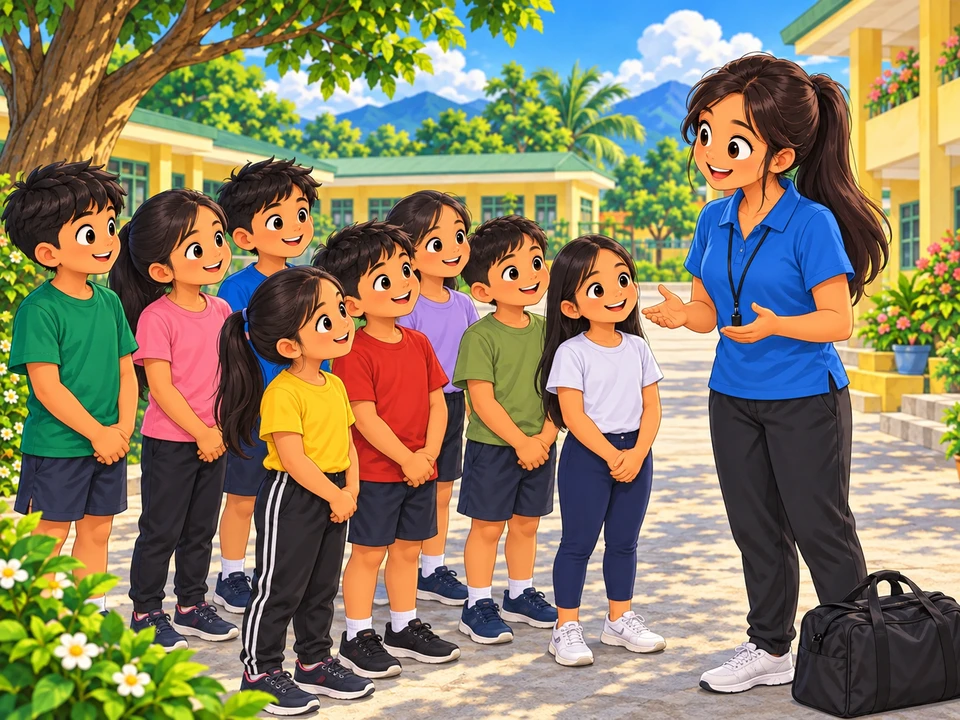
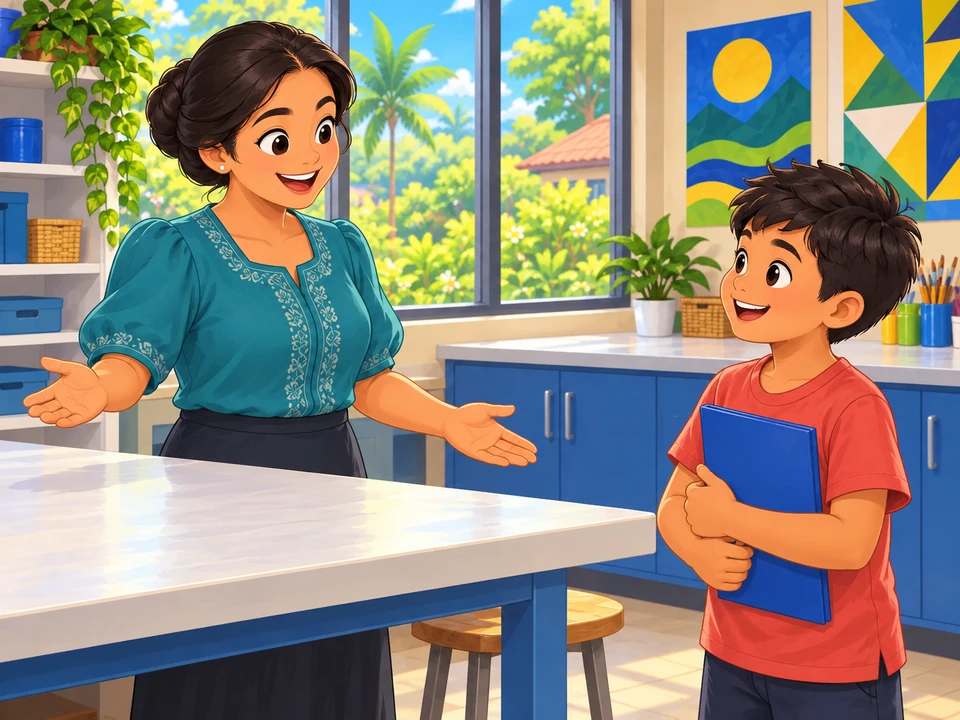
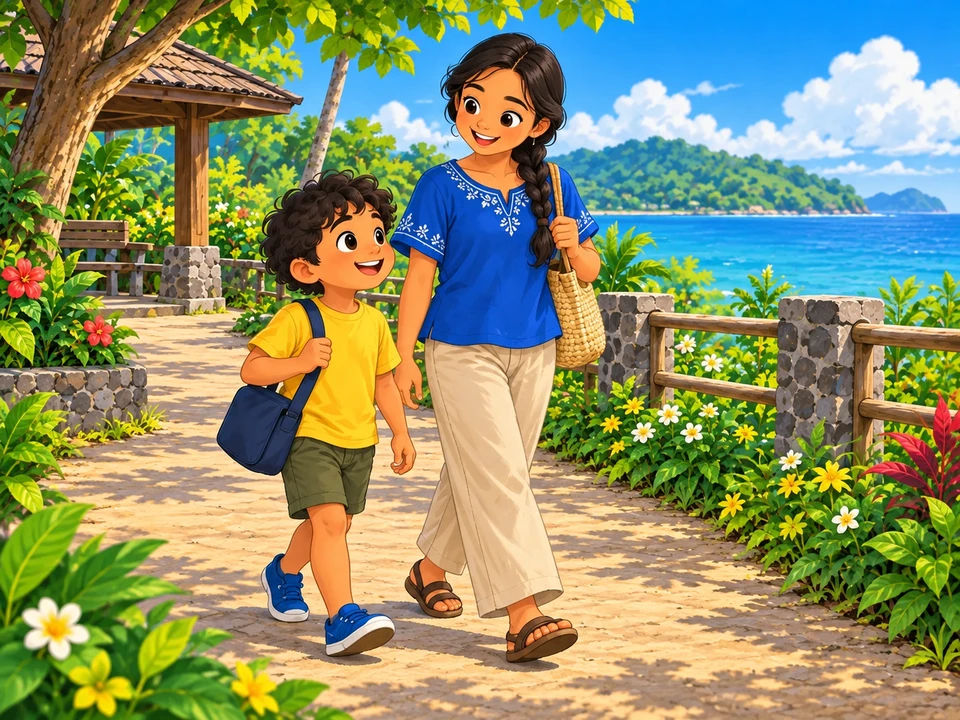
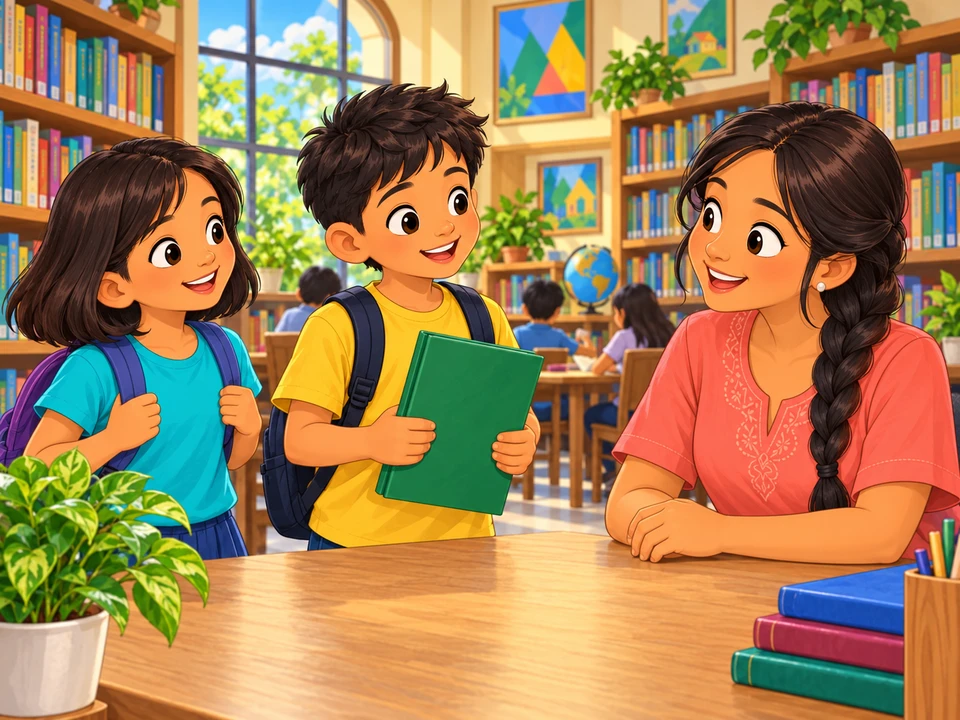
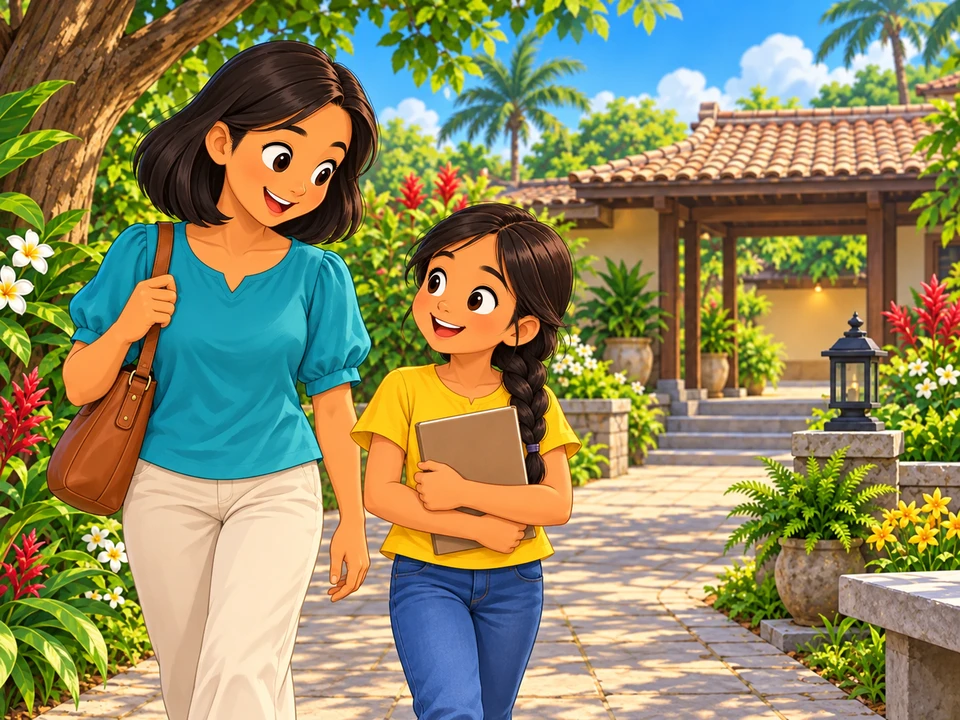
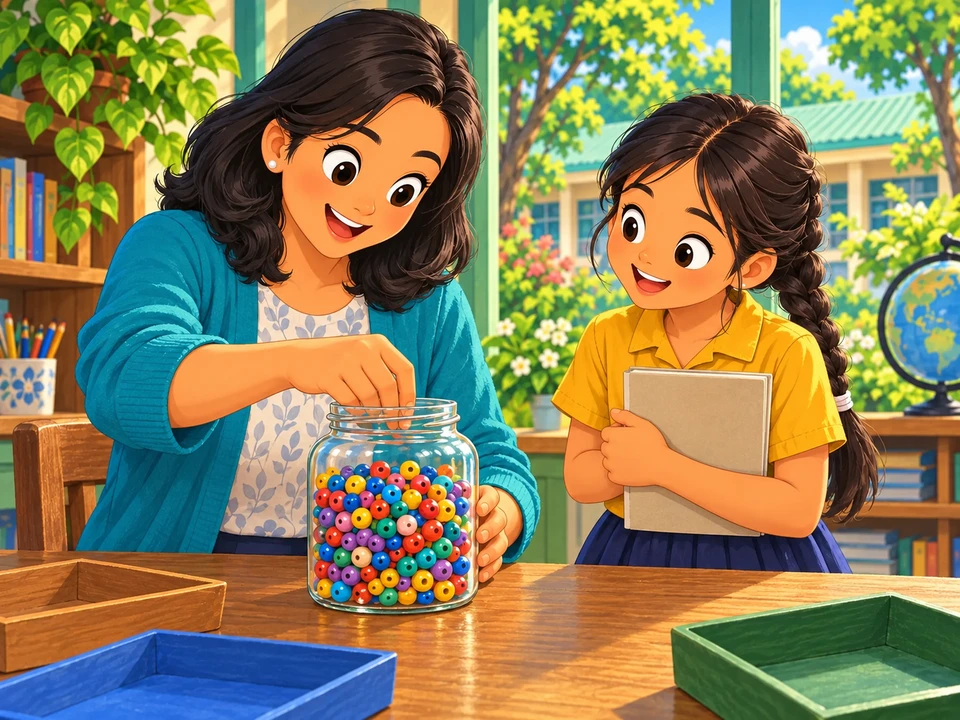
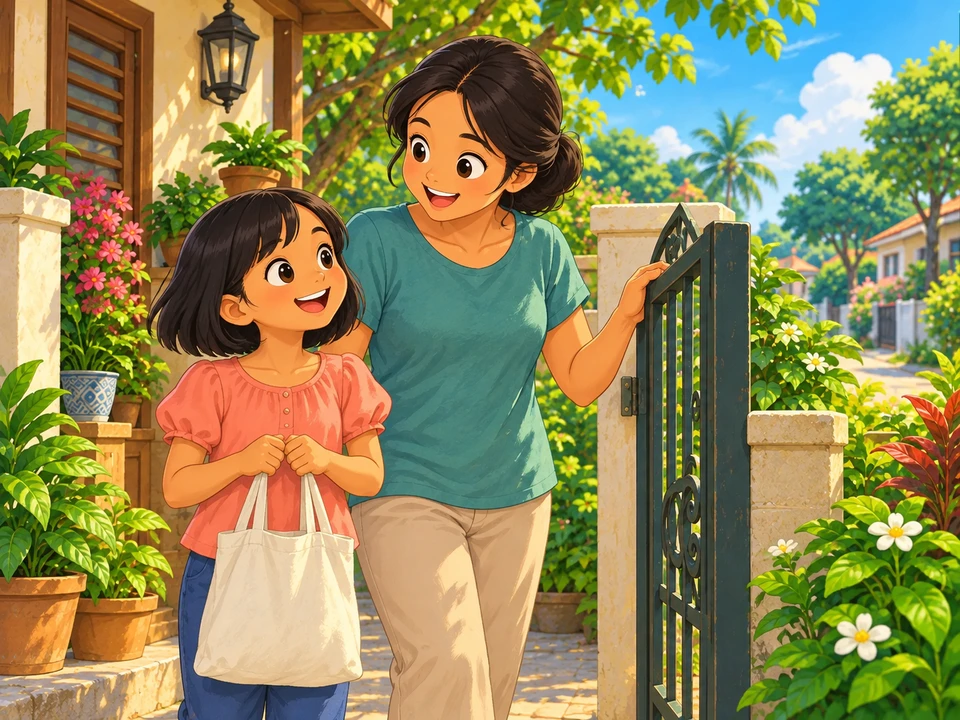
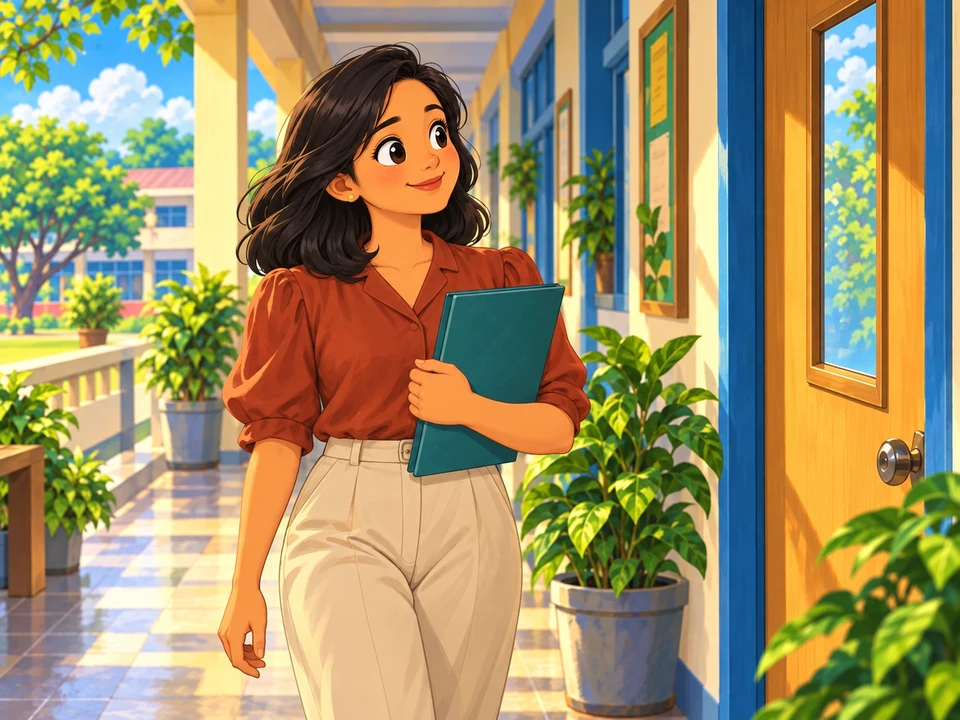
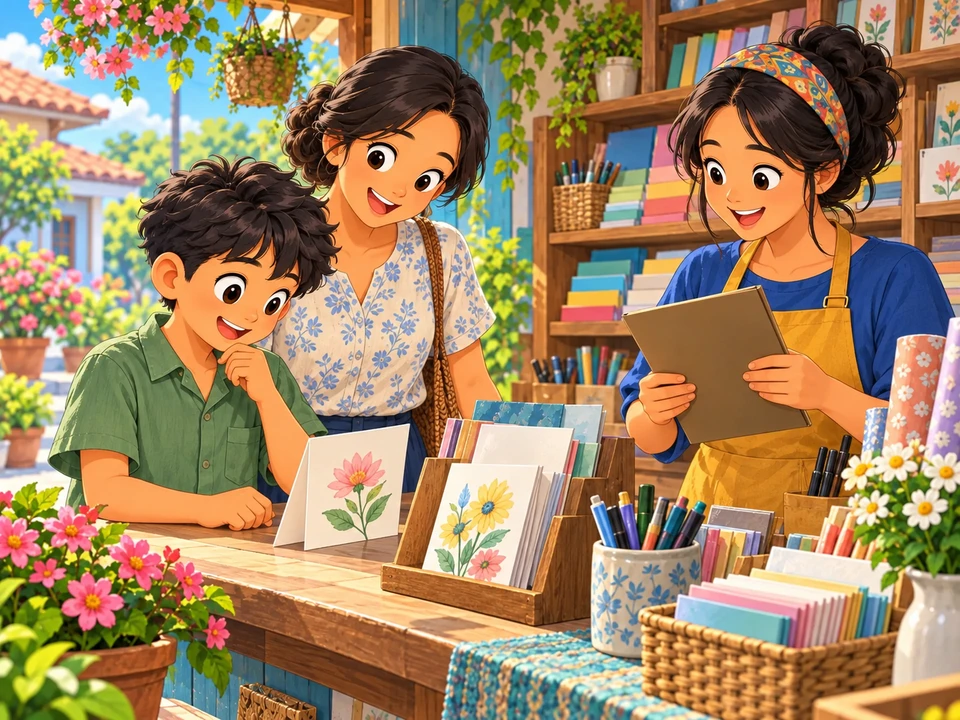
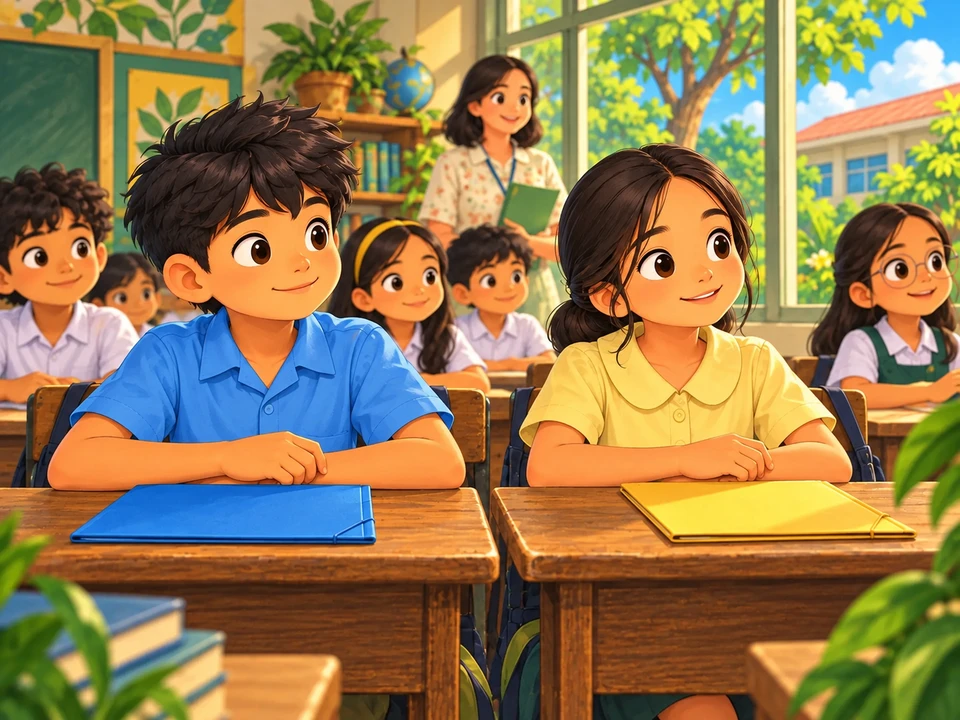
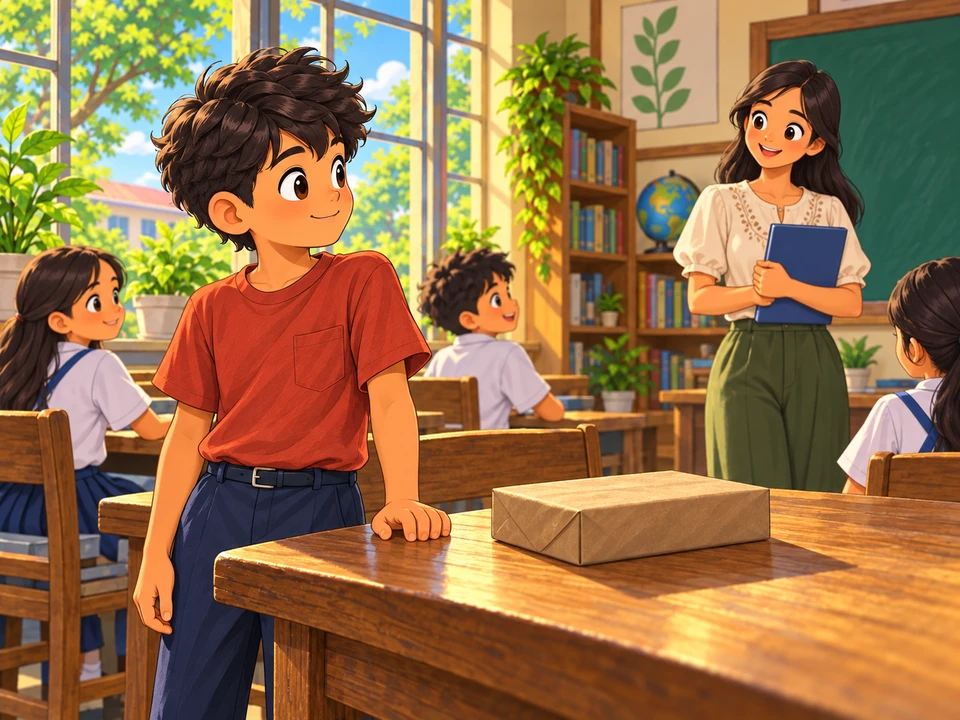
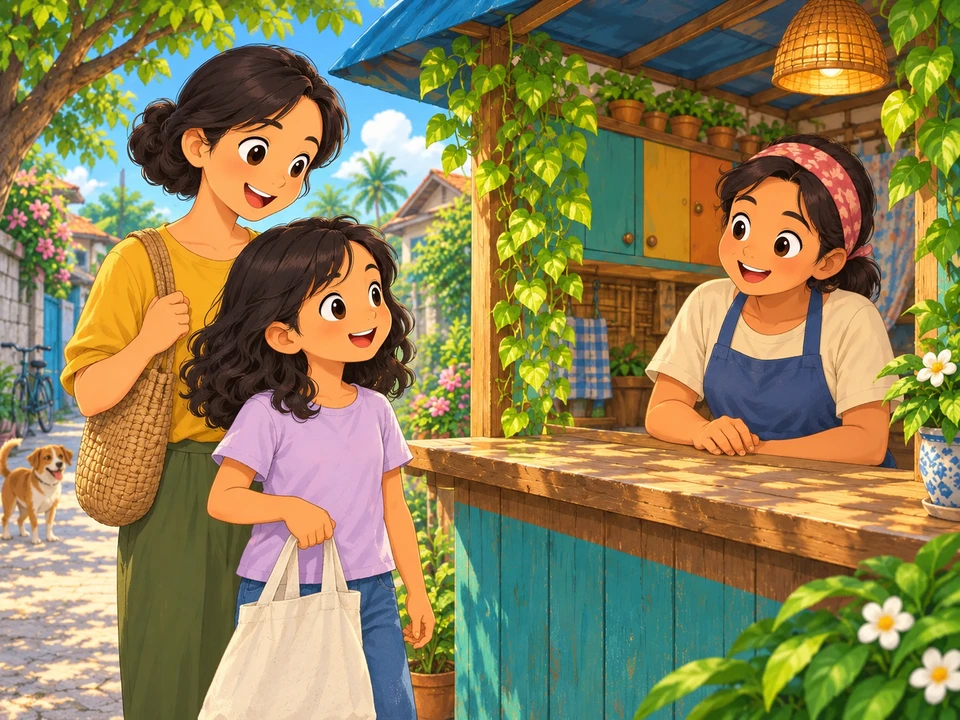
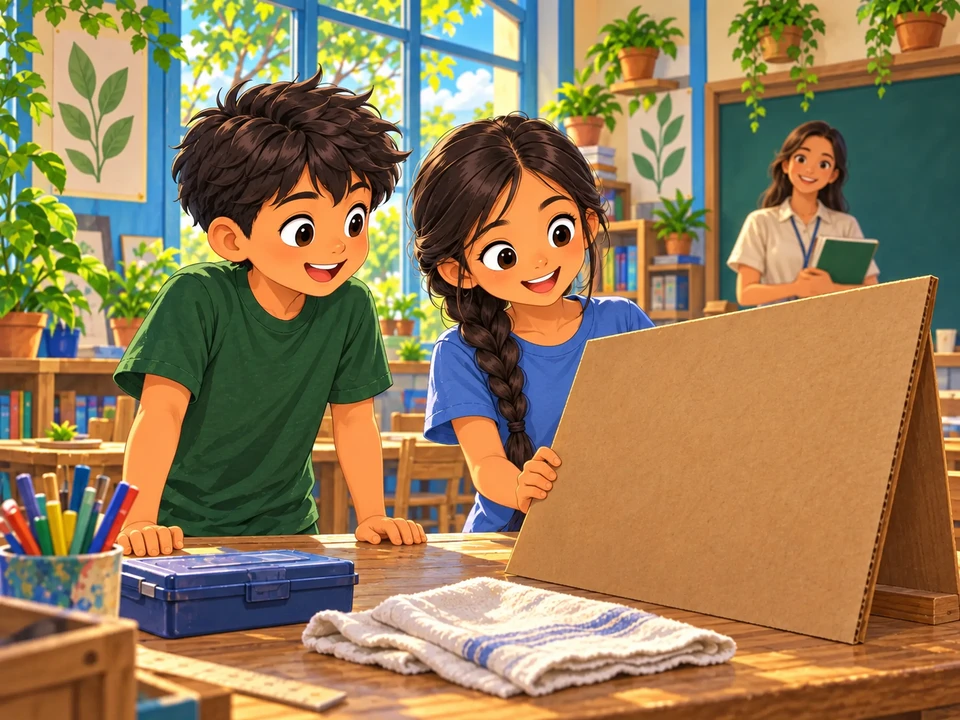
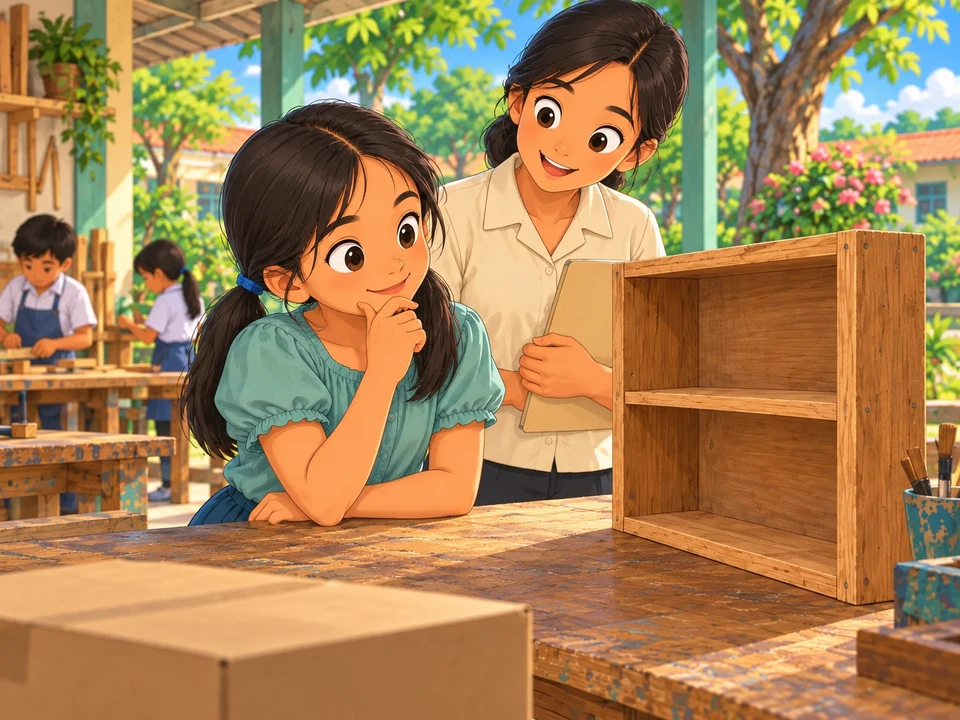
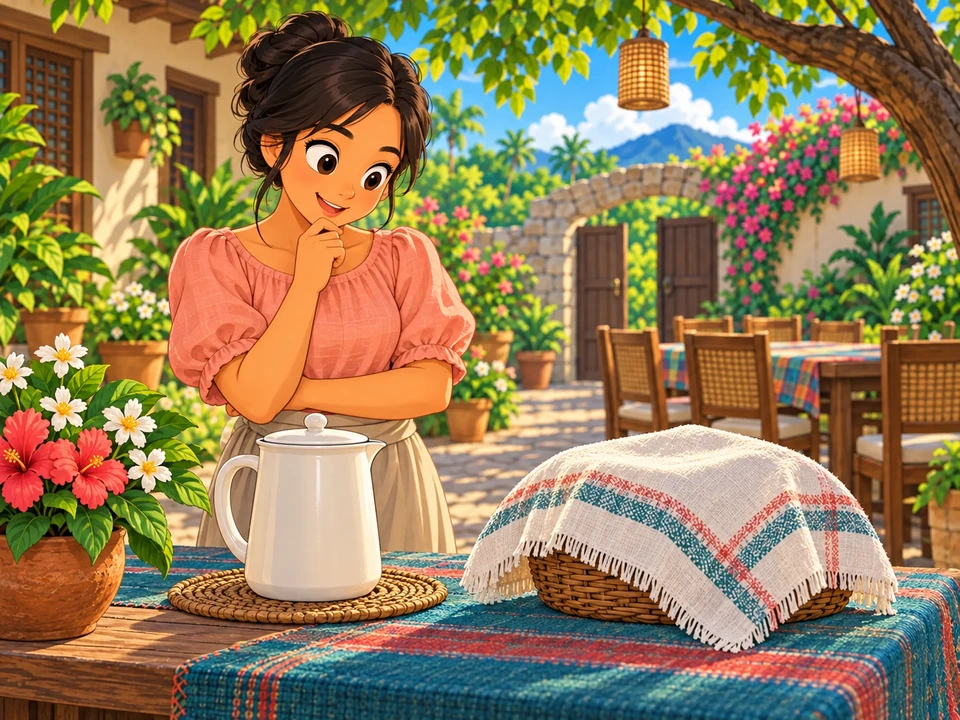
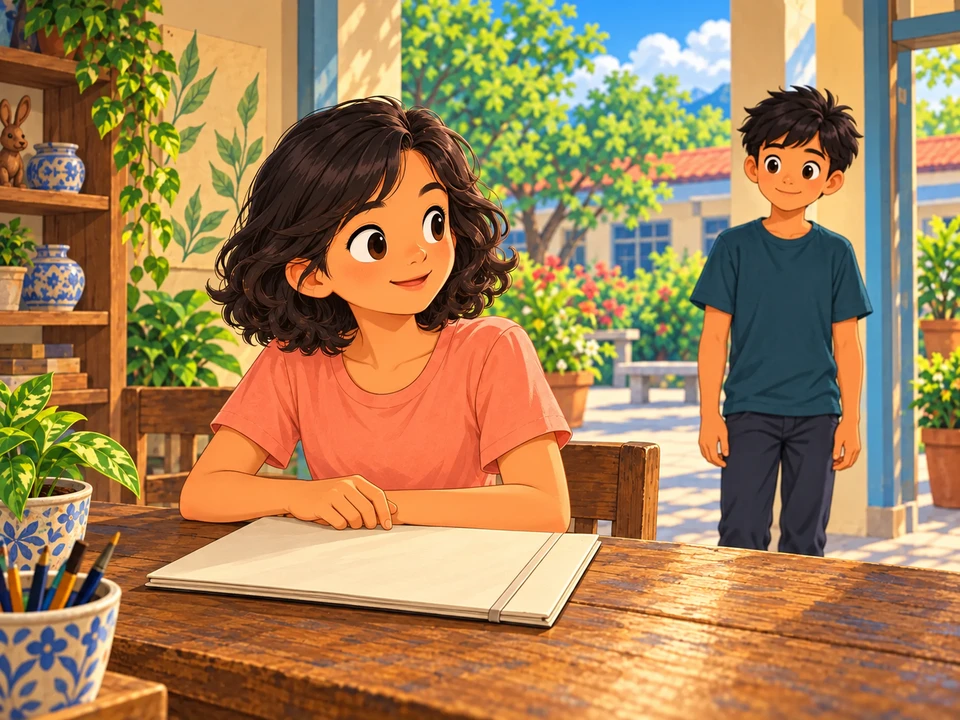
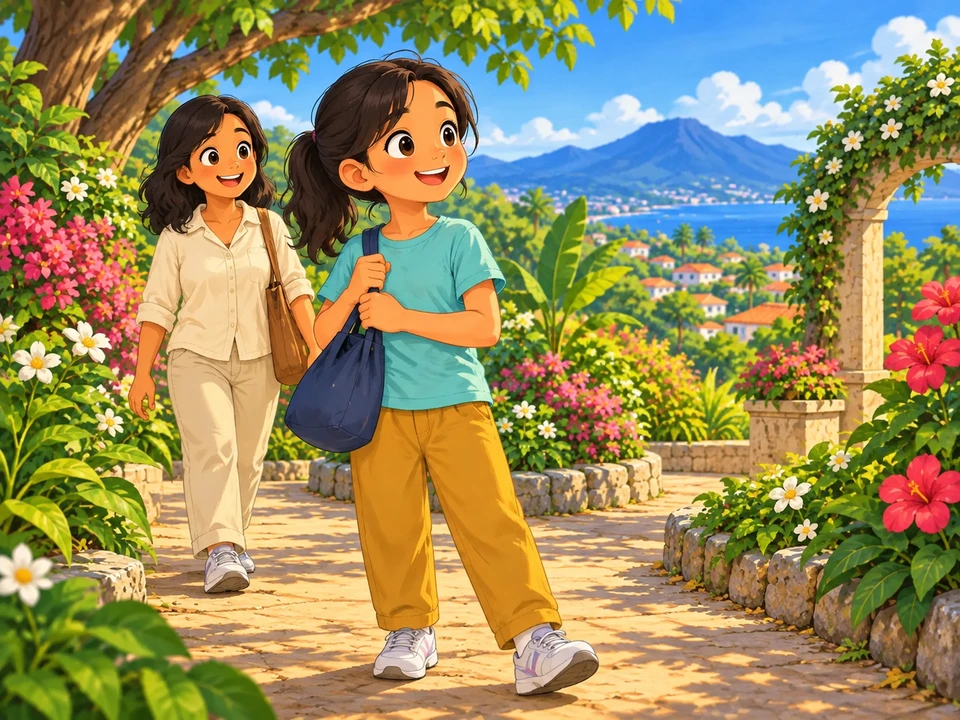
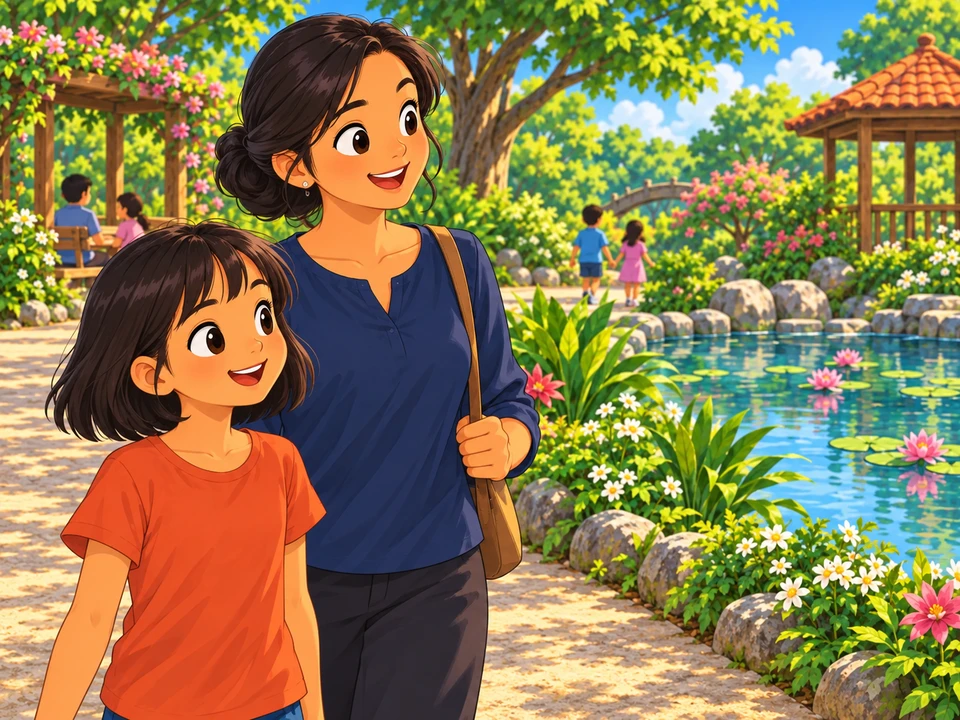
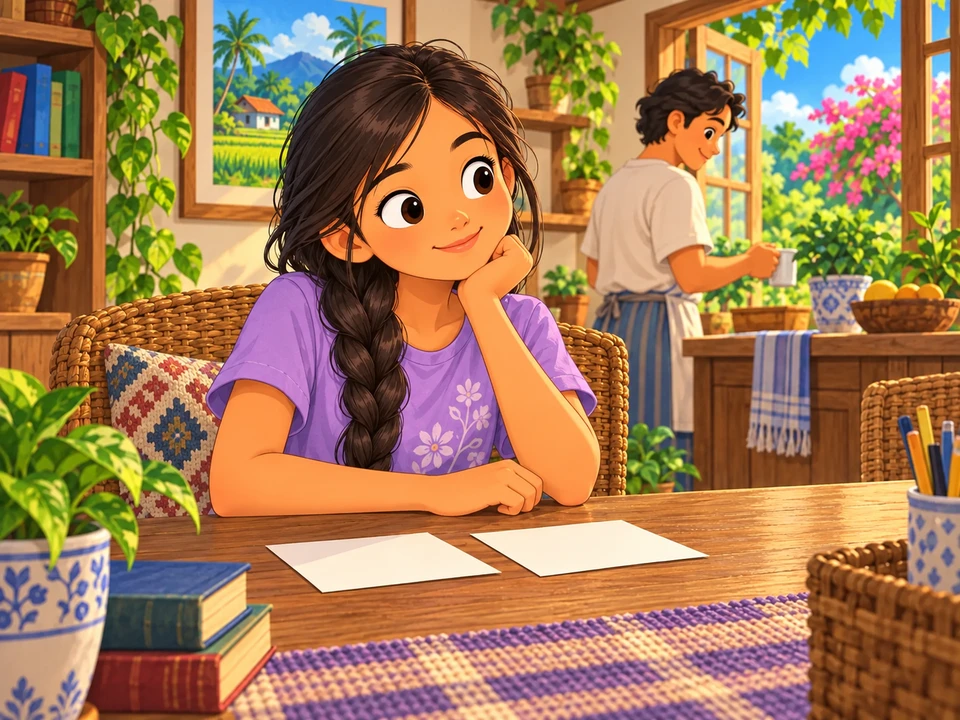
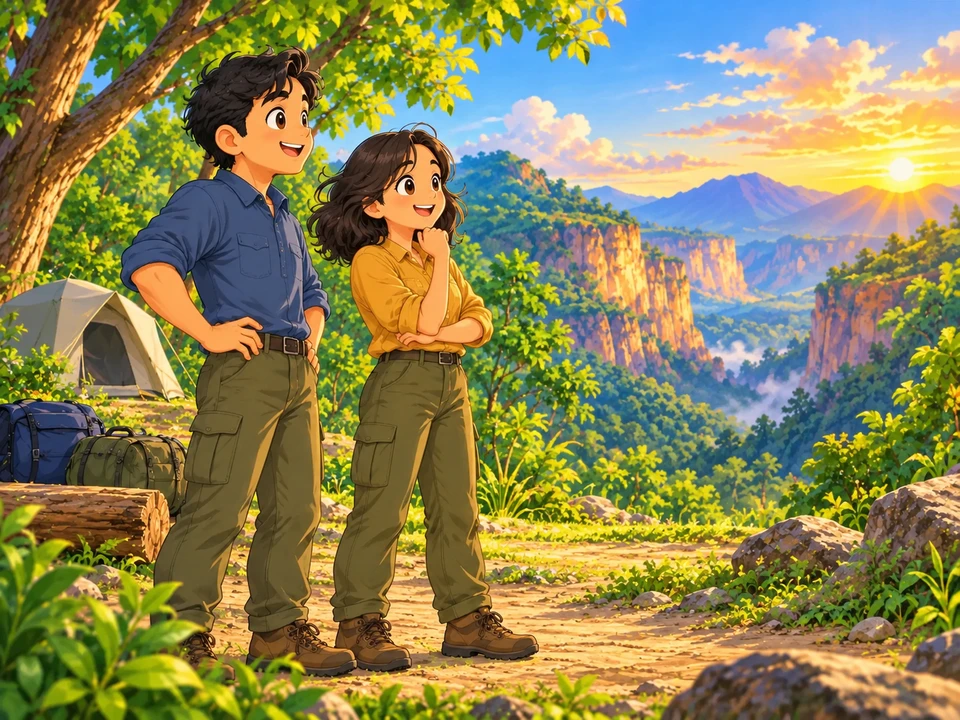
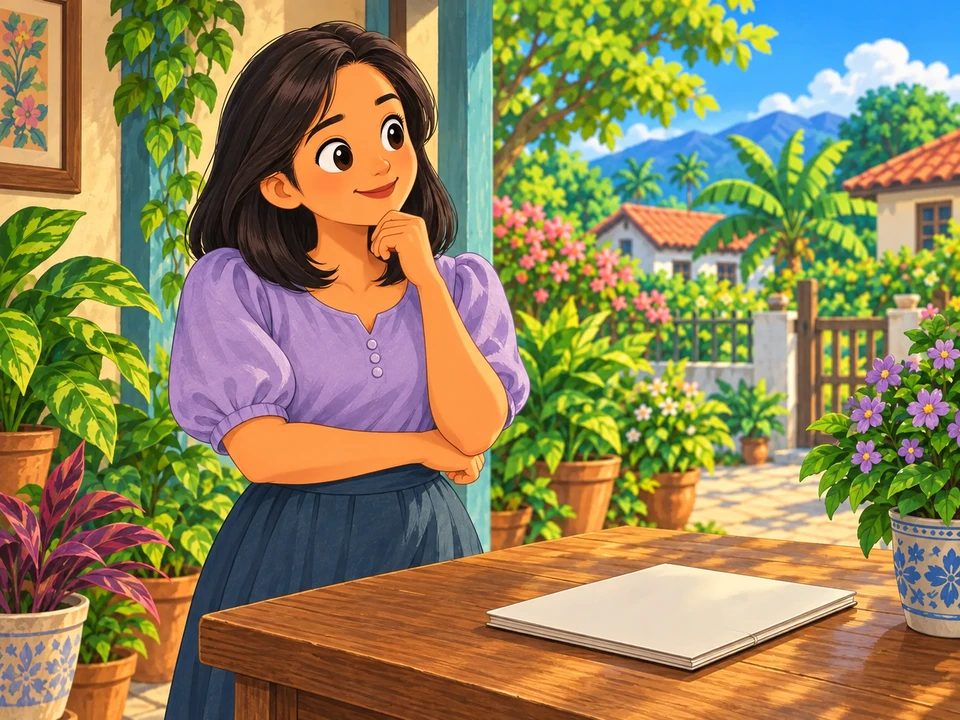
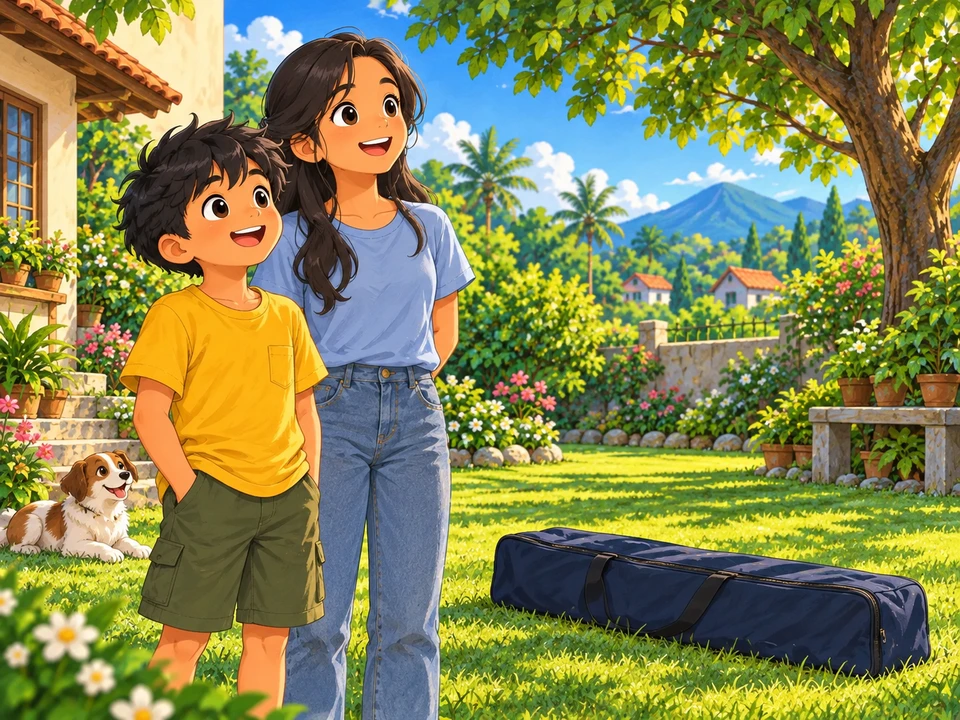
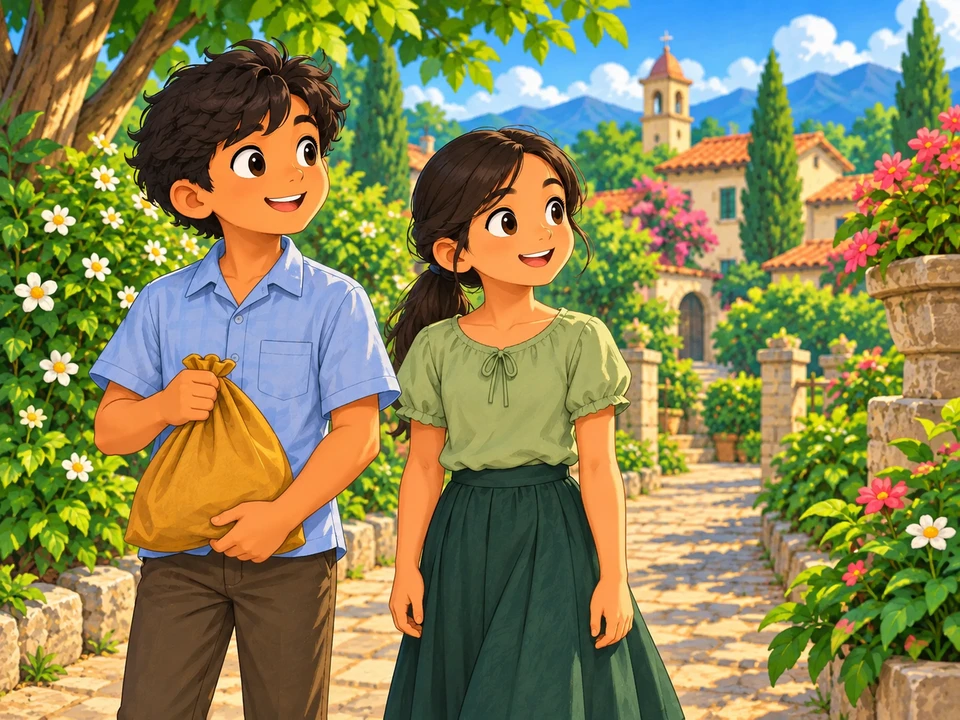
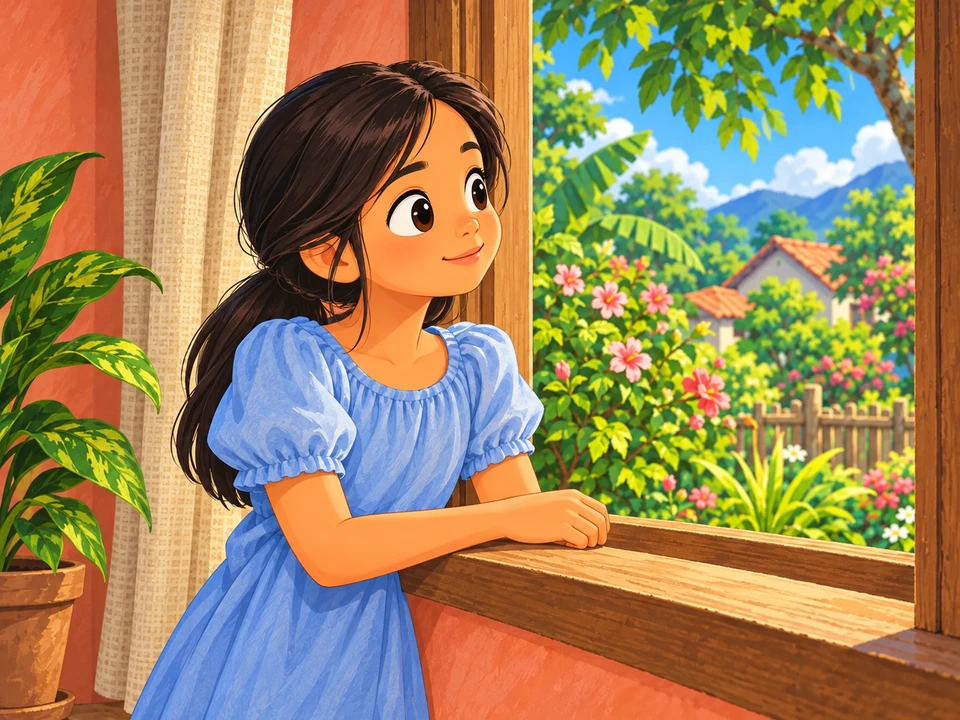
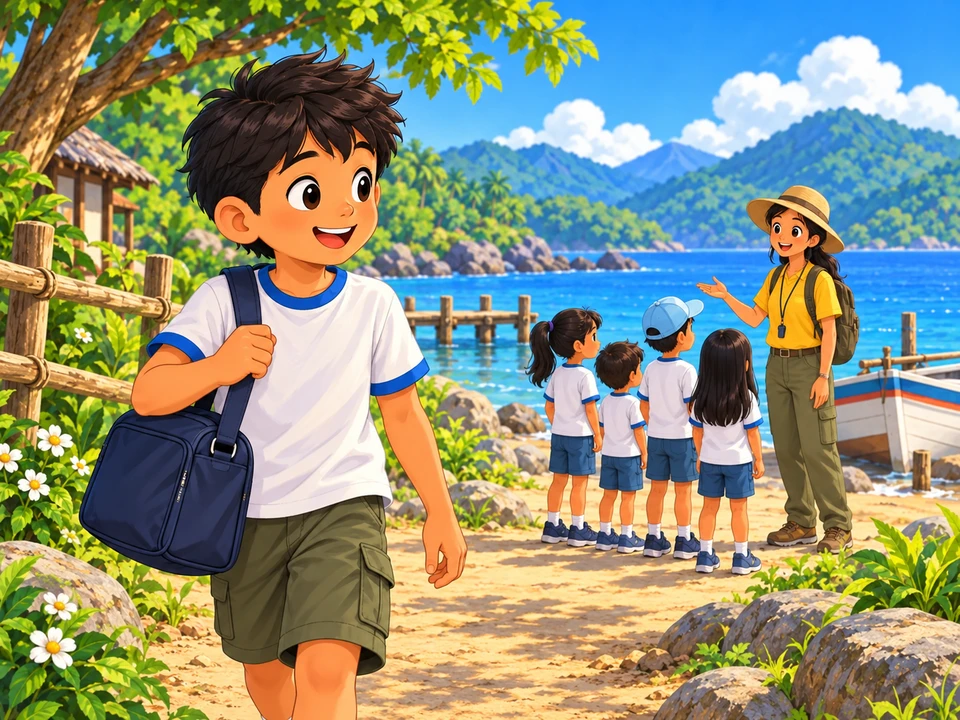
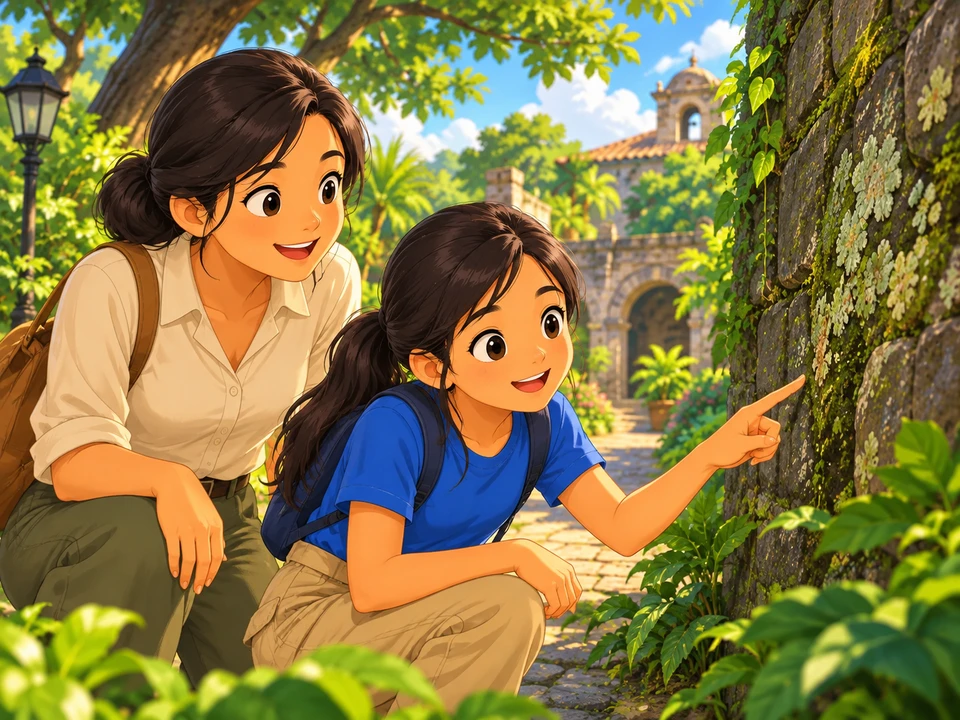
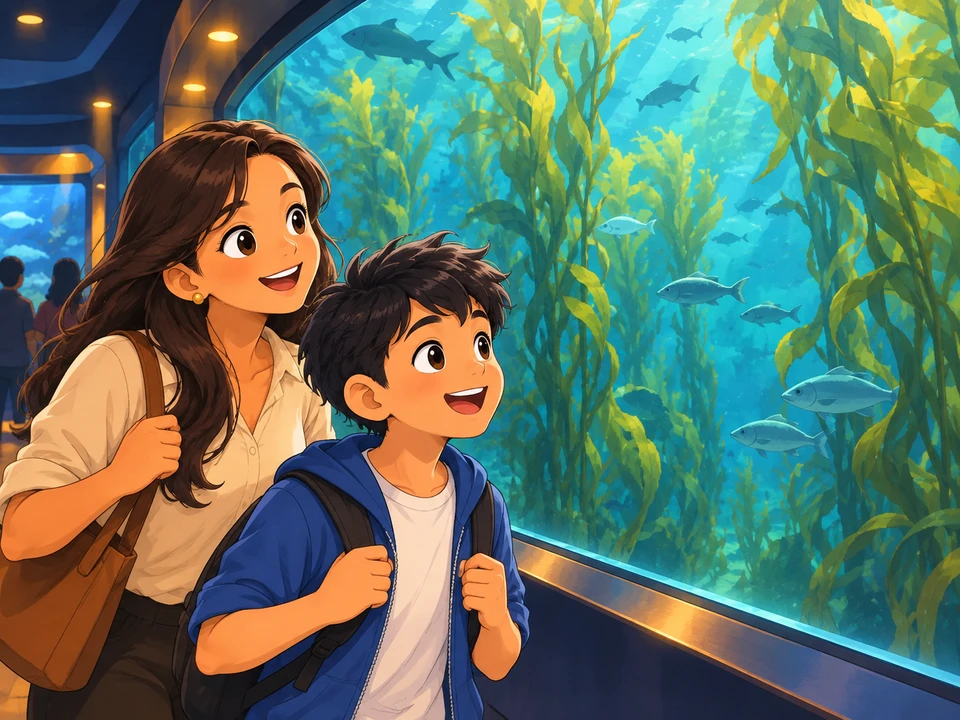
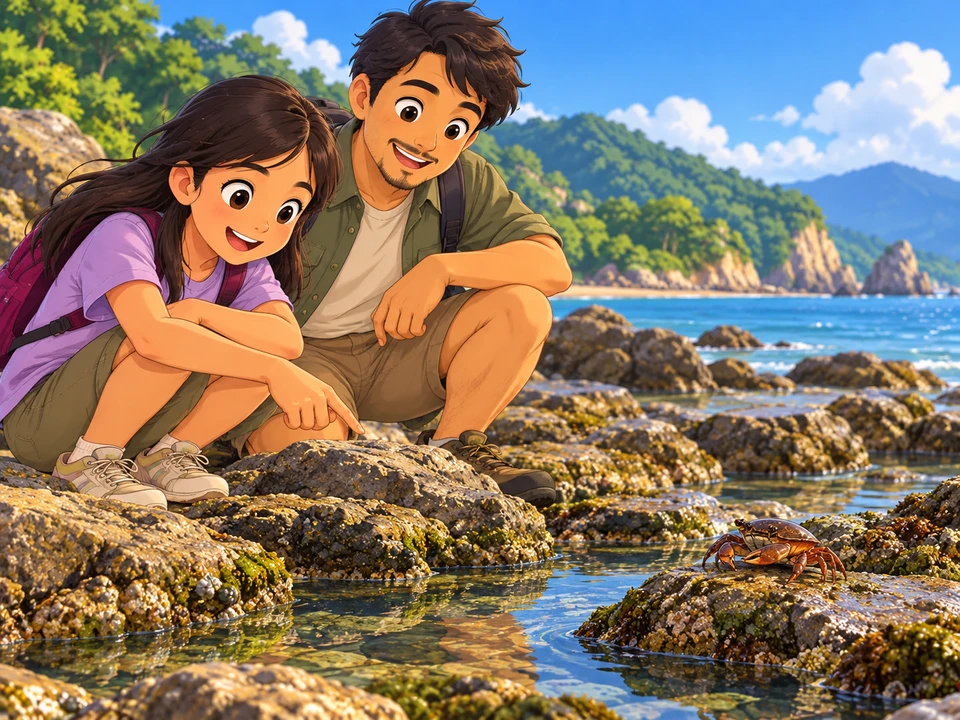
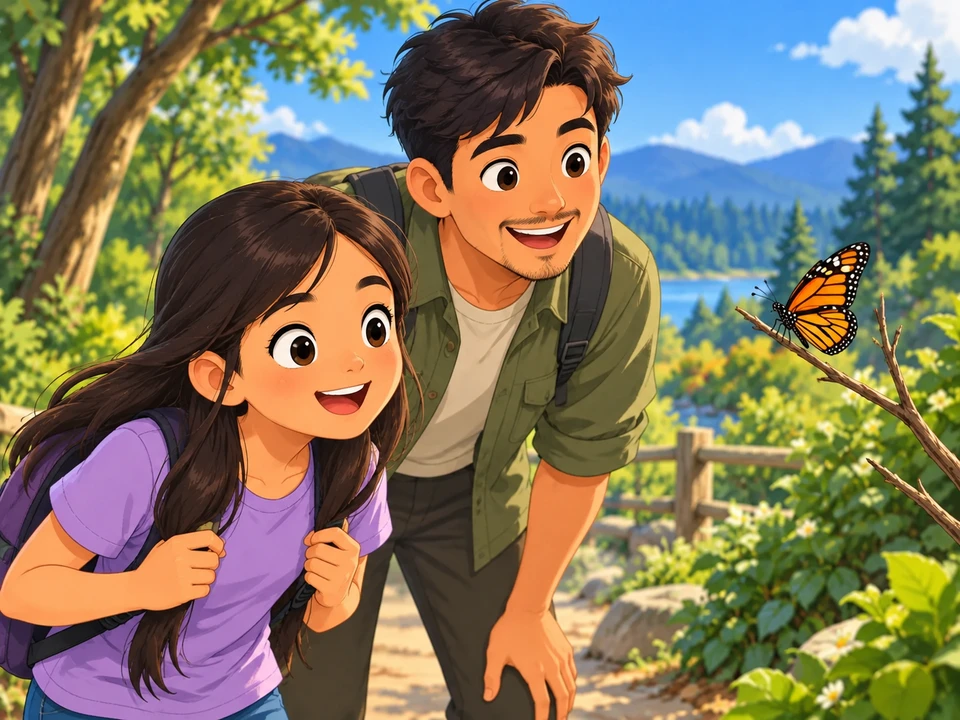
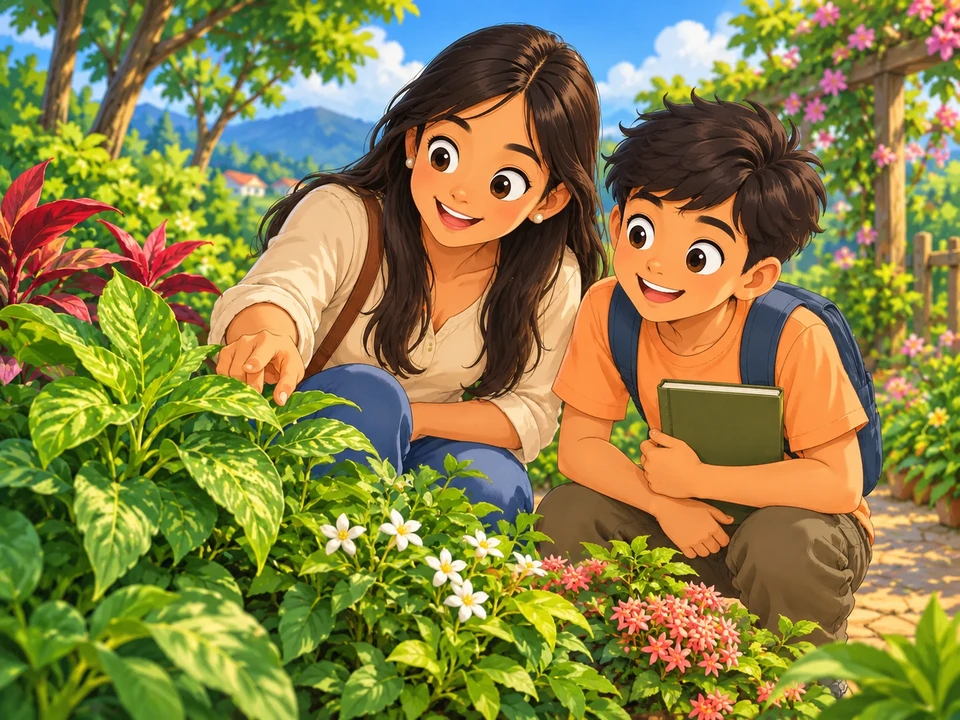
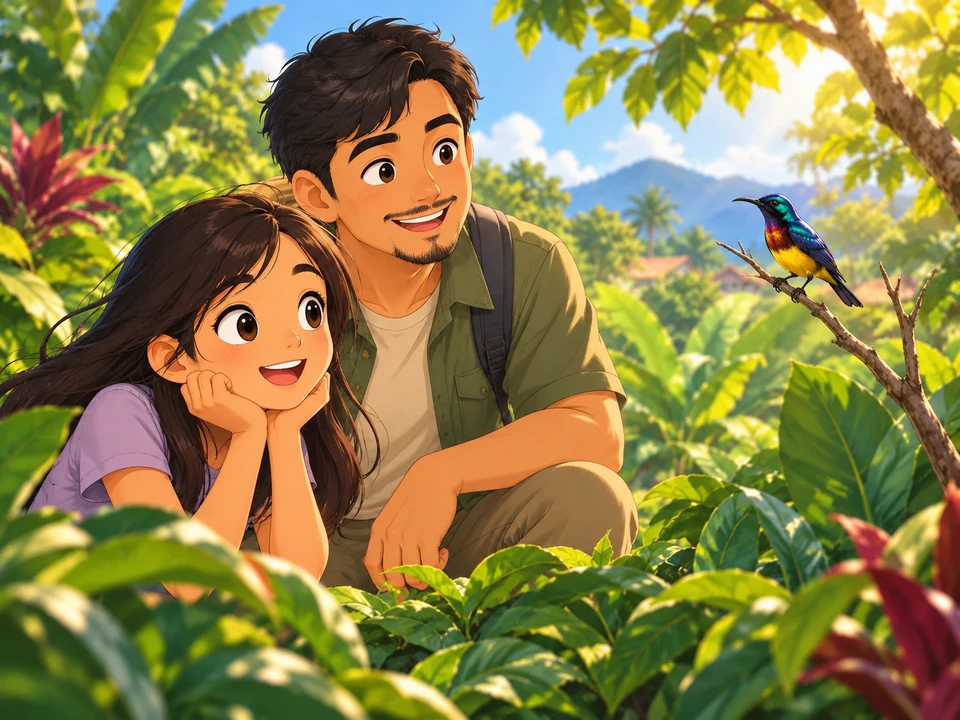
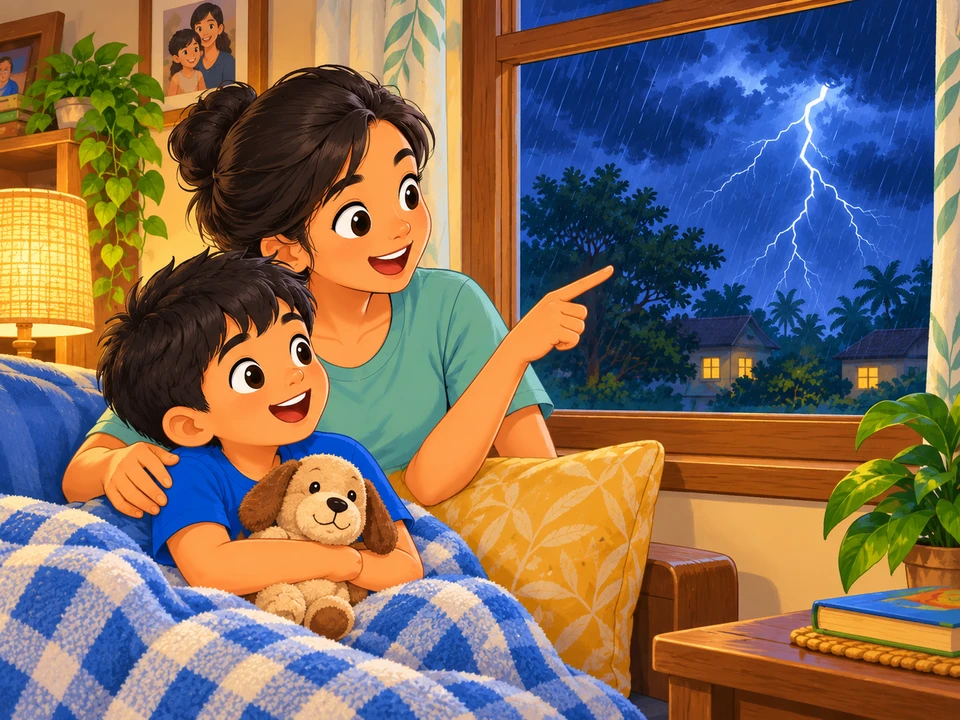
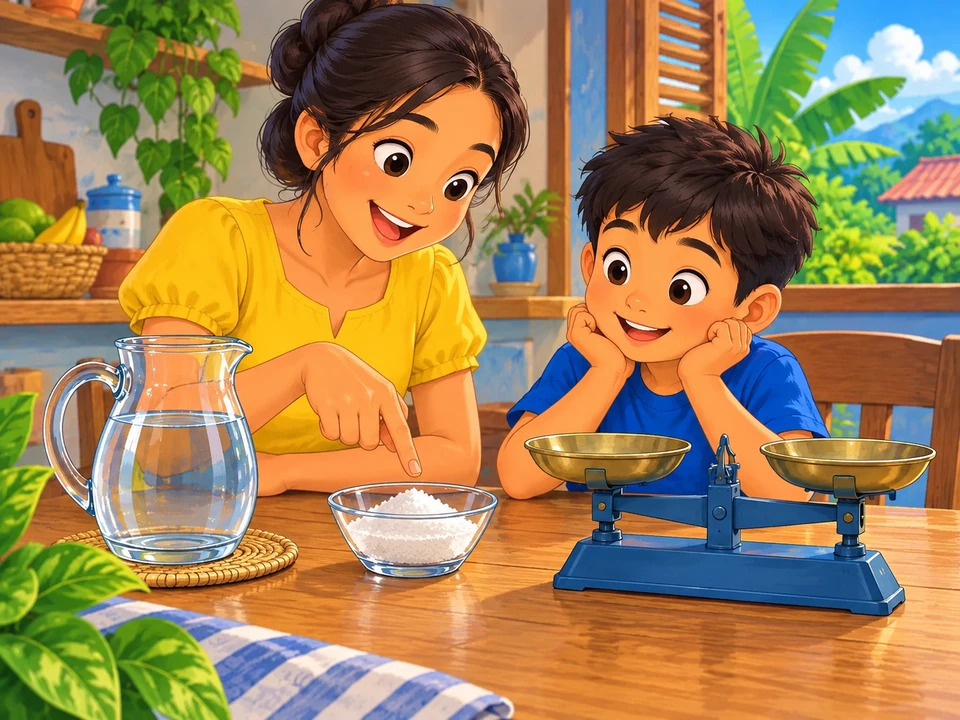
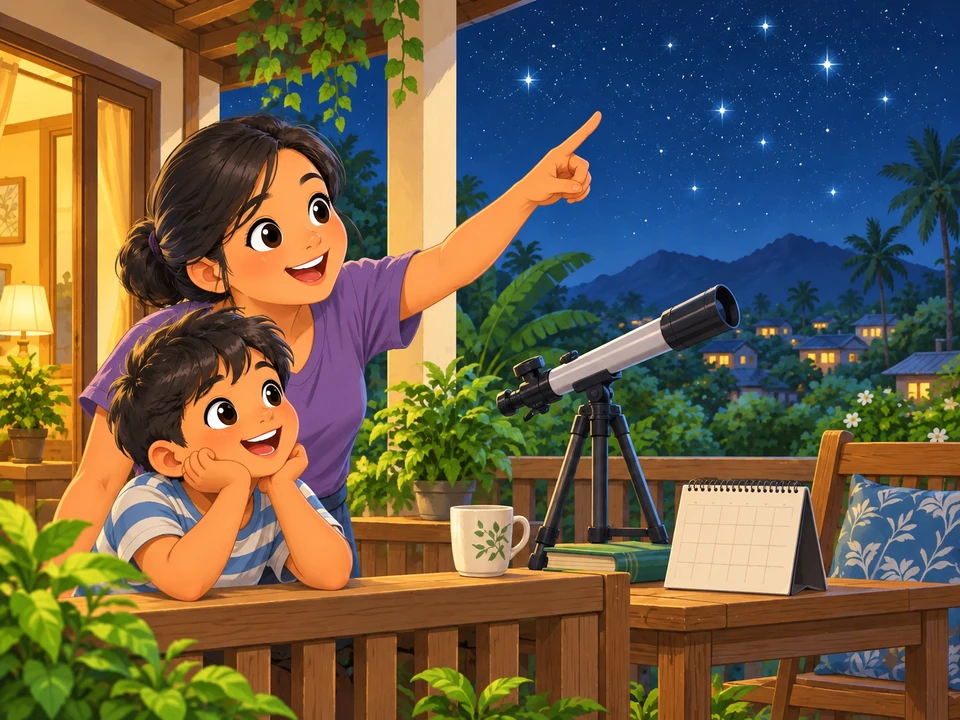
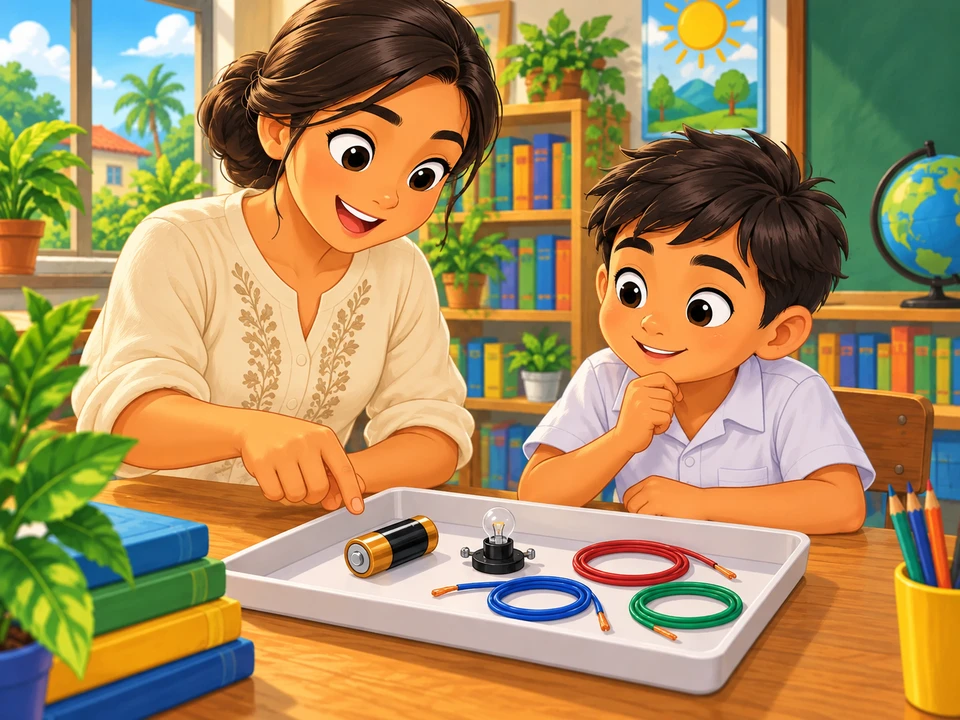
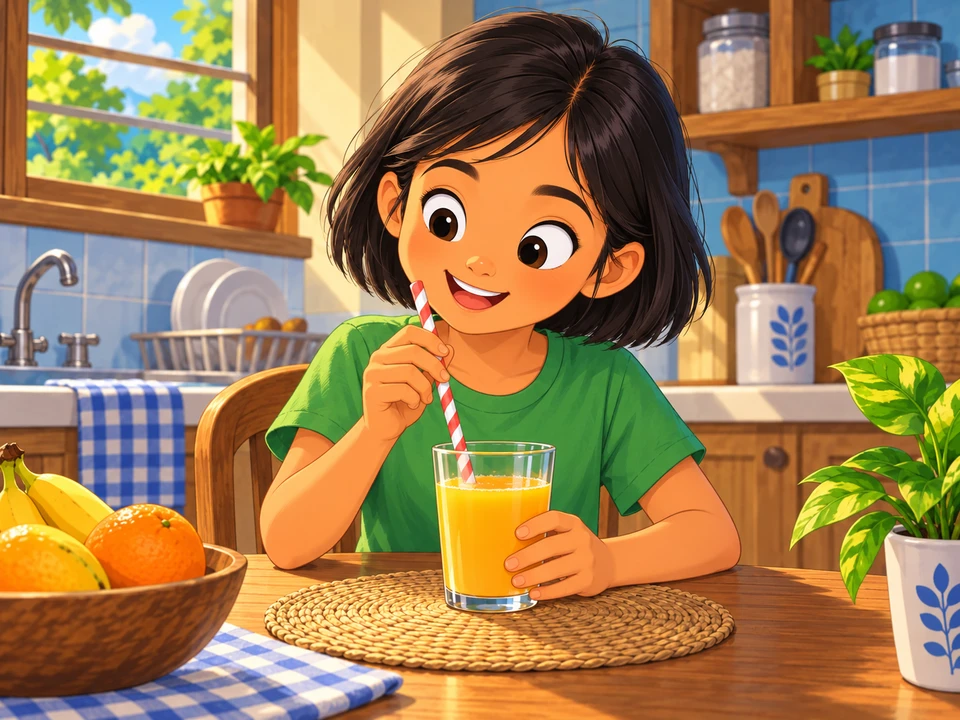
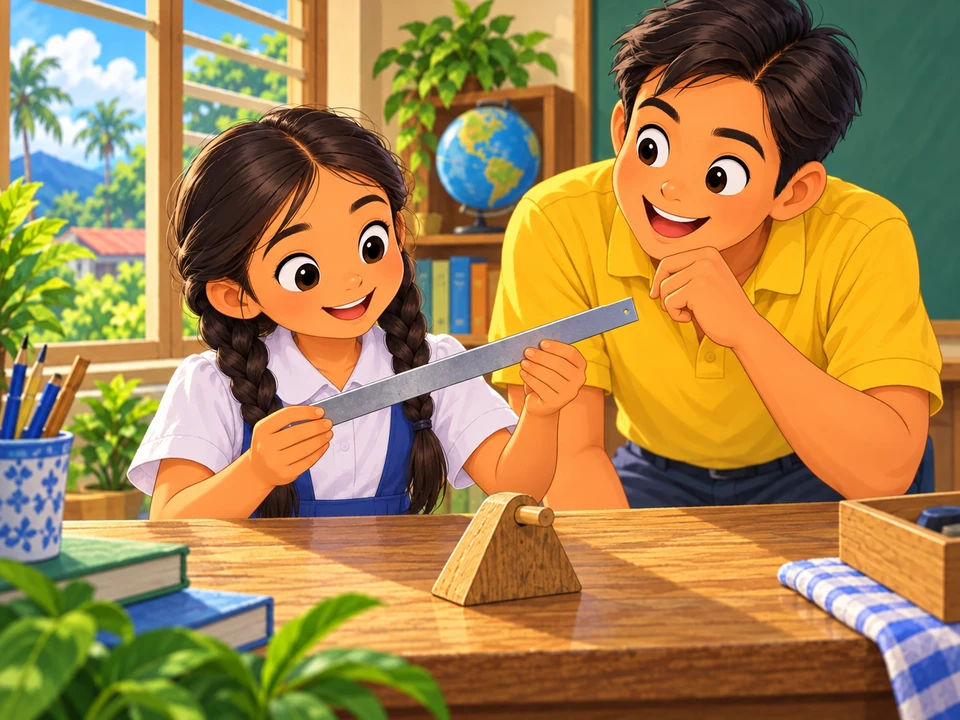
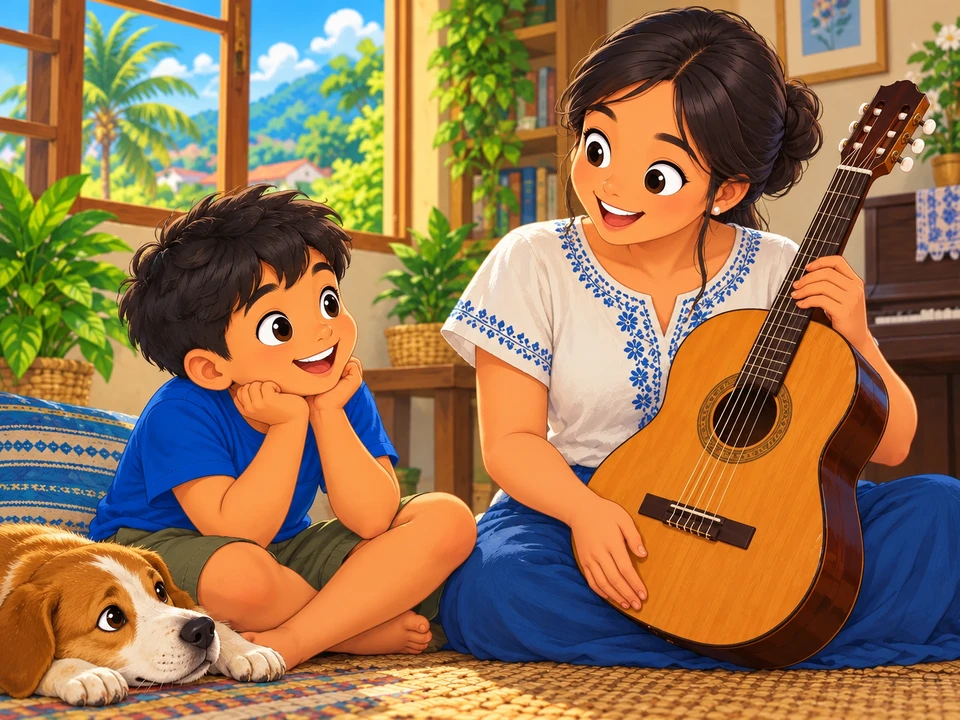
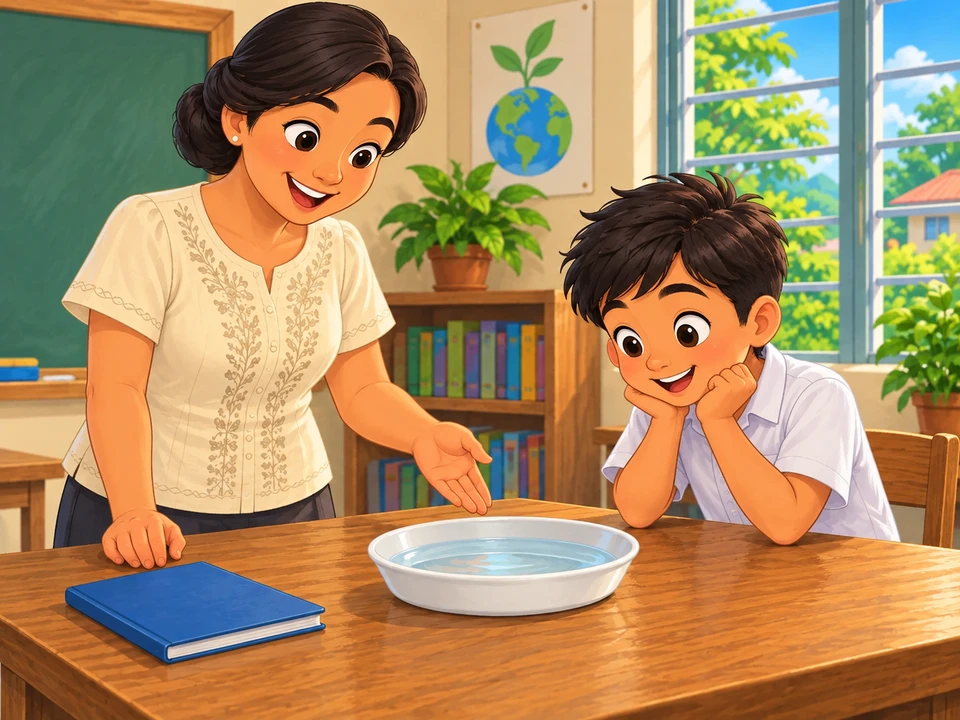
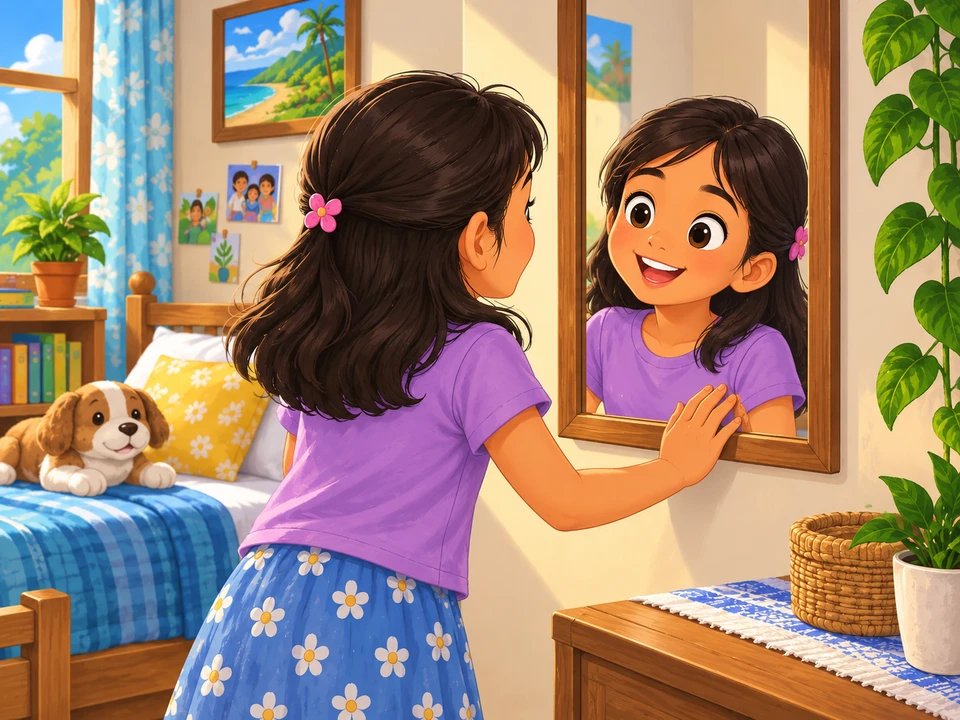
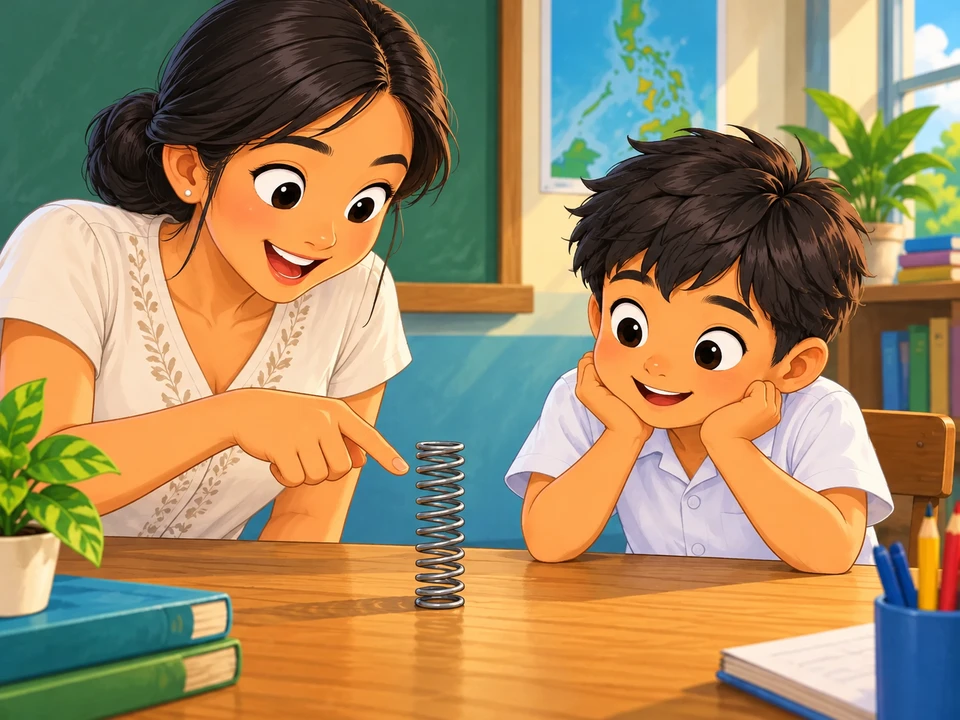
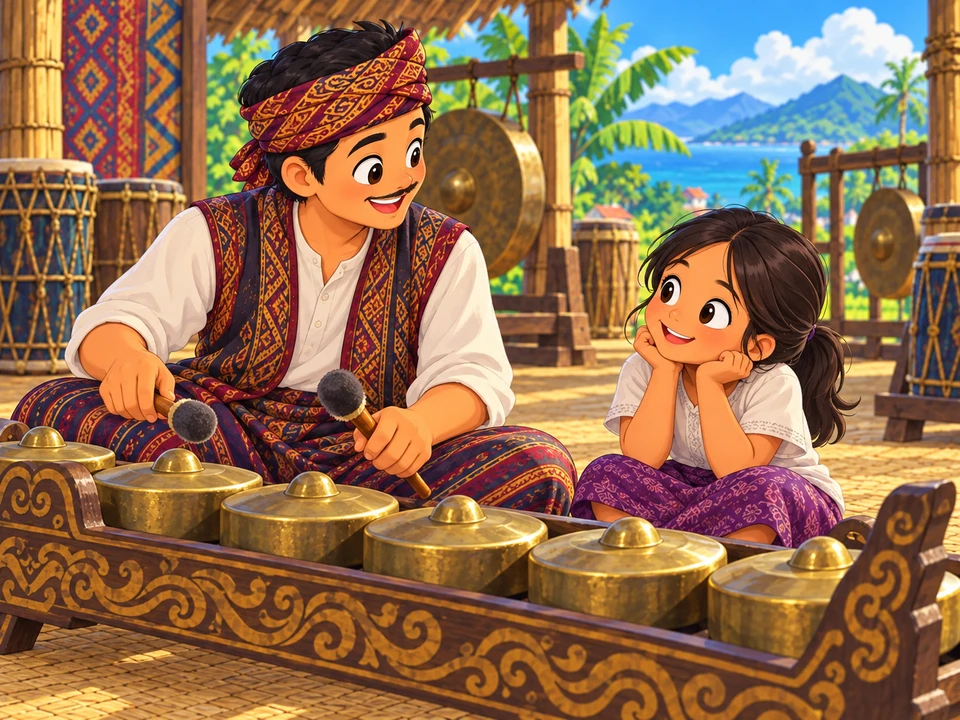
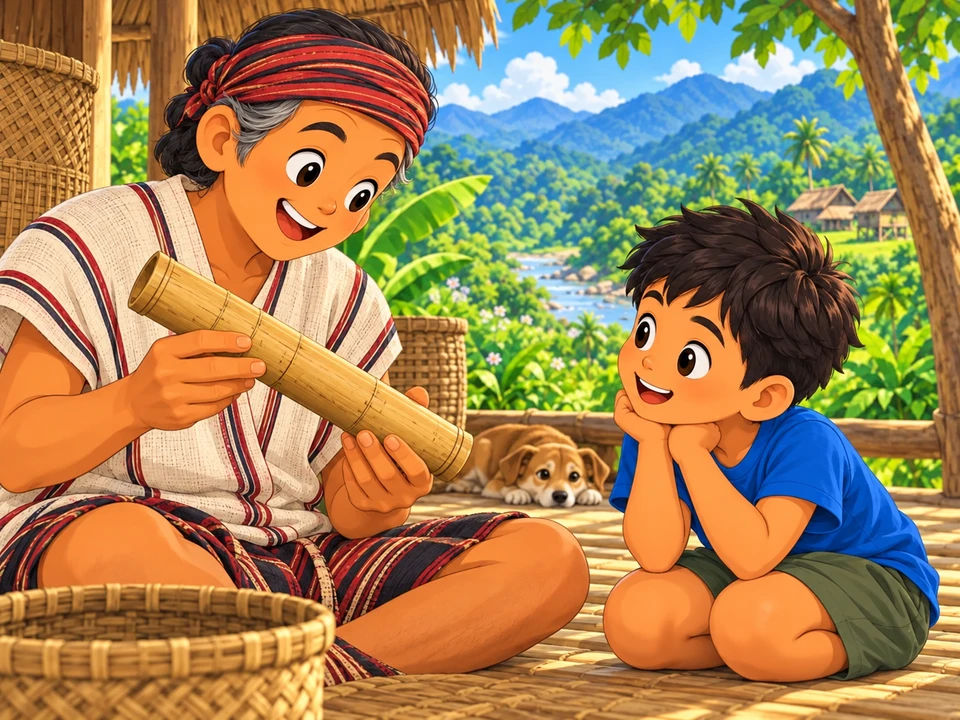
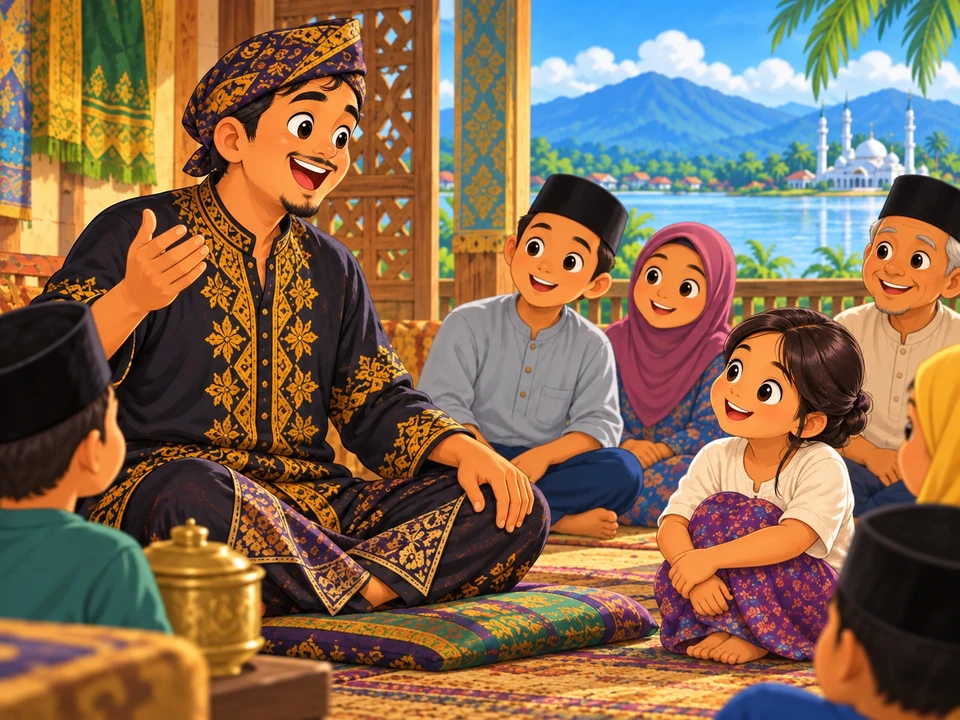
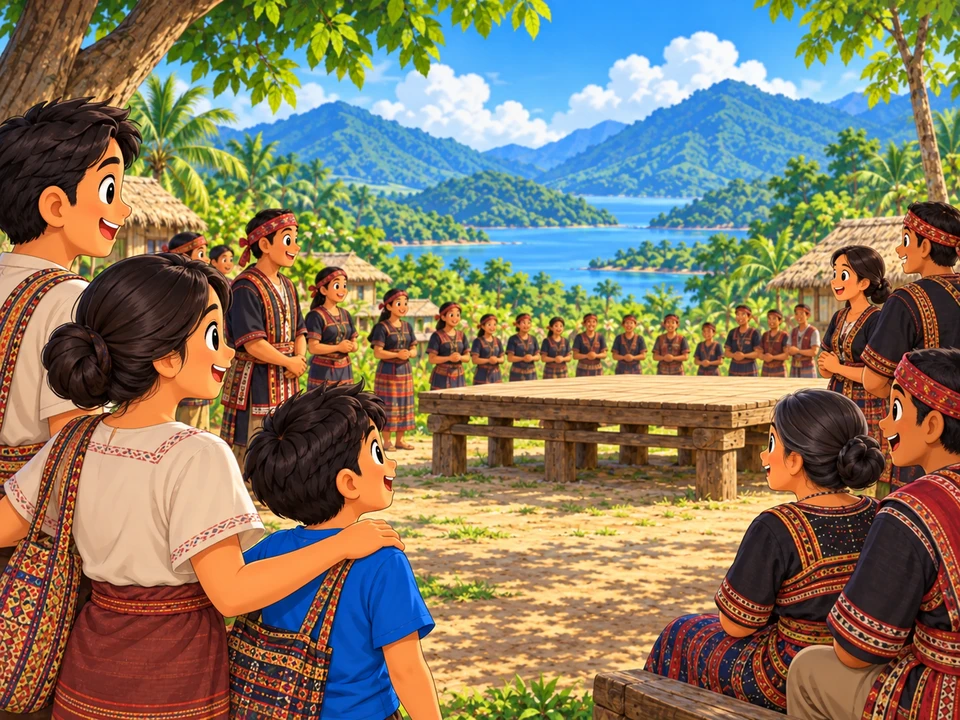
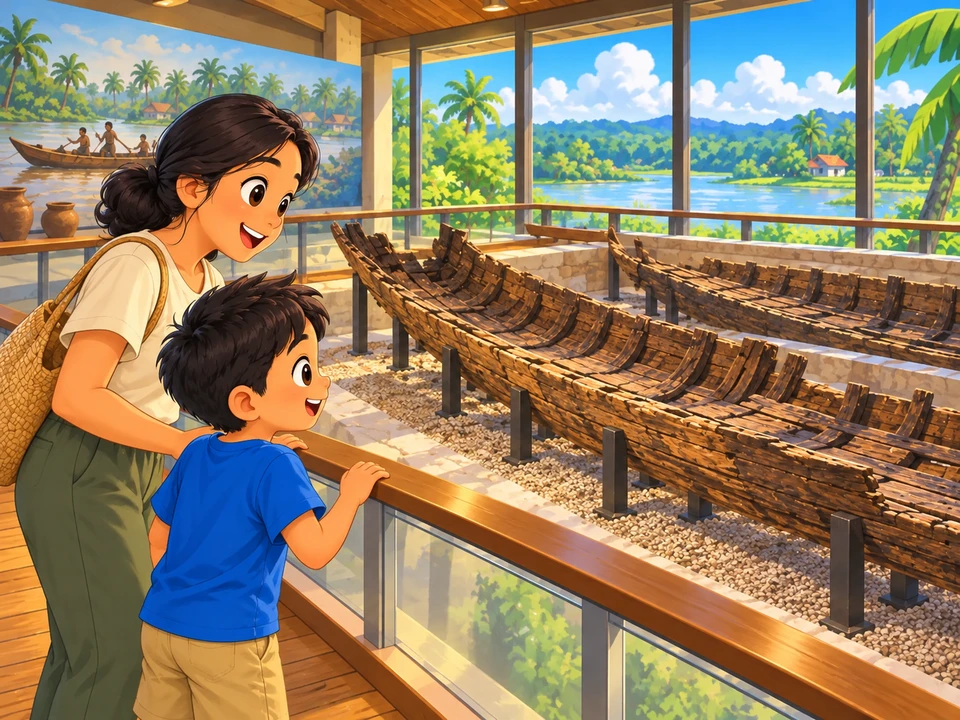
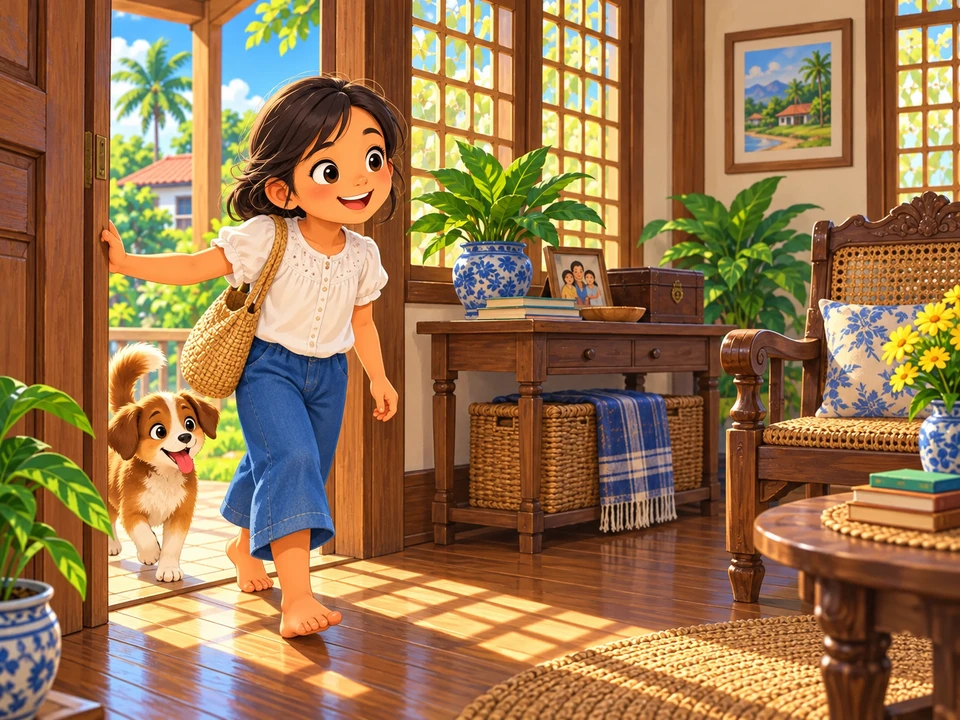
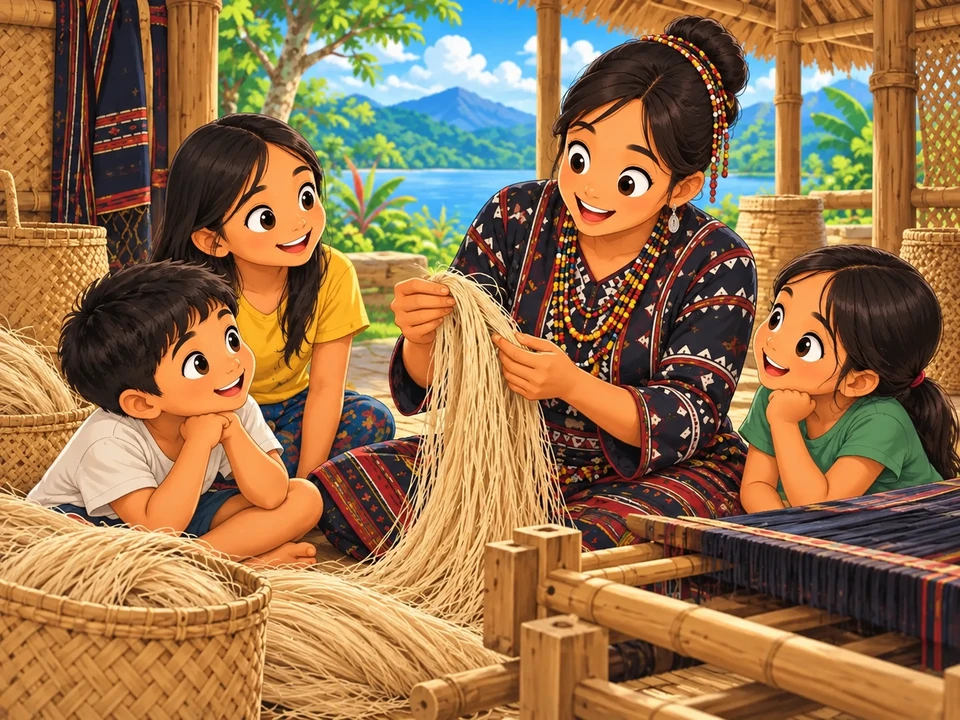
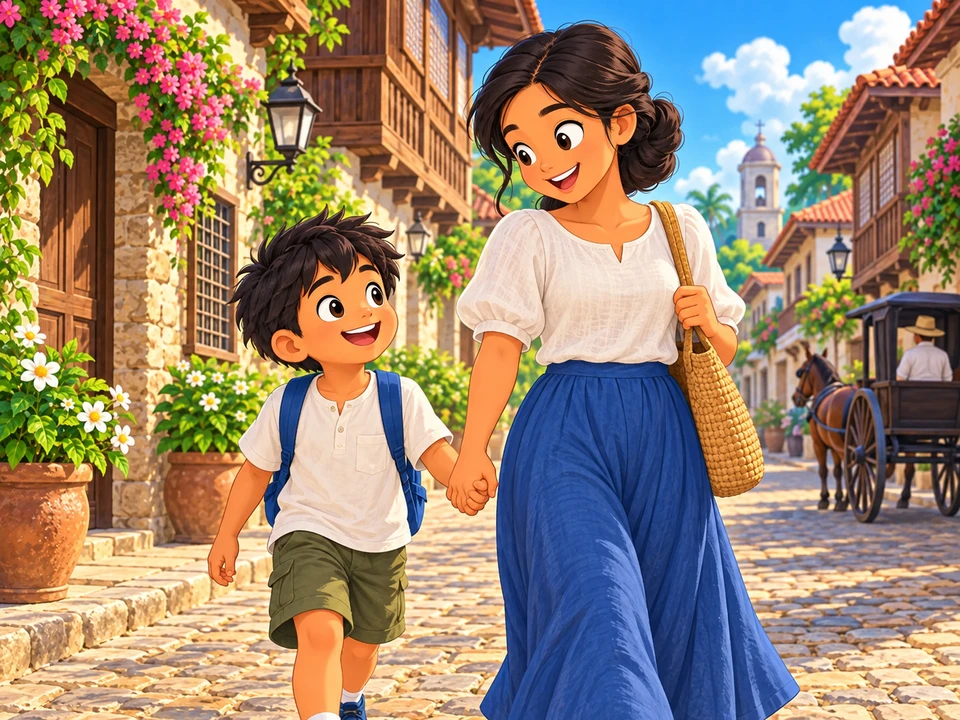
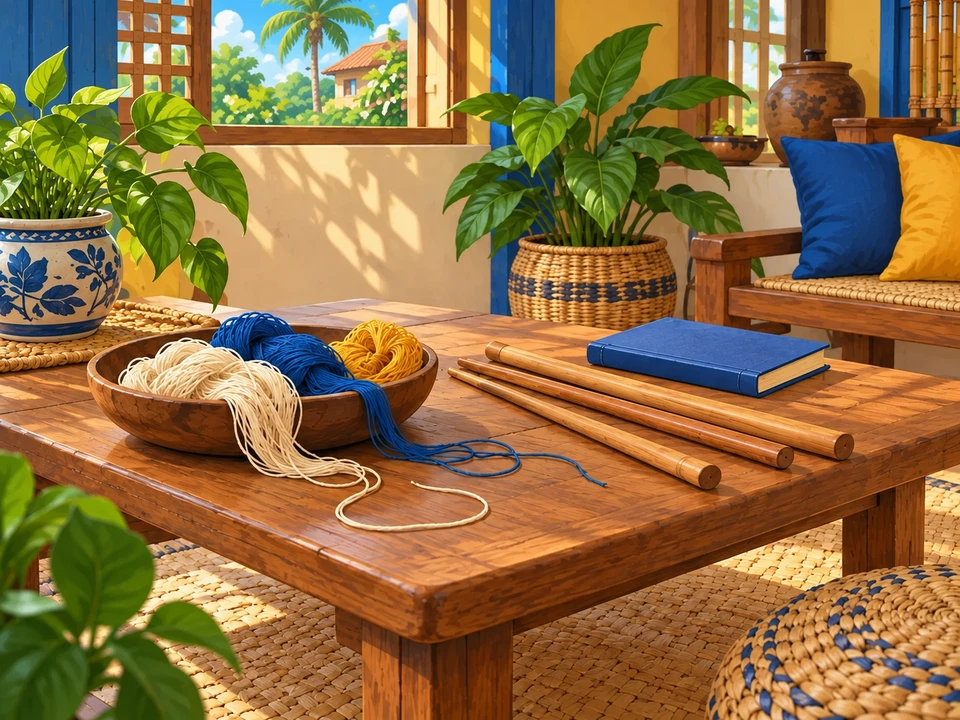
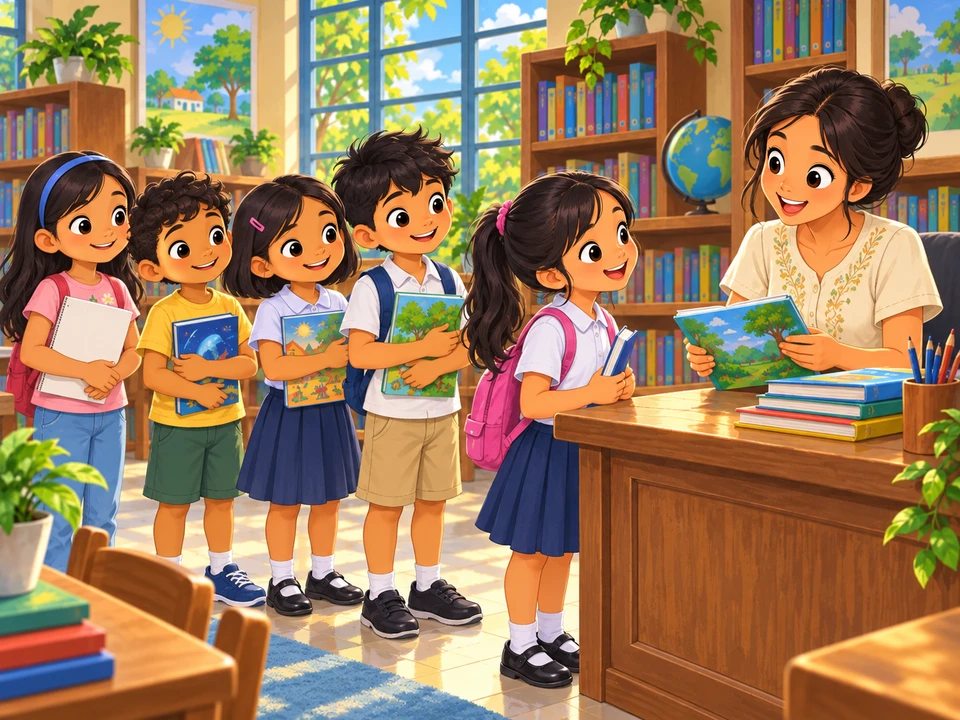
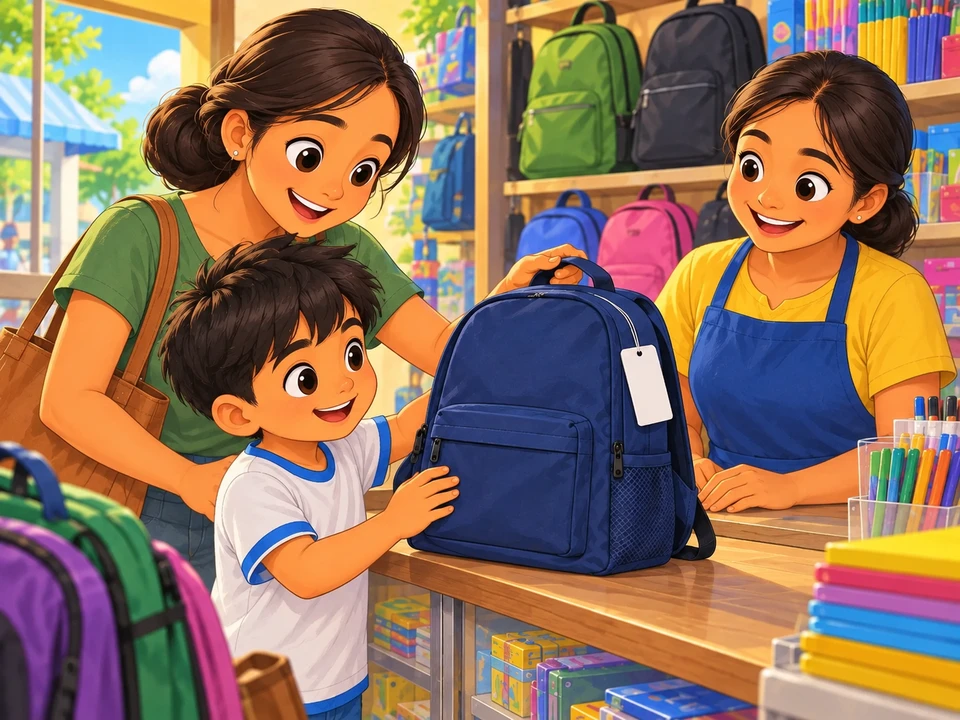
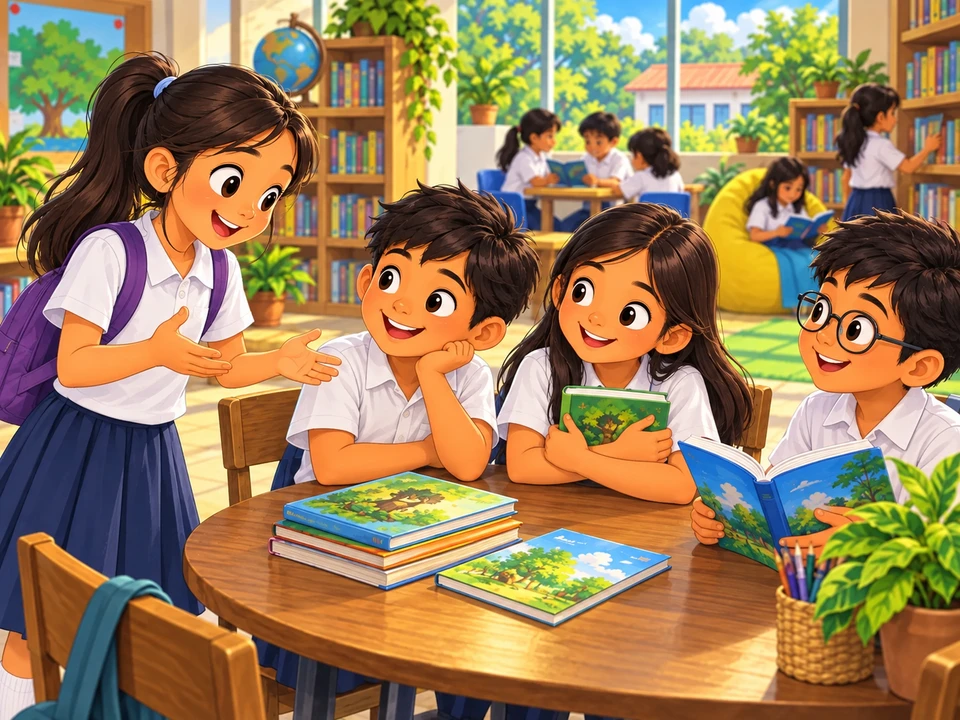
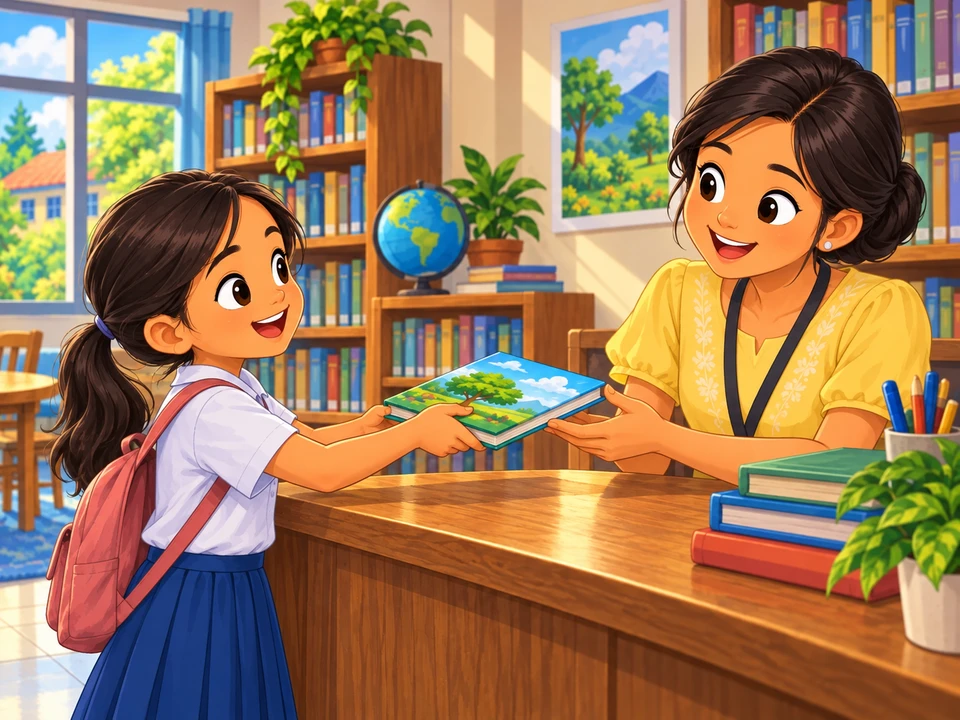
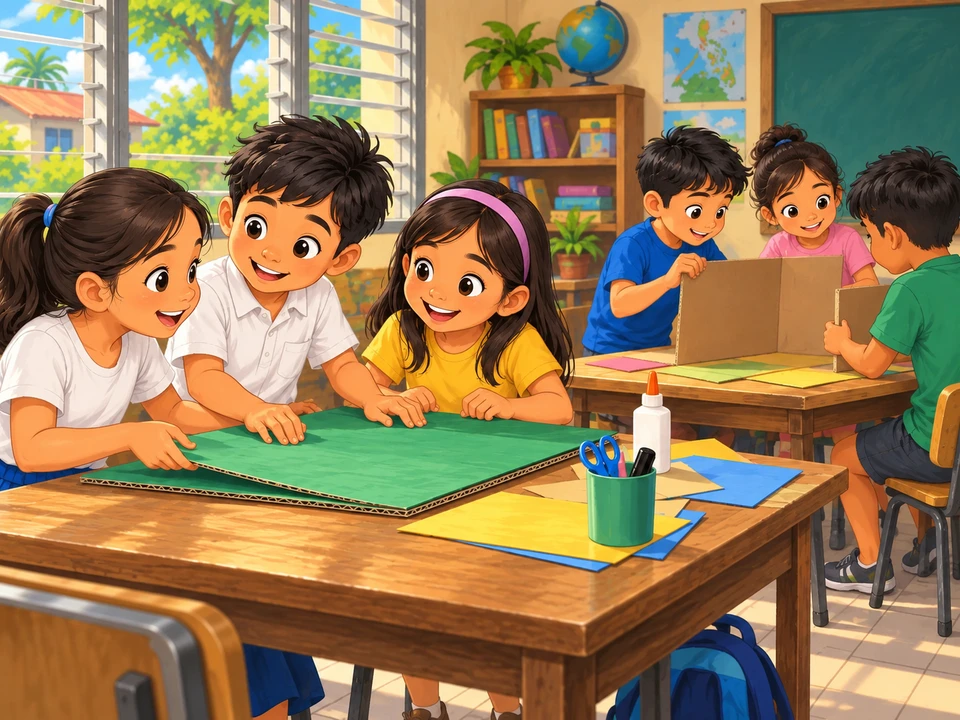
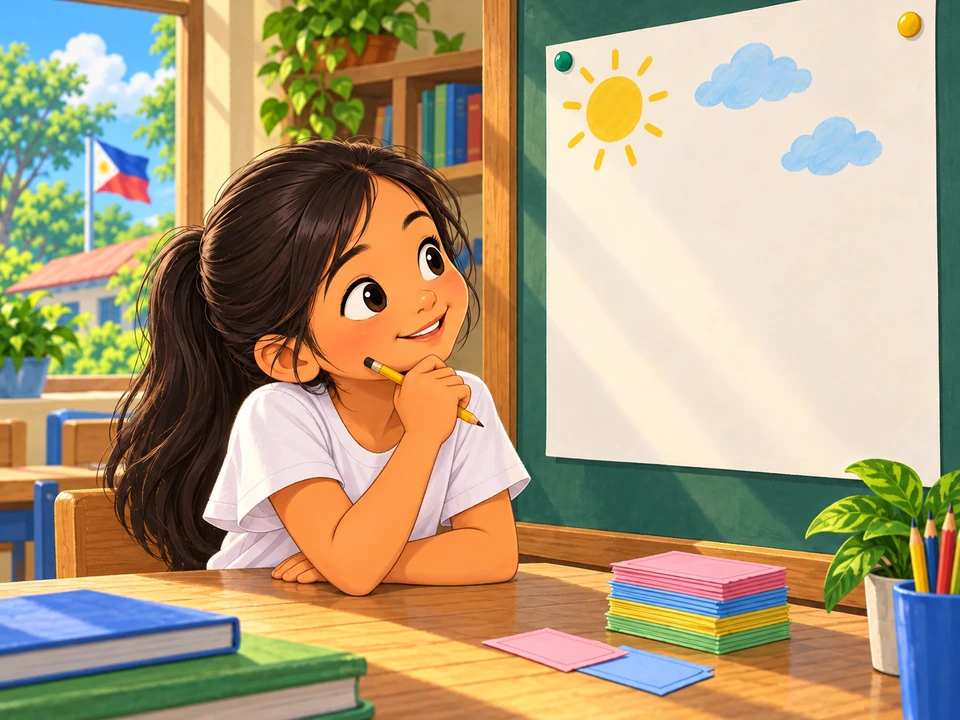
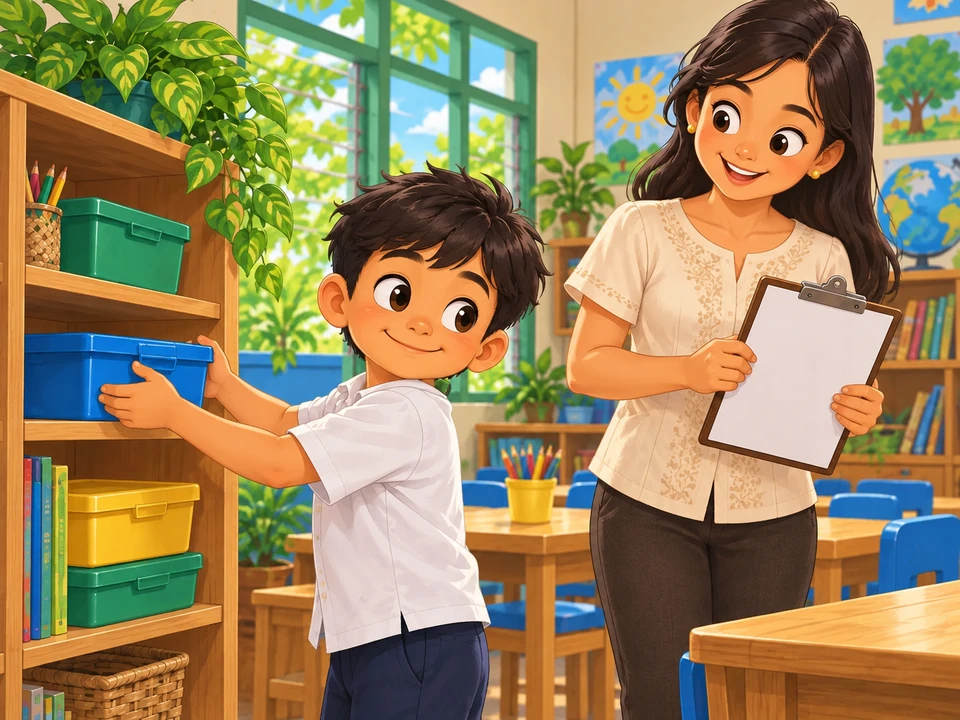
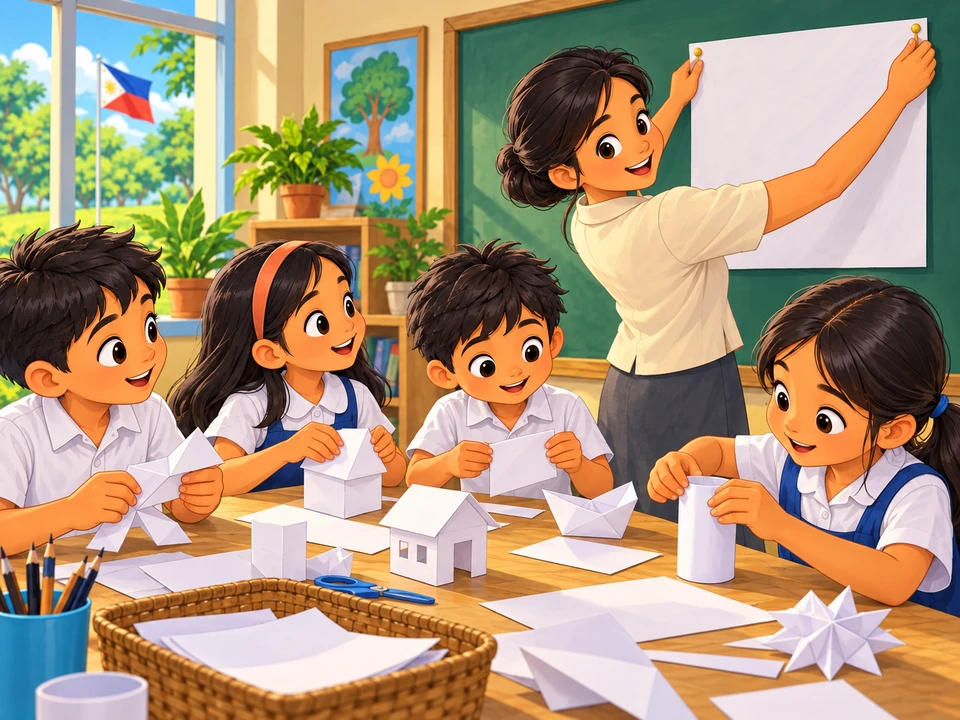
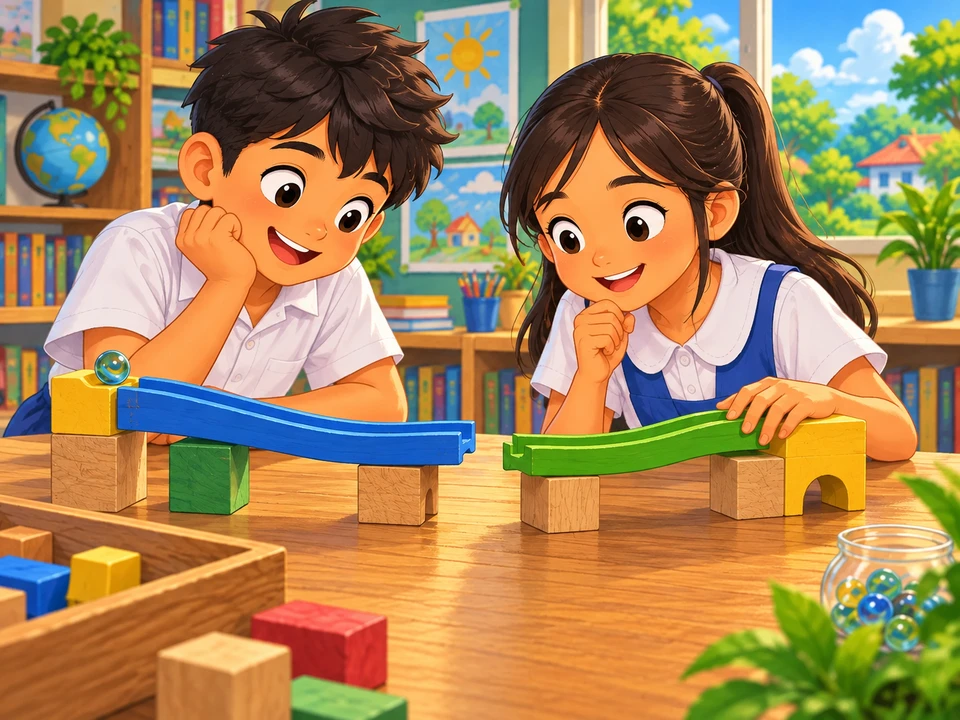
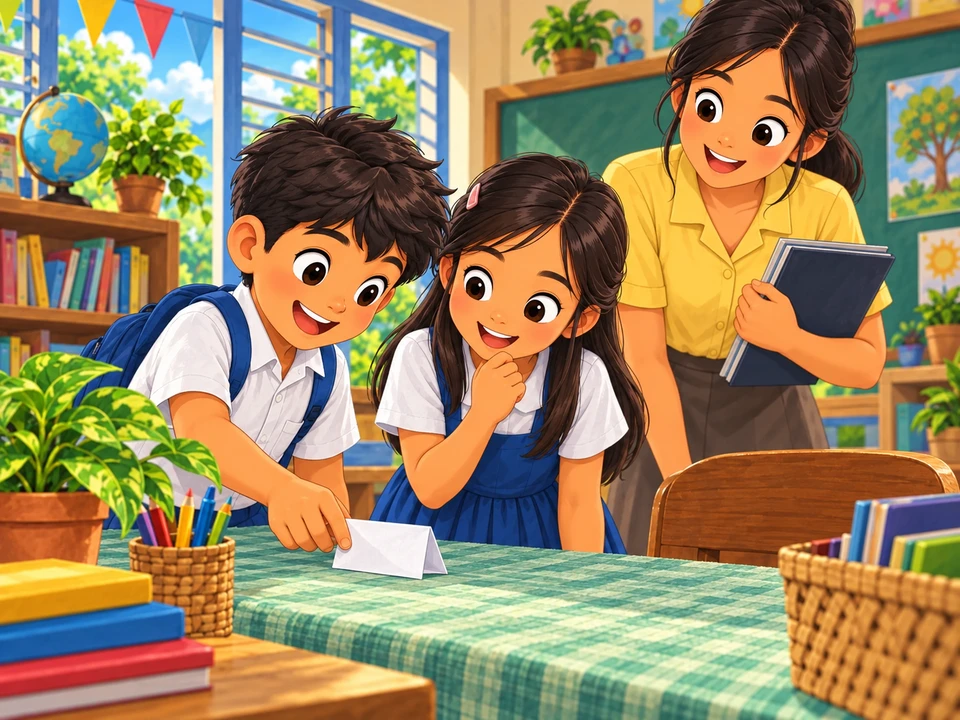
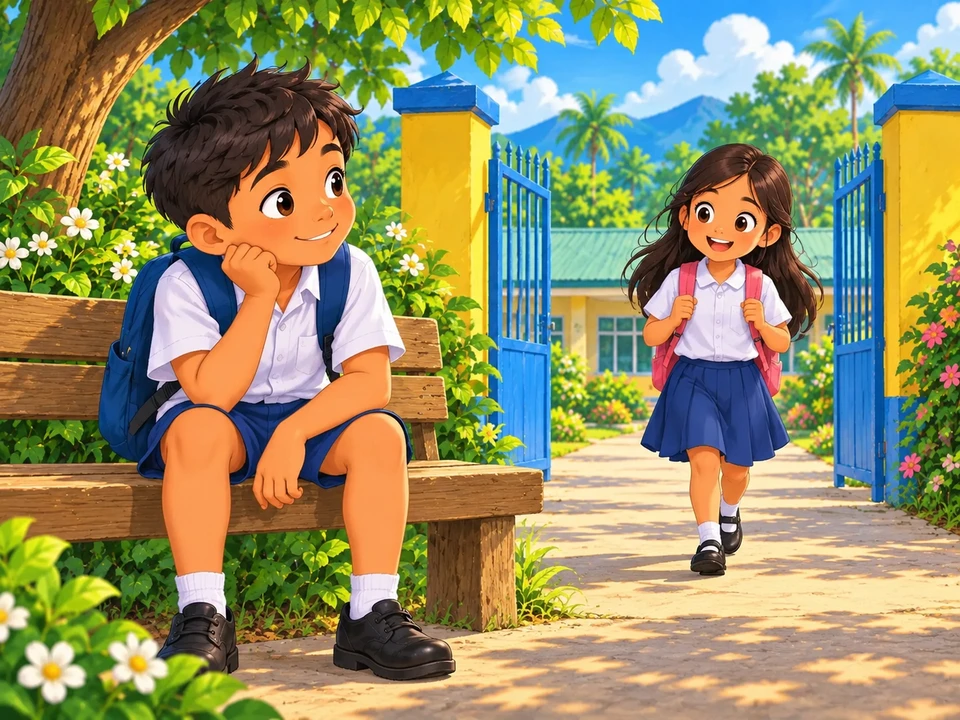
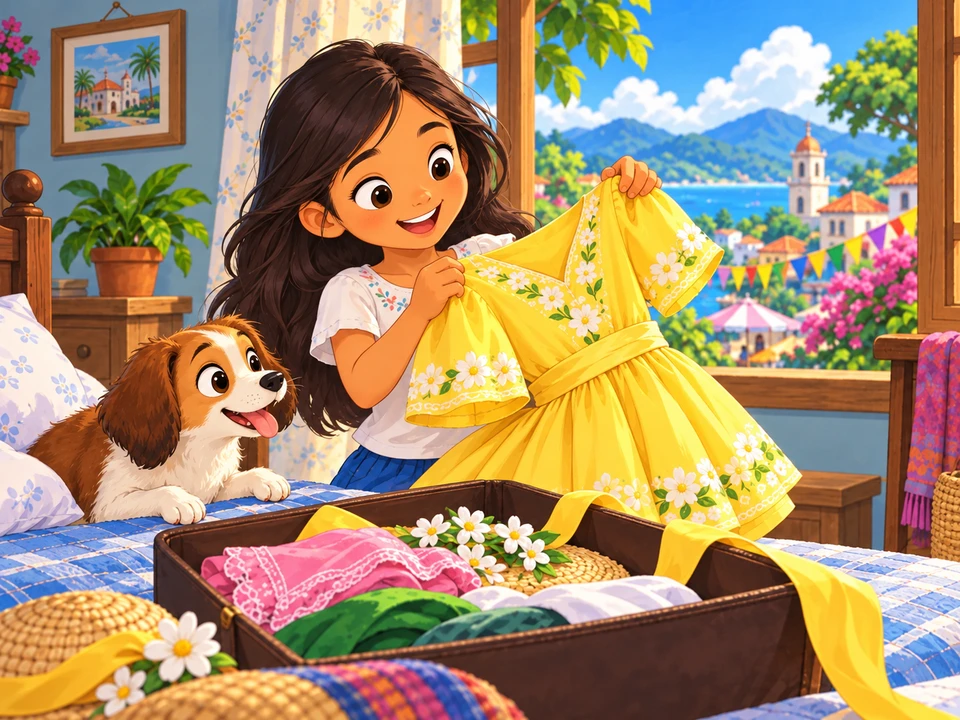
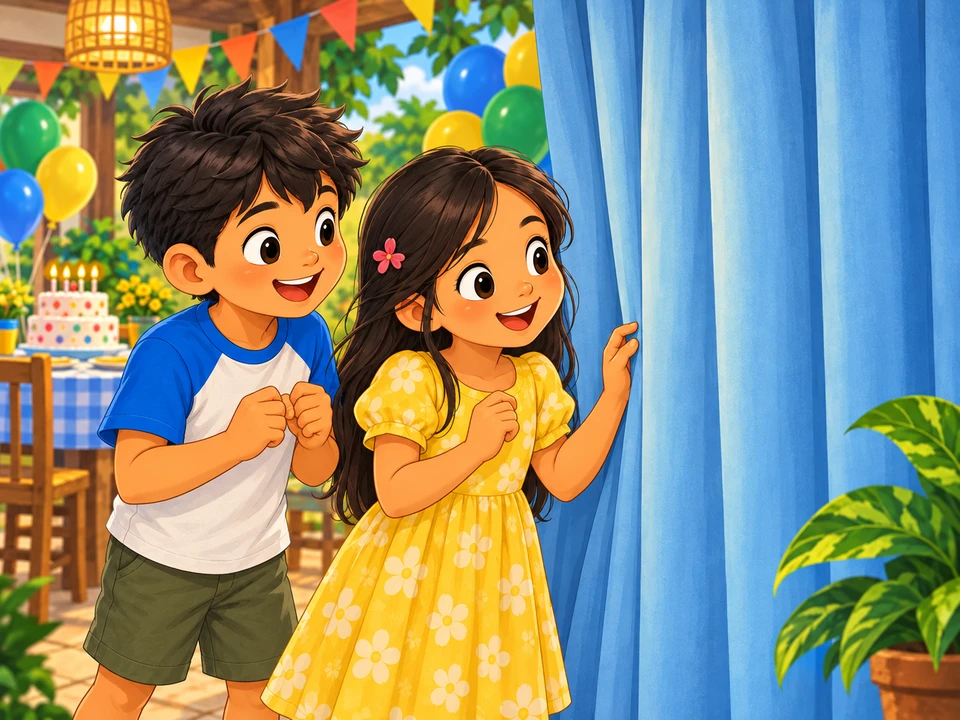
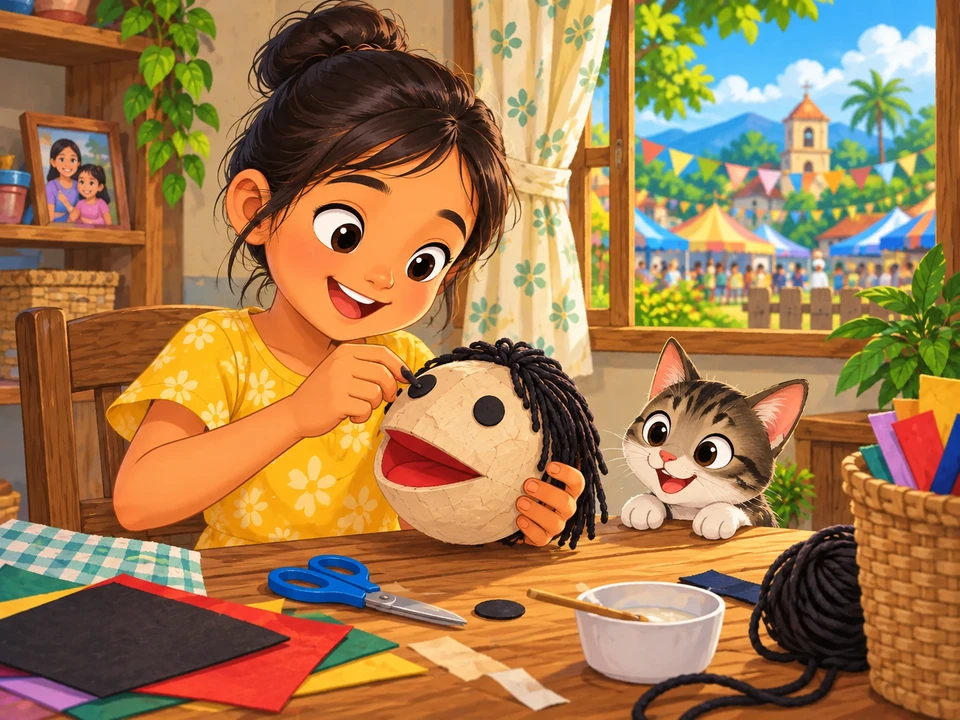
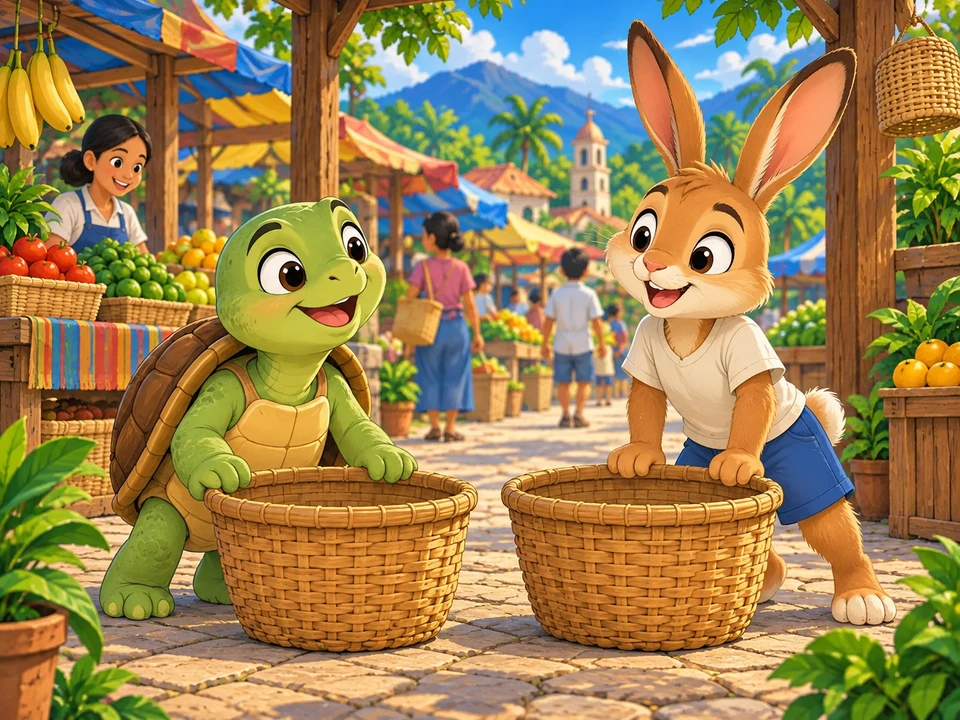
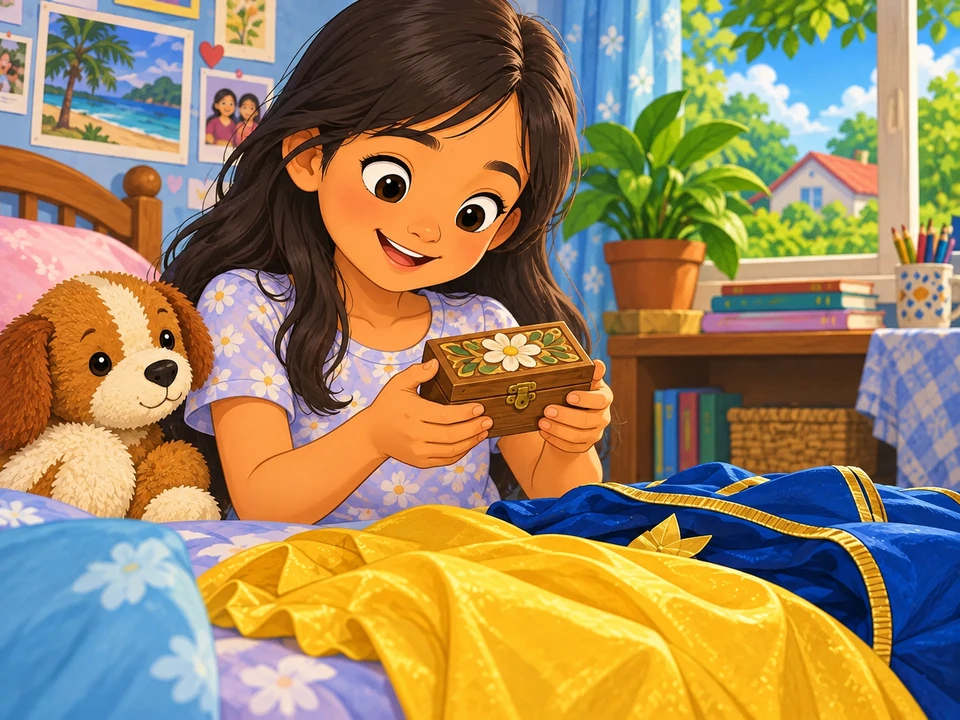
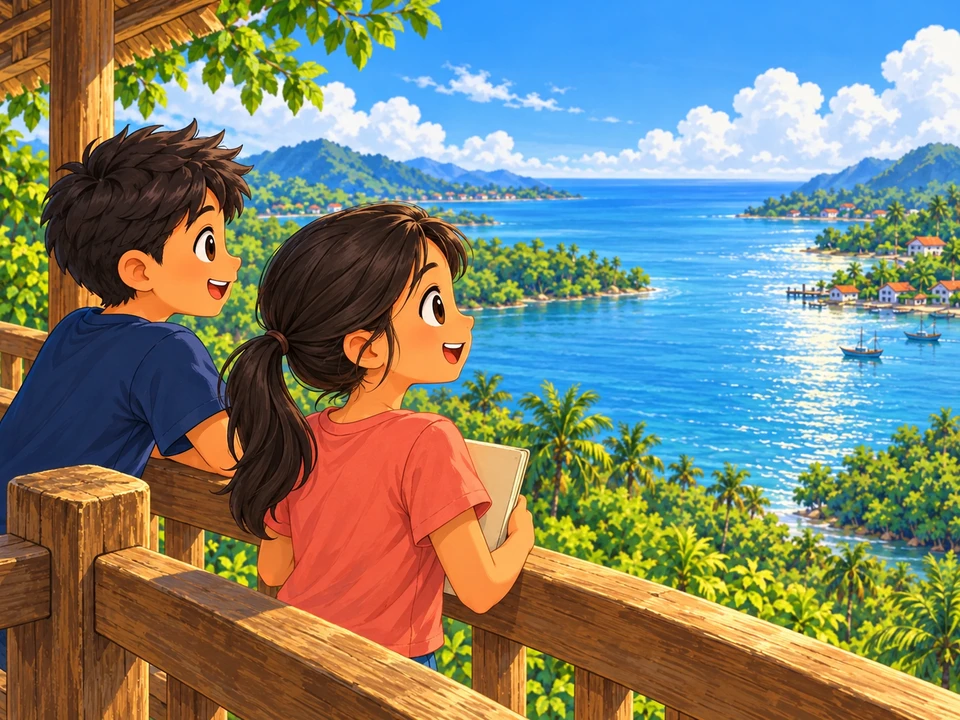
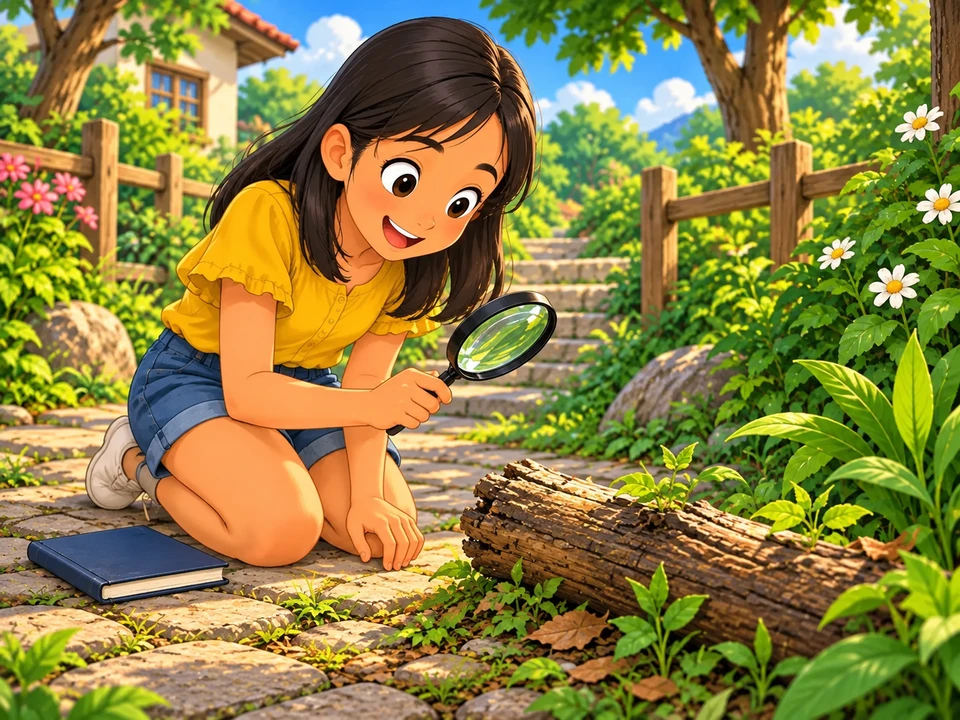
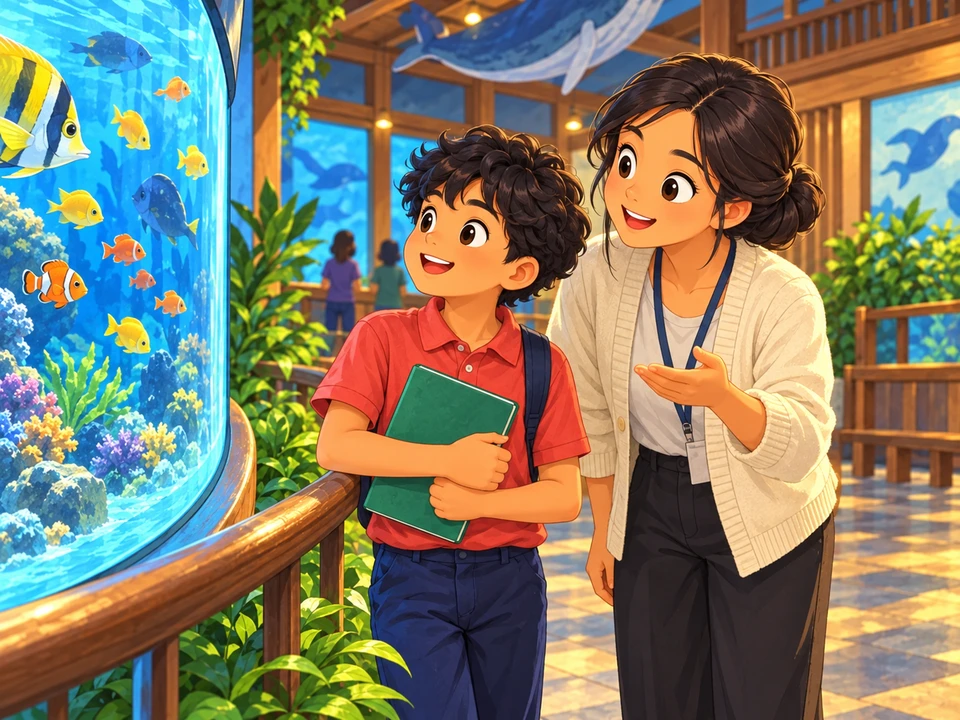
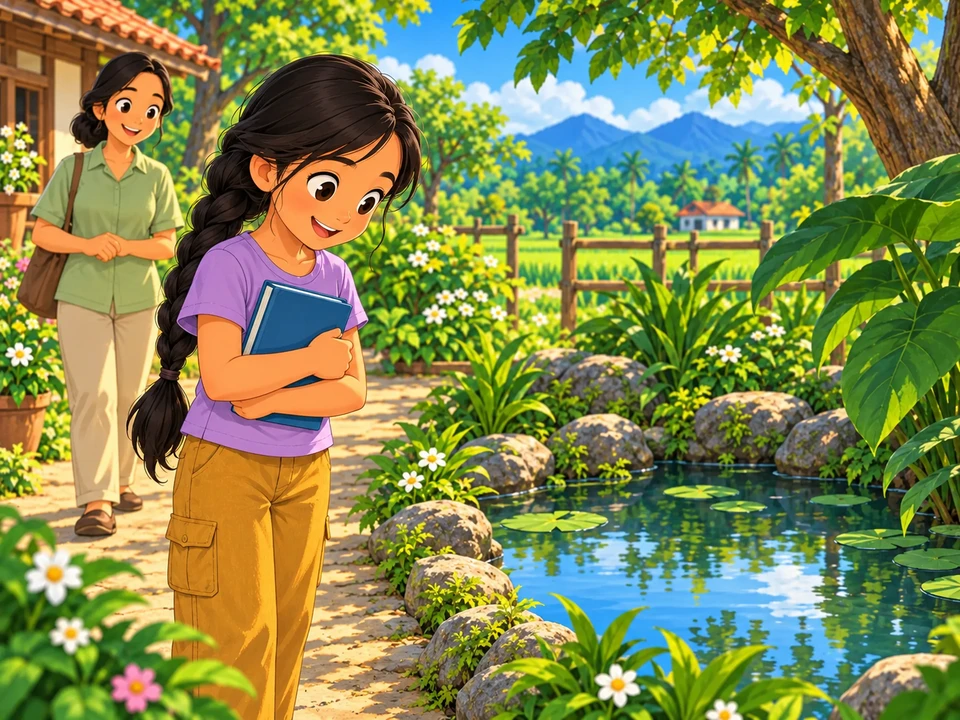
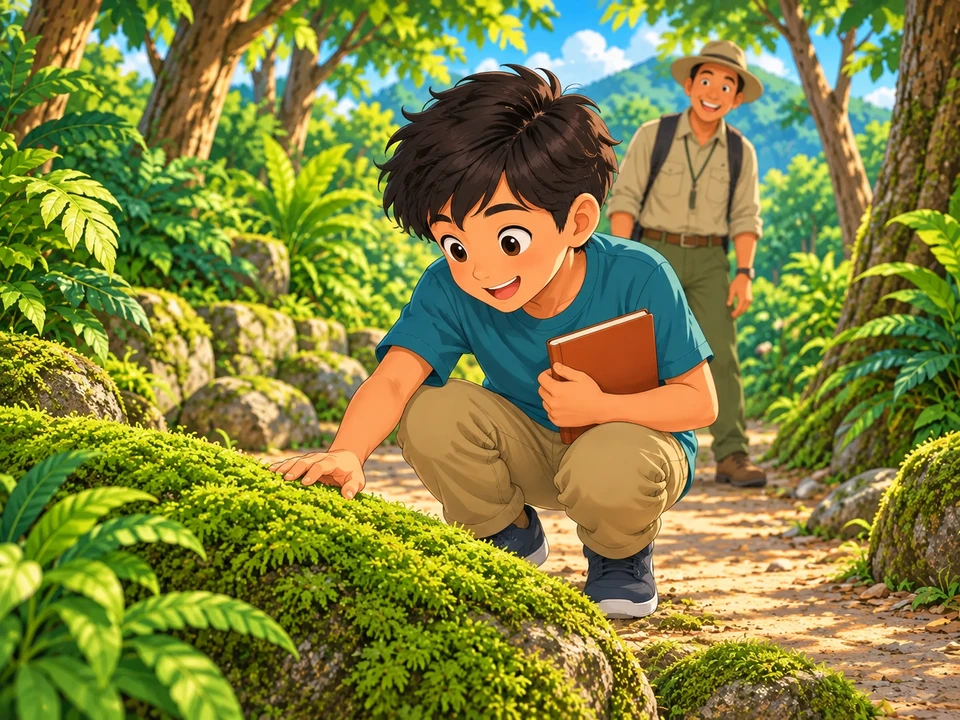
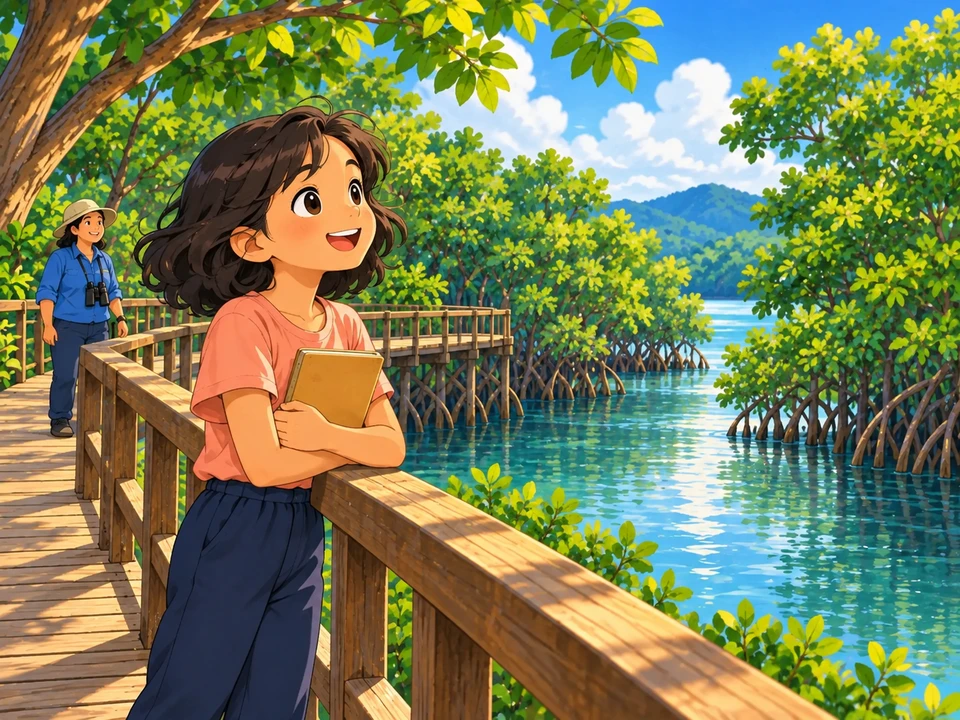
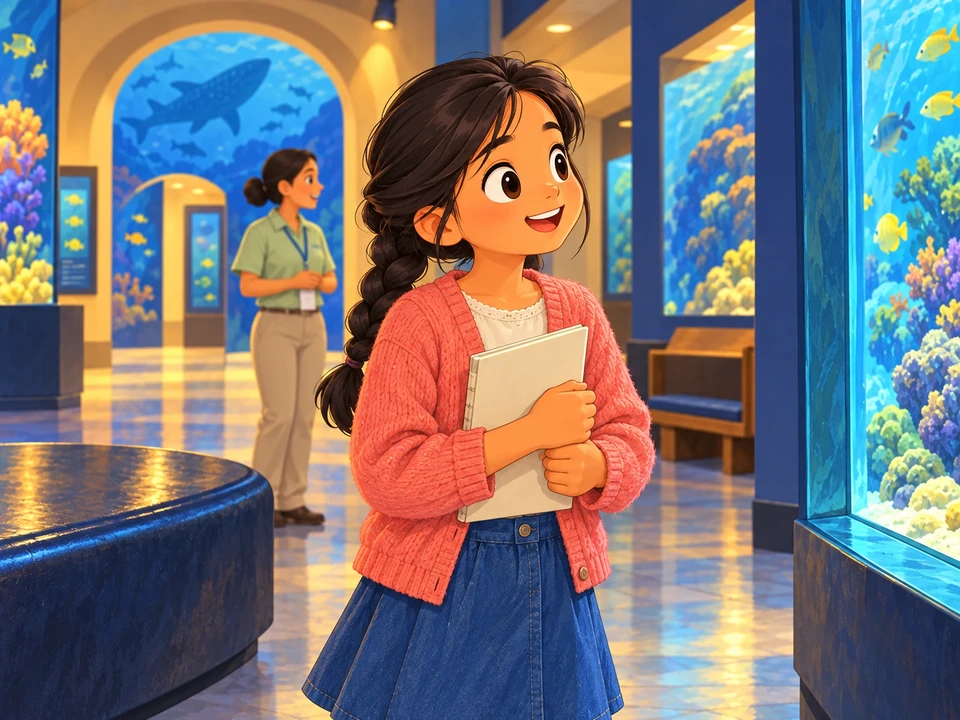
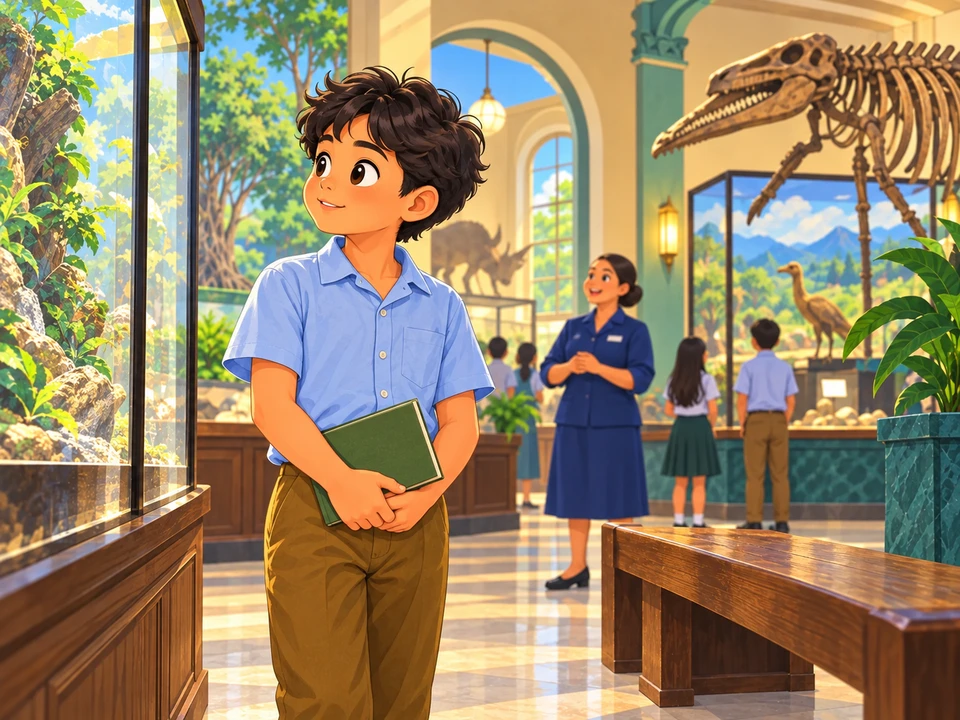
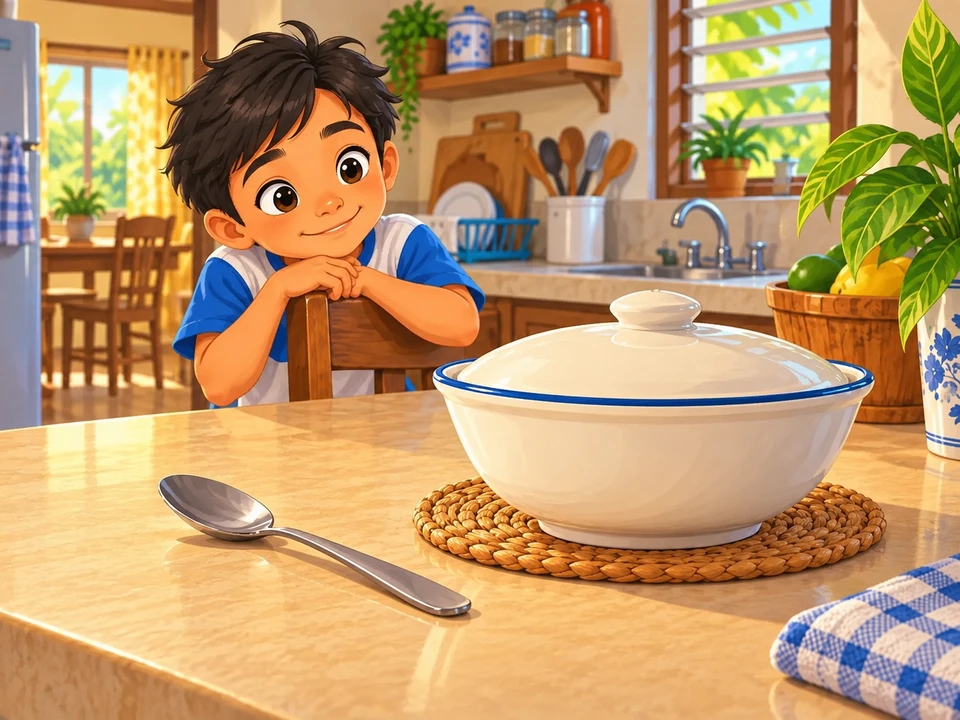
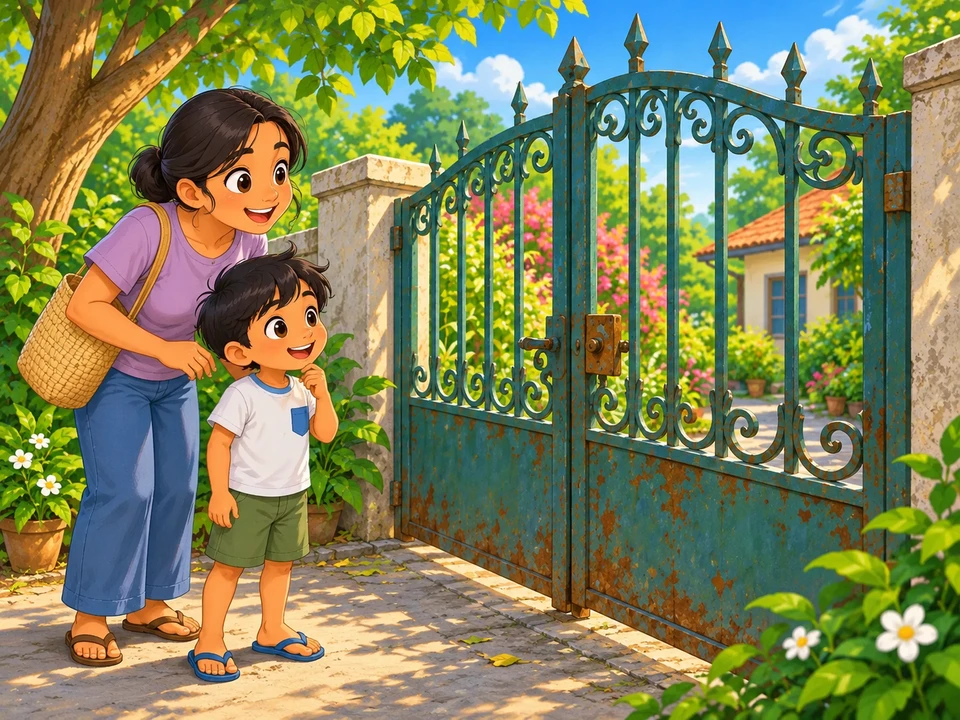
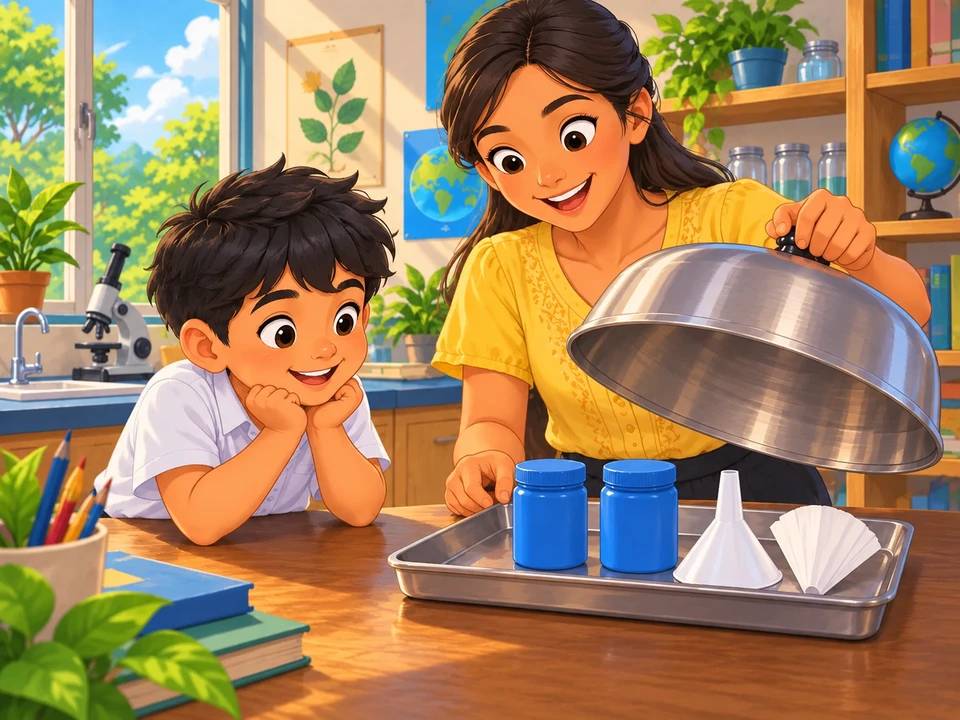
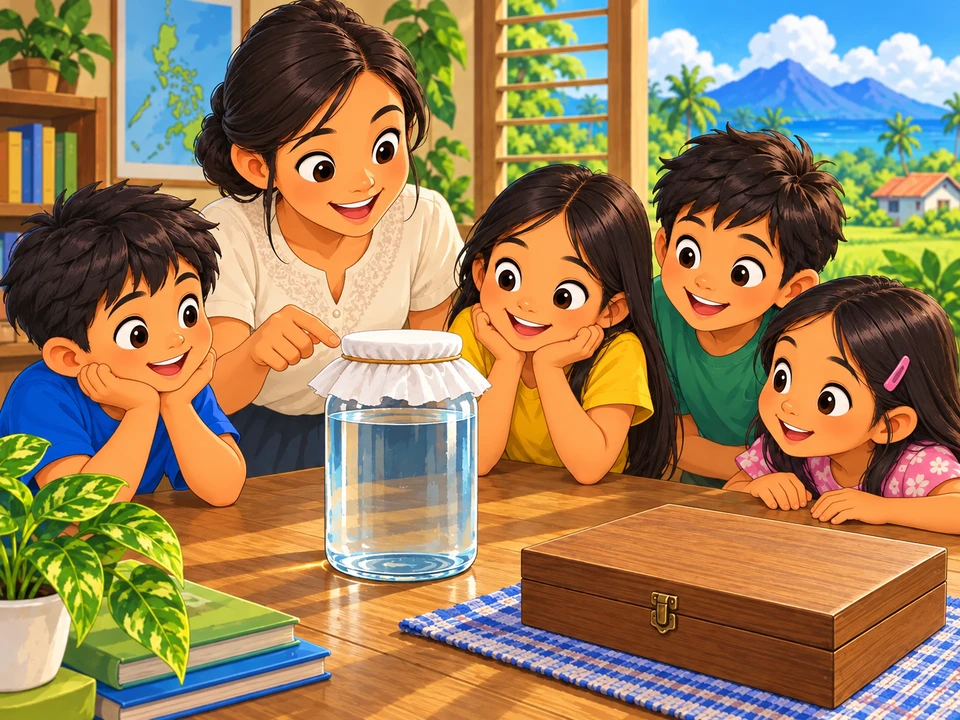
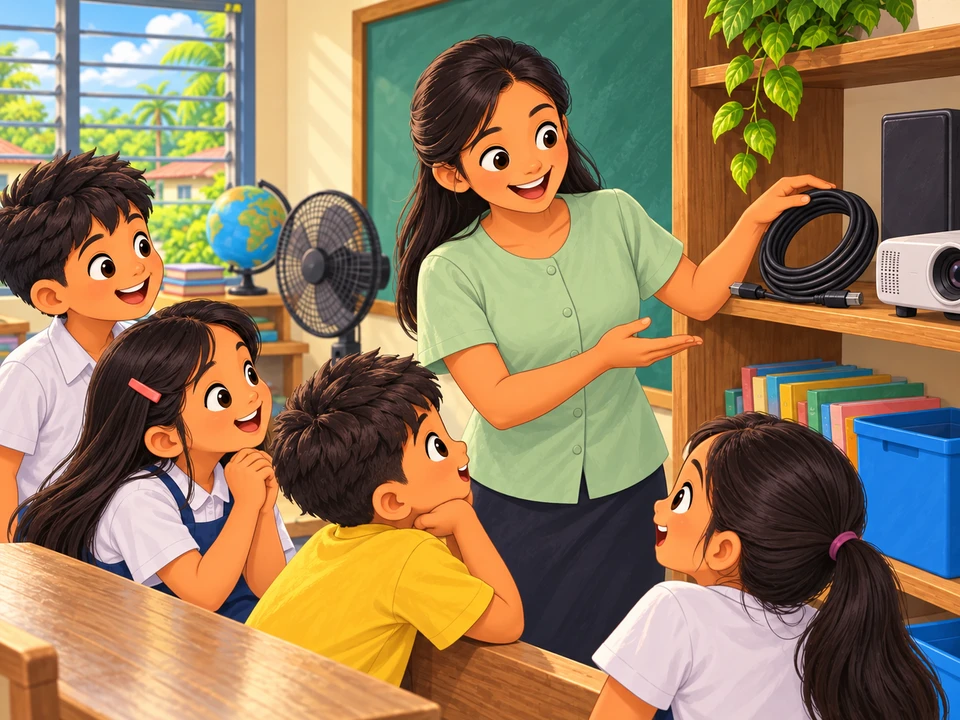
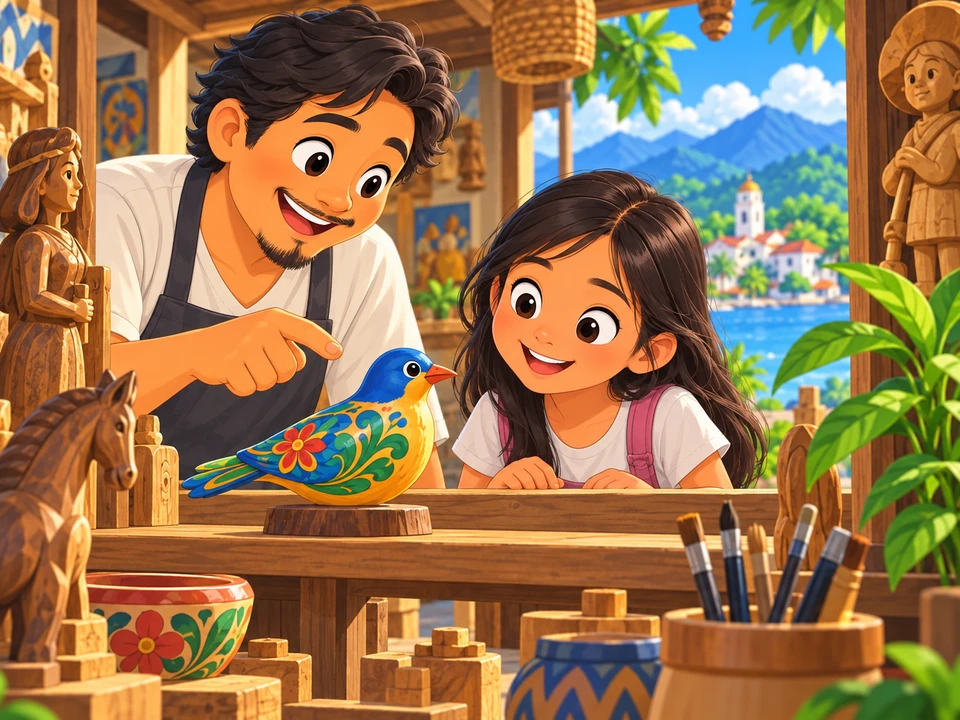
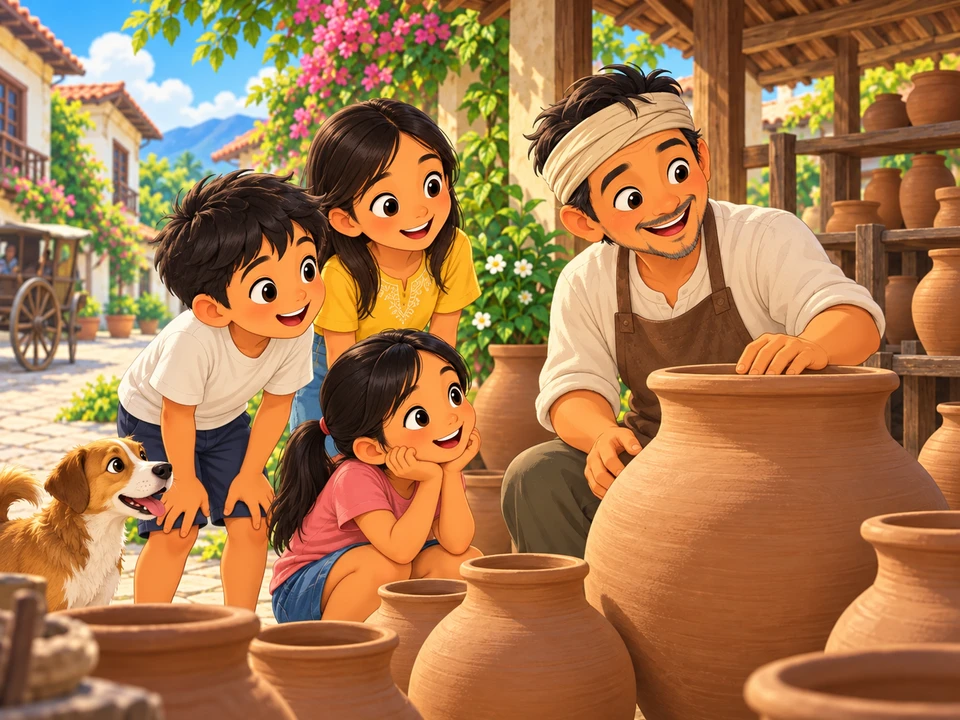
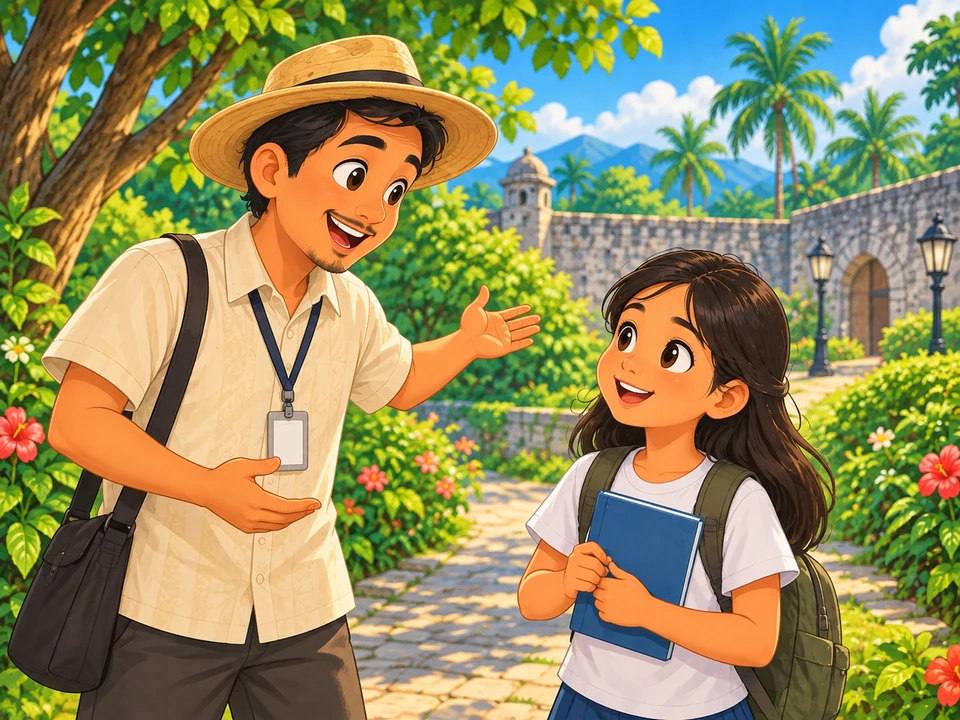
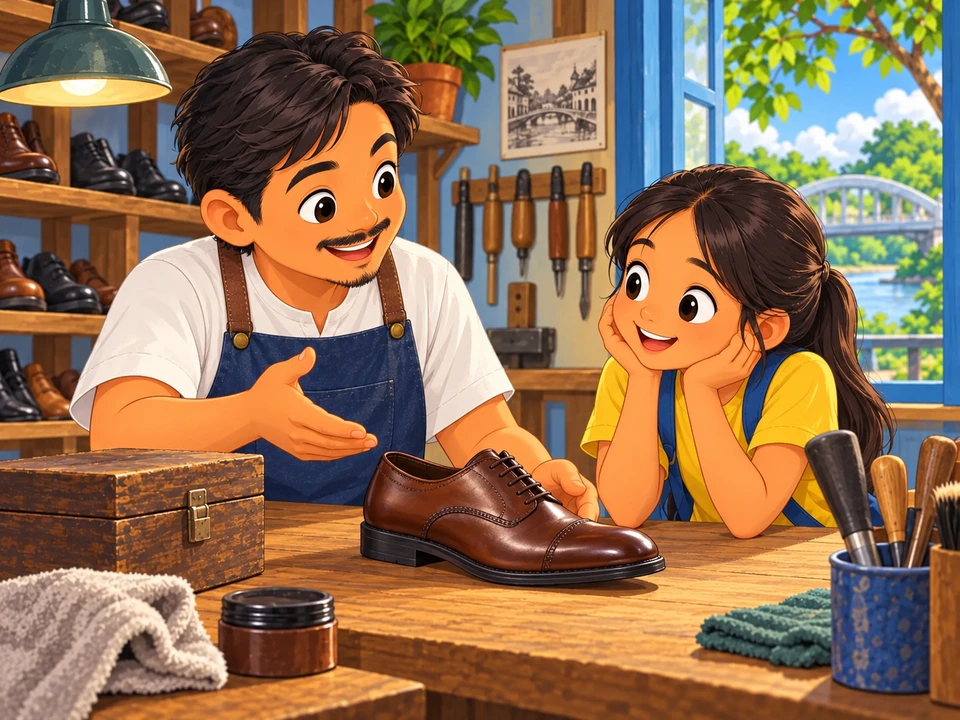
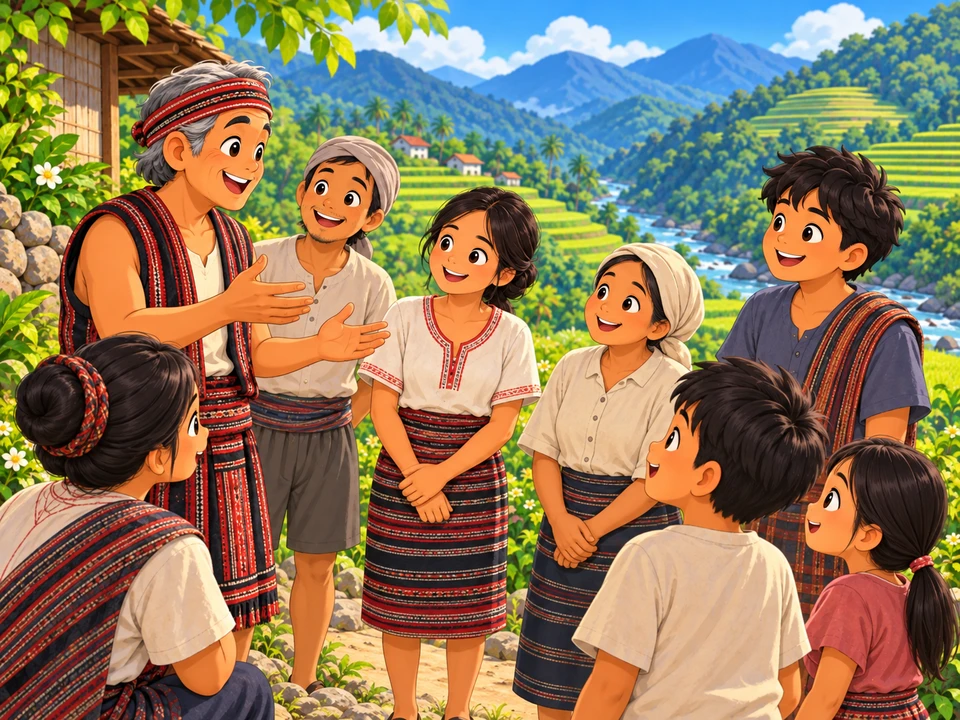
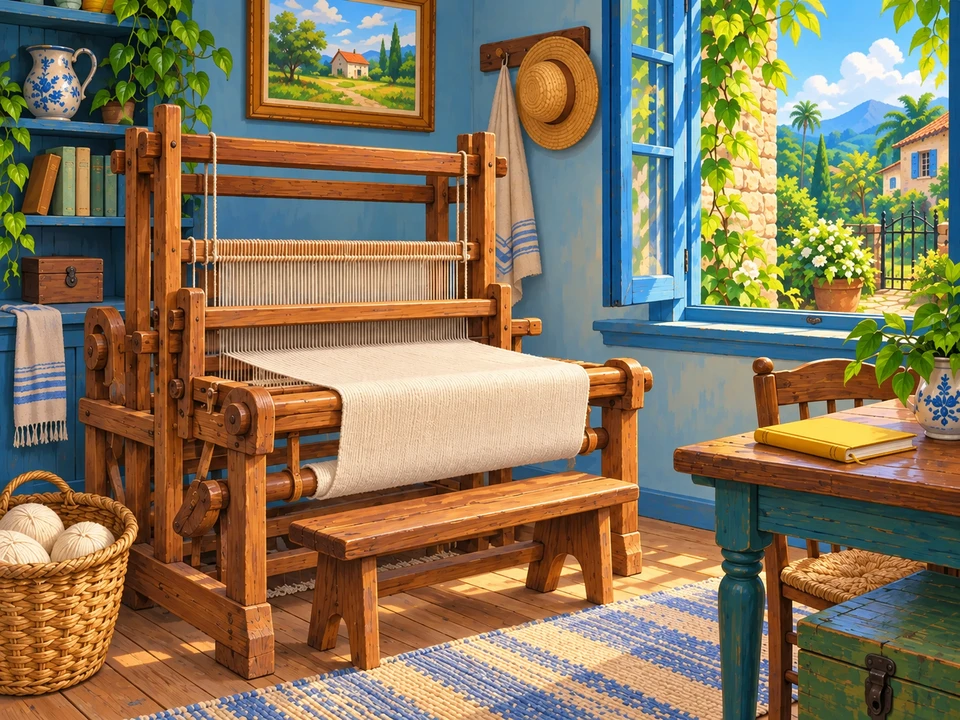
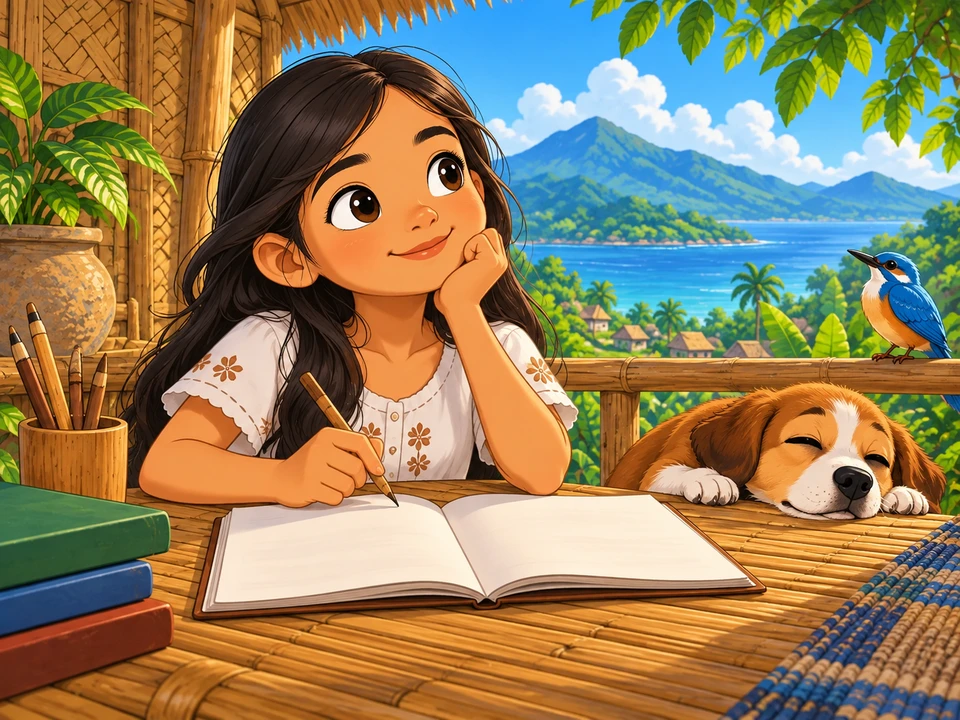
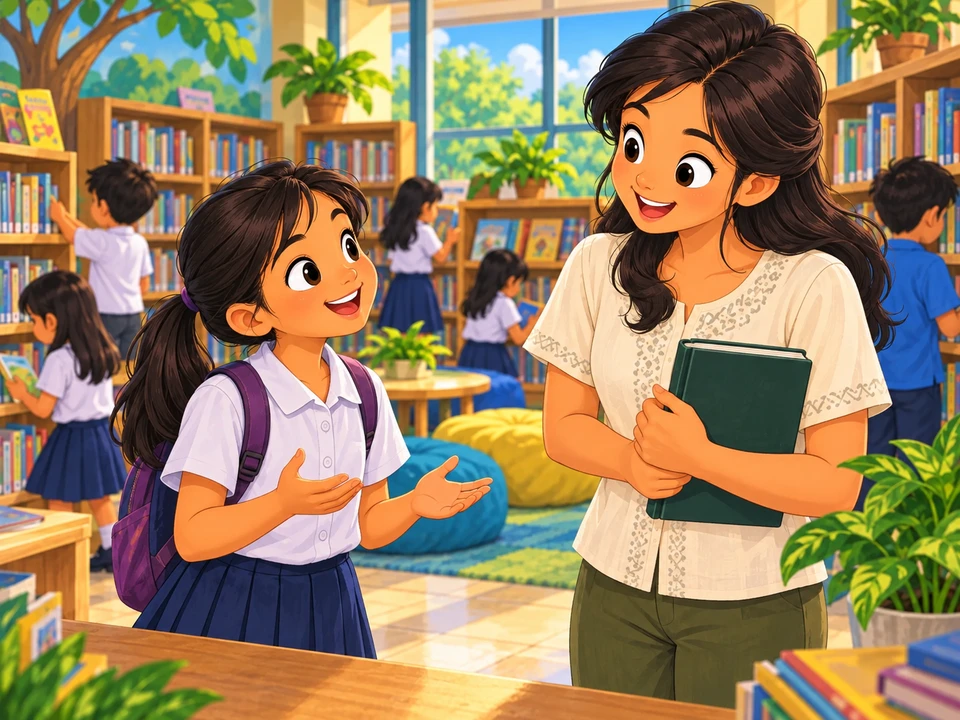
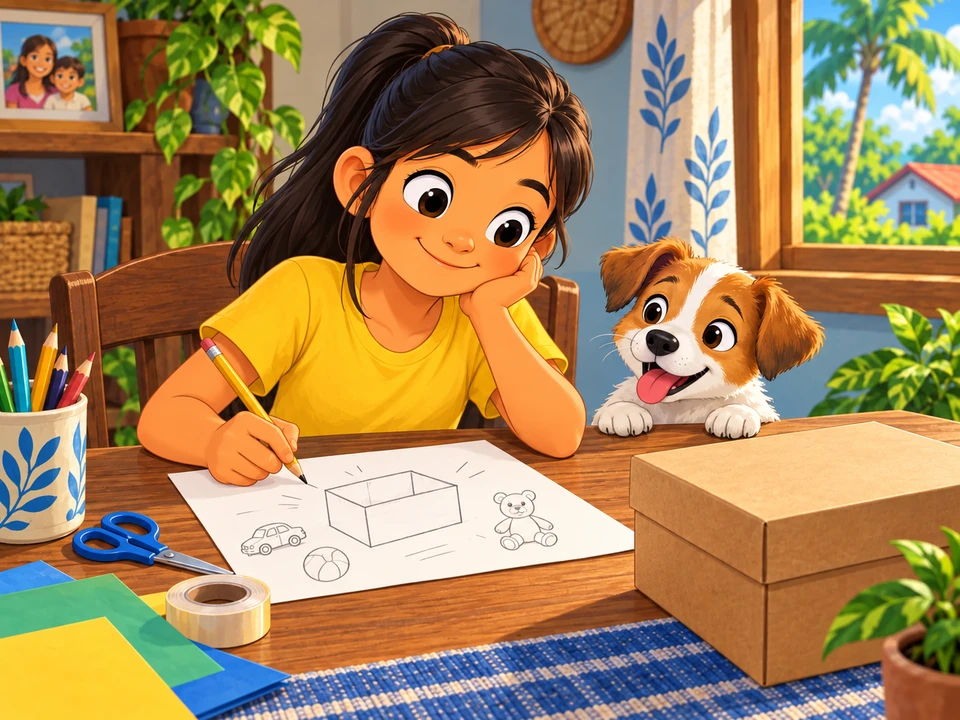
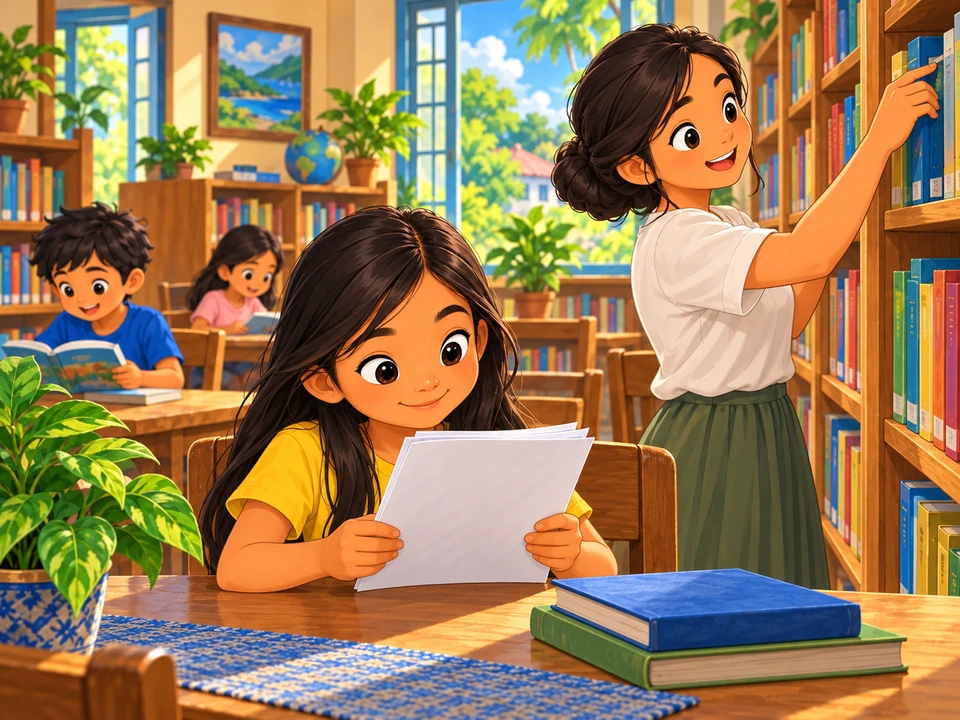
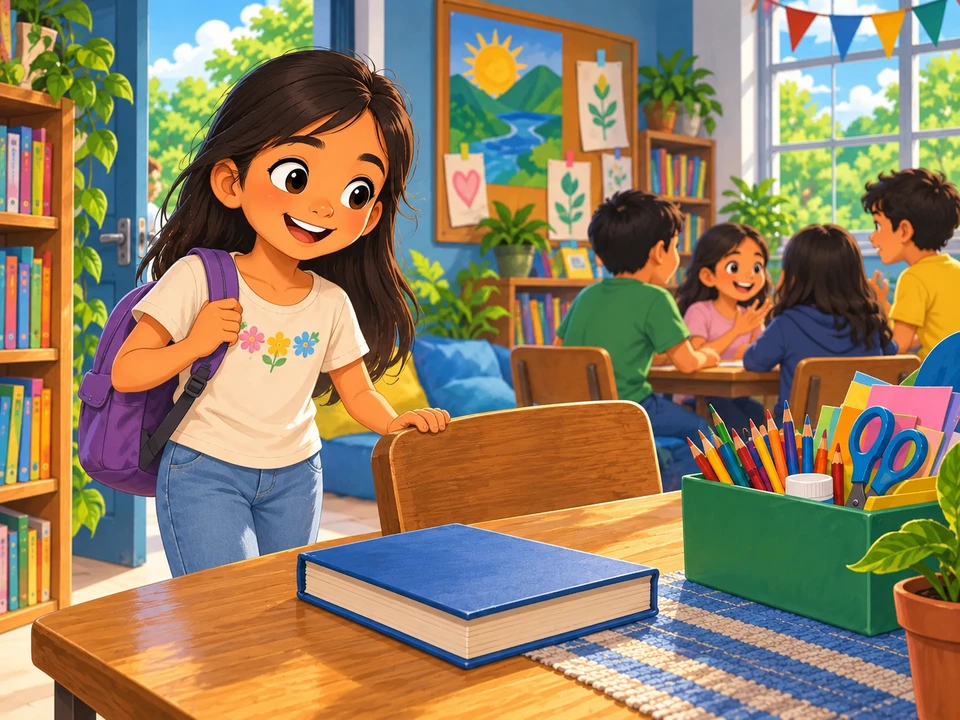
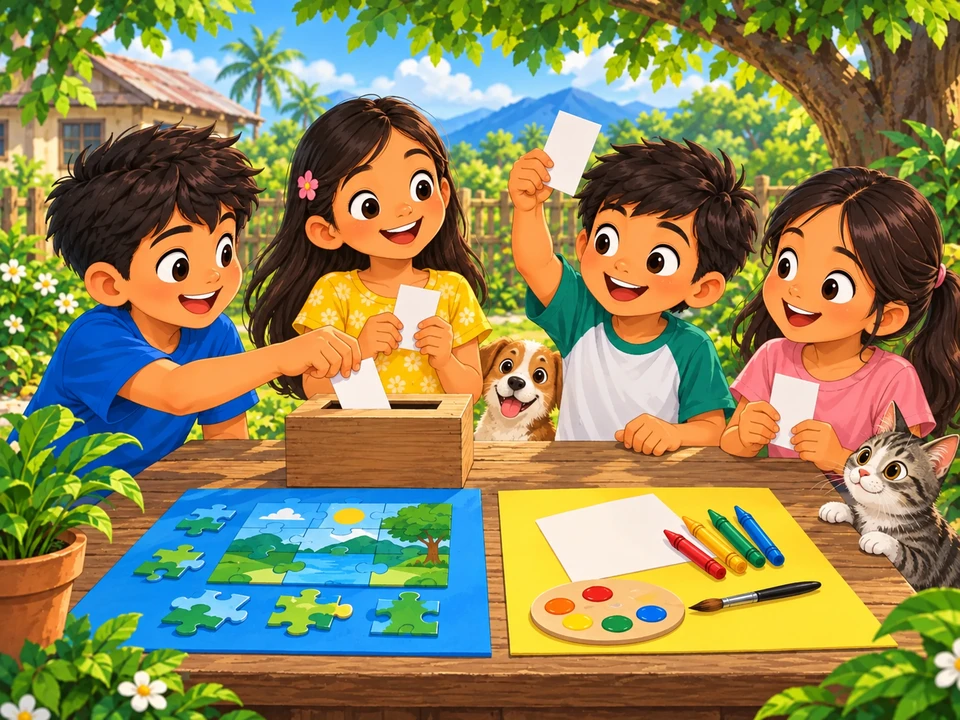
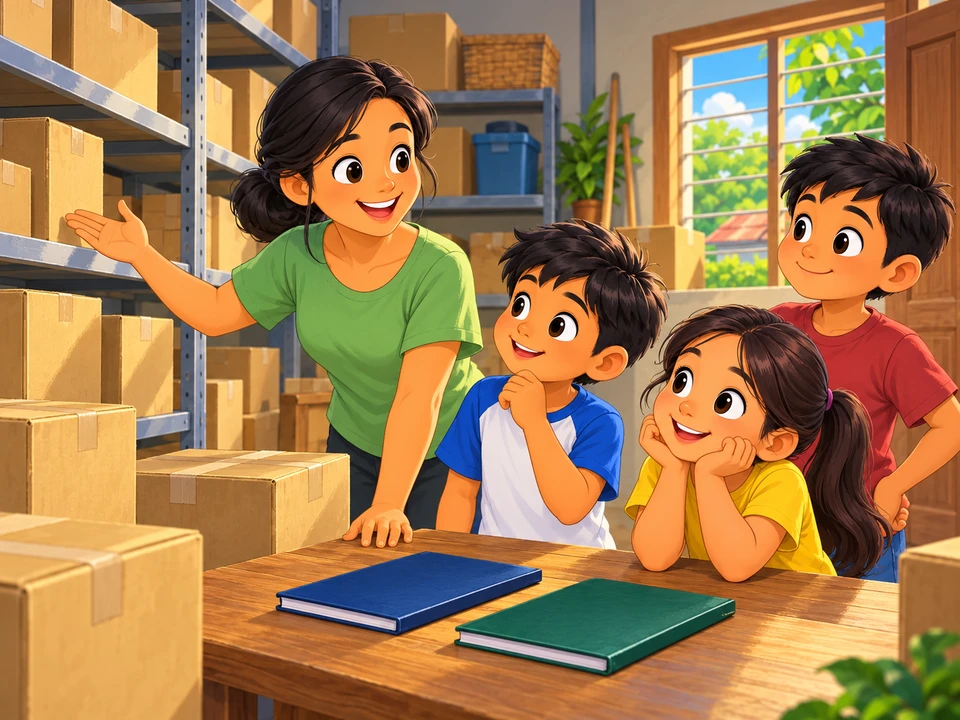
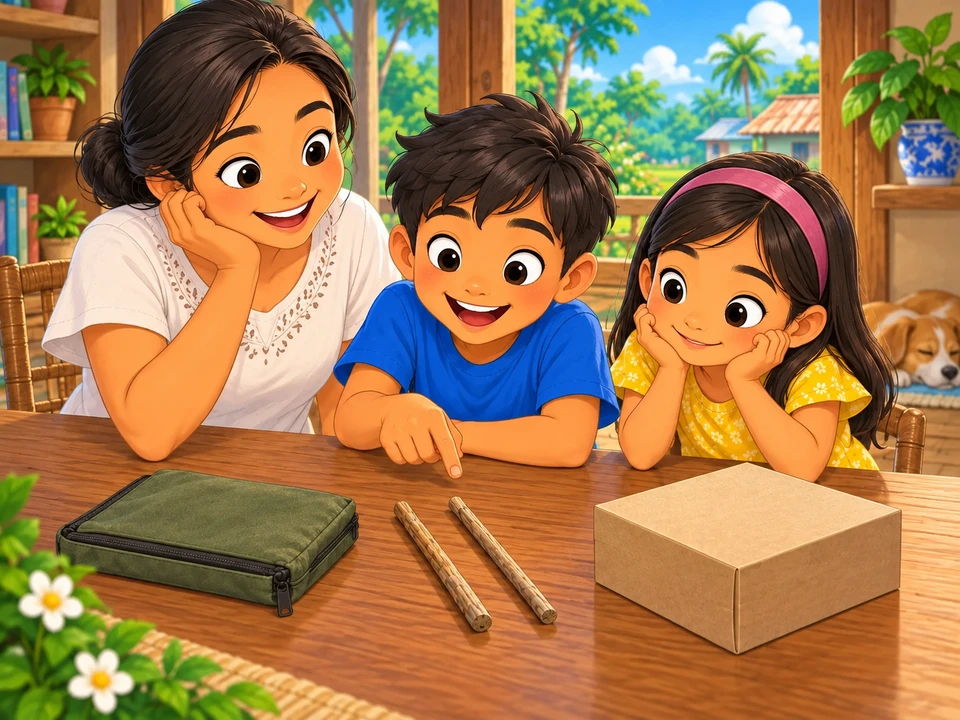
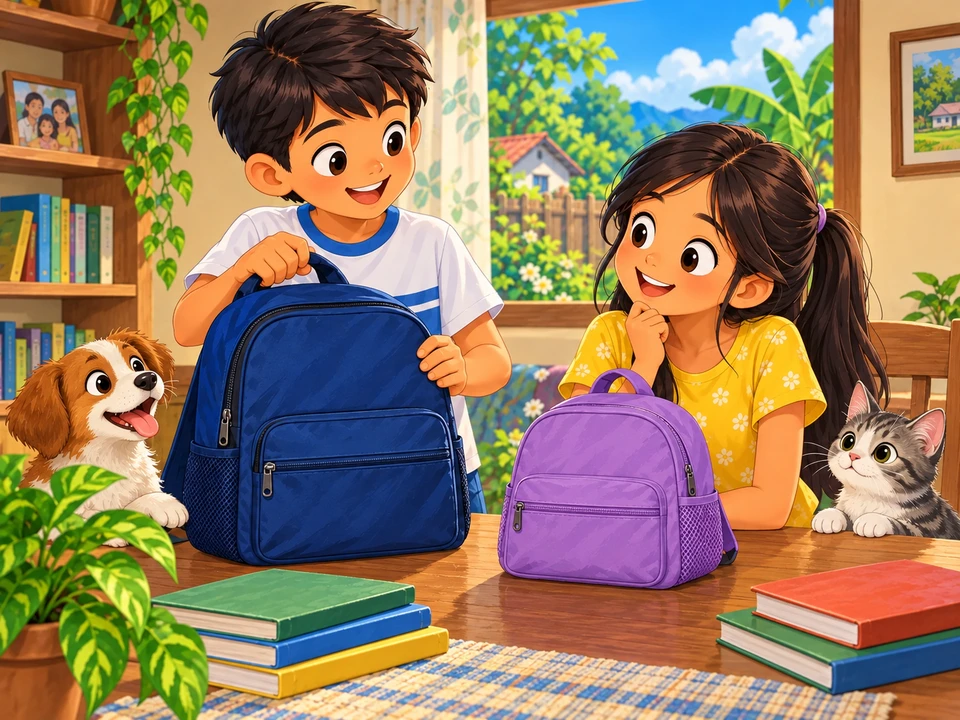
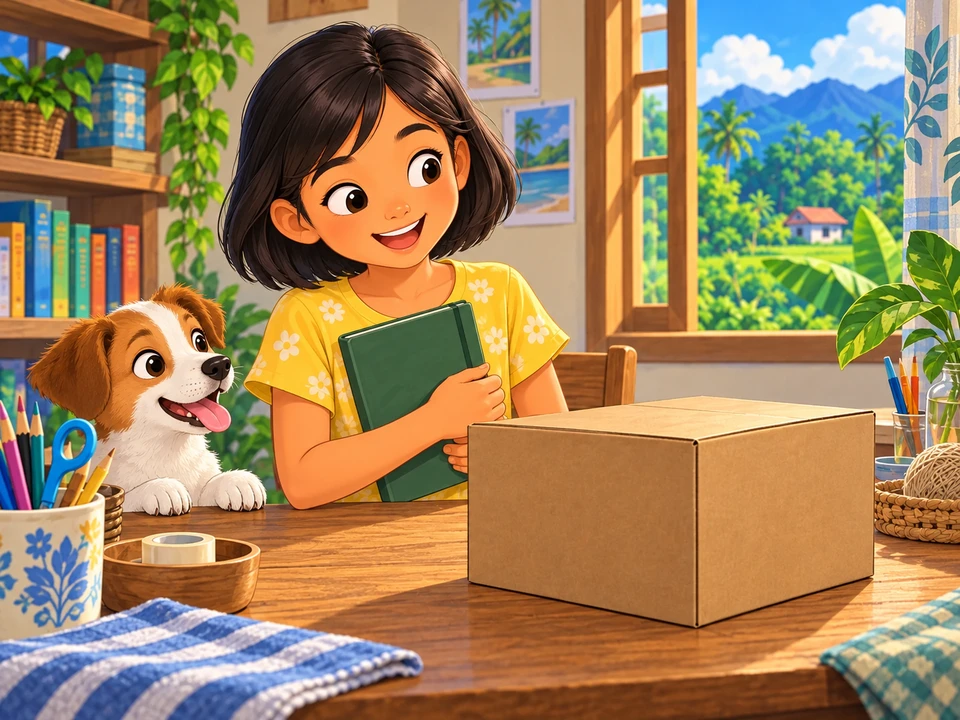
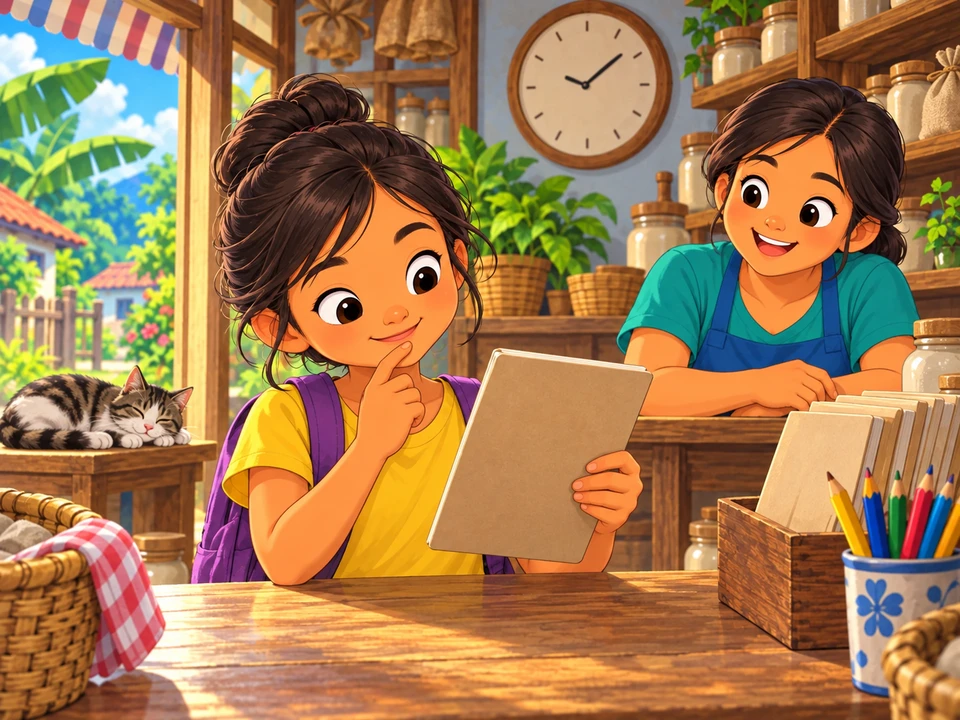
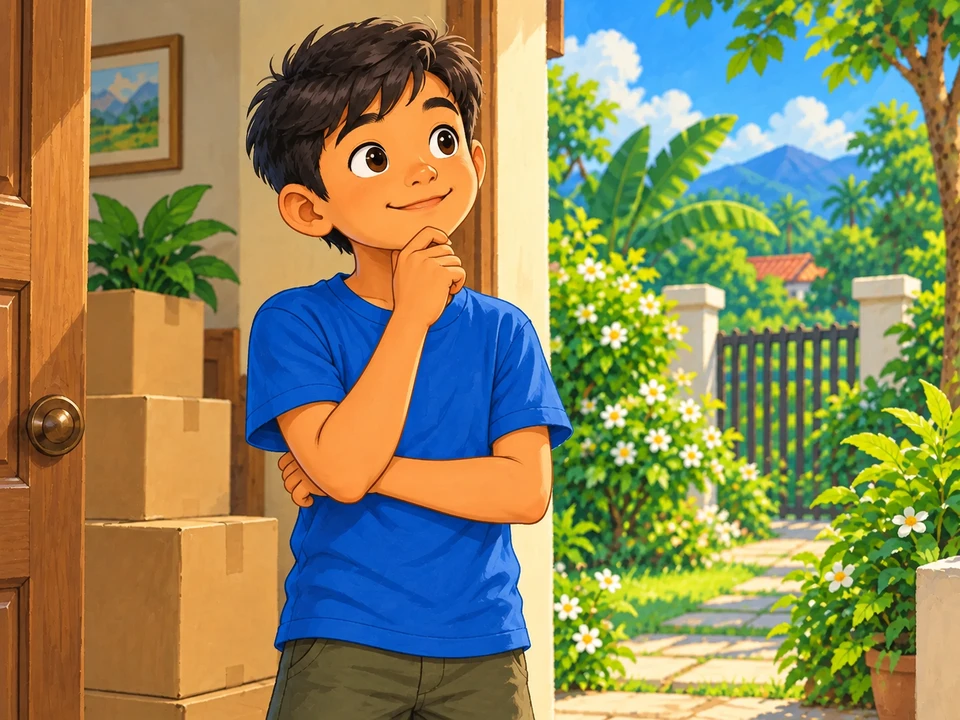
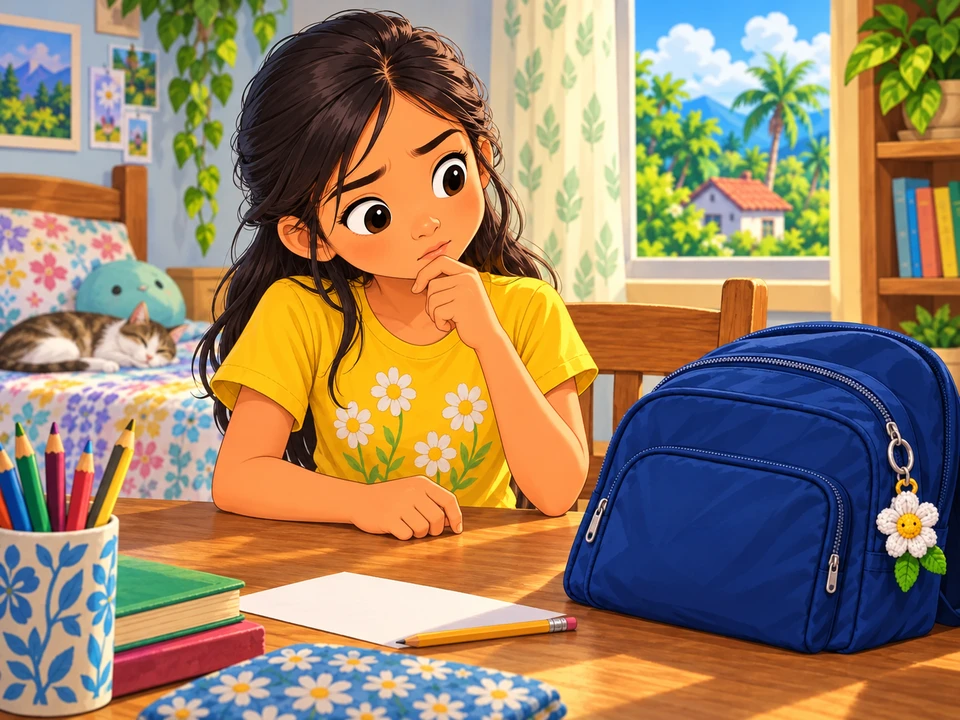
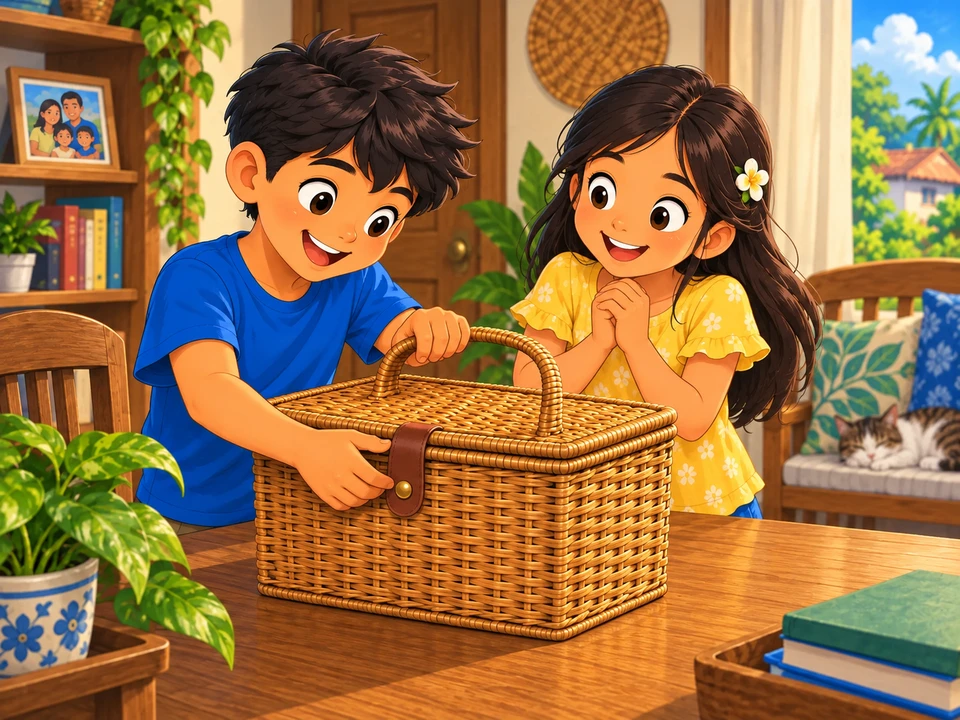
The cover prompt is the passage’s scene, which the labelling step writes as one literal sentence naming who is there, how many, where, and the key objects, because the visual review checks the picture against the whole passage. Two of four design samples (480 × 360 JPEGs with different casts and settings) go with it as style references, and the pair changes with every picture, so no one cast appears on every cover. With a plain request to draw “in the style of” the samples, the model redrew a sample’s family and room instead of the scene and dressed a Filipino grandmother in a sari; the prompt therefore asks for new characters and a new setting, everyday Filipino clothes and no lettering, and names no time of day, so a night story keeps its night. The owner chose this model in September 2026 after a side-by-side check against FLUX.1 schnell, whose text-only brief gave flatter pictures than the site’s artwork. That brief named only what every picture shows, because FLUX.1 drew what a prompt named even after “no”: a brief that ruled out robots and described a daytime Moon put a robot or a full Moon into unrelated pictures. Only a story about the Moon asks for one, drawn as a thin pale crescent. The server checks JPEG encoding, byte size and dimensions. Llama 4 Scout then inspects the image for child safety, story and scientific consistency, and the project style before private R2 storage. A rejected image is drawn again, up to three tries per run, each counted against the pupil, school and per-story image limits; after that the story keeps a placeholder. A teacher can ask for a new picture for a story whose picture failed or was removed: it goes through the same checks and limits, and a new picture returns the story to the teacher’s review before pupils see it. Each reserved run permits up to four writing tries (Mistral Small 3.1, each told exactly which measure to fix) and one labelling, safety and fact call, with a two-run retry ceiling and 90-second call timeouts. The fact review flags claims for the approving teacher instead of discarding the story. Opening a saved reading never generates another image. Cover failure retains the draft for teacher review.
Requests require an active student account and school practice access. Signing in counts as consent under the privacy policy; a recorded guardian refusal or withdrawal still blocks generation. Existing atomic reservations enforce student and school quotas, class controls and the spending ceiling. A picture costs about $0.016, so each story reserves $0.08 of the school’s $10 month and a teacher’s new picture $0.05. AI Gateway records usage for the text and review calls without prompt or image payloads. The picture call goes to Workers AI directly, because the Workers binding cannot send FLUX.2’s multipart input through the gateway; READSmart counts each picture call in its own usage records instead. Generated texts and covers enter the existing teacher-review workflow and remain unavailable to pupils until approved.
Visual review also checks the available questions for answer clues. If questions are missing, it checks possible inferences and the ending in the passage; the teacher must still review the questions when available. Automated fact and pattern review is not independent expert verification. Runtime generation uses saved source evidence and reference profiles. AI visual review can miss errors or borrow a reference’s people or setting. Classroom publication still requires educator and visual review. See Workers AI bindings and FLUX.2 [klein] 9B.